Support

Kerikeri

About

Welcome to Kerikeri, a vibrant and historic town nestled in the picturesque Northland Region. Often referred to as the "Cradle of the Nation," this charming destination offers a unique blend of rich heritage, thriving horticulture, and a relaxed lifestyle. As the largest town in the Far North District, it serves as a perfect base for exploring the subtropical beauty of the far north of New Zealand.

Geographically, Kerikeri is blessed with a warm, subtropical climate that fosters lush landscapes and productive orchards. The town is famous for its citrus, kiwifruit, and avocado plantations, earning it the nickname "the fruit bowl of the North." With a population of approximately 6,960 residents, it maintains a friendly, small-town atmosphere while providing modern amenities and a bustling center filled with cafes and boutique shops.

For those interested in the past, the history of Kerikeri is fascinating and palpable. The town is home to some of the country's most significant historical sites, including the Stone Store, New Zealand's oldest stone building, and Kemp House, the oldest wooden building still standing. These landmarks offer a glimpse into the early interaction between Māori and European missionaries.

Nature lovers will find plenty to admire here as well. A short walk from the town center leads to the spectacular Rainbow Falls (Waianiwaniwa), where the Kerikeri River tumbles into a scenic swimming hole. Whether you are browsing local art galleries, tasting award-winning wines, or simply soaking up the sunshine, Kerikeri promises a memorable and refreshing escape.

Weather Overview

Travelers visiting the Northland Region can expect a generally mild and subtropical climate, making this destination suitable for exploration at any time of year. The weather in Kerikeri is characterized by warm summers and cool, manageable winters, without extreme temperature fluctuations.

January is typically the warmest month, boasting an average temperature of 20.7°C and daily highs reaching up to 24.0°C, perfect for outdoor activities. Conversely, the winter months of July and August are the coolest, with average temperatures dipping to around 12.6°C and lows hovering near 10.0°C.

Rainfall is fairly consistent throughout the year, though the winter season tends to see slightly more frequent precipitation. You can expect up to 14 wet days per month from June through September, while the summer months are slightly drier with about 11 to 12 wet days. Overall, visitors should prepare for pleasant warmth but keep a rain jacket handy for occasional showers.

Interesting Facts

Beyond the main attractions, Kerikeri holds many fascinating secrets and stories that define its unique character. From disputed name origins to horticultural milestones, the town offers plenty of surprising details for the curious traveler.

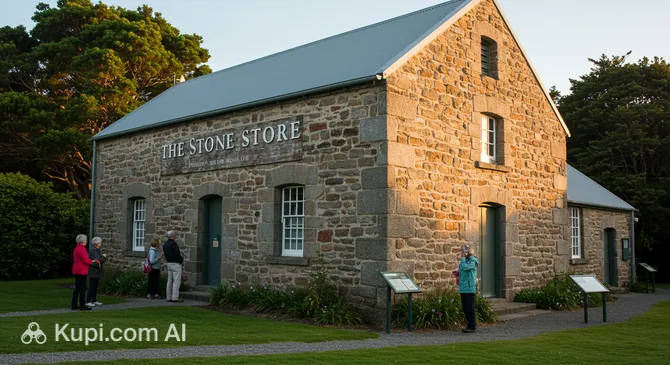
The Stone Store. Source: Kupi.Binoculars
  • Originally constructed in 1832 to house mission supplies and wheat, The Stone Store is New Zealand's oldest stone building. However, because wheat failed to grow well in the local soil, the building was quickly repurposed into a general store and a trading post for kauri gum.

  • The name "Kerikeri" is often a subject of debate; some locals believe it mimics the thundering sound of the water at Rainbow Falls, while others suggest it translates to "dig, dig," referencing the area's centuries-old tradition of intense gardening and cultivation.

  • Kerikeri is widely known as the "Fruit Bowl of the North," a title rooted in its extensive horticultural history. Large-scale citrus orchards were first planted here in the late 1920s, and today the region remains a powerhouse for produce, famous for its bountiful avocado and kiwifruit harvests.

  • For a truly interactive wildlife experience, The Parrot Place allows visitors to walk directly into the aviaries. It is one of the few places where you can hand-feed and handle a variety of exotic birds from around the globe.

How to Get There

Reaching this charming destination in the Northland Region is relatively straightforward, with options to suit different travel styles and itineraries. Whether you prefer a scenic road trip or a quick flight, you can find more about how to get to Kerikeri to help plan your journey efficiently. The town is well-connected to the rest of the country, particularly via air travel and the state highway network.

The most convenient entry point is the local Kerikeri Airport (IATA: KKE), also known as Bay of Islands Airport. Located just 4.9 km from the town center, it primarily serves domestic flights from major hubs. A taxi or shuttle from here to the heart of the town takes approximately 10 minutes, making it an incredibly hassle-free option for visitors.

For international travelers, the primary gateway is usually Auckland Airport (IATA: AKL) in Auckland. While it is about 211.5 km away from Kerikeri, it handles a massive volume of international traffic. From Auckland, visitors can either take a connecting domestic flight to Kerikeri (approx. 45 minutes) or rent a car for a scenic drive north, which typically takes around 3.5 to 4 hours. Another regional alternative is Whangarei Airport (IATA: WRE) in Whangarei, located roughly 70.8 km south. The drive from Whangarei to Kerikeri takes about an hour.

For clarity, here is a summary of the main airports serving the region:

Airport Name City Passenger Traffic Km from City
Auckland Airport Auckland Large 211.5
Whangarei Airport Whangarei Medium 70.8
Kerikeri Airport Kerikeri Medium 4.9

Currently, Kerikeri is not connected to a passenger railway network, and there are no active train stations in the immediate vicinity or in the wider Northland region for public transport. Visitors relying on ground transport typically use the extensive bus network (such as InterCity coaches) or private vehicles to navigate the area via State Highway 10.

Main Attractions

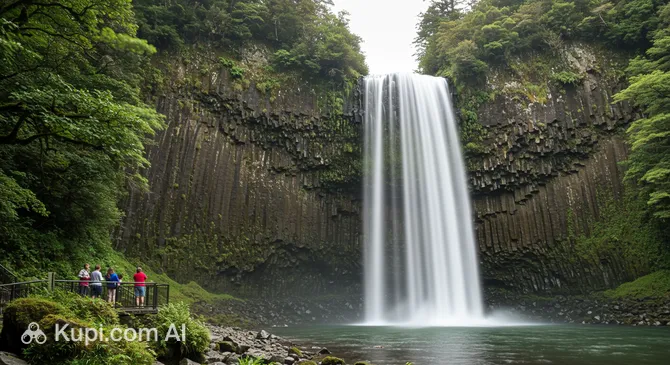
Kerikeri offers a delightful mix of historical significance and natural beauty, making it a compelling destination for visitors. A must-see for nature enthusiasts is the spectacular Rainbow Falls (Waianiwaniwa). Located just a short drive from the town center, this 27-meter waterfall is easily accessible via a well-maintained walking track. Visitors can enjoy views from three different platforms, including one right at the top of the falls, or take a gentle stroll down to the base where a popular swimming hole awaits during the warmer months.

Rainbow Falls. Source: Kupi.Binoculars

For a journey back in time, the Kerikeri Mission Station is an essential stop. Here stands The Stone Store, a prominent landmark set within the picturesque Kerikeri Basin. As one of the country's oldest standing European buildings, it serves as both a museum and a unique shop where you can purchase authentic goods reminiscent of the 19th century. The surrounding area, with its riverside gardens and historic atmosphere, provides a perfect setting for a relaxing afternoon walk or a picnic.

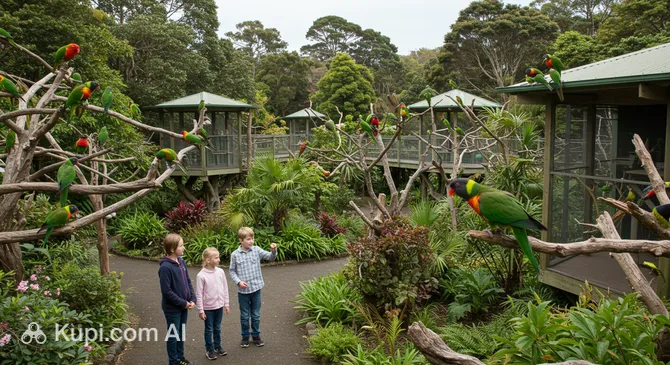
Families and wildlife lovers will find a unique experience at The Parrot Place. This bird park is set amongst subtropical gardens and hosts a vibrant collection of exotic and native parrots from around the world. It is designed to be interactive, allowing visitors to walk through the aviaries and even hand-feed some of the friendly birds, offering a memorable close encounter with these colorful creatures.

The Parrot Place. Source: Kupi.Binoculars

Local Cuisine

The culinary scene in Kerikeri is heavily influenced by its reputation as the "Fruit Bowl of the North." Thanks to the fertile volcanic soil and subtropical climate, the town is a paradise for lovers of fresh, locally grown produce. Food here is often defined by the "farm-to-table" philosophy, with many menus featuring ingredients harvested just miles down the road. Visitors should definitely try the region's famous avocados and kiwifruit, which are staples in local salads and brunch dishes. Additionally, the area is renowned for its buttery macadamia nuts, often roasted or used in desserts.

Given its proximity to the coast, seafood plays a major role in the local diet. Fresh catches from the Bay of Islands, such as snapper and the iconic New Zealand green-lipped mussels, are widely available and best enjoyed simply grilled or in a creamy chowder. For those with a sweet tooth, Kerikeri is also home to exceptional boutique chocolate makers, offering handcrafted truffles and confections that have become a signature treat for tourists passing through the town.

When it comes to beverages, the region boasts a proud viticultural history. As part of Northland, which is considered the birthplace of winemaking in New Zealand, Kerikeri offers excellent local wines. Visitors can sample robust Syrah, spicy Pinot Gris, and oaky Chardonnay at nearby boutique vineyards. For non-alcoholic options, the abundance of citrus orchards ensures that freshly squeezed orange and mandarin juices are a refreshing staple in cafes, alongside drinks sweetened with premium local Manuka honey.

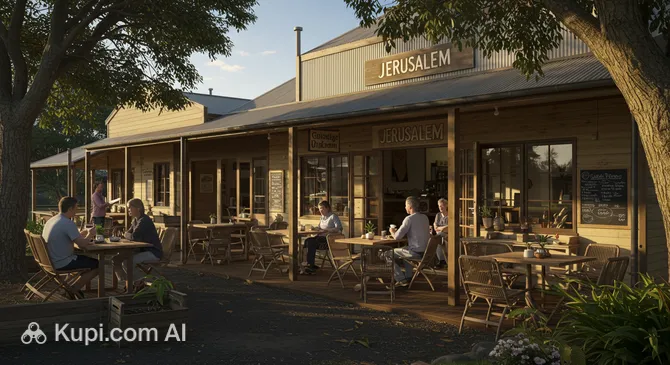
The dining culture in Kerikeri is relaxed and informal, reflecting the town's laid-back lifestyle. A hub of social activity is the vibrant weekend farmers' markets, particularly the Old Packhouse Market, where locals gather to buy artisan breads, cheeses, and street food. The town center is also dotted with cozy eateries that cater to diverse tastes. A standout favorite among both residents and visitors is Cafe Jerusalem, known for its authentic and hearty Middle Eastern cuisine.

Cafe Jerusalem. Source: Kupi.Binoculars

Whether you are enjoying a platter of local cheeses and fruits at a vineyard, grabbing a quick bite at Istanbul Kebab, or dining alfresco surrounded by lush gardens, the food experience in Kerikeri is fresh, flavorful, and deeply connected to the land.

Travel Tips

Preparing for a trip to Kerikeri is exciting, as this friendly town offers a relaxed pace and a welcoming atmosphere. To help you settle in quickly and enjoy your stay in the "Fruit Bowl of the North" without a hitch, here are some practical travel tips to keep in mind.

  1. Clothing and Gear: Given the subtropical climate, the dress code here is casual and practical. Pack breathable layers, as temperatures can vary between day and night. A waterproof jacket is essential, even in summer, as showers can pass through quickly. Comfortable walking shoes are a must for exploring the walking tracks around the river and waterfalls. Don't forget a high-quality sunhat and sunglasses; the New Zealand sun is harsh. You will need a Type I power adapter (three flat pins) for your electronics.

  2. Transportation: The best way to get around Kerikeri and the wider Northland region is by rental car. Public transport within the town is virtually non-existent, and there are no trains or metro systems. While there are some local taxi services and shuttles for airport transfers, having your own vehicle gives you the freedom to visit scattered orchards, beaches, and historical sites at your own pace.

  3. Finances: The local currency is the New Zealand Dollar (NZD). Credit and debit cards (Visa and Mastercard) are widely accepted almost everywhere, including cafes and small shops. However, it is wise to carry some cash if you plan to visit local farmers' markets or roadside fruit stalls. ATMs are readily available in the town center. Tipping is not mandatory in New Zealand, but rounding up the bill or leaving a small amount for exceptional service is appreciated.

  4. Health and Safety: Kerikeri is a very safe destination for tourists, but standard precautions regarding personal belongings apply. The biggest health risk is the sun; burn times can be very short, so always apply high-SPF sunscreen. Pharmacies are located in the main shopping area, but they are generally not open 24/7, so bring any prescription medication you need. In an emergency, dial 111 for police, ambulance, or fire services.

  5. Communication: English is the primary language spoken and is used everywhere. You might hear the Māori greeting "Kia ora" (hello), which is a friendly way to say hi. Mobile coverage is generally good in town but can be spotty in remote rural areas. You can purchase a local SIM card (Spark, One NZ, or 2degrees) at supermarkets or the airport. Free Wi-Fi is often available in the public library and most cafes.

  6. Local Etiquette: Locals are known for being friendly and chatty. It is polite to return a smile or a greeting when passing people on walking tracks. New Zealanders take great pride in their environment, so strictly follow the "Tiaki Promise" to care for the land: take all your rubbish with you and respect nature. When driving, pull over safely to let faster traffic pass if you are driving slowly to admire the views.

  7. What to Avoid: Never underestimate the strength of the sun here—avoid spending long periods in direct sunlight during the middle of the day without protection. Also, be mindful not to trespass on private orchards; while fruit trees are abundant, they are often private commercial properties, so only pick fruit if there is a sign explicitly saying you can.

  8. Market Day Tip: If your schedule allows, try to be in town on a weekend morning. The Old Packhouse Market is a local institution where you can grab breakfast, buy fresh produce, and mingle with the community. It’s the best place to find unique souvenirs and taste the fresh citrus and artisan foods the region is famous for.

By keeping these tips in mind, you will be well-equipped to experience the best of Kerikeri's warm hospitality and stunning landscapes. Relax, soak up the sunshine, and enjoy the unique charm of this historic Northland gem.

Entertainment & Nightlife

Entertainment in Kerikeri reflects the laid-back and culturally rich nature of New Zealand's Northland Region. Rather than loud nightclubs or bustling party strips, the town offers a sophisticated blend of performing arts, boutique cinema, and social gatherings. Evenings here are best spent enjoying the creative talents of the community or relaxing with a glass of local wine as the sun sets.

The cultural heartbeat of the town is the Turner Centre, a modern performing arts venue that punches well above its weight for a town of this size. It hosts a rotating calendar of events, including theater productions, musical concerts, ballets, and art exhibitions. For movie lovers, Cathay Cinemas provides a cozy, boutique experience, screening a mix of current blockbusters and independent films.

Throughout the year, the town comes alive with various festivals that celebrate its horticultural and artistic roots. Events like the Kerikeri Open Art Studios and local wine and food festivals draw visitors who appreciate creativity and gastronomy. The annual Kerikeri Half Marathon is another major event, creating a festive atmosphere in the streets as locals cheer on runners from across the country.

For those who prefer active leisure, the Bay of Islands Golf Club offers a fantastic way to unwind. Known for its impeccable fairways and native birdlife, the course provides a scenic challenge for golfers of all skill levels. Whether you are catching a show, exploring a festival, or playing a round of golf, the entertainment options here are designed to be restorative and engaging.

Parks & Museums

Kerikeri seamlessly blends its lush, subtropical environment with profound historical significance, offering visitors a rich array of green spaces and cultural heritage sites. From manicured gardens that showcase the region's botanical diversity to open-air museums that tell the story of early New Zealand, the town provides ample opportunity for both relaxation and education.

A highlight for nature lovers is the scenic reserve surrounding Rainbow Falls (Waianiwaniwa). While the waterfall itself is the main draw, the surrounding parkland offers excellent walking tracks that meander through native bush and alongside the river. It is a perfect spot for a picnic or a refreshing swim in the designated holes, providing a tranquil escape just minutes from the town center.

Another botanical gem is the Wharepuke Subtropical Garden, often cited as a "Garden of National Significance." This sprawling sanctuary features a rare collection of plants from around the world, thriving in the warm Northland climate. Visitors can wander through the sculpture trail, which integrates art with nature, making it a peaceful retreat for those who appreciate both horticulture and creativity.

For a deep dive into the town's past, the Kerikeri Mission Station is the premier cultural destination. Here you will find The Stone Store, which operates as a museum on the ground floor and a quirky shop upstairs. It offers a tangible connection to the 1830s, displaying authentic artifacts and goods. Standing next to it is Kemp House, the country's oldest building, where guided tours reveal the domestic lives of the early missionary families.

Just a short walk across the footbridge from the Stone Store lies Rewa’s Village. This outdoor museum is a faithful reconstruction of a pre-European Māori fishing village (kainga). It features thatched whare (houses), storage platforms, and traditional gardens, providing visitors with a valuable insight into the lifestyle and culture of the local Ngāpuhi people before European settlement.

Overlooking the river basin is the historic site of Kororipo Pā. Once a fortified headquarters for the legendary Māori chief Hongi Hika, this terraced hillside is now a protected heritage site. While there are no buildings left, the earthworks and the commanding views over the inlet offer a powerful sense of the strategic importance this location held in the early 19th century.

For a delightful "insider" experience, seek out Roland’s Wood on Inlet Road. This dog-friendly park is a labor of love gifted to the community, designed to resemble an English woodland. It is particularly magical in spring when bluebells carpet the ground, offering a quiet and picturesque alternative to the more tourist-heavy spots.

Getting Around

The public transport system in Kerikeri is quite different from what you might find in larger metropolitan areas. Due to its relatively small population and semi-rural layout, the town does not possess an internal urban public transport network such as a metro, trams, or a comprehensive city bus service. Visitors should not expect to rely on public buses to navigate between local attractions, restaurants, and accommodation within the town itself.

The primary form of bus transport available is the regional coach service, operated mainly by InterCity. These buses connect Kerikeri with other major destinations in the Northland Region, such as Paihia, Whangarei, and Auckland. While excellent for getting to and from the town, they are not designed for short hops within the local area. There is also a limited community service known as the Mid North Link, which connects Kerikeri to nearby towns like Kaikohe and Ohaeawai on specific days, but its schedule is generally geared towards locals rather than tourists.

regarding payment and tickets, since there is no local city transit system, there are no "travel cards" or day passes for internal travel. For regional coaches like InterCity, it is highly recommended to book tickets online in advance to secure a seat and get the best fare. Prices vary depending on the distance and booking time. For the limited local connector services, cash is often the standard method of payment directly to the driver, though carrying small denominations of the local currency is advisable.

Because public transport is scarce, the most practical advice for tourists is to rent a car. This is by far the most popular and convenient way to explore Kerikeri and its surrounding orchards, waterfalls, and historical sites. Several rental agencies operate from the airport and the town center. Having a vehicle gives you the freedom to visit attractions that are spread out and not walkable from the main shopping street.

For those without a vehicle, taxis and shuttle services are the main alternatives. Local companies like Kerikeri Taxis provide reliable service, but unlike in big cities, you generally cannot hail them on the street. It is best to call and book a ride in advance, especially for airport transfers or evening dining. Rideshare apps are not widely established here compared to major global cities, so relying on local taxi dispatch numbers is the safest bet.

Lastly, for short distances, walking is a pleasant option, particularly around the town center and the historic Stone Store basin. There are scenic walking tracks connecting the central business district to the heritage area, allowing you to enjoy the subtropical greenery on foot. However, for a full experience of the region, arranging private transport remains the most efficient choice.

Accommodation

Finding the perfect place to stay in Kerikeri is relatively easy, as the town offers a diverse range of accommodation options to suit various travel styles and budgets. Unlike major cities with high-rise hotel chains, the lodging scene here is characterized by charm and character. Visitors can choose from comfortable motels, boutique bed and breakfasts, luxury lodges, and family-friendly holiday parks. There are also numerous private holiday rentals and self-contained cottages nestled among the orchards, providing a peaceful "home away from home" experience.

When choosing a location, it helps to consider your mode of transport and what you want to be close to. The town center and the main stretch along Kerikeri Road are the most convenient areas for those who want easy access to supermarkets, cafes, and shops. Staying here means you are often within walking distance of local dining spots. For a more scenic and tranquil stay, look for properties near the Kerikeri Inlet or the historic Stone Store basin. These areas offer stunning water views and proximity to heritage sites, though having a car is recommended for getting back to the main shops.

Because Kerikeri is a popular destination, especially during the warm summer months (December to February) and school holidays, it is highly advisable to book your accommodation in advance. The best spots, particularly those with unique views or high ratings, tend to fill up quickly. During the peak season, securing your reservation a few months ahead ensures you get your preferred choice rather than settling for what is left.

Price ranges in Kerikeri are generally reasonable compared to New Zealand's major tourist hotspots. Budget travelers can find affordable rates at local backpacker hostels and holiday parks, which often offer cabins and campsites. Mid-range options, such as motels and B&Bs, provide excellent value with modern amenities. For those seeking indulgence, the region is home to several luxury lodges and retreats that offer premium service, privacy, and often their own on-site dining or spa facilities. Most accommodation can be easily booked via major online travel platforms or directly through the property's website.

Nearby Cities

For those looking to explore the surroundings, Kerikeri serves as an excellent base for day trips to several interesting nearby locations:

Paihia is the main tourist hub of the Bay of Islands and is located just a short 20-minute drive from Kerikeri. Known as the gateway to the maritime park, it is the starting point for cruises to the famous Hole in the Rock and dolphin viewing tours. The town features a lively waterfront with cafes and restaurants, and it is within walking distance of the historic Waitangi Treaty Grounds, New Zealand's most significant historic site.

A short passenger ferry ride from Paihia takes you to the charming town of Russell (Kororāreka). As the first permanent European settlement and seaport in New Zealand, Russell is steeped in history. Visitors can explore the country's oldest surviving church and licensed hotel, wander through heritage streets, or enjoy a meal overlooking the tranquil waterfront, a stark contrast to its 19th-century reputation as the "Hellhole of the Pacific."

City Population Distance (km)
Auckland 1,346,091 194
Manukau 375,600 213
Waitakere 208,100 188
Northcote 205,605 189
Hamilton 176,500 307

These nearby destinations offer a glimpse into the diverse culture and landscapes of the region.

Shopping & Souvenirs

Shopping in Kerikeri is a delightful experience that reflects the town's artistic soul and horticultural heritage. Unlike large metropolitan centers dominated by international chains, the retail scene here is characterized by independent boutiques, art galleries, and specialty food stores. Visitors will find a relaxed atmosphere where browsing is encouraged, and many shops offer unique, locally made products that you won't find anywhere else in New Zealand.

The main hub for retail therapy is centered along Kerikeri Road, which runs through the heart of the town. This bustling strip is lined with a variety of fashion boutiques, homeware stores, and gift shops. It is a pedestrian-friendly area where you can easily wander from one shop to another, interspersed with inviting cafes for a coffee break. The vibe is distinctly "village-style," offering personal service and a curated selection of goods ranging from high-end clothing to quirky books.

Kerikeri does not feature massive shopping malls in the traditional sense. Instead, the town center hosts smaller retail complexes and arcades that blend seamlessly with the streetscape. These areas provide a convenient collection of essential services, supermarkets, and specialty stores without the overwhelming crowds of a large city mall. This layout preserves the town's charm while still ensuring that visitors have access to everything they need, from pharmacies to outdoor gear.

A highlight of the local shopping scene is undoubtedly the markets. The Old Packhouse Market, held every Saturday and Sunday, is an absolute must-visit. It is the largest market in the Northland Region and a vibrant gathering place for locals and tourists alike. Here, you can browse stalls overflowing with fresh local produce, artisan cheeses, handmade jewelry, and crafts. It is the perfect place to meet the makers and growers who define the region's productive reputation.

When it comes to souvenirs, visitors are spoiled for choice with high-quality local goods. A visit to The Stone Store is essential; as New Zealand's oldest store, it offers a unique range of heritage-themed gifts, classic kiwi memorabilia, and quality homewares in a historic setting. Foodies should look for Makana Confections to pick up some of their famous macadamia brittle or truffles, while art lovers should explore the local galleries for pottery and paintings created by the region's thriving community of artists.

Store opening hours in Kerikeri typically follow standard New Zealand business times. Most shops in the town center are open from 9:00 AM to 5:00 PM on weekdays and Saturdays, with reduced hours or closures on Sundays, although supermarkets and the Old Packhouse Market are active on weekends. Electronic payment is the norm, with credit and debit cards (Visa and Mastercard) accepted almost everywhere, including market stalls, though carrying a little cash is always handy for smaller vendors.

New Zealand operates with a Goods and Services Tax (GST) of 15%, which is always included in the displayed price of items. Unlike some other countries, there is no convenient "tax-free" refund booth at city stores for tourists. Duty-free shopping is generally limited to the international departure areas at major airports like Auckland, so the price you see on the shelf in Kerikeri is the final price you pay.
Reached the end of the page?

That means the route is fully explored