Support

Whangarei

About

Welcome to Whangarei, the vibrant capital of the Northland Region and the northernmost city in New Zealand. Known for its subtropical climate and relaxed pace of life, this charming destination serves as the perfect gateway to the stunning natural beauty of the "Winterless North." Whether you are passing through on a road trip or planning a dedicated stay, the city offers a delightful mix of urban amenities and outdoor adventures.

Geographically, the city is beautifully situated around a sheltered harbor, providing scenic waterfront views and a haven for boating enthusiasts. With a population of approximately 50,784 residents, it maintains a friendly, community-focused atmosphere while offering all the conveniences of a modern city. The warm weather and lush landscapes make it an attractive spot for travelers year-round.
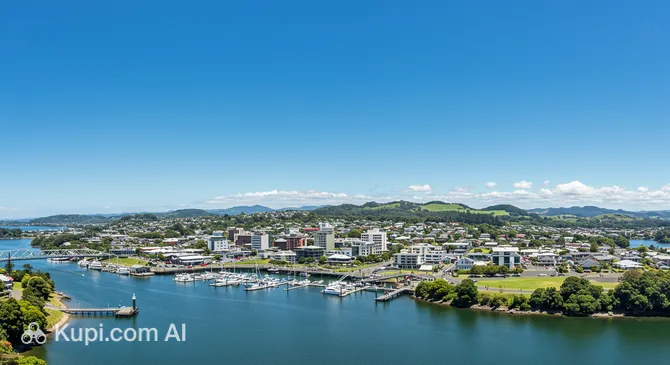
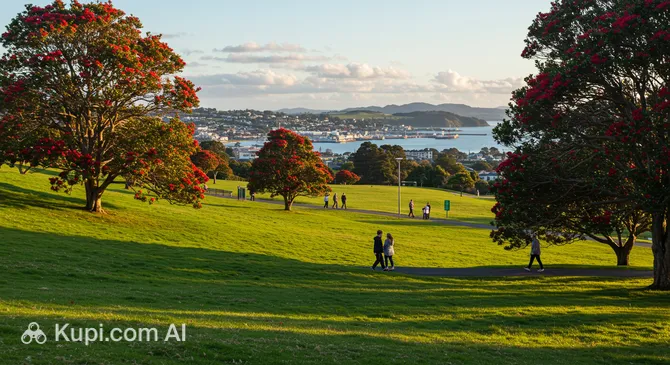
Whangarei. Source: Kupi.Binoculars

The area is steeped in heritage, and taking time to learn about the history of Whangarei adds a rich layer to any visit. From significant Māori pa sites to early European settlement stories, the past helps shape the unique character of the present-day city.

Visitors are spoiled for choice when it comes to attractions. The iconic Whangarei Falls is a must-see, often photogenic and easily accessible. The bustling Town Basin is another highlight, featuring a picturesque marina lined with cafes, restaurants, and art galleries, including the famous Hundertwasser Art Centre. For those who enjoy panoramic views, a hike up Mount Parihaka offers a breathtaking perspective over the city and harbor.

Whether you are here to explore the rugged coastlines nearby or simply enjoy a coffee by the water, Whangarei invites you to unwind and experience the genuine hospitality of the Northland. It is a destination that truly captures the spirit of the region.
Weather Overview

Whangarei is known for its mild, subtropical climate, characterized by comfortable temperatures and regular rainfall throughout the year. Generally, you can expect warm summers perfect for beach days and cooler, damper winters that help maintain the region's lush greenery.

In the peak of summer, particularly January and February, average temperatures sit around 20.5°C, with daytime highs reaching up to 23.8°C. While this season is great for outdoor adventures, it is not entirely dry, recording about 10 to 12 wet days per month. To plan your activities around the rain, it is useful to consult the current weather in Whangarei.

As the seasons shift to winter from June to August, the air gets fresher with average temperatures dipping to roughly 12.2°C and lows around 9.5°C. These months are slightly wetter, seeing up to 14 wet days in July, but the conditions remain relatively temperate compared to the rest of the country.

Interesting Facts

Beyond the popular waterfront and cascading waterfalls, Whangarei holds several fascinating secrets that add depth to its character. These unique features highlight the city's rich heritage and the enduring creativity of its community.

  • Whangarei is home to Claphams National Clock Museum, which boasts the largest collection of timepieces in the Southern Hemisphere. The museum houses everything from rare antiques to fun, quirky novelty clocks, making it a surprising find for such a relaxed regional city.

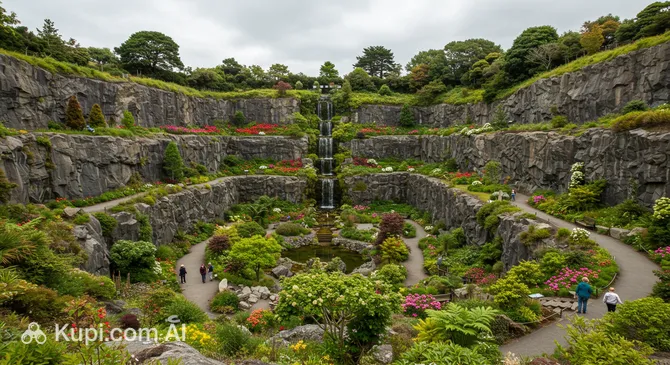
  • The stunning Whangarei Quarry Gardens has a remarkable origin story, having risen from the ashes of a derelict stone quarry that was damaged by fire in the 1970s. It was transformed entirely by local volunteers into the lush subtropical oasis seen today, showcasing a triumph of community spirit over industrial ruin.

  • While many visitors hike Mount Parihaka for the views, few realize its immense historical significance. It was once the site of the largest Māori Pā (fortified village) in New Zealand, historically housing thousands of people and serving as a major strategic stronghold in the region.

  • The city's full Māori name, Whangarei-Terenga-Paraoa, poetically translates to "The gathering place of whales." This metaphor was traditionally used to describe the gathering of chiefs, signifying the area's long-standing importance as a meeting point for leadership and diplomacy.

Whangarei Quarry Gardens. Source: Kupi.Binoculars

How to Get There

Reaching this northern destination is an adventure in itself, offering travelers the chance to experience the scenic landscapes of the Northland Region. Whether you prefer flying or driving, there are several options to suit your itinerary. You can read more about how to get to Whangarei to help plan your journey effectively.

The most convenient option for direct access is Whangarei Airport (WRE), located just 6.3 km from the city center. As a regional hub with moderate passenger traffic, it offers a quick and stress-free arrival. A taxi or shuttle from the terminal to the heart of the city typically takes around 10 to 15 minutes. For international visitors, the primary gateway is Auckland Airport (AKL) in Auckland. Although it is situated approximately 148.4 km away, it is the largest transport hub in the country. The drive north from Auckland is a popular route, with the transfer by road taking roughly 2 to 2.5 hours depending on traffic conditions.

For clarity, here is a summary of the main airports:

Airport Name City Passenger Traffic Km from City
Auckland Airport Auckland Large 148.4
Tauranga City Airport Tauranga Medium 273.4
Hamilton International Airport Hamilton Medium 254.0
Whangarei Airport Whangarei Medium 6.3
Kerikeri Airport Kerikeri Small 63.3

Main Attractions

Whangarei offers a delightful array of sights that showcase the region's natural beauty and community spirit. From tranquil gardens to scenic reserves, the city provides plenty of opportunities to explore the outdoors and soak up the local atmosphere.

A shining example of local dedication is the Whangarei Quarry Gardens. Once a derelict stone quarry, this site has been transformed into a stunning subtropical oasis by volunteers. Visitors can wander through lush pathways lined with exotic and native plants, admire the waterfalls, and enjoy the serenity of the lake. It is a unique attraction that highlights both botanical diversity and the area's industrial past.

For those seeking a blend of recreation and nature, Mair Park is an excellent choice. Situated at the foot of Mount Parihaka, this expansive reserve features picturesque walking tracks that follow the Hatea River. It is a favorite spot for picnics and leisurely strolls, offering a refreshing escape into native bushland while remaining conveniently close to the city center.

Mair Park. Source: Kupi.Binoculars

Another iconic location is Whangarei Falls, often cited as one of the most photogenic waterfalls in New Zealand. The water cascades 26 meters into a large, tranquil pool, surrounded by parkland that is perfect for viewing from multiple angles. An easy loop track allows visitors to appreciate the falls from both the top and the base, making it an accessible must-see landmark.

The Town Basin serves as the vibrant heart of the city's waterfront. This international marina is bustling with activity, featuring a promenade lined with cafes, specialty shops, and art galleries. It is a wonderful place to watch the boats, enjoy a meal, or visit the unique Hundertwasser Art Centre, which adds a splash of color and architectural intrigue to the harbor.

Local Cuisine

The culinary landscape of Whangarei is deeply influenced by its coastal location and subtropical climate, offering a delightful mix of fresh ocean bounty and locally grown produce. As the gateway to the Northland region, the city is a fantastic place to sample fresh seafood, which is a staple on many menus. Visitors should definitely try the local snapper, often served pan-fried or battered in classic fish and chips, as well as succulent scallops and crayfish when in season. New Zealand’s famous green-lipped mussels are another must-try delicacy, often prepared in a white wine and garlic sauce.

Beyond seafood, the region's warm weather supports the growth of high-quality produce that defines the local flavor profile. You will frequently find dishes featuring creamy avocados, citrus fruits, and locally grown macadamia nuts. For a true taste of the community's food culture, the Whangarei Growers Market, held every Saturday morning, is an essential stop. It is one of the oldest farmers' markets in the country, where locals and tourists mingle to buy fresh fruit, artisan cheeses, and homemade preserves directly from the growers.

When it comes to beverages, Whangarei offers plenty of local character. Northland is known as the birthplace of winemaking in New Zealand, and you can enjoy excellent regional varietals such as Chardonnay and Pinot Gris at local establishments. For beer lovers, the craft beer scene is thriving, with local breweries producing unique ales that pair perfectly with a hearty meal. Non-alcoholic options are headlined by the nation's beloved coffee culture; ordering a Flat White at a waterfront cafe is a daily ritual for many.

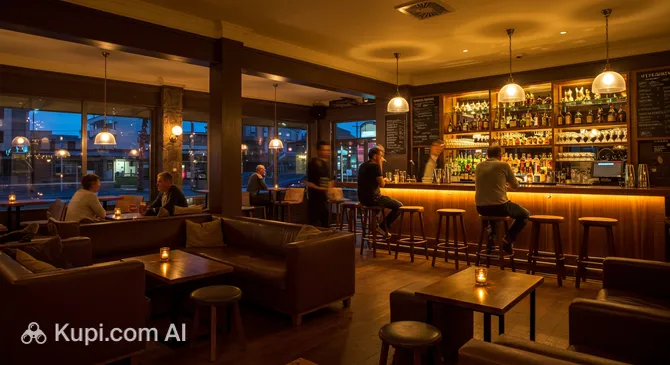
The dining scene is centered largely around the picturesque Town Basin, where you can enjoy a meal with a view of the yachts. This area is home to a variety of eateries ranging from fine dining to casual bistros. For instance, Split Bar & Restaurant is a popular venue located right in the hub of the basin, offering a menu that highlights modern New Zealand cuisine in a lively atmosphere.

Split Bar & Restaurant. Source: Kupi.Binoculars

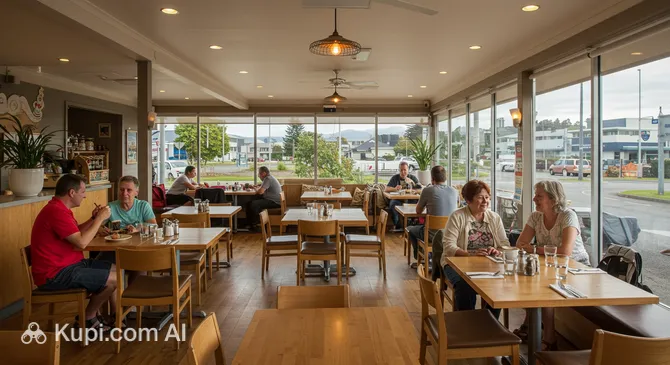
If you are looking for a more relaxed or international vibe, the city center and surrounding streets offer diverse options. You might stop by the Fat Camel Cafe for a casual lunch or coffee in a distinctively styled setting. For those craving Asian flavors, Suk Jai Thai Restaurant provides authentic Thai dishes that are a hit with locals. Whether you prefer a sunset dinner by the water or a quick bite at a street-side eatery, Whangarei’s food scene is welcoming and unpretentious.

Travel Tips

To help you make the most of your time in Whangarei, we have compiled a list of practical tips designed to ensure your visit is smooth and enjoyable. Whether you are here for a weekend getaway or a longer exploration of the Northland, these insights will help you travel like a local.

  1. Clothing and Gear: While the region is known as the "Winterless North," the weather can be changeable. It is best to pack layers that you can easily add or remove. A light, waterproof jacket is essential year-round due to sudden subtropical showers. Since you will likely be exploring waterfalls and coastal tracks, bring sturdy, comfortable walking shoes. Also, do not underestimate the New Zealand sun; a hat, sunglasses, and high-SPF sunscreen are mandatory, even on cloudy days.
  2. Transportation: The most convenient way to explore Whangarei and its surrounding beaches is by rental car. While there is a local bus service called CityLink that covers the main suburbs and the city center, it does not reach many of the scenic coastal areas or hiking trails. Taxis and ride-sharing apps are available but can be expensive for longer distances.
  3. Finances: The local currency is the New Zealand Dollar (NZD). Credit and debit cards (Visa and Mastercard) are widely accepted almost everywhere, including cafes and small shops, often via contactless payment. ATMs are plentiful in the city center and shopping malls. Tipping is not mandatory or expected in New Zealand, though rounding up the bill for exceptional service is appreciated.
  4. Health and Safety: Whangarei is generally a safe city, but standard precautions apply. Sun safety is a major health consideration here; the UV levels are much higher than in many other parts of the world, so burn times can be short. Pharmacies are readily available in the city center and suburban hubs like Kamo and Onerahi. In an emergency, dial 111 for police, ambulance, or fire services.
  5. Communication: English is the primary language spoken by everyone. You will also hear and see Te Reo Māori (the Māori language) frequently; learning a few words like Kia ora (hello/thank you) is a nice gesture. Wi-Fi is widely available in cafes, hotels, and public areas like the Town Basin. Pre-paid SIM cards for mobile data can be easily purchased at supermarkets or the airport upon arrival.
  6. Local Etiquette: The vibe in Whangarei is casual and friendly. It is polite to greet people with a smile or a "hello" when entering shops or walking on quiet trails. If you are visiting a Marae (Māori meeting grounds) or entering someone's home, always check if you should remove your shoes before entering. Respect for the environment is paramount; always stay on marked paths to protect native plants (kauri dieback disease prevention).
  7. What to Avoid: Avoid leaving valuables visible in your car, especially when parking at trailheads or scenic lookouts, as theft from vehicles can occur. Also, do not expect late-night shopping; many retail stores close by 5:00 PM on weekdays and earlier on weekends, so plan your errands accordingly.
  8. Additional Tip: For a true taste of local life, try to align your visit with the Saturday morning Growers Market on Water Street. It is the perfect place to stock up on fresh fruit and pastries for a picnic, and it wraps up by roughly 10:00 AM, so getting there early is key.

With these practical tips in hand, you are well-prepared to relax and enjoy the unique charm of Whangarei. We hope you have a wonderful journey exploring the landscapes and culture of this beautiful northern city.

Entertainment & Nightlife

Whangarei’s nightlife reflects its laid-back, coastal character. You will not find sprawling mega-clubs or a frenetic party scene here; instead, the evening entertainment revolves around social bars, live music venues, and vibrant dining establishments. The atmosphere is generally relaxed and friendly, making it easy to strike up a conversation with locals. The dress code across most venues is "tidy casual," meaning you can feel comfortable in jeans and a nice top without needing to dress up formally.

The primary hub for evening activity is the Town Basin. As the sun sets, this marina area lights up, creating a picturesque backdrop for a night out. It is home to several key establishments where you can enjoy a drink with a view of the yachts. One of the popular spots to soak up this waterfront atmosphere is Split Bar & Restaurant, which offers a lively setting perfect for cocktails or local wines. It serves as a great starting point for the night, often buzzing with a mix of visitors and residents.

Just a short walk away in the city center, the streets around Cameron Street and Bank Street offer additional options. If you are looking for a venue with a distinct character and hearty food to fuel your evening, the Fat Camel Cafe is a well-known local favorite. For those preferring a quieter start with a delicious meal, Suk Jai Thai Restaurant provides a warm environment before you head out to nearby bars. The city also boasts venues like The Butter Factory, located in a historic building, which is renowned for hosting live bands and DJ sets, drawing a crowd that appreciates music and craft beer.

Fat Camel Cafe. Source: Kupi.Binoculars

Practicality is key when planning your night. Most bars and pubs are busiest on Friday and Saturday nights, typically closing between midnight and 2:00 AM. Prices are generally moderate compared to larger cities like Auckland; expect to pay standard regional prices for pints and spirits. While the area between the Town Basin and the CBD is walkable, it is advisable to take a taxi or use a ride-share service if you are traveling late at night or staying further afield. Local taxi companies like Whangarei Taxis and Blue Bubble are reliable and can be easily called.

In terms of safety, Whangarei is reasonably safe for evening entertainment, especially in the well-lit areas of the Town Basin. However, as with any city, it is recommended to stay in groups and avoid walking alone through unlit parks or quiet residential streets after dark. Stick to the main entertainment precincts where there are plenty of people around.

During the daylight hours, the entertainment focus shifts to culture and recreation. Visitors can explore the quirky Claphams National Clock Museum or enjoy the latest films at the local cinema in the city center. For families and art lovers, the Hātea Loop walkway offers a mix of sculpture trails and playgrounds, providing plenty of amusement before the sun goes down.

Parks & Museums

Whangarei seamlessly blends its lush subtropical environment with a thriving cultural scene, offering visitors a diverse range of green spaces and artistic venues to explore. From ancient forests within the city limits to galleries that celebrate local creativity, the city provides ample opportunities to connect with both nature and heritage.

One of the most magnificent natural areas is the A.H. Reed Memorial Kauri Park. Located just a short drive from the city center, this remnant of the original kauri forests features majestic trees that are over 500 years old. A raised canopy walkway allows you to admire these giants up close without damaging their sensitive roots, while the paramata (forest stream) flows peacefully beneath. It is a serene spot that connects directly to the Hatea River walkways, making it popular for both casual walkers and nature photographers.

For those who appreciate manicured landscapes, Botanica Whangarei is a delightful hidden gem. This compact yet diverse complex includes a fernery with one of the largest collections of native ferns in New Zealand, a heated conservatory for tropical plants, and a Japanese-style garden. It offers a colorful and fragrant escape year-round, perfect for a quiet stroll. Nearby, you can also access the extensive trails of Mair Park, which offers a more rugged riverbank experience and connects the formal gardens to the wilder bushland.

If you haven't yet visited the Whangarei Quarry Gardens, they remain a top recommendation for their unique combination of industrial history and botanical restoration. The gardens are an excellent example of how the community has repurposed the landscape, turning a scarred quarry into a flourishing haven for native birds and exotic flora.

On the cultural front, Kiwi North is a standout attraction that combines a museum, a nocturnal kiwi house, and a heritage park. Located in Maunu, it is the only place in the Northland region where you can view live kiwi foraging in a controlled night-time environment. The onsite Whangarei Museum holds a treasure trove of Māori taonga (treasures) and early European settler artifacts, providing a comprehensive overview of the region's social history.

Art enthusiasts should head to the Town Basin to visit the Whangarei Art Museum (Te Manawa Toi). As the public art gallery of the district, it hosts a rotating schedule of exhibitions featuring contemporary New Zealand art, with a strong focus on Northland artists. The venue is intimate but impactful, often showcasing thought-provoking works that reflect the unique identity of the region.

Another historically significant venue is Reyburn House, the oldest surviving river settler's home in Whangarei. Built in the 1870s and surrounded by lovely gardens, it now serves as a gallery for the Northland Society of Arts. It is a charming place to view and purchase local art while appreciating the colonial architecture of the era.

For a truly authentic and slightly adventurous experience, consider visiting the Abbey Caves Reserve. Located just outside the city, this undeveloped natural reserve features three limestone caves that are free to explore. If you bring a torch and sturdy shoes, you can venture inside to see impressive stalactites and glow worms in their natural habitat, away from the crowds of commercial tours.

Getting Around

Public transport in Whangarei is relatively modest compared to larger metropolitan centers. The city does not have a metro, tram, or train network for commuters. Instead, the public transportation system relies entirely on a bus network known as CityLink. This service connects the central business district with key suburbs such as Kamo, Tikipunga, Onerahi, and Raumanga. For most tourists staying within the city limits, these buses provide a reliable way to get between accommodation, the city center, and major shopping areas.

The central hub for all bus services is the Rose Street Bus Terminus, located right in the heart of the city. Most routes start and end here, making it the easiest place to catch a ride or switch buses. The buses are generally modern, green, and lime-colored, making them easy to spot. While they are efficient for moving across town, it is important to note that they do not typically service the outlying coastal beaches or hiking trails, so you may need alternative transport for those specific attractions.

When it comes to payment, the most convenient and cost-effective option is the Bee Card. This is a prepaid smart card used across the Northland region. Using a Bee Card significantly reduces the fare compared to paying with cash. You simply tag on when you board and tag off when you exit. If you do not have a card, you can still pay the driver directly with cash, but you will need small change, and the fare will be higher. Bee Cards can be purchased and topped up online, at the Rose Street Terminus, or sometimes from the bus drivers themselves.

Operating hours for the bus service are primarily focused on standard business times. Buses run frequently on weekdays, typically from early morning until the early evening. However, services are reduced on Saturdays and are often non-existent or extremely limited on Sundays and public holidays. It is highly recommended to check the latest timetables on the CityLink website or at the bus stop to avoid being stranded, especially on weekends.

For destinations not covered by the bus network, taxis and shuttle services are readily available. You can find taxi stands in the city center, particularly near the bus terminus and major hotels. Ride-sharing apps are also operational in the city, though availability may be lower than in bigger cities, especially late at night. Given the compact nature of the city center and the Town Basin, walking is often the most pleasant way to get around the main dining and sightseeing precincts.

If you plan to explore the wider region, such as the Whangarei Heads or the Tutukaka Coast, renting a car is arguably the best option. While the public transport system serves the urban population well, it is not designed for extensive sightseeing outside the main residential areas. Having your own vehicle gives you the freedom to visit the beautiful coastal spots that define the area at your own pace.

Accommodation

Where to Stay:

Whangarei offers a diverse range of accommodation options designed to suit every traveler's budget and style. As a popular stop on Northland road trips, the city is well-equipped with classic Kiwi motels, mid-range hotels, and family-friendly holiday parks. For those seeking a more unique experience, the surrounding countryside and coastlines feature boutique bed and breakfasts, luxury lodges, and private vacation rentals that allow you to immerse yourself in the region's natural beauty.

If convenience is your priority, staying near the Town Basin or the central business district is highly recommended. Accommodation in this area places you within easy walking distance of the marina, top restaurants, and local shops, making it perfect for those without a car or travelers who want to be close to the evening atmosphere. Conversely, if you prefer waking up to ocean views or the sound of native birds, consider looking a bit further afield towards the Whangarei Heads or the Tutukaka Coast. These areas offer stunning tranquility but typically require a vehicle for access to the city center.

Pricing is generally reasonable compared to New Zealand's major tourist hotspots, with options ranging from budget-friendly hostels for backpackers to upscale retreats. However, Whangarei is a gateway to the "Winterless North" and sees a significant influx of visitors during the summer holidays (December to February). Consequently, it is advisable to book in advance during this peak season to secure your preferred location. Most accommodation providers can be booked easily via major online platforms or by contacting them directly.

Nearby Cities

For those looking to explore the surroundings, Whangarei serves as an excellent base for day trips to several interesting nearby locations:

City Population Distance (km)
Auckland 1,346,091 131
Manukau 375,600 149
Waitakere 208,100 126
Northcote 205,605 125
Hamilton 176,500 243

While the table highlights major urban centers to the south, the region surrounding Whangarei offers diverse experiences ranging from bustling city life to serene coastal escapes.

Auckland is New Zealand’s largest city and is accessible for a full day trip. Known as the "City of Sails," it offers a stark contrast to the relaxed vibe of Northland. Visitors can spend the day shopping in high-end boutiques, dining at the vibrant Viaduct Harbour, or taking a trip up the Sky Tower for panoramic views. It is the perfect destination for those craving a metropolitan buzz before returning to the quiet of Whangarei.

Just a short drive east of the city lies the Tutukaka Coast, a world-renowned destination for marine enthusiasts. It serves as the gateway to the Poor Knights Islands Marine Reserve, famous for its incredible diving and snorkeling opportunities. Even if you prefer to stay dry, the coastal drive is spectacular, with beautiful white-sand beaches like Matapouri Bay offering excellent spots for swimming and picnicking.

Heading south, the historic town of Waipu makes for a fascinating cultural stop. Known for its strong Scottish heritage, the town hosts a museum that details the dramatic migration story of its original settlers. Nearby, the Waipu Caves offer a free natural attraction where adventurous visitors can see glow worms and limestone formations, while Waipu Cove provides a stunning stretch of beach for surfing and relaxation.

These nearby destinations offer a glimpse into the diverse culture and landscapes of the region.

Shopping & Souvenirs

Shopping in Whangarei offers a relaxed and pleasant experience that contrasts with the hustle of larger metropolitan centers. The city provides a balanced mix of well-known national brands, independent boutiques, and unique local artisan stores. While it is not a massive retail hub, visitors will find everything they need, from daily essentials to distinct regional treasures, all within a compact and walkable environment.

The primary destination for retail therapy is the Central Business District (CBD). The pedestrian-friendly Cameron Street and the adjacent Bank Street serve as the main arteries, lined with fashion outlets, bookstores, and gift shops. For a more picturesque shopping excursion, the Town Basin is the place to go. This waterfront precinct is dotted with specialty stores and galleries where you can browse for high-quality arts, crafts, and jewelry while enjoying views of the marina.

For those looking for larger format stores and familiar chains, Okara Shopping Centre is the city's main large-scale retail park, located just a short distance from the city center. Within the CBD, The Strand Arcade offers a collection of smaller shops and services under one roof, providing a convenient option for browsing in any weather.

Markets are a vibrant part of the local culture and are highly recommended for tourists. The Whangarei Growers Market, held every Saturday morning on Water Street, is legendary for its fresh local produce, artisan cheeses, and preserves. It is a fantastic spot to pick up edible gifts or ingredients for a picnic. Additionally, the Artisans Fair often takes place at the Town Basin during the summer months, showcasing handmade goods from talented Northland crafters.

When searching for souvenirs, look for items that reflect the region's artistic and natural heritage. Whangarei is known for its creative community, so locally made pottery, wood carvings, and greenstone (pounamu) jewelry make excellent keepsakes. Products featuring Manuka honey or items inspired by the Hundertwasser Art Centre are also popular choices that capture the unique spirit of the city.

Store opening hours in Whangarei generally follow standard New Zealand business times. Most shops in the CBD are open from 9:00 AM to 5:00 PM on weekdays and Saturdays, with reduced hours or closures on Sundays. Payment is easy, with credit and debit cards (Visa and Mastercard) widely accepted even in smaller stalls, though carrying some cash is useful for the markets.

Regarding taxes, the price displayed on goods always includes the 15% Goods and Services Tax (GST). Unlike some other countries, New Zealand does not have a broad high-street tax refund scheme for tourists. Tax-free shopping is primarily available when arranging for goods to be shipped overseas directly from the retailer or at duty-free stores in international airports upon departure.

Reached the end of the page?

That means the route is fully explored