Support

Whakatane

About

Welcome to Whakatane, a vibrant coastal town located in the eastern Bay of Plenty region of New Zealand. Often enjoying the title of the country's "Sunshine Capital," this charming destination is renowned for its warm climate, welcoming community, and spectacular natural surroundings. Situated where the Whakatane River meets the Pacific Ocean, the town serves as a hub for both relaxation and adventure, offering visitors a unique blend of modern amenities and traditional Kiwi hospitality.

With a population of approximately 16,000 residents, Whakatane maintains a friendly, small-town atmosphere while providing excellent facilities for travelers. The region is deeply significant to the Maori people, and the local culture is a vital part of everyday life here. To understand the rich heritage that shapes the town's identity, including the legendary arrival of the Mataatua waka, it is worth delving into the history of Whakatane. This deep cultural connection is evident in the local architecture, meeting houses, and the stories shared by the locals.
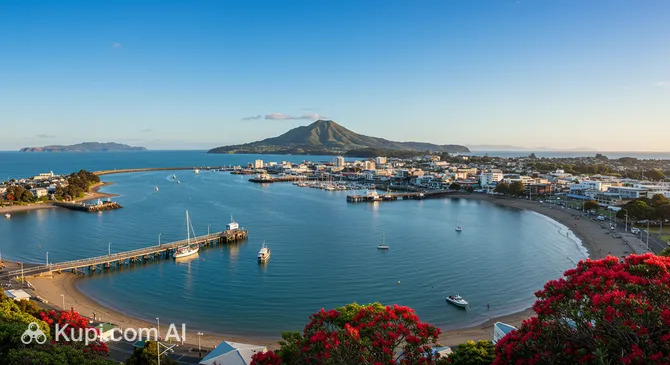
Whakatane. Source: Kupi.Binoculars

Nature lovers will find plenty to admire, starting with the stunning Ohope Beach, located just a short drive over the hill. Frequently voted as New Zealand’s best beach, its miles of white sand and safe surf make it a paradise for swimmers and sunbathers. Another key attraction is Moutohora (Whale Island), a wildlife sanctuary that offers guided tours to see rare flora and fauna, including kiwi birds and tuatara, in a predator-free environment. For those staying in town, the "Lady on the Rock" statue at the river mouth is a poignant landmark commemorating the bravery of Wairaka, a key figure in local folklore.

Whether you are looking to explore lush native forests, experience authentic Maori culture, or simply relax by the ocean, Whakatane offers an unforgettable escape. Its combination of sunny weather, historical depth, and scenic beauty makes it a must-visit stop on any North Island itinerary.
Weather Overview

Whakatane is renowned for its pleasant, temperate climate and is often cited as one of the sunniest destinations in the country. The weather here generally supports outdoor adventures year-round, with distinct seasonal changes that remain relatively mild compared to other regions. To help plan your trip around specific forecasts, you can consult the detailed guide to the weather in Whakatane.

During the peak summer season, particularly in January, the town experiences its warmest conditions. Average temperatures hover around 19.6°C, with daily highs frequently reaching 22.4°C, creating an ideal environment for enjoying the nearby beaches. Even in the shoulder months of February and March, the climate remains inviting, with average highs staying above 20°C.

Winter brings cooler air, though it rarely gets bitterly cold. July is typically the coolest month, with an average temperature of 10.8°C and lows dipping to around 8.3°C. Rainfall is a consistent feature throughout the year rather than being limited to a specific wet season; visitors can expect roughly 10 to 14 wet days per month regardless of when they travel. Expect warm summers with regular intervals of rain and mild, cooler winters that require a few extra layers.

Interesting Facts

Beyond its reputation as a sunny coastal escape, Whakatane holds a treasure trove of stories that define New Zealand's rich heritage. From ancient settlements to incredible journeys of cultural artifacts, the town offers fascinating secrets for those willing to look deeper.

  • The House That Came Home: One of the most remarkable buildings in the region is the Mataatua Wharenui, a Maori meeting house with a global history. Built in 1875, it was taken by the government and shipped overseas, where it was displayed in Sydney, Melbourne, and London—often assembled incorrectly or inside out. It took over 130 years of negotiation for this sacred structure to be returned to its people and beautifully restored in its original homeland.

  • Kiwi in the Backyard: Whakatane is often cited as the "Kiwi Capital of the World," but this is not just a slogan. It is one of the few places where the North Island brown kiwi lives in such close proximity to an urban environment that they are literally in residents' backyards. Thanks to intensive conservation efforts, the local kiwi population is thriving, and their shrill calls can sometimes be heard from the town center at night.

  • A Name of Courage: The town's name, Whakatane, is derived from a dramatic event involving the Mataatua canoe. Legend says that when the canoe began to drift away, Wairaka, the daughter of the chief, defied tradition to save it. She grabbed a paddle and cried, "Kia whakatāne au i ahau" ("Let me act like a man"), a phrase that gave the town its enduring name.

  • New Zealand's Oldest Address: High above the town lies Kapu-te-rangi (Toi’s Pā), which is recognized as one of the oldest known pā sites in the country. It was the stronghold of the legendary voyager Toi-te-huatahi, who is believed to have settled here around 1150 AD, predating the arrival of the main migration fleets by centuries.

How to Get There

Reaching the sunny eastern coast of the Bay of Plenty is a scenic journey, whether you are driving along the Pacific Coast Highway or flying into the region. While the town is tucked away from the main hustle and bustle, it remains easily accessible for travelers exploring the North Island. For a complete overview of travel options, including driving routes and bus services, you can check the detailed guide on how to get to Whakatane.

Although the town does not have a major international hub, it is serviced locally by Whakatane Airport (WHK). This is a convenient option for domestic travelers, particularly those connecting from Auckland, allowing you to land directly near the town center. For international visitors or those seeking more flight schedules, Rotorua International Airport (ROT) in Rotorua is a primary gateway, located approximately 60.7 km away. The drive from Rotorua typically takes around 1 hour. Another convenient alternative is Tauranga City Airport (TRG), situated in Tauranga, about 76.2 km from Whakatane. Travelers arriving here can expect a transfer time of roughly 1 hour and 15 minutes by road.

For clarity, here is a summary of the main airports in the wider region:

Airport Name City Passenger Traffic Km from City
Tauranga City Airport Tauranga Medium 76.2
Hamilton International Airport Hamilton Medium 145.4
Rotorua International Airport Rotorua Medium 60.7
Gisborne Airport Gisborne Small 117.1
Taupo Airport Taupo Small 117.1

Whakatane is not directly served by a passenger railway station, and there are no train services connecting directly to the town center. The primary way to reach the destination is by road, either by renting a car to enjoy the coastal views at your own pace or by utilizing the intercity bus network, which offers regular connections from major North Island cities.

Main Attractions

Whakatane offers a diverse range of activities, from immersing yourself in deep-rooted Maori culture to exploring scenic coastal trails. The town’s compact size makes it easy to visit several key sites in a single day, blending history, nature, and modern hospitality.

One of the most profound cultural experiences in the region is a visit to the Mataatua Wharenui. Far more than just a historic building, this meeting house provides an interactive journey into the past. Visitors can participate in a traditional pōhiri (welcome ceremony) and witness an award-winning digital light show that narrates the legends of the Ngāti Awa people. The guided tours offer a fascinating look at the intricate carvings and the incredible story of the house's travels around the world before its return home.

For those who prefer the outdoors, the Kohi Point Walkway is a must-do. This track stretches along the clifftops between Whakatane and Ohope Beach, rewarding hikers with breathtaking views of the Pacific Ocean and, on clear days, the steam rising from Whakaari (White Island). The trail also passes through the historic Kapu-te-rangi Pā site, allowing you to walk in the footsteps of early settlers while enjoying the fresh sea breeze and stunning coastal scenery.

Another significant landmark located right near the river mouth is Te Ana o Muriwai (Muriwai’s Cave). This sacred site is dedicated to Muriwai, a famous ancestress and navigator of the Mataatua waka. The cave is easily accessible from the town center and sits near the riverfront promenade, making it a convenient stop for a moment of reflection on the area's voyaging history before continuing your walk along the water's edge.

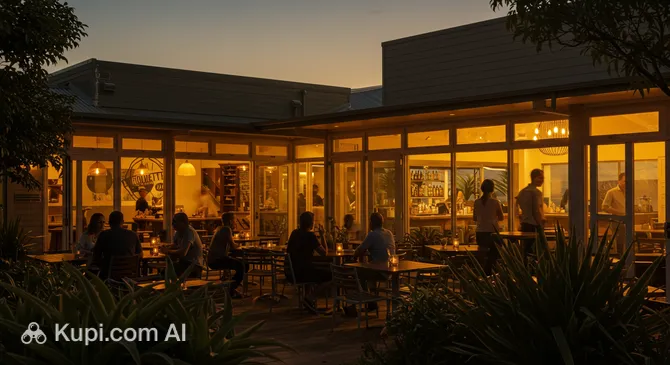
Roquette Restaurant & Bar. Source: Kupi.Binoculars

After a day of sightseeing and walking, you might want to enjoy the local culinary scene. Roquette Restaurant & Bar is a popular establishment situated by the river, offering a stylish yet relaxed environment. Known for its modern cuisine and use of fresh regional produce, it provides an excellent setting to unwind and reflect on your day’s adventures while soaking in the riverside atmosphere.

Local Cuisine

Whakatane’s culinary scene is deeply influenced by its coastal location and the fertile soils of the surrounding Bay of Plenty. Unsurprisingly, seafood, or kaimoana, plays a starring role on local menus. Visitors should not miss the chance to try fresh crayfish, succulent green-lipped mussels, or a classic parcel of fish and chips enjoyed on the riverbank or at Ohope Beach. Another seasonal delicacy to look out for is the whitebait fritter, a beloved Kiwi dish often served simply with lemon and buttered bread.

The region is often referred to as the "fruit bowl" of New Zealand, and this abundance is evident in the local diet. The warm climate produces exceptional avocados, kiwifruit, and citrus. During the summer months, visiting a local berry farm for a real fruit ice cream—made by blending fresh frozen berries with vanilla ice cream—is a quintessential experience. For those interested in traditional flavors, you may find opportunities to taste a hangi, where meat and root vegetables are slow-cooked in an underground earth oven, imparting a unique smoky tenderness.

When it comes to drinks, the town embraces New Zealand’s high standards for coffee, with local baristas serving excellent flat whites in cozy cafes. The craft beer scene has also taken root here, with local breweries creating unique ales and lagers, sometimes incorporating indigenous ingredients like manuka or kawakawa. For a non-alcoholic option, the iconic Kiwi soda L&P (Lemon & Paeroa) is widely available and pairs perfectly with a casual lunch.

The dining culture in Whakatane is relaxed and unpretentious, ranging from bustling Sunday markets selling artisan cheeses and preserves to stylish waterfront eateries. Locals often prefer dining al fresco to soak up the sunshine. For a meal that combines modern cuisine with the region's fresh produce, Roquette Restaurant & Bar offers a sophisticated yet welcoming environment near the water. Whether you are grabbing a quick bite from a food truck or sitting down for a sunset dinner, the focus here is always on fresh, high-quality ingredients served with genuine hospitality.

Travel Tips

To help you make the most of your visit to New Zealand's "Sunshine Capital," we have compiled a list of practical advice covering everything from packing essentials to local customs. These tips are designed to ensure your stay in Whakatane is as smooth and enjoyable as the gentle Pacific breeze.

  1. Clothing and Gear: Since Whakatane enjoys a warm, temperate climate, lightweight and breathable clothing is perfect for summer. However, the weather can change quickly, so always pack a warm layer or a windproof jacket, even in warmer months. Crucially, the New Zealand sun is much harsher than in many other parts of the world; high-SPF sunscreen, a wide-brimmed hat, and sunglasses are absolute necessities to avoid rapid sunburn. If you plan to visit a marae (Maori meeting grounds), modest dress is respectful, and you will need to remove your shoes before entering the meeting house.
  2. Transportation: While the town center is compact and walkable, the best way to explore the wider Bay of Plenty region is by renting a car. Public transport options, such as the local Baybus network, are available but operate on limited schedules that might not fit a tourist's itinerary. Taxis and some ride-sharing apps are available but can be less frequent than in big cities. A car gives you the freedom to visit Ohope Beach or the start of hiking trails at your own pace.
  3. Finances: The local currency is the New Zealand Dollar (NZD). Credit and debit cards (Visa and Mastercard) are widely accepted almost everywhere, from supermarkets to small cafes. However, it is wise to carry a small amount of cash for local weekend markets or small purchases. ATMs are readily available in the town center. Tipping is not mandatory in New Zealand; it is appreciated for exceptional service but never expected.
  4. Health and Safety: Whakatane is generally a very safe destination for travelers. The most significant health risk for tourists is often sun exposure and dehydration, so carry water and apply sunblock regularly. Pharmacies are easy to find on The Strand (the main street), though they typically close by early evening. For emergencies, dial 111 for police, ambulance, or fire services.
  5. Communication: English is the primary language spoken, though you will frequently hear Te Reo Maori woven into everyday conversation. A friendly "Kia ora" (hello/be well) is the standard greeting. International SIM cards can be purchased at supermarkets or electronic stores in town; the main networks are Spark, One NZ, and 2degrees. Free Wi-Fi is often available in the library and many cafes, though mobile data coverage is generally excellent in town.
  6. Local Etiquette: The vibe here is relaxed and informal. It is polite to greet people with a smile or a nod. When dining or socializing, be aware of Maori cultural norms which are respected by Pakeha (New Zealanders of European descent) as well; for instance, never sit on tables or surfaces used for food, as this is considered culturally offensive (tapu).
  7. What to Avoid: Do not underestimate the ocean currents; always swim between the flags at patrolled beaches like Ohope. Also, avoid leaving litter behind—New Zealanders take immense pride in their environment ("kaitiakitanga" or guardianship), and leaving trash is deeply frowned upon.
  8. Local Insight: Be mindful of opening hours. Unlike larger cities that stay open late, many shops and cafes in Whakatane close around 5:00 PM. If you need supplies or want to grab a coffee, it is best to get your errands done earlier in the day to avoid disappointment.

By keeping these practical tips in mind, you will be well-prepared to embrace the laid-back lifestyle and rich culture of Whakatane. Whether you are hiking the coastal cliffs or enjoying fresh seafood by the river, a little local knowledge goes a long way in creating an unforgettable holiday.

Entertainment & Nightlife

Whakatane’s nightlife reflects the town's laid-back, coastal character. You will not find sprawling nightclubs or 24-hour party zones here; instead, the evening scene revolves around socializing in lively pubs, enjoying craft beers at local breweries, and dining at waterfront establishments. The atmosphere is welcoming and unpretentious, making it easy for visitors to strike up a conversation with locals. The main hub for evening activity is The Strand, the town's principal street, where most bars and restaurants are clustered within easy walking distance of one another.

For a sophisticated evening out, Roquette Restaurant & Bar is a standout choice. Located near the river, it offers a stylish setting perfect for enjoying a glass of New Zealand wine or a cocktail alongside modern cuisine. If you are looking for something more casual and bustling, The Comm on The Strand is a local favorite. Housed in a historic hotel building, it serves as the home of Good George Brewing in the region, frequently hosting live music and offering a vibrant beer garden atmosphere that draws a crowd on Friday and Saturday nights.

Another unique spot to experience the local vibe is the Whakatane Sportfishing Club, situated right on the wharf. While it is a club, visitors are often welcome (sign-in rules may apply), and it offers some of the best views of the river and sunset from its balcony, along with reasonably priced drinks. Nightlife in Whakatane generally winds down earlier than in larger cities, with most venues closing around midnight or 1:00 AM on weekends. The dress code is almost universally casual to smart-casual; jeans and a tidy shirt are perfectly acceptable everywhere.

Regarding safety and transport, Whakatane is a safe town to walk around at night, particularly in the well-lit central area along The Strand and the riverfront. However, taxi services can be limited late at night, so it is advisable to pre-book a ride if you are staying outside the town center. Local operators like Whakatane Taxis are reliable, but availability drops off after peak hours.

Beyond the bars, the town offers enjoyable daytime and early evening entertainment options. WhakaMax Movies is a boutique cinema complex on The Strand that screens the latest blockbusters and art-house films, complete with a cafe for pre-movie treats. For a cultural fix during the day, Te Kōputu a te whanga a Toi (Whakatane Library and Exhibition Centre) hosts impressive museum exhibits and art galleries, providing a quiet retreat before the evening's social activities begin.

Parks & Museums

Whakatane harmoniously blends its coastal beauty with well-maintained green spaces and a profound respect for its cultural heritage. Beyond the beaches, the city offers tranquil parks and exhibition spaces that allow visitors to connect with the local environment and the rich history of the Ngāti Awa people.

For a scenic stroll that captures the essence of the town, the Warren Cole Walkway is a favorite among locals and visitors alike. This paved path stretches along the banks of the Whakatane River, offering flat, easy terrain perfect for walking, running, or cycling. As you follow the river course, you are treated to views of the fertile Rangitaiki Plains and the distant Whale Island, making it an ideal spot for a leisurely afternoon enjoying the fresh air and river activity.

Another peaceful retreat within the town limits is Sullivan Lake Park. This family-friendly reserve is centered around a large lake that supports plenty of birdlife, including black swans and ducks. A gentle walking track loops around the water, and the surrounding lawns provide ample space for picnics. It is a quiet sanctuary away from the town center, perfect for travelers seeking a moment of calm amidst native plantings.

When it comes to culture and history, Te Kōputu a te whanga a Toi (Whakatane Library and Exhibition Centre) stands as the town's creative heart. This modern facility houses the Whakatane Museum and Research Centre, along with three gallery spaces. The museum exhibitions offer deep insights into the region's history, featuring significant Maori taonga (treasures) and displays on early European settlement. It is a compelling stop for anyone wanting to understand the stories that have shaped the Eastern Bay of Plenty.

Art enthusiasts should also venture slightly out of the main town to Ohope to visit 4 Art Sake. This gallery creates a vibrant space for local artists to display their work, ranging from paintings and sculptures to garden art. It reflects the creative spirit of the community and offers a chance to see and purchase unique pieces that are distinctively New Zealand in style and subject matter.

Among the town's most significant historical landmarks is Pohaturoa Rock, situated prominently in the town center. This tapu (sacred) rocky outcrop was once a ritual site for Maori to prepare for battle and later became a place where important announcements were made. Today, it serves as a poignant memorial to those who fell in the World Wars, standing as a silent witness to centuries of change in the region.

For a truly authentic local experience, seek out the Mokorua Bush Scenic Reserve, locally known as the "Birdwalk." Hidden just behind the urban area, this network of tracks takes you through regenerating native forest where you can hear the calls of tui and bellbirds. It is a fantastic "insider" spot for a short, immersive nature hike without leaving the city limits.

Getting Around

Public transport in Whakatane is relatively modest, reflecting its size as a relaxed coastal town rather than a bustling metropolis. The primary service is the Baybus network, which connects the town center with residential suburbs and the popular Ohope Beach. While there are no trams, trains, or metro systems here, the local bus service is modern, comfortable, and reliable for getting to key locations within the immediate area.

The payment system across the regional network relies on the Bee Card, a prepaid smart card that offers the cheapest fares. Passengers simply "tag on" when boarding and "tag off" when exiting the bus. While you can pay with cash to the driver, it is generally more expensive than using the card. If you are staying for a few days or plan to travel between Whakatane and Ohope frequently, obtaining a Bee Card is highly recommended to save money and speed up boarding.

For tourists, the most relevant route is typically the one connecting the Whakatane town center to Ohope Beach. Buses on this route generally run daily, but frequencies can vary, with reduced services on weekends and public holidays. It is important to check the timetable in advance, as services often stop running in the early evening. You can purchase a Bee Card directly from the bus driver or at the local i-SITE Visitor Information Centre, where staff can also help you load credit onto it.

Given that bus services do not run late into the night, taxis are the main alternative for evening transport. Local companies like Whakatane Taxis provide reliable service and can be booked by phone; this is particularly useful if you are dining out late. Ride-sharing apps are not as prevalent or reliable here as they are in larger cities, so it is safer to rely on established local taxi firms.

For those who prefer active travel, Whakatane is an incredibly bike-friendly town. The terrain is largely flat, and there are excellent cycling paths, such as the Warren Cole Walkway along the river. Renting a bike is a popular way to see the sights at your own pace. Additionally, the town center is compact enough that many visitors find walking to be the easiest and most enjoyable way to get between shops, cafes, and the waterfront.

Accommodation

Finding the perfect place to stay in Whakatane is relatively easy, as the town offers a diverse range of accommodation suited to various travel styles and budgets. The options generally reflect the laid-back, coastal nature of the region. Visitors can choose from classic Kiwi motels, well-equipped holiday parks for families and campers, charming bed-and-breakfasts, and self-contained apartments. While you will not find massive high-rise hotel chains here, the standard of hospitality is high, with many establishments offering personalized service and comfortable amenities.

There are two primary areas where tourists tend to base themselves. The first is Whakatane Town Center, particularly near The Strand and the riverfront. Staying here places you within walking distance of the best restaurants, shops, and the wharf, which is the departure point for tours to Moutohora (Whale Island). This area is ideal for those who want convenience and easy access to urban facilities without needing to drive for every meal.

The second popular option is Ohope Beach, located just a short 6-kilometer drive over the hill. Often voted New Zealand's best beach, Ohope offers a more resort-like atmosphere. Accommodation here ranges from beachfront motels to luxury holiday homes and glamping spots. It is the preferred choice for travelers seeking a relaxing seaside holiday where they can wake up to the sound of the ocean, yet still be close enough to Whakatane for shopping and sightseeing.

Booking Tip: Whakatane and Ohope are extremely popular summer destinations for domestic travelers, especially during the school holiday period from late December to early February. During this peak season, accommodation can fill up months in advance. It is highly recommended to secure your booking early if you plan to visit in summer. Conversely, traveling in the shoulder seasons (spring and autumn) often allows for more spontaneous plans and better rates.

Price Range and Booking:
The cost of accommodation is generally reasonable compared to New Zealand's larger tourist hubs.
Budget: Backpackers and campsites in holiday parks typically range from affordable to moderate.
Mid-Range: Comfortable motels and B&Bs usually fall into the mid-range price bracket, offering good value with facilities like kitchenettes and free parking.
Luxury: High-end apartments and exclusive lodges are available at a premium, particularly those with sea views at Ohope.
Most properties are listed on major online booking platforms, but booking directly through the accommodation's website can sometimes secure a better deal or a specific room request.

Nearby Cities

For those looking to explore the surroundings, Whakatane serves as an excellent base for day trips to several interesting nearby locations:

City Population Distance (km)
Manukau 375,600 215
Hamilton 176,500 153
Tauranga 151,300 78
Napier 62,241 170
Rotorua 54,204 69

One of the most popular day trips from Whakatane is to Rotorua, located just over an hour's drive inland. Renowned globally for its geothermal activity, this city offers a landscape steaming with geysers, bubbling mud pools, and colorful volcanic lakes. Beyond its natural wonders, Rotorua is a central hub for Maori culture, where visitors can experience traditional performances and visit living villages. It is also a haven for adventure seekers, offering mountain biking in the Whakarewarewa Forest and luging down the side of Mount Ngongotaha.

Heading west along the coast brings you to Tauranga, the largest city in the Bay of Plenty. A trip here is not complete without visiting the seaside suburb of Mount Maunganui. "The Mount," as it is affectionately known, features an iconic extinct volcanic cone that provides panoramic views from its summit and is flanked by one of New Zealand’s most celebrated surf beaches. Tauranga itself offers a vibrant waterfront precinct with excellent shopping, dining, and art galleries, making it a perfect spot for a relaxed urban escape.

These nearby destinations offer a glimpse into the diverse culture and landscapes of the region, allowing travelers to experience everything from volcanic wonders to coastal sophistication within a short drive.

Shopping & Souvenirs

Shopping in Whakatane reflects the town's laid-back lifestyle, offering a relaxed experience free from the crowds of major metropolitan centers. While you will not find high-end luxury fashion houses or sprawling mega-malls here, the town provides a delightful mix of high-street essentials, independent boutiques, and surf shops that cater to the coastal way of life. It is the perfect place to browse for unique gifts, upgrade your beach gear, or simply enjoy a casual stroll past local storefronts.

The heart of the retail action is undoubtedly The Strand. This vibrant main street runs parallel to the river and is lined with a variety of specialty stores, bookshops, and fashion boutiques. It is a scenic and pedestrian-friendly area where you can easily drift between browsing for clothes and stopping for a coffee. Just a short walk away, the Kakahoroa Drive area complements the main street with larger format stores, ensuring that visitors have access to everything from camping equipment to homewares.

For a more concentrated retail experience, The Hub Whakatane is the town's primary large-scale shopping destination. Located conveniently near the town center, this open-air complex houses major national chains and department stores. It is the go-to spot for travelers needing to restock on travel essentials, buy groceries, or visit well-known New Zealand retailers for clothing and electronics in one convenient location.

If you are looking for local flavor, the Whakatane Sunday Market is a must-visit event held weekly in the car park of the War Memorial Hall. This lively market is a showcase of the region's creativity and produce, featuring stalls selling everything from fresh seasonal fruit and artisan cheeses to handmade crafts and jewelry. It is an excellent place to meet locals and find goods that are not available in standard retail stores.

When searching for souvenirs to take home, Whakatane offers authentic treasures that reflect its rich Maori heritage and natural environment. Look for items made from Pounamu (New Zealand greenstone) or traditional wood carvings, which are often crafted by local artists. The region is also famous for its Manuka honey and natural skincare products, which make for practical and high-quality gifts. Additionally, locally made ceramics and art prints depicting the beautiful Eastern Bay of Plenty coastline are popular keepsakes.

Store opening hours in Whakatane are generally consistent with small-town New Zealand standards. Most shops on The Strand and at The Hub are open from 9:00 AM to 5:00 PM on weekdays. On Saturdays, many smaller boutiques may close earlier, around 1:00 PM or 2:00 PM, though larger stores often stay open later. Sunday trading is more limited, with some independent shops remaining closed, so it is wise to check ahead if you have specific needs. Payment is effortless, with credit and debit cards (Visa and Mastercard) widely accepted everywhere, including at market stalls which often have mobile payment terminals.

Travelers should be aware that New Zealand operates with a Goods and Services Tax (GST) of 15%, which is always included in the displayed price of goods. Unlike some other international destinations, there is no general tax refund scheme for tourists shopping in high-street stores. The price you see on the tag is the final price you pay, so there is no need to calculate extra taxes at the register.

Reached the end of the page?

That means the route is fully explored