Support

Alofi

About

Welcome to Alofi, the picturesque capital of Niue, often celebrated as one of the smallest national capitals in the world. With a population of just over 1,600 residents, this town offers a uniquely intimate and laid-back atmosphere that feels more like a friendly village than a bustling metropolis. Located on the western coast of the island, it serves as the administrative and commercial hub while retaining a deep connection to the surrounding tropical nature.

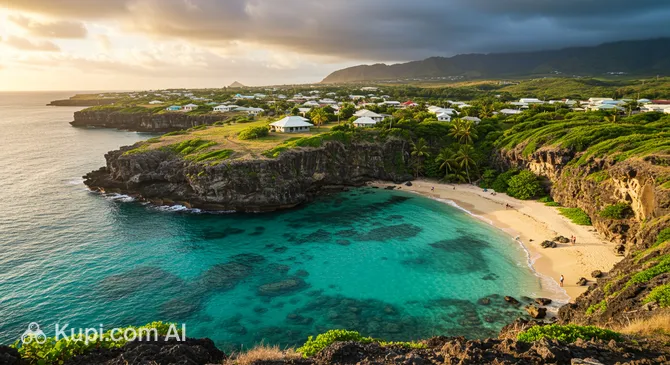
The town is situated along the edge of a stunning bay, where limestone cliffs meet the vibrant blue waters of the Pacific. While walking through the streets, visitors can sense the rich heritage of the island; delving into the history of Alofi reveals fascinating stories of Polynesian voyagers and European encounters, including the nearby site where Captain Cook historically attempted to land.

Alofi. Source: Kupi.Binoculars

Nature lovers will find plenty to admire right on the town's doorstep. The coastline offers spectacular viewing points for spotting humpback whales, which frequently visit these waters between July and October, often visible directly from the shore. Just a short distance away, visitors can explore renowned snorkeling spots like the Limu Pools and the majestic Matapa Chasm, known for their crystal-clear water and abundant marine life.

Whether you are here to swim in pristine coves or simply enjoy the warm hospitality of the locals, Alofi provides the perfect starting point for your island adventure. It is an ideal destination for travelers seeking tranquility, natural beauty, and a genuine escape from the crowds.

Weather Overview

Travelers visiting this island capital can expect a consistently warm tropical climate year-round. The weather in Alofi is characterized by stable temperatures that rarely fluctuate drastically, making it a pleasant destination at almost any time. Average temperatures generally hover between 24°C and 27°C, ensuring a comfortable atmosphere for outdoor activities and exploration.

The warmest period typically occurs from January to March, with average highs reaching up to 27.6°C, while the months of July through September offer slightly cooler conditions, with averages dipping to around 24.3°C. Rainfall is a regular feature of the lush environment, particularly early in the year when there can be over 20 wet days per month. However, even during the wetter seasons, showers are often interspersed with sunshine, and the drier months from June to September see fewer rainy days, perfect for enjoying the coastline.

Interesting Facts

Beyond its scenic cliffs and welcoming atmosphere, Alofi holds several fascinating details that highlight its unique character on the global map. This tiny capital is full of surprises that go far beyond its size.
  • Alofi is frequently cited as the second-smallest national capital in the world in terms of population. The town is so compact that it is administratively divided into just two villages, Alofi North and Alofi South, with the latter officially housing the government headquarters.

  • The town's layout was significantly reshaped by nature. Following the devastation of Cyclone Heta in 2004, the government took the strategic step of relocating vital infrastructure, including the hospital and the Fale Fono (Parliament House), from the exposed coast to a safer, higher plateau inland known as Fonuakula.

  • Despite serving as the nation's administrative hub, the town maintains a remarkably relaxed infrastructure with absolutely no traffic lights. The "rush hour" here is virtually non-existent, and traffic management relies entirely on the courtesy of local drivers.

  • The specific location where Captain James Cook attempted to come ashore in 1774 is a site called Opaahi, located just south of the main wharf. It was here that his crew was turned away by local warriors, an encounter that led Cook to originally bestow the name "Savage Island" upon the nation.

How to Get There

Reaching this remote island capital is an adventure in itself, primarily relying on air travel due to its isolated location in the Pacific Ocean. While options are limited compared to major tourist hubs, the journey is straightforward for those planning ahead. For a comprehensive guide on routes and logistics, you can read more about how to get to Alofi.

The main gateway for international visitors is Hanan Airport (IATA: IUE), which serves as the vital link between Niue and the outside world. Located directly in Alofi, it is a small facility that handles the island's scheduled flights, primarily arriving from New Zealand. The airport is situated just 2.7 km from the center of town. Given the short distance, the journey by taxi or shuttle is quick, usually taking approximately 5 to 10 minutes. With an annual passenger traffic of around 7,500 people, the airport offers a relaxed and uncrowded arrival experience.

For clarity, here is a summary of the main airports:

Airport Name City Passenger Traffic Km from City
Hanan AirportAlofi~7,5002.7

There are no railway stations in Alofi or elsewhere on the island of Niue, as the nation does not have a railway network. Transportation within the town and around the island is conducted entirely by road, with car rentals and bicycles being popular choices for visitors.

Main Attractions

Limu Pools is widely considered one of the most beautiful snorkeling spots in the entire South Pacific and is located just a short drive north of Alofi. These natural saltwater pools are protected from the open ocean by a limestone shelf, creating a calm and safe environment for swimmers of all abilities. The area is famous for its stunning underwater visibility and the "halocline" effect, where cool fresh groundwater mixes with warm seawater, blurring the view slightly before clearing to reveal an abundance of colorful fish and vibrant coral.

Matapa Chasm offers a truly unique swimming experience in a majestic cleft between towering limestone cliffs. Historically reserved as a bathing place for Niuean kings and nobility, this sheltered gorge is blocked from the ocean's waves by massive boulders, resulting in a tranquil, swimming-pool-like atmosphere. The water here is refreshingly cool, and the dramatic rock walls provide shade and a sense of seclusion that makes it a favorite spot for relaxation.

Avaiki Cave holds deep historical and cultural significance as the legendary landing site of the first Polynesian canoe to arrive on the island. Accessible primarily at low tide, this site features a spectacular limestone cavern that opens up to a wide reef flat. Inside, visitors can find a stunning natural swimming pool with crystal-clear water, framed by the cave's overhang which creates a magical interplay of light and shadow, perfect for a peaceful dip.

Talava Arches is a must-visit for those interested in geological formations and adventurous walks. A scenic track leads visitors through a rugged landscape of coral pinnacles and caves, eventually emerging at a massive system of natural limestone arches. The site offers breathtaking views of the coastline and the deep blue ocean, particularly during low tide when the intricate details of the reef and the scale of the arches can be fully appreciated.

Local Cuisine

The culinary scene in Alofi is a delightful reflection of Niue’s tropical abundance and Polynesian heritage. Food here is unpretentious, fresh, and heavily reliant on what can be caught in the ocean or grown on the fertile limestone soil. For visitors, dining in the capital is less about haute cuisine and more about savoring organic ingredients and authentic island flavors in a relaxed, open-air setting.

One of the most celebrated delicacies you must try is the Uga, or coconut crab. These massive land crabs are a local specialty and are typically hunted by locals in the bush. The meat is sweet and rich, often prepared simply to highlight its natural flavor. Another staple dish found at gatherings and market stalls is Takihi. This comfort food consists of thin slices of taro and papaya layered with coconut cream and baked until golden and savory-sweet.

Seafood lovers will find themselves in paradise, as the catch of the day is as fresh as it gets. Wahoo, yellowfin tuna, and mahimahi are staples on menus across Alofi. A popular way to enjoy these is in the form of fresh sashimi or raw fish salad marinated in lime juice and coconut milk, known locally as Ota Ika. The connection between the ocean and the plate is immediate here, with many restaurants serving fish caught just hours prior.

To quench your thirst, nothing beats the refreshing taste of a fresh coconut (niu). You will find them everywhere, often sold chilled and ready to drink. While Niue primarily imports its alcoholic beverages, the local fruit juices—made from seasonal bounty like passionfruit, mango, and lime—are exceptional non-alcoholic alternatives that perfectly complement the humid tropical weather.

For a true taste of local life, a visit to the Alofi Market is essential. Usually held on Tuesday and Friday mornings, this is where the community gathers to trade fresh produce and prepared meals. It is the perfect place to grab a casual breakfast of traditional porridge (nane) or pick up some homemade banana chips. Dining out in the town is generally a casual affair, with several restaurants and cafes offering spectacular ocean views, allowing you to enjoy your meal while watching the sunset or spotting whales in the bay.

Travel Tips

Planning a trip to Alofi requires a bit of preparation to fully embrace the island's unique rhythm and isolated beauty. To help you navigate your stay in this charming capital, here are some practical tips that will ensure your adventure is as smooth and enjoyable as possible.

  1. Clothing and Gear: The climate is tropical and warm, so pack lightweight, breathable fabrics like cotton or linen. However, the most critical item to bring is a sturdy pair of reef shoes. The coastline is dominated by sharp limestone coral, making protective footwear essential for swimming in the chasms and pools. Also, bring a sarong or light cover-up; while swimwear is fine at the beach, you should dress modestly when walking around town or visiting villages.
  2. Transportation: There is no public transport system in Alofi, so renting a car, motorbike, or bicycle is virtually mandatory to get around. To drive here, you will need to obtain a local driver's license from the Police Department in Alofi. It is a quick process, and the license itself makes for a fantastic and unique souvenir of your trip.
  3. Finances: The official currency is the New Zealand Dollar (NZD). While major resorts, car rental agencies, and the supermarket in Alofi accept credit cards, cash is king at the local market, small cafes, and honesty stalls. There is typically only one ATM on the entire island (located at the Kiwibank in Alofi), so it is highly advisable to bring sufficient cash with you to avoid any issues during outages.
  4. Health and Safety: Alofi is a very safe destination with low crime rates, but general common sense regarding personal belongings applies. For health, pack a good supply of insect repellent as mosquitoes can be active, especially at dusk. The Niue Foou Hospital is located in Alofi and provides medical services, but bring enough of any personal prescription medications you need, as the local pharmacy stock may be limited.
  5. Communication: English is widely spoken and is one of the official languages alongside Niuean. You will have no trouble communicating with locals. Wi-Fi is available at hotels and some cafes, often via purchased vouchers, but speeds can be slower than what you are used to. You can purchase a local SIM card from Telecom Niue in town to stay connected.
  6. Local Etiquette: The local greeting is "Fakaalofa lahi atu." Sundays are taken very seriously here; it is a day of rest and worship. While you can swim in some secluded spots, organized activities, fishing, and boating are generally prohibited on Sundays. Please respect the quiet atmosphere on this day. Also, it is customary to wave at passing drivers—the "Niue wave" is a friendly tradition you should definitely join in on.
  7. What to Avoid: Do not wear swimwear in the town center or while shopping; it is considered disrespectful. Additionally, avoid walking on the reef alone at low tide without checking the tide charts, as the ocean conditions can change, and the waves can be unpredictable near the shelf edge.
  8. Additional Tip: Keep in mind that "island time" is real. Shops and businesses often have limited operating hours, closing early in the afternoon and remaining closed on Sundays. Plan your grocery shopping and fuel stops (there are only a couple of petrol stations) ahead of the weekend to ensure you aren't caught short.

By keeping these tips in mind, you will be well-equipped to relax and enjoy the warm hospitality that defines Alofi. Embrace the slower pace, respect the local customs, and get ready for an unforgettable experience in one of the world's smallest and friendliest capitals.

Entertainment & Nightlife

Nightlife in Alofi is a reflection of the island’s overall character: relaxed, intimate, and incredibly friendly. Travelers expecting thumping nightclubs, neon-lit districts, or parties that last until dawn will find a very different, yet charming, reality here. The evening entertainment scene is focused on socializing, enjoying good food, and sipping drinks under the stars while listening to the sound of the ocean. The atmosphere is casual, with a "come as you are" vibe that welcomes visitors to mix freely with locals.

There is no specific nightlife district in Alofi; instead, the few available venues are dotted along the main coastal road. The action typically winds down relatively early compared to major cities, with most places closing around 10:00 PM or 11:00 PM, though lively nights can stretch a bit later on weekends. The dress code is almost universally casual—shorts and a shirt are perfectly acceptable everywhere, although a tidy appearance is appreciated at resort bars.

For a genuine taste of local social life, Crazy Uga is a standout venue in the heart of Alofi. Perched on a cliff with a deck overlooking the sea, it is a favorite watering hole for both residents and tourists. It is an excellent spot to enjoy a cold beer or a cocktail while watching the sunset. They often host casual events, and the friendly environment makes it easy to strike up a conversation with someone who lives on the island. It captures the essence of a classic island bar—unpretentious and welcoming.

Another popular option for an evening out is Falala Fa, a well-regarded restaurant and bar in Alofi South. While primarily known for its dining, its bar area is a pleasant place to relax in the evening. The venue often features a lively atmosphere, especially when the fishing boats have come in and the catch of the day is being served. For those willing to take a very short drive just south of the capital to the nearby Tamakautoga area, the Scenic Matavai Resort offers the Dolphin Bar. This is the closest thing to a "glamorous" night out, often featuring happy hours, cocktails, and sometimes live cultural entertainment or music.

On Sundays, the entertainment scene shifts to a unique island tradition. While Alofi is very quiet due to religious observance, the Washaway Café at nearby Avatele Beach (a short drive away) opens its famous "honesty bar." It is one of the few places open on a Sunday afternoon and evening, where customers serve themselves and write down what they owe in a book. It is a legendary experience for visitors staying in Alofi.

Practical advice for a night out includes carrying cash, as electronic payment terminals can sometimes be offline. Transportation at night requires planning; there are no roaming taxis or ride-share apps. It is best to arrange a designated driver or check if your accommodation offers a shuttle service. Walking is generally safe as the crime rate is extremely low, but the streets can be very dark due to limited street lighting. Carrying a torch or using your phone light is recommended to avoid tripping on uneven ground or coral paths.

During the day, entertainment is more nature-focused, but there are cultural options as well. Visitors can explore the Tahiono Art Gallery to see contemporary works by local artists or visit the National Museum (if open) to learn about the island's heritage. For a more active day, many tourists join weaving circles or attend village show days, which are vibrant festivals featuring food, dance, and crafts that offer a deeper look into the island's culture than any nightlife venue could provide.

Parks & Museums

While Alofi may not feature the manicured botanical gardens typical of larger cities, its "green spaces" are defined by wild, dramatic coastal beauty and lush tropical vegetation that surrounds the town. The capital's approach to nature is immersive, with the ocean and the rainforest blending seamlessly into the daily life of its residents. Cultural discovery here is equally intimate, offered through small galleries and community hubs rather than sprawling museum complexes.

Opaahi Landing Site is one of the most significant natural and historical areas within the town's vicinity. Located just south of the main wharf, this scenic spot is enveloped in tropical greenery and offers a rugged track leading down to the water. It provides visitors with a peaceful place to walk and admire the coastline, but it is also historically pivotal as the site where Captain James Cook made his unsuccessful attempt to land in 1774. The area combines the raw beauty of the coral coast with a tangible connection to the island's past.

For a relaxing outdoor experience with a view, Tomb Point is a favorite local gathering spot situated right next to the church in the center of town. It is an open, grassy area that serves as a magnificent lookout over Alofi Bay. It is arguably the best place in town for a picnic, especially during sunset. In the whale season, this vantage point transforms into a prime location for land-based whale watching, allowing visitors to spot majestic humpbacks breaching in the deep waters just meters from the shore.

The cultural heart of the nation is preserved at the Taoga Niue Museum. Although the original building was lost to a cyclone, the dedicated department continues to showcase the island's heritage in its current location. It is an essential stop for those wishing to understand the Vagahau Niue (Niuean language), customs, and history. The collection typically includes traditional weaving, war clubs, canoe models, and artifacts that tell the story of the island's resilience and unique Polynesian identity.

Art enthusiasts should not miss the Tahiono Art Gallery, located centrally in Alofi. Founded by renowned artist Mark Cross, this gallery is a sophisticated venue that displays contemporary works by local and resident artists. It offers a fascinating contrast to the traditional crafts found at the market, featuring paintings, sculpture, and jewelry that reflect modern interpretations of the island's environment and myths. It is an excellent place to purchase high-quality, authentic souvenirs that support the local creative community.

In terms of architecture and history, the Ekalesia Church stands as a prominent landmark in Alofi. As the main church for the village, its white limestone walls and simple yet sturdy design reflect the central role of faith in Niuean society. Nearby, the Fale Fono (Parliament House) represents the modern political life of the nation; while entry is restricted, the grounds are well-maintained and offer a glimpse into the governance of this self-governing state.

For a truly authentic cultural experience, look out for the local women's weaving circles often held in community halls or open verandas. These informal gatherings are where the intricate art of weaving pandanus baskets and hats is kept alive. Visitors are often welcomed to watch and learn, providing a genuine connection to the living culture of Niue that goes far beyond what is displayed in a glass cabinet.

Getting Around

Unlike most capital cities around the world, Alofi does not have a public transport network. There are no buses, trains, trams, or metros operating in the town or across the wider island. The absence of a scheduled public transit system is a reflection of the island's small population and relaxed lifestyle. Visitors expecting to hop on a bus or buy a travel pass will need to adjust their plans, as independent transport is the standard way to get around.

Because there is no public transport, there is no ticketing system, travel card, or mobile app for fares. The concept of "validating a ticket" does not apply here. Instead, tourists should budget for vehicle rental costs. Payment for rentals is typically made in New Zealand Dollars (NZD). While rental agencies generally accept credit cards, it is always wise to carry some cash, as smaller operators or ad-hoc transfer services may prefer it. Prices for car rentals are comparable to New Zealand but can be higher due to limited supply, so booking well in advance of your arrival is crucial.

The primary alternative—and essentially the only reliable way to explore—is renting a vehicle. Most visitors hire a car, motorbike, or scooter for the duration of their stay. This gives you the freedom to explore the coast and inland tracks at your own pace. Several rental companies operate directly out of Alofi and can arrange for vehicles to be picked up at the airport upon arrival. For those who prefer a slower pace, bicycles and e-bikes are becoming increasingly popular and are a fantastic way to navigate the relatively flat terrain of the town and nearby scenic spots.

Taxis exist but operate quite differently from what you might be used to in larger cities. You cannot simply hail a cab on the street, and there are no taxi stands or ride-sharing apps like Uber. Taxis are generally informal and limited in number. They are primarily used for pre-arranged airport transfers or specific requests made through your accommodation. If you plan to dine out and drink, you must arrange your transport home in advance, as finding a ride late at night can be impossible.

A unique feature of the local "transport system" is the requirement for a local driver's license. If you plan to drive a car or ride a motorbike, you must visit the Police Station in Alofi to present your home country's license and pay a small fee to obtain a Niuean license. This is not just a legal requirement but also a beloved souvenir for many tourists. The process is quick, friendly, and typically done on your first morning in town.

Driving in Alofi is stress-free, with a maximum speed limit of 40 km/h in town and 60 km/h on the open road. Traffic drives on the left side of the road. The roads are generally paved but can be narrow and lack streetlights, so caution is advised when driving at night. A charming local custom is the "Niue wave"—drivers almost always wave or lift a finger in greeting to passing vehicles. Participating in this tradition is a great way to connect with the friendly local community while navigating the island.

Accommodation

Finding a place to stay in Alofi is a refreshing departure from the typical tourist experience. There are no high-rise hotel chains or sprawling all-inclusive resorts in the capital. Instead, the accommodation landscape is characterized by intimate, small-scale options that reflect the island's friendly and laid-back atmosphere. Visitors can choose from comfortable mid-range motels, charming guesthouses, and self-contained cottages or "fales" that offer a home-away-from-home vibe.

Most accommodation options are situated along the main coastal road that runs through Alofi South and Alofi North. Staying in these areas is incredibly convenient, as you are never far from the town's essential services, including the supermarket, the bank, and local dining spots. Many properties are perched on the clifftops, providing guests with spectacular ocean views and the chance to watch sunsets—or even breaching whales during the season—right from their verandas.

Because the tourism sector here is boutique in nature, many lodgings are family-owned and operated. This ensures a high level of personal hospitality, where hosts are often happy to share local knowledge, arrange airport transfers, or help with car rentals. The focus is less on luxury amenities like room service and more on cleanliness, comfort, and a genuine connection to the local environment.

Booking Tip: The total number of beds on the island is limited, and capacity often aligns closely with flight schedules. It is essential to book your accommodation well in advance, especially if you plan to visit during the peak season between July and October. Do not wait until arrival to find a room, as options may be fully booked.

In terms of pricing, options generally fall into the mid-range category, with costs usually quoted in New Zealand Dollars (NZD). There are a few budget-friendly options for backpackers and some higher-end private villas for those seeking more seclusion. While some properties appear on major international booking sites, many local operators rely on direct bookings via email or their own websites, so it is often worth contacting them directly to secure your stay.

Nearby Cities

Since Alofi serves as the capital of Niue, a compact island nation, there are no other large cities in the traditional sense nearby. Instead, the island is dotted with charming villages that are all easily accessible via the coastal ring road. The entire country can be driven around in just a couple of hours, meaning that every village on the island is effectively a "nearby" destination suitable for a quick excursion or a relaxing day trip.

Avatele is one of the most popular villages to visit, located just a short drive south along the coast. It is historically significant and is home to Avatele Beach, which is widely considered one of the best swimming and snorkeling spots on the island. The village atmosphere is laid-back, and visitors often flock here to enjoy the calm waters or to visit the well-known beachside cafe that operates on an honesty system on Sundays.

Tamakautoga sits directly adjacent to Alofi to the south and is a hub for tourism on the island. This village hosts some of the island's primary resorts and offers stunning coastal views. It is an excellent area for a scenic walk along the cliffs, where you can enjoy the fresh ocean breeze and, during the season, spot migrating whales from the shore.

On the eastern side of the island, the village of Hakupu offers a different experience. It serves as the gateway to the Huvalu Forest Conservation Area, a pristine expanse of tropical rainforest. Visitors heading to Hakupu can explore the lush surroundings or venture towards the coast to find sea tracks leading to dramatic reef flats and rock pools, showcasing the wilder, more rugged beauty of the island's windward side.

Shopping & Souvenirs

Shopping in Alofi is a refreshingly simple and relaxed experience, much like the lifestyle on the island itself. Visitors should not expect sprawling shopping malls, designer boutiques, or busy high streets. Instead, the retail scene is focused on essential goods, groceries, and a wonderful selection of authentic local handicrafts. The town offers a chance to buy unique items directly from the artisans who made them, providing a personal connection to the local culture that is rare in larger tourist destinations.

The main retail hub of the town is the Commercial Centre located in Alofi South. This compact area serves as the bustling heart of the community, housing the post office, the bank, and a cluster of essential stores. A stroll along the main coastal road will also reveal a few smaller convenience stores and gift shops. Everything is within walking distance, and the lack of crowds makes browsing a stress-free activity.

There are no shopping malls in Alofi. The closest equivalent to a department store is Swanson Supermarket, which is the largest retailer on the island. While primarily a grocery store, it serves as a general emporium stocking everything from fresh food and beverages to hardware, clothing, and fishing gear. It is the go-to spot for supplies if you are staying in self-catering accommodation or need to pick up beach essentials.

For a truly authentic shopping experience, the Alofi Market is the place to be. Held primarily on Tuesday and Friday mornings at the market place in the center of town, this is where the local community comes alive. It is the best place to find fresh tropical fruits like pawpaw and bananas, as well as home-cooked local dishes. More importantly for tourists, it is a prime spot to find high-quality handicrafts sold directly by the local women who create them.

When looking for souvenirs, Niuean weaving is widely considered some of the finest in the Pacific. The local women are masters of weaving pandanus leaves into intricate hats, baskets, fans, and mats. These items are not just souvenirs but durable works of art. Other popular keepsakes include Niuean stamps and coins, which are famous worldwide among collectors for their unique designs, often featuring pop culture icons like Disney characters or Pokémon. You can purchase these at the Philatelic Bureau. Additionally, jars of organic Niue honey and vanilla make for delicious gifts to take home.

Store hours in Alofi are generally limited compared to international standards. Most businesses open from 8:00 AM or 9:00 AM to 4:00 PM on weekdays. On Saturdays, shops typically close early, often around noon, and almost everything is closed on Sundays in observance of the Sabbath. It is crucial to plan your shopping needs, especially food supplies, before the weekend.

The official currency is the New Zealand Dollar (NZD). While the main supermarket and larger businesses accept credit cards, cash is absolutely essential for the Alofi Market, smaller stalls, and roadside vendors. There is only one ATM on the island, located at the Kiwibank in the Commercial Centre, so it is advisable to carry sufficient cash with you. Regarding taxes, there is no tourist tax refund scheme (Tax-Free) in Niue; the price you see is the final price.
Reached the end of the page?

That means the route is fully explored