Support

Niue

Cities in the country

About the Country

Niue, known as the "Rock of Polynesia", is a remarkable island nation in the South Pacific Ocean. What makes Niue unique is that it is one of the world's largest raised coral atolls, which has created a distinctive landscape of limestone caves, chasms, and hidden coves. This small but proud nation offers travellers a truly special experience, far from bustling tourist hubs.

Nature has generously blessed Niue: its crystal-clear coastal waters are ideal for diving and snorkelling, revealing a rich underwater world. From July to October, you can watch humpback whales as they arrive at the island's shores to breed. Cave explorers will discover numerous mysterious grottoes and crevices. The nation's capital, Alofi, is the main settlement and the gateway to exploring the island. For travellers from the UAE, reaching Niue typically involves a flight to Auckland, New Zealand, and then a connecting flight to the island.
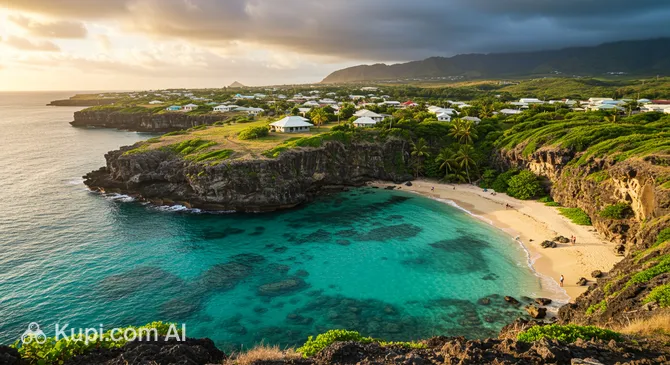
Alofi. Source: Kupi.com Binoculars

Niuean culture is deeply rooted in Polynesian traditions, and the local people are renowned for their hospitality. The atmosphere on the island is calm and relaxed, making it an ideal destination for those seeking solitude, outdoor adventures, and an authentic cultural experience. Niue is a destination for connoisseurs of untouched beauty and a tranquil, leisurely retreat.

Currency

The official currency of Niue is the New Zealand dollar (NZD). Although Niue also issues its own coins, known as the Niue dollar, these are primarily of interest to collectors due to their unique designs and are not widely circulated for daily transactions. For all everyday payments on the island, the New Zealand dollar is used. NZD banknotes and coins feature standard New Zealand designs, with images of notable figures and local flora and fauna.

It is highly advisable to exchange your currency for New Zealand dollars before arriving in Niue, as currency exchange facilities on the island are very limited. The main location for any exchange services is in the capital, Alofi, though options are scarce. While credit cards like Visa and MasterCard are accepted in some hotels, restaurants, and larger shops, they are not accepted everywhere. Therefore, carrying a sufficient amount of cash is essential for paying for goods and services at smaller shops, local markets, and in the more remote areas of the island.

Visa Requirements

Planning a trip to Niue? Good news for UAE passport holders: you do not need a visa for stays of up to 30 days. However, to enter the country, you will need a valid passport with at least six months of validity remaining from your date of travel. You will also be required to show return or onward airline tickets, proof of accommodation, and evidence of sufficient funds for your stay. It is important to note that all flights to Niue currently transit through New Zealand, so travellers must also meet New Zealand's entry or transit requirements.

As visa regulations can change, it is highly recommended that you verify the latest information with the official Niue immigration authorities or the nearest relevant consulate before your trip. This will help ensure your preparations for this exotic getaway are smooth and without any issues.

We'll tell you if you need a visa

Specify where you are going, or
Your citizenship
Destination

Time Zones

When travelling to Niue, you will not need to worry about changing time zones within the country. The entire nation of Niue operates on a single time zone: UTC-11:00 (Niue Time, NUT). This means the time is the same across the entire island, including in the capital, Alofi.

This feature makes planning your travel around Niue very convenient, as you will not need to adjust your watch when moving from one part of the island to another. Simply set your watch to the local time upon arrival and enjoy your holiday without any time zone complications.

How to Get There

Getting to Niue, an isolated island nation in the Pacific Ocean, is primarily done by air. For travellers from the UAE, the journey involves flying to Auckland, New Zealand, and then taking a connecting flight. Major UAE-based airlines such as Emirates and Etihad Airways offer flights to Auckland from Dubai and Abu Dhabi respectively.

From Auckland, Air New Zealand is the sole carrier providing scheduled flights to Niue. These flights land at the country's main air gateway, Hanan International Airport (IUE), which is located near the capital, Alofi. Flights between Auckland and Niue operate only once or twice a week, depending on the season.

As Niue is an island, there is no land transport for arriving in the country. Sea travel is also limited and not a regular option for tourists, although cruise ships or private yachts may occasionally visit. Given the infrequent nature of flights, it is highly recommended to book airline tickets and accommodation well in advance, especially if your trip falls during the peak tourist season.

For clarity, here is a summary of the country's main international airport:

Airport Name City Passenger Traffic
Hanan AirportAlofiSmall

Niue, a charming island in the South Pacific Ocean, offers travellers a unique experience, far from the hustle and bustle of traditional tourist destinations. You will not find large cities or bustling resort complexes here in the traditional sense. Instead, the island's life is centred around small settlements, the most significant of which is its capital.

The principal town and administrative centre of Niue is Alofi. It is not only where the island's main infrastructure is centred, including shops, markets and government buildings, but also the starting point for exploring all the wonders of the 'Rock of Polynesia'. Travellers choose Alofi for its relaxed atmosphere, the friendliness of the locals and, of course, for its easy access to stunning natural attractions: limestone caves, secluded coves perfect for swimming and snorkelling, and whale watching spots during the migration season.

Alofi. Source: Kupi.com Binoculars

Top Attractions

Niue, also known as the "Rock of Polynesia", offers travellers a unique blend of natural beauty and Polynesian culture. This coral island is renowned for its crystal-clear waters, limestone caves, and breathtaking coastal landscapes. Exploring Niue's main attractions will leave you with unforgettable memories.

One of the most famous and significant attractions is Avaiki Cave. According to local legends, this is where the first Polynesian settlers landed on the island. The cave is impressive for its size and features a natural pool with crystal-clear water where you can swim. This place is not only beautiful but also holds great cultural significance for Niueans.

Equally popular among tourists and locals are the Limu Pools. This is a series of natural rock pools situated along the coast, sheltered from the open ocean. The water here is calm and clear, making it an ideal spot for swimming, snorkelling, and simply relaxing with the whole family. The variety of marine life that can be seen right from the shore is astonishing.

For lovers of impressive natural formations, a visit to the Talava Arches is a must. These majestic limestone arches, formed over millennia by the force of ocean waves and wind, are a stunning sight. The path to the arches leads through a picturesque tropical forest and caves, adding an element of adventure to your excursion. The arches are particularly beautiful at sunset, when the sun paints the rocks in golden hues.

Best Time to Visit

When planning a trip to Niue, it is important to consider the local climate to ensure your visit is as enjoyable as possible. The island's high tourist season typically runs from May to October. During this time, the weather is dry and sunny with comfortable temperatures, ideal for exploring the numerous caves, swimming, diving and snorkelling in the crystal-clear waters. One of the main advantages of visiting Niue during this period is the humpback whale migration season; they can be observed from the shore or you can even swim near them—a unique experience available from around July to October. The island is lively at this time, but be prepared for slightly higher prices for accommodation and services, and more visitors at popular spots.

The low season, or rainy season, occurs from November to April. During this period, Niue becomes hotter with a significant increase in humidity, and there is a greater chance of tropical downpours and even cyclones, especially from January to March. While the weather can be less predictable, this period has its advantages: there are considerably fewer tourists on the island, creating a more secluded atmosphere, and accommodation prices may be lower. However, it is worth noting that some tourist services may operate on a limited schedule or be unavailable due to weather conditions. Ultimately, the best time to travel depends on your priorities: guaranteed good weather and whale watching in the high season, or a quieter holiday with potential discounts in the low season.

Traditions

When travelling to Niue, you will immerse yourself in an atmosphere of sincere hospitality and unique Polynesian traditions. The local people, known for their friendliness, usually greet each other and visitors with the phrase 'Fakaalofa lahi atu' (meaning 'a big hello to you') or the more common 'Fakaalofa atu'. A simple smile and a nod are also appropriate. Eye contact during conversation is valued, and raised eyebrows can signify agreement or acknowledge your presence. Hospitality is an important part of the culture here; if you are invited into a home, a small souvenir from your country would be a thoughtful gesture, although it is not obligatory. Remember that being overly rushed or pushy may be perceived negatively – life on the island flows at a measured pace.

In daily life in Niue, the style of dress is quite casual; however, modesty is valued. Beachwear is best kept for the beach, and when visiting villages, public places, or churches, it is advisable to choose more conservative attire. This is especially true on Sundays, when many residents attend church services: men are advised to wear long trousers and a shirt (often with a collar), while women should wear a dress or skirt that covers the knees and shoulders. A head covering for women in church is also welcomed. Sunday in Niue is a day of rest and religious services, so most shops and services are closed, and noisy activities or work (such as doing laundry in plain sight) are discouraged. Always ask for permission before photographing local residents, and respect private property by not entering without an invitation.

To gain a deeper understanding of Niue's culture, try to attend one of the local festivals. An important event is Constitution Day, celebrated in mid-October with cultural performances, sports competitions, and public festivities. Also unique are the Village Show Days, which each village holds according to its own schedule – these are vibrant festivals featuring traditional dances, songs, crafts, and local cuisine. There are no strict rules at the dining table, but showing an interest in local dishes will always be appreciated. For travellers requiring halal options, it is advisable to make enquiries in advance, as availability may be limited on the island. It is not customary to point at someone or something with your finger; instead, local people use a nod of the chin or a motion with their lips. The main thing is to show openness, respect for local customs, and sincere interest, and your trip to Niue will leave you with the warmest of memories.

Entertainment

Niue offers a unique array of recreational activities, centred around its stunning natural environment and tranquil atmosphere. For lovers of outdoor pursuits, the island is a true paradise. Here you can enjoy world-class diving and snorkelling in crystal-clear waters, explore numerous sea caves and grottos, go deep-sea fishing, or simply enjoy swimming in secluded rock pools. During the migration season (typically July to October), you have the rare opportunity to watch humpback whales directly from the shore or during a boat tour. Hiking along rainforest trails is also popular, allowing you to discover the island's hidden corners.

Cultural experiences in Niue are closely intertwined with the daily life and traditions of the local Polynesian population. While there are no large theatres or museums in the conventional sense, travellers can engage with the local culture by interacting with residents, visiting village events, and discovering traditional crafts. Shopping on the island mainly consists of hand-made souvenirs, such as woven goods, wood carvings, and shell jewellery, which make for an excellent reminder of your trip. The nightlife in Niue is very low-key and tranquil, mostly consisting of quiet dinners in small restaurants or bars where you can enjoy local cuisine under the stars. While specific halal certification is not available on the island, many eateries offer a wide selection of fresh seafood, vegetarian dishes, and tropical fruits.

For a family holiday, Niue provides a safe and peaceful environment. Children will be thrilled to explore the coastal pools teeming with marine life and enjoy walks in nature. Instead of bustling theme parks, here you have the chance to show children unspoiled nature and teach them to appreciate the quiet beauty of the world around them. It is the perfect destination for families seeking a serene getaway far from the hustle and bustle of city life, where you can truly connect and enjoy each other's company against a backdrop of amazing landscapes.

Currency rates

Planning a trip? That's wonderful! To ensure the financial aspects of your journey don't come as a surprise, it's important to remember that the official currency in Niue is the New Zealand Dollar (NZD). As currency exchange rates between the UAE Dirham (AED) and NZD are constantly changing, we strongly advise tracking the latest rates both before your departure and throughout your trip. For this, you can use the data provided below — we monitor exchange rates 24/7 and strive to provide the most up-to-date information to help with your planning.

NZD currency exchange rate as of 02.01.2026

2.12 AED
~ 1 NZD
220.67 AMD
~ 1 NZD
1 AUD
~ 1.15 NZD
1 AZN
~ 1.02 NZD
1.70 BYN
~ 1 NZD
1 CAD
~ 1.26 NZD
1 EUR
~ 2.03 NZD
1 GBP
~ 2.33 NZD
189.28 HUF
~ 1 NZD
52.06 INR
~ 1 NZD
50.58 KGS
~ 1 NZD
835.49 KRW
~ 1 NZD
293.52 KZT
~ 1 NZD
2.08 PLN
~ 1 NZD
45.62 RUB
~ 1 NZD
2.17 SAR
~ 1 NZD
1 SGD
~ 1.34 NZD
24.84 TRY
~ 1 NZD
24.47 UAH
~ 1 NZD
1 USD
~ 1.73 NZD
6949.51 UZS
~ 1 NZD

Reached the end of the page?

That means the route is fully explored