Support

Pitcairn Islands

About the Country

The Pitcairn Islands are a unique and one of the most remote inhabited places on the planet, lost in the vast expanse of the southern Pacific Ocean. This British Overseas Territory attracts travellers with its incredible history linked to the mutineers of HMS Bounty and its untouched nature. If you are seeking an adventure far from well-trodden tourist routes, Pitcairn offers a truly unforgettable experience.

The capital and only settlement of the islands is Adamstown. Life here flows at a measured pace, and the population, who are descendants of the very same mutineers and Tahitian women, carefully preserve their unique culture and traditions. The Pitcairn Islands consist of four volcanic islands (Pitcairn, Henderson, Ducie and Oeno), but only Pitcairn itself is inhabited. Its rugged yet picturesque landscape, rocky cliffs, and lush tropical vegetation create an unparalleled atmosphere of seclusion and primordial nature.
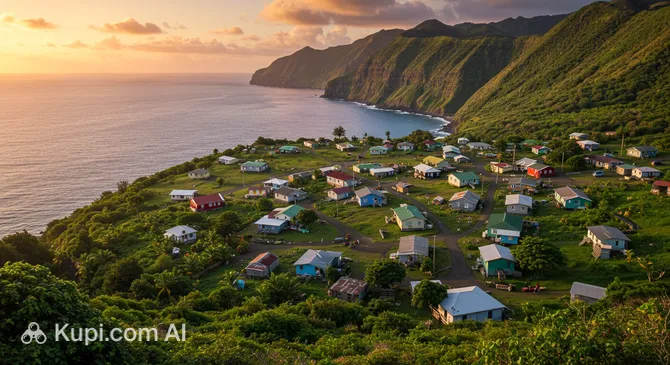
Adamstown. Source: Kupi.com Binoculars

Visitors to Pitcairn can expect a warm welcome from the few local residents, an opportunity to explore historical sites related to the Bounty, enjoy hiking along scenic trails, observe the rich marine life, and simply take a break from the hustle and bustle of civilisation. The climate here is mild and subtropical, which makes a visit comfortable for most of the year. Pitcairn is not just a dot on the map, but an entire history embodied in a small but proud island community.

Currency

On the Pitcairn Islands, the official currency is the New Zealand dollar (NZD). While collectible Pitcairn Islands dollar coins also exist and are of interest to numismatists, it is the New Zealand currency that is used for all day-to-day calculations. New Zealand dollar banknotes feature modern designs, often depicting notable New Zealand figures and the region's unique flora and fauna.

When planning a journey to the Pitcairn Islands, it is crucial to arrange for a sufficient amount of New Zealand dollars in cash beforehand. While it is possible to get a cash advance on a credit card or exchange money at the Government Treasury Office, these services have limited hours. To avoid any inconvenience, carrying cash is highly recommended as the primary means of payment for tourists. Although some local costs for accommodation and souvenirs are priced in US Dollars, most day-to-day purchases will be in NZD.

Visa Requirements

To visit the Pitcairn Islands, travellers, including citizens and residents of the UAE, must obtain prior entry clearance. This applies regardless of the intended length of stay. If your visit is planned for 14 days or less, arriving and departing on the same vessel, you will not need a formal visa but must still secure clearance beforehand. For stays longer than 14 days, a formal entry clearance application is required. It is mandatory to have a valid passport that covers the entire duration of your intended stay.

Given that entry regulations can change, it is strongly recommended that you verify the most current information before planning your trip to the Pitcairn Islands. The best source for the latest requirements is the official Government of the Pitcairn Islands website. This will help ensure all necessary formalities are completed smoothly for your unique journey.

We'll tell you if you need a visa

Specify where you are going, or
Your citizenship
Destination

Time Zones

The official time zone for the Pitcairn Islands is Pitcairn Standard Time (PST), which is UTC-8. This means the local time is 8 hours behind Coordinated Universal Time (UTC). For travellers from the UAE, it is important to note that the Pitcairn Islands are 12 hours behind Gulf Standard Time (GST). This significant time difference should be taken into account when planning calls or online communication.

How to Get There

Getting to the Pitcairn Islands is a true adventure, as the archipelago is one of the most remote inhabited places on Earth. It is important to know that there is no airport on the Pitcairn Islands themselves. A trip here requires meticulous planning and usually begins with a flight to [LINK entity=country id=183 landing_

Getting to the Pitcairn Islands is a true adventure, as the archipelago is one of the most remote inhabited places on Earth. It is important to know that there is no airport on the Pitcairn Islands themselves. A trip here requires meticulous planning and usually begins with a flight to [LINK entity=country id=183 landing_

The Pitcairn Islands, lost in the Pacific Ocean, offer a truly unique experience for travellers seeking solitude and adventure. Given the unique nature of this remote archipelago, the main, and essentially only, settlement and centre of attraction here is the capital – Adamstown.

Adamstown. Source: Kupi.com Binoculars

All life on the islands is centred in Adamstown. This tiny settlement, founded by the mutineers of the legendary ship 'Bounty' and their Tahitian companions, holds a remarkable history. Tourists come here to connect with this heritage, visit the small museum, the church, see the anchor from the 'Bounty', and learn about the way of life of the few descendants of the first settlers. Adamstown is the gateway to understanding the unique culture and isolated life on one of the world's most remote inhabited islands, offering a deep dive into the history and nature of this amazing corner of the planet.

Top Attractions

The Pitcairn Islands, lost in the vast expanse of the Pacific Ocean, attract travellers with their unique history and rugged, pristine beauty. Despite their remoteness and small size, the islands hold several iconic sites that allow you to delve deeper into their fascinating heritage and enjoy the unique natural environment.

The Pitcairn Island Museum in Adamstown plays a central role in exploring the islands' history. Here, you will find unique artefacts related to the famous mutiny on the HMS Bounty, everyday items from the first settlers, and exhibits detailing the flora, fauna, and geology of this isolated corner of the planet. A visit to the museum is an opportunity to connect with a living past and understand how the unique culture of the Pitcairn people was formed.

One of the most symbolic locations is Bounty Bay. It was here in 1790 that the mutineers from the Bounty burned their ship to remain on the island forever. Although almost nothing remains of the vessel itself (except for artefacts in the museum), the bay remains a landmark from where Pitcairn's modern history began. It is the starting point for many explorations of the island and a place with stunning views, especially at sunrise or sunset.

Nature lovers and fans of unusual landscapes should not miss St. Paul's Pool. This is a picturesque natural swimming pool, formed by volcanic rocks and regularly replenished by ocean tides. In calm weather, you can swim safely here, enjoying the crystal-clear water and views of the rugged coastline. This spot perfectly showcases the wild and untouched beauty of the Pitcairn Islands.

Best Time to Visit

When planning a trip to the enigmatic Pitcairn Islands, it is important to consider the local climate to ensure your journey is as comfortable as possible. Overall, the islands have a subtropical climate, but there are more and less favourable periods for a visit. The most favourable time to visit is considered to be from May to October. During these months, the weather is typically drier, sunnier, and less hot, with daytime temperatures ranging from 17-25°C. This is an ideal time for hiking around the island, exploring its unique nature and, a particular attraction, for watching the humpback whales that migrate to these waters from approximately June to October.

The period from November to April can be considered the 'low' or wetter season. At this time, it is warmer on the Pitcairn Islands, with average temperatures fluctuating between 20 and 30°C, but there is also higher humidity and a greater chance of rain. Although the South Pacific region is prone to tropical cyclones during these months, their direct impact on Pitcairn is rare. A benefit of travelling at this time could be the opportunity to celebrate Bounty Day with the locals on 23 January – an important event commemorating the arrival of the mutineers. It is worth remembering that access to the Pitcairn Islands primarily depends on the schedule of the passenger-cargo vessel, so planning your trip should always begin by confirming its sailing dates. Regardless of the season, a trip to Pitcairn is a unique experience, but choosing the 'dry' months will make it more predictable in terms of weather.

Traditions

The culture of the Pitcairn Islands is unique, having been forged in isolation by the descendants of the mutineers from HMS Bounty and their Tahitian companions. This heritage is reflected in the local customs and traditions. The small population of Pitcairn is known for its warmth and hospitality. Greetings are typically warm and informal, with communication taking place in English and the local Pitkern language. Eye contact is valued during conversation. While special gifts are not expected from tourists, a small souvenir from your home country or a practical household item will be gratefully received. The most important thing is to show sincerity and respect towards others, particularly elders.

In daily life, the dress code is quite relaxed and suited to the tropical climate. However, when visiting local homes, attending community events, or visiting the church, it is advisable to opt for more modest attire. This is especially relevant on Saturdays, which is observed as a day of rest for the Seventh-day Adventist community, who make up the majority of the population. There are no strict rules of table etiquette; sharing a meal together and simple politeness are what matter most. Perhaps the main national celebration is Bounty Day, observed on 23 January, which marks the anniversary of the mutineers' arrival on the island. It is a day of remembrance, featuring historical re-enactments and communal feasts that offer a vivid insight into the community's spirit.

To ensure your stay on the islands is pleasant and free from misunderstandings, keep a few points in mind. Given the small population, please respect people's privacy by always asking for permission before taking photographs of individuals or their homes. Be mindful of resources, as island life comes with its own limitations. Avoid intrusive questions about sensitive historical topics unless a local resident brings up the subject themselves. Overall, openness, friendliness, and respect for the islanders' way of life are key to a positive experience when visiting this remarkable corner of the world.

Entertainment

The Pitcairn Islands offer travellers a unique experience, where entertainment is closely intertwined with the untouched nature and distinctive culture of this remote corner of the planet. Active recreation here primarily involves exploring the picturesque volcanic landscapes, hiking along trails that offer breathtaking views of the boundless ocean, and observing the rich marine birdlife. Fans of the underwater world can enjoy snorkelling in the crystal-clear waters, exploring the coral reefs and their inhabitants. For those seeking seclusion, the coastline offers numerous secluded coves.

Cultural entertainment on Pitcairn is centred around the unique history of the islands, linked to the mutineers of HMS Bounty. In Adamstown, the only settlement, you can visit a small museum that houses artefacts telling the story of the islanders' past. Interacting with the local residents, who are descendants of the famous mutineers and their Tahitian companions, is an unforgettable cultural experience in itself. They warmly share their traditions, stories, and crafts. Nightlife here is far from the usual city bustle; it consists of quiet evenings under an incredibly starry sky, friendly conversations, or simply contemplating the ocean.

Shopping on the Pitcairn Islands is an opportunity to purchase truly exclusive souvenirs. Local artisans are renowned for their woodcrafts, especially their skilfully carved figures of marine life and models of the Bounty. Also popular are the local honey, known for its quality, and, of course, Pitcairn postage stamps, which are collected by enthusiasts worldwide. As for family entertainment, the islands offer a unique opportunity for children and adults to immerse themselves in a completely different world, far from civilisation. It is a chance to study nature, participate in local activities, and learn about the unusual history and way of life of the Pitcairn people, making for a truly educational adventure.

Currency rates

Planning a trip? That's wonderful! To ensure the financial aspects of your journey don’t come as a surprise, it is important to remember that currency exchange rates are constantly changing. Therefore, we strongly advise you to monitor the latest rates both before you fly and throughout your trip. To do this, you can use the data provided below — we monitor currency rates 24/7 and aim to provide the most current information available.

NZD currency exchange rate as of 02.01.2026

2.12 AED
~ 1 NZD
220.67 AMD
~ 1 NZD
1 AUD
~ 1.15 NZD
1 AZN
~ 1.02 NZD
1.70 BYN
~ 1 NZD
1 CAD
~ 1.26 NZD
1 EUR
~ 2.03 NZD
1 GBP
~ 2.33 NZD
189.28 HUF
~ 1 NZD
52.06 INR
~ 1 NZD
50.58 KGS
~ 1 NZD
835.49 KRW
~ 1 NZD
293.52 KZT
~ 1 NZD
2.08 PLN
~ 1 NZD
45.62 RUB
~ 1 NZD
2.17 SAR
~ 1 NZD
1 SGD
~ 1.34 NZD
24.84 TRY
~ 1 NZD
24.47 UAH
~ 1 NZD
1 USD
~ 1.73 NZD
6949.51 UZS
~ 1 NZD

Reached the end of the page?

That means the route is fully explored