Support

Samoa, Independent State Of

Cities in the country

About the Country

The Independent State of Samoa is a charming island nation nestled in the heart of Polynesia, in the southern Pacific Ocean. This country attracts travellers with its unique culture, incredible natural beauty and an atmosphere of peace. Here, the ancient traditions of "Fa'a Samoa" – the Samoan way of life that defines everything from family values to village governance – are carefully preserved. The nation's capital and largest city, Apia, located on the island of Upolu, serves as the main port and economic centre, offering an introduction to local character and history.
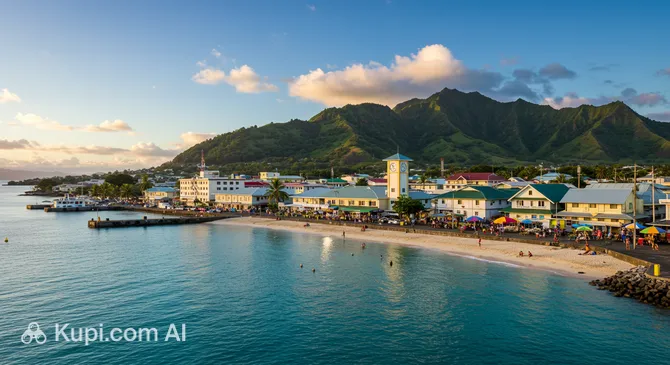
Apia. Source: Kupi.com Binoculars

The nature of Samoa is a true kaleidoscope of vibrant colours: from dense tropical forests hiding picturesque waterfalls to impressive volcanic landscapes and idyllic beaches with white sand, washed by turquoise ocean waters. The climate is tropical and shaped by trade winds, with high humidity and two main seasons – a dry season (from May to October) and a wet season (from November to April). This makes the islands an attractive year-round destination, especially for fans of diving, snorkelling and surfing. An interesting place to explore is the Sale'aula lava fields on the island of Savai'i, which are a reminder of the islands' volcanic past.

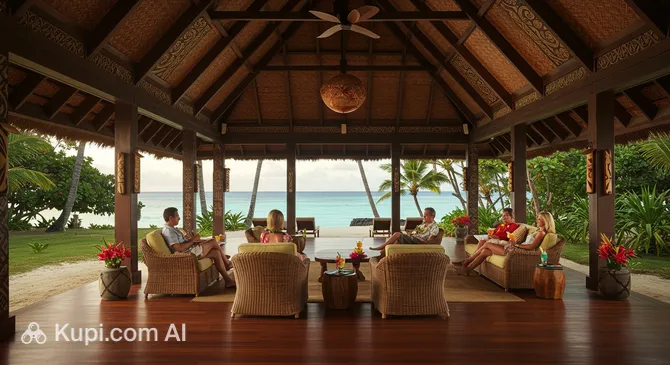
A journey to Samoa offers a sense of immersion into a completely different world – one that is calm, measured and incredibly hospitable. Here, you can take a break from the hustle and bustle of modern life, enjoy untouched nature and get to know a distinctive culture. The atmosphere of the islands is perfect for relaxation, whether it's unwinding in a traditional "fale" bungalow on the ocean shore or discovering local crafts and dances. For a comfortable stay, you can choose one of the resorts, such as the Taumeasina Island Resort, which offers modern amenities in harmony with the surrounding nature.
Currency

The national currency of Samoa is the Samoan tālā (international code WST, also sometimes shown as SAT or T). Tālā banknotes and coins feature colourful designs, often depicting elements of local culture, famous figures, and the islands' unique flora and fauna, such as exotic birds or picturesque waterfalls. This makes them not only a means of payment but also a unique souvenir.

It is advisable to exchange foreign currency for Samoan tālā at official banks or licensed exchange bureaus, which can be found in the capital, Apia, and at Faleolo International Airport. All major foreign currencies can be exchanged. Avoid exchanging money with private individuals or at unauthorised locations to prevent unfavourable exchange rates or potential fraud. Credit cards, primarily Visa and Mastercard, are accepted in most hotels, large restaurants, and some shops, particularly in tourist areas. However, for daily expenses, purchases at local markets, or when visiting more remote parts of the country, it is essential to carry a sufficient amount of cash, as card payments are not always available.

Visa Requirements

When planning your trip to Samoa, it is important to clarify the visa requirements in advance. For citizens of the United Arab Emirates, travel to Samoa is straightforward as a visa can be obtained upon arrival.

To ensure smooth entry into the country, you will need a valid passport with a validity period that extends beyond your intended stay. It is also recommended to carry return or onward tickets, proof of accommodation, and travel insurance, as these documents may be checked by immigration officials at the border. As visa regulations can change, we strongly advise you to check the latest information on the official websites of Samoa's embassies or visa centres before travelling.

We'll tell you if you need a visa

Specify where you are going, or
Your citizenship
Destination

Time Zones

The Independent State of Samoa operates on a single time zone. This means the time is the same across all of the country's islands. The standard designation for this time zone is UTC+13.

This is very convenient for tourists, as you do not need to worry about changing your watch or accounting for time differences when planning excursions and travelling between different parts of Samoa.

For travellers from the UAE, it is useful to note that Samoa is 9 hours ahead of the UAE's Gulf Standard Time (UTC+4).

How to Get There

The primary way to reach Samoa is by air. The country's main gateway is Faleolo International Airport (APW), located near the capital city, Apia. For travellers departing from the UAE, the journey to Samoa typically involves one or two layovers, as there are no direct flights. Common transit hubs include major airports in Australia, New Zealand, or Fiji.

Major airlines such as Emirates and Etihad offer flights from the UAE to these transit points, where you can then take a connecting flight to Apia with partner airlines like Fiji Airways or Air New Zealand. As Samoa is an island nation, sea travel is also an option, though regular international ferry services from distant countries are limited. However, some South Pacific cruise liners include Apia in their itineraries, which could be an appealing part of your journey. The country has no land borders with other states. Regardless of your chosen mode of transport, it is highly recommended to plan your trip and book tickets well in advance, especially during the peak tourist season, to secure the best deals and availability.

For your reference, here is a summary of the country's main international airport:

Airport Name City Passenger Traffic
Faleolo International AirportApiaSmall

Samoa offers travellers a unique combination of lively urban centres and secluded paradise corners, where one can enjoy both cultural heritage and natural beauty. The country is known for its hospitable residents and stunning landscapes, from volcanic terrains to idyllic beaches. As a deeply traditional country, visitors are encouraged to respect local customs, particularly by dressing modestly when entering villages.

The heart of the country is undoubtedly its capital, Apia. This city is not only an administrative and commercial hub but also a place to immerse yourself in the local culture, visit colourful markets like Maketi Foulemauloa, and learn more about Samoa's history at the Robert Louis Stevenson Museum. For Muslim travellers, it is useful to know that the country's only mosque is located in Vaiusu, a village near Apia. While many local eateries serve traditional food, Apia also offers international cuisine, including an Indian restaurant with halal options available. Apia also serves as an excellent starting point for exploring the island of Upolu.

Apia. Source: Kupi.com Binoculars

Beyond the capital, the islands of Samoa are dotted with numerous charming settlements and resort areas. For instance, Saleaula on the island of Savai'i attracts visitors with its unique history linked to the eruption of Mount Matavanu in the early 20th century, which left behind impressive lava fields and a semi-ruined church. For those seeking a tranquil coastal retreat and an introduction to traditional life, places like Safotu, known for its beautiful beaches and snorkelling opportunities, or Lalomalava, offering secluded bungalows and an authentic atmosphere, will be of great interest. Each of these locations reveals the beauty and hospitality of Samoa in its own way.

Top Attractions

Samoa, a pearl of the Pacific Ocean, attracts travellers not only with its idyllic beaches and lush tropical nature, but also with unique places worth visiting. Here, everyone will find something to suit their taste, from luxurious resorts to authentic culinary establishments.

A prime example of Samoan hospitality is the Taumeasina Island Resort. This resort hotel, located near the capital city of Apia, offers guests not only comfortable accommodation but also a whole range of entertainment, from water sports to spa treatments, allowing for complete immersion in the island holiday atmosphere. While halal-certified restaurants are not widespread in Samoa, the resort's chefs can often accommodate dietary needs upon request, and it is advisable to inquire in advance.

Taumeasina Island Resort. Source: Kupi.com Binoculars

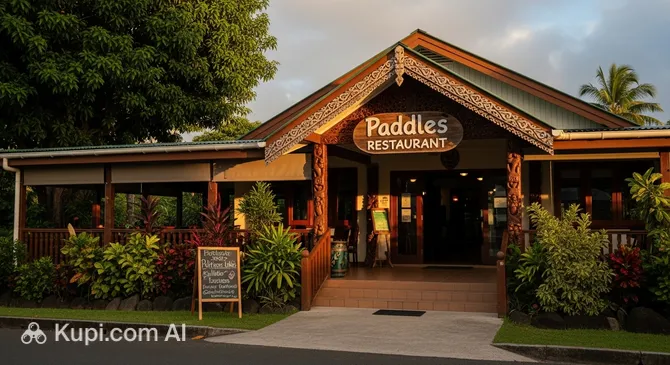
For connoisseurs of local and international cuisine, a visit to Paddles Restaurant is a must. This establishment in Apia is famous for its exquisite Italian dishes prepared from the freshest local ingredients, as well as its cosy atmosphere and beautiful views, making a dinner here truly unforgettable. The menu features a variety of seafood and vegetarian options. Travellers seeking halal meals are advised to contact the restaurant ahead of their visit to discuss their dietary requirements.

Paddles Restaurant. Source: Kupi.com Binoculars

Best Time to Visit

When planning a trip to Samoa, it is important to consider the two main climatic seasons, which determine the best time to visit. The islands' tropical climate means warm weather all year round, but it is divided into distinct dry and wet seasons. Choosing the right time will allow you to fully enjoy your holiday, whether you are looking for beach relaxation, nature exploration, or an immersion in the local culture.

The high season in Samoa runs from approximately May to October. This period coincides with the dry season, when the weather is most favourable, offering plenty of sunny days, lower humidity, and comfortable temperatures. It is the ideal time for beach holidays, snorkelling, diving, and hiking along scenic trails. One of the highlights of this period is the Teuila Festival, which usually takes place in the first week of September in Apia and other parts of the country, offering a colourful introduction to Samoan culture. From July to October, you can also see migrating humpback whales, though sightings are not as common as in other Pacific nations. The downsides of the high season can be a greater number of tourists and, consequently, slightly higher prices for accommodation and services.

The low season, or rainy season, occurs from November to April. During this time, the weather on the islands becomes hotter and more humid, with frequent but usually brief tropical showers. While temperatures are warm, averaging 29-30°C, they are generally milder than the peak summer heat experienced in the UAE. Although the rain can alter your plans, this period also has its advantages: nature becomes particularly lush and green, there are significantly fewer tourists, and accommodation prices can be lower. However, it is worth noting that there is a risk of tropical cyclones during this time, so it is important to monitor weather forecasts. Despite the unpredictable weather, Samoa remains an attractive destination during the low season for those seeking solitude and a more affordable holiday.

Traditions

The culture of Samoa, known as Fa'a Samoa (the Samoan Way), is deeply rooted in tradition and respect for family, community, and religion. When greeting locals, use a warm "Talofa" (hello) and do not forget to smile. Hospitality is a key value here. If you are invited into a home (fale), it is a sign of great respect; it is customary to remove your shoes before entering. A small gift for the hosts, such as food items, would be appreciated, although it is not a strict requirement. In public places, especially in villages and when visiting churches, adhere to a modest style of dress: shoulders and knees should be covered for both men and women. Beachwear is appropriate only at the beach or by the pool.

At the Samoan table, especially if the meal is taking place on the floor on woven mats (filau), it is polite to wait until the eldest person begins to eat or says a prayer. If you eat with your hands, use your right hand. Show respect for elders: do not walk between two people who are talking, and do not stand if others are seated on the floor during a meal or an important conversation. When sitting on the floor, try not to stretch your legs out towards other people—it is better to tuck them under you or cross them. Try to speak in a calm tone and avoid excessive public displays of emotion. It is important to remember that for Samoans, Sunday is a sacred day of rest and prayer. Many shops and services may be closed, and in villages, a "sa" may be observed—a short period of quiet for evening prayer. For Muslim travellers, it is useful to know that while halal-certified food is not widely available, some restaurants in the capital, Apia, do offer halal options. Additionally, there is a mosque, Masjid Mariam, located in the village of Vaiusu near Apia. Always ask for permission before taking photographs of people or entering private property.

To better understand the spirit of Samoa, it is worth paying attention to local festivals. Independence Day, celebrated on 1 June, is full of colourful parades, traditional dances (siva), and songs. Another significant festival is Lotu Tamaiti (or White Sunday), which falls on the second Sunday of October. On this day, children are celebrated: they dress in all white, take part in church services, and receive gifts, which highlights the immense importance of family and the younger generation in Samoan culture. By showing awareness and respect for these traditions, you will make your journey through Samoa truly unforgettable and build warm relationships with its hospitable residents.

Entertainment

Samoa is a true paradise for lovers of active recreation and connoisseurs of unique Polynesian culture. The islands offer magnificent opportunities for diving and snorkelling in crystal-clear lagoons surrounded by coral reefs, as well as for surfing on the waves of the Pacific Ocean. No less captivating are the hiking trails through tropical forests to picturesque waterfalls and volcanic craters. The cultural programme is rich with introductions to the traditional Samoan way of life, known as 'Fa'a Samoa'. Tourists can visit authentic villages, watch the spirited siva dance and impressive fire shows, and listen to traditional music, which is an integral part of local life.

Evening entertainment in Samoa is mainly concentrated in the capital, Apia, and within the major resorts. Here you will find welcoming restaurants offering both local and international cuisine. While halal-certified restaurants are limited, some establishments, like The Curry House, offer halal meat, and many places can cater to dietary needs upon request. A popular choice is the award-winning Paddles Restaurant, which blends Italian and Samoan flavours. You will also find bars where you can relax with a refreshing tropical drink. Many hotels, including the Taumeasina Island Resort, organise traditional 'fiafia' nights with songs, dances, and a celebratory feast, immersing guests in the atmosphere of Samoan hospitality. As for shopping, it is worth bringing back handicrafts from local artisans in Samoa – these can be carved wooden figures, jewellery made from shells and seeds, vibrant 'lava-lava' fabrics, and woven mats and baskets. The main places to buy souvenirs are the markets and small shops in Apia.

For a family holiday, Samoa offers many safe and beautiful beaches with gentle entry into the water, where children can swim and play to their heart's content. An exciting adventure for the whole family will be discovering the islands' rich nature: observing sea turtles in their natural habitat, exploring impressive oceanic trenches like the famous To-Sua, or visiting nature reserves with lush vegetation. Many resorts are geared towards family holidays and offer various amenities and entertainment for young travellers, making the stay comfortable and memorable for all family members.

Currency rates

Planning a trip? Wonderful! To ensure the financial aspects of your journey don't come as a surprise, it's important to remember that currency exchange rates are constantly changing. Therefore, we strongly advise you to monitor the latest rates both before your departure and throughout your trip. You can use the data provided below for this purpose — we monitor currency rates 24/7 and strive to provide the most up-to-date information.

Reached the end of the page?

That means the route is fully explored