Support

Apia

About

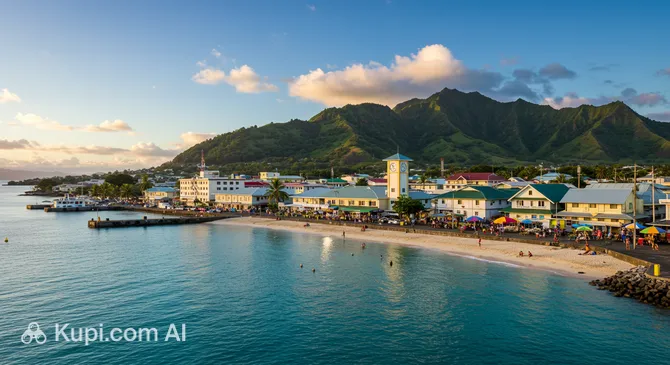
Welcome to Apia, the vibrant capital and the only city of the Independent State of Samoa. Situated on the central north coast of Upolu, the country's second-largest island, Apia serves as the primary gateway for travelers and the economic pulse of the nation. Despite its status as a capital, the city retains a relaxed, friendly atmosphere that perfectly embodies the spirit of the South Pacific.

Apia. Source: Kupi.Binoculars

The city is home to approximately 37,700 residents and sits naturally within a natural harbor at the mouth of the Vaisigano River. Its tropical climate ensures lush, green surroundings year-round, adding to the scenic beauty of the urban area. Visitors diving into the history of Apia will discover a fascinating blend of traditional Polynesian culture and colonial heritage, visible in the architecture of old churches and the iconic Clock Tower in the center of town.

Apia offers several captivating attractions for visitors. A highlight for many is the Robert Louis Stevenson Museum at Vailima, the beautifully restored final home of the famous Scottish author. For a taste of local life, the bustling Maketi Fou allows tourists to explore stalls filled with fresh tropical fruits and handicrafts, while the nearby Palolo Deep Marine Reserve offers exceptional snorkeling opportunities just a short distance from the shore.

Whether you are strolling along the scenic seawall at sunset or enjoying the local hospitality, Apia is a charming destination that invites you to relax and explore the heart of Samoa.

Weather Overview

Apia enjoys a consistently warm tropical climate throughout the year, making it an ideal destination for travelers seeking comfortable heat regardless of the season. Temperatures are remarkably stable, with daily averages staying between 25°C and 27°C. March and April are typically the warmest months, reaching highs of around 28°C, while August offers slightly cooler conditions with an average temperature of 25.6°C.

Rainfall is a constant feature of the local climate, keeping the island lush and green. The wettest period generally occurs from December to February, with February seeing the highest precipitation levels. Even during the relatively drier months like August and September, rain is frequent, with over 20 wet days recorded per month. For a more comprehensive breakdown of seasonal trends and forecasts, you can check the detailed weather in Apia.

Interesting Facts

Beyond the main attractions, Apia holds many fascinating secrets that reveal the unique character of this Pacific capital. From literary legends to time-traveling quirks, the city offers stories that go far beyond the standard guidebooks.
  • The famous Scottish author Robert Louis Stevenson spent his final years here and was affectionately known by the locals as "Tusitala," meaning the Teller of Tales. He is buried atop Mount Vaea overlooking the city, and legend has it that the birds fell silent during his funeral procession out of respect.

  • Apia is one of the few places in the world that has effectively "time traveled" into the future. In 2011, the city skipped Friday, December 30th entirely to switch sides of the International Date Line, aligning its business week with key partners like Australia and New Zealand.

  • In a rare global event, the city switched from driving on the right side of the road to the left in 2009. The government declared a two-day public holiday to allow residents to practice the new traffic flow without the pressure of rush hour.

  • Just outside the city limits stands one of only eight Bahá'í Houses of Worship in the world. The distinctive nine-sided structure is renowned for its serene gardens and is open to people of all faiths for prayer and meditation.

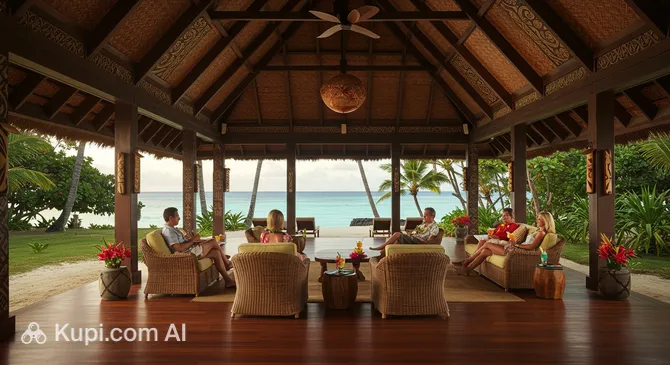
  • The city features a unique island getaway connected directly to the mainland. The Taumeasina Island Resort is situated on a partially reclaimed island, offering a secluded lagoon experience just minutes from the bustling town center.

Taumeasina Island Resort. Source: Kupi.Binoculars

How to Get There

Reaching the capital of Samoa is a straightforward experience, with air travel being the primary method for international visitors. Most travelers arrive on the island of Upolu, where the main airport connects the nation to key Pacific hubs like Auckland, Sydney, Nadi, and Honolulu. For a detailed breakdown of routes and transportation tips, you can read more about how to get to Apia.

The most significant entry point is Faleolo Airport (IATA: APW), located approximately 26 km west of the city center. This international hub handles the vast majority of tourist arrivals. Once you land, the journey to downtown Apia typically takes about 60 minutes by taxi or airport shuttle, offering a scenic drive along the coast.

Alternatively, some travelers may transit through Pago Pago International Airport (IATA: PPG). It is important to note that this airport is located in Pago Pago, American Samoa, about 127 km away from Apia. Using this route requires an inter-island connecting flight to reach Independent Samoa.

For clarity, here is a summary of the main airports:

Airport Name City Passenger Traffic Km from City
Faleolo Airport Apia Medium 25.9
Pago Pago International Airport Pago Pago Small 127.0

Main Attractions

Apia serves as the cultural and historic heart of Samoa, offering a diverse range of sites that showcase the nation's heritage and natural beauty. From architectural marvels to famous dining spots, the city provides a welcoming atmosphere for exploration.

One of the most iconic landmarks in the city is the Immaculate Conception Cathedral, also known as Mulivai Cathedral. Dominating the waterfront skyline, this stunning church is admired for its grand white facade and intricate architectural details. Inside, visitors are greeted by a magnificent blue ceiling and elaborate stained glass windows that blend European design with Polynesian artistry, creating a serene space for reflection.

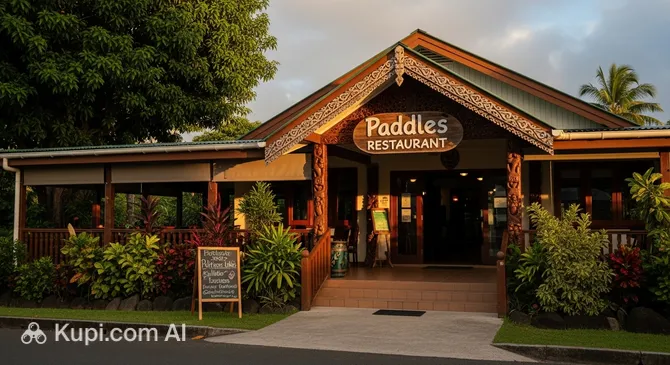
For a taste of the local dining scene, Paddles Restaurant is a standout attraction in its own right. Located by the harbor, this popular establishment is famous for its unique fusion of Italian and Samoan cuisine, offering fresh seafood and pasta dishes. It is a favorite among travelers for its friendly service and the opportunity to enjoy a meal with a view of the ocean.

Paddles Restaurant. Source: Kupi.Binoculars

Nature enthusiasts should not miss the Papase’ea Sliding Rocks, located just a short drive from the downtown area. This natural wonder features smooth rock formations that have been worn down by flowing water to create natural slides. Visitors can slide down into cool, freshwater swimming pools surrounded by lush tropical jungle, making it a perfect spot to cool off on a hot day.

Another essential stop is the Robert Louis Stevenson Museum in the nearby village of Vailima. Set within the beautifully restored colonial home of the famous Scottish author, the museum offers a fascinating glimpse into his life in Samoa. Guests can tour the historic mansion, view personal artifacts, and explore the manicured gardens that surround the estate.

Local Cuisine

The culinary landscape of Apia is a delightful reflection of Samoa’s bountiful nature, characterized by fresh seafood, tropical fruits, and root vegetables harvested from the fertile volcanic soil. Coconut cream is a central ingredient in many local recipes, adding a rich and velvety texture to both savory courses and desserts. Dining here offers a genuine taste of the South Pacific, where traditional Polynesian flavors are prepared with care and pride.

A must-try dish for any visitor is Oka, the Samoan take on raw fish salad. Unlike similar dishes elsewhere, the fish is marinated in lemon juice and then mixed with fresh coconut cream, onions, and cucumbers, resulting in a refreshing yet creamy delicacy. Another favorite is Palusami, which consists of young taro leaves wrapped around a filling of coconut cream and onions, traditionally baked in an earth oven called an umu. The heat transforms the leaves into a tender, spinach-like treat that pairs perfectly with boiled taro or green bananas.

When it comes to beverages, the local culture offers distinct options. Koko Samoa is a beloved drink made from roasted cocoa beans grown on the islands; it is typically served hot and has a rich, gritty texture that chocolate lovers adore. For those looking for a refreshing cold drink, fresh coconut water is available everywhere. Visitors looking to unwind can also try Vailima, the national beer of Samoa, which is a crisp lager brewed locally and widely enjoyed across the city.

The food scene in Apia ranges from casual market stalls to established waterfront eateries. The produce market, Maketi Fou, is an excellent place to see the ingredients firsthand and grab fresh tropical fruit. For a more formal dining experience that bridges cultures, Paddles Restaurant is a popular destination. Situated by the harbor, it is celebrated for fusing Italian cuisine with fresh Samoan produce, allowing guests to enjoy high-quality seafood while overlooking the ocean.

Travel Tips

To ensure your visit to Apia is as relaxing as the island breeze, a little preparation goes a long way. Here are some essential tips to help you navigate the local customs and logistics of this welcoming capital city.

  1. Clothing and Gear: Light, breathable cotton or linen fabrics are essential for the humid tropical climate. However, modesty is a core value here; when leaving the beach or resort, always wear clothing that covers your shoulders and knees. A local lavalava (sarong) is a versatile item to carry for covering up. Don't forget a sturdy umbrella or raincoat, as tropical showers can occur suddenly, and comfortable sandals are best for walking.
  2. Transportation: The famous, brightly colored local buses are a "must-do" experience for adventurous travelers, though they run on "island time" rather than a fixed schedule. Taxis are plentiful in Apia and affordable, but they rarely use meters, so you should agree on the fare with the driver before starting your journey. If you plan to rent a car to explore the rest of Samoa, you will need to validate your driver's license at the Ministry of Transport or the rental agency for a small fee.
  3. Finances: The local currency is the Samoan Tālā (WST). While major hotels and restaurants in the city accept credit cards, cash is absolute king at the markets and smaller shops. ATMs are widely available in the downtown area. Tipping is not a traditional part of the culture and is not expected, though leaving small change is a kind gesture for exceptional service.
  4. Health and Safety: Apia is generally a very safe city for tourists, but standard precautions with valuables apply. Tap water is not always suitable for drinking, so it is safer to stick to bottled or filtered water. Mosquitoes can be a nuisance, so packing a good insect repellent is highly recommended. Pharmacies are available in the city center, and the main national hospital is located in the Moto'otua district.
  5. Communication: English is widely spoken in Apia, especially in the tourism and business sectors, so you will have no trouble communicating. However, locals appreciate it if you try a few words of the local language, such as Talofa (Hello) and Fa'afetai (Thank you). Wi-Fi is available in most hotels and cafes, but for constant connectivity, purchasing a local SIM card at the airport or in town is a good idea.
  6. Local Etiquette: The culture, known as Fa'a Samoa, is deeply respectful. Always remove your shoes before entering a family home or a traditional fale. If you are sitting on the floor, avoid pointing your feet at others; tuck them cross-legged or cover them with a mat or clothing. When walking through a village, it is polite to carry your backpack in your hand rather than wearing it, as a sign of respect.
  7. What to Avoid: Be mindful of the evening prayer curfew known as Sa, which typically occurs around dusk in many villages. If you see people sitting quietly or hear a bell or conch shell, stop and wait until the all-clear is sounded. Also, never walk around town or villages in just your swimwear; this is considered offensive and is strictly reserved for the beach or pool areas.
  8. Sunday Observance: Sundays are taken very seriously and are dedicated to church and family. Most shops in Apia will be closed, and the city becomes very quiet. It is the perfect day to relax, attend a church service to hear the beautiful singing, or enjoy a quiet lunch, but do not expect to do any shopping or major activities.

By embracing these local norms and the "Fa'a Samoa" way of life, you will find that the people of Apia are incredibly warm and hospitable. A respectful attitude and a friendly smile are the best travel tools you can bring to this beautiful island city.

Entertainment & Nightlife

Nightlife in Apia is a relaxed yet spirited affair, distinct from the high-energy clubbing scenes found in larger global capitals. Instead of neon-lit superclubs, the evening entertainment here revolves around socializing, live music, and enjoying the cool ocean breeze. The primary hub for activity is Beach Road, the waterfront promenade where locals and tourists mingle in open-air bars, restaurants, and hotels. The atmosphere is welcoming and casual, with the sound of laughter and island reggae often drifting onto the street.

For those looking to start their evening with a memorable meal and drinks, Paddles Restaurant is a fantastic choice. Located right on the harbor, it transitions beautifully from a dinner spot to a relaxed evening venue where you can enjoy cocktails while watching the lights reflect off the water. As the night progresses, the crowd often moves towards the livelier bars along the waterfront. Establishments like the RSA Band Club or The Edge at the marina are popular for their live bands, offering a mix of classic hits and Samoan pop that gets everyone dancing.

Resorts play a significant role in the city's nightlife, particularly for those seeking a blend of luxury and culture. The Taumeasina Island Resort is a key destination after dark, featuring stylish bars and hosting weekly Fiafia nights. These cultural evenings are a must-see, showcasing traditional singing, dancing, and the spectacular fire-knife dance, usually accompanied by a generous buffet. It is a perfect way to experience the local heritage in a festive evening setting.

Practicality is key when enjoying a night out in Apia. The dress code is generally "island smart casual"—shorts and shirts are fine, but swimwear is strictly for the beach and not appropriate for bars or clubs. Most venues close around midnight or 1:00 AM, though some may stay open later on Fridays and Saturdays. Prices are reasonable, with local beer being very affordable, though imported spirits can be pricier. Sundays are strictly observed as a day of rest, so do not expect to find bars or clubs open; Saturday night is the peak time for partying.

Safety in Apia is generally good, but standard precautions apply. The waterfront area is well-lit and safe for strolling in the early evening, but it is advisable to take a taxi if you are moving between venues late at night or returning to your accommodation. Taxis are plentiful and can be flagged down easily on Beach Road; however, they do not have meters, so it is wise to agree on a fare before hopping in.

While the nights are for music and relaxation, daytime entertainment in Apia offers a different pace. Visitors can catch the latest Hollywood releases at the Apollo Cinemas, one of the few movie theaters in the country. For a more educational experience, the Museum of Samoa provides fascinating insights into the nation's history, offering a quiet retreat from the tropical sun before the evening festivities begin.

Parks & Museums

While Apia is the bustling administrative center of the country, it also serves as a custodian of Samoan heritage and a gateway to accessible natural beauty. The city is dotted with green spaces that showcase the island's tropical flora, while its museums provide a deep dive into the rich tapestry of Polynesian history, art, and colonial influence.

For those seeking an immersion in nature without leaving the city limits, the Palolo Deep Marine Reserve is an exceptional aquatic park. Located just a five-minute walk from the city center near the harbor, this reserve is famous for its "blue hole"—a deep chasm within the coral reef surrounded by shallow waters. It offers some of the best snorkeling in Samoa, allowing visitors to swim among vibrant coral formations and diverse tropical fish populations. It is a unique natural sanctuary that contrasts sharply with the nearby urban environment.

Another significant green space is the Vailima Botanical Gardens, situated on the estate of the Robert Louis Stevenson Museum. These extensive grounds are a haven for plant lovers, featuring a wide variety of native and exotic tropical species, towering trees, and manicured lawns. The gardens also mark the starting point for the hike up Mount Vaea to the author's tomb. It is a peaceful retreat where the air is cooler, and the sounds of the city are replaced by bird calls and rustling leaves.

In terms of cultural institutions, the Museum of Samoa is a primary stop for history enthusiasts. Housed in a colonial-era building in Malifa, the museum offers a comprehensive overview of the islands' past. The collection includes ancient Lapita pottery, traditional stone adzes, and fascinating exhibits on the history of Samoan tattooing (tatau). It also covers the local environment and the impact of European contact, making it an educational hub for understanding the foundations of Fa'a Samoa.

Art lovers should visit the EFKS Fine Art Museum, located within the impressive compound of the Congregational Christian Church of Samoa. This gallery is dedicated to showcasing the artistic talent of the Pacific. It features a rotating collection of contemporary Samoan paintings, sculptures, and traditional woodcarvings. The museum provides a platform for local artists to express modern interpretations of ancient legends and daily island life.

For a more casual cultural experience, a walk along the Apia Seawall offers a blend of history and scenic beauty. While not a traditional museum, the route is lined with monuments and memorials that tell the story of the city, including the Independence Monument. It is best experienced in the early morning or late afternoon when locals gather to exercise and socialize by the ocean.

Getting Around

Navigating Apia is a unique experience that differs significantly from the standardized public transport systems found in major global metropolises. The city does not possess a metro, tram, or railway network. Instead, the public transportation infrastructure relies entirely on road-based options, primarily consisting of the iconic local buses and a plentiful supply of taxis. For most visitors, getting around is less about consulting complex maps and more about embracing the relaxed pace of island life.

The most distinctive feature of the city's transport is the local bus system. These are not standard municipal vehicles but custom-built, wooden cabins mounted on truck chassis, painted in vibrant colors and often decorated with murals or slogans. They are a cultural icon in themselves. There are no designated bus numbers in the western sense; instead, the destination is painted on a board displayed in the front window. These buses serve the city center and connect Apia to the outlying villages on Upolu.

Payment on these buses is exclusively cash-based. There are no travel cards, mobile apps, or pre-paid passes available. The fare is incredibly affordable, typically costing just a few Samoan Tālā depending on the distance traveled. A crucial piece of etiquette for tourists is the timing of the payment: you generally pay the driver only when you have reached your destination and are disembarking, not when you enter. It is advisable to carry small change, as drivers may not always have large amounts of cash on hand.

Operating hours for public buses can be unpredictable and operate on what is locally known as "island time." While they run frequently during the day, services taper off significantly in the late afternoon and early evening. Tourists should be aware that buses rarely run on Sundays, as this day is strictly observed for church and rest. Stops are not always marked with signage; within the city, there is a main bus terminal behind the fresh produce market, but elsewhere, you can simply wave a bus down from the side of the road.

For a more reliable and private alternative, taxis are widely available throughout Apia. They are easily recognizable and can be hailed on the street or found at designated stands near hotels and markets. Taxis in the city do not use meters. Consequently, it is essential to negotiate and agree upon the fare with the driver before getting into the car to avoid any misunderstandings upon arrival. Fares are generally reasonable, and many drivers are happy to be hired for a half-day or full-day excursion.

Car rentals are another popular option for those who prefer complete independence. Several agencies operate within the city and at the airport. However, driving in Apia requires a temporary local driver's license, which can be obtained from the rental agency or the Ministry of Transport for a small fee upon presentation of your valid home license. Traffic in the city moves on the left side of the road, and speeds are generally low, making it a relatively stress-free environment for driving once you adjust to the local flow.

Finally, for exploring the downtown waterfront and the immediate harbor area, walking is often the most pleasant mode of transport. The distances between major landmarks like the Clock Tower, the markets, and the cathedral are short, allowing visitors to soak in the atmosphere on foot.

Accommodation

Accommodation in Apia caters to a wide spectrum of travelers, ranging from upscale international resorts to family-run inns that offer a more intimate glimpse into Samoan life. As the capital city, it serves as the primary base for most visitors to Upolu, providing convenient access to government buildings, markets, and the vibrant waterfront. Whether you are visiting for business, a family holiday, or a romantic getaway, you will find options that suit your budget and style.

For those seeking luxury and seclusion without straying too far from the city center, the Taumeasina Island Resort is a premier choice. Located on a private islet connected to the mainland by a causeway, this property offers a complete resort experience with sandy beaches, swimming pools, and extensive dining facilities. It is ideal for travelers who want a tropical escape while remaining just minutes away from the attractions of downtown Apia.

Travelers looking for mid-range options will find several reliable hotels situated along Beach Road and in the Moto'otua district. These establishments often cater to business travelers and tourists alike, offering modern amenities such as air conditioning, Wi-Fi, and on-site restaurants. Staying in the city center places you within walking distance of the harbor, the markets, and popular dining spots, making it a practical choice for those who want to explore the urban area on foot.

For a more authentic and budget-friendly experience, visitors might consider staying in local guest houses or lodges. These smaller accommodations are often family-owned and provide a warm, welcoming atmosphere where guests are treated like extended family. While they may offer simpler facilities compared to the large resorts, they provide excellent value and a chance to connect with local hosts. Some nearby coastal areas also offer traditional fales—open-sided beach huts—for those who wish to sleep by the ocean, though these are more common in the rural villages surrounding the capital.

It is advisable to book your accommodation in advance, especially if you are traveling during the peak season from June to September or during major cultural events like the Teuila Festival. While high-end hotels generally accept credit cards, smaller guest houses may prefer cash payment in Samoan Tālā. Regardless of where you choose to stay, the hospitality in Apia is renowned, ensuring a comfortable and memorable visit.

Nearby Cities

For those looking to explore the surroundings, Apia serves as an excellent base for day trips to several interesting nearby locations. The island of Upolu is relatively compact, allowing travelers to experience a variety of landscapes and village settings within a short drive from the capital.

One of the most culturally significant stops is Leulumoega, located approximately 21 kilometers west of Apia. This village is renowned for its artistic heritage and the impressive Sainte Anne Basilica, which stands as a testament to the island's deep-rooted faith and architectural skill. A visit here can easily be combined with a tour of the beautiful coastline. Closer to the capital, Afega offers a quick and accessible glimpse into traditional village life, situated just 10 kilometers away. For those heading east, Lufilufi provides scenic views of the rugged coastline and is a great spot to enjoy the quieter side of the island.

City Population Distance (km)
Afega 1998 10
Safotu 1270 81
Leulumoega 1184 21
Asau 1133 99
Lufilufi 949 19

These nearby destinations offer a glimpse into the diverse culture and landscapes of the region, ranging from historic churches on Upolu to the more distant allure of Savai'i island settlements like Safotu and Asau.

Shopping & Souvenirs

Shopping in Apia offers a relaxed and authentic experience that contrasts with the high-paced commercialism of larger global cities. Instead of sprawling mega-malls, visitors will find a charming mix of bustling local markets, family-run department stores, and boutique shops. The city is particularly renowned for its handicrafts and fresh produce, making it the perfect place to immerse yourself in the local culture while hunting for unique treasures to take home.

The primary hub for retail therapy is located along Beach Road and the adjacent streets in the downtown area. This waterfront stretch is lined with a variety of shops, ranging from convenience stores to clothing boutiques selling colorful island wear. A stroll down this main artery allows tourists to browse comfortably while enjoying the ocean breeze. Another key area is the bustling Vaea Street, which connects the waterfront to the inner parts of the city and hosts several banks, pharmacies, and general merchandise stores.

While Apia does not feature massive international shopping centers, it does offer modern shopping complexes that cater to all basic needs. The SNPF Plaza and the ACC Building are two prominent locations in the center where you can find a collection of shops, cafes, and services in air-conditioned comfort. For a department store experience, Chan Mow and Frankie Hypermarket are local institutions, stocking everything from groceries and electronics to clothing and household goods.

The true heart of shopping in Apia lies in its vibrant markets. The Flea Market, located near the bus station on the waterfront, is the ultimate destination for souvenirs and handicrafts. Here, rows of stalls display high-quality local artistry. For a different sensory experience, the Maketi Fou (Fugalei Market) is the central produce market. It is a riot of color and fragrance, filled with piles of taro, bananas, coconuts, and tropical flowers, offering a glimpse into the daily lives of the Samoan people.

When looking for souvenirs, authentic Samoan craftsmanship is the way to go. The most prized item is often Siapo (tapa cloth), made from the bark of the paper mulberry tree and hand-painted with traditional geometric designs. Other popular keepsakes include intricate wood carvings, particularly the kava bowls (tanoa), and beautifully woven pandanus mats or baskets. Locally produced coconut oil, scented with island flowers like frangipani, is also a favorite, along with colorful lavalavas (sarongs) that are practical for the tropical climate.

Business hours in Apia generally run from 8:00 AM to 4:30 PM or 5:00 PM on weekdays. On Saturdays, shops typically close early, around 12:00 PM or 1:00 PM, and nearly everything is closed on Sundays in observance of the Sabbath, except for a few small convenience stores or hotel shops. Cash is the preferred method of payment at markets and smaller stalls, so it is essential to carry Samoan Tālā. However, major supermarkets, hotels, and larger retail stores in the city center usually accept major credit cards.
Nearby cities

Reached the end of the page?

That means the route is fully explored