Support

Koror

About

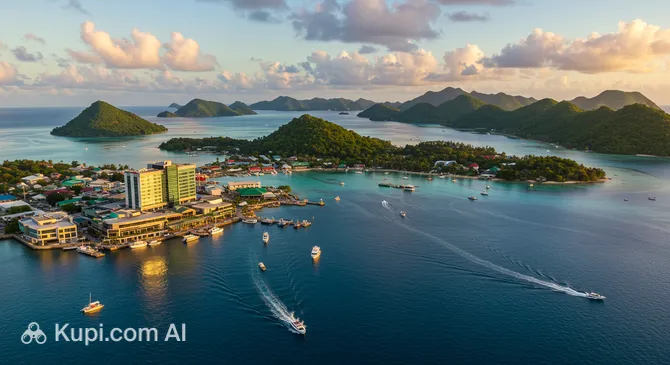
Welcome to Koror, the vibrant heart and economic hub of Palau. Although it is no longer the official capital, this bustling city remains the primary gateway for travelers arriving in this stunning Pacific archipelago. Home to approximately 8,700 residents, Koror contains nearly half of the nation's population, creating a lively atmosphere that perfectly blends island charm with modern conveniences and commercial activity.

Koror. Source: Kupi.Binoculars

The city is unique in its geography, spanning several islands connected by scenic causeways and bridges that offer breathtaking views of the ocean. The tropical climate ensures warm, inviting weather year-round, making it an ideal destination for sun-seekers. Visitors interested in the region's background can explore the fascinating history of Koror, which reveals its long-standing role as a center of administration and culture in the Caroline Islands.

Koror is most famous for being the launching point for excursions to the world-renowned Rock Islands Southern Lagoon, a UNESCO World Heritage site characterized by mushroom-shaped limestone formations and crystal-clear turquoise waters. Within the city limits, travelers can visit the Belau National Museum to gain deep insights into Palauan heritage or prepare for a trip to the iconic Jellyfish Lake. Whether you are here for world-class diving, cultural exploration, or simply to relax, Koror offers an unforgettable introduction to the beauty of Micronesia.

Weather Overview

The climate in Koror is characteristically tropical, offering warm and stable temperatures year-round. Visitors can expect daily averages to stay consistently around 27°C, with daytime highs peaking near 28.6°C in May and nightly lows rarely dipping below 26°C. This creates a predictable and humid environment perfect for water activities, regardless of when you choose to visit.

Precipitation is a frequent occurrence, so travelers should come prepared for rain at any time of year. The data indicates a high frequency of rainfall, with the number of wet days ranging from about 22 days in the relatively drier months of February and March to as many as 30 days in July. For a more detailed breakdown of seasonal patterns and what to expect during your trip, you can consult the guide to the weather in Koror.

Interesting Facts

Beyond the main attractions, Koror holds many fascinating secrets that reveal the unique character of this island city. From its unusual traffic quirks to its distinctive layout, there are plenty of surprises waiting for the observant traveler.
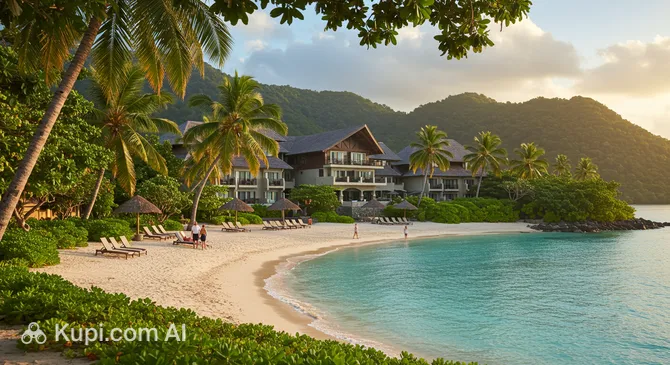
Palau Royal Resort. Source: Kupi.Binoculars
  • One of the most unusual shopping destinations in the city is actually the local correctional facility. The Koror Jail features a gift shop where inmates sell intricate, hand-carved wooden storyboards. This rehabilitation program is famous throughout the Pacific, and the carvings are considered some of the finest examples of traditional Palauan craftsmanship available to tourists.

  • Navigating the streets of Koror offers a peculiar experience for many international drivers. While the traffic laws mandate driving on the right side of the road, the vast majority of vehicles are imported from Japan and feature right-hand steering. This unique combination requires a bit of extra attention from visitors renting cars.

  • The city is not located on a single landmass but is actually a cluster of islands—Koror, Malakal, and Ngerkebesang—connected by a series of scenic causeways and bridges. This geography means that even in the city center, you are never far from the water, and establishments like the Palau Royal Resort can offer private marinas and beaches right on the edge of the urban area.

  • Despite the widespread use of the US Dollar as the official currency, traditional Palauan bead money, known as "udoud," is still actively used in local customs. These ancient beads hold immense cultural value and are exchanged during significant life events such as births, marriages, and funerals, existing in parallel with the modern economy.

How to Get There

Reaching this Pacific paradise is an exciting part of the journey, with air travel being the primary method for international visitors. Since the archipelago is remote, planning your arrival in advance is essential to ensure a smooth transfer to your accommodation. For a comprehensive overview of transport options and tips, you can read more about how to get to Koror on our dedicated page.

The city is served by Airai Airport (ROR), which acts as the main gateway for the entire nation. Located approximately 7.6 km from Koror, the airport is situated on the neighboring island of Babeldaob and is connected to the city by a bridge. Despite its modest size, it handles all major international flights and welcomes a steady stream of visitors. A taxi or hotel shuttle from the terminal to the city center typically takes about 30 minutes, offering a scenic first glimpse of the islands.

For clarity, here is a summary of the main airport:

Airport Name City Passenger Traffic Km from City
Airai Airport Koror Small 7.6

Main Attractions

Koror serves as the cultural and commercial heartbeat of Palau, offering a fascinating mix of history, marine biodiversity, and island hospitality. While many visitors use the city as a base for exploring the Rock Islands, the town itself boasts several key attractions that provide deep insight into the nation's heritage and natural environment. From world-class museums to scenic dining spots, there is plenty to discover within the city limits.

For those interested in the rich traditions of Micronesia, the Belau National Museum is an essential stop. As the oldest museum in the region, established in 1955, it houses an extensive collection of Palauan artifacts, photography, and artwork. The museum grounds also feature a traditional "bai" (men's meeting house), offering a rare glimpse into the architectural ingenuity and social structures of ancient Palauan society.

Another cultural gem is the Etpison Museum, a private institution that is widely celebrated for its dedication to preserving Palauan history. The museum features beautifully curated exhibits on bead money, traditional navigation, and the colonial era. It is also home to one of the best gift shops in the country, where visitors can find authentic local handicrafts and souvenirs, making it a favorite stop for tourists looking to take a piece of Palau home with them.

Nature lovers should not miss the Palau International Coral Reef Center, often referred to as the Palau Aquarium. This research and educational facility allows visitors to explore the underwater world of Palau without getting wet. The aquarium showcases distinct marine habitats found in the archipelago, from mangroves and seagrass beds to the deep ocean, educating guests about the delicate ecosystems that make this island nation famous.

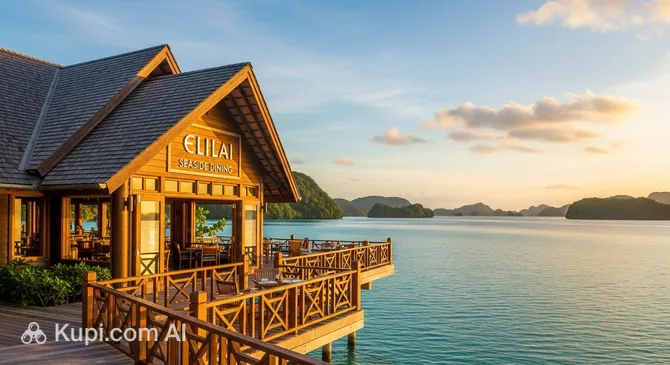
After a day of sightseeing, travelers often seek out places that combine excellent local cuisine with breathtaking scenery. Elilai Seaside Dining is one such destination, renowned not only for its fresh seafood and international menu but also for its spectacular location. Perched on a hillside, it offers panoramic views of the lagoon, making it a premier spot to watch the sunset and reflect on the day's adventures.

Elilai Seaside Dining. Source: Kupi.Binoculars

For a more relaxed experience within the city, the Palau Royal Resort provides a resort atmosphere that is accessible to visitors. It is one of the few places in Koror with its own private man-made beach and marina, offering a tranquil escape and easy access to water activities right on the edge of the town center.

Local Cuisine

The culinary landscape of Koror is a delightful fusion of traditional Micronesian ingredients and strong influences from Japan, the Philippines, and the United States. Given its location, it comes as no surprise that fresh seafood is the star of the show. Visitors can expect a daily catch of tuna, snapper, and grouper, often served grilled, steamed, or as incredibly fresh sashimi, highlighting the purity of the surrounding waters.

For the adventurous foodie, the most famous—and perhaps controversial—dish to try is the Fruit Bat Soup. Regarded as a local delicacy, the bat is typically cooked in a broth of coconut milk, ginger, and spices. If that sounds too exotic, try the Mangrove Crab, usually steamed to perfection, or Ukaeb, a savory dish made from crushed crab meat mixed with coconut milk and holy basil. Almost every meal is accompanied by taro (kukau) or tapioca, which are the island's staple starch alternatives to rice.

When it comes to beverages, Koror has a unique offering for beer enthusiasts. The city is home to a local microbrewery that produces Red Rooster Beer, offering several varieties from amber ales to stouts that are widely available in bars and restaurants. For a non-alcoholic refresher, nothing beats the taste of a chilled, fresh coconut harvested directly from the local trees, providing a sweet respite from the tropical heat.

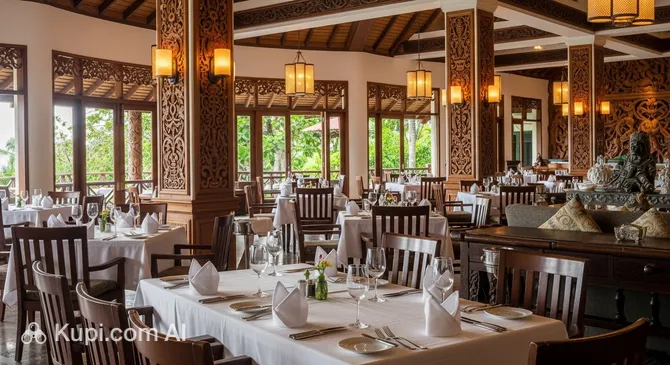
Palau Hotel. Source: Kupi.Binoculars

The dining culture in Koror ranges from casual food stands and vibrant night markets to upscale establishments. Locals often enjoy bento boxes for lunch, a culinary habit adopted from the Japanese era. For a sit-down experience in the heart of the city, the Palau Hotel offers a central location where travelers can access various dining options. Meanwhile, those seeking a romantic atmosphere with their meal often return to places like Elilai Seaside Dining, where the focus on fresh seafood is complemented by stunning sunset views over the lagoon.

Travel Tips

Visiting Koror is a dream for many travelers, but a smooth journey requires knowing a few local logistics before you arrive. To ensure your stay in this tropical haven is as relaxing and respectful as possible, we have compiled a list of practical advice covering everything from packing essentials to local regulations.

  1. Clothing and Gear: The tropical climate calls for lightweight, breathable fabrics like cotton or linen to handle the humidity. However, the most critical item to pack—or buy upon arrival—is reef-safe sunscreen. Palau enforces a strict ban on sunscreens containing toxic chemicals to protect its coral reefs, and violators can face fines. Also, while swimwear is perfect for the boat, always dress modestly (covering shoulders and knees) when walking around the city center or visiting shops.

  2. Transportation: There is no public mass transit system like buses or trains in the city. The most common way to get around is by taxi, which you can call from your hotel or find at major commercial centers. Taxis are unmetered, so it is best to carry a standard fare sheet or agree on the price before hopping in. Renting a car is also a popular option; just remember that while you drive on the right side of the road, many cars are right-hand drive imports from Japan.

  3. Finances: The official currency is the US Dollar (USD). While major hotels, restaurants, and dive shops accept credit cards (Visa and Mastercard are the most common), cash is absolute king for taxis, small markets, and local souvenir stands. ATMs are available in Koror, particularly at the WCTC Shopping Center and major bank branches, but it is wise to carry some small bills. Tipping is not strictly traditional but is increasingly appreciated; 10% is a good standard for good service.

  4. Health and Safety: Koror is generally very safe for tourists, but standard health precautions apply. Tap water is not safe to drink, so stick to bottled or filtered water. For medical needs, the Belau National Hospital is located in the city and offers adequate care for minor emergencies. Pharmacies are available but may not be open 24/7, so bring enough prescription medication to last your entire trip.

  5. Communication: English is one of the official languages and is widely spoken, so you will have no trouble communicating in shops and restaurants. The local language is Palauan; try saying "Alii" (ah-lee) for "hello" to delight the locals. To stay connected, you can purchase a prepaid SIM card from the local provider, PNCC, at the airport or in town, though Wi-Fi is standard in most hotels.

  6. Local Etiquette: Palauans are warm and hospitable, but they value respect and modesty. Always remove your shoes before entering a private home and often before entering small shops or offices. It is also polite to ask for permission before taking photos of locals. Public displays of affection should be kept minimal to respect local conservative norms.

  7. What to Avoid: Strictly avoid collecting souvenirs from the ocean. It is illegal to take coral, shells, or sand, and luggage is often screened for these items upon departure. Additionally, avoid walking through town in just a bikini or swim trunks; this is considered disrespectful in Palauan culture and should be reserved strictly for the beach or boat.

  8. Permits and Fees: A unique and important aspect of visiting Koror is the Koror State Permit. If you plan to visit the Rock Islands or Jellyfish Lake, you are required to purchase a permit (valid for 10 days). These can be bought at hotels, tour agencies, or the ranger station and must be carried with you at all times during marine excursions, as rangers frequently check them.

By keeping these tips in mind, you can focus less on logistics and more on the breathtaking beauty that surrounds you. Koror is a welcoming gateway to the wonders of Micronesia, and a little local knowledge goes a long way in ensuring a memorable, hassle-free, and respectful visit.

Entertainment & Nightlife

While Koror may not have the pulsating nightclub scene of a major metropolis, its nightlife offers a relaxed and welcoming island atmosphere that perfectly complements a day spent on the water. The evening entertainment here centers on socializing, enjoying live music, and unwinding with a cold drink in hand. The vibe is decidedly casual, with most venues featuring open-air settings where locals and tourists mingle freely under the stars.

The heart of the action is found along the Main Street in the city center and the waterfront areas. For those looking to start their evening with a touch of elegance and a spectacular view, Elilai Seaside Dining is a premier choice. Although primarily a restaurant, its bar area is famous for sunset cocktails and offers a sophisticated ambiance before the night truly begins. Another popular hub is the area surrounding the Palau Hotel, which places you right in the middle of town, within walking distance of several local bars and karaoke lounges.

Karaoke is a favorite pastime in Palau, and you will find numerous establishments dedicated to it, ranging from private rooms to lively public stages. Live bands are also common on weekends, often playing a mix of island reggae, American pop, and classic hits. For a resort-style evening, the Palau Royal Resort features the Breeze Bar, a beachside venue that provides a tranquil setting for a nightcap away from the noise of the town center.

When planning a night out, practical logistics are simple. The dress code is almost universally casual; shorts and flip-flops are acceptable in most bars, though a "smart casual" look is appreciated at upscale hotel venues. Prices for drinks are generally reasonable and comparable to US standards. In terms of safety, Koror is very secure for night walks, but the streets can be dimly lit. It is highly recommended to use a taxi to move between venues, especially if you have been drinking. Taxis are readily available and can be called by any bartender or hotel reception.

During the daylight hours, entertainment in Koror shifts towards cultural and retail experiences. While there are no large amusement parks, visitors can explore the WCTC Shopping Center for a glimpse of local commerce or browse the various gift shops for souvenirs. The city also offers several small theaters and cultural shows that occasionally perform traditional dances, providing a colorful break from the sun and sea activities.

Parks & Museums

While Koror is primarily known as a gateway to the ocean, the city itself possesses a rich tapestry of cultural heritage and scenic green spaces that are well worth exploring. Visitors who take the time to wander through its streets will discover well-curated museums that chronicle the nation's fascinating history, as well as recreational areas where locals and tourists alike gather to enjoy the island breeze.

For those seeking a breath of fresh air and a chance to mingle with the community, Long Island Park in Malakal is a standout destination. Situated just a short drive from the city center, this recreational area features picnic tables, volleyball courts, and a protected swimming area. It is a favorite spot for local families on weekends and offers a relaxed atmosphere where you can observe the unique limestone rock formations rising from the water while enjoying a casual afternoon by the sea.

Another scenic area is the waterfront along the causeways connecting Koror to the neighboring islands of Meyuns and Malakal. These stretches serve as linear parks where joggers and walkers enjoy panoramic views of the lagoon, especially during the cooler evening hours. The lush greenery lining the roads and the sight of small fishing boats bobbing in the water create a peaceful backdrop for a sunset stroll.

To truly understand the spirit of Palau, a visit to the Belau National Museum is essential. As the premier cultural institution in the country, it offers more than just indoor exhibits; its grounds feature a magnificent, traditionally constructed Bai (men's meeting house). Inside the museum, visitors can explore extensive collections of Palauan artwork, photography, and historical artifacts that tell the story of the island's colonial past and indigenous traditions. The surrounding botanical garden also provides a lovely introduction to the native flora.

The Etpison Museum stands as another pillar of culture in the city. Privately owned and passionately curated, this museum is renowned for its high-quality displays, particularly its collection of rare shell money and antique bead money. The exhibits offer a deep dive into the complex social structures and navigation skills of early Micronesians. It is also home to a highly regarded gift shop, often cited as the best place to find authentic books and high-quality local handicrafts.

History enthusiasts should look for the remnants of the Nan'yō Shrine (Koror Shrine). Dating back to the era of Japanese administration in the early 20th century, this site offers a quiet, reflective experience. While much of the original structure is gone, the stone lanterns, paved pathways, and stairs remain, hidden away in a tranquil, wooded area that feels worlds apart from the bustling main street.

Insider Tip: Koror's museums are the perfect solution for a rainy afternoon, which is a common occurrence in the tropics. They provide a dry, air-conditioned sanctuary where you can spend hours immersing yourself in local lore. Afterward, stop by a local café near the museum grounds to try some locally roasted coffee, a growing trend in the city.

Getting Around

Navigating Koror is a unique experience because the city does not possess a conventional public transport network found in larger metropolises. Travelers looking for subways, trams, or a scheduled municipal bus system will not find them here. Instead, the transportation infrastructure relies heavily on private vehicles, taxis, and specific shuttle services tailored to the needs of tourists and locals.

For most visitors, taxis serve as the primary substitute for public transit. They are readily available at the airport, major hotels, and commercial centers. A crucial detail to remember is that taxis in the city are generally unmetered. Fares are typically fixed based on the destination or the zone of travel. To ensure a smooth experience, it is highly recommended to ask for the price or consult the driver's standard fare sheet before entering the vehicle. Payment is almost exclusively accepted in cash (USD), so carrying small bills is essential, as drivers often do not have change for large denominations.

Car rentals are a very popular alternative for those desiring more independence to explore the city and the connecting islands. Rental agencies are plentiful, both at the airport and in the town center. A distinctive feature of driving in Koror is the combination of traffic rules and vehicle types: while the law mandates driving on the right side of the road, the vast majority of vehicles are imports from Japan with the steering wheel on the right. This quirk requires extra attention from drivers, though the low speed limit—usually around 40 km/h (25 mph)—helps make the adjustment easier.

While there are no public city buses, many hotels and resorts operate their own shuttle buses or vans for guests. These services often run in the evenings, transporting tourists between their accommodation and the main dining or shopping districts. Additionally, the downtown area of Koror is relatively compact, making walking a viable and pleasant option for short distances. Sidewalks line the main street, allowing visitors to easily stroll between shops, cafes, and museums, provided they are prepared for the tropical humidity.

Accommodation

Finding the perfect place to stay in Koror is relatively straightforward, as the city offers a focused selection of accommodations that cater to both serious divers and leisure travelers. The options generally range from simple, budget-friendly motels and guesthouses to comfortable mid-range hotels and upscale waterfront resorts. Unlike larger tourist hubs with sprawling hotel zones, Koror’s accommodation scene is compact, ensuring that you are never too far from the water or the town center.

Most visitors choose to stay in one of two main areas. The Downtown area, centered along the Main Street, is the most convenient for those who prefer walking to restaurants, shopping centers, and cultural sites. It puts you in the middle of the daily hustle and bustle of the island. Alternatively, the area of Malakal and the shores of Ngerkebesang offer a quieter atmosphere with stunning lagoon views and closer proximity to many of the dive shops and marinas that serve as departure points for daily excursions.

For travelers seeking a blend of luxury and convenience, the Palau Royal Resort is a premier example of the high-quality lodging available in the city. Located on the edge of Malakal Island, this property combines the amenities of a full-service hotel with the relaxation of a resort, featuring a private beach and harbor that allow guests to enjoy the ocean right at their doorstep.

Booking Tip: Because accommodation options in Koror are limited compared to the high demand during peak seasons, it is essential to book well in advance. The busiest months are typically from December to April and during major Asian holidays. If you are visiting specifically for diving, it is often worth checking if your chosen dive operator offers package deals that include lodging, as this can sometimes secure better rates and logistics.

Price-wise, Koror is generally considered a mid-range to premium destination. While you can find basic rooms for a modest budget, standard hotel rates are often higher than in Southeast Asian neighbors due to the remote nature of the islands. Booking is widely available through major online travel platforms, though some smaller, family-run guesthouses may prefer direct inquiries via email or phone.

Nearby Cities

For those looking to explore the surroundings, Koror serves as an excellent base for day trips to several interesting nearby locations. Since Koror is connected by bridge to the larger island of Babeldaob, travelers can easily rent a car or hire a taxi to visit the nation's administrative and historical centers, which are just a short drive away.

Melekeok is a fascinating destination located on the east coast of Babeldaob. It offers a more tranquil pace of life compared to the bustling center of Koror. Visitors here can enjoy pristine beaches and explore traditional village structures. It is historically significant and provides a scenic backdrop for a relaxing afternoon by the ocean, away from the main tourist crowds.

Located within the state of Melekeok is Ngerulmud, the official capital of Palau. It is renowned for being one of the least populous national capitals in the world. The highlight of a visit here is the magnificent Capitol complex, often compared to the U.S. Capitol building due to its dome and columns. Seeing such a grand architectural feat set against the lush, tropical jungle is a unique sight that draws many visitors for photo opportunities.

City Population Distance (km)
Melekeok 7026 23
Ngerulmud 271 24

These nearby destinations offer a glimpse into the diverse culture and landscapes of the region, making them perfect for a quick and enriching excursion.

Shopping & Souvenirs

Shopping in Koror offers a relaxed and distinctively island-style experience. While you will not find sprawling luxury fashion complexes or high-speed electronic districts, the city provides a charming selection of stores that cater to both daily needs and the hunt for unique cultural keepsakes. The retail scene is concentrated and easy to navigate, focusing largely on imported goods from the United States and Asia, alongside a thriving market for authentic local handicrafts.

The primary hub for commerce is the Main Street running through the downtown area. This bustling strip is lined with a variety of establishments, ranging from small convenience stores and surf shops to larger department stores. It is the best place to take a leisurely walk, popping into local boutiques to browse for resort wear, snorkeling gear, or postcards. The area is compact enough that you can easily explore the key shops within a few hours.

For a more comprehensive shopping experience, the WCTC Shopping Center stands as the city's most prominent retail landmark. Serving as a mall, grocery store, and department store all in one, it is the go-to destination for locals and tourists alike. Here, you can find everything from fresh produce and American snacks to electronics and clothing. Another major retailer is Surangel & Sons, which offers a similar variety of goods, ensuring that visitors can easily restock on travel essentials or toiletries.

Markets in Koror are less about daily food haggling and more about cultural celebration. The 680 Night Market, typically held every other weekend, is a vibrant event where tourists can sample local street food and browse stalls set up by local artisans. It is an excellent spot to find handmade jewelry, woven baskets, and other small gifts while soaking up the lively community atmosphere.

When it comes to souvenirs, the most prized item to bring home is the storyboard. These intricate wood carvings depict legends and myths from Palauan folklore and are renowned for their craftsmanship. You can find high-quality examples at the gift shops within major museums or even at the unique shop at the Koror Jail. Other popular items include locally produced coconut oil, fruit jams, and merchandise from the local Red Rooster brewery. Many visitors also browse the boutiques within larger establishments like the Palau Royal Resort for high-end island fashion and gifts.

Most shops in Koror open around 9:00 AM and close between 9:00 PM and 10:00 PM, making it easy to shop after a day of diving or sightseeing. Sunday hours may be reduced for some smaller businesses, but the major centers usually remain open. The official currency is the US Dollar (USD). While the larger stores, hotels, and duty-free shops readily accept major credit cards, it is advisable to carry cash for smaller souvenir stands and markets.

Regarding taxes, Palau does not operate a Value Added Tax (VAT) refund system for tourists similar to those found in Europe or parts of Asia. The price you see on the tag is typically the final price. However, visitors can explore Duty-Free (DFS) outlets located in the city center and at the airport for tax-exempt luxury goods, cosmetics, and spirits.
Reached the end of the page?

That means the route is fully explored