Support

Anadyr

About

Welcome to Anadyr, the easternmost administrative center in the Russian Federation. Situated on the banks of the Anadyr Estuary where it meets the Bering Sea, this unique city serves as the capital of the Chukotka Autonomous Okrug. It is a place where civilization meets the raw power of the Arctic, offering travelers a rare glimpse into life on the edge of the world.

Despite its remote location and harsh subarctic climate, Anadyr is surprisingly vibrant. To contrast with the white snow and grey tundra, the city's buildings are painted in bright, cheerful colors, creating a visually striking landscape often likened to a Lego town. With a population of approximately 15,600 people, it maintains a cozy, tight-knit atmosphere while functioning as a vital port and transport hub for the region.
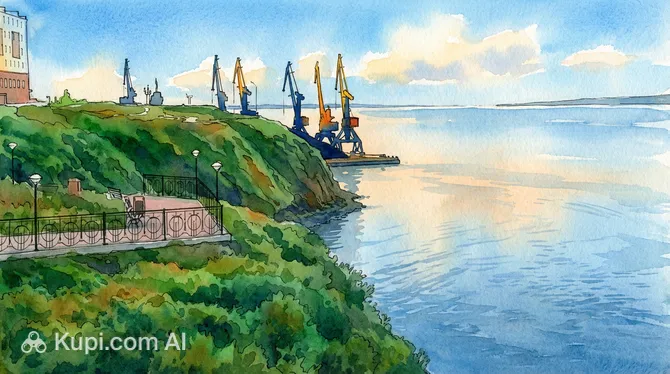
Anadyr. Source: Kupi.Binoculars

While the city appears modern today, the history of Anadyr is deeply rooted in the exploration of the Far North, originally founded as the post of Novo-Mariinsk in the late 19th century. Visitors can explore this rich heritage at the "Heritage of Chukotka" Museum Center, a modern facility with fascinating exhibits on indigenous cultures, local geology, and wildlife. Another architectural marvel is the Holy Trinity Cathedral, the largest wooden Orthodox church built on permafrost within the Arctic Circle.

For those seeking an adventure off the beaten path, Anadyr provides an unforgettable experience. From the monumental statue of Saint Nicholas the Wonderworker overlooking the bay to the possibility of spotting beluga whales in the estuary during summer, this city is a true gateway to the pristine beauty of the North. We invite you to discover the warm hospitality and unique charm of this colorful Arctic city.

Weather Overview

Anadyr experiences a harsh subarctic climate, defined by long, freezing winters and short, cool summers. Due to its coastal location, the weather in Anadyr can be windy and changeable, though it is slightly milder than the deep Siberian interior. Travelers should always come prepared for cold conditions, regardless of the season.

Winter dominates the calendar here, with temperatures remaining well below freezing from October through May. The coldest months are January and February, where the average temperature sits around -20°C, and nights can drop to nearly -23°C. Despite the biting cold, precipitation volume is quite low during this time, often resulting in crisp, dry snow.

The summer season is brief but provides a welcome thaw. In July and August, average temperatures rise to a pleasant 10.7°C, with maximums reaching nearly 13°C. While the actual rainfall amount remains minimal at just a few millimeters, these months are damper than winter, often featuring up to 13 wet days. Generally, you can expect cool summers with occasional rain and cold, dry winters.

Interesting Facts

Beyond the colorful facades and the main sights, Anadyr holds several fascinating quirks that define daily life in this remote outpost. Here are some unique details that make the city truly one of a kind.

  • The Extreme Airport Commute: Getting to Anadyr from its airport, Ugolny, is an adventure in itself because the airport is located on the opposite side of the estuary. The mode of transport depends entirely on the season: travelers take ferries in summer, drive on an ice road directly over the frozen water in winter, and must rely on helicopters or hovercrafts during the unstable transition periods in spring and autumn.

  • Life on Stilts: To prevent the heat of the buildings from melting the unstable permafrost below, almost all structures in the city are built on elevated piles. This engineering necessity creates a unique visual effect, making the houses appear as if they are floating a few meters above the ground.

  • The City of Pipes: Due to the frozen ground, laying underground utilities is impossible. As a result, all water and heating pipes run above ground, forming a complex, insulated web that crisscrosses the city and adds to its distinctive industrial aesthetic.

  • Where the Day Begins: Located in the Kamchatka time zone (UTC+12), the city is one of the first places on the planet to start the new day. Residents here celebrate the New Year long before people in Moscow or Europe even begin their preparations.

How to Get There

Due to its remote location in the far northeast of the Russian Federation, reaching Anadyr is an adventure in itself. There are no roads or railways connecting the Chukotka Autonomous Okrug to the rest of the continent, making air travel the only practical option for visitors. For detailed information on logistics and seasonal transport nuances, you can learn more about how to get to Anadyr.

The primary entry point for travelers is Ugolny (IATA: DYR). Although the airport is listed as serving Anadyr, it is actually located on the opposite side of the estuary in the settlement of Ugolnye Kopi, approximately 11.7 km from the city center. This geographical separation means the transfer to the city depends heavily on the season: by ferry in summer, ice road in winter, or helicopter in the transition months. A typical journey by taxi and crossing takes approximately 40 minutes, though weather conditions can affect travel times. The airport handles a moderate volume of passengers annually, connecting the region with major hubs like Moscow.

For clarity, here is a summary of the main airport:

Airport Name City Passenger Traffic Km from City
Ugolny Anadyr Small 11.7

Main Attractions

While Anadyr is a compact city, it offers several unique landmarks that reflect its status as the gateway to the Russian Arctic. The attractions here are a blend of impressive engineering, indigenous culture, and monuments dedicated to the explorers who braved this harsh environment.

Holy Trinity Cathedral is arguably the most striking architectural feature of the city. It holds the title of the largest wooden Orthodox church in the world built on permafrost. To prevent the heat of the building from melting the frozen ground beneath, the entire structure stands on high concrete piles. Constructed from Siberian pine and larch, the cathedral is not only a spiritual center but also a testament to human resilience in the Far North, making it a must-see for architecture enthusiasts.

For those eager to understand the region's history and culture, the "Heritage of Chukotka" Museum Center is the place to visit. This modern, multi-story facility is considered one of the best museums in the Russian Far East. Its exhibits offer a comprehensive look at the life of indigenous peoples, such as the Chukchi and Eskimos, featuring intricate walrus tusk carvings, traditional clothing, and archaeological artifacts. The museum also dedicates space to the unique Arctic flora and fauna, providing context to the wild landscapes surrounding the city.

Overlooking the Anadyr Estuary stands the monumental Statue of Saint Nicholas the Wonderworker. This ten-meter bronze figure is the largest monument to the patron saint of travelers in the world. It was erected on a rocky cliff to greet sailors and visitors arriving by sea. Tourists often visit this site not just for the statue itself, but for the panoramic views of the bay, which are particularly breathtaking during the endless daylight of the polar summer.

Another significant site is the Memorial to the First Revolutionary Committee of Chukotka, located near the seaport. This monument honors the early Bolsheviks who established Soviet power in the region and tragically lost their lives during the turbulent years of the Civil War. It serves as a poignant reminder of the city's complex political history and offers a quiet spot for reflection near the water.

Local Cuisine

The cuisine in Anadyr is strictly shaped by the harsh Arctic environment. With short summers and difficult logistics for imported goods, the local diet relies heavily on what the land and sea provide. Gastronomic tourism here is about tasting the freshest seafood and traditional indigenous dishes that have sustained people in the Far North for centuries.

Fish is the cornerstone of the local menu. A must-try delicacy is stroganina, which consists of thin slices of frozen raw fish, typically whitefish or salmon, served with a mixture of salt and black pepper. It is a true taste of the North, melting in your mouth and warming you up despite being frozen. Another local favorite, especially in spring, is smelt (koryushka), often fried or dried. Red caviar is also abundant here, renowned for its high quality and rich flavor compared to what you might find elsewhere.

Meat lovers will find reindeer venison to be a staple ingredient in Anadyr. Reindeer herding is a traditional livelihood for the indigenous people of Chukotka, making this lean, nutrient-rich meat widely available. You can try it in various forms, from hearty stews and soups to grilled steaks. For the more adventurous, some places might offer dried venison, which serves as a high-energy snack perfect for the cold climate.

To complement the hearty meals, locals often turn to drinks infused with Arctic berries. Cloudberries, lingonberries, and blueberries grow in the tundra during the short summer and are harvested for jams, compotes, and teas. A hot cup of herbal tea with cloudberries is the perfect way to warm up after a windy walk along the estuary. While standard alcoholic beverages are available, fruit liqueurs or tinctures made from these local berries are a unique regional treat worth seeking out.

The dining scene in Anadyr is modest, with only a handful of restaurants and cafes, mostly located within hotels or the city center. Do not expect a wide variety of international cuisines; instead, the focus is on hearty, warming comfort food. Due to the high cost of transporting ingredients by air or sea, restaurant prices can be higher than on the mainland. However, the opportunity to taste wild-caught fish and organic venison right at the source makes dining here a memorable experience.

Travel Tips

Visiting Anadyr requires careful preparation, as this remote Arctic city presents unique challenges even for experienced travelers. To help you navigate the harsh climate and local logistics smoothly, here is a set of essential practical tips for your journey.

  1. Clothing and Gear: The golden rule in Anadyr is to dress in layers. For winter visits, you absolutely need thermal underwear, a heavy down parka, windproof trousers, and insulated boots rated for extreme cold. If you visit in summer, the weather is milder but unpredictable; bring a waterproof windbreaker, sturdy walking shoes, and a light hat, as strong winds from the estuary are common.

  2. Transportation: The city itself is compact and walkable, but taxis are the most convenient way to get around if the weather is bad. Note that the airport is on the opposite side of the estuary; depending on the season, you will cross by ferry (summer), hovercraft (off-season), or ice road (winter). Always allocate extra time for this crossing, as weather can delay transport.

  3. Finances: The local currency is the Russian Ruble (RUB). While some larger shops accept cards, connection failures can occur due to the remote location, so carrying cash is essential. Be prepared for prices to be significantly higher than on the mainland, as most goods are flown or shipped in. ATMs are available but can occasionally run out of cash.

  4. Health and Safety: Pack a comprehensive first-aid kit with personal medications, as local pharmacies may not stock specific international brands. The primary safety concern is the cold; always cover exposed skin in winter to prevent frostbite. While polar bears are rare in the city center, they are a reality in the region, so stay alert if you venture to the outskirts.

  5. Communication: Russian is the primary language, and English is rarely spoken, so downloading an offline translation app is highly recommended. Mobile internet is available but can be slow or reliant on satellite connections, meaning video calls or streaming might not work. A local SIM card (like MTS or MegaFon) is useful for basic connectivity.

  6. Local Etiquette: Residents are warm and hospitable but often reserved. If you wish to take photos of indigenous people (Chukchi or Eskimo) in their traditional attire, always ask for permission first out of respect. It is also customary to remove your shoes immediately upon entering a home or a private guest house.

  7. What to Avoid: Do not photograph strategic objects such as the airport, the seaport, or border guard facilities. Anadyr is located in a sensitive border zone, and unauthorized photography of infrastructure can lead to questioning by authorities and confiscation of your camera.

  8. Summer Life Hack: If you travel in July or August, be prepared for mosquitoes and midges. The tundra comes alive with insects during the short summer, so bringing a high-quality insect repellent and a head net is a practical necessity if you plan to walk near the water or outside the city limits.

By keeping these practical tips in mind, you can focus on the incredible experience of exploring one of the most remote corners of the world. Anadyr rewards the well-prepared traveler with its vibrant colors, unique culture, and the stark beauty of the Arctic.

Entertainment & Nightlife

Entertainment in Anadyr is a unique experience defined by the city's compact size and the warmth of its hospitality, which contrasts sharply with the Arctic climate outside. The nightlife here does not revolve around sprawling districts but is instead concentrated along the main thoroughfares, particularly Otke Street. This central artery is where the pulse of the city beats strongest in the evenings, hosting the majority of local social hubs, cafes, and entertainment venues.

For a lively evening, Ibiza is one of the most popular spots in town. Located on Otke Street, this venue functions as a hybrid between a café, bar, and club, making it a go-to destination for both dinner and late-night dancing. The atmosphere is casual and unpretentious, often filled with a mix of locals and visitors looking to relax. Another key location is the Plaza entertainment center, which serves as a modern leisure hub. It is a great place to mingle with residents and enjoy a more contemporary setting for an evening out.

If you prefer a more classic pub environment, Karavella offers a laid-back setting where you can enjoy drinks and conversation. The dress code in Anadyr is generally relaxed and practical; warm, comfortable clothing is acceptable almost everywhere, though you might want to leave your heavy trekking boots at the wardrobe. Venues typically stay open until around midnight or 2:00 AM on weekends, but it is always wise to check the schedule locally as hours can fluctuate with the seasons.

Beyond bars and clubs, evening entertainment often centers around cultural activities. The Polar Cinema (Kinoteatr Polyarnyy) is a local favorite for catching the latest films and serves as a community gathering point. For a quieter cultural experience during the late afternoon, the local House of Culture often hosts concerts and events that showcase the region's talent, providing a perfect alternative to the bar scene.

When heading out at night, practical logistics are essential. Taxis are the primary and safest mode of transport, especially during the freezing winter months when walking even short distances can be challenging. Prices for food and drinks are higher than on the mainland due to the cost of air freight, so budget accordingly. It is highly recommended to carry cash, as internet connections for card terminals can be intermittent in this remote region. Anadyr is generally very safe for tourists, but sticking to well-lit central streets and using official taxis is the best practice for a worry-free night.

Parks & Museums

While the harsh subarctic climate and permafrost soil make traditional tree-lined gardens a rarity in Anadyr, the city has developed unique public spaces that embrace its rugged environment. Instead of lush forests, the city offers scenic promenades and squares that serve as windows to the majestic Bering Sea and the surrounding tundra.

The most popular outdoor space is the Anadyr Embankment. Stretching along the edge of the estuary, this paved promenade is the social heart of the city during the warmer months. It provides unobstructed views of the water, where visitors can breathe in the crisp Arctic air and watch ferries navigate the bay. Benches and viewing platforms make it an ideal spot for a leisurely stroll, and in summer, lucky passersby might even spot seals or beluga whales surfacing near the shore.

Another key area is the Square of the First Revolutionary Committee of Chukotka, located near the seaport. Dominated by a massive monument, this open plaza offers a sense of the city's scale and history. It is a quiet, contemplative space where the urban landscape meets the vastness of the sky, offering a stark but beautiful setting for photography, especially during the vibrant hues of the polar sunset.

For a deep dive into the region's soul, the Museum Center "Heritage of Chukotka" is an absolute must-visit. Far more than a typical local history museum, this modern, multi-story complex is one of the most advanced in the Russian Far East. Its exposition is divided into sections covering nature, history, and ethnography. Tourists are particularly drawn to the intricate displays of indigenous clothing, hunting tools, and the world-famous Uelen bone carvings, which narrate the life of the Chukchi and Eskimo peoples.

Art lovers should also look out for temporary exhibitions often held at the local House of Culture or within the museum's specialized galleries. These venues frequently showcase the works of contemporary local artists who interpret the stark beauty of the North through painting and sculpture. The focus is often on the unique textures of the Arctic—reindeer leather, fur, and walrus tusk—making these galleries a testament to the creativity that thrives in this remote land.

For a truly authentic experience, take a walk to the outskirts of the city where the urban grid fades into the wild tundra. While not a formal park, this natural expanse offers a chance to see the delicate flora of the North, such as mosses, lichens, and cloudberries, up close. Just be sure to dress warmly and stay within sight of the city buildings for safety.

Getting Around

The public transport system in Anadyr is quite compact and differs significantly from what you might find in larger cities. Due to the small size of the city and its challenging Arctic environment, there are no trams, trolleybuses, or metro lines. The primary mode of public transportation within the city limits consists of municipal buses. These buses follow fixed routes that connect the main residential areas with the city center, the seaport, and key institutions. The intervals between buses can range from 30 to 60 minutes depending on the time of day and weather conditions.

For many years, municipal buses in Anadyr have operated on a fare-free basis for all passengers, a unique feature of the local transport policy. However, as regulations can change, it is advisable to confirm this upon arrival. If a fare is reintroduced or if you use private minibuses (marshrutkas), payment is typically made in cash directly to the driver upon entry. Electronic travel cards and mobile payment apps common in other regions are generally not used for city buses here, so carrying small denomination banknotes is essential.

A crucial part of the local transport logic involves crossing the Anadyr Estuary to reach the airport or the settlement of Ugolnye Kopi. This "commute" is a defining experience for any visitor and changes with the seasons. In summer, you will take a passenger ferry or a barge; in winter, you travel by taxi or bus across an ice road constructed directly on the frozen water. During the transition periods (spring and autumn) when the ice is too thin for cars but too thick for boats, the only way across is by helicopter or hovercraft. This crossing is often considered a separate, paid service rather than part of the standard city transit.

Taxis are the most popular alternative to buses and are highly recommended for tourists, especially during the harsh winter months when waiting at a bus stop can be uncomfortable. Unlike in major global cities, international ride-hailing apps like Uber or Yandex Go may not be reliable or available. Instead, locals rely on telephone dispatch services. It is best to ask your hotel reception or a local guide for the numbers of reputable taxi companies. Prices are generally fixed for trips within the city limits, but always agree on the fare before starting your journey.

For tourists, the best advice is to embrace the city's walkability during the summer. Anadyr is small enough that you can walk from one end to the other in about 40 minutes, allowing you to see the colorful murals and sights at your own pace. If you do use the bus, look for the printed schedules posted at major stops, but be prepared for delays during snowstorms. There are no car-sharing services or bike rental systems in the city, so walking and taxis remain your primary options for getting around.

Accommodation

Finding accommodation in Anadyr is quite different from booking a stay in a typical tourist destination. As a remote working city in the Arctic, the options are limited and primarily geared towards business travelers and shift workers rather than leisure tourists. You will not find international hotel chains, sprawling resorts, or luxury hostels here. Instead, the hospitality sector consists of a few functional hotels and a growing market of private apartment rentals.

The available hotels generally fall into the mid-range category in terms of amenities, though prices can be surprisingly high due to the lack of competition and the expensive operating costs in the Far North. These establishments usually offer clean, warm, and standard rooms with essential facilities like Wi-Fi and private bathrooms. They are practical and reliable, designed to provide a comfortable refuge from the harsh climate outside.

For many visitors, renting a private apartment (often referred to as "flats for rent") is a popular and often more economical alternative. These rentals provide a more "local" experience and the convenience of a kitchen, which can be valuable given the limited dining options in the city. They range from simple, budget-friendly studios to fully renovated, modern apartments suitable for longer stays.

Where to stay: Given the compact size of Anadyr, location is rarely an issue, but staying in the city center is highly recommended. Look for accommodation near Otke Street or the main square. Staying here places you within walking distance of the supermarkets, the museum, and the few restaurants available. It also saves you from having to rely heavily on taxis during the freezing winter months.

Booking Tip: Because the number of rooms in the city is very low, accommodation can book up quickly, especially during local festivals or business conferences. It is essential to book well in advance. Do not rely on last-minute availability upon arrival.

Prices and Booking: Be prepared for a price range that leans towards the higher end; even modest rooms can cost as much as a 4-star hotel in central Russia. While some hotels appear on major online booking platforms, many local options (especially apartments) are best found through Russian aggregators or by contacting the property directly. Having a confirmation in writing is always a good safety measure before you board your flight to this remote corner of the world.

Nearby Cities

For those looking to explore the surroundings, Anadyr serves as an excellent base for day trips to several interesting nearby locations:

City Population Distance (km)
Bilibino 5319 616
Omsukchan 4201 1099
Pevek 4053 634
Cherskiy 3707 837
Ugolnye Kopi 3367 9

Given the vast distances and lack of connecting roads in Chukotka, most "nearby" cities listed in the table require a flight to visit. However, Ugolnye Kopi is the most accessible destination for a true day trip. Located just across the estuary, it is reachable by ferry, hovercraft, or ice road depending on the season. While primarily known for hosting the region's main airport, the settlement offers a closer look at the industrial heritage of the area and serves as a launching point for excursions into the surrounding tundra.

A short drive from the airport settlement leads to one of the most intriguing sites in the region: the abandoned military base of Gudym (formerly Anadyr-1). Once a secret facility during the Cold War era, this ghost town now attracts history enthusiasts and urban explorers. Visitors can walk through the empty tunnels and derelict structures, experiencing a unique and atmospheric time capsule hidden within the hills.

For those seeking natural beauty, Mount Dionisiya is a favorite spot for locals and tourists alike. Situated not far from the city, it provides an excellent opportunity for hiking and photography. The summit offers panoramic views of the Anadyr Lowland, and the area is rich in Arctic flora, making it a perfect location for a refreshing escape into nature.

These nearby destinations offer a glimpse into the diverse culture and landscapes of the region.

Shopping & Souvenirs

Shopping in Anadyr is a unique experience that reflects the city's remote location and rich indigenous heritage. You will not find sprawling outlet villages or international fashion chains here. Instead, the retail scene focuses on essential goods and distinct regional souvenirs that you simply cannot find anywhere else. Be prepared for prices to be significantly higher than on the mainland, as almost every item on the shelves has been transported by air or sea.

The most coveted items for visitors are traditional bone carvings. Chukotka is famous for the Uelen bone-carving school, renowned globally for its intricate craftsmanship. Local artisans create stunning sculptures, jewelry, and engravings from walrus tusk, whale bone, and reindeer antler. These works of art depict scenes from folklore and daily life in the tundra. The most reliable place to purchase authentic, high-quality carvings is the gift shop at the "Heritage of Chukotka" Museum Center. When buying expensive bone art, always ask for a certificate or receipt, as you may need to prove the item's legal origin at customs when leaving the region.

Another popular category of souvenirs involves fur and leather goods. The indigenous people have perfected the art of making warm clothing to survive the Arctic winter. You can find traditional torbasa (high boots made of reindeer skin), fur mittens, and hats. These are not just decorative souvenirs but practical gear that can withstand extreme temperatures. Handcrafted leather amulets and beadwork are also widely available and make for lighter, more affordable gifts.

For gastronomic souvenirs, red caviar and fish are the undisputed kings. Local markets and grocery stores offer high-quality salmon caviar, which is often fresher and tastier than what is exported to central Russia. Smoked and dried fish, particularly yukola (sun-dried fish strips), is a local delicacy that travels well. You might also find cured reindeer meat or "venison chips," which are a high-protein snack popular in the North.

In terms of retail venues, the city does not have massive malls, but it does feature several modern shopping centers. The Novo-Mariinsky trading center is one of the largest and most popular spots in town. It houses a supermarket, clothing stores, and shops selling electronics and household goods. It is a good place to stock up on supplies or buy local food products. Smaller souvenir kiosks can often be found at the airport or in the main hotels.

Practical Tips for Shoppers:

  • Cash is King: While major supermarkets accept cards, smaller souvenir sellers and market stalls often prefer or require cash. Internet outages can occasionally disrupt card terminals, so always carry rubles.
  • Check the Dates: When buying food products, especially dairy or perishables in supermarkets, it is a good habit to check expiration dates, as logistics can sometimes lead to older stock remaining on shelves.
  • Export Rules: If you purchase items made from walrus tusk or other animal parts, ensure you understand the regulations for taking them out of the Russian Federation, as strict wildlife trade laws apply.

Reached the end of the page?

That means the route is fully explored