Belaya Gora offers a distinct cultural and natural experience that differs significantly from typical tourist destinations. In this remote settlement, the concept of "parks" translates into vast, untouched wilderness areas, while its cultural venues provide intimate insights into the history of the Arctic and its indigenous inhabitants.
The Banks of the Indigirka River serve as the settlement's primary natural promenade. Rather than manicured lawns and flowerbeds, this area offers raw, scenic beauty where locals and visitors alike come to walk and breathe the crisp Arctic air. In summer, the riverbank is a peaceful spot to watch boats navigate the waterway, while the endless daylight of the "White Nights" allows for evening strolls under a bright sky. It provides a direct connection to the powerful nature that shapes life in the region.
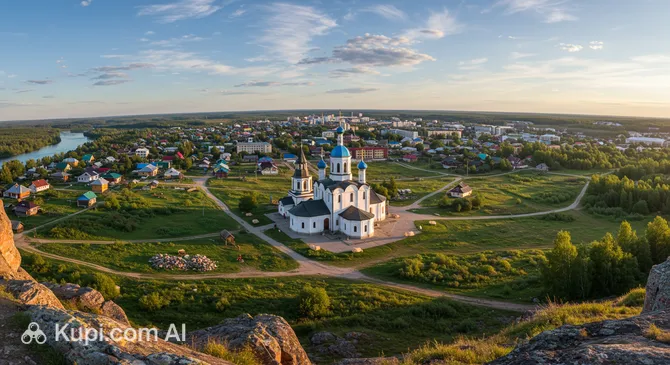
The settlement's namesake, Belaya Gora (White Mountain), functions as a natural park for hiking enthusiasts. This prominent hill is a favorite local spot for short treks, offering the best panoramic vantage point in the area. From the top, you can gaze out over the settlement and the sprawling forest-tundra, a view that is particularly striking in autumn when the landscape turns golden, or in winter when it is blanketed in pristine white snow.
The Abyysky District Museum of Local Lore is the cultural centerpiece of the town. This small but content-rich museum is essential for understanding the region's significance in paleontology and ethnography. Visitors can examine exhibits dedicated to the unique fauna of the Ice Age, including remains of woolly mammoths and rhinos found in the local permafrost. Additionally, the museum houses a collection of everyday items, clothing, and tools that tell the story of the Yakut and indigenous peoples who have mastered survival in this harsh climate for centuries.
While Belaya Gora does not have large art galleries, the District House of Culture often functions as a temporary exhibition space. It frequently displays works by local artisans and craftsmen, showcasing traditional skills such as bone carving, beadwork, and fur sewing. These exhibitions offer a glimpse into the living heritage of the region, where art is deeply intertwined with traditional crafts and natural materials.
In terms of historical landmarks, the Memorial to the Heroes of World War II stands as a poignant reminder of the sacrifices made by residents of even the most remote corners of Russia. Located in the central part of the settlement, this monument is a place of remembrance and respect, often adorned with flowers by locals. It reflects the deep historical memory that connects this isolated community to the broader history of the country.
For a truly authentic experience, try to arrange a visit to a Permafrost Cellar (Lednik). These are not museums in the traditional sense, but underground storage areas carved directly into the frozen ground, used by locals to keep food frozen year-round. Stepping into one reveals the reality of the "eternal frost" beneath your feet, with ice crystals forming intricate patterns on the walls—a fascinating look at how locals utilize their extreme environment.