Support

Bodaybo

About

Bodaybo is a distinctive town located in the Irkutsk Oblast of the Russian Federation. Situated on the right bank of the Vitim River at its confluence with the Bodaybo River, this settlement offers a glimpse into the rugged beauty and industrial heritage of Siberia. With a population of approximately 12,000 people, it serves as a significant administrative and economic center for the surrounding area, widely known for its deep connection to the gold mining industry.

The town was founded in 1864, originally established to support the burgeoning gold mines in the region. Visitors interested in the past can delve deeper into the history of Bodaybo, which is intrinsically linked to the legendary "gold rush" era and the development of the Lena Goldfields. Despite its remote location and the harsh subarctic climate characterized by long, cold winters, the town maintains a unique atmosphere of resilience and historical significance.
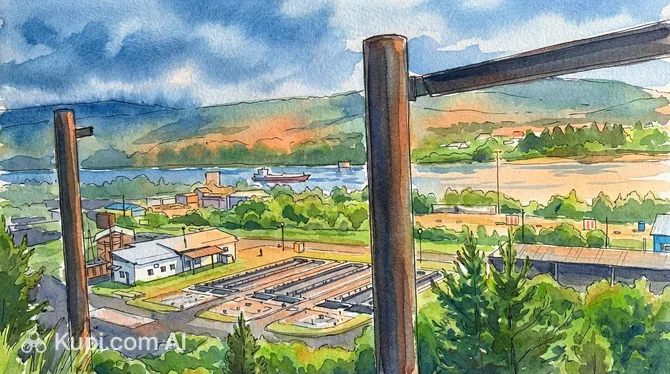
Bodaybo. Source: Kupi.Binoculars

For travelers making the journey to this part of Siberia, Bodaybo offers several points of interest. The local Museum of Local Lore provides extensive exhibits on the region's geology, the evolution of gold extraction technologies, and the daily life of early settlers. Nature enthusiasts will appreciate the majestic views of the Vitim River, which serves as a vital transport artery and a scenic backdrop to the town. The surrounding taiga offers a raw, untouched natural environment that is characteristic of Eastern Siberia.

Bodaybo is an intriguing destination for those looking to explore off the beaten path and understand the industrial legacy of the North. Whether you are drawn by the fascination of the gold mining heritage or the stark beauty of the Siberian landscape, a visit here promises a memorable and educational experience.

Weather Overview

The climate in Bodaybo is characterized by extreme seasonal contrasts, typical of the rugged Siberian region. Winters are long and severe, while summers offer a brief but pleasant respite. For a more detailed breakdown of seasonal conditions and current forecasts, you can check the weather in Bodaybo before packing for your trip.

January is typically the coldest month, with average temperatures dropping to around -27.8°C, and minimums frequently plunging below -30°C. In contrast, July brings the warmest weather, where the average temperature rises to a comfortable 17.8°C, creating ideal conditions for outdoor exploration. The transition periods in spring and autumn are distinct, often bringing rapid temperature changes.

Precipitation remains relatively low throughout the year, with monthly accumulation generally ranging between 1mm and 3mm. Despite the low volume of rainfall, the number of wet days is consistent, usually fluctuating between 11 and 16 days per month. Travelers should expect mild summers with light precipitation and extremely cold, relatively dry winters.

Interesting Facts

Beyond the main attractions, Bodaybo holds many fascinating secrets and legends that surprise even seasoned travelers. This remote Siberian town is not just an industrial center but a place where folklore, cosmic mysteries, and unique engineering history intersect.

  • The Legend of the Name: Local folklore offers a curious explanation for the town's unusual name. It is said that early gold prospectors, desperate to find fortune in the harsh taiga, would pray aloud, "Poday, Bog!" or "Bog, day!" which translates from Russian as "God, give!" or "Give, God!". According to the legend, these fervent pleas for gold eventually morphed into the name "Bodaybo," forever linking the town's identity to the dreams of treasure hunters.

  • The Vitim Bolide: In 2002, the region became the site of a major cosmic event known as the Vitim Bolide. A large meteorite exploded in the atmosphere near the town with significant force, illuminating the night sky and creating a shockwave felt by locals. Often compared to the famous Tunguska event, this mysterious impact flattened a section of the forest and continues to attract the interest of scientists and meteorite hunters.

  • A Lost Railway Kingdom: For over 70 years, Bodaybo operated its own isolated narrow-gauge railway, which was completely disconnected from the main rail network of the Russian Federation. Built in the late 19th century to serve the gold mines, this unique transport system had its own locomotives and infrastructure, functioning as a self-contained "railway kingdom" in the middle of the wilderness until it was dismantled in the 1960s.

How to Get There

Reaching this remote Siberian town requires some planning due to its location in the northern part of the Irkutsk Oblast. While the journey can be an adventure in itself, understanding your transport options is crucial for a smooth trip. For a complete guide on logistics and routes, you can read more about how to get to Bodaybo.

The most convenient way to arrive is by air, as the town is served by its own regional airport. Bodaybo Airport (ODO) is located just 3.2 km from the city center, making the final leg of your journey very short; a taxi or bus ride typically takes about 25 minutes. If direct flights are unavailable, travelers often fly into Taksimo Airport (TKM) in the neighboring town of Taksimo. However, please note that Taksimo is approximately 171.6 km away from Bodaybo. From there, you would need to arrange ground transport, which can take around 4.5 hours by car or bus via the unpaved road connecting the settlements.

For clarity, here is a summary of the main airports:

Airport Name City Passenger Traffic Km from City
Talakan Talakan Large 290.9
Bodaybo Airport Bodaybo Medium 3.2
Taksimo Airport Taksimo Small 171.6
Chara Airport Chara Small 266.1

For those preferring rail travel, it is important to know that Bodaybo itself does not have a railway station. The closest major railway hub is Taksimo Railway Station, located in the town of Taksimo, about 170.4 km away. This station is a significant stop on the Baikal-Amur Mainline (BAM). After arriving by train, travelers must transfer to a bus or taxi to cover the remaining distance to Bodaybo, a journey that takes approximately 4.5 hours. Another option, though significantly further, is Novaya Chara Station in Chara, situated roughly 272 km away, which would require a much longer ground transfer.

Below is a list of the nearest railway stations:

Station City Passenger Traffic Km to Center
Taksimo Railway Station Taksimo Large 170.4
Novaya Chara Station Chara Medium 272.1
Novy Uoyan Railway Station Novy Uoyan Medium 241.4

Main Attractions

One of the most significant cultural institutions is the Bodaybo City Museum of Local Lore named after V.F. Vereshchagin. This museum is the custodian of the territory's history, offering extensive collections that chronicle the development of the legendary Lena Goldfields. Visitors can explore exhibits dedicated to the geology of the region, see authentic tools used by early prospectors, and learn about the indigenous Evenki people who originally inhabited these lands. A special section is often dedicated to the tragic events of 1912, known as the Lena Massacre, providing a somber but important historical context.

A striking symbol of the town's engineering past is the Locomotive Monument. For decades, Bodaybo operated an isolated narrow-gauge railway that was unconnected to the main Russian rail network, serving the vital gold mines scattered through the taiga. Today, a preserved steam locomotive stands on a pedestal in the city, commemorating the railway workers who kept this lifeline running in harsh subarctic conditions. It is a popular spot for photos and a tangible reminder of the unique "railway kingdom" that once existed here.

Just a short distance from the city, the Mamakan Hydroelectric Power Plant serves as an impressive example of Soviet industrial architecture. Located on the Mamakan River near its confluence with the Vitim, it was one of the first power stations built on permafrost. The massive concrete dam and the roaring water create a spectacular sight, especially during the summer months. While access to the facility itself may be restricted, the surrounding viewpoints offer a breathtaking perspective of human ingenuity set against the backdrop of raw nature.

For those interested in the deeper history of the area, a trip to the nearby settlement of Aprelsk to see the Monument to the Victims of the Lena Massacre is essential. This memorial complex honors the workers who lost their lives during the strike of 1912, an event that resonated across the entire country. The site serves as a place of remembrance and offers a quiet, reflective atmosphere amidst the forest, allowing visitors to connect with the pivotal historical moments that shaped the region.

Finally, no visit is complete without spending time at the Vitim River Embankment. As the lifeblood of the town, the river offers scenic views that change dramatically with the seasons, from the breaking of the ice in spring to the golden hues of autumn. The observation areas and local squares along the riverbank provide a peaceful setting for walking, where you can watch the river traffic and appreciate the vast scale of the Siberian landscape.

Local Cuisine

Dining in Bodaybo offers a genuine taste of traditional Siberian hospitality. Due to the harsh climate and remote location, the local diet focuses on hearty, energy-rich foods designed to keep people warm during the long winters. While you won't find high-end gourmet restaurants here, the town provides a selection of cozy cafes and canteens serving authentic, home-style cuisine.

Given its location on the banks of the Vitim River, fresh fish plays a central role in the local menu. Chefs and locals alike prize varieties such as grayling (harius) and lenok. These are often prepared simply—fried, salted, or smoked—to highlight their natural flavor. An adventurous delicacy to try is sugudai, a dish made from fresh raw fish marinated with onions, vinegar, salt, and spices, reflecting the indigenous culinary traditions of the North.

Meat is a staple in this region, with beef, pork, and occasionally venison featuring heavily in daily meals. No trip to Siberia is complete without tasting pelmeni. These meat-filled dumplings are a cultural icon, often served with sour cream, butter, or in a clear broth. In Bodaybo, they are traditionally made in large batches and frozen naturally outdoors during winter, ensuring a quick and satisfying meal is always at hand.

The surrounding taiga provides an abundance of natural ingredients that enrich the local table. In late summer and autumn, locals gather wild berries like lingonberries, cranberries, and blueberries, as well as pine nuts and wild mushrooms. These find their way into everything from savory sauces and soups to sweet pastries and refreshing berry drinks known as mors.

When eating out, look for establishments marked as a "stolovaya" (canteen). These venues offer a window into the daily life of the town, providing generous portions of soups like borscht or solyanka, followed by meat cutlets and buckwheat, all at very affordable prices. It is an unpretentious but deeply satisfying way to experience the culinary culture of the Russian Federation's industrial heartland.

Travel Tips

Visiting Bodaybo offers a rare opportunity to experience the authentic atmosphere of a remote Siberian town, but such a journey requires careful preparation. To ensure your trip is smooth and enjoyable, we have compiled a list of essential practical advice covering everything from packing the right gear to navigating local logistics.

  1. Prepare for Extreme Weather: The climate here dictates your wardrobe. If you visit in winter, specialized cold-weather gear is non-negotiable; you will need thermal underwear, a heavy down parka, and insulated boots to withstand temperatures that frequently drop below -30°C. In summer, bring breathable layers, but prioritize protection against nature: high-quality insect repellent and long sleeves are necessary to ward off the mosquitoes and midges common in the taiga.
  2. Getting Around: Bodaybo is a compact town, and the center is easily walkable. For longer distances or trips to the airport, local taxis are the primary mode of transport. Do not expect to find international car rental chains or widespread coverage by global ride-hailing apps; it is best to ask your hotel or host for the phone numbers of reliable local taxi services.
  3. Cash and Payments: The official currency is the Russian Ruble (RUB). While some larger shops and grocery stores accept credit cards, cash remains king for many transactions, including taxis, small kiosks, and markets. ATMs are available, primarily from major national banks, but it is wise to carry a sufficient reserve of cash in case of technical outages.
  4. Health and Safety: Pharmacies are available but typically do not operate 24/7, so bring a personal kit with essential medicines. A specific hazard in this region during spring and summer is the tick, which can carry encephalitis and Lyme disease. If you plan to walk in the forest or tall grass, wear protective clothing and check your body daily; vaccination before the trip is highly recommended for nature lovers.
  5. Communication: English is not widely spoken in Bodaybo. To navigate effectively, download an offline translation app and a map of the area on your smartphone before you arrive. Learning a few basic Russian phrases—such as greetings and numbers—will be greatly appreciated by the locals and can help in daily interactions.
  6. Respect Local Customs: Siberian culture places a high value on hospitality and cleanliness within the home. It is a strict rule to remove your shoes immediately upon entering a private residence or a guesthouse. When interacting with locals, a polite and reserved demeanor is respected; people here are friendly but often appreciate a straightforward approach.
  7. Respect Industrial Zones: Bodaybo is the heart of a strategic gold-mining region. Be aware that certain roads leading out of town or specific industrial sites may be restricted areas for authorized personnel only. Avoid photographing guarded facilities, mining equipment, or security checkpoints to prevent any misunderstandings with local security.
  8. River Crossing Logistics: A unique feature of travel here is the dependence on the Vitim River crossing if you are arriving by road from Taksimo. There is no permanent bridge across the Vitim; traffic relies on a ferry in summer and an ice road in winter. During the "off-season" (spring thaw and autumn freeze), crossing can be suspended, potentially leaving travelers stranded, so always check the current status of the crossing before your trip.

By packing the right gear and respecting the local rhythm of life, you will be well-equipped to uncover the secrets of this fascinating northern outpost. Bodaybo is a place where nature and history are intertwined, and a well-planned visit promises to be an unforgettable adventure in the Siberian wilderness.

Entertainment & Nightlife

Bodaybo is a remote industrial town where the nightlife scene is modest and centers primarily on socializing in cozy venues rather than hopping between large nightclubs. The evening atmosphere here is relaxed and informal, reflecting the hardworking nature of the local community. Most entertainment options are concentrated along the central thoroughfares, where the town's main dining and leisure facilities are located.

For those looking to experience the local social vibe, the options are generally limited to small cafes and hotel restaurants that transform into social hubs in the evenings. These establishments often serve as the primary gathering spots where residents unwind with dinner and drinks after a long week. While you will not find high-energy dance clubs typical of larger cities, some local venues may offer music and a space for dancing on weekends, providing a warm and welcoming atmosphere for visitors.

If you prefer a quieter evening, the Cinema Vitim on Uritskogo Street is the town's premier destination for movies. As a central leisure facility, it offers a modern viewing experience and is a popular place for locals and visitors alike to catch the latest films. It serves as a great spot to relax comfortably before heading out for a late dinner.

The dress code in Bodaybo is generally casual and practical. You will not need formal evening wear; neat, comfortable clothing is perfectly acceptable everywhere. The crowd is typically friendly but reserved, consisting mainly of locals and workers from the mining industry. Prices are reasonable compared to larger cities, but it is essential to carry cash (Russian Rubles), as card terminals may not be available in every establishment or can occasionally malfunction.

Regarding safety and logistics, Bodaybo is generally safe, but the streets can be poorly lit and extremely cold at night, depending on the season. Walking long distances after dark is not recommended. The best way to get around is by calling a local taxi service; ask your hotel or the venue staff for a reliable phone number, as ride-hailing apps may not work here. Always ensure you have a ride arranged before leaving a venue late at night.

Parks & Museums

While Bodaybo is primarily an industrial town surrounded by the dense Siberian taiga, it offers specific areas where visitors can enjoy greenery and connect with the local heritage. The town's cultural scene is modest but deeply rooted in the history of gold mining and the resilience of the people who settled in this remote northern territory.

City Park is the main designated green space within the town limits, serving as a recreational hub for residents. It provides a welcome contrast to the industrial landscape, offering paved paths for walking and benches for relaxation under the shade of trees. In the summer, this park becomes a venue for local celebrations and outdoor gatherings, making it a great place to observe the daily life of the community.

Another significant area is Victory Park, a solemn and well-maintained square dedicated to the memory of soldiers who fought in the Great Patriotic War. It is a place of quiet reflection, featuring a memorial complex that honors the sacrifices of local citizens. The park is often adorned with flowers during warmer months and serves as a focal point for commemorative events, reflecting the town's respect for its history.

The cultural heart of the town is the Bodaybo City Museum of Local Lore. Since it is the only major museum in the area, it houses a diverse range of collections beyond just industrial history. Visitors can explore the Hall of Nature, which displays taxidermy examples of the region's fauna, including bears, wolverines, and rare birds found in the Vitim River basin. The museum also features a mineralogical collection showcasing various semi-precious stones and geological samples that illustrate the rich natural resources of the Irkutsk Oblast.

In terms of architecture, the Church of the Nativity of Christ stands out as a significant spiritual and architectural landmark. Although the original religious structures were lost during the Soviet era, this modern church was constructed to restore the town's spiritual heritage. Built in a traditional Orthodox style, it features golden domes that gleam against the often-grey northern sky, providing a picturesque subject for photography and a serene atmosphere for visitors.

For a truly authentic experience, look beyond the official parks and head to the observation points on the surrounding hills. Locals often hike up these trails to get panoramic views of the town, the meandering Vitim River, and the endless sea of taiga stretching to the horizon. It is a perfect spot to appreciate the sheer scale of the Siberian wilderness and the isolation of this unique gold-mining settlement.

Getting Around

The public transport system in Bodaybo is simple and functional, reflecting the town's compact size and industrial nature. Unlike larger metropolises, there is no metro, tram, or trolleybus network here. The primary mode of public transportation consists of municipal buses and privately operated minibuses, often referred to as marshrutkas. These vehicles connect the city center with residential neighborhoods, the airport, and nearby settlements, providing a reliable lifeline for locals and visitors alike.

Fares are generally low and fixed, regardless of the distance traveled within the city limits. The payment system is almost exclusively cash-based. You will not find electronic card readers, turnstiles, or mobile ticketing apps on board. Passengers typically pay the driver directly upon entering or exiting the vehicle. It is highly recommended to carry small denominations of the local currency, as drivers may not always have change for large banknotes.

For tourists, navigating the bus system requires a bit of local knowledge, as route maps and schedules are rarely displayed in English at bus stops. The buses generally operate from early morning until late evening, but the frequency decreases significantly after dark. If you plan to travel to the airport, be sure to check the specific bus schedule in advance, as it is often coordinated with flight arrivals and departures rather than running on a continuous loop.

Taxis are a popular and often necessary alternative, especially during the harsh winter months when waiting for a bus in freezing temperatures is impractical. Unlike in major cities, global ride-hailing apps are not widely available or reliable here. Instead, taxis are typically ordered by phone through local dispatch services. Prices are reasonable and usually fixed for trips within the town, but it is polite to confirm the fare with the dispatcher or driver before starting your journey.

While the city center is small enough to explore on foot, the extreme climate plays a major role in how people move around. In winter, walking long distances can be dangerous without proper gear, making motorized transport essential. Conversely, in the summer, walking is a pleasant way to see the town. A unique aspect of regional transport to be aware of is the seasonal crossing of the Vitim River; depending on the time of year, traffic relies on a ferry or an ice road, which is a distinctive feature of travel in this part of the world.

Accommodation

Accommodation options in Bodaybo are relatively limited and functional, reflecting its status as a working industrial town rather than a mainstream tourist destination. Visitors should not expect luxury resorts or international hotel chains. Instead, the local hospitality sector is primarily geared towards business travelers, engineers, and seasonal workers connected to the gold mining industry. The available lodging typically consists of small, standard hotels (often referred to as gostinitsa) and private apartments for rent, offering basic but comfortable amenities.

The most convenient area to stay is in the town center, particularly near the main streets and the administration buildings. Staying centrally ensures easy access to the few shops, cafes, and the local museum, as well as the Vitim River embankment. Since the town is compact, most central locations are within walking distance of key facilities, though proximity to the airport might be a consideration for those with early flights, as it is located very close to the residential areas.

Pricing generally falls into the budget to mid-range category, though costs can sometimes be higher than expected for the level of service due to the town's remote location and high demand from the industrial sector. While some establishments may be listed on major Russian booking platforms, many local guesthouses and smaller hotels still operate on a direct booking basis via phone. It is highly advisable to carry cash, as card payment terminals may not be available at every reception desk.

Booking Tip: Due to the influx of rotational workers (shift workers) for the mines, hotels can fill up quickly, especially during the active mining seasons. It is strongly recommended to book your accommodation well in advance of your trip. If you cannot find availability online, try contacting hotels directly or asking your host for assistance, as online inventories may not always reflect the real-time situation.

Nearby Cities

For those looking to explore the surroundings, Bodaybo serves as an excellent base for day trips to several interesting nearby locations:

The settlement of Mamakan, located just a short drive from the town, is a fascinating destination for a quick excursion. It is home to the Mamakan Hydroelectric Power Plant, an impressive feat of Soviet engineering built on permafrost. Visitors can enjoy scenic views of the dam and the confluence of the Mamakan and Vitim rivers, which offer excellent opportunities for photography and nature walks.

Another historically significant site nearby is Aprelsk. This small community is deeply connected to the region's gold-mining heritage and is the site of the memorial complex dedicated to the victims of the Lena Massacre of 1912. A visit here provides a somber but educational insight into the events that shaped the history of the Siberian goldfields, making it a worthwhile trip for those interested in local culture.

While the following major cities are located at a considerable distance due to the vast scale of the Siberian landscape, they represent the closest urban centers and regional hubs for travelers planning further adventures.

City Population Distance (km)
Ust-Kut 41,689 520
Mirny 35,223 522
Lensk 23,479 322
Severobaykalsk 23,365 388
Nizhneangarsk 19,000 365

These nearby destinations offer a glimpse into the diverse culture and landscapes of the region.

Shopping & Souvenirs

Shopping in Bodaybo differs significantly from the experience in large tourist hubs. As a remote industrial town, the retail scene here is primarily functional, designed to meet the practical needs of residents and rotational workers. Instead of sprawling luxury malls or fashion boutiques, you will find a selection of small stores, trading houses, and markets that provide everything from groceries and warm clothing to specialized outdoor gear suitable for the harsh Siberian climate.

The main commercial activity is concentrated in the town center. A stroll along the central streets reveals a variety of small, independent shops occupying the ground floors of buildings. This area serves as the primary open-air shopping district where locals purchase daily necessities. It is here that you are most likely to find general stores selling household goods, pharmacies, and clothing outlets stocking sturdy apparel designed for the north.

There are no large-scale shopping malls in the international sense. Instead, Bodaybo features several "Trading Centers" (known locally as Torgoviy Tsentr). These are typically multi-story buildings housing dozens of individual kiosks and small vendors under one roof. In these compact arcades, you can find a mix of electronics, cosmetics, toys, and apparel. They offer a convenient way to browse for various items in a warm, indoor environment, which is especially appreciated during the long winter months.

For a taste of local life, the central market is an essential stop. This is where the region's connection to the land is most visible. Depending on the season, you can find fresh produce, although much of it is imported due to the climate. However, the market is excellent for purchasing local Siberian specialties. In late summer and autumn, vendors sell freshly gathered wild berries, mushrooms, and the highly prized pine nuts (cedar nuts), which are a staple of the local diet.

When it comes to souvenirs, options are specific to the region's character. While you won't find typical tourist trinket shops, look for items that reflect the "Gold Capital" heritage. Books on the history of the Lena Goldfields or small minerals can be meaningful keepsakes. The most popular gifts to bring back are edible Siberian treasures: smoked fish (such as omul or grayling), jars of pine nut jam, or herbal teas made from taiga plants like sagan-daila.

Most shops in Bodaybo operate from around 9:00 or 10:00 AM until 7:00 or 8:00 PM. Grocery stores may stay open later, but 24-hour convenience stores are rare. Regarding payment, cash is the most reliable method. While major supermarkets and some larger stores accept credit cards (Visa, Mastercard, Mir), smaller vendors, market stalls, and kiosks operate exclusively with Russian Rubles. Technical issues with card terminals can occur due to the remote location, so carrying a sufficient supply of cash is strongly advised.

Tourists should be aware that the Tax-Free shopping refund system is generally not available in Bodaybo. This service is typically restricted to major international retailers in the largest cities of the Russian Federation, such as Moscow or Saint Petersburg. Therefore, you should plan your budget assuming that no VAT refunds will be applicable to your purchases here.

Nearby cities

Reached the end of the page?

That means the route is fully explored