Support

Chara

About

Chara is a fascinating rural locality situated in the northern part of Zabaykalsky Krai, within the vast territories of the Russian Federation. Known for its breathtaking natural surroundings, this remote settlement serves as a vital gateway to some of Siberia's most unusual and spectacular landscapes. It offers a unique blend of rugged wilderness and quiet village life, making it a bucket-list destination for intrepid travelers.

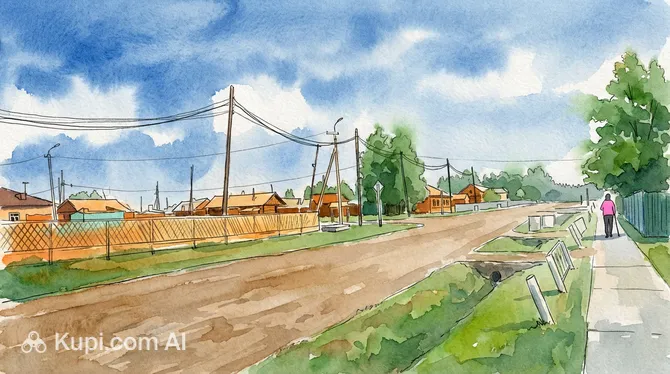
Chara. Source: Kupi.Binoculars

With a population of approximately 2,000 residents, Chara maintains a peaceful atmosphere far removed from the bustle of major cities. The settlement is located in the Chara Basin, nestled between the majestic Kodar and Udokan mountain ranges. The climate here is sharply continental, featuring long, snowy winters and short, warm summers, which shapes the distinct character of the region and its flora.

The area is world-renowned for the Chara Sands, often described as "the most wrong desert in the world." This surreal tract of golden sand dunes sits incongruously amidst the Siberian taiga and snow-capped peaks, creating a photogenic contrast that attracts photographers and nature lovers from around the globe. While exploring the region, visitors can also delve into the history of Chara, which traces the development of this northern outpost and its role in the exploration of the Transbaikal region.

Whether you are planning to hike the rugged trails of the Kodar Mountains or simply wish to witness the miracle of a desert in the taiga, Chara welcomes you with its raw beauty. It is an ideal destination for those seeking an authentic adventure and a deep connection with nature.

Weather Overview

The local climate is strictly continental, defined by long, severe winters and short, mild summers. During the coldest months of January and December, temperatures plummet significantly, with averages hovering around -28°C and minimums often dropping below -32°C. Precipitation during this freezing period is minimal, resulting in crisp, dry air.

Conversely, the summer months bring a distinct shift. July is the warmest time of year, featuring average temperatures of 15.1°C and daily highs reaching up to 20°C. Travelers planning a trip should consult the detailed report on the weather in Chara, as the warmer season also brings the highest frequency of rainfall, with up to 19 wet days in July.

Overall, you should expect mild summers with regular rain and extremely cold, dry winters that require heavy thermal clothing.

Interesting Facts

Beyond the main attractions, Chara holds many fascinating secrets that surprise even experienced travelers. This remote area in the Russian Federation is not just about scenic views; it is a place of geological wonders and linguistic curiosities that define its unique character.

  • The Purple Gem of Siberia: The region is the only place on Earth where charoite is mined. This rare, vibrant purple mineral, often called the "lilac miracle of Siberia," was named after the Chara River. It is highly prized by collectors and jewelers worldwide for its swirling, fibrous patterns.

  • A Desert in the Swamp: The famous Chara Sands offer a geographical paradox. Unlike typical deserts that fade into dry scrublands, these massive dunes end abruptly at the edge of taiga swamps and streams. Visitors can experience the surreal sensation of standing with one foot in hot, loose sand and the other in cold, mossy water.

  • Meaning of the Name: The name "Chara" is believed to be derived from an indigenous Yakut or Evenki word meaning "shallow" or "sandbank." This description fits the Chara River perfectly, as it often spreads wide and shallow as it navigates through the valley floor.

  • Glacial Backdrop: Chara is one of the few places where you can photograph golden sand dunes against a backdrop of active mountain glaciers. The Kodar Mountains, whose name translates to "wall" in the Evenki language, rise steeply behind the sands, creating a stunning visual contrast between the arid dunes and the ice-capped peaks.

How to Get There

Reaching this remote but spectacular destination in Zabaykalsky Krai requires a bit of planning, as it is situated far from major metropolises. While the journey might be long, the landscapes you will encounter are well worth the effort. You can find more details about how to get to Chara in our dedicated guide to planning your route.

For air travel, the most convenient option is the local Chara Airport (CZR). It is located directly in the settlement, just 0.9 km from the center, making arrival exceptionally easy. Visitors typically take a short taxi ride or even walk to their accommodation. This small regional hub connects the area to larger cities, serving as the primary aerial gateway for tourists visiting the Kodar Mountains and Chara Sands.

Alternatively, travelers might consider Taksimo Airport (TKM), although it is located in the city of Taksimo, approximately 212.8 km away from Chara. The journey from there by ground transport can be arduous and time-consuming, taking roughly 5 to 6 hours. Another option is Bodaybo Airport (ODO) in Bodaybo, which is even further at 263.3 km distance. Due to the significant distances and challenging terrain, flying directly to Chara is highly recommended whenever possible.

For clarity, here is a summary of the main airports:

Airport Name City Passenger Traffic Km from City
Bodaybo Airport Bodaybo Small 263.3
Taksimo Airport Taksimo Small 212.8
Chara Airport Chara Small 0.9

Traveling by train is another popular and scenic way to reach the region, especially via the legendary Baikal-Amur Mainline (BAM). The primary railway hub serving the area is the Novaya Chara Station. Although it is named differently, it serves Chara and is located just 12.7 km from the settlement's center. A taxi or bus ride from the station to the village typically takes about 40 minutes.

If tickets to Novaya Chara are unavailable, some travelers might arrive at Taksimo Railway Station in the city of Taksimo. However, this station is approximately 218.5 km from Chara, necessitating a long transfer by road. The train journey through this part of Siberia offers unforgettable views of the taiga and mountains, making it an attraction in itself.

Below is a list of the nearest railway stations:

Station City Passenger Traffic Km to Center
Taksimo Railway Station Taksimo Medium 218.5
Novaya Chara Station Chara Medium 12.7
Yuktali Station Ust-Nyukzha Small 209.7

Main Attractions

The undisputed crown jewel of the region is the Chara Sands, a geological phenomenon that baffles scientists and delights travelers. Often referred to as "the most wrong desert in the world," this compact dunefield covers about 50 square kilometers and features perfectly sculpted golden dunes rising up to 30 meters high. What makes it truly unique is its location: the hot sands are bordered not by arid scrubland, but by lush Siberian taiga, swamps, and the towering, snow-capped peaks of the mountains, creating a visual contrast that is unmatched anywhere else on Earth.

Looming majestically over the valley are the Kodar Mountains, Zabaykalsky Krai's answer to the Alps. This rugged range is a magnet for trekkers and mountaineers, offering deep, narrow canyons, hanging valleys, and jagged rocky summits. It is one of the few places in the region where you can find modern glaciers. The highest peak, BAM Peak, stands as a formidable challenge for climbers, while the lower valleys provide scenic trails for those looking to immerse themselves in the pristine wilderness.

For a deep dive into the area's natural beauty, a hike along the Middle Sakukan River is highly recommended. This river valley cuts through the mountains, creating a dramatic landscape of steep rock walls and cascading water. In winter, the river forms massive ice fields known as "naleds," which can remain frozen well into the summer, adding another layer of wonder to the scenery. It is a popular route for hikers seeking to reach the heart of the Kodar range and witness the remnants of the historical Marble Gorge.

To understand the rich cultural and geological context of these lands, visitors should stop by the Chara Local History Museum. The museum offers fascinating exhibits detailing the history of the Kalarsky District, the construction of the Baikal-Amur Mainline, and the traditions of the indigenous Evenki people. It serves as an educational hub where you can learn about the unique mineral resources of the area, including the rare purple stone charoite, before venturing out to see the landscapes in person.

Local Cuisine

The culinary scene in Chara is a reflection of its remote Siberian location and the harsh, cold climate. The local food culture focuses on hearty, energy-rich meals designed to keep you warm and fueled for outdoor adventures. While you won't find fine dining establishments here, you will discover authentic Northern flavors that rely heavily on fresh, locally sourced ingredients from the surrounding taiga and rivers.

One of the main staples in the region is game meat. Due to the strong influence of the indigenous Evenki people, dishes made from venison, elk, or wild boar are common specialties. These meats are often stewed or roasted and served with simple sides like potatoes or buckwheat. Another "must-try" in Zabaykalsky Krai is Buuzy (also known as Pozes). These are large, steamed dumplings filled with minced meat and onions, shaped like a yurt with a small opening at the top. Although they originate from Buryat culture, they are a beloved comfort food throughout the region.

Fish lovers should look for Grayling, a fish found in the pristine, icy mountain rivers of the Kodar range. It is often prepared simply—salted, smoked, or fried—to preserve its delicate flavor. Additionally, the local diet is rich in "gifts of the forest." Depending on the season, you might be treated to dishes enhanced with wild mushrooms, pine nuts, and tart berries like lingonberries and blueberries, which add a unique Siberian zest to meats and desserts.

When it comes to drinks, locals prefer beverages that provide warmth and vitamins. Herbal tea made with local plants such as thyme, currant leaves, and rose hips is incredibly popular and refreshing after a long hike. For something cold, try Mors, a traditional berry drink made from cranberries or lingonberries. It is both sweet and sour and packed with vitamin C. On the stronger side, you might encounter homemade tinctures infused with pine nuts or berries, often shared as a gesture of hospitality.

Dining in Chara is a modest and cozy affair. There are very few standalone restaurants; instead, the food scene revolves around small canteens (stolovayas) and cafes, often located in nearby Novaya Chara or within local guesthouses. The atmosphere is casual and welcoming, with a focus on home-style cooking. For many tourists trekking to the Chara Sands or the mountains, the most memorable meals are often those cooked over a campfire, featuring fresh catch or canned stew mixed with pasta, known locally as "macaroni po-flotski."

Travel Tips

Visiting Chara is a true adventure into the heart of Siberia, and while the rewards of seeing the desert and mountains are immense, the remote location requires careful preparation. Here are some essential practical tips to ensure your journey to this unique part of Zabaykalsky Krai is safe, comfortable, and hassle-free.

  1. Clothing and Gear: The key to survival and comfort here is preparation for extremes. If visiting in summer, high-quality insect repellent and a mosquito net hat are absolutely mandatory, as the gnats and mosquitoes can be intense. For winter trips, you need thermal gear rated for temperatures as low as -40°C. Regardless of the season, bring sturdy, waterproof hiking boots for navigating the taiga and the shifting sands.
  2. Transportation: Do not expect a public transport system like buses or trams within the village. Chara is small enough to navigate on foot, but to reach the train station in Novaya Chara or the trailheads for the mountains, you will need a vehicle. Taxis are available but operate informally; it is best to ask your guesthouse host to arrange reliable transfers for you.
  3. Finances: Cash is king in this region. While a few shops in the larger settlement of Novaya Chara might accept cards, most services in Chara—including private drivers, local guides, and small guesthouses—deal exclusively in cash. Bring enough Russian Rubles with you, as ATMs are scarce and may run out of money.
  4. Health and Safety: Bring a comprehensive personal first-aid kit, as the local pharmacy has limited stock and is not open 24/7. If you are hiking in late spring or summer, be aware of ticks; wearing long sleeves and using tick spray is crucial. Also, since this is wild bear country, carrying bear spray and making noise while hiking is a standard safety precaution.
  5. Communication: English is not widely spoken in Chara or Novaya Chara. It is highly recommended to download an offline translation app and offline maps (like Maps.me) before you arrive. Mobile internet is generally available in the settlements (operators like MTS or Megafon usually have the best coverage), but the signal will vanish completely once you head towards the mountains or sands.
  6. Local Etiquette: Siberians are known for their warm but reserved hospitality. It is strict etiquette to remove your shoes immediately upon entering a home or guesthouse. When interacting with locals, a polite greeting and patience go a long way, especially given the language barrier.
  7. What to Avoid: Never underestimate the local rivers. Do not attempt to cross the Middle Sakukan River or other waterways on foot without knowing the depth and current, as water levels can rise rapidly after rain. Avoiding solo treks into the deep taiga without a guide is also strongly advised due to the risk of getting lost.
  8. Logistics Hack: To reach the famous Chara Sands, you typically need to cross a river that is impassable for standard cars. You will likely need to hire a specialized off-road truck (like a Ural or GAZ-66) or a boat. Arrange this transport immediately upon arrival with local drivers, as it is not a scheduled service.

With the right gear and a respectful attitude towards the harsh but beautiful environment, your trip to Chara will be a smooth and unforgettable experience. Embrace the wild spirit of the region, and you will discover why this remote outpost is one of Russia's hidden gems.

Entertainment & Nightlife

If you are looking for bustling nightclubs, neon-lit boulevards, or high-end cocktail bars, Chara might not be the destination for you. The nightlife here is defined not by loud music and dance floors, but by the profound silence of the Siberian taiga and the camaraderie of fellow travelers. In this remote part of Zabaykalsky Krai, "going out" usually means gathering around a warm stove, sharing stories of the day's trek, or stepping outside to witness a starry sky of unimaginable clarity.

The social life of the area revolves almost entirely around the nearby settlement of Novaya Chara, located about 12 kilometers from the historic village of Chara. Since Old Chara is a quiet rural community with virtually no commercial entertainment, visitors looking for a hot meal, a drink, or simply a place to socialize in the evening head to the "New" town. The atmosphere is casual and rugged; the dress code is strictly practical—hiking boots and fleece jackets are the standard attire everywhere.

For a taste of local civilization, the Hotel Kodar in Novaya Chara serves as the unofficial social hub for the region. As the primary accommodation for expeditions heading to the Kodar Mountains or the Chara Sands, its restaurant and lobby often host a mix of geologists, railway workers, and adventure tourists. It is the best place to enjoy a hearty dinner, drink a cold beer, and exchange tips with other groups returning from the wilderness. While it lacks the polish of a city lounge, the warmth and welcoming spirit make it a vital stop for any traveler.

Another unique spot that sees activity late into the night is the Novaya Chara Railway Station. In many remote Russian towns, the station is the only place that remains open 24/7. The station building is modern and surprisingly grand for such a small settlement. Its waiting hall and small buffet kiosks often buzz with life when the long-distance trains from Moscow or Tynda arrive. It is a safe and reliable spot to grab a late-night snack, buy souvenirs, or simply people-watch as the Baikal-Amur Mainline pulses with energy.

Practical advice for the evening is simple but crucial. Public transport stops running early, so if you plan to travel between Chara and Novaya Chara at night, you must arrange a taxi in advance. These are usually private drivers rather than marked cabs, so asking your host for a trusted contact is essential. Walking between the settlements after dark is strongly discouraged due to the lack of street lighting and the very real presence of wildlife, including bears, which can venture close to the villages.

While the nightlife is low-key, the daytime entertainment offers a different kind of excitement. Cultural immersion begins at the Chara Local History Museum, which provides deep insight into the indigenous Evenki culture and the Gulag history of the region. For those seeking a thrill without the trek, local drivers often offer off-road tours to the edge of the Chara Sands, turning the journey itself into an amusement ride through rivers and taiga.

Parks & Museums

While Chara is a small rural settlement rather than a sprawling metropolis, it serves as the gateway to some of the most impressive "open-air museums" and protected natural areas in the Russian Federation. The concept of a park here transforms from manicured city gardens to vast, untamed national reserves, while the local culture is deeply intertwined with the geological and human history of the region.

Kodar National Park is the primary natural sanctuary in the area, encompassing the dramatic landscapes that surround the village. Established to protect the unique ecosystem of the Kodar Mountains, this park is a paradise for nature enthusiasts. It features a stunning array of alpine terrain, from jagged granite peaks to deep glacial valleys. Visitors can explore pristine larch forests and spot local wildlife, including mountain sheep and brown bears, in their natural habitat. The park is not just a scenic spot but a vital conservation area that maintains the ecological balance of Northern Transbaikalia.

Another significant natural area is the Chara Sands, which functions as a protected geological monument. Although often highlighted as a major attraction, it is best understood in this context as a unique nature reserve. Walking here feels like visiting a botanical garden where the rules of geography have been broken; you can observe rare desert flora growing alongside hardy taiga vegetation. The area is relatively compact, allowing for day trips where you can admire the shifting dunes without the need for a multi-day expedition.

For those interested in the region's heritage, the Kalarsky District Historical and Local Lore Museum is the cultural heart of Chara. This modest but information-rich institution offers a comprehensive look into the life of the area. Its exhibits cover the traditions and lifestyle of the indigenous Evenki people, displaying clothing, tools, and household items that reflect centuries of adaptation to the harsh Siberian climate. The museum also dedicates a significant section to the construction of the Baikal-Amur Mainline (BAM), showcasing the immense human effort required to build infrastructure in permafrost conditions.

The region also holds somber historical significance at the Marble Gorge (Mramornoye Ushchelye). Located in the mountains nearby, this site is a former uranium mine and part of the Gulag system (Borlag) that operated in the mid-20th century. Today, it stands as a haunting open-air memorial. The remnants of the camp structures, watchtowers, and mining equipment have been preserved by the cold, dry air, offering a stark and powerful lesson in history. It is a place for reflection, contrasting the breathtaking beauty of the marble canyon with the tragic history it witnessed.

For a truly authentic experience, seek out the Apsat Waterfalls located in the foothills near the village. Lesser-known than the sands or the high peaks, this area offers a more intimate connection with nature. The trail leads through a fragrant forest to a series of cascading falls that are particularly powerful in early summer. It is a favorite picnic spot for locals and provides a peaceful retreat where you can listen to the roar of the water away from the more frequented tourist paths.

Getting Around

Given the small size and rural nature of Chara, visitors should adjust their expectations regarding public transportation. Unlike major metropolitan areas, there is no metro, tram, or trolleybus network here. The transport infrastructure is basic and functional, designed primarily to connect the historic village of Chara with the larger urban settlement of Novaya Chara, where the railway station and main services are located.

The backbone of local transit is the bus service (often a minibus or "marshrutka") that runs between Chara and Novaya Chara. This route is a vital lifeline for locals and tourists alike, covering the approximately 12 to 14 kilometers between the two settlements. The buses generally operate on a fixed schedule, running several times a day from early morning until early evening. However, frequencies can be low, with intervals of an hour or more, so it is crucial to know the timetable in advance.

Regarding payment, the system is entirely traditional. There are no travel cards, mobile apps, or contactless payment terminals on board. You must pay the driver directly in cash (Russian Rubles) upon entering or exiting the vehicle. It is highly recommended to carry small denominations, as drivers may not always have change for large banknotes. Fares are generally inexpensive and fixed for the route.

For those requiring more flexibility, taxis are the primary alternative. However, do not expect to find ride-hailing apps like Uber or Yandex Go operating in this remote region. Taxis here are typically private individuals or small local dispatch services. You will likely need to ask your guesthouse host or a hotel receptionist to call a driver for you. Prices should be negotiated or confirmed before starting the journey, as meters are rarely used.

For getting around within the village of Chara itself, walking is the most practical and enjoyable option. The settlement is compact, and most points of interest, including the local museum and shops, are within easy walking distance of each other. Car-sharing services and official bike rentals are non-existent, although you might be able to borrow a bicycle informally from a local host if you are lucky.

A practical tip for tourists is to treat the bus schedule as a guideline rather than a guarantee. Schedules are often posted on paper at the main bus stops or in local shops, but they can change without online updates. If you have a train to catch at Novaya Chara station, it is safer to arrange a private transfer or take a bus well in advance to avoid being stranded, as public transport stops running relatively early in the evening.

Accommodation

Accommodation options in Chara and the surrounding Kalarsky District are quite limited, reflecting the remote and rugged nature of this Siberian outpost. Travelers should not expect international chains, luxury resorts, or high-end boutique hotels. Instead, the region offers functional, modest lodging designed primarily for railway workers, geologists, and hardy adventurers. The range typically spans from simple Soviet-style hotels to basic guesthouses and private homestays.

When planning where to stay, it is crucial to understand the distinction between the two main settlements. Old Chara (the historic village) is closer to the Chara Sands and offers a quieter, more rural experience, but accommodation here is restricted to a few small, family-run guesthouses with limited amenities. The majority of tourists choose to stay in Novaya Chara, located about 12 kilometers away. As the transport hub with the railway station, Novaya Chara hosts the region's main hotel and several rental apartments, offering better access to shops, canteens, and mobile reception.

The most well-known establishment in the area is situated in Novaya Chara. It serves as the base camp for almost all expeditions heading into the Kodar Mountains. Rooms here are generally simple, offering the essentials: a bed, heating, and sometimes a private bathroom, though shared facilities are also common. In Old Chara, lodging is often more informal, providing a "homestay" feel where you might rent a room in a local's house, complete with an outdoor toilet and a banya (sauna) for bathing.

Booking Tip: Due to the scarcity of rooms, especially during the peak summer trekking season (July and August) and the winter photography season (February and March), it is highly recommended to book as far in advance as possible. Major international booking platforms rarely list properties in this region. You will likely need to rely on direct phone calls, local tour operators, or Russian classifieds websites to secure a spot.

Price Range and Booking: Prices generally fall into the budget to mid-range category. While the cost is relatively low compared to Moscow, the lack of competition means prices can be higher than expected for the level of comfort provided. Payment is almost exclusively in cash (Russian Rubles). Very few, if any, accommodation providers accept credit cards, so ensure you withdraw sufficient funds before arriving or at the ATMs in Novaya Chara.

Nearby Cities

Chara is situated in one of the most remote and sparsely populated regions of Zabaykalsky Krai. In this vast part of the Russian Federation, the concept of a "neighboring city" is quite relative, as the nearest major urban centers are located hundreds of kilometers away. These settlements primarily serve as industrial hubs or key transport nodes along the Baikal-Amur Mainline (BAM) and are essential stopovers for travelers exploring Eastern Siberia.

The closest city to Chara is Neryungri, located approximately 396 km away in the neighboring Sakha Republic (Yakutia). It is a significant coal-mining center and the second-largest city in its region. Another vital connection is Tynda, often referred to as the "Capital of the BAM." Situated about 450 km from Chara, Tynda is a major railway junction where the Little BAM line branches off towards the north, making it a common transit point for those reaching Chara by train.

Further afield lies Aldan, a historic gold-mining town established in the 1920s, found roughly 465 km away. To the northeast, the town of Lensk (466 km) serves as a river port on the mighty Lena River, playing a crucial role in supplying the diamond-mining industry. For those looking to combine their trip with a visit to the world's deepest lake, Severobaykalsk is located 571 km to the west. This city sits on the northern shores of Lake Baikal and offers stunning waterfront views and access to hot springs.

The following table lists the nearby cities, their populations, and their straight-line distances from Chara:

City Population Distance (km)
Neryungri 57,009 396
Tynda 33,061 450
Aldan 20,595 465
Lensk 23,479 466
Severobaykalsk 23,365 571

Shopping & Souvenirs

Shopping in Chara is a modest but distinct experience, reflecting the remote and rugged character of Northern Transbaikalia. Do not expect to find sprawling shopping malls, high-end fashion boutiques, or international brand chains here. Instead, the retail scene is focused on essential goods, outdoor survival gear, and unique local treasures that you cannot find anywhere else in the world. For visitors, the primary appeal lies in purchasing authentic Siberian gifts and provisions for their expeditions into the mountains or sands.

The commercial landscape is divided between the historic village of Chara and the larger settlement of Novaya Chara. In Old Chara, shopping is limited to a few small general stores (magazins) scattered along the main village streets. These shops typically stock groceries, basic household items, and sometimes locally made bread. For a wider selection, tourists usually head to Novaya Chara, located about 12 kilometers away. Here, the central area near the railway station and the main residential blocks features a higher concentration of shops, including supermarkets, pharmacies, and stores selling fishing and hiking equipment.

There are no traditional shopping malls in the region. In Novaya Chara, you may find small shopping arcades or "Trading Centers" (Torgoviy Tsentr), which are essentially buildings housing a collection of individual counters and small kiosks. These places are practical rather than recreational, offering everything from clothing and shoes suitable for the harsh climate to electronics and souvenirs. They are good places to restock on supplies if you have forgotten any trekking gear.

While there is no designated central market hall, the spirit of a market exists in the informal trade that happens seasonally. Locals often sell fresh produce from their gardens, such as potatoes and cucumbers, as well as "gifts of the taiga" like wild berries and mushrooms. In the mornings, you might find residents selling fresh milk or homemade cottage cheese. For tourists, the most interesting finds are often smoked fish, particularly grayling, and cured meats sold by local fishermen and hunters.

The undisputed highlight of shopping in Chara is the opportunity to buy charoite. This rare, vibrant purple mineral is mined only in this specific region of the Russian Federation, making it one of the most exclusive geological souvenirs on the planet. Visitors can find polished stones, jewelry, vases, and intricate figurines made from this "lilac miracle." The best places to look for high-quality charoite items are often the local museum kiosks, small souvenir stands in Novaya Chara, or directly from local artisans.

Aside from minerals, edible souvenirs are highly recommended. Pine nuts (cedar nuts) harvested from the surrounding forests are a popular and healthy gift to bring home. They are often sold shelled or in their cones. Local herbal teas, gathered from the ecologically pristine mountains, and jars of jam made from lingonberries, blueberries, or cloudberries are also excellent choices that capture the flavor of Siberia.

Store opening hours are generally standard for a rural region, with most shops operating from 09:00 to 19:00 or 20:00. Some smaller grocery stores may stay open later, but 24-hour services are rare. It is critically important to carry cash (Russian Rubles). While some larger supermarkets in Novaya Chara accept credit cards, smaller vendors, souvenir sellers, and shops in Old Chara often deal exclusively in cash. ATMs are available in Novaya Chara but can be unreliable, so it is wise to withdraw money before arriving in the region.

Tax-Free shopping services are not available in Chara. The region is far removed from the international tourism circuits that support VAT refund schemes, so visitors should not expect to claim taxes back on their purchases.
Nearby cities

Reached the end of the page?

That means the route is fully explored