Support

Bovanenkovo

About

Bovanenkovo is a truly unique destination that stands apart from traditional tourist spots. Situated in the vast and remote Yamal-Nenets Autonomous Okrug, this settlement serves as a testament to human engineering and resilience in one of the harshest environments on Earth. Located within the Russian Federation, Bovanenkovo is primarily known as a major industrial hub on the Yamal Peninsula, offering a rare glimpse into the life and operations of the High North.
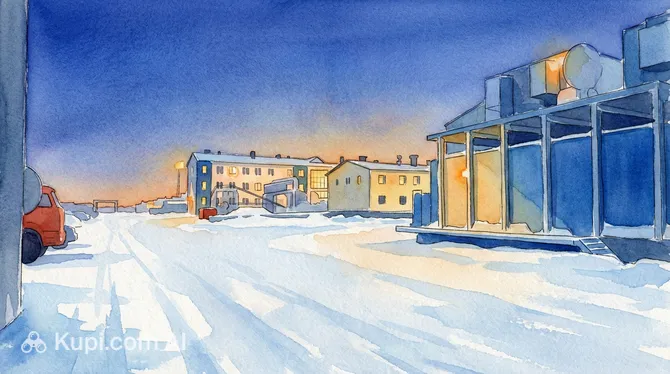
Bovanenkovo. Source: Kupi.Binoculars

The geography of the area is defined by the stunning, endless expanse of the Arctic tundra. The climate here is severe, with long, snowy winters and short, cool summers, creating a landscape that is both formidable and breathtaking. Exploring the history of Bovanenkovo reveals how this settlement grew from a remote geological discovery into a key center for natural resource extraction, requiring innovative technologies to build on the eternal permafrost.

For the adventurous traveler, Bovanenkovo offers distinct features that are hard to find elsewhere. It is the terminus of the Obskaya–Bovanenkovo Line, the northernmost railway in the world, which is an engineering marvel in itself. Visitors may also witness the mesmerizing Northern Lights (Aurora Borealis), which frequently illuminate the dark winter skies, and observe the traditional nomadic lifestyle of the indigenous Nenets people who herd reindeer in the surrounding tundra.

While it is not a typical resort, a visit to Bovanenkovo provides an unforgettable experience for those fascinated by industrial tourism and the raw beauty of the Arctic. It is a place where nature's power and human determination meet, inviting intrepid explorers to witness the grandeur of the polar world.

Weather Overview

Bovanenkovo experiences a harsh polar climate characterized by long, freezing winters and short, cool summers. The coldest month is typically January, with average temperatures dropping to -21.0°C, while July marks the peak of the warmer season with a mild average of 11.1°C.

Precipitation is generally low in volume throughout the year, though visitors should be prepared for frequent days with light snow or rain. To pack appropriately for these extreme conditions, it is essential to consult the current weather in Bovanenkovo before your journey. Expect cool summers with light precipitation and extremely cold, snowy winters.

Interesting Facts

Beyond its industrial facade, Bovanenkovo conceals remarkable engineering feats and cultural nuances that define life in the High North. This remote settlement is not just a workplace but a unique intersection of modern technology and ancient Arctic traditions.

  • The Longest Arctic Bridge: The railway leading to the settlement crosses the Yuribey River via a 3.9-kilometer bridge, widely recognized as the longest bridge beyond the Arctic Circle. Its unique elevated trestle design ensures that the floodplain ecosystem remains undisturbed, allowing the river's active channel to flow freely without obstruction by structural supports.

  • Reindeer Right-of-Way: To respect the nomadic lifestyle of the indigenous Nenets people, the industrial infrastructure includes specially designed crossing points. Pipelines are elevated or arched in specific locations, allowing thousands of reindeer to migrate safely across the gas fields during their seasonal journeys.

  • A Tribute to Discovery: The settlement and the massive gas field it supports are named after Vadim Bovanenko, a renowned geophysicist. His exploration work in the mid-20th century was instrumental in identifying the vast hydrocarbon resources of the Yamal Peninsula.

  • Frozen Foundations: Construction here relies on advanced vapor-liquid cooling systems, often called "thermostabilizers." These devices keep the ground permanently frozen around building piles, preventing the structures from sinking into the permafrost during the short summer thaw.

How to Get There

Reaching Bovanenkovo is an adventure in itself, given its remote location on the Yamal Peninsula. Due to its status as a strategic industrial hub, travel logistics require careful planning. For a detailed overview of routes and transportation options, you can read more about how to get to Bovanenkovo.

The settlement does not have a commercial airport for regular tourist flights, but you can fly into Sabetta (IATA: SBT), located in the city of Sabetta. It is situated approximately 167 km from Bovanenkovo. Sabetta is a key international airport serving the region's energy projects. From there, the journey to Bovanenkovo typically involves specialized local transport or a transfer arranged via industrial operators. Accessing the area often requires navigating winter tracks or using helicopters, depending on the season and authorization.

For clarity, here is a summary of the main airport nearby:

Airport Name City Passenger Traffic Km from City
Sabetta Sabetta Medium 167.4

Besides air travel, Bovanenkovo is the terminus of the Obskaya–Bovanenkovo railway line, the northernmost railway in the world. This engineering marvel connects the settlement to the majestic landscapes of the Russian Arctic. While primarily used for industrial freight and personnel, the railway is a vital artery for the region. Travelers planning a visit should be aware that Bovanenkovo is located in a border security zone, and special permits are generally required for entry.

Main Attractions

Bovanenkovskoye Gas Field is the heart and soul of the settlement, representing one of the largest natural gas deposits in the world. For travelers interested in industrial tourism, this site offers a rare opportunity to witness the sheer scale of modern engineering in the Arctic. The infrastructure here is designed to withstand extreme polar conditions, featuring advanced technologies like vapor-liquid cooling systems to protect the permafrost. It is a testament to human ingenuity and a fascinating sight for those curious about global energy production.

The Yuribey Bridge is widely regarded as the most spectacular landmark in the region. Spanning 3.9 kilometers across the Yuribey River floodplain, it holds the title of the longest bridge beyond the Arctic Circle. The bridge’s unique design eliminates the need for massive embankments, preserving the delicate ecosystem and allowing fish to migrate freely. Seeing this slender ribbon of steel stretching across the endless tundra is a highlight for any visitor traveling by train.

The Obskaya–Bovanenkovo Railway is an attraction in itself, often described as the northernmost railway in the world. A journey along this line is an unforgettable adventure, taking you through hundreds of kilometers of pristine wilderness where few people have ever set foot. It serves as the primary lifeline for the settlement and offers unparalleled views of the stark, frozen landscapes that define the Yamal Peninsula.

Beyond the industrial giants, the Arctic Tundra surrounding Bovanenkovo offers a breathtaking natural experience. In winter, the polar night provides a perfect backdrop for the mesmerizing Northern Lights, which dance across the sky in vibrant colors. During the short summer, the tundra comes alive with mosses and lichens, serving as a grazing ground for thousands of reindeer herded by the indigenous Nenets people, whose traditional camps can sometimes be spotted from the settlement.

Local Cuisine

The culinary scene in Bovanenkovo is as unique as its location, shaped entirely by the harsh Arctic climate and the traditions of the indigenous people. Unlike typical tourist destinations, you will not find bustling avenues lined with cafes or fine-dining restaurants here. Instead, the local food culture is a blend of hearty, high-calorie meals designed to fuel industrial workers and the ancient, natural diet of the Nenets reindeer herders who roam the surrounding tundra.

For any gastronomic adventurer visiting this remote region, the absolute must-try dish is Stroganina. This Northern delicacy consists of raw, frozen fish—typically muksun, nelma, or broad whitefish—shaved into thin, curling slices. It is traditionally served immediately while still frozen, accompanied by a mixture of salt and black pepper. The fish melts in your mouth, offering a surprisingly delicate flavor and a massive boost of vitamins essential for survival in the polar winter.

Meat plays a central role in the local diet, with venison (reindeer meat) being the staple protein. It is lean, tender, and incredibly nutritious. While shift workers in the settlement might enjoy it in stews or cutlets, the traditional preparation often involves boiling the meat simply to preserve its natural taste. Another northern specialty involves cloudberries (moroshka), often called "Arctic gold." These tart, amber-colored berries are rich in Vitamin C and are commonly served as a sweet preserve or made into a refreshing warm drink to combat the cold.

When it comes to beverages, hot black tea is the undisputed king of the North, consumed in large quantities to stay warm. You might also encounter Mors, a traditional Russian berry drink made from lingonberries or cranberries, which provides a sweet and tart contrast to the savory, fatty meals. It is worth noting that Bovanenkovo is an industrial site with strict regulations, so alcohol is generally prohibited within the settlement itself, shifting the focus entirely to warming non-alcoholic drinks.

Dining in Bovanenkovo is an experience in functionality and hospitality. There are no commercial restaurants; instead, life revolves around the worker canteens (stolovaya). These facilities serve robust, homestyle Russian comfort food like rich soups (borscht or solyanka) and buckwheat porridge. For a truly authentic culinary experience, lucky visitors might be invited to a Nenets chum (tent) in the tundra, where hospitality is sacred, and guests are treated to the freshest venison and fish prepared according to centuries-old traditions.

Travel Tips

Traveling to Bovanenkovo is less of a typical vacation and more of a true Arctic expedition, requiring serious preparation and a respect for the extreme environment. To help you navigate this remote industrial outpost and the surrounding tundra safely and comfortably, we have compiled a list of essential practical tips for your journey.

  1. Clothing and Gear: Dress for extreme survival, not just style. The weather here is unforgiving, so the layering principle is non-negotiable. Start with high-quality thermal underwear, add fleece or wool mid-layers, and finish with a windproof, down-filled parka rated for temperatures below -40°C. Essential accessories include insulated waterproof boots with non-slip soles, thermal socks, a balaclava to protect your face from frostbite, and heavy-duty mittens (warmer than gloves). If you visit during summer, bring a mosquito net and strong repellent, as the tundra insects can be overwhelming.

  2. Transportation: Forget about public buses, taxis, or ride-hailing apps; they simply do not exist here. Bovanenkovo is a compact industrial settlement designed for workers, so getting around is mostly done by walking or via specialized shift vehicles (vahtovkas) arranged by tour operators or the facility management. If you are arriving by the Obskaya–Bovanenkovo train, ensure your transfer from the station is pre-arranged, as you cannot just hail a ride upon arrival.

  3. Finances: The local currency is the Russian Ruble (RUB). While the settlement has canteens and small shops for workers that may accept cards, connectivity can be unreliable due to the remote location. It is highly recommended to bring sufficient cash in smaller denominations to cover all your potential expenses. There is no network of commercial ATMs on every corner, so financial self-sufficiency is key.

  4. Health and Safety: This is a remote industrial zone, not a city with 24/7 commercial pharmacies. Bring a comprehensive personal first-aid kit containing all necessary prescription medications, painkillers, and remedies for cold and flu. The biggest safety threats are the extreme cold and wildlife; polar bears are known to roam the vicinity. Never leave the designated settlement perimeter without an experienced guide and proper authorization.

  5. Communication: The primary language is Russian, and English is virtually unspoken. It is essential to download an offline translation app and offline maps before you arrive, as mobile internet can be slow or nonexistent depending on your provider. Purchasing a SIM card from a major Russian provider (like MTS or Megafon) before reaching the settlement is advisable, as buying one on-site may be impossible for a tourist.

  6. Local Etiquette: Bovanenkovo operates under strict industrial regulations. A "Dry Law" (prohibition of alcohol) is strictly enforced in the settlement and worker camps; bringing or consuming alcohol is generally forbidden and frowned upon. Be respectful of the shift workers—they are there to perform difficult jobs in harsh conditions. If you encounter indigenous Nenets people, ask for permission before taking their photo and treat their traditions with the utmost respect.

  7. What to Avoid: Do not take photographs of security checkpoints, industrial equipment, or infrastructure without explicit permission. This is a strategic facility, and unauthorized photography can lead to serious legal trouble and confiscation of your equipment. Also, avoid walking alone in the tundra at any time; the risk of getting lost in a whiteout or encountering a predator is too high.

  8. Permit Requirements: Bovanenkovo is located in a border security zone. You cannot simply buy a ticket and visit; you must obtain a special pass from the border service well in advance (often 60 days prior). Ensure all your documents are in order before you even start packing, as you will be checked multiple times along the route.

Visiting Bovanenkovo is a challenge that rewards the brave with unparalleled views of the Arctic's raw power and human ingenuity. By following these tips and respecting the local rules, you ensure that your adventure to the edge of the world remains a safe and unforgettable experience.

Entertainment & Nightlife

Travelers planning a trip to Bovanenkovo must adjust their expectations regarding nightlife. As a strictly regulated industrial settlement primarily serving the gas fields, there is absolutely no traditional nightlife here. You will not find nightclubs, cocktail bars, discos, or late-night entertainment districts. The settlement operates under a strict "Dry Law," meaning the sale and consumption of alcohol are prohibited, and there are no commercial venues designed for partying.

Instead of neon signs and bustling streets, the "nightlife" in Bovanenkovo is defined by the mesmerizing natural phenomena of the Arctic. During the long winter months of the polar night, the main attraction is the sky itself. The Northern Lights (Aurora Borealis) provide a spectacular light show that far surpasses any laser display in a club. The atmosphere is one of profound silence and isolation, offering a unique, meditative experience rather than a social one.

Social life in the evenings revolves entirely around the infrastructure provided for the shift workers. The main hubs for interaction are the residential complexes (VZHK) and their communal areas. Here, the "evening out" consists of visiting the Sports Complex, which is often equipped with gyms and swimming pools for the staff, or gathering in the Worker Canteens. These venues are functional, clean, and strictly alcohol-free. The dress code is purely practical—warm, comfortable indoor clothing or work uniforms—and opening hours are dictated by shift schedules rather than leisure trends.

For those looking for practical advice on how to spend an evening, the best recommendation is to embrace the local lifestyle. Bring high-quality tea or coffee, as socializing over a hot non-alcoholic drink is the standard way to unwind. Prices in the local shops (if accessible to visitors) are higher than on the mainland due to logistics, but entertainment itself costs nothing as it is virtually non-existent. Getting around at night is restricted; walking between buildings is safe within the secured perimeter, but wandering into the tundra is dangerous due to extreme cold and wildlife.

Safety is the highest priority in Bovanenkovo. The settlement is well-lit and patrolled, making it extremely safe from crime, but the environment is the real challenge. There are no taxis to hail; transport is strictly official. If you need to move between facilities, it is usually done via organized shift buses. Always carry a flashlight and dress in full polar gear even for short walks, as temperatures can drop drastically at night.

Regarding daytime entertainment, options remain limited to the unique industrial and natural context. There are no theaters or amusement parks. Visitors might explore local museum rooms often found within the administrative centers of gas companies, which showcase the history of the conquest of the North and the geology of the Yamal Peninsula. However, the primary "amusement" remains the awe-inspiring scale of the industrial machinery and the stark beauty of the surrounding tundra.

Parks & Museums

Bovanenkovo redefines the traditional concept of urban leisure and cultural tourism. As a specialized industrial settlement located in the high Arctic, it does not possess the manicured city parks or grand national museums found in conventional tourist destinations. Instead, its "green spaces" are the boundless, wild expanses of the tundra, and its cultural venues are dedicated to the heroic history of industrial development and the ancient traditions of the indigenous peoples.

The Yamal Tundra serves as the region's vast, open-air natural park. Stretching as far as the eye can see, this fragile ecosystem offers a starkly beautiful landscape that changes dramatically with the seasons. In the short summer, the permafrost ground bursts into life with vibrant mosses, lichens, and wildflowers, creating a colorful carpet that attracts nesting birds. For nature lovers, walking here (strictly within permitted areas) provides a rare opportunity to observe the Arctic flora and fauna, including arctic foxes and snowy owls, in their undisturbed habitat.

The Yuribey River Valley is another significant natural feature near the settlement. While not a park in the urban sense, this area is a crucial ecological corridor and a site of immense natural beauty. The river valley is historically significant for the discovery of well-preserved mammoth remains, including the famous baby mammoth "Lyuba." It is also a vital nesting ground for migratory birds, making it a fascinating spot for wildlife observation against the backdrop of the massive engineering structures that cross it.

In terms of cultural institutions, the Museum of the History of the Bovanenkovskoye Field is the settlement's primary educational venue. Typically located within the administrative complex of the operating company, this facility chronicles the immense challenges and triumphs of developing one of the world's largest gas fields. Exhibits often include geological core samples, historical photographs of the first expeditions, and models of the advanced technology used to extract resources from the frozen earth. It offers a deep dive into the engineering feats required to build a city on permafrost.

While there are no public art galleries, the Nenets Cultural Heritage acts as a living museum surrounding the settlement. The indigenous Nenets people have migrated through these lands for centuries, and their culture is woven into the identity of the Yamal Peninsula. Visitors may encounter temporary exhibitions or cultural corners within the settlement's community centers that display traditional clothing, bone carvings, and household items, offering insight into the symbiotic relationship between the nomads and the industrial workers.

For a truly unique experience, look out for the Thermokarst Lakes that dot the landscape around Bovanenkovo. These bodies of water, formed by thawing permafrost, create a mesmerizing geometric pattern across the tundra when viewed from above or a high vantage point. They are a geological testament to the dynamic nature of the Arctic ground and provide excellent photographic opportunities during the midnight sun.

Getting Around

The public transport system in Bovanenkovo differs significantly from what travelers might expect in a standard city. As a specialized industrial settlement located in the remote Arctic, there is no conventional network of metros, trams, trolleybuses, or commercial city buses. The infrastructure here is designed exclusively to support the logistics of the gas field, meaning that getting around is strictly functional and organized by the operating companies rather than municipal authorities.

The primary mode of transport within the settlement and to the various work sites is the shift bus, locally known as a vahtovka. These are not typical urban buses but rugged, heavy-duty all-terrain vehicles built on truck chassis (such as Ural or KamAZ). They are designed to navigate the difficult tundra terrain and deep snow. For visitors or workers, these vehicles serve as the main shuttle service between the residential complexes, the airport (helipad), and the industrial facilities.

Regarding the payment system, there is no commercial ticketing market for internal transport. You cannot buy a bus pass, use a contactless travel card, or download a mobile app to pay for a ride. Transportation within the settlement is generally provided corporately for employees and authorized guests. If you are visiting as part of an organized tour or delegation, your transfer costs are typically included in the overall logistics package arranged by your host or tour operator.

For tourists and visitors, the most practical advice is to rely entirely on pre-arranged logistics. You cannot simply stand at a street corner and wait for a bus. Schedules are coordinated around work shifts, and access to vehicles is often restricted to authorized personnel. Always confirm your transportation plan with your host before arrival. If you are arriving by the Obskaya–Bovanenkovo railway, ensure that a vehicle is scheduled to meet you at the station, as the distances to the residential blocks are too great and dangerous to walk.

Alternatives such as taxis, car-sharing services, or bike rentals are completely non-existent in Bovanenkovo. The harsh climate and strict industrial regulations make these services impossible to sustain. Walking is permitted only within specific safe zones in the residential area; venturing outside these zones on foot is dangerous due to the extreme cold and the potential presence of wildlife, including polar bears.

A special feature of the transport landscape is the Obskaya–Bovanenkovo Line itself. While it serves as the main external link rather than internal city transport, it is an engineering marvel worth noting. It is the northernmost railway in the world, and the trains that run on it are specially winterized to withstand temperatures below -50°C. For many, the train ride across the tundra is not just a transfer but a central part of the travel experience.

Accommodation

Where to Stay:

Accommodation in Bovanenkovo is entirely different from what you would expect in a standard tourist destination. As a closed industrial settlement designed exclusively for the operation of the gas field, there are no commercial hotels, hostels, rental apartments, or luxury resorts available to the general public. You cannot simply look up a room on a booking platform and make a reservation.

Instead, lodging is provided in specialized Shift Residential Complexes (known locally as VZHK). These are modern, functional dormitories built to house thousands of workers in the harsh Arctic climate. For the rare tourists who visit—usually as part of organized industrial tours or official delegations—accommodation is arranged strictly in these facilities. The living conditions are comfortable but utilitarian, typically resembling a clean, well-maintained hostel with shared amenities.

The "hotel" experience here is defined by the settlement's strict regulations. The residential blocks are located within the secured perimeter, close to the administrative centers and canteens. Guests should be aware that these complexes enforce a strict "Dry Law" (no alcohol) and often have specific curfews or rules regarding movement. Men and women may be housed in separate blocks depending on the facility's configuration.

Booking Tip: You cannot book accommodation independently. Your stay must be secured months in advance as part of your entry permit and tour package. If you are planning a visit, you must coordinate directly with a certified tour operator or the hosting industrial company, who will handle all logistics, including your room assignment.

In terms of pricing, accommodation costs are almost never itemized separately. They are typically included in the overall price of the expedition or tour, which covers logistics, meals, and permits. While the standard of living is high for an industrial camp—often featuring gyms, saunas, and warm corridors connecting buildings—it remains a functional environment rather than a leisure one.

Nearby Cities

Bovanenkovo is situated in one of the most remote corners of the Russian Arctic. While the settlement itself is isolated, it is part of the vast Yamal-Nenets Autonomous Okrug, a region defined by immense distances and significant industrial centers. The following cities are the primary urban hubs in this wider area, each offering a distinct perspective on life in the High North.

Salekhard is the capital of the region and a city of unique geographical significance, being the only city in the world located directly on the Polar Circle. Visitors here can cross the symbolic 66th parallel, marked by a famous stele. The city is rich in culture, housing the Shemanovsky Museum and Exhibition Complex, where the incredibly well-preserved woolly mammoth calf "Lyuba" is often displayed, bridging the gap between the ancient tundra and modern life.

Located to the west in the Komi Republic, Vorkuta offers a starkly different atmosphere. Known for its dramatic history as a major coal-mining hub and a former center of the Gulag system, the city serves as a poignant open-air museum of Soviet industrial architecture. It is also a gateway to the majestic Polar Urals, attracting nature enthusiasts who wish to see the rugged mountains rising from the flat Arctic landscape.

Often referred to as the "Gas Capital" of Russia, Novy Urengoy is the largest city in the region and the economic powerhouse driving local development. While it is a younger city compared to its neighbors, it features modern amenities, monuments dedicated to the pioneers of the gas industry, and an impressive Museum of Fine Arts. It provides a clear view of the industrial might that sustains the communities in this subarctic wilderness.

City Population Distance (km)
Novy Urengoy 130000 584
Vorkuta 77314 365
Salekhard 51188 432
Nadym 44940 564

These destinations, though separated by hundreds of kilometers of tundra, collectively form the urban backbone of the Russian North.

Shopping & Souvenirs

General Overview: Visitors to Bovanenkovo should adjust their expectations significantly when it comes to shopping. As a remote industrial settlement focused entirely on natural resource extraction, the city does not have a commercial retail sector in the traditional sense. There are no boutiques, department stores, or souvenir shops. Shopping here is strictly utilitarian, designed to meet the basic daily needs of the shift workers living in the harsh Arctic conditions. The available outlets focus on essentials like toiletries, snacks, and basic clothing, rather than leisure shopping.

Main Shopping Areas/Streets: You will not find any bustling shopping streets or promenades in Bovanenkovo. The settlement is organized around functional zones, and retail opportunities are typically confined to small kiosks or convenience stores located directly within the Residential Complexes (VZHK). These small shops serve the residents of the specific dormitories and are not designed for window shopping. They are practical, compact, and stocked with items necessary for survival and comfort in the North.

Shopping Malls: There are absolutely no shopping malls or large commercial centers in Bovanenkovo. The infrastructure is dedicated to the gas industry, and the construction of large retail spaces is neither necessary nor feasible in this permafrost region. Travelers looking for branded goods, electronics, or fashion items should make their purchases in major cities like Moscow or Tyumen before departing for the Yamal Peninsula.

Markets: Traditional open-air markets do not exist here due to the extreme climate and strict sanitary regulations of the industrial zone. However, a unique form of trade sometimes occurs between the industrial workers and the indigenous Nenets reindeer herders. On occasion, herders may approach the settlement boundaries to trade or sell fresh venison, fish, or handmade items, though this is informal and unpredictable. It offers a rare glimpse into the local exchange economy rather than a standard market experience.

Souvenirs: Since there are no dedicated tourist shops, finding souvenirs can be a challenge. The best items to bring back are local gastronomic specialties, provided you can transport them. Canned venison or vacuum-packed smoked northern fish (such as muksun or omul) are highly prized gifts. Sometimes, the small shops in the residential blocks may sell simple items with regional branding or industrial logos, but the best place to buy authentic Nenets crafts—such as bone carvings, fur boots (unty), or beadwork—is in the larger regional cities like Salekhard before you reach the settlement.

Opening Hours and Payment: The small internal shops typically operate according to the shift schedules of the workers, often opening early in the morning and closing late, with breaks during the day. Regarding payment, the Russian Ruble (RUB) is the only accepted currency. While some shops may have card terminals, internet connectivity in the High North can be unstable, leading to transaction failures. It is strongly recommended to carry sufficient cash in smaller denominations to cover any purchases you intend to make.

Tax-Free: There is no Tax-Free shopping or VAT refund system available in Bovanenkovo. The settlement is not part of the international tourist retail network, and no facilities exist to process such requests.

Nearby cities

Reached the end of the page?

That means the route is fully explored