Support

Sabetta

About

Welcome to Sabetta, a remarkable settlement located on the eastern shore of the Yamal Peninsula in the Russian Federation. Unlike traditional tourist cities, Sabetta is a symbol of modern industrial achievement amidst the harsh beauty of the Arctic. It serves as a crucial port and a key hub for the liquefied natural gas industry, offering a unique glimpse into life at the edge of the world.

Situated well above the Arctic Circle, the local climate is defined by long, snowy winters and short, cool summers. The landscape is dominated by the vast tundra and the icy waters of the Ob Bay. Despite its specific purpose as a rotational camp with a fluctuating population, the area buzzes with energy and engineering marvels, standing as a testament to human resilience in extreme conditions.
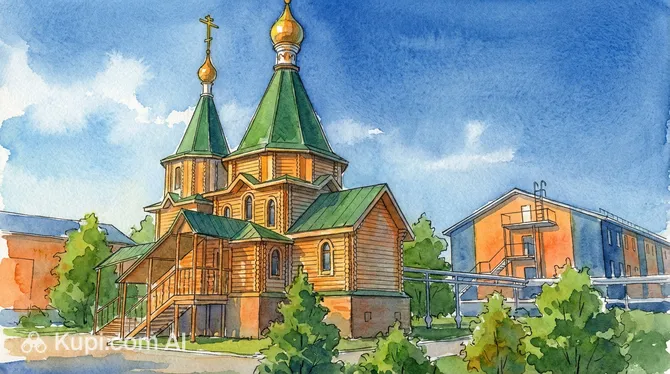
Sabetta. Source: Kupi.Binoculars

While it is primarily a working industrial center, the history of Sabetta is a fascinating tale of rapid development in the High North. Travelers interested in industrial tourism will find the sheer scale of the infrastructure here truly impressive. Beyond the technology, the region offers the chance to witness the mesmerizing Northern Lights, which frequently dance across the sky during the dark winter months, and to experience the raw, untouched nature of the polar region.

If you are drawn to unique destinations that showcase the intersection of advanced technology and the stark beauty of the North, Sabetta represents a distinct and unforgettable chapter in Arctic exploration.

Weather Overview

Due to its location high above the Arctic Circle, the climate in Sabetta is severe and strictly polar. The year is dominated by a long, freezing winter where temperatures remain well below zero for months. January is typically the coldest month, with an average temperature of -21.3°C and lows plunging to -23.9°C.

The summer season is short and cool, offering a brief respite from the ice. August is generally the warmest month, with average temperatures rising to 9.8°C and occasional highs reaching 12.3°C. While the volume of precipitation is remarkably low—often just 1mm or 2mm per month—damp or snowy conditions are frequent, with October seeing up to 15 wet days.

Travelers should expect freezing conditions for the vast majority of the year, with cool summers and very little heavy rainfall. For more detailed information on seasonal trends and forecasts, you can view the complete guide to the weather in Sabetta.

Interesting Facts

Beyond its reputation as a modern industrial giant, Sabetta holds fascinating details that highlight the unique intersection of engineering and Arctic culture. This remote outpost is full of surprises that go far beyond its technical specifications.

  • Giant "Condensed Milk" Cans: One of the most whimsical features of Sabetta is the design of its massive liquefied natural gas storage tanks. They are painted in a distinctive blue and white pattern that mimics the iconic design of condensed milk cans, a beloved sweet treat in the region, adding a splash of color to the snowy landscape.

  • Indigenous Roots: The name of the settlement is believed to originate from the local Nenets word "sabet," which refers to a traditional female headdress. Locals say the mouth of the nearby river resembles the shape of this headgear, permanently linking the modern port to the ancient heritage of the Yamal Peninsula.

  • A Runway on Ice: Sabetta possesses one of the few international airports in the world built entirely from scratch on continuous permafrost. Engineers had to use special thermal stabilization technologies to prevent the runway from melting the ground beneath it, allowing heavy cargo planes to land safely year-round.

  • Wild Neighbors: Despite the noise of industry, the settlement is frequently visited by the true masters of the Arctic. Polar bears and Arctic foxes are often spotted near the outskirts, requiring strict safety protocols for workers moving between buildings.

How to Get There

Reaching this remote Arctic outpost is an adventure in itself, primarily relying on air travel due to the challenging terrain and lack of road connections to the mainland. For a detailed overview of all transport options and logistics, you can read more about how to get to Sabetta.

The settlement is served by its own aviation hub, the Sabetta International Airport (IATA: SBT), which is a remarkable engineering feat built directly on the permafrost. Located just 2.3 km from the center of the settlement, it is the primary gateway for travelers and personnel. Despite its remote location, the airport handles a significant number of flights, ensuring a vital link with the rest of the country.

For clarity, here is a summary of the main airport serving the area:

Airport Name City Passenger Traffic Km from City
Sabetta Sabetta Medium 2.3

Regarding rail travel, Sabetta does not have a railway station connected to the national passenger network. The region is extremely isolated, and while industrial railway lines exist on the Yamal Peninsula, they do not currently support standard passenger services to the settlement. Travelers generally arrive by plane or, in some specific cases, via sea routes during the navigation season.

Main Attractions

As a restricted industrial settlement, Sabetta does not offer the traditional sightseeing experience found in typical tourist cities. There are no museums, grand boulevards, or ancient ruins here. Instead, the "attractions" are the marvels of modern engineering and the raw, overpowering force of the Arctic environment. Visitors to this remote outpost are usually there for business, but the sheer scale of the infrastructure against the backdrop of the polar tundra creates a unique visual spectacle.

The most prominent landmark is undoubtedly the Yamal LNG Complex itself. This colossal facility is a triumph of technology, designed to extract and liquefy natural gas in one of the harshest climates on Earth. The complex is a maze of gleaming pipes, massive processing trains, and futuristic structures that light up the polar night like a city in space. For those interested in industrial tourism, simply witnessing the magnitude of this project and its operation in extreme sub-zero temperatures is an unforgettable experience.

Amidst the steel and concrete of the industrial zone stands the Church of the Holy Trinity. This wooden Orthodox church was built to serve the spiritual needs of the thousands of shift workers living in the settlement. Its traditional architecture provides a stark and warming contrast to the high-tech surroundings. The sight of its golden domes glinting under the pale Arctic sun or the Northern Lights serves as a reminder of human resilience and faith at the edge of the world.

Finally, the Port of Sabetta offers a view into the strategic importance of the Northern Sea Route. Located on the shores of the Ob Bay, this is where massive gas tankers and powerful icebreakers dock. Watching these gigantic vessels navigate the icy waters is a mesmerizing sight. The port area also allows one to fully appreciate the vastness of the frozen bay, where the white horizon meets the sky, offering a moment of solitude and connection with the pristine nature of the North.

Local Cuisine

The culinary scene in Sabetta is entirely unique, shaped by its location in the High Arctic and its status as a strategic industrial site. Unlike typical tourist destinations with a variety of restaurants and cafes, the food culture here focuses on fueling the workforce against the extreme cold. The diet is hearty, calorie-dense, and heavily influenced by the traditions of the indigenous peoples of the Yamal Peninsula.

The most iconic regional delicacy you might encounter is Stroganina. This dish consists of thin slices of frozen raw fish, typically muksun or broad whitefish, served with a mixture of salt and black pepper. It is not just a meal but a survival staple, rich in vitamins and essential fats needed to withstand the harsh polar climate. Similarly, venison (reindeer meat) is a cornerstone of the local diet, often served stewed, fried, or even dried as a high-energy snack.

Given the scarcity of fresh produce in the tundra, locals and workers rely on the "Arctic gold"—wild berries. Cloudberries (moroshka), lingonberries, and blueberries are harvested in the short summer and preserved for the long winter. You will often find them served as jams, baking fillings, or made into mors, a traditional tart berry drink that is packed with Vitamin C and incredibly refreshing.

When it comes to beverages, hot tea is the undisputed king of the Arctic, consumed in large quantities to stay warm. It is important for visitors to note that Sabetta operates under strict safety regulations, effectively making it a "dry" zone. Alcohol is generally prohibited in the settlement to ensure safety in the hazardous industrial environment. Instead, social life revolves around warm, non-alcoholic drinks shared in the communal dining halls.

Dining out in the traditional sense does not exist here. Instead, life revolves around the canteens (stolovaya). These facilities serve robust, home-style Russian cooking—think rich borscht, meat cutlets, and buckwheat—designed to provide warmth and energy. While simple, the food is prepared with care, offering a comforting taste of home in one of the most remote places on Earth.

Travel Tips

Visiting Sabetta requires careful preparation, as this is not a standard tourist destination but a high-security industrial site in the Arctic. To ensure a safe and comfortable trip to this unique settlement, keep these practical guidelines in mind.

  1. Clothing and Gear: The Arctic climate demands serious preparation. In winter, thermal underwear, a heavy down parka, windproof trousers, and insulated boots rated for extreme cold are mandatory. Don't forget sunglasses; the reflection of the sun off the endless snow can cause snow blindness even on cloudy days. In summer, dress in layers and bring waterproof gear and insect repellent, as mosquitoes in the tundra can be intense.
  2. Transportation: There is no public transport system like a metro or taxi service in Sabetta. The settlement is compact, and movement is usually organized by company shuttle buses or specialized vehicles. Walking is possible within the residential zones, but distances between facilities can be significant, and weather conditions often make walking impractical.
  3. Finances: The local currency is the Russian Ruble (RUB). While the settlement's canteens and small shops generally accept bank cards, the connection can sometimes be unstable due to the remote location. It is highly advisable to carry some cash in small denominations for minor purchases.
  4. Health and Safety: Sabetta has a medical unit equipped to handle emergencies for the workforce, but there are no commercial 24/7 pharmacies for tourists. Bring a personal first-aid kit with all necessary prescription medications. Safety is paramount here; never walk alone outside designated areas due to the real risk of encountering polar bears.
  5. Communication: The primary language is Russian, and English is not widely spoken among the general workforce. Learning a few basic phrases will be very helpful. Mobile networks like MTS and Megafon typically provide coverage, but internet speeds can be slower than on the mainland. Wi-Fi is available in some accommodation blocks but may be restricted.
  6. Local Etiquette: Sabetta is a "dry" settlement with a strict prohibition on alcohol. Sobriety is mandatory, and bringing alcohol with you is a serious violation of the rules. Be respectful of the shift workers; the camp operates around the clock, so keep noise levels down in residential areas to allow others to rest.
  7. What to Avoid: Do not attempt to photograph security checkpoints, specific industrial equipment, or personnel without explicit permission. This is a strategic facility, and unauthorized photography can lead to confiscation of equipment or administrative issues. Also, never feed wild animals, including Arctic foxes; it is dangerous and prohibited.
  8. Access Documents: Remember that Sabetta is a border zone and a restricted industrial area. You cannot simply book a flight and arrive; a special pass (propusk) is required for entry. Ensure all your paperwork is in order months before your planned visit, as document checks are rigorous upon arrival at the airport.

By respecting the strict regulations and preparing for the harsh environment, you will be able to safely appreciate the incredible engineering and natural beauty of this remote polar outpost.

Entertainment & Nightlife

When it comes to evening entertainment, Sabetta defies all standard expectations. As a strictly regulated industrial settlement with a "dry law" in effect, you will not find nightclubs, cocktail bars, or rowdy pubs here. The sale and consumption of alcohol are prohibited, shaping a nightlife scene that revolves entirely around healthy recreation, sports, and quiet socialization. For visitors and workers alike, the end of a shift marks a transition to relaxation rather than partying.

The social heart of the settlement after dark is the Sports Complex. This modern facility is where the community comes alive in the evenings. It is fully equipped with gyms, basketball courts, and even a swimming pool, offering a stark contrast to the freezing tundra outside. The atmosphere here is energetic yet disciplined, with workers engaging in friendly competitions or working out to decompose after a long day. It is the best place to meet people and experience the strong sense of camaraderie that defines life in the camp.

For a more cultural experience, the local Cultural Center serves as the primary entertainment venue. This facility functions as a cinema, concert hall, and meeting place. On many evenings, you can catch film screenings ranging from Russian blockbusters to international classics. Occasionally, the center hosts performances by visiting artists or amateur talent shows organized by the shift workers themselves. It provides a warm, communal space to unwind and escape the industrial routine.

Since traditional restaurants and bars are absent, social life often centers around the Canteens (stolovaya) and tea rooms. These venues remain open late to accommodate different shifts. Here, "nightlife" consists of gathering over hot tea, coffee, and pastries. The vibe is low-key and friendly, with people playing board games, chess, or simply sharing stories. The dress code is strictly casual and practical; warm, comfortable clothing is the norm, and no one dresses up for a night out.

Regarding safety and logistics, Sabetta is arguably one of the safest places you could visit, provided you follow the rules. There is no crime to speak of, but the environment poses its own risks. Night walks should be limited to the well-lit central areas between residential blocks and recreational facilities. Never wander beyond the designated perimeter fences in the dark, as polar bears are a genuine threat and are harder to spot at night. Taxis do not exist; you walk or take the designated shift buses.

While daytime entertainment is limited due to the work-focused nature of the settlement, those with free time can visit the Church of the Holy Trinity or simply observe the mesmerizing operations of the port. However, the primary focus of a visit here remains professional or industrial, with evenings dedicated to rest and recharging for the next day in the Arctic.

Parks & Museums

As a strictly purpose-built industrial settlement located in the High Arctic, Sabetta does not possess the manicured public parks or extensive museum districts found in traditional tourist cities. Instead, its "green spaces" are the wild, boundless expanses of the tundra, and its cultural heritage is defined by the living history of polar exploration and modern engineering achievements.

The most significant natural area is the Yamal Tundra itself, which surrounds the settlement on all sides. In the short summer months, this vast landscape transforms from a frozen white desert into a vibrant carpet of mosses, lichens, and wildflowers. It serves as a natural reserve where visitors can observe the unique flora of the Arctic, including cloudberries and dwarf shrubs, provided they stay within safe, designated areas. It is a place of profound silence and raw beauty, offering a direct connection to the untouched wilderness.

Another key natural feature is the Shore of the Ob Bay. While much of the waterfront is occupied by port infrastructure, the views looking out over the water are spectacular. In winter, the bay is a chaotic sculpture of pack ice and pressure ridges, while summer brings the sight of open water merging with the pale sky. Watching the massive icebreakers carve paths through the frozen sea is a mesmerizing experience that replaces a traditional walk in the park.

In terms of culture, the Sabetta Cultural Center acts as the settlement's primary exhibition venue. While not a museum in the classical sense, it frequently hosts photo exhibitions, informational displays about the history of the Yamal LNG project, and presentations on the indigenous Nenets culture. It is the heart of the community's social life and the best place to gain insight into the human story behind this industrial giant.

The settlement itself can be viewed as a massive Open-Air Industrial Museum. The sheer scale of the technology here is a monument to human ingenuity. The LNG Storage Tanks are particularly noteworthy; painted to resemble giant cans of condensed milk, they are a unique example of industrial pop art that brings a sense of warmth and humor to the stark polar landscape. These structures have become the iconic visual symbol of Sabetta, blending functionality with artistic flair.

Architecturally, the Church of the Holy Trinity stands out as a significant landmark. Constructed from wood in the traditional Northern Russian style, it offers a visual and spiritual anchor amidst the steel and concrete of the plant. Its intricate timber work and golden domes provide a link to the region's historical roots and offer a peaceful retreat for reflection.

For a truly authentic experience, look to the sky. The Aurora Borealis, or Northern Lights, serves as Sabetta's natural art gallery. During the long polar nights, the sky is often illuminated with swirling ribbons of green and purple light. The best viewing spots are away from the direct glare of the industrial floodlights, where the celestial display creates an unforgettable atmosphere.

Getting Around

Public transport in Sabetta differs significantly from what you would find in a standard tourist city. As a specialized industrial settlement, there is no municipal network of trams, trolleybuses, or a metro system. The transport infrastructure here is entirely functional, designed specifically to move the workforce efficiently between the residential modules, the airport, and the industrial facilities of the LNG plant and port.

The primary mode of transportation is the shift bus (often referred to as vakhtovka). These are typically rugged, heavy-duty vehicles capable of navigating the harsh Arctic conditions and snow-covered roads. They operate on strict schedules that align with the working shifts of the plant's personnel. For visitors and workers arriving by plane, designated shuttle buses provide transfer services from the Sabetta International Airport to the accommodation blocks.

Regarding payment, the system is unique: there are no tickets, travel cards, or conductors. Transportation within the settlement is generally provided free of charge as part of the operational logistics for employees and authorized visitors. You do not need to worry about buying passes, downloading transport apps, or carrying loose change for the bus. Access to these vehicles is usually granted based on your presence in the settlement, which implies you have the necessary security clearance.

Alternatives such as commercial taxis, car-sharing services, or bike rentals do not exist in Sabetta. The strict security regulations and extreme weather conditions make private vehicle ownership or rental impractical. For specialized tasks or travel to more remote parts of the tundra, all-terrain vehicles (such as Trekol vehicles with low-pressure tires) are used, but these are arranged specifically for operational needs rather than general public use.

For anyone navigating Sabetta, the most practical advice is to always carry your identity documents and site pass (propusk). Security checks can happen, even when boarding a bus. Additionally, punctuality is key; the buses run to support a precise industrial clock, not a leisurely tourist schedule. If you need to move between buildings within the residential zone, walking is the only option, so ensure you are dressed appropriately for the freezing temperatures.

Accommodation

Accommodation in Sabetta differs fundamentally from standard tourist destinations. As a closed industrial settlement (rotational camp) designed specifically for the Yamal LNG project, there are no commercial hotels, hostels, or rental apartments available to the general public. The entire infrastructure is built and maintained by the operating companies to house their workforce and visiting specialists.

Instead of traditional hotels, the settlement consists of modern living complexes (often referred to as "modules" or dormitories). These multi-story buildings are painted in bright colors—typically orange and blue—to contrast with the white snow and boost morale during the long polar winters. They are constructed on stilts to prevent the heat of the buildings from melting the underlying permafrost.

Inside, these complexes are designed to be self-sufficient "cities within a city." Because going outside can be dangerous due to extreme cold and wildlife (such as polar bears), the living quarters are often connected by heated walkways to canteens, medical centers, and recreational facilities. The standard of accommodation varies:

  • Standard Dormitories: Most personnel stay in shared rooms (typically 4-8 people) with communal facilities.
  • Senior Staff Quarters: Managers and engineering specialists may be allocated single or double rooms with private bathrooms.
  • VIP Blocks: There are designated areas with higher-comfort suites reserved for visiting delegations and high-ranking officials.

Important Booking Information: You cannot book accommodation in Sabetta through online travel agencies like Booking.com or Airbnb. There is no "front desk" to walk up to. All housing is strictly assigned by the employer or the inviting organization (such as Novatek) prior to arrival. If you are traveling here, your host acts as your accommodation provider.

Consequently, there is no standard price range for tourists. Accommodation costs are generally covered by the employment contract or the business invitation. Access to the settlement itself requires a special government security pass (propusk), and proof of arranged accommodation is a prerequisite for its issuance.

Nearby Cities

For those interested in exploring the wider region, Sabetta can serve as a starting point for understanding the vast Russian North. While the distances in the Arctic are immense and travel typically requires aviation, the surrounding cities offer unique insights into life in the High North, ranging from administrative centers to historic industrial hubs.

One of the most significant destinations in the area is Salekhard, the capital of the Yamalo-Nenets Autonomous Okrug. It is famously the only city in the world located directly on the Arctic Circle. Visitors here can explore the rich culture of the indigenous Nenets people, visit the Shemanovsky Museum to see the well-preserved woolly mammoth Lyuba, and admire the majestic Ob River. It provides a fascinating cultural counterpoint to the purely industrial focus of Sabetta.

Another intriguing spot is Vorkuta, located to the west near the slopes of the Polar Ural Mountains. Known for its dramatic Soviet-era architecture and coal mining history, the city offers a starkly atmospheric experience. It serves as a gateway for adventurers looking to explore the rugged beauty of the Urals, including nearby waterfalls and canyons that define the boundary between Europe and Asia.

For those interested in the energy industry, Novy Urengoy is known as the "Gas Capital" of Russia. Much like Sabetta, it is an industrial powerhouse, but it has developed into a full-fledged city with modern amenities, museums dedicated to gas exploration, and vibrant monuments celebrating the conquest of the North.

City Population Distance (km)
Norilsk 179,554 639
Novy Urengoy 130,000 604
Vorkuta 77,314 524
Salekhard 51,188 568
Nadym 44,940 638

These nearby destinations offer a glimpse into the diverse culture and landscapes of the region, showcasing everything from indigenous heritage to the scale of modern Arctic development.

Shopping & Souvenirs

General Overview: Shopping in Sabetta is strictly functional and differs significantly from what you would find in a typical tourist destination. As a closed industrial settlement designed for the rotational workforce, there is no retail infrastructure for leisure shopping. You will not find fashion boutiques, electronics showrooms, or department stores here. The few available outlets are designed solely to meet the basic daily needs of the employees living in the camp, offering essential toiletries, snacks, and limited personal items.

Main Shopping Areas/Streets: There are no shopping streets or commercial districts in Sabetta. The concept of "going to the shops" does not exist in the traditional sense. Retail points are small kiosks or mini-markets located directly inside the residential complexes (dormitories) or near the canteens. These small outlets allow workers to purchase necessities without venturing out into the harsh Arctic weather. Accessibility is generally restricted to those living in the specific accommodation block.

Shopping Malls: There are no shopping malls in the settlement. The infrastructure is optimized for industrial efficiency and worker safety, leaving no space for commercial recreation centers. The closest experience to a "mall" would be the central administrative and amenity buildings where multiple services, such as the canteen and a small shop, might be housed under one roof to conserve heat.

Markets: Sabetta does not have open-air markets, flea markets, or food bazaars. The extreme polar climate makes outdoor trading impossible for most of the year. Furthermore, strict sanitary and security regulations prohibit unauthorized trade. All food is supplied centrally through the catering companies, so you cannot visit a local market to buy fresh fish or produce.

Souvenirs: Opportunities to buy souvenirs are extremely limited and are mostly confined to the Sabetta International Airport. The small kiosk in the terminal is the best place to look for mementos. You might find magnets, keychains, or mugs featuring the Sabetta logo, the image of a polar bear, or the "Yamal LNG" branding. Occasionally, packaged local delicacies like dried venison or canned fish might be available, serving as a tasty reminder of the High North.

Opening Hours and Payment: The small shops within the residential zones typically operate to accommodate the shift patterns of the workforce. They are often open late into the evening, seven days a week. The official currency is the Russian Ruble (RUB). While credit and debit cards are generally accepted, the remote location can sometimes lead to connection issues, so carrying a small amount of cash is always a wise precaution. Please note that the sale of alcohol is strictly prohibited throughout the settlement.

Tax-Free: The tax-free shopping system (VAT refund) is not available in Sabetta. The retail outlets here are small domestic businesses catering to local workers and do not participate in international tax refund schemes.

Nearby cities

Reached the end of the page?

That means the route is fully explored