Support

Khatanga

About

Khatanga is a legendary outpost located in the heart of the Arctic, serving as a vital hub for travelers and explorers venturing into the far north. Situated in the vast Krasnoyarsk Krai on the banks of the Khatanga River, this settlement is much more than just a remote village; it is a gateway to the pristine wilderness of the Taymyr Peninsula. With a population of approximately 4,600 people, it stands as one of the most significant northern communities in the Russian Federation, offering a unique glimpse into life above the Arctic Circle.

The climate here is strictly subarctic, characterized by long, cold winters and short, cool summers, which shapes the resilient character of the local culture. Despite the harsh weather conditions, the village has a rich heritage. Delving into the history of Khatanga reveals its origins in the 17th century as a wintering hut for Cossacks and its subsequent evolution into a key center for polar aviation and high-latitude expeditions.

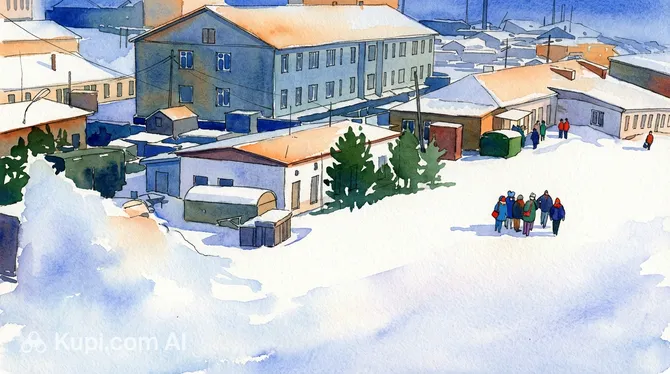
Khatanga. Source: Kupi.com Binoculars

Travelers are often drawn to Khatanga for its unparalleled natural beauty and unique attractions. One of the most famous sites is the Mammoth Museum, a fascinating ice cave dug into the permafrost where ancient mammoth remains are preserved in their natural state. Additionally, the settlement serves as a jumping-off point for visiting the Great Arctic State Nature Reserve, where visitors can witness the stunning flora and fauna of the tundra. For those seeking an authentic adventure at the edge of the world, Khatanga provides an unforgettable experience.

Weather Overview

Located deep within the Arctic Circle, Khatanga experiences an extreme climate defined by its severe winters and short, cool summers. The weather in Khatanga requires serious preparation, as the cold dominates the region for most of the year. January is the coldest month, with average temperatures plummeting to -31.2°C, and frigid conditions persist well into spring, with May still averaging below freezing.

The summer season offers a brief window of milder weather, with July seeing average temperatures of around 12.1°C. While precipitation volume is generally low year-round, often measuring just 1-2mm per month, the warmer months from June to September can be surprisingly damp, featuring up to 12 wet days per month. Travelers should expect very cold, dry winters and cool summers with occasional light rain.

Interesting Facts

Beyond its reputation as a remote Arctic outpost, Khatanga holds fascinating secrets that surprise even seasoned travelers. From prehistoric treasures hidden in the permafrost to cosmic geological phenomena nearby, this settlement is a gateway to the extraordinary.

  • The Ice Cave Museum: Unlike traditional museums with glass cases, Khatanga is home to a unique Mammoth Museum located entirely underground in a permafrost cave. Carved into the frozen riverbank, this natural freezer maintains a constant sub-zero temperature, allowing it to preserve the hair, skin, and bones of the famous Jarkov Mammoth and other Pleistocene giants in their original state.

  • Gateway to "Space" Diamonds: The settlement is the nearest significant outpost to the Popigai Crater, the result of a massive asteroid impact 35 million years ago. This crater contains an estimated trillion carats of "impact diamonds"—industrial-grade gems formed instantly by the pressure of the collision, which are reportedly harder than ordinary diamonds.

  • A Forest at the Edge of the World: Despite being situated far north of the Arctic Circle, Khatanga lies near one of the northernmost tree lines on the planet. The resilient Dahurian larch grows here, defying the typical tundra landscape where usually only mosses and low shrubs can survive the harsh climate.

  • The North Pole Connection: Khatanga serves as a critical logistical hub for high-latitude expeditions. Its airport is one of the few in the Arctic capable of handling heavy aircraft, making it a primary launchpad for travelers and scientists heading to the drifting ice station "Barneo" near the North Pole.

How to Get There

Reaching this remote Arctic outpost is a true expedition, primarily relying on air travel due to the vast distances and lack of ground infrastructure connecting it to the rest of the country. For travelers planning their logistics, you can find all ways to reach the city and detailed route options on our dedicated page.

The settlement is served directly by Khatanga Airport (HTG), which acts as a vital lifeline for the local community and expeditions heading further north. Located just 2.3 km from the center of the town, it offers quick access to the settlement. A trip by taxi or local transport is very short and typically takes around 5 to 10 minutes. While it is a relatively small regional hub with annual traffic of approximately 22,000 passengers, the airport is essential for connecting this isolated region with major cities like Krasnoyarsk.

For clarity, here is a summary of the main airport serving the area:

Airport Name City Passenger Traffic Km from City
Khatanga Khatanga Small 2.3

Main Attractions

Khatanga is a unique destination where the attractions are as extreme and captivating as the landscape itself. As one of the most remote settlements in the Russian Arctic, it serves not only as a logistical base but also as a guardian of prehistoric secrets and natural wonders. Visitors here are treated to sights that cannot be found anywhere else, ranging from ice age giants preserved in permafrost to spiritual landmarks standing at the edge of the habitable world.

The Mammoth Museum is undoubtedly the most famous site in the settlement. Unlike traditional museums, this is a laboratory and exhibition space carved directly into the permafrost, effectively creating a natural ice cave. Inside, the temperature remains below freezing year-round, preserving the remains of woolly mammoths, including the famous Jarkov Mammoth, in their original frozen state. Tourists can walk through these icy corridors to see tusks, bones, and blocks of soil containing ancient biological material, offering a chillingly real connection to the Pleistocene era.

For nature enthusiasts, the Taymyr State Nature Biosphere Reserve is a major draw. While the reserve itself covers vast territories of the tundra further north, its headquarters and museum are located in Khatanga. Here, visitors can learn about the delicate Arctic ecosystem, the massive migrations of wild reindeer, and the successful reintroduction of musk oxen. The center provides deep insights into the flora and fauna of the Taymyr Peninsula and often serves as the starting point for organized ecological tours into the wilderness.

Another significant landmark is the Holy Epiphany Church. Often cited as one of the northernmost Orthodox churches in the world, this wooden structure stands as a symbol of spiritual resilience in the harsh Arctic climate. Its bell tower offers a picturesque view of the Khatanga River and the endless tundra beyond. For travelers, it is a peaceful place to reflect on the history of the explorers and settlers who founded this outpost centuries ago.

Finally, the settlement acts as a living Ethnographic Center. Through local cultural displays and interactions, visitors can discover the traditions of the indigenous Dolgan and Nganasan peoples. From traditional clothing to reindeer herding tools, the local heritage is proudly preserved, offering a warm cultural counterpoint to the frozen landscape outside.

Local Cuisine

The local cuisine in Khatanga is strictly defined by its Arctic location and the traditions of the indigenous Dolgan and Nganasan peoples. Food here is hearty, high in energy, and relies heavily on what can be hunted or fished in the tundra. The absolute star of the local table is stroganina, a delicacy made from raw, frozen fish such as muksun, nelma, or Arctic char. The fish is sliced into thin, curling shavings and dipped in a mixture of salt and black pepper, offering a melt-in-the-mouth texture that is both unique and incredibly fresh.

Another staple of the diet is reindeer meat (venison), which is prepared in various ways to sustain locals through the harsh winters. You might encounter it as a rich, warming soup, stewed with potatoes, or served as dried strips known as yukola, which make for a high-protein snack during expeditions. For a zestier taste of the north, try sugudai, a salad made from chunks of raw fresh fish marinated quickly in oil, vinegar, onions, and spices. It is a flavorful and beloved dish across the Siberian north.

When it comes to drinks, the focus is often on warming up. Locals drink copious amounts of hot black tea, often enhanced with locally gathered berries like cloudberries (moroshka), lingonberries, or blueberries, which are packed with vitamins essential for the climate. While vodka is a standard alcoholic beverage in the region, often consumed to combat the extreme cold, you may also find homemade berry tinctures that offer a sweeter, smoother alternative.

The food culture in Khatanga is pragmatic and hospitable rather than commercial. You will not find bustling street food markets or a wide array of fine dining restaurants here. Dining out is generally limited to the restaurants attached to the main hotels or the airport, where the menu features a mix of standard Russian comfort food and local northern specialties. For the most authentic experience, travelers often rely on the hospitality of local guesthouses or tour organizers who prepare traditional meals using the freshest catch from the Khatanga River.

Travel Tips

Visiting Khatanga is a true expedition into the wild, and unlike a standard city break, it requires meticulous preparation and a respect for the extreme environment. To ensure your Arctic adventure is safe, comfortable, and memorable, we have compiled a list of essential practical tips to help you navigate this remote outpost at the edge of the world.

  1. Clothing and Gear: The golden rule here is "layers, layers, layers." For a winter visit, you need professional-grade Arctic gear: thermal underwear, fleece mid-layers, a windproof down parka, and insulated trousers. Footwear is critical; bring boots rated for at least -40°C with thick soles to insulate against the frozen ground. Don't forget accessories like balaclavas, heavy mittens (warmer than gloves), and polarized sunglasses to protect against snow blindness. If visiting in the short summer, bring a mosquito net and strong insect repellent, as the tundra insects can be ferocious.

  2. Transportation: Khatanga is a small settlement, and the center is entirely walkable. There is no public transport system like buses or trams, and international ride-hailing apps do not operate here. Getting around usually involves walking or arranging transfers through your hotel or tour operator. If you need to travel further afield or to the airport with heavy luggage, locals often operate informal taxi services, but these must usually be booked by phone or in person rather than via an app.

  3. Finances: Cash is absolute king in the Arctic. While a few main shops may accept cards, connection issues are common, and smaller vendors or local craftsmen deal exclusively in cash. The currency is the Russian Ruble (RUB). Bring enough cash with you from a major city like Krasnoyarsk before you fly, as ATMs in the settlement can be unreliable or empty. Tipping is not strictly mandatory but is appreciated by guides and drivers who work in harsh conditions.

  4. Health and Safety: Medical facilities in Khatanga are limited to a basic hospital and pharmacy, which may not stock specific prescription medications. Bring a full personal first-aid kit with all necessary supplies. In terms of safety, the biggest threats are the cold and wildlife. Never underestimate the weather; frostbite can occur in minutes. Regarding crime, the settlement is generally safe and tight-knit, but standard precautions apply.

  5. Communication: Do not expect to hear English spoken; knowledge of the Russian language is essential for independent travel. It is highly recommended to download an offline translation app and offline maps before arrival. Mobile coverage is available but can be spotty; major Russian operators like MTS or MegaFon typically offer the best connectivity in these remote regions. Wi-Fi is rare and often slow (satellite-based), so be prepared for a digital detox.

  6. Local Etiquette: Hospitality in the North is warm but reserved. It is customary to remove your shoes immediately upon entering a home or guesthouse—this is crucial to keep living spaces clean from snow and mud. When interacting with indigenous Dolgan or Nganasan people, ask for permission before taking close-up photographs, especially of children or traditional rituals, as a sign of respect.

  7. What to Avoid: Never wander out of the settlement into the tundra alone without notifying someone and having a guide. The landscape is disorienting, and weather changes rapidly. Additionally, avoid photographing infrastructure that might be considered strategic, such as airport security areas or border control points, as this is a sensitive border zone.

  8. Border Zone Permit: This is perhaps the most critical tip. Khatanga is located in a regulated border zone. Foreign tourists (and even non-resident Russians) typically require a special FSB border permit to visit. This document must be applied for roughly 60 days in advance. Attempting to land without it will result in fines and immediate deportation, so ensure your paperwork is flawless before booking your flight.

By packing the right gear and respecting the local rules of the North, you will find that Khatanga opens up as a welcoming and awe-inspiring destination. Embrace the silence of the tundra, trust in the expertise of local guides, and enjoy the unique experience of life above the Arctic Circle.

Entertainment & Nightlife

When it comes to nightlife and entertainment, Khatanga is a world away from the bustling metropolises of the mainland. Travelers should not expect neon-lit avenues, thumping nightclubs, or a variety of cocktail bars. Instead, the "nightlife" here is defined by the unique camaraderie of the Arctic: warm gatherings in cozy interiors, shared stories among expedition members, and the awe-inspiring natural light show of the Aurora Borealis outside. The atmosphere is quiet, intimate, and deeply connected to the rhythms of life in the Far North.

The social hub of the settlement is undoubtedly the Khatanga Airport Hotel Restaurant. As the primary accommodation for pilots, scientists, and tourists, its dining hall serves as the de facto evening meeting point. Here, the vibe is casual and welcoming. You are likely to find a mix of locals and travelers enjoying hearty Russian meals and hot tea or vodka after a long day in the cold. It is the best place to exchange tips with fellow adventurers or listen to stories from polar aviators. There is no dress code; thermal layers and wool sweaters are the standard evening attire.

For a glimpse into local life, the House of Culture (Dom Kultury) is the center of community entertainment. While it is not a nightclub, it frequently hosts concerts, traditional dance performances by indigenous groups, and holiday celebrations. On weekends, it may host local discos or social dances which offer a rare opportunity to interact with the residents in a festive setting. These events are modest but spirited, reflecting the tight-knit nature of the community.

The most spectacular evening entertainment in Khatanga requires no ticket and has no closing time: the Northern Lights. During the long winter nights, the lack of light pollution makes the settlement a prime location for viewing the Aurora. Simply stepping outside your accommodation—dressed in your warmest gear—can provide a mesmerizing experience that rivals any city show. The best "district" for this is simply the edge of the village, facing away from the streetlights towards the river.

Practical advice for evening outings is simple: carry cash, as card machines are unreliable, and dress for extreme cold even if you are just walking a short distance. Most venues close relatively early, often by 9:00 PM or 10:00 PM, though the hotel restaurant may stay open a bit longer depending on guests. Safety in terms of crime is generally not a concern in this small community, but the environment poses risks. Avoid walking alone on the outskirts of the settlement at night due to the potential presence of stray dogs or, on rare occasions, wild animals. Taxis are informal; it is best to ask your hotel receptionist to call a driver for you if you need to move around.

During the daylight hours (or the twilight of the polar day), entertainment focuses on exploration and history. Visitors can arrange tours to the famous Mammoth Museum in the ice caves or visit the Ethnographic Center to learn about the Dolgan culture. These activities provide the cultural context that makes the quiet evenings in this remote outpost feel so profound and meaningful.
Parks & Museums

In the remote settlement of Khatanga, the concept of urban parks takes on a different meaning compared to typical tourist destinations. Instead of manicured lawns and flowerbeds, the area offers access to the untamed wilderness of the Arctic. As a key outpost in Russia, the settlement's "green spaces" are the endless tundra, and its cultural sites serve as guardians of polar history rather than traditional recreational gardens.

The banks of the Khatanga River function as the main natural promenade for the village. During the short summer, the riverfront becomes a scenic spot for walking, offering panoramic views of the wide water and the flat, horizon-stretching landscape beyond. In the winter months, the high banks provide an ideal location for observing the Northern Lights, allowing visitors to step away from the settlement's artificial lighting to witness the aurora in the dark polar sky.

For those seeking a truly atmospheric site, the "Ship Graveyard" along the river is a unique highlight. This informal open-air gallery consists of abandoned barges and ships from the Soviet era, left to rust on the riverbanks. The decaying industrial hulls set against the backdrop of the pristine Arctic environment create a surreal and gritty scene, making it a favorite spot for photographers looking for unconventional travel shots that capture the intersection of human history and nature.

The surrounding environment itself acts as a vast nature park. The tundra begins right where the village ends, offering a landscape dominated by mosses, lichens, and hardy wildflowers in the summer. While the Taymyr State Nature Biosphere Reserve manages these protected lands and operates an educational center in town, the immediate appeal for visitors is the ability to witness the sheer scale and silence of the Arctic wilderness just steps from their accommodation.

Indoors, the settlement's heritage is preserved in its specialized museums. While the Mammoth Museum and the Museum of Nature and Ethnography are the region's primary attractions, they also function as essential educational spaces. These institutions act as the region's memory, storing everything from ancient mammoth tusks found in the permafrost to the traditional tools of indigenous peoples, providing a deep historical context that complements the raw nature outside.

Getting Around

Due to the small size and remote nature of the settlement, Khatanga does not have a formal public transport system. Travelers will not find buses, trams, trolleybuses, or a metro network here. The village is compact, and its infrastructure is not designed for high-volume passenger transit. Instead, the community relies on private vehicles and walking to navigate the local area.

The primary way to get around the center is on foot. Most key locations, including the hotel, the airport, shops, and the administration buildings, are situated relatively close to one another. However, tourists must be mindful of the extreme weather conditions. While distances are short, walking in sub-zero temperatures with strong winds requires professional-grade winter clothing. During the polar night or severe snowstorms, moving around on foot can be difficult, and visibility may be poor.

For distances that are too long to walk, or when traveling with luggage, local taxis are the only viable motorized alternative. These are typically private cars operated by local residents rather than branded taxi fleets. There are no ride-hailing mobile apps operating in the settlement. To secure a ride, you should ask the receptionist at your hotel or the staff at the airport to call a driver for you. It is also possible to find phone numbers for local dispatchers posted in public places, but speaking the local language is usually necessary to book this way.

The payment system for transport is strictly cash-based. There are no travel cards, passes, or electronic payment terminals in vehicles. You must pay the driver directly in the local currency upon reaching your destination. Fares are generally fixed for trips within the village boundaries and are relatively affordable. It is highly recommended to carry small banknotes, as drivers may not have change for large denominations.

Regarding airport transfers, the airport is located just a few kilometers from the center of the settlement. There is no shuttle bus service connecting the terminal to the village. Most visitors arrange transfers in advance through their accommodation provider or tour operator. If you have not booked a transfer, you can usually find a local driver waiting outside the terminal upon the arrival of a flight, ready to take passengers to the main hotel or guesthouses.

Accommodation

Accommodation in Khatanga is strictly functional and limited, reflecting its status as a remote Arctic outpost rather than a mainstream tourist destination. Visitors should not expect luxury resorts, international chains, or a wide variety of boutique options. instead, the available lodging is designed primarily to serve the needs of polar pilots, expedition members, and scientists. The standards are generally basic to mid-range, focusing on providing warmth, shelter, and essential amenities in the harsh climate.

The settlement is compact, so location is rarely an issue; almost any accommodation will be within walking distance of the airport, the main shops, and the administration buildings. The most prominent and reliable option is the hotel attached to the airport complex. This facility serves as the community's main hospitality hub, offering standard rooms that are heated and comfortable, though modest in decor. It is the default choice for most travelers and is conveniently located just minutes from the terminal.

Beyond the main hotel, there are a few small, privately run guesthouses or "homestays" that may offer a more domestic atmosphere. These options can provide a unique insight into local life but vary in quality and availability. They are often less formal than the hotel and may have shared facilities. Staying in these smaller establishments often requires a local contact or arrangement through a tour operator.

Booking Tip: Do not rely on major international booking platforms or apps, as local properties are rarely listed there. Accommodation is best secured well in advance by contacting the hotel directly by phone or through a specialized Arctic tour agency. During the peak expedition seasons (spring and summer), rooms can fill up quickly with groups heading to the North Pole.

Prices and Payment: Despite the basic nature of the facilities, prices can be higher than expected for the level of comfort provided, due to the high costs of maintaining infrastructure in the Far North. Payment is almost exclusively in cash (rubles). Credit card terminals are often unavailable or subject to connection failures, so travelers should arrive with sufficient funds to cover their entire stay.

Nearby Cities

For those looking to extend their journey beyond the immediate settlement, Khatanga serves as a starting point for further regional exploration. In the vast Russian Arctic, "nearby" implies distances of several hundred kilometers, making these locations suitable as next destinations on a broader itinerary rather than simple day trips.

Norilsk is the most prominent city in the wider vicinity, known as one of the northernmost major cities in the world. Visitors here can explore its unique Soviet-era architecture, the Nord Kamal Mosque, and learn about the industrial history of the polar region. It stands as a testament to human resilience in extreme conditions.

Another fascinating destination is Dudinka, a key port city located on the banks of the Yenisey River. It is renowned for the Taimyr Regional Museum, which houses extensive collections dedicated to the indigenous peoples of the Taymyr Peninsula and displays well-preserved mammoth remains. The city serves as a cultural capital for the region, offering deep insights into the traditions of the Dolgan, Nganasan, and Nenets peoples.

For those interested in geological wonders, Udachny offers a different perspective. Located near the Arctic Circle, it was built to support the diamond mining industry. The massive Udachnaya open-pit mine is a breathtaking sight, showcasing the immense scale of resource extraction in the north. While remote, it provides a stark and impressive example of industrial development in the wilderness.

City Population Distance (km)
Norilsk 179554 600
Dudinka 21015 662
Udachny 12000 731
Krasnoselkup 7300 1056
Tazovsky 5981 1037

These destinations offer a glimpse into the diverse culture and landscapes of the wider region.

Shopping & Souvenirs

Shopping in Khatanga is a strictly practical affair, reflecting the settlement's nature as a remote Arctic outpost rather than a tourist destination. You will not find designer boutiques, sprawling shopping complexes, or international brand chains here. Instead, the local retail scene focuses on survival essentials: groceries, warm clothing, and household goods necessary for life in the tundra. However, for the curious traveler, this isolation offers a unique opportunity to purchase authentic northern goods and indigenous crafts that are impossible to find anywhere else.

There is no designated "shopping district" in the traditional sense. Most shops are concentrated in the center of the settlement, within walking distance of the airport and the main hotel. A stroll along the central streets will reveal a collection of small, multi-purpose stores often housed in modest wooden or concrete buildings. These general stores typically stock a mix of everything from canned food and bread to winter boots and fishing gear, serving the immediate needs of the local population and expedition members.

Travelers looking for large shopping malls will not find them here. The closest thing to a department store is likely a small "Univermag" or trading center (Torgovy Tsentr) which operates as a collection of small counters under one roof. These venues are purely functional, offering imported goods brought in by air or river barge during the short navigation season. The selection can vary greatly depending on when the last shipment arrived.

While there is no grand central market, the local trade in natural products is a highlight. You may find informal markets or direct sales from locals offering the bounty of the Arctic. This is the best place to find fresh or frozen fish like muksun and char, as well as reindeer meat. If you are visiting during the appropriate season, you might also find locally gathered berries such as cloudberries and lingonberries, which are highly enlarged for their vitamin content.

Souvenirs are the true hidden gem of Khatanga's shopping experience. The region is famous for the craftsmanship of the indigenous Dolgan and Nganasan peoples. The most prized items include:

  • Mammoth Bone Carvings: As a center for mammoth research, local artisans often carve exquisite figurines and jewelry from ancient tusks found in the permafrost.
  • Fur Goods: Authentic high boots made from reindeer fur, known as untai, are not only beautiful souvenirs but also the warmest footwear you can own.
  • Beadwork and Amulets: Intricate traditional embroidery and decorative items made from leather and beads.
  • Smoked and Dried Fish: A delicious and transportable gift (yukola) that captures the taste of the North.

Opening hours are generally standard, with most shops operating from around 9:00 AM or 10:00 AM until 7:00 PM or 8:00 PM. Some smaller grocery stores may stay open a bit longer. Lunch breaks from 1:00 PM to 2:00 PM are still common in some establishments.

Regarding payment methods, cash is absolutely essential. While some larger stores may have card terminals, internet connectivity in the Arctic is often unstable, leading to transaction failures. Local craftsmen and market sellers deal exclusively in Russian Rubles. There is no Tax-Free shopping system available in the settlement.

Reached the end of the page?

That means the route is fully explored