Support

Kropotkin

About

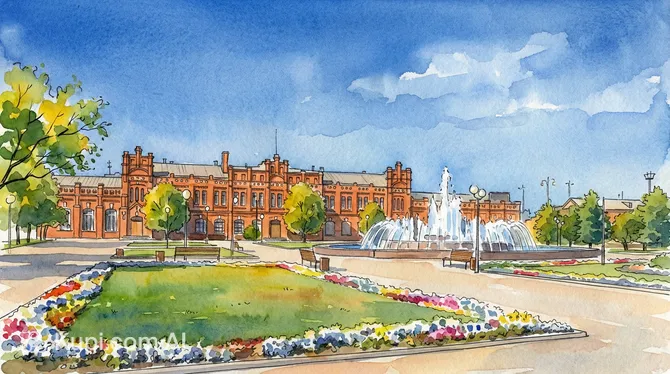
Kropotkin is a cozy and green city located on the picturesque right bank of the Kuban River in the Krasnodar Territory. It is often called the "city of railway workers" because it is here that the region's vital transport arteries intersect. This place attracts travelers with its calm, peaceful atmosphere, abundance of sunny days, and well-maintained streets surrounded by greenery.

Kropotkin. Illustration.
Source: Kupi.com AI

Located in southern Russia, the city features a mild climate typical of the steppe zone, making it pleasant to visit almost year-round. Today, it is home to over 78,000 people. Kropotkin harmoniously combines the features of an important industrial center with those of a quiet provincial town, where it is pleasant to walk and take a break from the hustle and bustle of large metropolises.

The rich history of Kropotkin originates from the Romanovsky farmstead, and its path is inextricably linked with the development of railways. The main architectural landmark of the city is rightfully considered the magnificent railway station building with a singing fountain on the square in front of it. Tourists will also find it interesting to visit the majestic Holy Protection Cathedral and stroll through the 30th Anniversary of Victory Culture and Leisure Park, where corners of untouched nature have been preserved.

If you are planning a trip through the Krasnodar Territory, be sure to make a stop in Kropotkin. This city will give you a sense of home comfort, allow you to enjoy beautiful architecture, and experience true southern hospitality.

Weather Overview

The climate in Kropotkin is characterized as moderate-continental with features of the steppe. This provides the region with mild winters and hot, sunny summers. Thanks to its southern location, the city pleases guests with comfortable weather most of the year, although seasonal temperature fluctuations are quite clearly expressed.

The summer season is the warmest time of the year. In August, the average temperature reaches +25.9°C, and on the hottest days, the air can warm up to +31.8°C. During this period, the minimum amount of precipitation falls: only about 4 rainy days per month, making summer ideal for walks and outdoor recreation.

Winter here passes without severe cold. In January, the average thermometer readings stay at +1.1°C. Night frosts do occur, but they usually do not drop below -2.4°C. However, you should be prepared for precipitation: in winter, there are up to 11 days with rain or snow per month.

Spring and autumn bring a pleasant coolness and freshness. Already in May, the average temperature rises to a comfortable +16.8°C, and September continues summer traditions with readings around +20.2°C. To ensure your trip is as comfortable as possible, we recommend checking the current weather in Kropotkin before departure.

Average monthly temperature

Average monthly precipitation

Interesting Facts

In addition to its main attractions, Kropotkin holds many fascinating secrets and historical details that are revealed only to curious travelers. Here are a few facts that allow you to look at this southern city from a new perspective:

  • A unique name on the map. Kropotkin is one of the few cities named after the theorist of anarchism, Prince Peter Kropotkin. Notably, the famous geographer and revolutionary never lived here. The renaming of the Romanovsky farmstead took place in 1921 at the initiative of local residents who wished to immortalize the scientist's memory shortly after his passing.

  • A station that looks like a palace. The railway station building, built in 1903, is considered one of the most beautiful in the North Caucasus. The architectural style of the building is so elegant that tourists often compare it to a theater or a palace, and the singing fountain in front of the entrance only enhances this impression.

  • Traces of ancient civilizations. The territory of the modern city was inhabited long before the appearance of the railway. Archaeologists have discovered 16 ancient kurgans (burial mounds) dating back to the Bronze Age in the surrounding areas and within the city limits. These finds testify that Meots and Sarmatians lived here thousands of years ago.

  • Symbol of the Cossack watch. The coat of arms of Kropotkin reflects its historical roots: it depicts a golden watchtower and crossed spears. This symbol serves as a reminder that the settlement arose on the site of a military post guarding a ford across the Kuban River at the end of the 18th century. The tower personifies the vigilance and glorious past of the founding Cossacks.

How to Get There

Kropotkin is an important transport hub in Southern Russia, so it can be reached in various ways. You can find more about how to get to Kropotkin by studying all available routes, but most often travelers choose a combination of air travel and ground transport or a direct train journey.

Kropotkin itself does not have its own airport. The nearest and most convenient option is Pashkovsky Airport (IATA: KRR), located in the city of Krasnodar. The distance to Kropotkin is about 120 km. The journey by taxi or intercity bus will take approximately 2.5–3 hours. This is a major transport hub that receives flights from many cities across the country. Detailed information can be found on the Pashkovsky page.

An alternative option is Stavropol Airport (IATA: STW), located in the city of Stavropol, approximately 127 km from Kropotkin. Travel time by car is about 3 hours. Although passenger traffic here is lower than in Krasnodar, this route may be convenient for travelers arriving from the east. Link to the airport description: Stavropol Airport.

For clarity, here is summary information on the main regional airports through which you can reach the city:

AirportPassenger trafficDistance
Pashkovsky4.2 mln120 km
Stavropol Airport549 643127 km
Gelendzhik450 000222 km
Adler13.7 mln225 km
Platov Airport2.9 mln234 km

Railway communication is one of the most popular ways to get to the city, as Kropotkin historically developed as a major junction station. The city's main station is called Kavkazskaya. Please note: when searching for tickets, you should specify this exact name, not "Kropotkin". The station is located within the city limits, just 1.2 km from the center, so you can reach your hotel very quickly. The station serves a huge number of trains heading to Black Sea resorts and the North Caucasus.

Also, in the neighboring city of Tikhoretsk, there is a large junction station called Tikhoretskaya, located about 58 km from Kropotkin. If there are no direct tickets to Kavkazskaya station, you can go to Tikhoretsk and cover the remaining distance by bus or taxi in about an hour.

Below is information about the nearest railway stations:

StationPassenger trafficDistance
Kavkazskaya Station1.5 mln1 km
Gulkevichi Station14 km
Temizhbekskaya Station22 km
Otrado-Kubanskaya Station30 km
Rashchevatka Station150 00051 km
Ladozhskaya Station70 00052 km

Main Attractions

Despite its compact size, Kropotkin possesses a special charm that is best revealed through its architecture and cozy public spaces. The city is not overloaded with tourist hustle, allowing you to peacefully enjoy the sights of its main symbols, closely linked to the history of railway development and the Cossack traditions of southern Russia.

The absolute highlight and the main pride of the local residents is the Railway Station Building of the Kavkazskaya station. Built in 1903, it is a true architectural masterpiece, more reminiscent of a noble estate or a theater than a transport hub. Tourists should pay attention to the graceful arches, stucco work, and the majestic dome of the building. In the evening, the square in front of the station is transformed by the singing fountain, which creates a romantic atmosphere and is a popular spot for photo sessions.

To immerse yourself in the region's history, be sure to visit the City Museum of Local Lore. It is located in a historical building which is an architectural monument from the end of the 19th century. The museum's exhibition is rich and diverse: here you can see unique archaeological finds from the Meotian culture, items of Cossack daily life, and documents telling the story of the small farmstead's transformation into an important industrial center. This place will be interesting for those who want to understand the soul of this steppe region.

The spiritual center of the city is the majestic Holy Protection Cathedral. The temple draws attention with its golden domes and classic Byzantine-style architecture. A peaceful atmosphere reigns inside, and the wall paintings are executed with great skill. The area around the cathedral is well-kept and conducive to quiet walks, allowing visitors to rest from the city noise and enjoy the silence.

Nature lovers and those who enjoy leisurely promenades should head to the 30th Anniversary of Victory Culture and Leisure Park. This is a green oasis within the city limits where you can hide from the southern sun in the shade of the alleys. The park has preserved sections of natural forest, giving it a special charm. There are attractions for children, convenient walking paths, and on holidays, the park becomes the center of the city's cultural life with concerts and folk festivals.

Local Cuisine

The cuisine of Kropotkin is a vibrant and generous embodiment of the gastronomic traditions of southern Russia. Here, in the heart of fertile Kuban, food is elevated to a cult: portions are large, flavors are rich, and ingredients are predominantly local, grown under the hot southern sun. The city's gastronomic scene is a colorful mix of Russian, Ukrainian, and Cossack culinary customs.

The main dish that every guest must try is authentic Kuban borscht. Unlike the classic recipe, here it has its own unique light orange hue thanks to the use of specific local tomatoes and the absence of beets in some variations of the "zazharka" (sautéed base). The borscht here is hearty, thick, and always served with pampushki (garlic rolls), garlic, herbs, and homemade sour cream. You should also pay attention to vareniki—they are masterfully prepared here with a wide variety of fillings: from salted cottage cheese and potatoes with fried onions to sweet cherries and strawberries.

Speaking of drinks, one cannot fail to mention the local pride. Kropotkin is famous for its brewery, one of the oldest in the region. Local beer (often known under the "Krop-Pivo" brand) is considered the city's signature mark, and tourists often buy it as a gastronomic souvenir. For those who prefer non-alcoholic drinks, homemade kvass or uzvar (a dried fruit compote) is an ideal choice, perfectly quenching thirst in the summer heat.

The food culture in Kropotkin is divided into two directions: cozy family cafes and colorful markets. Locals highly value the freshness of products, so the Central Market is a point of attraction not only for shopping but also for getting acquainted with local flavors. Here you can try and buy the famous Kuban salo (cured fat), homemade cheeses, aromatic sunflower oil, and seasonal fruits. In restaurants, an atmosphere of southern hospitality prevails: you will be greeted warmly and fed so heartily that you will have enough energy for long walks around the city.

Travel Tips

A trip to Kropotkin is an immersion into the atmosphere of southern hospitality and a calm pace of life. To ensure your visit to this cozy city on the banks of the Kuban is as comfortable and hassle-free as possible, we have prepared a list of useful recommendations based on the experience of locals and seasoned travelers.

  1. Clothing and Seasonality. The climate here is southern, so in summer be sure to bring a hat, sunglasses, and clothes made of natural fabrics—the heat can be intense. However, in winter and the off-season, piercing winds blow in the steppe zone, so a windproof jacket will be very handy. If you plan to visit the Holy Protection Cathedral, remember the dress code: women will need a headscarf, and clothing should cover shoulders and knees.

  2. Transport and Navigation. Kropotkin is a compact city, and its historical center is pleasant to explore on foot. For trips to remote areas, it is convenient to use fixed-route taxis and buses that run regularly. Popular taxi apps (such as Yandex Go) also work well here, and trips around the city are inexpensive. Renting a car only makes sense if you plan to go outside the city to explore the Krasnodar Territory.

  3. Finances and Cash. Bank cards of Russian payment systems are accepted without problems in supermarkets, hotels, and most cafes. However, for visiting the famous Central Market, buying bus tickets, or a snack at small kiosks, you will definitely need cash. There are enough ATMs in the center and near the station area, but it's better to have small bills in reserve.

  4. Health and Safety. The city is calm and safe for tourists, but standard precautions won't hurt: keep an eye on your belongings near the railway station and market. In summer, the main danger is the sun—use SPF creams. Pharmacies are common in the city; 24-hour service points are easiest to find in the area of Krasnaya Street and the station square.

  5. Communication and Connectivity. The main language of communication is Russian; English is not spoken everywhere. We recommend downloading offline maps in advance (for example, 2GIS or Yandex Maps); they are very detailed here and will help you find the right address or transport route without internet access. Wi-Fi is available in most cafes and hotels, but mobile internet (4G) is reliable throughout the city.

  6. Local Etiquette. People in the south of Russia are open and emotional. It is customary to say hello when entering small shops or elevators. At the market, it is quite appropriate to haggle a little, but you should do it with a smile and respect for the seller—then they might not only lower the price but also help you choose the best product.

  7. What to Avoid. It is categorically not recommended to swim in the Kuban River in unequipped places. The river has a strong current, whirlpools, and a difficult bottom, so it is better to choose only officially permitted zones or city pools for water recreation. Also, avoid buying homemade wine or spirits from the hands of random sellers—the quality of such drinks is questionable.

  8. Additional Tip. If you arrived by train and have a transfer at Kavkazskaya station, be careful with the time. The station is within the city limits, and the temptation to run into town is great, but remember that security checks at the entrance can take time. And if you want to buy gastronomic souvenirs (oil, salo, fish), go to the market first thing in the morning—by lunchtime, the stalls with the best farm products are already empty.

Kropotkin is a city that does not require rushing. By following these simple tips, you can easily blend into the local rhythm of life, enjoy the southern sun, and take away only the warmest memories of your stay on the hospitable Kuban land.

Entertainment & Nightlife

The nightlife and entertainment scene in Kropotkin match the rhythm of a quiet provincial town. You won't find noisy metropolitan clubs with world-class DJs or rave parties until dawn here. Evening leisure is more intimate and "cozy": locals prefer to spend time in inviting restaurants with live music, karaoke bars, or taking leisurely walks along the beautifully lit central alleys.

The epicenter of evening activity is Krasnaya Street and its surrounding area. This is where, along with the Railway Station Square district, most of the city's life is concentrated after sunset. In the evening, the street becomes a place for a promenade: young people, families with children, and tourists all walk here. The atmosphere is very democratic and relaxed; the dress code in most establishments is casual, although guests tend to dress up more for restaurant visits on Fridays and Saturdays.

The main format of night entertainment in Kropotkin is cafe-bars and gastropubs, which transform into dance floors closer to the night. Establishments where you can not only have dinner but also sing your favorite songs are popular, as karaoke culture is quite well-developed here. The musical repertoire usually consists of popular Russian and international hits. The average bill in such places will pleasantly surprise guests from larger cities—the prices here are very moderate.

Regarding cultural leisure that flows into the evening, the "Mir" Cinema is worth noting. This is a modern venue where you can watch the latest film releases in comfortable halls. For fans of more classic entertainment, the Railway Workers' House of Culture operates, occasionally hosting concerts by touring artists, theatrical productions, and city festive events. It is best to check the schedule in advance on local posters.

As for safety, Kropotkin is a peaceful city. The center and the station area are well-lit and patrolled, so evening walks here do not cause concern. However, as in any city, it is better to avoid unlit outskirts and industrial zones at night. For moving around at night, using a taxi is the most convenient and safest option. Popular aggregators (such as Yandex Go) operate here, cars are dispatched quickly, and a trip around the city is inexpensive.

A practical tip for tourists: if you plan to visit a popular cafe or karaoke on weekends (Friday, Saturday), it is better to book a table in advance, as the number of seats in good establishments is limited. Most kitchens close by 11:00 PM, but bars may stay open until 1:00 AM or 2:00 AM, especially on weekends.

Parks & Museums

Despite its status as an industrial and transport hub, Kropotkin pleasantly surprises guests with its number of green zones and careful attitude toward historical heritage. The city offers travelers the opportunity to relax in shady alleys after a long journey and to get acquainted with the rich cultural traditions of the Kuban Cossacks in local museums.

The main point of attraction for nature lovers is the 30th Anniversary of Victory Culture and Leisure Park. This is a true green oasis where Crimean pines grow, creating a unique microclimate and filling the air with a healing coniferous scent. The park is great for family vacations: there are attractions, well-equipped walking paths, and picnic areas. It is an ideal place to hide from the summer heat and enjoy the silence of the forest while remaining within the city limits.

For leisurely evening walks, the Central City Square and the boulevard section of Krasnaya Street are excellent. These are well-maintained public spaces with flower beds, cozy benches, and fountains, where locals like to gather. A peaceful atmosphere reigns here, allowing you to take in the architectural appearance of the historical center and feel the rhythm of provincial life.

To dive into the region's past, the Kropotkin City Museum of Local Lore invites visitors. It is housed in a beautiful historical building—the former house of merchant S.S. Khudoyerko, which is an architectural monument in itself. The museum's exhibition covers a huge span of time: from unique archaeological finds of the Bronze Age and the Scythian-Sarmatian period to the history of the construction of the Vladikavkaz Railway. Of particular interest to tourists is the ethnographic collection, which reproduces in detail the daily life, costumes, and way of life of the Kuban Cossacks.

Among the architectural landmarks, besides the famous station building, the Holy Protection Cathedral stands out. This majestic temple, built in the Byzantine style, is the spiritual heart of the city. Its golden domes are visible from afar, and the interior decoration impresses with the skill of the paintings. Also of interest are the preserved merchant mansions of the late 19th and early 20th centuries in the historical center, which give Kropotkin the special charm of an old southern city.

Local tip: If you want to see the city from an unusual perspective, head to the "Sosnovy Bor" (Pine Forest) park area. This place is not as well-known among transit tourists as the central park, but it is here that you can encounter tame squirrels that often come out to people and take beautiful nature photos.

Getting Around

The public transport system in Kropotkin is simple and clear, which is typical for small cities. There is no metro, trams, or trolleybuses here. The main burden of passenger transportation is carried by buses of small and medium capacity, as well as numerous fixed-route taxis (marshrutkas). The route network covers almost the entire city, connecting the railway station, center, residential neighborhoods, and industrial zones. Transport runs quite regularly; intervals during peak hours are 10–15 minutes, but may increase during the day.

Fare payment in most cases is made in cash directly to the driver upon entry. The fare is democratic and one of the lowest in the region. Terminals for contactless payment with bank cards are starting to appear in some new buses, but you should not rely solely on them. Tourists are strongly recommended to always carry small cash and coins, as change for large bills may not always be available from the driver.

The public transport schedule has its own peculiarities. The first minibuses go on the line around 6:00 AM, and movement ends fairly early—after 8:00 PM or 9:00 PM, it becomes problematic to get anywhere by bus. If you are planning a late walk or arrive by a night train, it is better to think over alternative travel options in advance.

The most convenient and inexpensive alternative to public transport is the taxi. Popular aggregators (for example, Yandex Go), as well as local dispatch services, operate stably in the city. A car can be called through an app or by phone; the arrival time is usually 5–7 minutes. Trips around the city are inexpensive, making taxis an excellent choice for tourists with luggage or those who do not want to adjust to the bus schedule.

Car sharing is not currently developed in Kropotkin, so it is not possible to rent a car per minute. However, in warm weather, electric scooter rental services (kicksharing) can be found on the streets and in parks. This is a great way to quickly get from one attraction to another while enjoying the good weather. To navigate public transport routes, it is most convenient to use the 2GIS or Yandex Maps applications, which show current traffic schemes and stops.

Accommodation

Accommodation options in Kropotkin are mainly geared towards transit passengers and business travelers. The city does not have luxury five-star resorts; however, there is a decent selection of housing in the "economy" and "middle class" segments. Travelers can choose between classic hotels, small cozy mini-hotels, roadside motels, and private apartments rented out by the day.

When choosing a district, you should start from the purpose of your visit. For those making a transfer by rail, the ideal option would be accommodation near the railway station (Kavkazskaya station). Several hotels are concentrated here, which can be reached on foot with luggage in 5–10 minutes. If you want to get to know the city better, we recommend considering options in the historical center (along Krasnaya Street). This will allow you to live within walking distance of parks, museums, and cafes while enjoying the silence of the green streets.

The price policy in the city is very democratic and accessible to most tourists. The main price range varies from budget to mid-range. It is better to book rooms through popular Russian online platforms or by calling directly. The market for short-term apartment rentals is also developed in the city, which can be convenient for families with children who value having their own kitchen.

Booking tip: Given that Kropotkin is an important transit hub on the way to the Black Sea, housing demand rises sharply during the summer season (July–August). To avoid being left without a place to stay during a transfer, we strongly recommend booking accommodation in advance, at least a few weeks before the trip.

Nearby Cities

For those who want to explore the surrounding area, Kropotkin serves as an excellent starting point for day trips to several interesting nearby locations:

CityPopulationDistance
Gulkevichi34 21513 km
Novoalexandrovsk26 76152 km
Tikhoretsk57 77158 km
Kurganinsk48 43961 km
Armavir190 70966 km

The most accessible option for a short trip is Armavir. Located just an hour's drive away, this city is interesting for its historical architecture and cozy parks. Tourists often visit it to see the unique monument marking the passage of the 45th parallel and to stroll through the well-maintained center. Armavir is also famous for its drama theater, one of the oldest in the Kuban, and its rich history of the Cherkesogai (Mountain Armenians) who founded the city.

To experience another culture, head to Maykop—the capital of the Republic of Adygea. The city attracts guests with its national flavor, the majestic Cathedral Mosque with azure domes, and the National Museum, which houses the treasures of ancient kurgans. In addition, Maykop is considered the gastronomic capital of the region: here you can try authentic Adygean cheese and national cuisine. The city also serves as a gateway to mountainous Adygea with its waterfalls and caves.

If you are ready to spend a bit more time on the road, be sure to visit Krasnodar. The region's main city offers entertainment for every taste: from shopping in large malls to walking along the historic Krasnaya Street. The main modern attraction, for which tourists from all over the country come here, is Park "Krasnodar" (known as Galitsky Park)—an incredibly beautiful and well-designed modern space with exotic plants and art objects.

These nearby destinations provide an insight into the diverse culture and landscapes of the region.

Shopping & Souvenirs

Shopping in Kropotkin has a calm, provincial character. You won't find huge malls with luxury brands or world-class outlets here; however, the city fully meets the needs of residents and guests for quality goods. The shopping sphere is represented by a harmonious combination of modern chain stores, small private shops, and colorful markets where you can buy products from local farmers. For tourists, shopping here is primarily an opportunity to buy delicious Kuban delicacies and locally produced goods.

The main shopping artery of the city is traditionally Krasnaya Street. Walking along it, you can find many shops for clothing, shoes, cosmetics, and accessories. There are both salons of federal chains and small boutiques of local entrepreneurs. The street is attractive because shopping here is easy to combine with sightseeing and relaxing in cafes, making the process pleasant and untiring.

Among the shopping centers, TC "Oasis" stands out. This is a modern complex popular among citizens. It houses mass-market clothing stores, electronics salons, children's goods, and a food court. Although it is smaller in scale than the giants of the regional capital, you can find everything necessary for a comfortable trip or update your wardrobe here. There are also small shopping passages and department stores scattered throughout the central districts.

The true heart of local trade is the Central Market. This is a place that is definitely worth visiting for the atmosphere of a southern bazaar. The stalls here are bursting with fresh vegetables and fruits grown on the fertile land of Russia. Special attention should be paid to the fish rows, where dried and smoked fish caught in local rivers are sold. The market is also famous for homemade dairy products, pickles, and aromatic spices sold by locals.

As souvenirs from Kropotkin, gastronomic gifts are most often taken. The city's trademark is the products of the local brewery—the famous "Krop-Pivo", which is valued by beer lovers far beyond the edges of the territory. Another great gift is real Kuban sunflower oil (unrefined, with the smell of seeds), as a large oil extraction plant operates in the city. Honey, herbal teas, and items with Cossack symbols are also popular.

Most shops and shopping centers are open from 09:00 or 10:00 to 21:00–22:00. Markets live by their own schedule: they open early in the morning, around 07:00, and by 15:00–16:00, trade is already winding down, so it is better to come for fresh products in the first half of the day. Bank cards are widely accepted in supermarkets and shopping centers; however, for purchases at the market, in kiosks, or on public transport, it is strongly recommended to have cash, preferably in small bills.

The Tax Free system (VAT refund) in Russia is available for foreign citizens, but in small cities like Kropotkin, there are practically no shops connected to this system. Tax Free check processing points are usually concentrated in large tourist centers and megacities, so you should not count on a tax refund for purchases here.
Reached the end of the page?

That means the route is fully explored