Support

Magnitogorsk

About

Magnitogorsk is a city defined by its monumental scale and profound industrial heritage. Located in the Russian Federation, specifically in the Chelyabinsk Oblast, it is widely known as a major center of metallurgy and often referred to as the "Steel Heart" of the country. The city possesses a distinct atmosphere where grand Soviet-era architecture meets the daily rhythm of a modern industrial metropolis.

With a population of approximately 418,000 people, Magnitogorsk boasts a truly unique geographical feature: it is situated on the banks of the Ural River, which traditionally marks the boundary between Europe and Asia. This means the city sprawls across two continents, allowing residents and visitors to travel between Europe and Asia simply by crossing a bridge within the city limits.

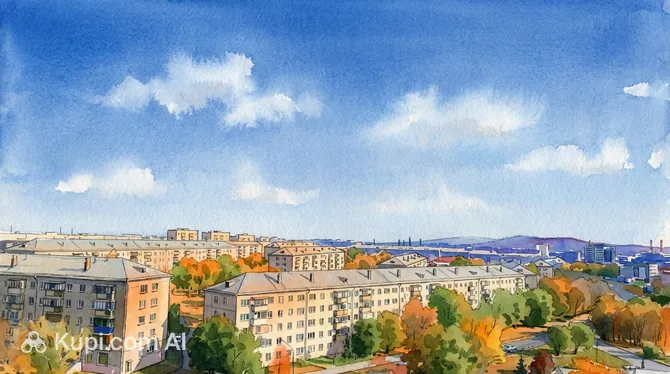
Magnitogorsk. Source: Kupi.Binoculars

The history of Magnitogorsk is a testament to ambitious planning and human determination, as the city was built rapidly in the 1930s near a magnetic mountain rich in iron ore. This legacy is best experienced in the Leninsky district, which features impressive examples of Stalinist neoclassical architecture, offering a window into the urban planning of the early Soviet period.

Among the key attractions is the colossal Rear-to-Front Memorial, a striking bronze monument overlooking the Ural River that serves as a significant cultural landmark. For those interested in nature and recreation, the city is also a gateway to the Ural Mountains, with popular ski resorts and hiking trails located just a short drive away. Magnitogorsk invites travelers to witness the intersection of heavy industry, unique geography, and architectural history.

Weather Overview

The climate in this region is continental, marked by significant differences between the seasons, offering a distinct experience depending on when you visit. Winters are typically cold and demand warm clothing, with average temperatures in January dropping to -14.7°C and lows reaching -18.6°C. Conversely, the summer months offer a pleasant atmosphere, particularly in July when the average temperature reaches a comfortable 19.9°C.

Precipitation is generally light but spread throughout the year, with approximately 6 to 10 wet days each month. For the most accurate and up-to-date forecasts to help you pack, checking the weather in Magnitogorsk is highly recommended before your journey.

Overall, visitors can expect warm summers with occasional rain and cold, dry winters. Spring and autumn serve as transition periods, with May quickly warming up to an average of 12.4°C, while November sees a sharp drop to freezing temperatures.

Interesting Facts

Beyond the main attractions, Magnitogorsk holds many fascinating secrets that reveal the depth of its character and history. Here are some intriguing details about this unique industrial metropolis:

  • The city's famous "Rear-to-Front" monument is part of a monumental triptych that spans across borders. Conceptually, the sword depicted in the statue was forged in Magnitogorsk, raised in Volgograd at "The Motherland Calls" statue, and finally lowered in Berlin's Treptower Park, symbolizing a journey from the foundry to the conclusion of the conflict.

  • Magnitogorsk was originally named after Mount Magnitnaya, a geological anomaly so rich in iron ore that it once caused magnetic compasses to malfunction. Over decades of intensive mining, the mountain has been almost entirely excavated, meaning the city literally consumed the mountain that gave it its name.

  • While the geographical divide is well-known, the local lifestyle offers a quirky twist: residents frequently "commute between continents." It is a daily reality for many to live in Europe on the right bank of the Ural River and travel to work in Asia on the left bank, crossing the boundary twice a day.

  • The city was designed as a model "Socialist City," featuring grand open spaces and rigorous planning. Victory Square serves as a prime example of this architectural ambition, remaining a central venue for major public gatherings and preserving the scale of the 1930s urban design.

Victory Square. Source: Kupi.Binoculars

How to Get There

Reaching this industrial heart of the Urals is possible via several transport hubs, offering flexibility depending on your starting point. For detailed routes and logistics, you can read more about how to get to Magnitogorsk to plan your journey effectively.

The most convenient entry point is Magnitogorsk Airport (IATA: MQF). Situated directly serving the city, it is a regional hub that connects the area with major Russian cities. The airport is located approximately 20 km from the center, and the travel time by taxi or bus is usually around 50 minutes. While it handles a moderate flow of passengers, it remains the primary choice for those prioritizing direct access.

Travelers looking for more extensive international or domestic connections might consider flying into Ufa (IATA: UFA). However, please note that this airport is located in the city of Ufa, which is about 246 km away from Magnitogorsk. It is a large transport node with significant annual traffic. The transfer by road from Ufa can be quite long, taking approximately 6 hours and 30 minutes. Another alternative is Balandino (IATA: CEK) in Chelyabinsk, roughly 265 km away, which also offers a wide range of flights.

For clarity, here is a summary of the main airports:

Airport Name City Passenger Traffic Km from City
Ufa Ufa Large 246.1
Balandino Chelyabinsk Large 265.6
Magnitogorsk Airport Magnitogorsk Medium 20.4
Kostanay Airport Kostanay Small 299.9
Orsk Airport Orsk Small 260.1

Traveling by train is another reliable way to arrive, allowing visitors to experience the scenic landscapes of the region. The city is served by Magnitogorsk Passazhirsky Station, which is centrally located within Magnitogorsk. It sits just 7.4 km from the downtown area, making the final transfer very quick—typically around 30 minutes by taxi. This station is a key node in the regional network, handling a steady stream of travelers throughout the year.

Below is a list of the nearest railway stations:

Station City Passenger Traffic Km to Center
Magnitogorsk Passazhirsky Station Magnitogorsk Medium 7.4
Kartaly-1 Station Kartaly Medium 112.1
Sibay Railway Station Sibay Small 79.9
Beloretsk Railway Station Beloretsk Unknown 77.0
Novoabzakovo Station Beloretsk Unknown 54.2

Main Attractions

The undisputed symbol of the city is the Rear-to-Front Memorial (Tyl-Frontu). This colossal 15-meter bronze monument depicts a worker handing a sword to a soldier, symbolizing the vital contribution of Magnitogorsk's steel industry to the victory in World War II. It is part of a famous triptych that includes the "Motherland Calls" in Volgograd and the "Warrior-Liberator" in Berlin. Standing on a hill overlooking the Ural River, it offers a powerful atmosphere and panoramic views of the industrial skyline.

For those appreciating architectural history, Victory Square is a must-visit location on the city's Left Bank. It serves as the heart of the original "Socialist City" and showcases the grandeur of Stalinist Empire style architecture. The square is surrounded by imposing buildings with intricate facades, transporting visitors back to the 1930s and 1950s, and remains a central venue for local celebrations and parades.

Another significant landmark is the Monument to the First Tent, which honors the city's founders who lived in canvas tents during the harsh winters of the initial construction period. The monument features a stylized stone tent and a hand holding a piece of iron ore, accompanied by poetic verses. It stands as a tribute to the resilience and determination of the people who built the metallurgical giant from the ground up.

On the Right Bank, the Ascension Cathedral stands out as a stunning piece of modern religious architecture. Completed in 2004, its gleaming white walls and golden domes create a striking contrast against the industrial backdrop. The cathedral is located near the river and offers a serene environment for a walk, allowing tourists to experience the spiritual side of this heavy-industry center.

Finally, no visit is complete without seeing the unique Europe-Asia Monument. Since the Ural River divides the city into two continents, this simple yet significant marker allows you to stand with one foot in Europe and the other in Asia. It is a popular photo spot and highlights the exceptional geographical location of Magnitogorsk.

Local Cuisine

The culinary landscape of Magnitogorsk reflects its location in the Southern Urals, offering a hearty blend of traditional Russian staples and regional influences. Visitors will find that the local food is designed to sustain people through the continental climate, focusing on rich soups, meat dishes, and savory pastries. The cuisine here is generally unpretentious, prioritizing flavor and satiety over elaborate presentation.

One dish that defines the region is Ural pelmeni. These meat dumplings are a source of local pride, typically filled with a mixture of beef, pork, and sometimes mutton to create a juicy and flavorful bite. They are often served with generous dollops of sour cream, vinegar, or melted butter. For an authentic taste of this classic comfort food, you might visit Cafe-Pelmennaya 8, a spot dedicated to traditional dumpling recipes that are beloved by residents.

Cafe-Pelmennaya 8. Source: Kupi.Binoculars

Beyond dumplings, the city is known for its robust soups like solyanka, a spicy and sour meat soup with pickles and olives, and the universally famous borscht. Grilled meats, particularly shashlik (skewered meat marinated in spices), are also extremely popular and can be found in many eateries, often served with flatbread and onions. To accompany these meals, locals frequently enjoy mors, a refreshing berry drink made from cranberries or lingonberries, or kvass, a fermented bread drink that is especially popular during the warmer months.

The dining scene in Magnitogorsk ranges from nostalgic Soviet-style canteens, known as "stolovaya," to modern establishments offering international cuisine. Casual dining is very common, with many places serving quick and satisfying meals suitable for a lunch break or a family dinner. Travelers looking for a relaxed atmosphere to enjoy a variety of dishes can check out Mika Food, which represents the city's evolving gastronomic map. Whether you prefer a sit-down dinner or a quick pastry from a street kiosk, the local food culture is welcoming and satisfying.

Travel Tips

Planning a trip to Magnitogorsk means preparing for a city where industrial might meets Ural hospitality in a unique cross-continental setting. To ensure your visit to this distinctive metropolis is smooth and enjoyable, here are some essential practical tips to help you navigate daily life.

  1. Clothing and Gear: The climate here is strictly continental, so packing right is crucial. For winter visits, bring heavy thermal underwear, a windproof down jacket, and sturdy, non-slip boots to handle temperatures that can drop well below freezing. In summer, light breathable fabrics are perfect for the warm days. Don't forget a standard European power adapter (Type C or F) for your electronics.
  2. Transportation: The most authentic and reliable way to travel is by tram, which connects the residential districts on the Right Bank with the industrial zones on the Left Bank. Taxis are also very affordable and convenient; using apps like Yandex Go is recommended over hailing cars on the street. Car rental is generally not necessary unless you plan to visit the nearby ski resorts at Abzakovo or Bannoe.
  3. Finances: The only accepted currency is the Russian Ruble (RUB). Be aware that international credit cards issued abroad may not work due to current banking limitations, so it is essential to carry sufficient cash. You can exchange currency at major bank branches, and ATMs are widely available in shopping centers for local cards.
  4. Health and Safety: Pharmacies are marked with a green cross and the word "Apteka" (Аптека); many central ones operate 24 hours a day. While the city is generally safe, stick to well-lit areas at night. It is highly advisable to drink bottled water instead of tap water to avoid any stomach issues.
  5. Communication: Russian is the primary language, and English is not widely spoken outside of major hotels. It is a good idea to download an offline translation app and an offline map of the city before you arrive. Buying a local SIM card is easy at any mobile shop (MTS, Beeline, Megafon) with your passport, ensuring you have constant internet access.
  6. Local Etiquette: When greeting locals, a firm handshake is common for men, while a polite nod or verbal greeting works for everyone. If you are invited to someone's home, the golden rule is to remove your shoes immediately upon entering. It is also polite to bring a small gift, such as chocolates or flowers.
  7. What to Avoid: Do not show disrespect near the war memorials, particularly the Rear-to-Front monument. These sites hold deep emotional significance for residents, and loud behavior or climbing on structures is considered highly offensive. Also, avoid drinking alcohol on the streets or in parks, as it is prohibited by law.
  8. Bridge Traffic: Keep in mind that the bridges across the Ural River are the city's main arteries connecting Europe and Asia. Traffic can be heavy during shift changes at the metallurgical plant (early morning and late afternoon), so plan your travel between the banks accordingly to avoid delays.

By keeping these practicalities in mind, you can focus on exploring the impressive architecture and rich history of Magnitogorsk without hassle. Enjoy your unique journey across the continents in the heart of the Urals!

Entertainment & Nightlife

Magnitogorsk may be known for its industrial might, but when the sun goes down, the city reveals a vibrant and energetic side. The nightlife scene here has evolved significantly, moving from simple local hangouts to a variety of modern venues that cater to diverse tastes. Whether you are looking for a high-energy dance club, a cozy pub with live music, or a relaxed place for a late dinner, the city offers plenty of options to unwind after a day of exploration.

The epicenter of evening entertainment is undoubtedly located on the Right Bank of the Ural River. The most bustling areas are centered around Zavenyagina Street and Prospekt Lenina. These districts come alive at night, featuring a concentration of bars, restaurants, and shopping centers that often host evening activities. The crowd is generally young and friendly, with a mix of students, locals, and visiting professionals.

For those seeking a lively club atmosphere, venues like Molly on Zavenyagina Street are local favorites. This spot combines the vibe of a pub with a dance club, offering DJ sets and a packed dance floor on weekends. Another popular destination is Meet Point, a dance bar known for its energetic staff and "dancing on the bar" concept. If you prefer a more classic pub experience with a good selection of drinks and a rock-n-roll atmosphere, places like The Tony Pub provide a welcoming environment.

Most nightclubs and bars operate late into the night, typically until 4:00 AM or 6:00 AM on Fridays and Saturdays. Dress codes are common in the more popular clubs; "face control" is practiced, so it is best to dress smart-casual and avoid sportswear. Prices are quite reasonable compared to larger Russian cities, with cocktails and entrance fees being affordable for most travelers.

If dancing isn't your priority, the city offers excellent dining spots that are perfect for spending the evening. Mika Food is a great choice for a relaxed meal, offering a menu that bridges the gap between fast casual and comfortable dining. It’s a good place to start your night with a hearty dinner before heading out to the bars.

Mika Food. Source: Kupi.Binoculars

For a more tranquil evening experience, a night walk can be very refreshing. Victory Square is particularly striking after dark. The monumental architecture of the Stalinist era is illuminated, creating a dramatic and somewhat cinematic atmosphere that is perfect for photography or a quiet stroll away from the noisy clubs. The area is well-lit and generally safe for pedestrians.

Regarding safety and logistics, Magnitogorsk is safe for evening outings, especially in the central districts of the Right Bank. However, it is advisable to avoid unlit courtyards or the outskirts of the Left Bank industrial zone late at night. Getting around is easy; taxis are the best method of transport at night. Mobile apps like Yandex Go work reliably and eliminate the language barrier, ensuring you get to your hotel or the next venue without hassle.

While the focus here is on the night, daytime entertainment also deserves a mention. The city has several cultural institutions, such as the Pushkin Drama Theatre, which offers high-quality productions. For families or thrill-seekers, the local parks and nearby ski resorts provide ample amusement during the daylight hours, rounding out the city's leisure offerings.

Parks & Museums

While Magnitogorsk is primarily recognized for its industrial might, the city offers a surprising array of green spaces and cultural institutions that provide a welcome contrast to the steel mills. Visitors will find that the local parks serve as vital community hubs, while the museums offer deep insights into the unique history of this planned "Socialist City."

One of the most popular natural areas is the Ecological Park (Ekopark), located in the southern part of the city. It is a favorite destination for locals seeking fresh air and outdoor activities. In the winter, the park transforms into a hub for cross-country skiing and skating, while summer brings joggers and families enjoying the forested paths. Another significant green space is the Park at the Eternal Flame, which stretches along the Ural River. It creates a scenic green belt connecting the city center with the riverbank, offering peaceful walking trails and views of the industrial skyline across the water.

For a deeper understanding of the region's heritage, the Magnitogorsk Local Lore Museum is an essential stop. The museum houses comprehensive exhibits detailing the geological richness of the Ural Mountains and the dramatic story of the city’s rapid construction in the 1930s. Visitors can see personal belongings of the first builders, historical documents, and dioramas that bring the "steel heart" of Russia to life. Art enthusiasts should visit the Magnitogorsk Picture Gallery, which features a collection of Russian art, including works by local Ural artists that capture the spirit of the region.

The city itself can be viewed as an open-air museum of Soviet architecture. Victory Square is a prime example of this, showcasing the grandeur of the Stalinist Empire style. Walking through this area allows tourists to appreciate the scale and ambition of early Soviet urban planning, where every building was designed to impress and inspire. The architectural ensemble here is remarkably well-preserved and serves as a testament to the era in which the city was born.

For a truly unique experience, seek out the so-called "German Quarter" (Quarter 14a). Built in the post-war period by German prisoners of war, this neighborhood features distinct, low-rise architecture with arched windows and cozy courtyards that differ sharply from the monumental Soviet style found elsewhere. It offers a quiet, almost European atmosphere hidden within the industrial city.

Getting Around

Public transport in Magnitogorsk is a vital part of daily life, designed primarily to move thousands of workers between the residential districts on the Right Bank and the industrial zones on the Left Bank. The backbone of the system is the tram network, which is one of the most extensive and well-maintained in the region. Trams are the most reliable way to navigate the city, offering frequent connections across the Ural River and serving as a scenic way to travel between Europe and Asia.

Complementing the trams are buses and minibuses (known locally as marshrutkas). While municipal buses run on fixed schedules and major routes, marshrutkas provide a more flexible and faster alternative, penetrating neighborhoods that larger vehicles cannot reach. These privately operated vans are ubiquitous and can be flagged down at designated stops, though they can get quite crowded during peak hours.

Paying for your ride is straightforward. In trams and large municipal buses, a conductor will usually approach you to collect the fare. You can pay with cash or, increasingly, with a contactless bank card or smartphone. The fare is very affordable, typically costing around 30 rubles per trip. In marshrutkas, payment is generally made directly to the driver upon entry; while some accept transfers, carrying small cash denominations is highly recommended to avoid delays.

For tourists, navigating the system is made easier by using mobile apps. Yandex Maps and 2GIS are indispensable tools that show real-time routes, arrival times, and stop locations. Public transport typically operates from early morning, around 5:30 AM, to accommodate factory shifts, and runs until approximately 11:00 PM. Be aware that frequency drops significantly after 9:00 PM, so planning ahead for late-night travel is wise.

If you prefer more comfort or need to travel late at night, taxis are a popular and inexpensive alternative. Ride-hailing apps like Yandex Go are the standard here, allowing you to book a car without needing to speak the language or negotiate prices. Car-sharing services are less common than in larger metropolises, so relying on taxis or the efficient tram system is usually the best strategy for visitors.

A unique feature of the local transport system is the experience of crossing the continental divide. Taking a tram across the Central Bridge offers a distinct travel memory: you board in the residential European part of the city and disembark in the industrial Asian sector. This daily commute for locals is a fascinating journey for travelers, showcasing the sheer scale of the metallurgical plant that defines the city's skyline.

Accommodation

Finding a place to stay in Magnitogorsk is a straightforward experience, with options that largely cater to business travelers and industrial specialists, though they are perfectly suitable for tourists as well. The accommodation landscape typically ranges from renovated Soviet-era hotels that have been updated to modern standards to smaller, contemporary business hotels. Additionally, the market for short-term apartment rentals is quite developed, offering a cozy "home away from home" alternative for those planning longer visits.

When choosing a location, the most important factor to consider is the city's unique geography. It is highly recommended to stay on the Right Bank of the Ural River, which is the European part of the city. This area is primarily residential and commercial, offering a greener environment, better air quality, and quieter surroundings compared to the industrial Left Bank. The districts along Lenin Avenue and Karl Marx Avenue are particularly convenient, placing you within walking distance of major shops, restaurants, and transport hubs like tram stops.

While the Left Bank holds historical significance and houses the famous metallurgical plant, it is generally less popular for overnight stays due to its proximity to the industrial zone. Most visitors prefer to commute there for sightseeing or business during the day and return to the comfort of the Right Bank in the evening. The city center on the European side ensures you are never far from key amenities and evening entertainment.

Booking Tips and Prices:

The cost of accommodation in Magnitogorsk is generally affordable and lower than in major Russian tourist hubs like Moscow or Saint Petersburg. Most options fall into the budget to mid-range categories. It is advisable to book your room in advance, especially if your visit coincides with major ice hockey matches involving the local team, Metallurg, or large industrial conferences, which can fill up the best hotels quickly. Booking can be easily done through major online platforms or by contacting hotels directly.

Nearby Cities

For those looking to explore the surroundings, Magnitogorsk serves as an excellent base for day trips to several interesting nearby locations.

One of the most accessible destinations is Beloretsk, located just a short drive away in the Republic of Bashkortostan. Nestled among the mountains, it is a haven for outdoor enthusiasts, offering access to scenic hiking trails, the winding Belaya River, and popular ski resorts like Abzakovo. Further north lies Miass, a city famous for its rich history of gold mining and the Ilmen Mineralogical Reserve. It is also the gateway to Lake Turgoyak, often referred to as the "Pearl of the Urals" due to its crystal-clear waters. Another unique spot is Satka, which attracts visitors with its proximity to the Zyuratkul National Park and the whimsical "Sonkina Laguna" entertainment complex.

City Population Distance (km)
Miass 151,856 198
Troitsk 73,421 182
Beloretsk 65,477 77
Sibay 61,266 80
Satka 41,798 184

These nearby destinations offer a glimpse into the diverse culture and landscapes of the region.

Shopping & Souvenirs

Shopping:

Shopping in Magnitogorsk offers a practical and modern experience, primarily centered on the Right Bank where the city’s life is most active. While it may not be a global fashion capital, the city provides a solid selection of goods ranging from international brands to unique local products. Visitors will find that the retail scene is a mix of large, contemporary shopping centers and smaller specialty stores, catering well to both daily needs and souvenir hunting.

The main arteries for shopping enthusiasts are Karl Marx Avenue and Lenin Avenue. These broad boulevards are lined with a variety of shops, boutiques, and banks. A stroll down Karl Marx Avenue, in particular, reveals a bustling commercial atmosphere where you can find everything from clothing and electronics to bookstores and jewelry shops. This area serves as the commercial spine of the city, making it easy to combine a shopping trip with a visit to local cafes.

For a more concentrated retail experience, Magnitogorsk boasts several large shopping malls that serve as community hubs. The most prominent is Gostiny Dvor, a massive complex that houses a vast array of fashion retailers, a cinema, and a food court. It is a popular destination for locals to spend their weekends. Another notable spot is Jazz Mall, located near the city center, which offers a slightly more compact but equally diverse selection of stores and entertainment options. These malls are modern, comfortable, and provide a respite from the continental weather, whether it be the summer heat or winter cold.

To experience the local flavor, a visit to the city's markets is recommended. The Central Market (Tsentralny Rynok) is the place to go for fresh regional produce, including seasonal fruits, vegetables, and local honey. It is also a great spot to find dried fruits and nuts, which are popular in the region. The atmosphere here is lively and offers a glimpse into the everyday lives of residents, distinct from the polished environment of the shopping malls.

When it comes to souvenirs, Magnitogorsk and the surrounding Ural region are famous for their mineral wealth. The most iconic gifts to bring back are items made from Ural semi-precious stones such as jasper, malachite, and serpentine. You can find beautiful jewelry, caskets, and figurines carved from these stones in local souvenir shops. Additionally, given the city's passion for ice hockey, merchandise from the Metallurg hockey team is a spirited keepsake for sports fans. Another regional specialty is Kasli iron casting—intricate black iron sculptures that are produced in the nearby town of Kasli but are often available in the city's specialized art stores.

Most major shops and shopping centers operate daily, typically opening around 10:00 AM and closing at 10:00 PM. Smaller street-side boutiques may close earlier, usually around 7:00 PM or 8:00 PM. Payment is convenient, with major credit and debit cards accepted in almost all malls and supermarkets. However, if you plan to visit the markets or small kiosks, it is essential to carry cash in Russian Rubles, as electronic payment methods may not be available there.

Regarding tax refunds, while Russia has a system for VAT refunds for international tourists, it is primarily operational in major transit hubs like Moscow and Saint Petersburg. In Magnitogorsk, the infrastructure for processing Tax-Free forms is limited, and visitors should not rely on this service being readily available in local stores.
Nearby cities

Reached the end of the page?

That means the route is fully explored