Support

Orsk

About

Orsk is a unique destination situated in the vast landscapes of the Russian Federation. As the second-largest city in the Orenburg Oblast, it holds a special geographical significance, straddling the banks of the Ural River. This location places the city historically and geographically on the border between Europe and Asia, offering a fascinating blend of cultures and atmosphere.

With a population of approximately 230,000 people, Orsk is a major industrial and cultural hub in the Southern Urals. The climate here is continental, characterized by warm summers and cold winters, typical of the steppe region. Visitors are often intrigued by the rich history of Orsk, which dates back to 1735 when it was founded as a fortress to protect the southern borders.

Orsk. Source: Kupi.Binoculars

One of the city's most distinctive features is its famous jasper. The nearby Mount Polkovnik is a renowned source of this semi-precious stone, and local artisans create stunning works of art that are celebrated worldwide. Additionally, the city layout is interesting for travelers, divided into the Old Town with its historical charm and the New Town featuring Soviet-era architecture and modern developments like the Central Park of Culture and Leisure.

Whether you are interested in geology, architecture, or simply standing with one foot in Europe and the other in Asia, Orsk offers a memorable experience. It is a place where industrial heritage meets the natural beauty of the Ural steppes, making it a worthwhile stop for any adventurer.

Weather Overview

The climate in Orsk is distinctly continental, characterized by significant contrasts between the seasons. Travelers should be prepared for substantial temperature shifts depending on the time of year. To help plan your packing list effectively, it is advisable to consult the specific forecast for the weather in Orsk before your journey.

Winters in the region are long and cold. January is typically the coldest month, with average temperatures sitting around -13.4°C and often dropping to lows of -17.0°C. While the total precipitation volume is generally low, you can still expect about 8 to 9 days with snow or moisture per month during the winter season.

Conversely, the summer months bring a pleasant warmth to the city. July is usually the peak of the season, featuring an average temperature of 22.6°C and daytime highs that can reach 28.6°C. Generally, you can expect warm summers with occasional rain and cold, dry winters, making the warmer months the most comfortable time for exploring the outdoors.

Interesting Facts

Beyond the main attractions, Orsk holds many fascinating secrets that reveal its unique character and history. Here are some intriguing details about this Ural city that often surprise visitors.

  • The "Original" Orenburg: Orsk was actually the first site chosen for the city of Orenburg. Founded in 1735, the settlement bore the name Orenburg until 1741, when the administrative center was moved westward to its present location. The original fortress was then renamed Orsk, referencing the Or River.

  • A Bauhaus Legacy: In the 1930s, the city's industrial "New Town" district was planned by a team of German architects from the famous Bauhaus school, led by Hannes Meyer. This makes Orsk one of the few places in the post-Soviet space where you can see the distinct influence of this modernist architectural movement.

  • Culinary Fame: The city is renowned across Russia for the "Orsk pie" (Orskiy pirozhok). These deep-fried pies, traditionally filled with a liver mixture, were a Soviet-era staple produced by the local meat packing plant and remain a beloved culinary symbol of the city.

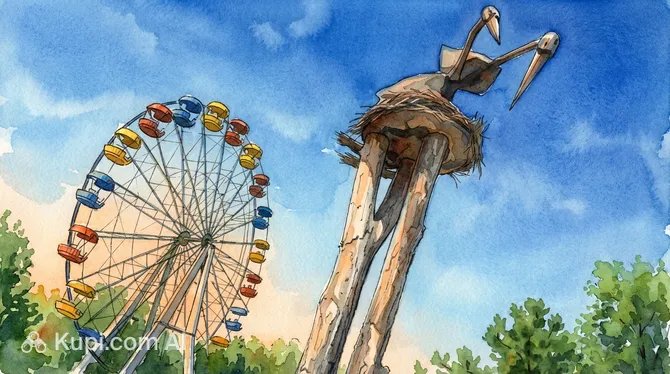
  • A City of Two Continents and Eras: The city is strictly divided into the Old Town (Asian side) and the New Town (European side). While the Old Town retains the spirit of a frontier fortress, the New Town features wide avenues and recreational hubs like the Central Park of Culture and Leisure named after V. P. Polyanichko, creating a striking contrast in atmosphere and design within a single municipality.

Central Park of Culture and Leisure named after V. P. Polyanichko. Source: Kupi.Binoculars

How to Get There

Reaching this industrial center in the Southern Urals is relatively straightforward thanks to its transport infrastructure. Whether you prefer flying or taking the train, there are convenient options available. For a detailed breakdown of routes and tips, you can read more about how to get to Orsk.

The most direct way to arrive is via Orsk Airport (IATA: OSW), which serves the city directly. Located approximately 19.4 km from the city center, it is a small regional airport offering connections to major hubs. The journey from the airport to the downtown area typically takes around 50 minutes by taxi or bus. Travelers looking for more flight options might consider flying into Orenburg Airport (IATA: REN) in the city of Orenburg. Although it is a larger transport hub, it is situated about 218.8 km away from Orsk, meaning a transfer by road would take approximately 6 hours.

For clarity, here is a summary of the main airports:

Airport Name City Passenger Traffic Km from City
Orenburg AirportOrenburgMedium218.8
Aktobe AirportAktobeMedium141.4
Magnitogorsk AirportMagnitogorskSmall241.5
Orsk AirportOrskSmall19.4

Traveling by train is another popular method, offering a scenic view of the steppe landscapes. The city is served by the Orsk Railway Station, which is located just 10.3 km from the city center. It is a key station in the region, handling a significant volume of passengers. From the station, you can reach the heart of the city in about 35 minutes by local transport or taxi. Another nearby option is the Novotroitsk Railway Station in the neighboring city of Novotroitsk, situated roughly 9.9 km away, providing additional flexibility for arrivals.

Below is the list of railway stations serving the area:

Station City Passenger Traffic Km to Center
Orsk Railway StationOrskMedium10.3
Nikel'tau StationKhromtauSmall94.3
Kuvandyk Railway StationKuvandykSmall83.0
Mednogorsk Railway StationMednogorskSmall65.1
Novotroitsk Railway StationNovotroitsk9.9

Main Attractions

Orsk offers a variety of attractions that cater to different interests, from peaceful green spaces to vibrant dining and shopping experiences. While the city is known for its industrial heritage, it also boasts places where visitors can relax, socialize, and enjoy the local atmosphere.

For those seeking a breath of fresh air, the Central Park of Culture and Leisure named after V. P. Polyanichko is the city's premier recreational hub. Located in the heart of the New Town, this park serves as a green oasis where locals and tourists alike gather for leisure activities. It features well-maintained walking paths, amusement rides for children, and shaded areas perfect for a relaxing afternoon stroll. The park is particularly lively during local festivals and holidays, making it a great spot to experience the community spirit of Orsk.

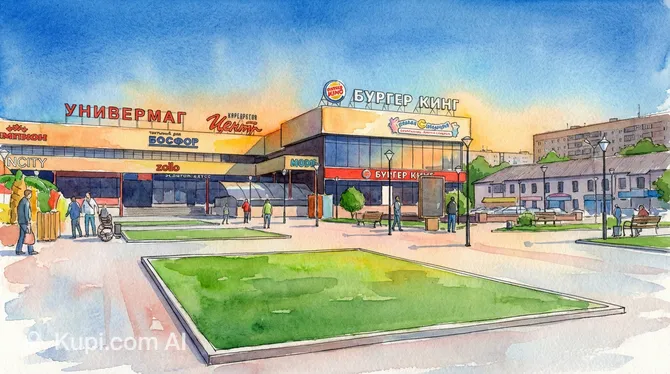
If you are in the mood for some retail therapy or want to pick up some local goods, the Univermag Shopping Center is a key destination. As a central department store, it offers a wide range of shops selling everything from clothing and accessories to electronics and souvenirs. It is a convenient stop for travelers needing to purchase essentials or simply wishing to browse through modern Russian retail offerings in a comfortable, indoor setting.

Univermag Shopping Center. Source: Kupi.Binoculars

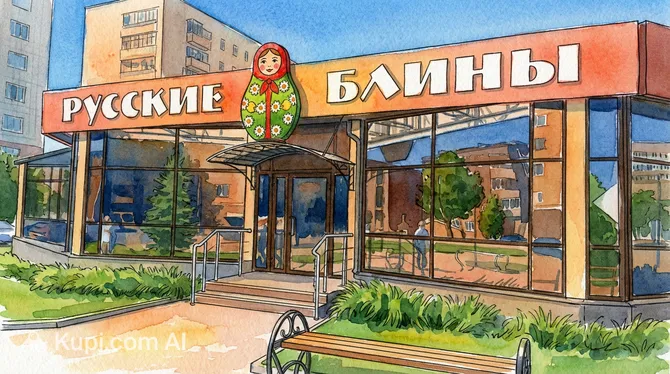
When it comes to dining, Orsk has several interesting options. For a taste of traditional Russian cuisine in a casual setting, Russian Pancakes is a popular choice. As the name suggests, this establishment specializes in blini (pancakes), a staple of the national diet. Visitors can enjoy them with a variety of sweet or savory fillings, ranging from caviar and meats to jams and honey, offering a delicious and authentic culinary experience.

Russian Pancakes. Source: Kupi.Binoculars

For a more refined dining atmosphere, the Kitchen Gourmet Café is well-regarded among visitors. This restaurant is known for its diverse menu that blends European and local influences, providing a cozy environment for a lunch or dinner. It is an excellent place to unwind after a day of sightseeing, offering high-quality service and a selection of tasty dishes that cater to various palates.

Kitchen Gourmet Café. Source: Kupi.Binoculars

Those looking for evening entertainment might find Korchma to be an intriguing spot. Operating as a night club, it offers a glimpse into the local nightlife scene with music and a lively ambiance, perfect for travelers looking to experience the city's energy after dark.

Local Cuisine

The culinary landscape of Orsk is a reflection of its location on the border of Europe and Asia, blending traditional Russian comfort food with the hearty flavors of the Ural steppes. The most iconic local specialty, which every visitor must try, is the legendary "Orsk pie" (Orskiy pirozhok). These deep-fried delights are famous throughout the region for their specific filling—a savory mixture of minced liver, lung, and heart. You will find them sold hot from street kiosks and small bakeries; they are a true taste of the city's history and a favorite quick snack among locals.

Beyond the famous pies, the local diet is heavily influenced by the harsh continental climate, meaning dishes are typically rich and warming. Pelmeni (meat dumplings) are a staple here, often handmade and served with sour cream or broth. Due to the city's proximity to Kazakhstan, you may also notice Central Asian influences in the local dining scene. It is not uncommon to find excellent shashlik (marinated meat skewers) grilled over charcoal, or hearty rice dishes like plov, which are popular for family gatherings and outdoor picnics.

When it comes to beverages, tea culture is strong in the Southern Urals. Locals often enjoy strong black tea, sometimes served with milk or accompanied by sweets and jams, a tradition rooted in the hospitality of the steppe peoples. For a refreshing non-alcoholic option, especially during the warm summer months, kvass is widely consumed. This fermented bread drink is tangy and revitalizing. In the evenings, you can find a variety of standard Russian beers and spirits in local establishments.

The food culture in Orsk ranges from nostalgic Soviet-style canteens, known as stolovaya, to modern cafes and restaurants. While the city offers contemporary European dishes, the most authentic experience is found in the smaller, unpretentious eateries that serve home-style cooking. Whether you are grabbing a liver pie on the go or sitting down for a steaming bowl of borscht, the food here is unpretentious, filling, and deeply satisfying.

Travel Tips

Preparing for a trip to Orsk involves understanding its unique position between two continents and its distinct industrial character. To ensure your visit to this historic Ural city is comfortable and hassle-free, keep these practical guidelines in mind.

  1. Clothing and Gear: The local climate is strictly continental, meaning the weather varies drastically by season. In winter, you will need heavy coats, thermal underwear, and non-slip boots to handle temperatures well below freezing. In summer, light, breathable fabrics are essential as it can get quite hot. Comfortable walking shoes are a must year-round, especially if you plan to explore the expansive Central Park or the Old Town.
  2. Transportation: The city is spread out, separated by the Ural River. The tram network is a convenient and nostalgic way to travel between the Old and New Towns, though it can be slow. For faster travel, use marshrutkas (minibuses) or ride-hailing apps like Yandex Go, which are reliable and affordable. Car rental is less common for short-term visitors.
  3. Finances: The local currency is the Russian Ruble (RUB). While major supermarkets and restaurants accept cards, many smaller shops, kiosks, and transport providers only take cash. It is highly advisable to carry cash in small denominations. Be aware that cards issued outside of Russia may not work, so bringing cash to exchange at local banks is often necessary.
  4. Health and Safety: Pharmacies (marked as Apteka) are widely available, and some operate 24/7. It is generally recommended to drink bottled water rather than tap water. Orsk is an industrial city, so those with respiratory sensitivities should check air quality forecasts. The city is generally safe, but standard precautions apply: avoid unlit areas on the outskirts late at night.
  5. Communication: Russian is the primary language, and finding English speakers can be challenging outside of major hotels. It is essential to download an offline translation app and offline maps (Yandex Maps provides better local detail than global alternatives) before you arrive to help with navigation and basic interactions.
  6. Local Etiquette: Russians value politeness and a reserved demeanor in public. If you are invited to a local's home, the golden rule is to remove your shoes immediately upon entering. It is also customary to bring a small gift, such as chocolates or flowers (ensure an odd number of stems), for the host.
  7. What to Avoid: Avoid taking photographs of industrial factories, railways, or strategic infrastructure, as this can be viewed with suspicion by security personnel. Also, avoid drinking alcohol in public places like parks or streets, as it is prohibited by law and can lead to fines.
  8. Local Insight: Take advantage of the city's geography! Orsk is one of the few places where you can cross a bridge over the Ural River and literally walk from Europe to Asia in just a few minutes. It is a unique photo opportunity and a memorable travel milestone.

With these tips in hand, you are well-prepared to navigate the streets of Orsk with confidence. Embrace the local customs, enjoy the unique blend of cultures, and have a safe and memorable journey across the continental divide.

Entertainment & Nightlife

Entertainment and Nightlife:

Nightlife in Orsk is relatively modest compared to larger metropolitan hubs, reflecting the city’s industrial and working-class character. However, for visitors looking to unwind after a day of exploration, there are several welcoming spots to enjoy music, dancing, or a quiet drink. The primary center of evening activity is located in the New Town (Novy Gorod), particularly along the main avenues such as Leninskiy Prospekt and Prospekt Mira, where the streets are well-lit and populated with cafes and entertainment venues.

For those seeking a lively atmosphere with music and dancing, Korchma is a notable destination. Functioning as a night club, it attracts a diverse crowd looking to socialize and enjoy the local party scene. The venue typically features DJ sets and themed parties, making it a popular choice for younger locals and visitors alike. The atmosphere is energetic, often peaking on Friday and Saturday nights when the city’s youth come out to celebrate the weekend.

Korchma. Source: Kupi.Binoculars

If you prefer a more relaxed evening centered around good food and conversation, the Kitchen Gourmet Café offers a sophisticated alternative. While primarily a restaurant, its cozy ambiance and extensive menu make it an excellent spot for a late dinner or evening cocktails. It is a place where you can enjoy a more low-key night, characterized by stylish interiors and a slightly more upscale dress code compared to the local pubs.

When planning a night out, it is helpful to know that the dress code in most Orsk establishments is casual to smart-casual. Face control is generally relaxed, but looking neat is appreciated. Prices are quite affordable by international standards. For transportation, it is highly recommended to use taxi apps like Yandex Go rather than hailing cars on the street, especially late at night. The city is generally safe, but sticking to the central, well-lit areas of the New Town is advisable for evening walks.

Beyond the nightlife, Orsk offers culturally enriching daytime entertainment. The Orsk State Drama Theater named after A.S. Pushkin is a cultural landmark offering a variety of classic and modern productions. History enthusiasts should visit the local museums to learn about the region's jasper mining and fortress origins. For a leisurely afternoon, the Central Park of Culture and Leisure named after V. P. Polyanichko remains a favorite gathering place, hosting outdoor events and providing a pleasant setting for family recreation.

Parks & Museums

While Orsk is primarily known as a major industrial center, the city offers a surprising array of green spaces and cultural institutions that preserve the rich heritage of the Southern Urals. Visitors can find respite in leafy parks and explore museums that tell the story of the region's transformation from a frontier fortress to a modern city.

The most prominent green space in the city is the Central Park of Culture and Leisure named after V. P. Polyanichko. Located in the New Town, this expansive park is the heartbeat of local recreational life. It features wide, tree-lined avenues perfect for walking, as well as various attractions for families. In the warmer months, the park becomes a lush oasis where locals escape the city heat, hosting open-air concerts and community festivals that showcase the friendly spirit of Orsk.

Another favorite spot for nature lovers is Builders' Park (Park Stroiteley). Situated near a picturesque lake, this park offers a more tranquil environment compared to the central hub. It is an excellent location for a quiet morning jog or a leisurely picnic by the water. The park has undergone renovations to improve its paths and lighting, making it a comfortable place to enjoy the fresh air and observe the local flora typical of the steppe region.

For those interested in the city's past, the Orsk Local Lore Museum is an essential stop. Founded in 1939, it houses a diverse collection that spans from ancient nomadic history to the Soviet industrial era. The museum is particularly famous for its geological exhibits, showcasing the region's mineral wealth. Visitors can admire stunning samples of the famous multi-colored Orsk jasper, which is considered some of the finest in the world and serves as a symbol of the city.

A unique cultural landmark is the Taras Shevchenko Museum, located in the historic Old Town. This site is dedicated to the famous Ukrainian poet and artist who was exiled to the Orsk fortress in the mid-19th century as a soldier. The museum is housed in a building that reflects the architecture of that period, offering a glimpse into the harsh life of the frontier garrison and displaying reproductions of Shevchenko's works created during his time in the Urals.

History enthusiasts should not miss the chance to explore the Old Town, located on the Asian bank of the Ural River. Unlike the Soviet-planned New Town, this area retains the layout and atmosphere of a 19th-century merchant town. Here, you can see the Transfiguration Church, situated on Mount Preobrazhenskaya. This hilltop site not only holds religious significance but also offers panoramic views of the city and the surrounding steppe, providing a perfect vantage point to appreciate the city's geography.

For a truly authentic experience, take a walk up to Mount Polkovnik on the outskirts of the city. This is the legendary source of the celebrated Orsk jasper. While it is a natural site rather than a manicured park, standing on the hill that supplied stone for palaces in St. Petersburg and the Moscow Metro connects you directly to the geological heart of the Urals.

Getting Around

Public transport in Orsk is a functional and authentic experience, primarily relying on a network of trams, buses, and minibuses. There is no metro system in the city, which is typical for a town of its size. The most notable feature of the local transit network is the tramway. It is not just a means of getting around but a unique attraction in its own right, as certain routes cross the Ural River, allowing passengers to travel between Europe and Asia for the price of a single ticket. The trams are often vintage models, adding to the industrial charm of the city, and they connect the major districts, including the historic Old Town and the modern New Town.

Complementing the tram network are municipal buses and privately operated minibuses, known locally as marshrutkas. These minivans are generally faster than the trams and cover a much denser network of routes, reaching remote neighborhoods and suburbs where the rails do not go. They can be flagged down at designated stops and are often the most efficient way to move across the city if you are in a hurry. However, travelers should be prepared for them to be quite crowded during peak commuting hours.

The payment system is straightforward and largely traditional. While some newer vehicles and trams are equipped to accept contactless bank cards, cash remains the most reliable method of payment. It is highly recommended to carry small denominations of the local currency. In trams and large municipal buses, a conductor will usually approach you to collect the fare and issue a paper ticket. In marshrutkas, you typically pay the driver directly; this is often done upon entering, but it is best to observe the locals to follow the specific route's custom.

Fares are very affordable by international standards. Public transport generally operates from early morning, around 6:00 AM, until approximately 10:00 PM or 11:00 PM. Tourists should be aware that service frequency drops significantly later in the evening, so it is wise not to rely on trams or buses for late-night travel.

For a more comfortable alternative, taxis are widely available and inexpensive. Ride-hailing apps like Yandex Go operate efficiently in Orsk, offering a convenient way to overcome the language barrier since you can input your destination directly on your phone without needing to speak to the driver. This is often the best choice for reaching specific attractions or traveling with luggage. Car-sharing and bike rental services are not widely developed in the city, so walking, public transit, and taxis remain the primary options for getting around.

Accommodation

Finding accommodation in Orsk is a straightforward process, though visitors should manage their expectations regarding variety. As a primarily industrial city rather than a major tourist hub, the accommodation landscape focuses on functionality and comfort rather than luxury. The options typically range from renovated Soviet-era hotels to smaller, modern mini-hotels and guesthouses. There are no international five-star chains here; instead, travelers will find locally run establishments that offer a warm welcome and essential amenities.

When choosing where to stay, location is key due to the city's unique geography spanning two continents. For most tourists, the New Town (Novy Gorod) on the European bank of the Ural River is the most convenient area. This district, particularly around Leninskiy Prospekt and Peace Avenue (Prospekt Mira), places you close to the main cultural attractions, shopping centers, and transport links. Staying here means you are within walking distance of dining spots and the central parks. The Old Town (Starogo Gorod) on the Asian side offers a more historic atmosphere but has fewer accommodation options and modern conveniences.

In addition to traditional hotels, the market for short-term apartment rentals is well-developed and popular in Orsk. Renting a fully furnished apartment can often provide better value for money and more space than a standard hotel room, making it a great choice for families or those planning a longer stay. These rentals are widely available throughout the city and often come equipped with kitchens and washing machines, offering a "home away from home" experience.

Booking Tips and Prices:

Prices for accommodation in Orsk are generally very affordable compared to larger Russian cities. Most options fall into the budget to mid-range categories. While you can often find a room upon arrival, it is advisable to book in advance, especially if you are visiting during local holidays or if you have specific requirements for your stay. Major Russian online booking platforms are the most reliable way to secure a reservation, though many smaller local hotels also accept direct bookings via phone or their own websites. Be prepared that some smaller establishments may prefer cash payments.

Nearby Cities

For those looking to explore the surroundings, Orsk serves as an excellent base for day trips to several interesting nearby locations:

The most accessible destination is Novotroitsk, located just 13 km to the west. Often considered a twin city to Orsk, it shares a strong industrial heritage and offers a quick change of scenery. Beyond its urban center, the surrounding area is the gateway to the scenic Guberlya Mountains (Guberlinskiye Gory), a beautiful steppe landscape with rolling hills and rocky outcrops that is perfect for hiking and nature photography, especially in spring and early summer.

For a more culturally immersive experience, a trip to the regional capital, Orenburg, is highly recommended. Although it requires a drive of about 242 km, it offers a wealth of historical attractions. Visitors can walk across the famous pedestrian bridge over the Ural River, visit the National Village cultural complex, and explore the Governor's History Museum. It provides a deeper insight into the history of the Orenburg Cossacks and the region's role as a trade gateway between Russia and Central Asia.

To the north lies Magnitogorsk, known as the "Steel Heart of Russia." Situated around 244 km away, this city is a monument to Soviet industrialization. It is famous for its massive metallurgical plant and impressive Stalinist architecture. A visit here offers a unique perspective on the scale of industry in the Urals and features significant monuments, such as the "Rear-to-Front" memorial, which is part of a famous triptych of war memorials.

City Population Distance (km)
Orenburg 564773 242
Magnitogorsk 418241 244
Salavat 153181 296
Novotroitsk 86474 13
Beloretsk 65477 305

These nearby destinations offer a glimpse into the diverse culture and landscapes of the region.

Shopping & Souvenirs

Shopping in Orsk offers a practical and authentic experience, reflecting the city's status as a working industrial center rather than a glamorous tourist hub. Visitors will not find high-end luxury boutiques here, but rather a functional mix of modern shopping centers, Soviet-style department stores, and lively local markets. The retail scene is primarily geared towards the needs of residents, providing a good opportunity to see everyday life in the Southern Urals and purchase essential goods or unique regional specialties.

The main area for retail therapy is located in the New Town (Novy Gorod). The city's central arteries, particularly Leninskiy Prospekt and Prospekt Mira, are lined with a variety of shops. A stroll down these wide avenues reveals a blend of clothing stores, electronic retailers, pharmacies, and small gift shops. This area is walkable and convenient, allowing tourists to combine window shopping with a visit to nearby cafes and parks.

For a more concentrated shopping experience, the Univermag Shopping Center is a key destination. As a classic department store that has served the city for years, it hosts a diverse range of vendors under one roof. Here, you can find everything from apparel and accessories to household goods. It is a reliable spot for travelers who need to pick up travel essentials or want to browse through standard Russian retail offerings in a comfortable indoor setting.

To truly understand the local flavor, a visit to the city's markets is recommended. The Central Market is a bustling hive of activity where farmers from the surrounding Orenburg region sell fresh produce. Wandering through the stalls, you will find seasonal fruits, vegetables, local honey, and fresh dairy products. It is also a great place to buy inexpensive clothes and household items. Be prepared for a lively atmosphere and the opportunity to practice your bargaining skills, although prices are generally fixed and affordable.

When it comes to souvenirs, Orsk is famous for one specific treasure: jasper. The city is located near Mount Polkovnik, home to some of the finest jasper deposits in the world. This multi-colored semi-precious stone is the pride of the city. Visitors should look for jewelry, small boxes, vases, and other decorative items made from "Orsk jasper." These unique handcrafted pieces are the perfect memento of your trip to the Urals and can be found in specialized souvenir shops or jewelry stores throughout the city.

Most shops in Orsk operate from around 10:00 AM to 8:00 PM or 9:00 PM, while large shopping centers may stay open slightly later. Markets typically operate from early morning until late afternoon. Payment methods are mixed; while supermarkets and shopping malls like Univermag readily accept credit cards, smaller shops, kiosks, and market stalls often deal exclusively in cash. It is highly advisable to carry Russian Rubles in smaller denominations for these transactions.

Regarding tax refunds, while Russia has a Tax Free system for international visitors, it is primarily operational in major tourist cities like Moscow and St. Petersburg. In a smaller industrial city like Orsk, finding stores that participate in the Tax Free program is very unlikely. Tourists should plan their budget assuming that VAT refunds will not be available for local purchases.
Reached the end of the page?

That means the route is fully explored