Support

Orenburg

About

Orenburg is a fascinating destination that literally bridges two parts of the world. Located on the banks of the Ural River, this city serves as a symbolic gateway between Europe and Asia, offering a unique blend of cultures and traditions. As you explore the Russian Federation, Orenburg stands out as a place where East meets West, creating a distinct atmosphere that captivates visitors from the moment they arrive.

Orenburg. Source: Kupi.Binoculars

With a population of over 560,000 people, the city is a significant administrative and industrial hub of the region. The local climate is sharply continental, characterized by hot, dry summers and cold, snowy winters, ensuring that the landscape changes dramatically with the seasons. This geographical positioning has historically made it a vital center for trade and interaction between different peoples.

Founded originally as a fortress to protect southeastern borders, the city has evolved significantly over the centuries. You can delve deeper into the history of Orenburg to understand its transformation from a military outpost into a vibrant cultural center. The city is also globally renowned for the exquisite Orenburg down shawls, a symbol of local craftsmanship that makes for a perfect souvenir.

One of the most popular attractions is the famous pedestrian bridge across the Ural River, where tourists can stand with one foot in Europe and the other in Asia. Additionally, the "National Village" cultural complex is a must-visit, showcasing the diverse ethnic heritage of the region through traditional architecture, museums, and cuisine. Whether you are crossing continental borders or admiring local artistry, Orenburg offers a truly memorable travel experience.

Weather Overview

The city experiences a continental climate with distinct seasonal changes, so packing appropriately for the time of year is essential. For a more detailed outlook during your specific travel dates, be sure to check the current weather in Orenburg. Generally, visitors can expect warm summers with occasional precipitation and cold, dry winters.

If you visit during the winter, be prepared for freezing temperatures; January is typically the coldest month with an average of -11.8°C and lows dipping to -15.2°C. In contrast, the summer months offer a much warmer atmosphere. July is usually the hottest time, with average temperatures hovering around 22.7°C and daily maximums often reaching nearly 29°C.

Precipitation levels are relatively low year-round, often recorded at just 1–2mm in summary data, though the frequency of precipitation is steady. You can anticipate roughly 6 to 10 wet days per month depending on the season, so while heavy downpours may be rare, carrying a light umbrella or waterproof layer is still a good idea.

Interesting Facts

Beyond the main attractions, Orenburg holds many fascinating secrets and historical quirks that often escape the casual observer. Uncover the stories that shaped this unique city on the steppe, revealing a past filled with unexpected twists.
  • It is often said that Orenburg was "conceived" three times before it truly began to exist. The city was founded in three different locations—first near the site of modern Orsk, then further downstream along the Ural River, before finally being established at its present site in 1743 to better serve as a trading gateway.

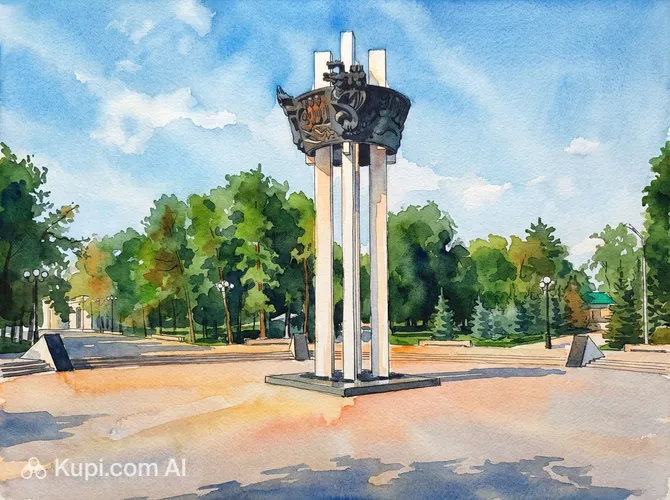
  • For nearly twenty years, from 1938 to 1957, the city was renamed Chkalov in honor of the famous test pilot Valery Chkalov. Surprisingly, the pilot never visited the city during his lifetime, yet a prominent Chkalov Monument still stands on the embankment as a lasting tribute to that era.

  • The city holds a special place in the history of space exploration, as it was here that Yuri Gagarin, the first man in space, learned to fly. He graduated from the local aviation school and famously remarked that "Orenburg gave me wings," acknowledging the city's role in launching his legendary career.

  • Literary history runs deep here, as the renowned poet Alexander Pushkin visited Orenburg in 1833. He came to research the Pugachev rebellion, and the local stories he gathered formed the factual foundation for his celebrated novel, The Captain’s Daughter.

Chkalov Monument. Source: Kupi.Binoculars

How to Get There

Planning a trip to the heart of the Eurasian steppe requires knowing the best routes. Whether you prefer flying or taking a scenic train ride, there are several convenient options available. You can read more about all ways to reach the city on our detailed transport page.

The most direct way to arrive is by flying into Orenburg Airport (IATA: REN). This international airport serves as the main air gateway for the region and is located approximately 25 km from the city center. It handles a significant volume of passenger traffic, connecting the city with major destinations. The journey from the terminal to the downtown area by taxi or shuttle usually takes around 60 minutes.

If you are considering alternative routes, you might look at Aktobe Airport (IATA: AKX) in the city of Aktobe. However, please note that it is situated about 225 km away from Orenburg, so a subsequent transfer by road would take several hours. Another option within the region is Orsk Airport (IATA: OSW) in the city of Orsk, located roughly 255 km away.

For clarity, here is a summary of the main airports:

Airport Name City Passenger Traffic Km from City
Orenburg Airport Orenburg High 25.0
Aktobe Airport Aktobe High 224.9
Uralsk Airport Oral Medium 256.3
Orsk Airport Orsk Low 255.3

For those who prefer rail travel, the city is well-connected to the railway network. The primary hub is Orenburg Railway Station, which is conveniently located just 1.8 km from the city center. This proximity allows for a quick and easy transfer to your accommodation, with a taxi ride taking only about 5 to 10 minutes.

Another option is the Iletsk 1 Station in the city of Sol-Iletsk. Although it is located about 67 km from Orenburg, it is a significant station for the area. Travelers arriving here should expect a transfer time of roughly an hour or more by road to reach Orenburg.

Below is a list of the nearest railway stations:

Station City Passenger Traffic Km to Center
Iletsk 1 Station Sol-Iletsk High 66.9
Orenburg Railway Station Orenburg Medium 1.8
Sorochinskaya Station Sorochinsk Low 152.4
Kuvandyk Railway Station Kuvandyk Low 159.4
Kumertau Railway Station Kumertau Low 121.3

Main Attractions

Attractions:

Orenburg offers a variety of scenic spots and cultural sites that reflect its rich history and geographical uniqueness. From sprawling green parks to open-air museums, the city provides plenty of opportunities for sightseeing and relaxation. Whether you are interested in military history or simply want to enjoy nature, the local landmarks are sure to impress.

One of the most impressive sites in the city is the Salute, Victory! Exhibition Complex. This open-air museum is situated in the city center and serves as a garden-museum dedicated to the memory of World War II. Visitors can walk among authentic military equipment, including tanks, aircraft, and artillery pieces, making it an educational experience for history enthusiasts. The complex is beautifully landscaped, offering a solemn yet engaging atmosphere for a quiet walk.

Salute, Victory! Exhibition Complex. Source: Kupi.Binoculars

For those seeking a nature retreat, Zauralnaya Grove is a favorite destination. Located on the opposite bank of the Ural River, effectively placing it in the Asian part of the city, this vast forest park is perfect for long walks, jogging, and picnics. It is a popular spot for outdoor activities and is often reached by crossing the river, allowing you to transition from the bustling city center into a peaceful natural environment shaded by towering trees.

Zauralnaya Grove. Source: Kupi.Binoculars

Another excellent place for recreation is Topolya Park. Recognized as one of the oldest parks in Orenburg, it functions as a central hub for leisure and family entertainment. The park features various amusement rides, cozy alleys for strolling, and plenty of green space to relax. It is a lively spot where locals gather, offering tourists a chance to experience the everyday vibe of the city while enjoying a comfortable outdoor setting.

Topolya Park. Source: Kupi.Binoculars

If you are looking for a quiet place to escape the noise, Perovsky Park is another charming option. Named after a prominent historical governor of the region, this park offers a well-maintained space for relaxation. It is an ideal location for a leisurely afternoon stroll, allowing visitors to appreciate the slower pace of life in this unique city on the steppe.

Local Cuisine

The culinary landscape of Orenburg is a delicious reflection of its geographical position on the border of Europe and Asia. Here, Russian culinary traditions blend seamlessly with the flavors of Central Asia, creating a unique gastronomic experience. Visitors can expect hearty portions and a strong emphasis on meat dishes, owing to the region's steppe heritage and the abundance of local livestock.

One of the must-try dishes in the region is beshbarmak, a traditional nomad meal consisting of boiled meat (usually beef, lamb, or horse meat) served over wide noodles in a rich broth. Due to the city's proximity to Kazakhstan, this dish is prepared authentically and is widely available. Another local favorite is shashlik, succulent skewers of marinated meat grilled over charcoal, often served with pickled onions and flatbread.

When it comes to beverages, the region offers some distinct local tastes. You might encounter kumys, a fermented mare's milk drink that is slightly sour and fizzy, traditionally known for its health benefits. For those preferring something more familiar, tea culture is very strong here, often enjoyed with milk and sweets. In the evenings, locals gather in lively venues to enjoy craft beers or cocktails.

The city's dining scene ranges from cozy family cafes to modern establishments. For a taste of expertly prepared grilled dishes, you can visit the Ash and Fire Restaurant. This spot is known for its warm atmosphere and focus on open-fire cooking, making it a great choice for a satisfying dinner.

Ash and Fire Restaurant. Source: Kupi.Binoculars

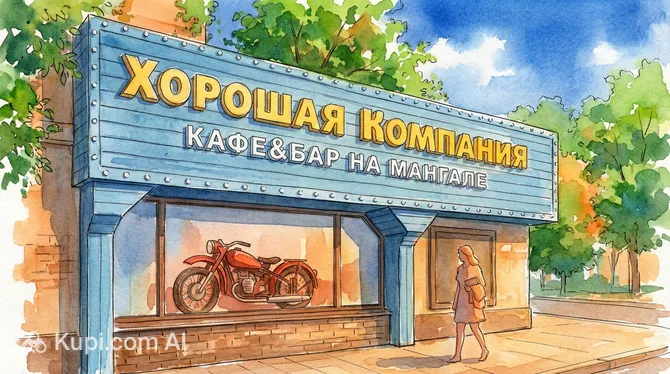
If you are looking for a place to relax with friends, Khoroshaya Kompaniya offers a welcoming environment typical of the city's modern bar culture. Alternatively, for a more casual meal, perhaps with family, you might stop by Winnie the Pooh, a venue that caters to a variety of tastes. Exploring these local spots allows you to not only taste the food but also soak in the friendly hospitality of Orenburg.

Khoroshaya Kompaniya. Source: Kupi.Binoculars

Travel Tips

Welcome to Orenburg, a unique city where cultures merge right on the border of two continents! To help you navigate this fascinating destination with ease and confidence, we have compiled a list of essential practical advice for your trip.

  1. Clothing and Gear: Since the climate here is sharply continental, your wardrobe should depend entirely on the season. In summer, bring light, breathable fabrics, sunglasses, and a hat to protect against the steppe sun. In winter, thermal underwear, a heavy down jacket, and non-slip boots are absolute necessities to withstand freezing temperatures. If you plan to visit the city's beautiful Orthodox churches or mosques, remember to dress modestly: women should cover their heads and shoulders, and men should wear long trousers.

  2. Transportation: The city has an extensive network of buses, trolleybuses, and marshrutkas (minibuses) that connect all major districts. However, for a tourist, the most convenient option is often using a ride-hailing app like Yandex Go, which avoids language barriers and guarantees a fixed price. Car rental is available but not strictly necessary, as taxis are affordable and parking in the center can sometimes be challenging.

  3. Finances: The official currency is the Russian Ruble (RUB). It is highly recommended to carry cash, especially for small purchases in kiosks, markets, or on public transport. While many restaurants and supermarkets accept cards, international payment systems may not function, so having a supply of rubles is crucial. ATMs and currency exchange offices are widely available in banks and shopping centers throughout the city.

  4. Health and Safety: Orenburg is generally a safe city for travelers, but standard precautions apply—keep an eye on your belongings in crowded places. Pharmacies, marked as Apteka (Аптека), are easy to find, and many central ones operate 24/7. It is advisable to drink bottled water rather than tap water to avoid any stomach issues.

  5. Communication: The primary language is Russian, and English proficiency may be limited outside of major hotels and tourist sites. Installing an offline translation app and downloading an offline map before you arrive will be incredibly helpful. You can easily purchase a local SIM card at the airport or mobile phone shops in the city center by presenting your passport, ensuring you stay connected with reliable mobile internet.

  6. Local Etiquette: Russians value hospitality and politeness. When entering a home, it is customary to remove your shoes immediately. A firm handshake is a common greeting between men, while a nod or verbal greeting is polite for everyone else. If you are invited to a local's house, bringing a small gift, such as chocolates or flowers (in an odd number), is a gesture that will be greatly appreciated.

  7. What to Avoid: Avoid drinking alcohol in public places like parks, streets, or playgrounds, as it is prohibited by law and can lead to fines. Additionally, be respectful when photographing people; it is polite to ask for permission first, and avoid taking photos of government or military buildings to prevent misunderstandings.

  8. Local Insight: Don't miss the chance to buy a famous Orenburg down shawl. These delicate, warm, and intricately knitted items are the city's most iconic souvenir. For the best quality and authenticity, visit the specialized shops or the central market rather than buying from random street vendors.

Armed with these tips, you are ready to explore the charming streets and historical landmarks of Orenburg. We hope your visit to the heart of the Eurasian steppe is filled with warm memories, delicious food, and unforgettable experiences!

Entertainment & Nightlife

While Orenburg might not have the frenetic 24-hour pace of a capital metropolis, its nightlife scene is vibrant, welcoming, and surprisingly diverse. As the sun sets over the steppe, the city center shifts gears, offering everything from cozy pubs with live rock music to energetic dance clubs. The primary hub for evening entertainment is the pedestrian-friendly Sovetskaya Street and its surrounding blocks. This area is safe, well-lit, and bustling with locals enjoying their evening promenades, making it the perfect starting point for a night out.

For those who enjoy a classic pub atmosphere with a lively crowd, Harat's Pub is a local favorite. Part of a popular chain, this venue brings the spirit of an Irish pub to the Urals, featuring wooden interiors, a wide selection of beers, and frequent live performances by local bands. It is a great place to mingle with friendly locals, and the dress code is generally casual, focusing more on a fun vibe than high fashion.

Harat's Pub. Source: Kupi.Binoculars

If you are in the mood for dancing or a more high-energy environment, the city has several nightclubs that stay open until the early hours of the morning. Underground is one such venue known for its modern sound system and DJ sets that keep the dance floor moving. Like many clubs in Russia, it often enforces "face control" at the door, so it is advisable to dress smartly and arrive in a sober state to ensure smooth entry. Weekends are naturally the busiest times, with parties often lasting until dawn.

Underground. Source: Kupi.Binoculars

Karaoke is another extremely popular pastime in Russia, and Orenburg is no exception. For a more upscale singing experience, you can visit the Shalyapin Karaoke Club. This venue typically offers a more refined atmosphere where you can enjoy dinner and cocktails while showcasing your vocal talents or listening to others. It is an excellent option for groups of friends looking for a private yet entertaining night out.

When planning your evening, keep in mind that most bars are open until at least 02:00, while clubs operate much later on Fridays and Saturdays. Prices in Orenburg are generally moderate compared to Moscow or St. Petersburg. For transportation at night, it is best to avoid hailing cars from the street. Instead, use a reliable mobile taxi app to ensure a fixed price and a safe journey back to your hotel. The city center is generally safe for walking at night, but it is wise to stick to main, well-lit streets.

Before the sun goes down, Orenburg offers plenty of daytime entertainment to fill your schedule. The city boasts a strong theatrical tradition, with the Drama Theater being a cultural highlight. For a mix of shopping and leisure, you can visit the Voskhod shopping mall, which serves as a modern entertainment complex in the city center. Additionally, families and culture seekers can explore the various museums or enjoy the amusement rides in the local parks mentioned earlier.

Parks & Museums

Orenburg’s cultural landscape offers a harmonious blend of history and nature, providing visitors with diverse opportunities for exploration. Beyond the bustling streets, the city maintains a collection of green spaces and museums that preserve its heritage and offer respite from the urban rhythm. Whether you are interested in local artistry or simply seeking a quiet place to relax, there are several spots worth adding to your itinerary.

For those keen on delving into the region's past, the city boasts impressive museum collections. The Orenburg Governor's History Museum is a key institution housed in a 19th-century architectural monument, offering insights into the city's founding and development. Art lovers should not miss the Regional Museum of Fine Arts, which is celebrated for its extensive collection of the famous Orenburg down shawls, a symbol of local craftsmanship known worldwide.

Among the city's green zones, Zheleznodorozhny Park named after V.I. Lenin stands out as a historic recreational area. Originally established for railway workers, this park has long been a favorite place for quiet strolls along its shady avenues. It retains a nostalgic atmosphere, characterized by mature trees and a peaceful environment that contrasts with the more active entertainment parks in the city center.

Zheleznodorozhny Park named after V.I. Lenin. Source: Kupi.Binoculars

Families traveling with children will find Berendey to be a delightful destination. This park is tailored for family leisure, often featuring wooden sculptures inspired by folklore and various attractions for younger visitors. It serves as a charming spot for a weekend outing, allowing tourists to experience the relaxed side of local life in a friendly setting.

Berendey. Source: Kupi.Binoculars

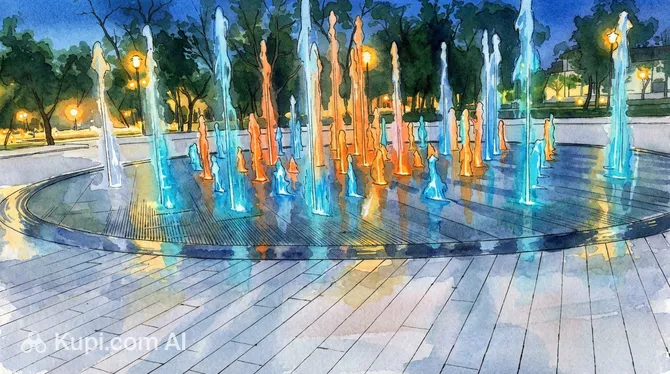
Adding a splash of vibrancy to the city's public spaces is the Color Fountain. This landmark is a popular gathering point for residents and visitors alike, especially in the evenings when it is illuminated. The interplay of water and light creates a festive mood, making it a picturesque stop during a walk through the city.

Color Fountain. Source: Kupi.Binoculars

Getting Around

Getting around Orenburg is relatively straightforward, as the city relies on a comprehensive network of surface transport. Since there is no metro system, the primary ways to navigate the urban area are by bus, trolleybus, and the ubiquitous marshrutkas (private minibuses). While buses and trolleybuses generally follow major avenues and operate on a predictable schedule, marshrutkas offer more extensive coverage, reaching into residential neighborhoods and suburbs where larger vehicles might not go.

For tourists, the payment system is quite user-friendly. You do not need to purchase tickets in advance at kiosks. Instead, the fare is paid directly on board. In large municipal buses and trolleybuses, a conductor will usually approach you to collect payment, or you pay the driver upon entry. In marshrutkas, it is customary to pay the driver, often upon exiting. Most modern vehicles accept contactless bank cards and smartphones, but it is highly advisable to carry small amounts of cash (rubles), as card terminals can sometimes be out of service.

A unique feature of Orenburg's transport landscape is the cable car across the Ural River. While it serves more as a tourist attraction than a daily commuter link, it is a functional way to travel between the European and Asian banks of the river. The ride offers panoramic views of the embankment and the city skyline, making it a memorable part of any visit. It operates year-round, though it may close briefly for maintenance or during severe weather conditions.

If you prefer more comfort or need to travel late at night when public transport becomes less frequent (typically after 22:00 or 23:00), taxis are an excellent alternative. Ride-hailing apps like Yandex Go are widely used and reliable, allowing you to order a car without speaking the language and see the fixed price upfront. Car-sharing services are also present in the city but require registration and a valid driving license, which might be less convenient for short-term visitors compared to affordable taxis.

To navigate the routes effectively, it is recommended to download mobile map applications such as 2GIS or Yandex Maps. These apps provide real-time information on bus arrivals, route planning, and estimated travel times, which is invaluable since physical schedules at bus stops are not always detailed. Public transport typically starts running around 06:00 and winds down by 23:00, so plan your evening returns accordingly.

Accommodation

Where to Stay:

Finding a place to stay in Orenburg is generally a straightforward task, as the city offers a range of accommodation options to suit different preferences and budgets. While it may not have the vast array of luxury international chains found in Russia's largest metropolises, visitors can choose from solid mid-range business hotels, smaller guesthouses, and an increasing number of modern hostels. Additionally, the market for short-term apartment rentals is well-developed, providing a "home away from home" experience that is particularly popular among families and long-term travelers.

For the most convenient experience, it is highly recommended to stay in the historic city center, particularly in the districts surrounding the pedestrian-only Sovetskaya Street. Staying in this area places you within walking distance of the main cultural attractions, the Ural River embankment, and the best dining spots. This location allows you to explore the city on foot without relying heavily on public transport or taxis. Another good option is the area near the exhibition centers if you are visiting for business, though this might be further from the tourist sights.

Hotels in the city typically range from renovated Soviet-era establishments to newer, modern buildings offering standard European amenities like Wi-Fi, breakfast buffets, and English-speaking staff. Apartments are often a more economical choice and are widely available throughout the city; they usually come fully equipped with kitchens and laundry facilities, offering great value for money.

Booking Tip: While it is usually possible to find a room upon arrival, it is wiser to book your accommodation in advance, especially if you plan to visit during the summer months or around major national holidays. During these peak times, the best-located and most affordable options tend to fill up quickly.

Prices and Booking: The cost of accommodation in Orenburg is generally moderate and significantly lower than in Moscow or St. Petersburg. You can expect to find budget-friendly options starting at very reasonable rates, while reputable mid-range hotels offer comfortable stays without breaking the bank. Reservations can typically be made through major online booking platforms or by contacting hotels directly, which is often a reliable way to secure specific room requests.

Nearby Cities

For those looking to explore the surroundings, Orenburg serves as an excellent base for day trips to several interesting nearby locations. The region offers a mix of industrial heritage and unique natural landscapes that provide a stark contrast to the endless steppe.

One of the most notable destinations is Buzuluk, located to the northwest. It is best known as the gateway to the Buzuluksky Bor National Park, a remarkable island of ancient pine forest situated in the middle of the steppe. This "green pearl" is a favorite spot for eco-tourism, offering hiking trails, fresh air, and a chance to see trees that are hundreds of years old. The town itself features charming wooden architecture that reflects the style of the pre-revolutionary era.

Another fascinating option is Sterlitamak, situated in the neighboring republic of Bashkortostan. While it is an industrial center, it attracts travelers primarily due to the nearby Shikhans—ancient solitary mountains that are actually the remains of coral reefs from a prehistoric sea. These geological wonders rise abruptly from the plains and offer spectacular views for hikers and nature enthusiasts. A visit here also allows you to experience the distinct culture and hospitality of the Bashkir people.

For history buffs, Orsk presents an intriguing journey to the east. Like Orenburg, it is a historic fortress city located on the Ural River and spans the border between Europe and Asia. It is famous for its rich deposits of jasper; the multicolored Orsk jasper is renowned worldwide and can be seen in the architecture of major Russian landmarks, including the subway in Moscow.

City Population Distance (km)
Sterlitamak 280233 215
Orsk 230414 242
Salavat 153181 189
Novotroitsk 86474 231
Buzuluk 86316 224

These nearby destinations offer a glimpse into the diverse culture and landscapes of the region, making them well worth the travel time for a deeper understanding of the Southern Urals.

Shopping & Souvenirs

Shopping:

Shopping in Orenburg offers a pleasant mix of modern convenience and traditional charm. While the city may not be a global fashion capital, it provides a solid selection of international brands alongside unique local products. The retail scene is characterized by a blend of contemporary shopping centers and vibrant open-air markets, catering to both everyday needs and those seeking authentic souvenirs.

The heart of the city's commercial life is undoubtedly Sovetskaya Street. As the main pedestrian artery, it is lined with a variety of boutiques, souvenir shops, and bookstores housed in historic buildings. Strolling down this avenue allows you to combine sightseeing with window shopping, offering a relaxed atmosphere where you can find everything from cosmetics to local handicrafts while enjoying the city center's architecture.

For a more concentrated shopping experience, the city features several modern complexes. One of the most popular destinations is Voskhod, located centrally near the main market. It houses a wide array of clothing stores, electronics retailers, and a food court, making it a convenient one-stop destination for tourists. The mall is a hub of activity and a great place to escape the weather while browsing for goods.

Voskhod. Source: Kupi.Binoculars

Another notable location is the Sokol Shopping Mall. This complex offers a similar range of goods, including fashion apparel, accessories, and household items. It also features entertainment options, making it a popular spot for families to spend an afternoon shopping and relaxing.

Sokol Shopping Mall. Source: Kupi.Binoculars

To truly experience the local flavor, a visit to the Central Market (Tsentralny Rynok) is essential. This bustling bazaar is where residents go for fresh produce, meat, and dairy products. It is also the best place to find authentic local goods at competitive prices. The atmosphere here is lively and authentic, providing a glimpse into the everyday life of Orenburg citizens that you won't find in the polished malls.

When it comes to souvenirs, the legendary Orenburg down shawl is the absolute must-buy item. These intricate, spiderweb-fine shawls are world-renowned for their incredible warmth and elegance. Made from the down of local goats, the finest versions are so delicate that they can be pulled through a wedding ring. Apart from shawls, look for items made of jasper, a semi-precious stone abundant in the Urals, as well as local confectionery and honey.

Most shopping malls generally operate daily from 10:00 to 22:00, while smaller street shops and boutiques may close earlier, typically around 20:00. Payment by credit or debit card is widely accepted in malls, supermarkets, and most restaurants. However, if you plan to visit the markets or buy from small kiosks, it is highly recommended to carry cash (rubles), as electronic payments may not always be available there.

Regarding tax refunds, Russia does have a Tax Free system for foreign tourists, allowing for a VAT refund on purchases made in authorized stores. While this system is most prevalent in major hubs like Moscow or St. Petersburg, it is worth checking for "Tax Free" signage in larger brand stores in Orenburg or asking the staff if they participate in the program before making significant purchases.

Nearby cities

Reached the end of the page?

That means the route is fully explored