Support

Nizhnevartovsk

About

Welcome to Nizhnevartovsk, a dynamic and significant city located in Western Siberia. Often referred to as the "Oil Capital" of the Russian Federation, this city offers a unique glimpse into the industrial heart of the country combined with the raw beauty of the Siberian landscape. Situated in the Khanty-Mansi Autonomous Okrug – Yugra, it stands as a testament to human resilience and engineering in a challenging environment.

Geographically, the city stretches along the banks of the mighty Ob River, one of the longest rivers in the world. The climate here is characteristically continental, featuring long, snowy winters and short but warm summers. With a population of approximately 278,000 people, Nizhnevartovsk is a bustling urban center that serves as a vital transport and economic hub for the region.

Nizhnevartovsk. Source: Kupi.Binoculars

The city's development is inextricably linked to the discovery of the legendary Samotlor oil field. You can learn more about how a small settlement transformed into a modern metropolis by exploring the history of Nizhnevartovsk. This rapid growth has shaped the city's architecture and culture, creating a place where Soviet-era monuments coexist with modern infrastructure.

Travelers visiting Nizhnevartovsk should not miss the iconic Monument to the Conquerors of Samotlor, locally known as "Alyosha," which stands on a hill greeting visitors. The scenic Ob River embankment is another highlight, offering a perfect spot for leisurely walks and enjoying panoramic views of the water. For those interested in local culture, the city's museums provide fascinating insights into the ethnography of the indigenous peoples of the North.

Whether you are a business traveler or an adventurer seeking to experience the authentic atmosphere of Siberia, Nizhnevartovsk welcomes you with its distinctive charm and Northern hospitality.
Weather Overview

Nizhnevartovsk experiences a distinct continental climate with significant contrasts between the seasons. The winters are typically long and severe, with January averages dropping to -19.0°C, while the short summers bring comfortable warmth, peaking in July with an average of 17.9°C and daily highs reaching 22.4°C.

Although the total volume of precipitation is quite low, often ranging from 1mm to 3mm, the city sees frequent precipitation days throughout the year. To plan your trip effectively and pack the right clothing, it is best to check the detailed weather in Nizhnevartovsk before departure. Overall, you can expect warm summers with occasional light rain and cold winters with frequent light snowfall.

Interesting Facts

Beyond the industrial skyline and main landmarks, Nizhnevartovsk holds unique cultural and geographical distinctions that often surprise visitors. Here are some intriguing insights into the life and history of this Siberian city.

  • The name of the legendary Samotlor oil field, which gave birth to the modern city, is derived from the indigenous Khanty language and translates roughly to "Dead Lake" or "Trapping Lake." Despite this ominous original meaning, the area became the energetic heart of the region, possessing one of the largest oil reserves in the world.

  • Nizhnevartovsk celebrates the "Samotlor Nights" festival, which honors the white nights phenomenon common in these northern latitudes. During this period in June, the sun barely sets, and the city hosts extensive cultural festivities that rival similar celebrations in larger cities like St. Petersburg.

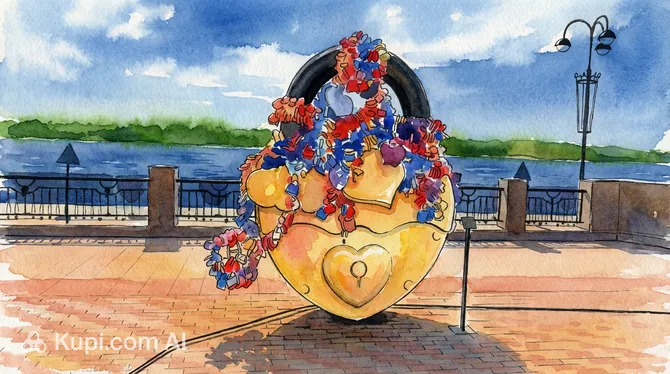
  • The Embankment of the Ob River is an engineering marvel as much as a recreational space. Constructed to protect the city from the powerful river's seasonal fluctuations, it features artistic sculptures and serves as the primary venue for local celebrations, offering stunning views of the Siberian waters.

  • The iconic "Alyosha" monument stands on a hill that is actually a man-made mound created to elevate the statue. At its base, a time capsule was buried by the Komsomol members of the past; it was opened in 2018, and a new message to the future residents of 2068 was subsequently placed there.

Embankment. Source: Kupi.Binoculars

How to Get There

Reaching this major Siberian center is relatively straightforward, as the city is well-connected to the rest of the country. The most direct and convenient option is to arrive at Nizhnevartovsk's own airport or railway station. However, depending on your point of origin and schedule, you might also consider traveling via larger transport hubs in the surrounding region. You can find more about how to get to Nizhnevartovsk to determine the best route for your journey.

For air travelers, the city is served by a local airport that receives flights from several major Russian cities. If you cannot find a suitable direct connection, Surgut Airport (SGC) serves as a primary alternative hub. Located approximately 178 km away, it offers a wider network of international and domestic flights. A transfer from Surgut typically involves a bus or taxi ride lasting around 3 to 4 hours. Other regional options include Kogalym Airport (KGP) and Noyabrsk Airport (NOJ), though these are generally used for specific regional connections.

Here is a summary of the regional airports that can serve as entry points:

Airport Name City Passenger Traffic Km from City
Surgut Airport Surgut Large 177.8
Noyabrsk Airport Noyabrsk Medium 259.5
Kogalym Airport Kogalym Medium 177.3

Traveling by train is another popular and scenic way to traverse Siberia. Nizhnevartovsk has its own railway station which acts as a terminal point for the line, ensuring a comfortable arrival directly into the city. Alternatively, travelers can use the station in Megion, which is situated just 28.5 km away—a very short transfer of about 30 to 40 minutes. The major railway junction in Surgut is also a viable option for those transiting through the region, although it requires a longer road transfer to reach your final destination.

Below is a list of railway stations in the vicinity that travelers might utilize:

Station City Passenger Traffic Km to Center
Surgut Railway Station Surgut High 180.7
Pyt-Yakh Railway Station Pyt-Yakh Medium 204.9
Megion Megion Medium 28.5
Kogalym Railway Station Kogalym Unknown 182.9
Ust-Yugan Station Pyt-Yakh Unknown 190.1

Main Attractions

While Nizhnevartovsk is primarily known for its industrial achievements, the city offers several engaging spots for visitors to explore. From scenic river views to poignant memorials and modern leisure centers, there are distinct locations that define the local character and provide a glimpse into the life of this Siberian metropolis.

The Embankment of the Ob River remains the city's most beloved public space. Stretching along the water, it is the perfect destination for a relaxing stroll, regardless of the season. In summer, it is a lively promenade filled with locals enjoying the sun, while in winter, the frozen river creates a stark, mesmerizing landscape. The area is adorned with various sculptures and offers the best vantage point to appreciate the sheer scale of the mighty Ob.

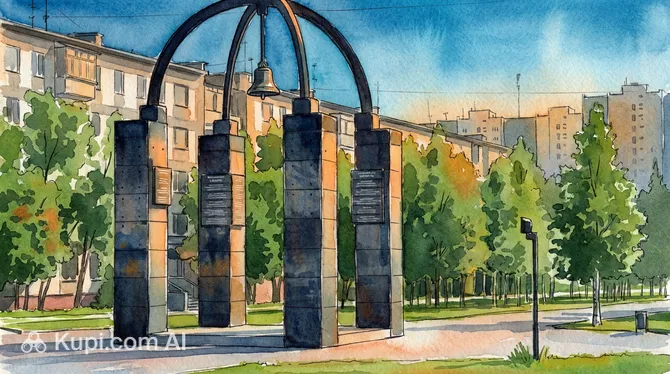
For a touch of history and reflection, visitors should see the Monument to Soldiers-Internationalists. Located on Komsomolsky Boulevard, this memorial is dedicated to the citizens of Nizhnevartovsk who served and lost their lives in conflicts beyond the country's borders. It is a solemn and respected landmark that serves as a gathering place for commemorative events and a reminder of the city's resilience and community spirit.

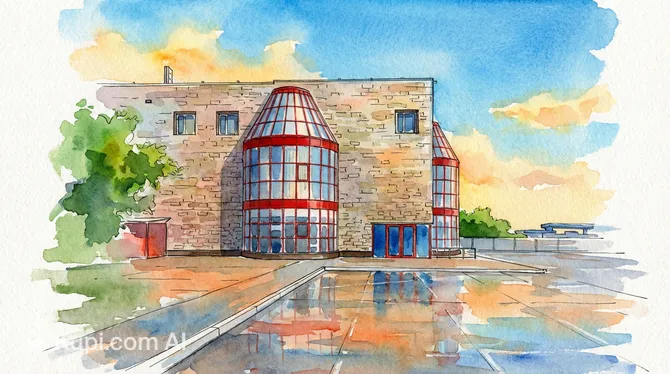
Monument to Soldiers-Internationalists. Source: Kupi.Binoculars

Travelers looking to experience the modern side of the city can visit the Europe City Mall. As one of the largest shopping and entertainment complexes in the area, it serves as a major hub for social life, especially during the cold winter months. The mall features a wide variety of shops, a cinema, and a food court, making it a convenient stop for families and those looking to pick up souvenirs or enjoy indoor entertainment.

Europe City Mall. Source: Kupi.Binoculars

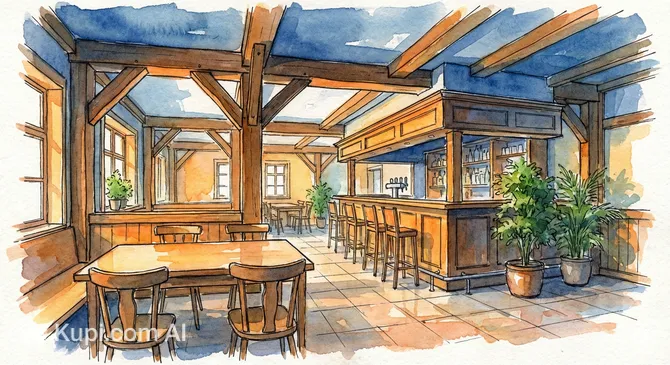
If you are looking for a place to unwind after a day of sightseeing, Hooligan's Irish Pub is a popular venue worth checking out. Known for its welcoming atmosphere and classic pub decor, it offers a slice of warmth and hospitality in the heart of Siberia. It is a great spot to enjoy a hearty meal, listen to music, and mingle with the friendly locals.

Hooligan's Irish Pub. Source: Kupi.Binoculars

Local Cuisine

The culinary scene in Nizhnevartovsk is a fascinating blend of traditional Russian comfort food and the unique flavors of the Russian North. Due to the harsh Siberian climate, the local cuisine tends to be hearty and warming, designed to provide energy during the long winters. Visitors will find a variety of dining options ranging from cozy cafes to lively restaurants that showcase the region's gastronomic heritage.

One of the most distinctive features of the local diet is the abundance of river fish and game meat. You simply cannot visit this part of Siberia without trying muksun or sterlet, often served salted, smoked, or grilled. For the adventurous foodie, stroganina is a must-try delicacy; it consists of thin slices of frozen raw fish or venison, dipped in a mixture of salt and black pepper. Venison is another staple, frequently appearing on menus as succulent steaks, rich stews, or filling for dumplings known as pelmeni.

To accompany these robust meals, locals often prefer beverages that utilize the region's natural bounty. Mors, a refreshing fruit drink made from lingonberries, cranberries, or cloudberries, is incredibly popular and packed with vitamins. For something warmer, herbal teas brewed with Siberian plants like thyme and currant leaves are a staple. In the evenings, you might encounter locally produced tinctures infused with pine nuts or forest berries.

When it comes to dining out, the city offers a mix of standalone establishments and modern food courts. Large shopping centers are social hubs where people gather to eat and relax. For instance, Yugra Mall provides a wide selection of dining choices, making it a convenient stop for a quick lunch or a family dinner while exploring the city's retail offerings.

Yugra Mall. Source: Kupi.Binoculars

For a more formal dining experience, you might visit Arbat, a restaurant that offers a pleasant atmosphere for enjoying a meal. If you are looking for a place to unwind with a drink and perhaps a taste of European-style hospitality, Koln is a well-known bar and restaurant in the city. Whether you crave authentic Siberian flavors or familiar international dishes, Nizhnevartovsk has something to satisfy every palate.

Arbat. Source: Kupi.Binoculars

Travel Tips

Traveling to Nizhnevartovsk offers a unique opportunity to witness the industrial power and natural beauty of Western Siberia up close. To ensure your journey to the "Oil Capital" is comfortable and hassle-free, we have compiled a list of essential practical advice to help you prepare.

  1. Clothing and Gear: If visiting in winter (November to March), extreme cold is the norm. You must pack heavy down jackets, thermal underwear, and insulated, non-slip boots. In summer, while the weather is pleasant, the region is known for mosquitoes and midges, so bringing strong insect repellent is absolutely necessary.
  2. Transportation: The city is compact and does not have a metro system. The most convenient way to get around is by using ride-hailing apps like Yandex Go, which are reliable and overcome language barriers. Public buses and marshrutkas (minibuses) are available and affordable, but routes can be confusing for first-time visitors.
  3. Finances: The local currency is the Russian Ruble (RUB). While credit card usage is widespread among locals, international bank cards are generally not accepted. It is highly recommended to bring cash (USD or EUR) in pristine condition to exchange at local bank branches upon arrival.
  4. Health and Safety: Pharmacies are easily identifiable and marked with a green cross and the word Apteka; many operate 24/7. The city is generally safe for tourists, but standard precautions apply: keep valuables secure and be very careful on icy sidewalks during the winter months.
  5. Communication: English is not widely spoken outside of major hotels and business centers. It is vital to download an offline translation app (such as Yandex Translate) before you arrive. Buying a local SIM card (MTS, Beeline, or MegaFon) requires your passport and is the best way to stay connected.
  6. Local Etiquette: Hospitality is a core part of Siberian culture. If you are invited to someone's home, it is mandatory to remove your shoes immediately upon entering. Bringing a small gift, such as chocolate or flowers, is also considered a polite gesture.
  7. What to Avoid: Avoid drinking tap water directly; it is safer to buy bottled water or use a filter. Additionally, refrain from photographing specific industrial sites, oil refineries, or security checkpoints without explicit permission, as these are often restricted areas.
  8. Seasonal Tip: If you visit in June, you will experience the phenomenon of the White Nights, where the sun barely sets. This creates a festive atmosphere, famously celebrated during the "Samotlor Nights" festival, but bring a sleep mask if you are sensitive to light at night.

By keeping these tips in mind, you will be well-prepared to navigate the local customs and climate of Nizhnevartovsk. Embrace the warm Siberian hospitality and enjoy your exploration of this fascinating northern city!

Entertainment & Nightlife

While Nizhnevartovsk is primarily an industrial powerhouse, the city comes alive after dark, offering a variety of entertainment options for locals and visitors alike. The nightlife scene here is concentrated and cozy, reflecting the warm social culture of Siberia. After a long day of work or sightseeing, residents flock to the city center to unwind, making the weekends particularly vibrant.

The main hub for evening activities is situated around the central streets, particularly along Lenin Street and Mira Street. Here, you will find a mix of modern bars, classic pubs, and restaurants that transition into lively venues as the night progresses. The atmosphere is generally relaxed and friendly, though some of the more upscale clubs may enforce a "face control" policy and a smart-casual dress code.

For those seeking a classic pub experience with a lively vibe, Koln is a standout destination. This venue combines the heartiness of a German beer hall with the energy of a modern bar. It is an excellent place to enjoy a wide selection of drinks, listen to music, and immerse yourself in the local social scene. The establishment is popular among a diverse crowd, from young professionals to oil industry workers.

Koln. Source: Kupi.Binoculars

Another favorite spot that defines the city's nightlife is Hooligan's Irish Pub. As mentioned earlier, this venue is a cornerstone of evening entertainment in Nizhnevartovsk. At night, the energy ramps up, often featuring sports broadcasts or lively conversations over pints of stout. It is the perfect place to go if you want to meet locals in a welcoming, unpretentious setting.

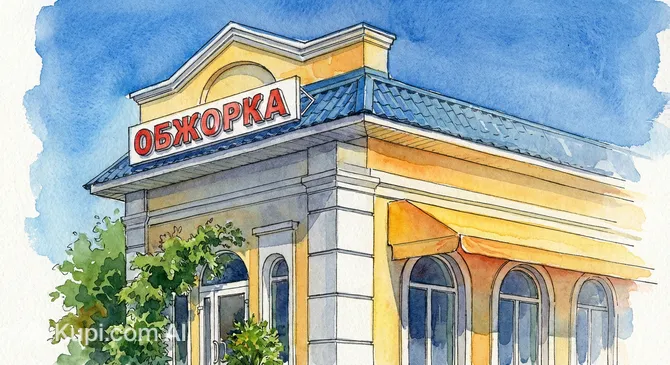
If you prefer a late-night meal or a more laid-back evening with friends, Obzhora-San offers a different flavor. Known for its Japanese cuisine and sushi, it serves as a great spot to start your evening or refuel during a night out. The venue provides a comfortable environment where you can enjoy good food and conversation away from the louder dance floors.

Obzhora-San. Source: Kupi.Binoculars

Practical Advice: Most bars and clubs operate until late, with 2:00 AM or 4:00 AM being standard closing times on Fridays and Saturdays. Prices are generally moderate compared to Moscow or St. Petersburg. For transportation, it is highly recommended to use taxi apps like Yandex Go rather than hailing cars on the street. This ensures a fixed price and a safe ride back to your accommodation.

Safety: Nizhnevartovsk is generally safe at night, especially in the well-lit central districts and near the Embankment. However, as with any city, it is wise to avoid unlit outskirts and solitary walks in residential courtyards late at night. Stick to the main avenues where there is plenty of foot traffic and activity.

During the daylight hours, the entertainment shifts towards culture and family leisure. The Nizhnevartovsk Drama Theatre offers high-quality productions for theater enthusiasts, while the City Museum of Local Lore provides fascinating exhibitions on the region's history and nature. For a simple daytime pleasure, the city parks and the river embankment remain the top choices for a refreshing walk.

Parks & Museums

Beyond its industrial achievements, Nizhnevartovsk surprises visitors with a variety of serene green spaces and cultural institutions dedicated to preserving the rich history of Yugra. The city offers a balanced mix of natural beauty and educational venues, allowing tourists to explore the heritage of the indigenous peoples and enjoy the outdoors in a unique Siberian setting.

One of the most popular natural areas in the city is Lake Komsomolskoe. Located centrally, it serves as a favorite recreational spot for locals throughout the year. In the summer, the sandy shores transform into a lively beach area where residents come to sunbathe and play volleyball. During the long winter months, the frozen lake becomes a hub for cross-country skiing and ice skating, offering a picturesque winter wonderland experience right in the heart of the city.

For a peaceful walk combined with historical reflection, Victory Park is a significant destination. It is a well-maintained green space featuring alleys lined with trees, benches, and memorials dedicated to the heroes of World War II. The park is often quiet and contemplative, making it an ideal place for a leisurely stroll away from the city noise. Nearby, you can also explore the Komsomolsky Boulevard, home to the Monument to Soldiers-Internationalists, which adds a layer of solemn history to the scenic surroundings.

To delve into the region's culture, a visit to the Nizhnevartovsk Museum of Local Lore is essential. This museum offers comprehensive exhibits that cover the natural history of Western Siberia, the ethnography of the indigenous Khanty and Mansi peoples, and the development of the oil industry. It provides a fascinating narrative of how traditional lifestyles have coexisted with rapid industrialization.

Another unique cultural venue is the Museum of Russian Everyday Life located in the village of Nizhnevartovsk. This open-air ethnographic complex recreates the atmosphere of a traditional Russian village. Visitors can explore wooden houses, barns, and workshops filled with authentic household items, offering a tangible connection to the lives of the early settlers in this harsh yet beautiful region.

Architecturally, the Church of the Nativity of Christ stands out as a major landmark. With its golden domes gleaming against the sky, it is a stunning example of modern Orthodox architecture and serves as the spiritual center of the city. While exploring the riverside, do not miss the Embankment, which functions not just as a flood defense but as a linear park adorned with sculptures, perfect for admiring the vastness of the Ob River.

For an insider tip, consider a short trip to the "Sibirskie Uvaly" Natural Park just outside the city. It is a protected ecological area that offers hiking trails through pristine taiga forests. It is a fantastic spot for eco-tourists looking to breathe fresh Siberian air and perhaps spot some local wildlife in their natural habitat.

Getting Around

The public transport system in Nizhnevartovsk is straightforward and compact, relying entirely on a network of buses and fixed-route minibuses, locally known as marshrutkas. Unlike larger metropolises, the city does not have a metro, tram, or trolleybus system. The bus network is quite extensive, covering all major residential districts, the industrial zones, and key transport hubs like the airport and railway station. For most tourists, this network is sufficient for navigating between the city center, the Ob River embankment, and major shopping malls.

Buses are generally large and comfortable, suitable for travel with luggage. Marshrutkas are smaller vans that follow specific routes but move faster than regular buses. They are very popular among locals for their speed and frequency. While buses stop strictly at designated bus stops, marshrutkas stop at official stops but can sometimes be flagged down or asked to stop at specific points along the route, though it is safer and more reliable to use designated stops.

Payment is simple and convenient. In most buses and newer marshrutkas, you can pay using a contactless bank card or a smartphone with NFC capabilities. Cash is also widely accepted and is sometimes the only method available in older minibuses. You typically pay the driver upon entry in marshrutkas, or a conductor (if present) in larger buses. The fare is affordable and fixed, regardless of the distance traveled within the city limits.

For navigation, it is highly recommended to use mobile apps like 2GIS or Yandex Maps. These applications are indispensable in Siberia; they show real-time bus locations, optimal routes, and even the cost of the trip. Since bus schedules can be less frequent late in the evening, checking an app can save you from waiting outside in the cold.

Public transport generally operates from early morning (around 6:00 AM) until late evening (around 10:00 PM or 11:00 PM). If you are traveling at night, or if the weather is particularly harsh (especially during the bitter winter months), taxis are the best alternative. Services like Yandex Go and Maxim operate in the city, offering a safe, warm, and relatively inexpensive way to get around. You can book a ride via their respective apps without needing to speak the language.

Car sharing and bike rentals are less developed compared to Russia's capital cities, though electric scooters have appeared on the streets during the short summer season. However, given the city's layout and climate, walking or taking a taxi remains the most practical choice for tourists when distances are too great for a stroll along the river.

Accommodation

Where to Stay:

Accommodation in Nizhnevartovsk is primarily designed to meet the needs of business travelers and industry professionals, reflecting the city's status as a major oil and gas hub. Visitors will find a solid selection of mid-range hotels that offer comfortable, no-nonsense amenities suitable for both short and long stays. While you will not find ultra-luxury resorts here, there are several respectable establishments providing quality service, alongside a growing market of modern apartment rentals which are often a popular choice for those seeking a more home-like environment.

For tourists, the most convenient area to stay is the city center, particularly near Lenin Street or Mira Street. staying in this central district places you within walking distance of major shopping centers, dining spots, and cultural venues. Another attractive option is to look for accommodation near the Ob River Embankment. Hotels in this vicinity often offer pleasant views of the river and easy access to the city's main promenade, which is perfect for evening strolls.

When planning your trip, it is important to consider the city's business calendar. During major oil and gas conferences or industry exhibitions, hotels can fill up quickly, so it is advisable to book your room well in advance. Generally, pricing is moderate and stable throughout the year, falling into the budget to mid-range categories. Reservations can typically be made through major online booking platforms, though contacting smaller local hotels directly can sometimes yield better rates or specific arrangements.

Nearby Cities

For those looking to explore the surroundings, Nizhnevartovsk serves as an excellent base for day trips to several interesting nearby locations.

One of the most significant neighbors is Surgut, located approximately 176 km away. As one of the oldest cities in Siberia, founded in 1594, it offers a compelling mix of history and modern industrial might. Visitors can stroll through the "Old Surgut" historical and cultural center, which features reconstructed wooden architecture, or admire the magnificent cable-stayed bridge across the Ob River, a true engineering marvel of the region.

Another accessible destination is Nefteyugansk, situated about 217 km from the city. This town is deeply intertwined with the history of oil exploration in Western Siberia. A key attraction here is the Museum of the River Ob, which provides fascinating insights into the ethnographic heritage of the indigenous peoples and the natural history of the area, making it a worthwhile educational stop.

City Population Distance (km)
Surgut 395900 176
Novy Urengoy 130000 575
Nefteyugansk 128159 217
Noyabrsk 106879 259
Khanty-Mansiysk 105995 409

These nearby destinations offer a glimpse into the diverse culture and landscapes of the region.

Shopping & Souvenirs

Shopping in Nizhnevartovsk offers a practical mix of modern convenience and unique regional flavor. While the city is not a global fashion capital, it provides a comfortable retail experience with well-stocked shopping centers that rival those in larger Russian cities. Visitors can find everything from international clothing brands and electronics to specialized local products that reflect the richness of Western Siberia.

For those who prefer high-street shopping, the city center is the place to be. The areas along Lenin Street and Mira Street serve as the main commercial arteries, lined with smaller boutiques, jewelry stores, and banks. Walking down these streets allows you to absorb the city's atmosphere while browsing for goods, though the harsh winter climate often drives shoppers indoors to the larger complexes.

The city boasts several modern shopping malls that function as major hubs for social life and entertainment. Yugra Mall is one of the most popular destinations, offering a wide range of retail stores, a cinema, and a spacious food court. It is a great place to spend a few hours, especially if you are looking for familiar brands. Another significant spot is Europe City Mall, which features a similar variety of shops and entertainment facilities, making it a convenient one-stop location for families and tourists alike.

To experience the authentic taste of the region, you should visit the local markets and specialty food stores. These are the best places to discover the "gifts of the North." Here, you can find an abundance of wild berries such as cranberries, lingonberries, and cloudberries, often sold fresh, frozen, or as jams. The markets are also the go-to spots for purchasing fresh and smoked river fish, which is a staple of the local diet.

When it comes to souvenirs, Nizhnevartovsk offers items that you won't easily find elsewhere. The most coveted gift is undoubtedly smoked muksun or sterlet, a delicious local fish that travels well if vacuum-packed. Pine nuts and cedar oil are also excellent natural gifts. For non-edible souvenirs, look for traditional handicrafts made by the indigenous Khanty and Mansi peoples, such as beaded jewelry, fur boots known as unty, or decorative dolls. Additionally, given the city's industrial heritage, souvenirs themed around "black gold" (oil), such as small vials of oil or themed stationery, are popular keepsakes.

Most major shops and shopping centers operate daily, typically opening around 10:00 AM and closing at 10:00 PM. Smaller street-side boutiques may close earlier, around 8:00 PM. Payment is convenient, with credit and debit cards being widely accepted in malls, supermarkets, and restaurants. However, if you plan to visit smaller kiosks or open-air markets for local delicacies, carrying some cash in Russian Rubles is highly recommended.

Regarding tax refunds, tourists should be aware that the Tax-Free shopping system is not widely implemented in Nizhnevartovsk. Unlike Moscow or St. Petersburg, where many luxury stores offer VAT refunds to international visitors, this service is generally unavailable in regional Siberian cities. It is best to assume that the price you see on the tag is the final price.

Reached the end of the page?

That means the route is fully explored