Support

Surgut

About

Surgut is a dynamic and significant city located in the heart of Western Siberia. Known primarily as a major hub for the oil and gas industry, it is often referred to as the "Oil Capital" of the region. Despite its industrial reputation, the city offers a surprising blend of modern urban development and deep-rooted traditions, making it a fascinating destination for travelers exploring the Russian Federation.

Geographically, the city is situated on the right bank of the majestic Ob River within the Khanty-Mansi Autonomous Okrug – Yugra. The climate here is subarctic, characterized by long, snowy winters and short but warm summers, which shapes the unique lifestyle of its approximately 396,000 residents. The surrounding landscape features vast taiga forests and waterways, providing a stunning natural backdrop to the urban skyline.
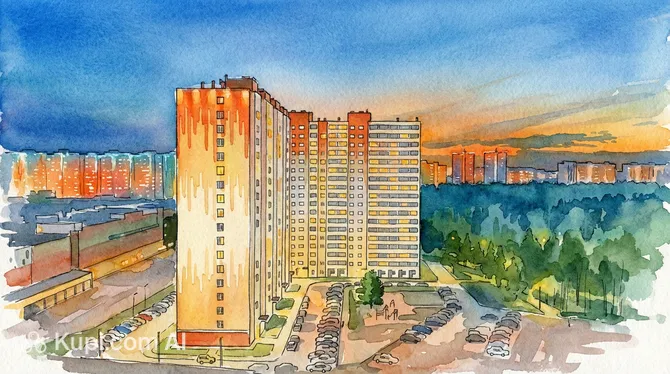
Surgut. Source: Kupi.Binoculars

Founded in 1594, Surgut is one of the oldest Russian settlements in Siberia. Visitors interested in the past can delve into the fascinating history of Surgut at the Old Surgut Historical and Cultural Center. This open-air museum complex reconstructs the atmosphere of the town as it was in the late 19th and early 20th centuries, featuring wooden architecture and exhibits on the indigenous peoples of the North.

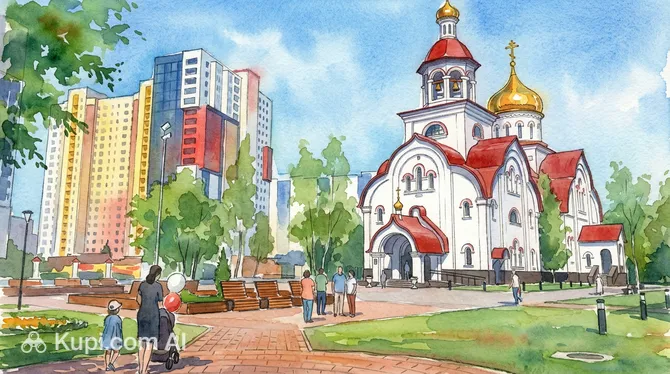
Modern Surgut also boasts impressive architectural feats. One of the most iconic landmarks is the Yugra Bridge, a stunning cable-stayed bridge across the Ob River that is one of the longest of its kind in Siberia. At night, the bridge is beautifully illuminated, creating a picturesque view that is perfect for photography enthusiasts. Additionally, the city is home to several well-maintained parks and the striking Transfiguration Cathedral, adding to its visual appeal.

Whether you are drawn by the allure of the Siberian North, the industrial might of the energy sector, or the charm of wooden heritage buildings, Surgut welcomes you with warm hospitality. It is a unique place where the past and future meet, offering a memorable experience for every visitor.

Weather Overview

Surgut experiences a continental subarctic climate, characterized by distinct seasonal changes that are important to consider when planning your visit. To ensure you are fully prepared for the conditions, it is advisable to check the current weather in Surgut before your trip. The city is known for its long, frigid winters and short, mild summers.

The winter season is dominant and severe, typically stretching from November through April. January is usually the coldest month, with average temperatures around -18.6°C and minimums often dropping to -21.7°C. Despite the freezing temperatures, precipitation volume is generally low, though snow cover is persistent throughout the season.

Summer brings a welcome thaw, with July being the warmest month, featuring average temperatures of 17.8°C and highs reaching 22.0°C. While the temperatures are comfortable for outdoor sightseeing, frequent light showers are common, with August seeing up to 16 wet days. Overall, you can expect warm summers with occasional rain and cold, dry winters.

Interesting Facts

Beyond the industrial landscape and modern skyline, Surgut holds fascinating secrets that reveal its deep historical roots and quirky character. Uncover these unique details to see a different side of this Siberian city.
Old Surgut. Source: Kupi.Binoculars
  • Ancient Origins: Founded in 1594, Surgut is one of the oldest Russian cities in Siberia. It is actually significantly older than St. Petersburg, having been established by Tsar Feodor I as a fortress to secure the lands along the Ob River.

  • A "Fishy" Name: The name of the city is widely believed to originate from the Khanty language words "sur" (fish) and "kut" (hole or pit). This roughly translates to "fish place," reflecting the historical abundance of fish in the local rivers that sustained the indigenous populations.

  • Siberian Big Ben: You might be surprised to find a piece of London in the heart of Siberia. The city features a building that closely resembles the famous Elizabeth Tower (Big Ben), which houses a school of foreign languages and has become a popular local photo spot.

  • Living History: The cultural complex known as Old Surgut is located on the very site where the original wooden fortress stood. Since the authentic timber structures could not withstand the centuries, the current buildings are meticulous reconstructions designed to preserve the architectural heritage of the region.

  • Nature's Resilience: Despite the harsh subarctic climate, the Surgut Botanical Garden successfully cultivates a diverse range of plants. It stands as a testament to the dedication of local botanists who have created a thriving green oasis in a region known for its long, freezing winters.

How to Get There

Reaching this major Siberian hub is relatively straightforward thanks to its status as a key industrial center. For a complete overview of travel options and routes, you can read more about how to get to Surgut on our detailed transport page. The city is well-connected by both air and rail, offering flexibility for travelers coming from various parts of the country and abroad.

The most convenient entry point is Surgut Airport (IATA: SGC), located just 9.9 km from the city center. It is the largest airport in the region, serving over 2 million passengers annually with numerous domestic and international flights. A trip from the terminal to the downtown area by taxi or bus typically takes around 35 minutes. As an alternative for regional connections, you might consider Kogalym Airport (IATA: KGP) in the city of Kogalym. However, it is situated about 120 km away, so expect a transfer time of roughly 3.5 hours to reach Surgut.

For clarity, here is a summary of the main airports:

Airport Name City Passenger Traffic Km from City
Surgut AirportSurgutLarge9.9
Khanty-Mansiysk AirportKhanty-MansiyskMedium233.5
Noyabrsk AirportNoyabrskMedium236.0
Kogalym AirportKogalymSmall120.4

Travelers preferring ground transport can arrive at the Surgut Railway Station, which is conveniently situated only 5.6 km from the city center. This station is a major transport node, handling approximately 1.5 million passengers a year. The commute to the main city attractions takes about 30 minutes by taxi or public transport. Another option in the vicinity is the Pyt-Yakh Railway Station in the city of Pyt-Yakh, located about 63 km away, which can serve as an alternative arrival point depending on your specific train route.

Below is a list of the nearest railway stations:

Station City Passenger Traffic Km to Center
Surgut Railway StationSurgutLarge5.6
Pyt-Yakh Railway StationPyt-YakhMedium63.1
MegionMegionMedium148.1
Kogalym Railway StationKogalym127.2
Ust-Yugan StationPyt-Yakh40.3

Main Attractions

Surgut offers a fascinating array of sights that blend its industrial modernism with deep historical roots and natural beauty. From serene parks to striking monuments, the city provides several engaging locations for visitors to explore.

One of the most beloved recreational spots in the city is the Sayma Ethnographic Park. Situated along the banks of the Sayma River, this sprawling green space is a favorite for both locals and tourists seeking a breath of fresh air. It features winding walking paths, playgrounds, and dense trees that are often home to friendly squirrels. It is an ideal location for a leisurely stroll or a family picnic, offering a quiet escape from the urban bustle.

Sayma Ethnographic Park. Source: Kupi.Binoculars

For those interested in the city's origins, the Monument to the Founders of Surgut is a must-see landmark. Located at a prominent roundabout, this impressive bronze sculpture depicts four figures representing the key roles in the city's establishment: a prince, a voivode, a priest, and a Cossack. The monument stands as a powerful symbol of the city's history since 1594 and serves as a popular backdrop for memorable travel photos.

Monument to the Founders of Surgut. Source: Kupi.Binoculars

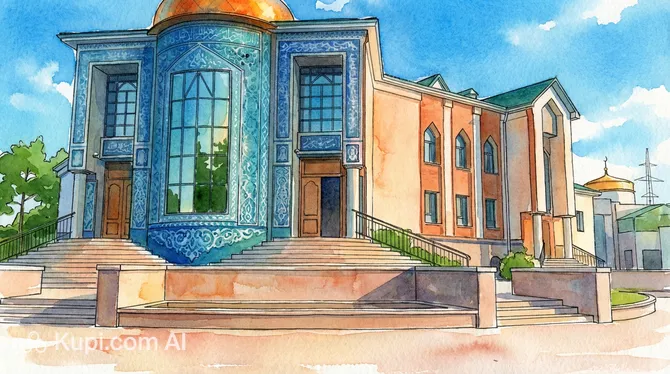
The city's architectural landscape is enriched by the beautiful Surgut Mosque. This religious site is not only a spiritual center for the Muslim community but also an attraction admired for its distinct design and structure. Visitors are often captivated by its elegant minarets and the peaceful atmosphere that surrounds the building, making it a significant cultural stop on a tour of the city.

Surgut Mosque. Source: Kupi.Binoculars

Another important site is the Eternal Flame Memorial. Dedicated to the memory of those who fell during the Great Patriotic War, this solemn complex allows visitors to pay their respects to local heroes. The well-maintained grounds and the commemorative flame create a space for reflection and offer insight into the deep respect the local community holds for its history.

Local Cuisine

The culinary scene in Surgut is a fascinating reflection of its northern geography, offering a unique blend of traditional Siberian flavors and modern dining experiences. The local diet is heavily influenced by the riches of the surrounding taiga and rivers, with a strong emphasis on fresh fish, game meat, and forest berries. For gastronomic tourists, tasting the delicacies of the Yugra region is an essential part of the travel experience.

One of the most iconic dishes you must try is stroganina. This northern specialty consists of thin slices of frozen raw fish, typically muksun or sterlet, served with a mixture of salt and black pepper. The fish is sliced directly from the frozen fillet and melts in your mouth, offering a delicate and fresh taste. Another local favorite is venison, which is often served grilled, stewed, or as a filling for hearty pelmeni (dumplings). These dishes provide the warmth and energy needed to withstand the Siberian cold.

To accompany your meal, be sure to try the local non-alcoholic beverages made from wild berries. Mors, a refreshing drink made from lingonberries, cranberries, or cloudberries, is a staple on nearly every table. It is tart, vitamin-rich, and perfectly complements the rich flavors of meat and fish dishes. For something warmer, herbal teas brewed with Siberian herbs and pine nuts are widely available and highly aromatic.

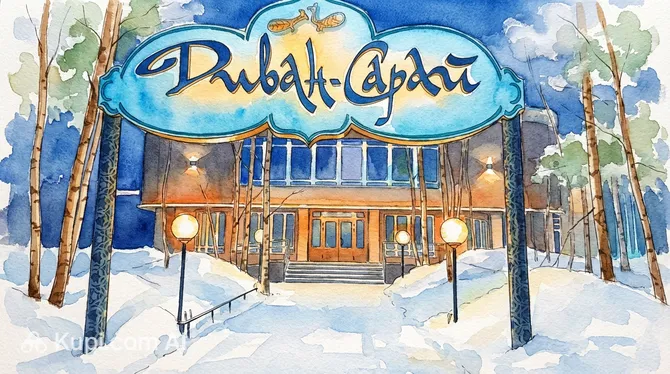
When it comes to dining out, the city offers a variety of venues ranging from high-end establishments to cozy cafes. If you are looking for a place to enjoy a substantial meal in a pleasant atmosphere, you might visit Divan Saray. This restaurant is known for its hospitality and diverse menu, making it a popular choice for both locals and visitors seeking a satisfying dinner.

Divan Saray. Source: Kupi.Binoculars

For a more casual break or a morning energy boost, the city has a vibrant coffee culture. Traveler's Coffee is a well-regarded spot where you can enjoy high-quality brews and light snacks. It is an excellent place to relax after a day of sightseeing and warm up with a hot cup of specialty coffee.

Traveler's Coffee. Source: Kupi.Binoculars

The city's nightlife and bar scene also offer welcoming spots to unwind. Venues like Mishka Bar provide a lively environment where you can sample a range of drinks and socialize. Whether you are adventurous enough to try raw frozen fish or prefer a comforting plate of dumplings, Surgut's food culture promises a memorable journey for your taste buds.

Travel Tips

Welcome to Surgut, a city where the warmth of Siberian hospitality meets the crisp chill of the North. To help you navigate the unique climate and local customs of this industrial powerhouse comfortably, we have compiled a set of essential travel tips that will ensure your trip is smooth and enjoyable.

  1. Clothing and Gear: If you are visiting between November and April, preparation is key. You will need heavy winter gear: thermal underwear, a down parka, insulated waterproof boots with non-slip soles, a thick hat, and mittens. For summer visits, the weather is mild, but the taiga location means mosquitoes and midges can be intense, so bring effective insect repellent and light, long-sleeved clothing. When visiting religious sites like the Transfiguration Cathedral or the Surgut Mosque, modest dress is required; women should cover their heads and wear skirts or long coats.

  2. Transportation: The public transport network in Surgut consists of buses and marshrutkas (minibuses), which cover the city extensively. However, for a tourist, the most convenient option is using ride-hailing apps like Yandex Go. They are affordable, reliable, and overcome the language barrier since you set the destination on the map. Car rental is available but is generally not recommended in winter unless you are experienced in driving on icy, snow-covered roads.

  3. Finances: The local currency is the Russian Ruble (RUB). Be aware that credit and debit cards issued outside of Russia typically do not work within the country currently. It is crucial to bring a sufficient amount of cash (USD or EUR) in pristine condition to exchange at local banks upon arrival. ATMs are widespread, but they will only accept locally issued cards.

  4. Health and Safety: Surgut is generally a safe city for travelers. Pharmacies, marked by a green cross and the word "Apteka" (Аптека), are easy to find, and many operate 24/7. In winter, the biggest safety hazard is slippery ice on sidewalks, so walk carefully. Tap water is generally not recommended for drinking without boiling; sticking to bottled water is the safest choice.

  5. Communication: The primary language is Russian, and English proficiency among the general population may be limited. It is highly advisable to download an offline translation app and an offline map (like 2GIS or Yandex Maps) before you arrive. You can purchase a local SIM card at the airport or mobile shops (MTS, Beeline, MegaFon, Tele2) using your passport to ensure you have mobile data connectivity.

  6. Local Etiquette: Siberians are known for being straightforward but kind. When entering someone's home, it is mandatory to remove your shoes; hosts will usually provide slippers. A firm handshake is the standard greeting for men. In public transport, it is polite to offer your seat to elderly people, pregnant women, or passengers with small children.

  7. What to Avoid: Do not drink alcohol in public places such as parks, streets, or playgrounds, as it is prohibited by law and can result in a fine. Also, avoid underestimating the cold; if a local advises you to dress warmer or not to walk long distances during a frost, trust their experience.

  8. Local Souvenirs: For a truly authentic memory of Surgut, look for edible souvenirs. Local specialties like pine nuts, pine cone jam, and smoked northern fish (muksun or omul) make for unique gifts that reflect the richness of the Yugra region.

By keeping these practical tips in mind, you will be well-equipped to explore everything Surgut has to offer, from its snowy landscapes to its vibrant cultural sites. Pack your warmest clothes, download your maps, and get ready for an unforgettable Siberian adventure!

Entertainment & Nightlife

Surgut may be known as an industrial powerhouse, but its residents certainly know how to unwind after a long week. The city boasts a developing and vibrant nightlife scene that caters to various tastes, from energetic dance floors to cozy, laid-back pubs. Most of the evening action is concentrated in the city center, particularly along the bustling Lenin Avenue and Mira Avenue, where the streets are well-lit and lined with venues.

For those looking to enjoy a pint in a friendly atmosphere, Joint Pub is a popular destination. It offers a classic pub vibe with a wide selection of beers, cocktails, and hearty snacks. The venue often hosts live music performances or DJ sets, drawing a crowd that enjoys rock and pop hits. The atmosphere here is generally relaxed, making it a great spot to socialize with locals without the pressure of a high-end club environment.

Joint Pub. Source: Kupi.Binoculars

If you prefer a more multifaceted evening out, the city's large shopping complexes serve as major entertainment hubs that stay lively well into the evening. Surgut City Mall is a favorite spot for both families and groups of friends. Beyond shopping, it features a modern cinema, bowling alleys, and a variety of food court options, providing a warm and comfortable refuge from the chilly Siberian nights.

Surgut City Mall. Source: Kupi.Binoculars

Regarding the dress code, most bars and clubs in Surgut operate with a "smart casual" policy. While pubs are lenient, some of the more exclusive nightclubs may enforce face control, so dressing neatly is highly recommended. Prices for drinks and cover charges are generally moderate compared to Moscow or St. Petersburg, offering good value for a night out.

While nightlife is a highlight, the city also offers excellent daytime entertainment. Active travelers should visit the indoor Aqua Park, which provides a tropical escape with slides and pools regardless of the weather outside. For families with children, Banana Park is an excellent amusement center filled with activities to burn off energy. Additionally, the city has several theaters and cultural centers for those interested in the arts.

When navigating Surgut at night, safety is generally not a major concern in the central districts, but standard precautions apply. Public transportation hours are limited, so it is best to rely on taxis for late-night travel. Ride-hailing apps like Yandex Go are the most convenient and reliable way to get around, ensuring you reach your hotel safely and for a fixed price.

Parks & Museums

Surgut offers a surprising variety of green spaces and cultural complexes that provide a refreshing contrast to its industrial backdrop. From historical reconstructions to serene nature reserves, the city’s parks and museums allow visitors to explore the region's heritage and enjoy the outdoors.

A visit to Surgut would be incomplete without exploring Old Surgut. This unique historical and cultural center is an open-air museum located in a picturesque area of the city. It features a collection of wooden houses that have been meticulously reconstructed to represent the architecture of the late 19th and early 20th centuries. Inside these buildings, you can visit various exhibitions that showcase the lifestyle of the Cossacks, the traditions of the indigenous peoples of the North, and the rich flora and fauna of the Yugra region.

For those seeking a connection with nature, the Sayma Ethnographic Park is the perfect destination. Often called the "green heart" of the city, this vast forest park is situated centrally, making it easily accessible for residents and tourists alike. It is a car-free zone filled with tall pine trees and well-paved paths, ideal for jogging, cycling, or simply enjoying a quiet walk in the fresh air. The park is also a hub for local events and festivals throughout the year.

Another fascinating natural site is the Surgut Botanical Garden. This facility is a testament to scientific dedication, serving as a research ground for acclimatizing plants to the severe Siberian climate. Visitors can admire a diverse collection of trees, shrubs, and flowers, many of which are rare for this latitude. It is a peaceful spot that highlights the resilience and beauty of northern nature.

Surgut Botanical Garden. Source: Kupi.Binoculars

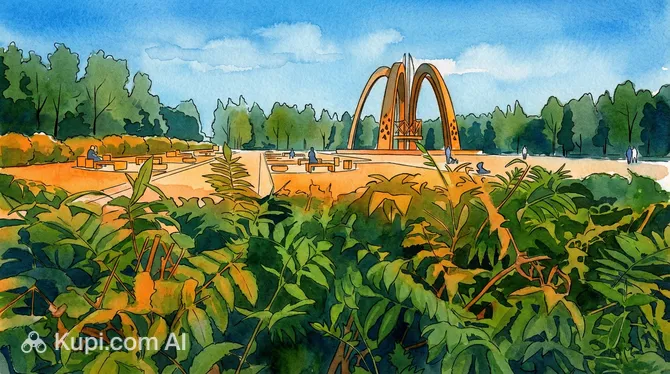
To understand the modern history of the region, stop by the Monument to the Labor Feat of Oil Workers. This striking architectural composition is dedicated to the geologists, drillers, and builders who developed the West Siberian oil and gas province. The monument captures the industrial spirit of the city and stands as a symbol of the hard work that transformed Surgut into a major energy capital.

Monument to the Labor Feat of Oil Workers. Source: Kupi.Binoculars

Getting Around

Navigating Surgut is relatively straightforward, as the city relies on a well-developed network of buses and minibuses, locally known as marshrutkas. Since there is no metro or tram system, these road-based vehicles form the backbone of public transportation, connecting all major residential districts, industrial zones, and key transport hubs like the airport and railway station. The fleet is modernizing, ensuring a reasonably comfortable ride even during the colder months.

The payment system is designed to be convenient for passengers. You can pay for your fare using cash or a contactless bank card. In most large buses, a conductor will approach you to collect payment and issue a ticket, while in smaller minibuses, you typically pay the driver directly upon entering. Using a bank card is often slightly cheaper than paying with cash. While there are no specific "tourist travel passes," the standard fare is affordable, making single trips cost-effective.

For tourists, the best practical advice is to download a navigation app like 2GIS or Yandex Maps. These applications are indispensable in Surgut, offering detailed route planning, bus stop locations, and even real-time tracking of vehicle arrivals. Public transport generally operates from roughly 6:00 AM to 11:00 PM. Be aware that intervals between buses can increase significantly late in the evening, so it is wise not to rely on the last bus of the night.

If you prefer more comfort or speed, especially during the harsh winter when waiting at a bus stop can be challenging, taxis are an excellent alternative. Ride-hailing apps are extremely popular and widely used, allowing you to book a car without needing to speak the local language. Additionally, during the short but warm summer season, electric scooters and bicycles are available for rent in the city center and parks, providing a fun way to explore the scenic embankments and green spaces.

Accommodation

Where to Stay:

Finding the right place to stay in Surgut is relatively easy, as the city is well-equipped to host visitors ranging from business executives to leisure travelers. The accommodation landscape is dominated by modern business hotels, reflecting the city's status as a major industrial hub. However, you can also find comfortable mid-range guesthouses, budget-friendly hostels, and a wide selection of short-term rental apartments, which are particularly popular in Russia for longer stays.

For the most convenient experience, it is best to stay in the City Center, particularly around Lenin Avenue and Mira Avenue. Staying in this area places you within walking distance of key attractions like the Surgut City Mall and various dining spots. This central location ensures easy access to public transport and puts you close to cultural sites such as Old Surgut, allowing you to explore the city efficiently even during the colder months.

When planning your trip, keep in mind that Surgut is primarily a working city with a busy corporate calendar. During major oil and gas conferences or industry events, hotels can fill up quickly, and prices may rise. Therefore, it is a smart move to book your accommodation in advance, especially if you plan to visit during the week. While international booking platforms may have limited functionality, many local hotels offer direct booking through their websites or via Russian travel aggregators.

The price range for accommodation is generally moderate compared to Moscow, but it can vary significantly based on comfort levels. You can expect to find solid mid-range options that offer good value for money, including breakfast and Wi-Fi. Luxury options are available but limited, mostly catering to business delegations. Whether you choose a full-service hotel or a cozy private apartment, you will find a warm welcome in this Siberian city.

Nearby Cities

For those looking to explore the surroundings, Surgut serves as an excellent base for day trips to several interesting nearby locations:

The closest option for a quick getaway is Nefteyugansk, situated just a short drive from the city. As a key player in the development of Western Siberian oil, it offers visitors a chance to learn about the industry's history while enjoying walks along its river embankments. For a more culturally immersive experience, a trip to Khanty-Mansiysk is highly recommended. Although the journey takes a few hours, the regional capital rewards travelers with its famous Archeopark, home to impressive bronze mammoth sculptures, and world-class winter sports facilities.

City Population Distance (km)
Nizhnevartovsk 278725 176
Nefteyugansk 128159 46
Noyabrsk 106879 241
Khanty-Mansiysk 105995 237
Tobolsk 98886 444

These nearby destinations offer a glimpse into the diverse culture and landscapes of the region.

Shopping & Souvenirs

General Overview: Shopping in Surgut offers a pleasant mix of modern convenience and unique regional flavor. While the city is primarily an industrial hub, its retail scene is well-developed, featuring large entertainment complexes alongside smaller specialty stores. Visitors can find everything from international fashion brands to authentic Siberian goods that reflect the rich culture of the Yugra region.

Main Shopping Areas: For a walk-and-shop experience, head to the city center along Lenin Avenue and Mira Avenue. These central streets are lined with a variety of boutiques, jewelry stores, and souvenir shops. It is a great area to explore on foot, allowing you to pop into local stores while enjoying the urban atmosphere of the city.

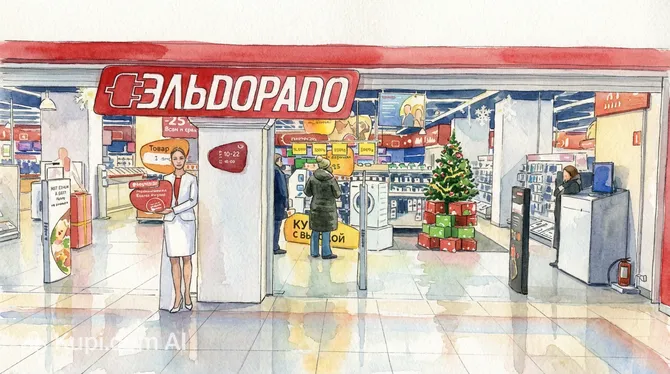
Shopping Malls: The city is home to several impressive malls that serve as major activity hubs. One of the most popular destinations is the Surgut City Mall, a vast complex located near the Ob River that offers countless fashion retailers, electronics stores, and entertainment options. Another excellent venue is the Soyuz Shopping Mall, which provides a comfortable shopping environment with a wide selection of goods for the whole family.

Soyuz Shopping Mall. Source: Kupi.Binoculars

Markets: To truly experience the local flavor, a visit to the Central Market is essential. This is the best place to find fresh, high-quality regional produce. The market is particularly famous for its fish counters, where you can buy freshly caught, salted, or smoked river fish. In late summer and autumn, the stalls are overflowing with forest treasures like wild berries, mushrooms, and cedar cones.

Souvenirs: When looking for gifts to bring home, focus on the edible specialties of the North. Smoked muksun or omul fish is a top choice, as are pine nuts and the unique pine cone jam. For non-food items, look for handicrafts made by the indigenous Khanty and Mansi peoples, such as fur boots (unty), bone carvings, or traditional amulets, which make for distinctive and meaningful keepsakes.

Opening Hours and Payment: Major shopping centers typically operate daily from 10:00 AM to 10:00 PM, giving you plenty of time to browse. Smaller street shops usually close earlier, around 8:00 PM. While credit cards are widely accepted in malls and supermarkets, it is advisable to carry cash when visiting markets or smaller souvenir kiosks to ensure smooth transactions.

Tax-Free: Russia offers a VAT refund system for international travelers at participating retailers. Look for the "Tax Free" signage in store windows. If you are eligible, ask the staff for the necessary forms at the checkout, though it is always best to check the current regulations and refund points before making large purchases.

Reached the end of the page?

That means the route is fully explored