Support

Tobolsk

About

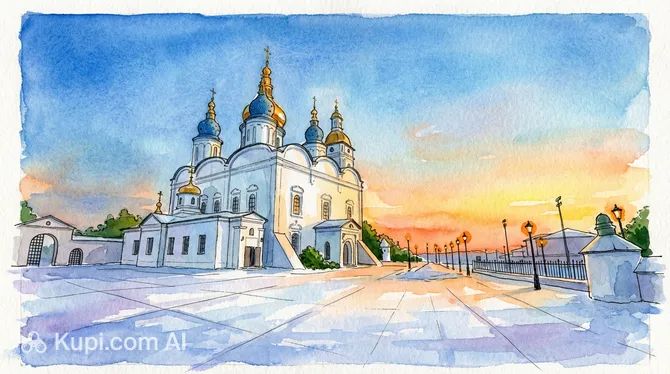
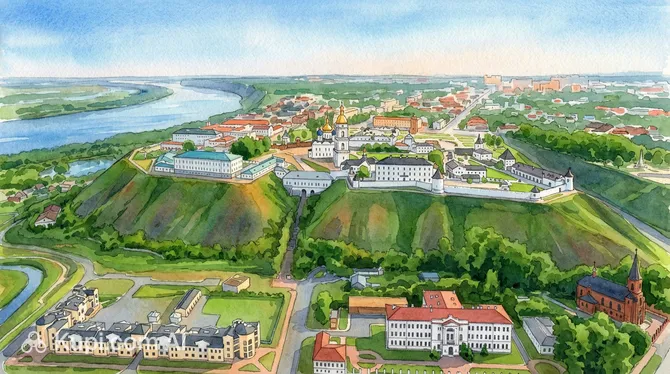
Tobolsk is a captivating destination that serves as a window into the soul of Siberia. Often referred to as the "Angel of Siberia," this city is renowned for its stunning white-stone architecture and deep cultural roots. Located in the Russian Federation at the confluence of the Tobol and Irtysh rivers, it offers a picturesque setting that changes beautifully with the seasons. With a population of approximately 99,000 residents, it maintains a welcoming atmosphere while serving as a significant cultural center in the Tyumen Oblast.

Tobolsk. Source: Kupi.Binoculars

The rich history of Tobolsk is evident in every street and square, reminding visitors of its former status as the historic capital of the region. The city's crown jewel is undoubtedly the Tobolsk Kremlin, which holds the distinction of being the only stone fortress of its kind in Siberia. Perched on a high hill, it offers panoramic views of the Lower Town, where travelers can explore preserved examples of traditional wooden architecture and visit the poignant Museum of Siberian Exile.

Beyond its historical monuments, the city is known for its dramatic landscapes and the majestic beauty of the Irtysh River. Whether you are an architecture enthusiast or simply seeking a journey off the beaten path, Tobolsk invites you to discover the authentic spirit and heritage of Siberia.

Weather Overview

Tobolsk experiences a continental climate characterized by distinct seasonal contrasts, offering travelers a different experience depending on when they visit. The winters are typically long and cold, with January being the coldest month, where average temperatures drop to around -15.8°C. Conversely, the summer months bring pleasant warmth, with July seeing average highs of roughly 24.1°C, making it the most comfortable time for outdoor exploration.

Precipitation is relatively moderate throughout the year, though the summer season sees slightly more rainfall compared to the drier winter months. Expect warm summers with occasional rain and cold, dry winters. To help pack appropriately for your trip, you can view more detailed information about the weather in Tobolsk to see what conditions to expect during your stay.

Interesting Facts

Beyond its famous white-stone fortress, Tobolsk holds many fascinating secrets and historical curiosities that often surprise visitors. This city, once the administrative center of a vast territory, is filled with stories of resilience, unique traditions, and remarkable personalities.
  • The First Exile was a Bell: One of the most unusual "prisoners" sent to Tobolsk was not a person, but a church bell from Uglich. In the late 16th century, the bell was formally punished for ringing the alarm during a riot; it was flogged, had its "ear" and "tongue" removed, and was "exiled" to Siberia, marking the beginning of the city's history as a place of banishment.

  • Birthplace of a Genius: Dmitri Mendeleev, the world-renowned chemist who created the Periodic Table of Elements, was born in this city. He grew up here as the youngest child in a large family before moving to St. Petersburg, and his legacy is still celebrated throughout the region.

  • A Tribute to Devotion: After the Decembrist revolt in 1825, many participants were exiled to Siberia. Their spouses famously renounced their noble privileges to follow them into the harsh conditions of exile, a heroic act of loyalty that is commemorated by the Monument to the Decembrists' Wives.

  • Ancient Craftsmanship: Tobolsk is the only city in the region with a functioning bone-carving factory. For centuries, local artisans have mastered the delicate art of carving intricate sculptures from mammoth tusks and cattle bone, making these unique works of art a signature symbol of the city.

Monument to the Decembrists' Wives. Source: Kupi.Binoculars

How to Get There

Reaching this historic Siberian city has become increasingly convenient for travelers, with options ranging from direct flights to scenic train journeys. Whether you prefer the speed of air travel or the rhythm of the rails, you can find more about how to get to Tobolsk and plan the best route for your itinerary.

For those arriving by air, the most direct option is Remezov Airport (IATA: RMZ), located just 18.2 km from the city center. This regional hub allows you to fly straight into Tobolsk, with a taxi ride to the downtown area typically taking between 20 and 30 minutes. Alternatively, many travelers choose to fly into Roshchino (IATA: TJM), a larger international airport located in Tyumen. Although it is situated about 210 km away, it serves as a major gateway to the region. From Tyumen, the journey to Tobolsk by road usually takes 3 to 4 hours, though many opt to transfer to a train for the final leg of the trip.

For clarity, here is a summary of the main airports:

Airport Name City Passenger Traffic Km from City
RoshchinoTyumenLarge210.3
Remezov AirportTobolskMedium18.2

Rail travel is a very popular and atmospheric way to reach the city, connecting it to the vast Russian railway network. You can arrive directly at Tobolsk Railway Station, which is conveniently located just 7.4 km from the city center; a taxi or bus ride from the station typically takes about 30 minutes. For those coming from further afield, the Tyumen Railway Station in the city of Tyumen often acts as a major transit point. Located approximately 203 km away, it receives a high volume of trains from across the country, allowing passengers to easily transfer to a local train or bus heading north to Tobolsk.

Below is a list of the nearest railway stations:

Station City Passenger Traffic Km to Center
Tyumen Railway StationTyumenLarge203.4
Yalutorovsk StationYalutorovskMedium210.2
Tobolsk Railway StationTobolskMedium7.4
Tavda Railway StationTavdaSmall177.8
Golyshmanovo StationGolyshmanovo204.2

Main Attractions

Attractions:

While Tobolsk is famous for its ancient Kremlin and white-stone churches, the city also offers a variety of other interesting spots ranging from historical monuments to modern leisure centers. Visitors can explore sites that pay homage to the region's dramatic past, as well as enjoy contemporary dining and shopping experiences that showcase the city's development.

One of the most touching historical landmarks in the city is the Monument to the Decembrists' Wives. This bronze sculpture is dedicated to the heroic women who renounced their titles and comfort to follow their husbands—participants of the 1825 uprising—into Siberian exile. Located in a scenic square near the Zavalnoye Cemetery, the statue depicts a woman standing with quiet dignity, symbolizing loyalty and self-sacrifice. It is a must-visit for those who want to understand the emotional depth of the city's history.

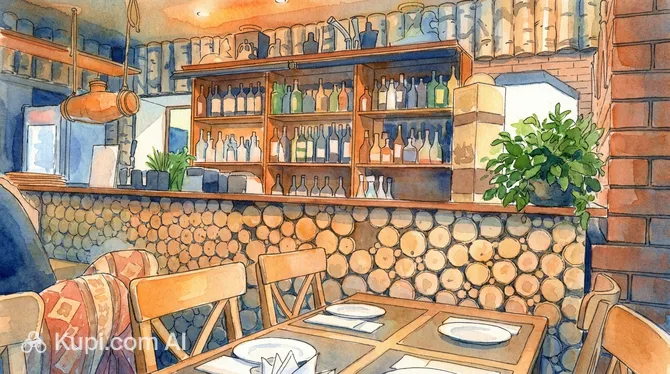
For those looking to experience the local culinary scene in a refined setting, Mark and Lion Restaurant is a popular choice. This establishment is well-regarded for its inviting atmosphere and a menu that often features regional specialties. It serves as a great place to relax after a day of sightseeing, offering tourists a chance to taste dishes that reflect the flavors of Siberia in a comfortable and stylish environment.

Mark and Lion Restaurant. Source: Kupi.Binoculars

Another notable location for gastronomy lovers is Dvortsovaya. Situated in the heart of the city's historic area, this restaurant is known for its elegant interior and attentive service. The name, which translates to "Palace," hints at the sophisticated experience it aims to provide. It is an excellent spot for a romantic dinner or a special family meal, allowing guests to soak in the ambiance of old Tobolsk while enjoying high-quality food.

Dvortsovaya. Source: Kupi.Binoculars

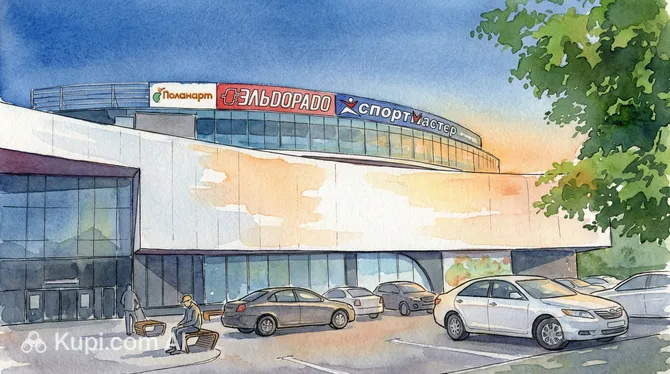
If you are interested in modern entertainment and shopping, the Pearl of Siberia stands out as the largest shopping and entertainment complex in the city. It offers a sharp contrast to the ancient architecture outside, providing a wide range of international brands, a cinema, and a food court. It is a convenient stop for travelers who need to pick up supplies, buy souvenirs, or simply take a break from the cold weather in a modern, climate-controlled space.

Pearl of Siberia. Source: Kupi.Binoculars

Local Cuisine

To satisfy the appetite of any traveler, Tobolsk offers a rich culinary journey that is deeply rooted in Siberian traditions. The local cuisine is heavily influenced by the region's harsh climate and the bounty of the surrounding taiga and rivers. Hearty, warming dishes are the norm here, with a strong emphasis on freshwater fish, wild game, and forest berries.

One of the most iconic delicacies you must try is stroganina. This dish consists of thin slices of frozen raw fish, typically muksun or nelma, served with a mixture of salt and black pepper. It is a true taste of the North, melting in your mouth and offering a unique flavor profile. For something warmer, look for Siberian pelmeni. These dumplings are often filled with a mix of meats, including beef, pork, and sometimes elk or bear, served with sour cream or in a clear broth. Fish lovers should not miss the chance to taste the local ukha (fish soup), which is so popular that the city even hosts an annual festival dedicated to it.

When it comes to beverages, the locals prefer drinks that are both refreshing and immune-boosting. Mors, a fruit drink made from lingonberries or cranberries, is a staple on every table. For something hot, herbal teas brewed with Siberian herbs like thyme and willowherb (Ivan-tea) are widely consumed. If you are looking for stronger spirits, you might encounter tinctures infused with pine nuts or cedar cones, which are considered a local specialty.

The city's food scene ranges from atmospheric restaurants evoking the merchant past to modern casual eateries. For a refined dining experience that blends history with gastronomy, many visitors head to the Mark and Lion Restaurant. It is an excellent place to sample modern interpretations of classic Siberian recipes. If you have a sweet tooth, you should visit Dvortsovaya, a charming spot famous for its traditional gingerbread and the legendary "Tobolsk Rum Baba," a dessert prepared according to an 18th-century recipe.

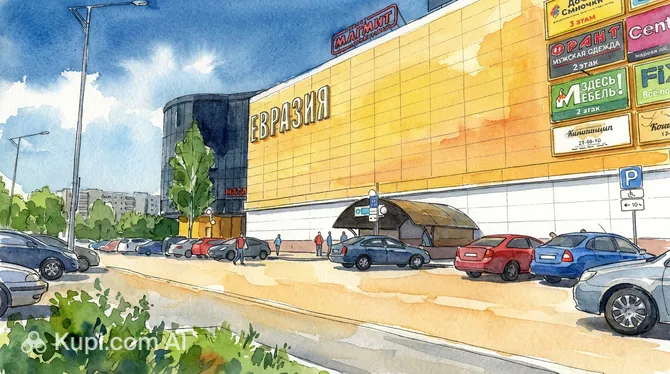
For a more casual meal or a quick bite, locals and tourists often frequent the food courts in major shopping centers. The Eurasia Shopping and Hotel Complex offers a variety of affordable dining options where you can grab a simple lunch or a coffee while exploring the modern side of the city.

Eurasia Shopping and Hotel Complex. Source: Kupi.Binoculars

Travel Tips

Planning a trip to the historic heart of Siberia requires a bit of foresight to ensure your journey is as smooth as it is memorable. Here is a collection of practical advice to help you navigate local customs, the climate, and daily life in Tobolsk with ease.

  1. Clothing and Gear: The Siberian climate dictates your wardrobe. If visiting in winter (November to March), thermal underwear, a heavy down jacket, and insulated, non-slip boots are non-negotiable essentials. Summers are generally warm, but evenings can be cool, so layers are key. Since the city is a spiritual center, modest clothing is required for visiting religious sites: women should bring a headscarf and wear skirts that cover the knees, while men should avoid wearing shorts.

  2. Transportation: Tobolsk is unique in its layout, divided into the Upper Town (historic center) and Lower Town. While public buses are reliable and affordable, ride-hailing apps are the most convenient way to navigate between the two levels, especially if you want to avoid the steep climb. Walking is perfect for the Kremlin area, but be prepared for stairs and hills if you explore on foot.

  3. Finances: The local currency is the Russian Ruble (RUB). It is essential to rely on cash for your daily expenses. Credit and debit cards issued by international banks generally do not work within the Russian Federation. You should bring a sufficient supply of foreign currency (such as US Dollars or Euros) to exchange at local banks upon arrival. Having a solid cash reserve is the only fail-safe way to pay for hotels, dining, transport, and entrance fees.

  4. Health and Safety: The city is generally very safe for travelers. Pharmacies are readily available, marked by a green cross and the word "Apteka" (Аптека). In summer, the proximity to the river means mosquitoes and midges can be active, so packing a good insect repellent is advisable for evening walks along the embankments.

  5. Communication: Russian is the primary language, and English is not widely spoken outside of major tourist facilities. It is best to download an offline translation app and a map of the city before your arrival. Buying a local SIM card is straightforward at mobile shops in the city center or at the airport, ensuring you have internet access for navigation.

  6. Local Etiquette: Siberians are known for their warm hospitality but tend to be reserved in public. When visiting the Tobolsk Kremlin or any church, maintain a low volume and be respectful of worshippers. It is also customary to remove your shoes when entering someone's home or certain accommodation rentals.

  7. What to Avoid: Avoid taking photographs inside churches without checking for permission signs first; in many active temples, it is prohibited or requires a small donation. Also, refrain from drinking tap water; bottled water is cheap and readily available at any grocery store.

  8. Local Souvenir Tip: Do not miss the chance to visit the local bone-carving workshops or shops. Tobolsk is famous for this craft, and a small figurine made from moose antler or mammoth tusk is the most authentic and culturally significant keepsake you can bring home.

Armed with these tips, you are ready to explore the ancient capital of Siberia with confidence. Embrace the local rhythm, respect the deep-rooted traditions, and Tobolsk will welcome you with its unique charm and breathtaking vistas.

Entertainment & Nightlife

Nightlife in Tobolsk is relatively quiet and laid-back, reflecting the city's status as a historical and spiritual center rather than a partying hub. You will not find a chaotic strip of neon-lit clubs here; instead, the evening entertainment is focused on cozy dining, lounge bars, and a few entertainment complexes scattered primarily throughout the modern districts of the Upper Town. The atmosphere is generally relaxed, with locals preferring to spend their evenings enjoying good food, hookahs, or cinema.

For those seeking a more energetic night out with dancing and music, the main destination is Ararat. This venue functions as a nightclub and entertainment complex, attracting a diverse crowd looking to unwind on the weekends. It is one of the few places in the city where you can experience a classic club atmosphere with DJs and a dance floor. The dress code is generally casual to smart-casual, but it is always best to look neat.

Ararat. Source: Kupi.Binoculars

If your idea of a perfect evening involves fine dining and cocktails rather than loud music, the city's restaurant scene transforms pleasantly after dark. Mark and Lion Restaurant is a popular choice for a sophisticated night out. In the evenings, the lighting dims, creating an intimate ambiance suitable for long conversations over wine or locally inspired spirits. It is located in the historic center, making it a great spot to end a day of sightseeing.

For a more casual evening of entertainment, the Pearl of Siberia shopping center is the hub of social life in the modern part of the city. It houses a modern multiplex cinema, which is a favorite activity for locals. Catching a late-night movie here is a common pastime, and the surrounding food court and cafes offer plenty of options for a post-film snack.

When it comes to districts, the nightlife is distinctly divided. The historic Lower Town (Podgora) becomes very quiet and somewhat dark after sunset, with few venues open late. The active evening life is concentrated in the Upper Town, particularly in the microdistricts (mikrorayons) around Komsomolsky Prospekt and the area near the Pearl of Siberia. This is where you will find most bars and late-night shops.

Practical advice for a night out includes planning your transport in advance. Public buses stop running relatively early, so taxis are the best way to get around at night. Apps like Yandex Go are widely used and offer affordable rates; a ride across the city typically costs very little. The city is generally safe for evening walks, especially in the well-lit central avenues of the Upper Town, but it is advisable to take a taxi if you are returning from the Lower Town late at night.

Beyond the nightlife, Tobolsk offers rich daytime cultural entertainment. The Tobolsk Drama Theater is a standout cultural venue. Housed in a distinctive modern building, it preserves the city's long-standing theatrical traditions and offers high-quality productions ranging from classics to contemporary plays. Additionally, the city's numerous museums within the Kremlin complex provide deep dives into Siberian history, while the landscaped parks offer pleasant spaces for leisure before the sun goes down.

Parks & Museums

Tobolsk is a city where nature and history are inextricably linked, offering visitors a chance to stroll through scenic landscapes that have witnessed centuries of dramatic events. The city's green spaces provide peaceful retreats with breathtaking views, while its world-class museums offer a deep dive into the lives of the people who shaped Siberia, from conquerors to exiled emperors.

One of the most significant natural and historical sites is Ermak's Garden (Sad Ermaka). Located on Cape Chukman, high above the Lower Town, this park is dedicated to Yermak Timofeyevich, the legendary conqueror of Siberia. The centerpiece of the garden is a majestic stone obelisk erected in 1839. Tourists flock here not only for the history but for the panoramic observation deck, which offers one of the best vantage points to photograph the Kremlin and the sweeping Irtysh River below. It is a perfect spot for a sunset walk, combining botanical beauty with architectural grandeur.

Another lovely green space is the Aleksandrovsky Garden. Situated near the Governor's House, this park was historically a place for the local elite to promenade. Today, it remains a quiet and well-maintained area, ideal for a leisurely escape from the city streets. In the Lower Town, the natural landscape itself serves as a park; walking along the banks of the Irtysh River provides a raw and authentic connection to the Siberian wilderness that surrounds the city.

When it comes to museums, Tobolsk is unrivaled in the region. The Museum of the Family of Emperor Nicholas II is a poignant and must-visit destination. Housed in the former Governor's Mansion where the Romanov family lived in exile from August 1917 to April 1918, the museum preserves the private world of the last Russian Tsar. Visitors can walk through the restored rooms, view personal belongings, and see rare photographs that document their final days of relative peace. It is a deeply moving experience that humanizes a tragic chapter of global history.

For a starkly different historical perspective, the Prison Castle (Tyuremny Zamok) offers a chilling glimpse into the harsh reality of the Siberian exile system. Located just adjacent to the Kremlin, this complex served as a notorious transit prison for criminals and political dissidents until 1989. Now a museum, it allows brave visitors to explore the damp cells, solitary confinement dungeons, and the prison chapel. The atmosphere is intense and educational, illustrating the resilience of the human spirit under extreme conditions.

For an authentic local experience, try to visit the Gubernsky Museum, the oldest museum in Siberia. It houses impressive collections of ethnography and fine arts, showcasing the indigenous cultures of the North and the rich merchant history of the city. A hidden gem for nature lovers is the trail leading up the Panin Hill (Panin Bugor), which offers a rugged, less manicured hike rewarding you with wilder views of the city's unique geography.

Getting Around

Navigating Tobolsk is relatively straightforward due to its compact size, although the city's unique geography—divided into the Upper Town (historic center) and the Lower Town—requires some planning. The public transport system relies entirely on a network of buses and minibuses (marshrutkas). There is no metro, tram, or trolleybus system in the city. The bus network is well-developed, ensuring reliable connections between the residential microdistricts, the historic Kremlin area, and the lower part of the city.

For tourists, the most important aspect of using public transport here is the connection between the railway station and the city center. Since the station is located about 10 kilometers away from the main attractions, buses are the primary budget-friendly way to bridge this gap. Routes are generally frequent during the day, but intervals can increase significantly in the late evening. Operating hours for most lines typically run from 6:00 AM to roughly 9:00 PM or 10:00 PM, depending on the specific route.

The payment system is simple and traditional. You purchase tickets directly on board the bus. In most standard large buses, a conductor will approach you to collect the fare and issue a paper ticket. In smaller minibuses, you usually pay the driver upon entry or exit—watch what locals do to be sure. While cash (small banknotes and coins) remains the most reliable method, many buses are now equipped with terminals accepting contactless bank cards. The fare is very affordable, making it an economical way to get around.

Given the steep terrain separating the Upper and Lower Towns, walking between them can be physically demanding, especially if you are not using the wooden stairs of the Pryamskoy Vzvoz. Consequently, taxis are a very popular alternative to buses. Services like Yandex Go and local operators are widely available and inexpensive. Using an app is recommended for tourists as it eliminates language barriers and ensures a fixed price before the ride begins. This is often the best option for returning to your hotel late at night when bus services wind down.

While there are no car-sharing services comparable to those in larger metropolises, the city is walkable enough that you may not need a vehicle for the main sights. For those wishing to explore at a leisurely pace, bike rentals are available seasonally in popular recreational areas like the Pearl of Siberia complex or near the Kremlin, allowing you to ride along the scenic paths of the Upper Town.

Accommodation

Finding the right place to stay in Tobolsk is relatively easy, as the city offers a compact but varied selection of accommodation options suited to different travel styles. Visitors can choose from modern hotels with full amenities, smaller guesthouses with a touch of local charm, and budget-friendly hostels. For those who prefer a more home-like environment, the market for daily apartment rentals is also quite developed, providing a convenient alternative for families or longer stays.

When choosing a location, the city is distinctly divided into two main areas: the Upper Town (Nagornaya) and the Lower Town (Podgora). The Upper Town is generally the most convenient choice for tourists. Staying here places you within walking distance of the Tobolsk Kremlin, major museums, and modern infrastructure like supermarkets and transport stops. It is the vibrant heart of the city where most travelers prefer to base themselves.

In contrast, the Lower Town offers a more atmospheric and historical setting, surrounded by ancient churches and wooden architecture. While it is incredibly scenic and quiet, it has fewer amenities and can feel somewhat isolated after dark. Accommodation here is ideal for those seeking solitude and a deep dive into the spirit of old Siberia, but be prepared to use taxis or climb the steep stairs to reach the main city center.

The price range for accommodation in Tobolsk is generally very affordable compared to larger Russian cities. Most options fall into the budget to mid-range category, with luxury resorts being virtually non-existent. Standard hotel rooms are reasonably priced, and hostels offer very cheap beds for backpackers. While you can often find a room upon arrival, it is highly recommended to book in advance, especially during the summer months or major holidays, as the best options tend to fill up quickly.

Booking can be done easily through major Russian travel aggregators or sometimes directly through hotel websites. Whether you choose a modern hotel complex in the center or a cozy rental near the ancient fortress, you will find that Siberian hospitality is warm and welcoming.

Nearby Cities

For those looking to explore the surroundings, Tobolsk serves as an excellent base for day trips to several interesting nearby locations:

One of the most popular destinations for a short visit is Tyumen. As the first Russian city in Siberia, it boasts a rich history combined with modern infrastructure. Visitors often flock there to enjoy the famous thermal hot springs, stroll along the unique multi-level embankment of the Tura River, and explore its vibrant merchant mansions. It offers a lively contrast to the quiet spirituality of Tobolsk.

Another fascinating option, though further afield, is Khanty-Mansiysk. This city is the capital of the oil-rich Yugra region and is renowned for its stunning blend of high-tech architecture and indigenous traditions. A major highlight is the Archeopark, an open-air museum featuring massive bronze sculptures of mammoths and other prehistoric animals, making it a unique spot for culture and nature lovers.

For those interested in smaller historical towns, Ishim offers a charming glimpse into the past. Known for its well-preserved wooden architecture and connection to the fairytale author Pyotr Ershov, it provides a quiet and atmospheric retreat.

City Population Distance (km)
Tyumen 744,554 201
Kurgan 309,285 356
Khanty-Mansiysk 105,995 313
Shadrinsk 75,348 368
Ishim 65,142 246

These nearby destinations offer a glimpse into the diverse culture and landscapes of the region.

Shopping & Souvenirs

Shopping in Tobolsk offers a unique blend of modern convenience and deep-rooted Siberian tradition. While the city is not a global fashion capital, it provides everything a traveler might need, from standard clothing brands to distinctive local handicrafts. The shopping scene is primarily concentrated in the Upper Town, where modern infrastructure meets residential life, whereas the historic Lower Town is quieter and focuses more on sightseeing than retail therapy.

The main commercial activity is clustered around the central avenues of the Upper Town, particularly along Komsomolsky Prospekt and the areas surrounding the major residential microdistricts. Here, visitors can find a variety of chain stores, pharmacies, and smaller boutiques selling electronics and apparel. These streets are perfect for a casual stroll to pick up daily essentials or to browse through local bookshops that often carry literature about the region's history.

For a comprehensive shopping experience, the city boasts a few modern malls. The largest and most popular destination is the Pearl of Siberia (Zhemchuzhina Sibiri). This large complex serves as a community hub, housing a wide array of international and Russian fashion brands, a cinema, and a food court. It is the go-to place for locals and tourists alike who are looking for a comfortable, climate-controlled environment to shop and relax.

Another notable spot is the Eurasia Shopping and Hotel Complex. While slightly smaller, it offers a decent selection of goods and services. It is convenient for travelers staying nearby who need to purchase groceries or travel supplies without venturing too far. These malls are modern and well-equipped, ensuring that visitors have access to standard urban amenities.

To experience the authentic flavor of the region, visitors should explore the local markets. These are the best places to find fresh Siberian produce. Depending on the season, you can buy buckets of wild berries like cranberries and cloudberries, fresh cedar cones, and locally caught fish. The central market areas are vibrant and offer a glimpse into the daily life of Tobolsk residents, with vendors often selling homemade preserves and honey gathered from the surrounding taiga.

When it comes to souvenirs, Tobolsk is famous across Russia for its bone carving tradition. This ancient craft has been practiced here for centuries, utilizing cattle bone and fossilized mammoth tusks found in the region. Visitors can purchase exquisite figurines, jewelry, and decorative items directly from the Tobolsk Bone Carving Factory or in specialized souvenir shops near the Kremlin. Other popular gifts include pine nut products (such as cedar oil and cedar brittle), herbal teas, and smoked fish, which make for delicious and practical reminders of your trip.

Most major shops and shopping centers operate daily, typically opening around 10:00 AM and closing between 9:00 PM and 10:00 PM. Supermarkets often have extended hours. Payment methods in malls and larger stores are modern, with credit and debit cards being widely accepted. However, if you plan to buy souvenirs from small street vendors or visit local markets, it is essential to carry cash in Russian Rubles, as electronic payment terminals may not be available.

Regarding Tax-Free shopping, it is important to note that while the Russian Federation has a tax refund system for foreign tourists, it is primarily available in major cities like Moscow and St. Petersburg and only at specific authorized retailers. In Tobolsk, the availability of Tax-Free services is extremely limited or non-existent, so travelers should not count on claiming VAT refunds for purchases made in local stores.
Nearby cities

Reached the end of the page?

That means the route is fully explored