Support

Tyumen

About

Tyumen is a vibrant and rapidly developing city that serves as the administrative center of the Tyumen Oblast. Often referred to as the "Gateway to Siberia," it holds the distinction of being the first Russian city founded in this vast and storied region. The city offers a fascinating mix of historical charm and modern energy, making it a compelling destination for travelers seeking to explore the heart of Eurasia.
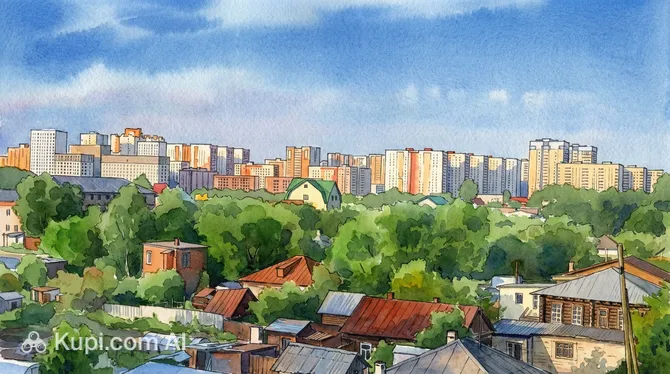
Tyumen. Source: Kupi.Binoculars

Geographically situated on the banks of the Tura River, Tyumen experiences a continental climate characterized by warm summers and snowy winters. It is a major economic and cultural hub within the Russian Federation, boasting a growing population of over 740,000 residents. The city seamlessly blends its rich heritage with contemporary infrastructure, creating a unique and welcoming atmosphere for visitors from around the world.

Those interested in the past will find the history of Tyumen deeply captivating. Established in 1586 as a fortress, it has evolved from a remote military outpost into a prosperous center known for its oil and gas industry. Despite its modernization, the city has carefully preserved many examples of traditional Siberian wooden architecture, which stand in striking contrast to the new high-rise buildings.

Travelers are often drawn to the magnificent four-level embankment along the Tura River, which is the only one of its kind in the country and serves as a popular spot for leisurely walks and festivals. The city is also famous for its nearby natural thermal springs, which offer relaxation and health benefits year-round, even during the coldest months. Additionally, the iconic Lovers' Bridge provides a romantic viewpoint overlooking the river and the city skyline.

Whether you are interested in exploring authentic Siberian culture or simply looking for a comfortable urban getaway with unique natural features, Tyumen is an excellent choice. It is a destination that surprises many travelers with its warmth, hospitality, and dynamic pace of life, inviting everyone to discover the true spirit of Siberia.


Weather Overview

Tyumen experiences a distinct continental climate, characterized by significant contrasts between the seasons. Winters are typically long and cold, with January serving as the coldest month; average temperatures drop to around -15.2°C, and minimums can reach -18.5°C. December and February are similarly chilly, averaging between -11.9°C and -12.5°C, though precipitation remains relatively low during this time.

In contrast, the summer months bring pleasant warmth to the city. July is the peak of the season, boasting an average temperature of 19.5°C and highs that frequently reach 24.5°C. This is a popular time for outdoor activities, although visitors should be prepared for some rainfall, as June sees the highest frequency of precipitation with about 12 wet days. The transition periods of spring and autumn move quickly, with May offering mild averages of 11.7°C before the region cools down again in October.

To ensure you pack appropriately for your trip, checking the detailed weather in Tyumen is highly recommended. Generally, you can expect warm summers with occasional rain and cold, dry winters, making layers essential for comfort throughout the year.

Interesting Facts

Beyond the main attractions, Tyumen holds many fascinating secrets that reveal its deep historical significance and quirky character. Here are some unique facts that showcase the city's rich heritage and local legends.

  • Lenin's Secret Refuge: During World War II, the embalmed body of Vladimir Lenin was secretly evacuated from Moscow to Tyumen for safekeeping. It was hidden in the building that now houses the State Agrarian University of Northern Trans-Urals, a fact that remained a strictly classified state secret for decades.

  • The Hermitage Saviors: In the Siberian Cats Square, you will find twelve golden sculptures of cats. These statues honor the thousands of local felines sent to Leningrad (now St. Petersburg) after the siege in 1944 to save the Hermitage Museum's priceless art collection from a plague of rats.

  • A Mammoth Discovery: The I. Ya. Slovtsov Museum Complex is home to one of the largest complete woolly mammoth skeletons ever found in Russia. This prehistoric giant serves as a stunning reminder of the region's ancient natural history.

  • A Bridge Named by Love: The iconic Lovers' Bridge received its romantic name officially only after a kissing contest was held there in 2003. Before that event, it was simply known as the Pedestrian Bridge, but the locals' affection for the spot prompted the city to rename it.

Siberian Cats Square. Source: Kupi.Binoculars

How to Get There

Tyumen is a major transportation hub in Western Siberia, making it relatively easy to access from various parts of Russia and beyond. Whether you prefer flying or taking the train along the famous Trans-Siberian route, there are convenient options available. For a detailed breakdown of routes and schedules, you can read more about how to get to Tyumen.

The most direct way to reach the city by air is through Roshchino (IATA: TJM). This international airport is located approximately 15 km from the city center. It handles a significant volume of passengers annually and connects Tyumen with Moscow, St. Petersburg, and other major cities. A trip from the airport to the downtown area by taxi or bus typically takes around 40 to 50 minutes.

Alternatively, travelers often use Koltsovo (IATA: SVX), situated in the neighboring city of Yekaterinburg. Although it is about 293 km away from Tyumen, Koltsovo is a larger hub with more international connections. From there, you can take a train or a bus to complete your journey to Tyumen, which usually takes a few hours.

For clarity, here is a summary of the main airports:

Airport Name City Passenger Traffic Km from City
Koltsovo Yekaterinburg Very High 293.2
Roshchino Tyumen High 14.9
Kurgan Airport Kurgan Medium 187.3
Remezov Airport Tobolsk Low 193.8

If you prefer rail travel, Tyumen is a key stop on the Trans-Siberian Railway. The main entry point is Tyumen Railway Station, located just 2.6 km from the city center. It serves millions of passengers every year and offers excellent connectivity to both western and eastern regions of the country. Being so close to the heart of the city, getting to your accommodation from the station is quick and convenient, often taking less than 15 minutes by taxi.

Below is a list of railway stations serving the area:

Station City Passenger Traffic Km to Center
Tyumen Railway Station Tyumen High 2.6
Talitsa Station Talitsa Medium 110.6
Yalutorovsk Station Yalutorovsk Medium 71.4
Zavodoukovskaya Station Zavodoukovsk Medium 93.3
Tavda Railway Station Tavda Low 101.1

Main Attractions

Tyumen offers a delightful array of sights that blend its rich Siberian heritage with modern urban life. From spiritual landmarks to lively pedestrian zones, the city provides diverse experiences for every type of traveler. Here are some of the key places you should not miss during your visit.

Located right in the heart of the city, Tsvetnoy Boulevard is a favorite gathering spot for both locals and tourists. This pedestrian-only promenade connects several major streets and is lined with sculptures, fountains, and entertainment venues, including the Tyumen State Circus. It is an excellent place for a leisurely stroll, offering a vibrant atmosphere filled with cafes and street performers, making it perfect for families and couples alike.

Tsvetnoy Boulevard. Source: Kupi.Binoculars

For those interested in history and architecture, the Holy Trinity Monastery is a must-visit destination. Founded in the early 17th century, it stands as one of the oldest surviving monastic complexes in Siberia. The monastery is renowned for its stunning Siberian Baroque architecture and peaceful grounds. Visitors are drawn here not only for its religious significance but also to admire the beautiful cathedrals that have been meticulously restored to their former glory.

Another architectural gem is the Znamensky Cathedral, often considered one of the most beautiful churches in the region. Its elaborate facade, characterized by intricate baroque details and bright colors, makes it a photographer's dream. Inside, the cathedral is equally impressive, housing ornate icons and offering a serene environment for reflection. It is a striking example of the spiritual devotion and artistic craftsmanship that defines Tyumen's past.

Znamensky Cathedral. Source: Kupi.Binoculars

If you are looking to dive deeper into the country's past, the Historical Park 'Russia – My History' offers a modern and interactive educational experience. This multimedia complex uses advanced technology to present the history of Russia in an engaging and accessible way. It is particularly interesting for tourists who want to understand the broader historical context of the region and the nation through immersive exhibits and digital displays.

Local Cuisine

The local cuisine of Tyumen is a delightful journey into the heart of Siberian culinary traditions. Shaped by the region's harsh climate and abundant natural resources, the food here is hearty, warming, and rich in flavors that you are unlikely to find elsewhere. The gastronomic scene relies heavily on local ingredients such as northern river fish, game meat, wild berries, and pine nuts, creating a unique menu that reflects the spirit of the taiga.

One of the absolute must-try delicacies in Tyumen is stroganina. This dish consists of thin slices of frozen raw fish, typically muksun or nelma, which are native to the northern rivers. It is traditionally served on a block of ice and dipped in a mixture of salt and black pepper. Another staple is Siberian pelmeni, famous dumplings often filled with a mix of meats like beef, pork, and sometimes game such as elk or venison. Unlike standard dumplings, the Siberian variety is known for its juicy filling and is often served with sour cream or vinegar.

For those with an adventurous palate, the city offers dishes made from wild game, including bear, beaver, and wild boar. These meats are often slow-cooked or grilled to perfection and paired with sauces made from local berries like cranberries or lingonberries. These tart berries, along with cloudberries and sea buckthorn, are also widely used in desserts and baking, adding a distinct northern zest to sweet treats.

Eco-Park Taiga. Source: Kupi.Binoculars

When it comes to drinks, the locals prefer beverages that warm the soul. Mors, a refreshing non-alcoholic fruit drink made from cranberries or lingonberries, is a staple on every table. Herbal teas are also incredibly popular, particularly those brewed with Ivan-chai (fireweed) and thyme, often sweetened with pine cone jam. For adult beverages, you can find locally produced tinctures infused with cedar nuts or berries, as well as a growing selection of craft beers brewed in the region.

The food culture in Tyumen is a mix of traditional hospitality and modern trends. You can find everything from high-end restaurants serving "New Siberian" cuisine to cozy cafes and bustling food courts. For a dining experience that combines excellent food with a scenic atmosphere, Eco-Park Taiga is a wonderful destination. Here, visitors can enjoy traditional dishes surrounded by the beauty of the forest, making it a perfect spot to immerse yourself in the local lifestyle.

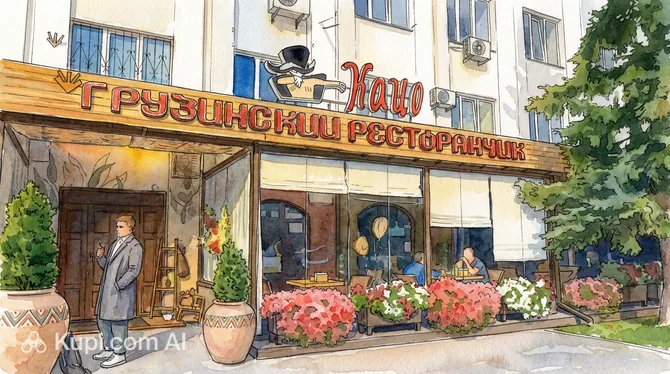
If you are looking for a lively atmosphere within the city, the dining scene is diverse. International flavors are also well-represented and embraced by the locals. For instance, Katso offers delicious Georgian cuisine, which has become an integral part of the Russian dining landscape. Whether you are grabbing a quick bite of street food or sitting down for a multi-course Siberian feast, Tyumen’s culinary offerings are sure to leave a lasting impression.

Katso. Source: Kupi.Binoculars

Travel Tips

Visiting Tyumen is an exciting adventure into the heart of Siberia, but a little preparation goes a long way to ensure a smooth journey. To help you navigate the city with ease and confidence, here are some essential practical tips for your trip.

  1. Dress Smart for the Season. The Siberian climate is famous for its contrasts. If you visit in winter, thermal underwear, a heavy down jacket, and non-slip insulated boots are non-negotiable necessities. Summers can be surprisingly warm, requiring light clothing, though it is wise to carry a light jacket and umbrella for sudden rain. If you plan to enter religious sites like the Holy Trinity Monastery, remember the dress code: women should cover their heads and shoulders, and men should wear long trousers.

  2. Mastering Local Transport. The city has an extensive network of buses and marshrutkas (minibuses) that are affordable and cover most areas. For the most convenient travel, download a local ride-hailing app like Yandex Go, which avoids language barriers and is often cheaper than hailing a taxi on the street. However, the historic center and the embankment are best explored on foot.

  3. Managing Your Finances. The local currency is the Russian Ruble (RUB). Be aware that international bank cards issued outside the country may not work due to current restrictions, so bringing sufficient cash (USD or EUR) to exchange at local banks is highly recommended. Tipping in restaurants is customary but voluntary; leaving around 10% of the bill is a polite gesture if you enjoyed the service.

  4. Health and Safety Essentials. Tyumen is generally a safe city for tourists, but standard precautions apply. Pharmacies (marked with a green cross) are easy to find, and many operate 24/7. While the city's water treatment is good, it is advisable for tourists to drink bottled water to avoid any stomach upset due to different mineral content.

  5. Overcoming Language Barriers. Russian is the primary language, and English proficiency can vary outside of major hotels. It is crucial to download an offline translation app before you arrive. For navigation, the 2GIS app is often more accurate and detailed than global alternatives in this region, offering excellent offline maps and public transport routes.

  6. Etiquette and Customs. Siberians are known for their hospitality. If you are invited to a local's home, the golden rule is to remove your shoes immediately upon entering. It is also polite to bring a small gift, such as a box of chocolates or flowers (ensure the number of flowers is odd, as even numbers are for funerals).

  7. What to Avoid. Strictly avoid drinking alcohol in public places like parks, streets, or playgrounds, as this is prohibited by law and can lead to fines. Additionally, try not to complain too much about the cold if visiting in winter; locals take pride in their resilience and the beauty of their snowy season.

  8. Don't Forget Your Swimsuit. This might sound counterintuitive for a trip to Siberia, but Tyumen is the capital of thermal springs. Visiting these hot, mineral-rich open-air pools is a popular activity year-round, especially in winter. Packing swimwear and flip-flops will allow you to enjoy this unique local experience.

With these practical tips in hand, you are fully equipped to embrace the unique character of Tyumen. Whether you are soaking in the thermal waters or admiring the wooden architecture, you will find this Siberian city to be a warm and welcoming destination.

Entertainment & Nightlife

Entertainment and Nightlife:

Tyumen may be famous for its industrious spirit and cold winters, but as the sun sets, the city reveals a vibrant and warm side. The nightlife scene here has evolved significantly, transforming from a quiet provincial town into a lively hub with a diverse array of entertainment options. The main activity is concentrated in the city center, particularly along Republic Street (Ulitsa Respubliki) and the areas surrounding the Tura River embankment, where the energy remains high well into the night.

For those who appreciate a convivial atmosphere with good food and drinks, the local bar culture is thriving. A popular destination for a relaxed evening is Yermolayev Genshtab. This venue is well-regarded for its stylish interior and extensive selection of beverages, making it a perfect spot to start your night or catch up with friends. The crowd here is typically a mix of young professionals and creative locals, creating a buzzing yet comfortable vibe.

If you are in the mood for dancing and a more energetic party scene, Tyumen has several nightclubs that host DJs and themed events. CheerDuck is one of the standout venues, known for its eclectic decor and lively dance floor. It attracts a fun-loving crowd ready to party until the early hours. Another notable spot is Artichoke, which often features live music performances and a dynamic atmosphere suitable for night owls.

CheerDuck. Source: Kupi.Binoculars

When planning a night out, keep in mind that the peak time for clubs is usually between Friday and Saturday night, starting around 11:00 PM. The dress code in most places is "casual chic"—while you don't need a tuxedo, sportswear is generally frowned upon in reputable establishments. Prices are quite reasonable compared to Moscow or St. Petersburg; expect to pay an average cover charge for clubs, while cocktails in bars are moderately priced.

While nightlife is a major draw, Tyumen also offers plenty of daytime entertainment. The city is home to several modern shopping centers, such as Kristall, where you can find a cinema, food courts, and international brands. For a more cultural experience, the Tyumen Drama Theatre and the Philharmonic Hall offer high-quality productions and concerts that appeal to art lovers.

Regarding safety, the central districts of Tyumen are well-lit and generally safe for walking at night. However, as in any city, it is wise to stay in populated areas. Getting around after dark is easy and affordable; public transport stops running around midnight, so using a taxi app like Yandex Go is the most convenient and secure way to return to your hotel.

Parks & Museums

Tyumen is a city that surprisingly balances its industrial prowess with abundant greenery and a deep respect for its cultural heritage. Beyond the bustling avenues, visitors can find serene parks perfect for relaxation and world-class museums that showcase the region's artistic and historical treasures. Whether you are looking for a quiet escape in nature or an educational journey through time, the city offers plenty of spaces to explore.

For a breath of fresh air in the city center, the Alexander Garden is a favorite among locals. Known for its historical significance and peaceful atmosphere, this park is an ideal spot for a leisurely stroll away from the urban noise. It features well-maintained paths, sculptures, and comfortable benches, making it a charming location to observe local life or enjoy a quiet moment with a book.

If you prefer a more immersive nature experience, Zatyumensky Park acts as a massive green lung for the city. This eco-park is a vast forest area equipped with modern amenities for outdoor activities. In summer, it is a haven for cyclists and joggers, while winter transforms it into a wonderland for cross-country skiing. Its wooden walkways and designated picnic areas allow tourists to enjoy the Siberian taiga landscape without leaving the city limits.

Zatyumensky Park. Source: Kupi.Binoculars

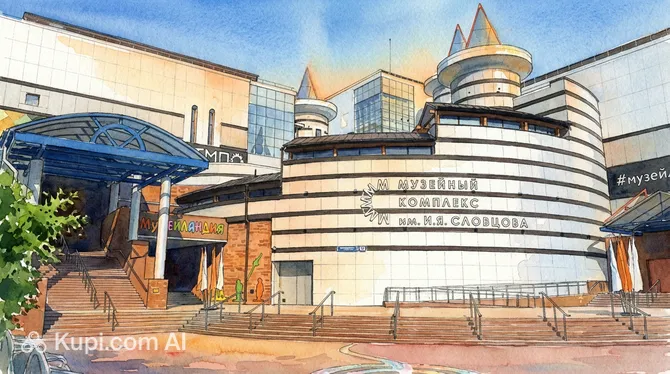
When it comes to culture, the I. Ya. Slovtsov Museum Complex stands out as the premier institution in the region. Housed in a striking modern building, this museum is a cultural hub that rivals those in larger capitals. It features an impressive collection ranging from classic Russian art and avant-garde pieces to unique archaeological finds. Visitors can spend hours exploring its diverse exhibitions, which provide deep insights into the artistic and historical evolution of Siberia.

I. Ya. Slovtsov Museum Complex. Source: Kupi.Binoculars

In addition to museums, Tyumen boasts significant architectural landmarks that reflect its diverse history. The Umar ibn al-Khattab Cathedral Mosque is a beautiful example of religious architecture in the city. Its elegant minarets and intricate design serve as a testament to the multicultural fabric of the region, offering a distinct contrast to the Orthodox churches nearby.

Another notable site is the Monument to Vladimir Lenin, which dominates the central square. While such monuments are common in Russia, this specific statue marks a pivotal point in the city's layout and serves as a reminder of the Soviet era. It is a popular meeting point and a frequent stop for those taking a walking tour of the city's historic center.

For a lesser-known retreat, consider visiting the Birch Grove. This quiet park is less crowded than the main tourist spots and offers a quintessential Russian landscape of white-barked birch trees, providing a perfect backdrop for photography and tranquil walks.

Getting Around

Navigating Tyumen is quite straightforward, primarily relying on an extensive network of buses and marshrutkas (minibuses). Unlike some of the larger metropolises in the country, the city does not have a metro system, but the surface transport is well-organized and covers all districts, including remote suburbs and the airport. The large municipal buses are generally modern and comfortable, while the smaller marshrutkas offer a faster, albeit sometimes more crowded, alternative for getting around the city quickly.

Paying for your ride is convenient and modern. The most common method is using a contactless bank card, which is accepted on almost all vehicles. You simply tap your card on the validator held by the conductor or mounted near the entrance. Cash is also widely accepted; you can hand the fare directly to the conductor or the driver. While there is a specialized transport card system for locals, for a short tourist visit, using a standard bank card or cash is the most practical option. Fares are fixed and remain very affordable compared to European standards.

For the best experience, it is highly recommended to use mobile navigation apps to plan your journey. Applications like "Tyumen Transport" allow you to track the real-time movement of buses and predict arrival times with high accuracy. The 2GIS map service is also indispensable in this region, offering detailed offline maps and route planning that is often more reliable than global alternatives. Public transport typically operates from around 6:00 AM to 11:00 PM, though intervals between buses can increase significantly late in the evening.

If you prefer a more direct and private way to travel, taxis are a very popular alternative. Ride-hailing apps like Yandex Go dominate the market, offering quick pickups and low prices without the need to speak the local language. During the warmer months, the city embraces micro-mobility; electric scooters and bicycles are available for rent on nearly every corner in the center. These are perfect for riding along the scenic Tura River embankment or through the city's numerous parks.

Accommodation

Accommodation:

Finding a place to stay in Tyumen is a straightforward experience, as the city offers a wide spectrum of accommodation options to suit various budgets and travel styles. The hospitality sector here has developed significantly in recent years, moving beyond simple lodgings to provide modern comfort and service. Visitors can choose from large business hotels, charming boutique establishments, cost-effective hostels, and a growing market of rental apartments, which are particularly popular for longer stays.

For most tourists, the best area to stay is the Central District, particularly near Republic Street (Ulitsa Respubliki) and Tsvetnoy Boulevard. Staying in this part of the city places you within walking distance of the main attractions, the dramatic Tura River embankment, and a dense concentration of cafes and restaurants. This location is ideal for those who want to explore the city on foot and feel the pulse of local life.

Another popular option, especially for transit travelers arriving via the Trans-Siberian Railway, is the area surrounding the Railway Station. While it is slightly removed from the historic center, it offers convenient access to transport and often features more budget-friendly rates. Additionally, for those visiting Tyumen specifically for its famous thermal waters, there are several spa resorts and recreation centers located on the outskirts of the city. These facilities often provide accommodation on-site, allowing guests to enjoy the hot springs right at their doorstep.

Booking Tips: If you plan to visit during the winter months, which is the peak season for thermal spring tourism, it is highly advisable to book your accommodation well in advance. The best spa resorts and central hotels can fill up quickly during weekends and Russian national holidays. Prices in Tyumen are generally moderate compared to Moscow or St. Petersburg, with mid-range options offering excellent value for money. Most accommodations can be booked through major online aggregators or directly via their websites, though it is worth checking if international payment methods are accepted beforehand.

Nearby Cities

For those looking to explore the surroundings, Tyumen serves as an excellent base for day trips to several interesting nearby locations.

One of the most significant destinations is Tobolsk, often referred to as the spiritual capital of Siberia. Located about 200 kilometers from Tyumen, it is famous for housing the only stone Kremlin in Siberia, a stunning white-walled fortress that dominates the landscape. As the former historic capital of the region, it offers a rich architectural heritage and fascinating museums that tell the story of the conquest and development of these vast lands.

For travelers interested in nature and geological wonders, Kamensk-Uralsky is a compelling choice. Situated on the border between the Urals and Siberia, the city is renowned for its picturesque Iset River Canyon and unique rock formations. It is also known as a city of bell ringers, with a long tradition of bell casting that visitors can learn about during their trip.

Another option is the city of Kurgan, which serves as a regional administrative center. It is globally recognized for the Ilizarov Scientific Center, but for tourists, it offers pleasant parks, the Aviation Museum, and a glimpse into the quiet, provincial life of the Trans-Urals region.

City Population Distance (km)
Kurgan 309,285 189
Kamensk-Uralsky 169,929 237
Tobolsk 98,886 201
Shadrinsk 75,348 168
Asbest 64,091 249

These nearby destinations offer a glimpse into the diverse culture and landscapes of the region, ranging from historic fortresses to scenic river canyons.

Shopping & Souvenirs

Shopping in Tyumen offers a surprisingly modern and diverse experience, blending high-end retail with authentic Siberian charm. As a wealthy regional capital, the city is well-stocked with everything from international fashion brands to unique local handicrafts. Whether you are looking to update your wardrobe or find edible treasures from the taiga, the city’s commercial landscape caters to all tastes and budgets.

The main artery for shopping enthusiasts is Republic Street (Ulitsa Respubliki). This central avenue stretches through the heart of the city and is lined with a variety of boutiques, jewelry stores, and souvenir shops. Walking along this street allows you to combine sightseeing with window shopping, as many stores are located on the ground floors of historic buildings. Another popular area is the pedestrian-friendly zone around Tsvetnoy Boulevard, where you can find smaller kiosks and vendors selling local trinkets and seasonal goods.

For a comprehensive retail experience, Tyumen boasts several large, modern shopping centers that rival those in bigger cities. Kristall is one of the most popular malls in the region, offering a vast selection of clothing stores, electronics, a cinema, and a large food court. It is a favorite weekend destination for locals and a convenient one-stop-shop for tourists. Another excellent option is Gallery Voyage, located closer to the city center. It features a stylish mix of fashion brands and often hosts pop-up markets and events.

Kristall. Source: Kupi.Binoculars

To get a taste of local life and flavor, a visit to one of the city's markets is essential. The Alebashevsky Bazar is a modern gastronomic market where you can find fresh farm produce, artisan cheeses, and regional delicacies. It is a great place to sample Siberian foods before you buy. For a more traditional atmosphere, the Mikhailovsky Market offers a wide range of goods, from fresh meat and fish to dried fruits and spices, bustling with the energy of daily trade.

When it comes to souvenirs, Tyumen offers gifts that are distinctly Siberian. The most popular items to bring back are edible treats, particularly pine nuts (cedar nuts) and pine cone jam, which is both delicious and unique to the region. Smoked northern fish, such as muksun or omul, is another prized local specialty. For non-edible gifts, look for Tobolsk bone carvings—intricate sculptures made from mammoth tusk or cattle bone, a craft that has been practiced in the region for centuries. Additionally, since Tyumen is an oil capital, you can often find quirky souvenirs related to "black gold," such as magnets or stylized flasks.

Most major shops and malls in Tyumen are open daily, typically from 10:00 AM to 10:00 PM. Smaller boutiques and street shops may close earlier, around 8:00 PM or 9:00 PM. Payment by card is widely accepted in malls, supermarkets, and restaurants. However, due to international banking restrictions, foreign bank cards may not work, so it is highly recommended to carry sufficient cash (Rubles) or use a locally issued card if available.

Regarding tax-free shopping, Russia does have a system in place that allows eligible foreign tourists to claim a VAT refund on purchases made at participating retailers. However, the availability of this service can vary, and it is best to look for the "Tax Free" signage at store entrances or inquire directly with customer service at the mall to see if the program is currently active for your specific situation.

Nearby cities

Reached the end of the page?

That means the route is fully explored