Support

Solovetsky

About

Solovetsky is a settlement located on the main island of the Solovetsky archipelago in the White Sea. Known for its stark northern beauty and profound spiritual significance, this remote destination offers a truly unique atmosphere for travelers seeking solitude and cultural depth. It serves as the main gateway to an area renowned for its historical monuments and pristine natural landscapes.

Situated in the Arkhangelsk Oblast of the Russian Federation, the settlement is home to a small community of approximately 860 residents. Despite its high latitude near the Arctic Circle, the local climate is moderated by the surrounding sea, creating a distinct environment where nature thrives in unexpected ways. The landscape is a captivating mix of taiga forests, crystal-clear lakes, and rugged coastlines.
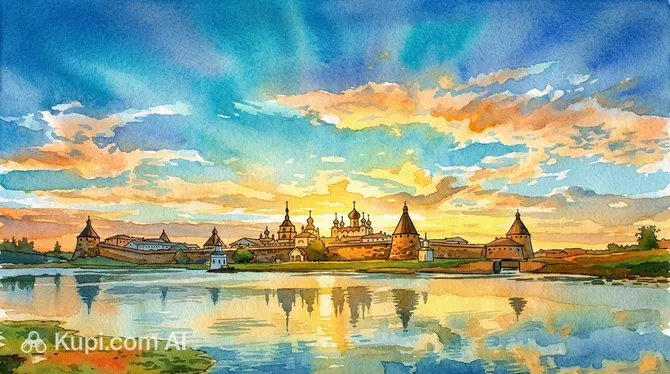
Solovetsky. Source: Kupi.Binoculars

The crown jewel of the island is the magnificent Solovetsky Monastery, a UNESCO World Heritage site that dominates the skyline with its massive stone walls and ancient cathedrals. Exploring the history of Solovetsky reveals a timeline stretching back centuries, involving ancient spiritual traditions and architectural mastery. Beyond the monastery, visitors are often intrigued by the mysterious stone labyrinths found on the islands and the surprising Botanical Garden, located at the Makaryevskaya Hermitage, where plants typically found in warmer zones have been acclimated to the north.

Whether you are interested in witnessing the architectural marvels of the Russian North or hoping to spot Beluga whales off the coast at Beluzhy Cape, Solovetsky promises an unforgettable journey. It is a place for reflection and discovery, inviting guests to experience the serene power of the White Sea.
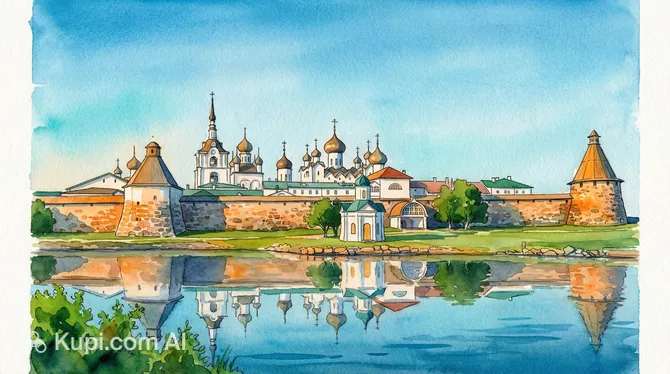
Weather Overview

The local climate is heavily influenced by the White Sea, creating an environment with cool summers and winters that are moderate for this high latitude. February is typically the coldest month, with average temperatures hovering around -6.6°C, while the summer season peaks in August with pleasant averages of 13.6°C. This maritime setting ensures that while it rarely gets truly hot, the bitter frosts found on the mainland are also less severe.

Precipitation patterns here are distinct, characterized by very low accumulation but frequent occurrences. Although the actual volume of rain or snow is minimal—often recorded at just 1mm to 3mm per month—damp conditions are common, with October seeing precipitation on up to 19 days. Expect cool, mild summers with occasional light rain and cold winters. To help plan your packing list, you can view more detailed information about the weather in Solovetsky.

Interesting Facts

Beyond its spiritual renown and scenic landscapes, Solovetsky holds fascinating secrets of engineering and ancient mysteries that surprise many visitors. The archipelago is not just a religious center but a marvel of human ingenuity and natural anomalies that defy its northern location.

Solovetsky Monastery. Source: Kupi.Binoculars
  • The island features a complex man-made hydraulic system created by monks centuries ago to manage water levels and power mills. They painstakingly dug canals connecting over 50 inland lakes, ensuring a constant flow of fresh water and creating a unique internal transportation network for small boats.

  • The majestic Solovetsky Monastery is a fortress built to withstand the elements, utilizing massive granite boulders covered in vibrant orange lichen. These stones, some weighing up to 8 tons, were fitted together without binding solution, relying solely on gravity and precise craftsmanship to create walls up to 6 meters thick.

  • Despite being situated just below the Arctic Circle, the islands possess a unique microclimate that historically allowed for incredible agricultural feats. Records show that in the 19th century, the monks' advanced greenhouses successfully cultivated exotic produce like watermelons, melons, and peaches, utilizing heat from wax bleaching factories and the island's sheltered position.

  • The archipelago is home to one of the largest concentrations of mysterious stone labyrinths in Northern Europe, particularly on Bolshoi Zayatsky Island. Dating back thousands of years, these spiral structures were constructed by prehistoric people for purposes that archaeologists still debate, ranging from ancient fishing traps to portals for the spirit world.

How to Get There

Reaching the Solovetsky Archipelago is a journey that often becomes an adventure in itself, given its location in the White Sea. While the islands are remote, there are established routes for travelers. For those looking for detailed logistics and schedules, you can read more about how to get to Solovetsky to plan your trip effectively.

The most direct way to reach the archipelago is by air. The settlement is served by its own local airport, Solovki Airport (CSH). Situated just 0.7 km from the center of the settlement, it offers a quick and convenient arrival point. A short taxi ride or even a walk of about 20 minutes will bring you to the main monastery complex. Alternatively, travelers often fly via larger regional hubs. Talagi (ARH) in Arkhangelsk is a major international airport located approximately 242.4 km away. From Arkhangelsk, visitors typically catch a connecting flight to Solovki or travel to a coastal port to continue by sea.

For clarity, here is a summary of the main airports:

Airport Name City Passenger Traffic Km from City
Talagi Arkhangelsk Large 242.4
Khibiny Kirovsk Medium 287.7
Solovki Airport Solovetsky Small 0.7

Traveling by train is another popular option, particularly for those who enjoy the scenic routes of the Russian North. Since Solovetsky is an island, it does not have its own railway station. The primary railway gateway is Kem Railway Station, located in the city of Kem, approximately 54.4 km from Solovetsky across the water. From the station, travelers take a short bus or taxi ride to the harbor to board a ferry. Another option is Belomorsk Railway Station in Belomorsk, situated about 70.2 km away. Both stations serve as key transit points where tourists transfer from rail to sea transport.

Below is a list of the nearest railway stations:

Station City Passenger Traffic Km to Center
Belomorsk Railway Station Belomorsk Medium 70.2
Segezha Railway Station Segezha Medium 158.4
Louhi Station Chkalovsky Medium 169.1
Onega Railway Station Onega Small 168.2
Kem Railway Station Kem 54.4

Main Attractions

The Solovetsky Archipelago is a treasure trove of historical, spiritual, and natural wonders. While the main settlement is small, the concentration of significant sites is immense, offering visitors a journey through centuries of Russian history and the raw beauty of the North. From ancient fortifications to mysterious archaeological sites, here are the places you simply must visit.

Solovetsky Monastery. Source: Kupi.Binoculars

The undisputed heart of the islands is the Solovetsky Monastery. Included in the UNESCO World Heritage list, this architectural ensemble is awe-inspiring with its cyclopean walls constructed from massive granite boulders. Founded in the 15th century, it served not only as a spiritual center but also as a formidable fortress defending the northern frontiers. Visitors can explore the majestic Transfiguration Cathedral, walk along the fortress galleries, and visit the museum exhibitions located within the complex that detail its turbulent history, from a holy sanctuary to a Soviet labor camp.

For a mix of breathtaking views and poignant history, a trip to Mount Sekirnaya is essential. It is the highest point on the Big Solovetsky Island, crowned by the unique Church of the Ascension. This church is architecturally rare because it also functions as a working lighthouse, guiding ships in the White Sea. During the darker periods of the 20th century, the church was used as a punishment cell, and a memorial cross now stands at the foot of the hill to honor the victims. The observation deck here offers one of the best panoramas of the archipelago and the surrounding sea.

A short boat ride takes you to Bolshoi Zayatsky Island, a place that feels like stepping into another world. The island is famous for its concentration of ancient stone labyrinths, dating back to the Neolithic era. These spiral structures, covered in moss and lichen, lie amidst a stark tundra landscape that is both eerie and beautiful. The island is also home to the wooden St. Andrew’s Church, built by Peter the Great in 1702, which remains one of the oldest wooden religious structures in the Russian North.

To understand the island's relationship with the sea, visit the Solovetsky Maritime Museum. Located in a restored barn near the monastery, this museum is dedicated to the maritime culture of the Russian North. It features exhibits on traditional shipbuilding, navigation, and the life of the Pomors (coastal dwellers). A highlight of the collection is the ongoing construction and display of historical vessels, allowing tourists to see how the sturdy boats that navigated these icy waters were crafted centuries ago.

Local Cuisine

The culinary landscape of Solovetsky is defined by its harsh northern climate, the bounty of the White Sea, and the centuries-old traditions of the monastery. The food here is simple, hearty, and organic, designed to provide warmth and energy. Local cuisine relies heavily on fresh fish, wild berries gathered from the taiga, and unique marine products that you rarely find elsewhere.

The most famous delicacy is undoubtedly the Solovetsky herring. Larger and fattier than its counterparts, it has been a delicacy on Russian tables for centuries. You can try it salted, fried, or in a rich fish soup. Another distinct local specialty is kelp (seaweed). The archipelago has a history of algae harvesting, and today you can taste seaweed salads which are incredibly rich in iodine. For those with a sweet tooth, keep an eye out for marmalade made with local agar-agar, a gelling agent derived from the White Sea algae.

Baked goods are an essential part of the food culture here, heavily influenced by the Solovetsky Monastery. The monastery bakery is legendary for its fragrant black bread and varied pastries. Be sure to try traditional pies (pirozhki) filled with halibut or local berries like cloudberries and lingonberries. These golden, tart berries are considered the "orange of the North" and are a must-try flavor of the region.

To stay warm, locals and visitors alike drink hot herbal teas, often brewed with willow herb (Ivan-chai) and other plants native to the islands. Berry mors (fruit drinks) made from cranberries or lingonberries are also widely available, offering a vitamin-packed refreshment. Dining options on the island are modest but atmospheric; the Monastery Refectory is a popular spot where tourists can eat simple, traditional monastic dishes like buckwheat with mushrooms and baked cod alongside pilgrims.

Travel Tips

Visiting the Solovetsky Archipelago is a unique adventure that combines spiritual pilgrimage with rugged northern exploration, so a little extra preparation goes a long way. To help you make the most of your journey to this remote and beautiful settlement, here are some essential practical tips.

  1. Clothing and Gear: The weather in the White Sea is unpredictable and changes rapidly. Dress in layers, bringing a warm sweater and a windproof, waterproof jacket even in summer. Sturdy, waterproof hiking boots are a must, as roads are unpaved and trails can be damp. Since the Solovetsky Monastery is a working religious site, a modest dress code is strictly enforced: women should bring a headscarf and a long skirt (or a wrap to put over trousers), and men should wear long trousers, not shorts.

  2. Transportation: There is no public transport system like buses or trams within the settlement. The village is small enough to navigate entirely on foot. For exploring further afield, bicycle rental is the most popular and convenient option, with several rental points available. For longer trips to remote sketes, you can hire local "taxi" vans (often rugged UAZ vehicles), but these should be arranged in advance.

  3. Finances: Cash is king on the island. While some hotels and the main museum may accept cards, connection failures are common due to the remote location. There is typically only one operating ATM (usually Sberbank) in the settlement, and it can run out of cash or be out of service. It is highly recommended to withdraw sufficient Russian Rubles on the mainland before you arrive.

  4. Health and Safety: Bring a personal first-aid kit with essential medications, as the local pharmacy has limited stock and operating hours. If you are visiting in June or July, insect repellent is absolutely critical; the mosquitoes and biting midges (gnats) can be intense in the forests. The island is very safe regarding crime, but exercise caution near slippery rocks and coastal cliffs.

  5. Communication: The main language is Russian, and English is rarely spoken outside of professional guided tours. Downloading an offline translation app and offline maps is very useful. Mobile signal (MTS and Megafon are usually the most reliable) is available in the settlement but can be spotty or non-existent in remote parts of the island. Wi-Fi is available in most hotels but speeds may be slower than you are used to.

  6. Local Etiquette: Solovetsky is a place of deep religious significance. When inside the monastery walls or near sketes, maintain a quiet and respectful demeanor. It is polite to ask for permission before photographing monks, clergy, or local residents. During services, silence and proper conduct are expected from all visitors.

  7. What to Avoid: Do not treat the monastery grounds like a beach resort. Walking around the village or monastery in swimwear, short shorts, or revealing tops is considered offensive to the local religious community. Also, avoid loud music or rowdy behavior, especially in the evenings.

  8. Local Insight: Don't miss the chance to buy fresh bread from the monastery bakery; it is famous for its taste and quality. Also, keep in mind that during the summer "White Nights," it stays light almost 24 hours a day. If you are a light sleeper, packing a sleep mask will ensure you get a good night's rest.

By keeping these practicalities in mind, you can focus entirely on the stunning landscapes and profound history that make Solovetsky such a special destination. Pack wisely, respect the local traditions, and get ready for an unforgettable experience in the Russian North.

Entertainment & Nightlife

Travelers planning a trip to the Solovetsky Islands should adjust their expectations regarding nightlife. Unlike typical tourist destinations, Solovetsky is a place of profound spirituality and rural tranquility, dominated by the monastic rhythm of life. There are no nightclubs, discos, loud bars, or bustling nightlife districts here. The "nightlife" in this remote corner of the Russian Federation is defined by the serene beauty of the White Sea, the silence of the taiga, and, during the summer months, the magical phenomenon of the "White Nights," when the sun barely sets, casting a surreal twilight over the archipelago.

The main hub for any evening activity is the area surrounding the Solovetsky Monastery. While the monastery itself closes its gates to visitors in the evening, the perimeter of its massive walls and the shores of the Holy Lake become the primary "venue" for evening promenades. Tourists and pilgrims alike gather here to watch the light change on the ancient stones, take photographs, and enjoy the peaceful atmosphere. In the absence of streetlights in many areas, the glow of the twilight sky during June and July provides natural illumination for these late walks.

Solovetsky Monastery. Source: Kupi.Binoculars

For those seeking a place to sit, eat, and perhaps enjoy a quiet drink, the options are limited to the restaurants and cafes attached to local hotels. These establishments serve as the de facto social centers of the settlement. The Restaurant at Solovki Hotel is one of the few places where you can enjoy a late dinner in a comfortable setting, offering traditional northern dishes. Another spot to check is the Pinagor cafe (if open during your season), known for its proximity to the pier and simple, hearty meals. Note that these are not bars in the western sense; the atmosphere is subdued, conversational, and respectful of the island's religious context.

Practical advice for the evening is essential in this remote location. Establishments typically close early, often by 9:00 PM or 10:00 PM, and kitchens may stop serving even earlier. If you plan to dine out, go early. Alcohol availability can be restricted, and prices are generally higher than on the mainland due to logistics. Dress warmly, as temperatures drop significantly after "sunset," even in summer. Regarding safety, the settlement is extremely safe from crime, but the lack of street lighting means you should carry a flashlight to avoid tripping on uneven paths or wooden walkways. Taxis are not hailed on the street; you must arrange rides in advance through your hotel or local contacts.

While the nights are for quiet reflection, daytime entertainment on the island offers deep cultural immersion. Visitors can explore the rich history of the region through the Solovetsky Maritime Museum or take boat trips to see the Beluga whales. There are no amusement parks or theaters; instead, the "entertainment" is the exploration of the living history and the raw, untouched nature that surrounds this unique settlement.

Parks & Museums

The Solovetsky Archipelago is essentially one vast open-air museum where pristine northern nature serves as the backdrop for centuries of history. Unlike typical cities with manicured city parks, the green spaces here are wild, untamed, and profoundly spiritual, while the museums are housed within ancient stone walls or restored wooden structures that tell the story of life on the edge of the Arctic.

One of the most surprising green spaces is the Solovetsky Botanical Garden, located at the Makaryevskaya Hermitage about four kilometers from the main settlement. It is a true horticultural miracle given the latitude; nestled in a valley protected from cold winds, it possesses a unique microclimate that allows plants from much warmer regions to thrive. Visitors can stroll down a century-old alley of Daurian larches, admire blooming badans, and see the heritage of the monks who historically cultivated everything from medicinal herbs to exotic fruits in this "warming pan" of the island.

For a more rugged natural experience, the landscape of Bolshoi Zayatsky Island serves as a spectacular natural reserve. While strictly protected, designated paths allow tourists to walk through a stunning tundra ecosystem covered in a carpet of moss, lichen, and low-growing berries. The island feels like a different planet, with its stark beauty and silence broken only by the wind and sea birds, offering a stark contrast to the forests of the main island.

The cultural heart of the archipelago is the Solovetsky State Historical, Architectural and Natural Museum-Reserve, which is centered around the magnificent Solovetsky Monastery. This is not just a religious site but a comprehensive museum complex. Within its massive boulder walls, visitors can explore various exhibitions that cover the architectural evolution of the fortress, the history of the monastic community, and the archaeology of the region. The sheer scale of the stonework and the atmosphere of the ancient chambers make it a compelling visit for anyone interested in Russian history.

Solovetsky Monastery. Source: Kupi.Binoculars

Another fascinating cultural venue is the Solovetsky Maritime Museum, located in a restored barn near the monastery. This museum focuses on the spiritual and practical relationship between the people and the White Sea. It is particularly engaging because it functions as a living shipyard; center stage is often taken by the reconstruction of traditional wooden vessels. Exhibits detail the navigational feats of the Pomors and the intricacies of northern shipbuilding, offering a deep dive into the maritime heritage of the Russian North.

In terms of historical landmarks, the Stone Labyrinths on the islands are a significant archaeological mystery that functions as an open-air exhibit. These spiral stone structures, dating back to the Neolithic period, are scattered across the archipelago, with the most famous group on Zayatsky Island. Walking among these ancient formations provides a tangible connection to the prehistoric inhabitants of the White Sea coast.

For a truly authentic experience, rent a bicycle to reach the Philippovskaya Hermitage. The route takes you through scenic forest trails past quiet lakes, leading to a secluded spot where you can see the ancient stone dikes built by monks to separate the sea from freshwater bays—a remarkable feat of 16th-century hydraulic engineering that blends seamlessly with the natural environment.

Getting Around

Given the remote location and small size of the settlement, Solovetsky does not possess a conventional public transport system. Travelers will not find metros, trams, trolleybuses, or even scheduled municipal bus routes here. The infrastructure is designed for a rural island lifestyle, meaning that getting around requires a different approach compared to a typical city visit.

The primary mode of "transport" within the main settlement is simply walking. The village is compact, and most key locations—including the monastery, the museum complex, hotels, and shops—are located within a comfortable walking distance of one another. For reaching more distant sketes or natural landmarks on the main island, visitors typically rely on private taxi services. These are not standard city cabs but usually rugged, all-terrain vehicles (often Russian UAZ vans) capable of navigating the unpaved and occasionally muddy forest roads. There are no apps like Uber; rides are usually arranged via your hotel reception or by finding drivers waiting near the monastery or the airport.

For those who prefer more independence, renting a bicycle is the most popular and practical solution. Bike rental stations are plentiful in the village, offering a range of mountain bikes suitable for the island's terrain. This is the preferred way for many tourists to visit sites like the Botanical Garden or the Philippovskaya Hermitage. Prices are generally affordable and are charged by the hour or per day. Since there is no formal ticketing system for transport, all payments for rentals and taxis are made directly in cash. It is crucial to carry enough rubles, as electronic payments can be unreliable.

A unique aspect of local "public transport" is the water connection between the islands. To visit neighboring islands such as Bolshoi Zayatsky or Anzer, you must use boats. These operate somewhat like water buses during the tourist season, with excursions and transfers organized by the Monastery's Pilgrimage Service or private boat captains at the pier. Tickets for these water trips are typically purchased at the pilgrimage center or directly at the specialized kiosks near the harbor.

Practical advice for navigating Solovetsky is simple: prioritize comfortable, waterproof footwear suitable for walking long distances on dirt paths. If you plan to use the private taxi vans to reach remote corners of the island, try to group up with other travelers to split the cost, as drivers often charge for the vehicle rather than per person. Always agree on the price before starting your journey, and remember that transport availability decreases significantly in the evening.

Accommodation

Accommodation in Solovetsky reflects the remote and rural nature of the archipelago. Travelers should not expect international luxury chains or sprawling resorts here. Instead, the options are modest, functional, and often cozy, designed to shelter visitors from the northern elements. The primary choices include small local hotels, private guest houses, and pilgrim hostels operated by the monastery. These accommodations range from basic dormitory-style rooms with shared facilities to more comfortable private rooms with en-suite bathrooms.

The geography of the settlement is compact, meaning that location is rarely an issue regardless of where you stay. Almost all accommodation is concentrated within the main village, clustering around the Solovetsky Monastery and the majestic Holy Lake. Staying in this area is highly convenient, as it places you within a 10 to 15-minute walk of the main architectural complex, the museum, local shops, and the pier where boats depart for excursions to other islands. Some guest houses are located slightly further into the quiet outskirts, offering more silence and proximity to the forest.

For those planning a visit, booking strategies are critical. The tourist season in the White Sea is very short, peaking in July and August. During these months, the limited number of rooms on the island fills up incredibly fast. It is highly recommended to book your accommodation several months in advance. Arriving without a reservation during the height of summer is risky, as you may find no vacancies available.

In terms of pricing, costs are generally in the mid-range bracket, though they can be higher than similar accommodations on the mainland due to the logistics of supplying the island. While some properties are listed on major online booking platforms, many smaller guest houses and private rentals still rely on direct bookings via phone or email. Furthermore, travelers should be aware that payment methods vary; while larger hotels may accept cards, smaller establishments often require cash, so arriving with sufficient rubles is essential.

Nearby Cities

Solovetsky is located in the White Sea, geographically separated from the mainland by the expansive waters of the Onega Bay and the open sea. While the archipelago feels remote, several significant urban centers in the Russian North are situated relatively close by on the mainland coasts of the Arkhangelsk and Murmansk regions. These cities often serve as the logistical bases for travelers heading to the islands.

The following table lists the nearest cities, providing their population and distance from Solovetsky:

City Name Population Distance (km)
Chkalovsky 42,600 177
Severodvinsk 183,996 203
Arkhangelsk 351,488 236
Apatity 55,713 302
Monchegorsk 42,099 348

Among these locations, Arkhangelsk is the largest and most prominent, acting as the regional capital and the primary historical gateway to the White Sea. Severodvinsk, located slightly closer, is a major industrial port city. To the west and northwest, cities like Apatity and Monchegorsk are situated on the Kola Peninsula, representing the industrial heart of the Murmansk region.

Shopping & Souvenirs

Shopping in Solovetsky is a modest and authentic experience that reflects the remote, rural, and spiritual nature of the archipelago. Travelers should not expect bustling shopping districts, fashion boutiques, or large commercial centers. Instead, the retail scene is focused on providing essential goods for residents and offering unique, locally produced souvenirs that carry the spirit of the Russian North. The primary shopping venues are small grocery stores, souvenir stands, and specialized shops attached to the museum and the monastery.

There are no designated shopping streets in the settlement. Commercial activity is concentrated in the village center, primarily within walking distance of the Solovetsky Monastery. You will find a cluster of small shops and kiosks near the monastery gates and along the path leading to the pier. These spots are convenient for picking up snacks, drinks, or gifts while exploring the main architectural complex.

Solovetsky Monastery. Source: Kupi.Binoculars

It is important to note that there are no shopping malls or department stores on the islands. The retail infrastructure consists entirely of small, standalone buildings and wooden stalls. Visitors looking for extensive shopping opportunities should plan to do so in larger mainland cities like Arkhangelsk before or after their trip to the islands.

While there is no large central market, the summer tourist season brings a lively atmosphere to the area around the harbor and the monastery walls. Here, you can find small seasonal stalls where locals sell fresh and dried fish, wild berries gathered from the taiga, and handmade crafts. These informal market spots are excellent for finding organic local treats that you can enjoy during your stay.

When it comes to souvenirs, Solovetsky offers distinct items that you won't find easily elsewhere. The most popular purchases include products made from White Sea algae, such as natural cosmetics and marmalade based on agar-agar, which are specialties of the Arkhangelsk region. The monastery shop is a must-visit for religious items, including icons, crosses, and books, as well as their famous freshly baked bread and pastries. Other worthwhile keepsakes include herbal teas made from northern plants, knitted woolens to keep you warm, and carved wooden handicrafts.

Store hours are generally limited compared to big cities. Most shops open around 9:00 AM or 10:00 AM and close by 7:00 PM or 8:00 PM. Grocery stores may stay open slightly later, but 24-hour convenience stores do not exist here. Regarding payment, cash is absolutely essential. While some larger shops and the museum ticket office may have card terminals, internet connection failures are common, rendering card payments impossible. It is highly recommended to withdraw sufficient Russian Rubles on the mainland before arriving.

Tax-free shopping (VAT refund) is not available in the settlement of Solovetsky. The tax-free system in the Russian Federation is typically operational only in major retail outlets in large cities and is not supported by the small local vendors on the archipelago.

Nearby cities

Reached the end of the page?

That means the route is fully explored