Support

Srednekolymsk

About

Srednekolymsk is a unique destination for those seeking to explore the far northern reaches of the globe. Situated on the left bank of the majestic Kolyma River, this small town offers a glimpse into life in the Arctic zone of the Russian Federation. It serves as a testament to human resilience in one of the most remote corners of the world, offering an atmosphere of tranquility and isolation that is hard to find elsewhere.

With a population of approximately 3,500 residents, the city acts as a vital administrative center within the Sakha Republic (Yakutia). Geographically, it is located just north of the Arctic Circle, which deeply influences its character. The climate is characterized by long, harsh winters where the landscape is frozen in time, and short, vibrant summers where the midnight sun keeps the days endlessly bright.
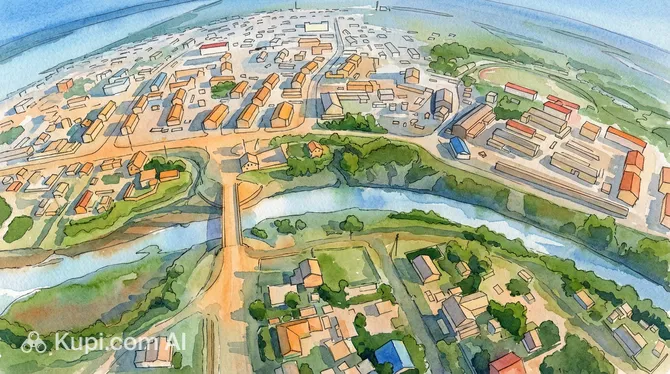
Srednekolymsk. Source: Kupi.Binoculars

Despite its remoteness, the settlement has deep roots in the exploration of Siberia. It was established in the mid-17th century as a Cossack fortress. Visitors interested in the past can delve deeper into the history of Srednekolymsk to understand its evolution from a fortified outpost to a modern regional hub. It stands as one of the oldest towns in the northeastern part of the country.

For tourists, the primary allure lies in the pristine natural environment. The Kolyma River provides excellent opportunities for fishing and scenic boat trips during the navigation season. The surrounding tundra and taiga offer a raw, untouched beauty that appeals to eco-tourists and photographers. Additionally, during the dark winter months, the city is a prime location for witnessing the spectacular Aurora Borealis, or Northern Lights, dancing across the sky.

If you are looking for an off-the-beaten-path adventure that combines extreme geography with authentic local culture, Srednekolymsk is a compelling choice. It invites travelers to experience the true spirit of the North, where nature dictates the rhythm of life.

Weather Overview

Srednekolymsk experiences an extreme subarctic climate, defined by profound contrasts between its seasons. The weather is dominated by long, bitterly cold winters and short, mild summers. To help you pack the right gear for your journey, it is highly recommended to consult the detailed forecast for the weather in Srednekolymsk.

The winter months are severe and enduring. January is typically the coldest time of year, with average temperatures dropping to -35.0°C and minimums reaching as low as -37.4°C. The deep freeze begins early, with averages already hitting -22.6°C in November, and persists well into spring, with March still seeing averages around -21.8°C. Precipitation during this frozen period is minimal, often recorded as 0mm, though snow cover is persistent.

Summer offers a brief but welcome respite. July is the warmest month, featuring an average temperature of 14.2°C and daily highs that can reach 18.4°C. June is similarly pleasant, with averages around 13.8°C. This season also brings a slight increase in moisture, with July and September seeing about 9 wet days each, compared to the drier winter months.

Travelers should expect cool to mild summers with occasional light precipitation and extremely cold, dry winters where thermal protection is a necessity.

Interesting Facts

Beyond its status as a remote administrative center, Srednekolymsk holds a collection of intriguing stories and unique characteristics defined by its extreme geography. This settlement is a place where history and the raw power of nature intertwine in unexpected ways.

  • The Oldest on the Kolyma: Established in 1643 by the Cossack explorer Mikhail Stadukhin, Srednekolymsk holds the title of the first Russian fortified settlement on the Kolyma River. It originally served as a strategic "ostrog" (fortress) for further expeditions into the untamed lands of Chukotka and the Anadyr region.

  • A Mammoth Symbol: The city’s official coat of arms features a striking image of a red mammoth. This is not merely artistic; the surrounding permafrost acts as a natural freezer, frequently revealing well-preserved bones and tusks of these prehistoric giants along the eroding riverbanks.

  • Scholarly Exiles: During the Tsarist era, the town's profound isolation made it a "prison without bars" for political exiles. Notable figures, such as the revolutionary Vladimir Bogoraz, were banished here but used their time to conduct groundbreaking anthropological research on the local Chukchi and Yukaghir peoples.

  • The Ice Highway: Srednekolymsk is effectively an island within the continent during the summer, accessible only by air or water. However, in winter, the frozen Kolyma River transforms into a vital "zimnik" (ice road), allowing trucks to deliver heavy cargo and supplies that are impossible to transport through the marshy terrain of the warmer months.

How to Get There

Reaching Srednekolymsk is a journey into the heart of the Arctic that requires careful planning due to its isolation in the Sakha Republic. The city is largely cut off from the country's main road and rail networks, making aviation the lifeline for locals and visitors alike. For a detailed breakdown of routes and logistics, you can read more about how to get to Srednekolymsk.

The most direct and common way to arrive is by flying into Srednekolymsk Airport (IATA: SEK). This regional hub typically receives flights connecting from Yakutsk, the capital of the region. Travelers should be aware that flight schedules can be dependent on weather conditions, which are often unpredictable in this part of the world. Unlike many other destinations, there are no year-round roads connecting Srednekolymsk to the "mainland" or neighboring districts; ground access is generally limited to winter ice roads or river transport during the short summer navigation season.

While the region is vast, there are other aviation facilities in the broader vicinity, though they do not offer direct ground connections to the city due to the challenging terrain and lack of infrastructure. The following table lists other airports in the area for reference:

Airport Name City Passenger Traffic Km from City
Zyryanka Zyryanka Small 226.6

Main Attractions

Srednekolymsk may be small and remote, but it holds a significant place in the history of the Russian North. The city’s main point of interest is the Srednekolymsk Local History Museum. Founded in the early 20th century, this institution is a treasure trove for anyone curious about the Arctic. Its exhibits cover a wide range of topics, from the paleontological wonders of the region—including remains of woolly mammoths found in the permafrost—to the rich ethnography of the indigenous Yakut and Yukaghir peoples. The museum also dedicates a section to the town’s era as a place of political exile, offering a poignant look at the lives of those banished to this distant outpost.

A stroll through the town reveals its deep connection to the age of exploration. You will likely encounter the Monument to Mikhail Stadukhin, the Cossack explorer who founded the settlement in 1643. This memorial pays tribute to the brave adventurers who navigated the harsh Siberian rivers to establish one of the first Russian fortresses in the region. It serves as a reminder of the city's status as a historic "ostrog" that played a crucial role in the expansion into the Far East.

Nature itself is the grandest attraction here. The majestic Kolyma River dominates the landscape and offers breathtaking views, especially at the confluence with the Ankudinka River. In summer, the riverbanks are perfect for fishing and boat trips, allowing visitors to experience the raw beauty of the taiga. In winter, the frozen river becomes a thoroughfare, and the dark skies above the city frequently light up with the mesmerizing colors of the Aurora Borealis, making it a bucket-list destination for chasers of the Northern Lights.

While walking the streets, you might notice the city’s unique coat of arms featuring a red mammoth. This is not just a symbol; the Srednekolymsk district is world-famous for the "Berezovka Mammoth," one of the most complete specimens ever discovered, found nearby. Although the original is in St. Petersburg, the local pride in this prehistoric heritage is palpable throughout the town, adding a unique prehistoric dimension to your visit.

Local Cuisine

The local cuisine in Srednekolymsk is a direct reflection of its harsh Arctic environment and the rich natural resources of the Kolyma region. Food here is hearty, organic, and designed to provide the energy needed to withstand the extreme cold. For gastronomic tourists, the highlight is undoubtedly the abundance of pristine river fish and wild game, offering a taste of the North that is impossible to replicate elsewhere.

The absolute king of the local table is Stroganina. This famous Yakut delicacy consists of long, thin curls of raw, frozen fish—typically broad whitefish (chir), muksun, or nelma—shaved directly from the whole fish. It is traditionally dipped in a mixture of salt and black pepper before being eaten immediately while still frozen. Another popular variation is the Indigirka salad, which features diced frozen fish mixed with onions, oil, and spices. These dishes are not only delicious but are also considered essential for maintaining health during the long polar winters.

Meat dishes are equally important in the local diet, with reindeer venison and Yakut horse meat being the staples. The meat is prized for its high nutritional value and is often prepared in rich soups or simple, hearty stews that highlight the natural flavors of the product. In the short summer months, the diet is supplemented by wild berries gathered from the tundra, such as cloudberries, lingonberries, and blueberries.

When it comes to drinks, locals rely on vitamin-rich berry mors (fruit drinks) made from the harvest of the taiga to boost immunity. Hot black tea with milk is the standard beverage for warming up after being outdoors. Alcohol is available, but traditional non-alcoholic berry infusions are the true taste of the land.

The food culture in Srednekolymsk is centered around hospitality and home cooking rather than a bustling restaurant scene. Due to the small size of the town, there are very few formal dining establishments. Visitors will mostly find simple cafes or canteens serving straightforward, home-style Russian and Yakut meals. The most authentic culinary experiences are often found by accepting an invitation to a local home or participating in a fishing trip, where the catch is cooked fresh over an open fire on the riverbank.

Travel Tips

Visiting Srednekolymsk is a true expedition into the heart of the Arctic, far removed from the comforts of standard tourism. To help you navigate the unique challenges of this remote Yakut town, here are some essential practical tips to ensure your adventure is safe and memorable.

  1. Prepare for Extreme Temperatures: If you visit in winter, standard winter gear is insufficient. You need professional-grade Arctic clothing: thermal underwear, a heavy down parka, insulated trousers, and felt boots (valenki) or high-tech polar footwear. In summer, the weather is mild, but you must bring long sleeves and a specialized face net to protect against the aggressive swarms of mosquitoes and midges, locally known as gnus.

  2. Walking is the Best Transport: The town is compact, and most points of interest are within walking distance. There is no public transport system like buses or trams. For longer distances or trips to the airport, locals use private cars acting as informal taxis. Ask your host or hotel accommodation to arrange a ride for you in advance, as you cannot simply hail a cab on the street.

  3. Cash is King: While digital payments are spreading across the Russian Federation, reliability in the Arctic can be spotty due to internet connection issues. Always carry enough cash (Russian Rubles) to cover your expenses. There are ATMs (usually Sberbank), but they may run out of cash or be out of service, so do not rely on them exclusively.

  4. Medical Self-Sufficiency: The local pharmacy has limited stock and operating hours. It is crucial to bring a well-stocked personal first-aid kit, including any prescription medications you need, painkillers, and remedies for cold and flu. Medical facilities are basic, and serious emergencies might require an air ambulance evacuation to Yakutsk, which depends heavily on weather conditions.

  5. Language Barrier and Connection: Do not expect to find English speakers. Knowledge of basic Russian phrases is essential, and downloading an offline translation app is highly recommended. Mobile internet is available (typically MTS or MegaFon) but speeds can be slow (often 3G or Edge). Buy a SIM card in a major city like Yakutsk before flying north to ensure you are connected immediately upon arrival.

  6. Respect Local Hospitality: In Yakutia, guests are treated with great warmth. If you are invited into a home, always remove your shoes at the door—this is a strict rule. It is also polite to accept tea or food offered to you. Refusing a taste of local delicacies, like stroganina (frozen raw fish), can be seen as impolite unless you have a valid health reason.

  7. Avoid Solo Tundra Treks: Never wander into the surrounding forests or tundra alone without a local guide. The landscape is vast and disorienting, and in summer, there is a real risk of encountering brown bears. In winter, getting lost even a short distance from town can be fatal due to the cold.

  8. The "White Nights" Factor: In summer, the sun barely sets, which can disrupt your sleep cycle if you aren't used to it. Bring a high-quality sleep mask to ensure you get rest during the continuous daylight. Conversely, in winter, be mentally prepared for very short daylight hours, often limited to a twilight haze around noon.

Srednekolymsk rewards the prepared traveler with an authentic glimpse into life on the edge of the habitable world. By respecting the climate and local customs, you will discover the warm heart of this frozen land and experience a side of the North that few outsiders ever see.

Entertainment & Nightlife

Travelers arriving in Srednekolymsk should adjust their expectations regarding nightlife; this is not a destination for thumping bass or neon-lit dance floors. Instead, the evening entertainment scene here is intimate, community-focused, and deeply intertwined with the warmth of local hospitality. The "nightlife" in this Arctic settlement revolves around cozy gatherings, hearty dinners, and cultural events rather than clubbing. The atmosphere is quiet and safe, offering a rare chance to disconnect from the noise of the modern world and engage in genuine conversations with residents living on the edge of the habitable world.

The social hub of the town is concentrated along the central streets, particularly Yaroslavskogo Street and Nikolayeva Street. For an evening out, your options are limited but welcoming. Cafe "Ogni Kolymy" (Lights of Kolyma) is a popular local spot where you can enjoy a hot meal and relax in a simple, unpretentious setting. It serves as a primary gathering place for locals to celebrate occasions or simply catch up after a work week. Another venue to check out is Cafe "Tokyo", which offers a surprising touch of variety with sushi and other dishes, providing a modern twist to the dining scene in this remote location.

For those looking for recreational activities, the Hotel "Alazeya" often functions as more than just accommodation. It is known to host leisure facilities such as billiards, making it a good spot to pass the long winter evenings in good company. Additionally, the "Kuluma" Cultural and Leisure Center is the heart of the town’s artistic life. While primarily active during the day, it frequently hosts evening concerts, holiday festivities, and disco nights for the youth, especially during national holidays or local celebrations. Checking the schedule at "Kuluma" is the best way to find out if a public event is taking place during your stay.

Practicality is key when planning your evening. Venues typically close earlier than in big cities, often by 10:00 PM or midnight, so it is wise to head out early. The dress code is purely functional: prioritize warmth over style. In winter, thermal layers and insulated boots are essential even for short walks between buildings. Prices are generally reasonable, though fresh produce can be expensive due to logistics. Cash is highly recommended, as card terminals may rely on unstable internet connections.

Safety in Srednekolymsk is largely a matter of battling the elements rather than crime. The town is peaceful, but the extreme cold is a serious hazard; never walk long distances at night without proper gear. Stray dogs can occasionally be an issue, so it is advisable to stay on well-lit main paths. There is no official taxi service with an app; getting around at night usually involves walking or arranging a ride with a local private driver through your hotel or host.

During the daylight hours, entertainment is quieter but equally engaging. Visitors can explore the Srednekolymsk Local History Museum to learn about the region's Cossack roots and indigenous cultures, or simply enjoy the breathtaking stillness of the Kolyma River's banks. In the darker months, the night sky itself becomes the main attraction, with the Aurora Borealis often providing a spectacular natural light show that rivals any man-made entertainment.

Parks & Museums

In Srednekolymsk, the concept of "parks" and "museums" is defined by the vast, untamed wilderness of the Arctic and the deep historical roots of the settlement. While you will not find manicured botanical gardens or sprawling art districts here, the town offers a profound connection to nature and a fascinating glimpse into the history of the Russian North. The cultural venues are intimate but rich in stories, reflecting the resilience of the people who have called this remote outpost home for centuries.

The Kolyma River Embankment serves as the town's primary natural promenade and recreational area. In the absence of large formal parks, the riverbank is where locals and visitors alike come to connect with the environment. During the short summer, it is a scenic spot for walking, fishing, and watching the boats navigate the waterway. The confluence of the Ankudinka River with the Kolyma creates a picturesque landscape that is particularly beautiful during the "White Nights," when the sun barely dips below the horizon, casting a golden glow over the water and the surrounding taiga.

For a deeper dive into the region's heritage, the Srednekolymsk Local History Museum is the undisputed cultural highlight. This institution is surprisingly comprehensive for a town of this size, housing collections that span from the prehistoric era to the present day. Visitors can examine the paleontological section, which features well-preserved remains of woolly mammoths and woolly rhinoceroses found in the local permafrost. The museum also offers extensive exhibits on the ethnography of the indigenous Yakut and Yukaghir peoples, as well as a poignant look at the town's history as a place of political exile for revolutionaries and intellectuals during the Tsarist era.

The "Kuluma" Cultural and Leisure Center acts as the modern artistic heart of the community. While primarily a venue for events and performances, it frequently hosts temporary exhibitions showcasing local craftsmanship, photography, and children's art. It is a vibrant space where the living culture of the district is celebrated, offering tourists a chance to see how traditional Yakut customs blend with modern life in the Arctic.

Walking through the town, you will encounter significant historical markers that tell the story of Srednekolymsk's foundation. The Monument to Mikhail Stadukhin stands as a tribute to the Cossack explorer who established the original fortress (ostrog) here in 1643. This landmark is not just a statue but a symbol of the town's status as one of the oldest Russian settlements in Northeastern Siberia. Nearby, the Memorial to the Heroes of World War II serves as a solemn reminder of the contributions made by the residents of this distant region to the global conflict, often decorated with fresh flowers by locals.

For an authentic experience, venture slightly beyond the town limits to the Ankudinka River Valley. In summer, this area transforms into a lush green haven filled with wild berries and wildflowers, perfect for a picnic or a quiet hike. In winter, the frozen river becomes a playground for snowmobiling and ice fishing, offering a true taste of the local lifestyle. Keep in mind that the "park" here is the endless wilderness itself, so always respect the raw power of nature when exploring.

Getting Around

Travelers planning a visit to Srednekolymsk should adjust their expectations regarding public transportation. Due to the town's small size and remote location, there is no complex urban transit network. You will not find a metro, trams, trolleybuses, or a scheduled city bus service designed for tourists. The settlement is compact enough that most daily activities and sightseeing can be accomplished on foot, which is the primary mode of mobility for residents and visitors alike.

The closest equivalent to public transport in the city is the local taxi service. These are not typically the branded yellow cabs found in major metropolitan areas, but rather private cars operating as taxis. There are no ride-hailing apps like Uber or large-scale aggregators available here. To arrange a ride, you will generally need to call a local dispatch number or ask your hotel or host to book a car for you. These services are essential for trips to the airport or for moving luggage during the extreme cold of winter.

Regarding payment, the system is strictly cash-based. There are no travel passes, smart cards, or mobile tap-to-pay systems for transport. You should always carry small denominations of the local currency, as drivers may not have change for large banknotes. While some private drivers might accept transfers via mobile banking apps if you have a local bank account, relying on physical cash is the safest and most practical advice for a tourist.

For those navigating the town, the most practical advice is to dress appropriately for the weather and prepare to walk. The distance from one end of Srednekolymsk to the other is short, and walking allows you to absorb the unique atmosphere of the Arctic streets. If you do use a taxi, negotiate or confirm the fare before starting the journey, as meters are rarely used. Operating hours for taxis can be flexible, but availability may drop significantly late at night, so plan your evening returns in advance.

A unique feature of transport in this region is the seasonal shift in vehicles. During the long, snowy winters, it is common to see locals using snowmobiles as a standard means of getting around. In the summer, the Kolyma River becomes a highway for motorboats, which are used for fishing and reaching nearby settlements. While not "public transport" in the traditional sense, these seasonal vehicles are integral to the local way of life and offer a distinct experience for visitors looking to explore beyond the town limits.

Accommodation

Accommodation in Srednekolymsk is strictly functional, reflecting the remote and utilitarian nature of this Arctic settlement. Travelers should not expect international chains, luxury resorts, or a wide variety of choices. The options are limited to a very small number of basic facilities designed primarily to house visiting specialists, government officials, and the occasional adventurous tourist. The standard of comfort is modest, prioritizing warmth and shelter over modern amenities.

The town is compact, so location is rarely an issue; almost any accommodation will be within walking distance of the administration buildings, the museum, and the Kolyma River. The primary and most well-known establishment in the city is the Hotel "Alazeya". Located centrally, it serves as the main hospitality hub for the district. It offers standard rooms which are simple but heated—a crucial feature in the winter months. Facilities are often shared, and the decor is typically practical and unadorned.

Apart from the main municipal hotel, accommodation options may include informal guesthouses or private apartment rentals. In remote Russian towns, it is not uncommon for locals to rent out rooms or entire flats to visitors, offering a more homelike environment with access to a kitchen. These arrangements, however, are often part of the "invisible" market and are usually found through local contacts rather than public advertisements.

Booking Tip: Digital booking infrastructure is virtually non-existent here. You cannot rely on major international booking platforms or apps. It is highly recommended to arrange your stay well in advance by telephone or through a local host or tour guide. Showing up without a confirmed reservation, especially in the harsh winter, is risky as capacity is very low and alternative options may not exist.

Prices are generally in the mid-range bracket, though they might seem high relative to the quality of service due to the extreme costs of maintaining infrastructure and heating in the North. Payment is almost exclusively in cash (Russian Rubles). While a card terminal might exist at the main hotel, it frequently relies on unstable internet connections, so you should always travel with sufficient physical currency to cover your entire stay.

Nearby Cities

Given the vast scale of the Sakha Republic, the concept of "nearby" takes on a different meaning here. Srednekolymsk is situated in a remote expanse where the closest settlements are hundreds of kilometers away. These regional neighbors are distinct communities that share the rugged challenges of the Far North, separated by extensive tracts of tundra and taiga, making travel between them a significant undertaking rather than a quick excursion.

One of the most significant settlements in the wider area is Belaya Gora. Located on the banks of the Indigirka River, this town serves as a logistical hub for the Abyysky District. It offers a profound look into the life of the Arctic, characterized by its stark natural beauty and the resilience of its inhabitants who have adapted to the extreme climate.

To the southeast lies Ust-Nera, a town with a history deeply rooted in gold mining. Situated in the Oymyakon region, known as the "Pole of Cold," it is surrounded by dramatic mountain landscapes. The settlement provides a window into the industrial heritage of the Russian Far East and the severe terrain of Eastern Yakutia.

Another notable location is Bilibino, found to the east in the neighboring Chukotka region. Famous for hosting the world's northernmost nuclear power plant, it represents a unique engineering feat amidst the permafrost. The town is nestled among hills and acts as a gateway to the pristine wilderness of Chukotka.

City Population Distance (km)
Belaya Gora 10000 337
Ust-Nera 9148 573
Bilibino 5319 541
Susuman 4760 581
Omsukchan 4201 558

These destinations, though distant, form the constellation of inhabited places in this vast northern territory.

Shopping & Souvenirs

Shopping in Srednekolymsk is a purely functional experience, reflecting the town's remote location and small population. Do not expect to find high-street fashion brands, luxury boutiques, or sprawling retail complexes here. Instead, the local commerce is centered around providing residents with daily necessities, food, and warm clothing essential for the harsh climate. For tourists, the shopping scene offers a unique opportunity to find authentic local goods that are rarely exported, particularly items related to the indigenous cultures and the natural bounty of the Arctic.

The main commercial activity is concentrated along the central thoroughfares, particularly Yaroslavskogo Street. This is where you will find the highest density of general stores and small grocery outlets. A walk down this street allows visitors to see what life is really like in the Far North, with shops stocking everything from canned goods to heavy felt boots. Nikolayeva Street also features several small shops and kiosks, serving as convenient stops for locals running daily errands.

Due to the size of the settlement, there are no "shopping malls" in the traditional sense. You will not find multi-story entertainment and retail centers. Instead, the town relies on small, multi-purpose trading houses (often called "Torgovyy Dom") or general stores. These establishments typically sell a mix of products under one roof, ranging from household chemicals and electronics to clothing and dry foods. The selection is limited to what can be transported via air or the winter ice roads, so variety varies significantly by season.

The most interesting shopping experience for a visitor is undoubtedly the local market culture. While there may not be a large, permanent covered bazaar, informal markets and direct sales from locals are common. This is the best place to find fresh, organic produce from the region. In winter, you can buy blocks of frozen river fish, reindeer meat, and wild game directly from hunters and fishermen. In late summer and autumn, the focus shifts to buckets of freshly gathered wild berries like cloudberries, lingonberries, and blueberries, which are a staple of the local diet.

When it comes to souvenirs, Srednekolymsk offers items that are deeply connected to the land and its history. The most prized purchases are carvings made from mammoth tusk or bone. As the region is rich in permafrost paleontological finds, local artisans often create intricate figurines and amulets from this prehistoric material. Additionally, items made from reindeer fur and leather, such as traditional high boots (untai) or warm mittens, are both practical for the cold and beautiful examples of indigenous craftsmanship. Beaded jewelry and accessories made by Yakut and Yukaghir masters are also unique keepsakes.

Store opening hours are generally standard for a Russian provincial town, typically running from 09:00 or 10:00 AM to 07:00 or 08:00 PM. Some smaller grocery kiosks may stay open a bit later, but 24-hour convenience stores are not the norm. On weekends, hours may be reduced.

Payment methods require careful attention. While the Russian Federation has a well-developed digital banking system, the internet connection in Srednekolymsk can be unstable. Consequently, card terminals in shops may not always work. Cash is the most reliable method of payment. It is highly recommended to withdraw sufficient Rubles in a larger city like Yakutsk before arriving, as local ATMs can run out of cash or be out of service.

Regarding tax refunds, the Tax-Free system for tourists is not available in Srednekolymsk. This service is typically restricted to major international retailers in the country's largest cities and does not extend to remote settlements in the Arctic zone.

Nearby cities

Reached the end of the page?

That means the route is fully explored