Support

Zyryanka

About

Welcome to Zyryanka, a remote and atmospheric urban locality situated in the vast wilderness of the Sakha Republic (Yakutia). Located on the left bank of the majestic Kolyma River, this settlement offers a unique glimpse into life in the far north of the Russian Federation. With a population of approximately 3,600 people, it serves as a vital administrative and transport hub for the Verkhnekolymsky District, maintaining a close-knit community spirit amidst the rugged beauty of the subarctic taiga.

The geography of the region is defined by its extreme continental climate and the dominance of the river. Winters here are long and severe, creating a stunning snowy landscape, while the short summers bring the phenomenon of "white nights" and a brief burst of greenery. The area is deeply connected to the natural world, where the permafrost and the endless forests shape the daily lives of the inhabitants.
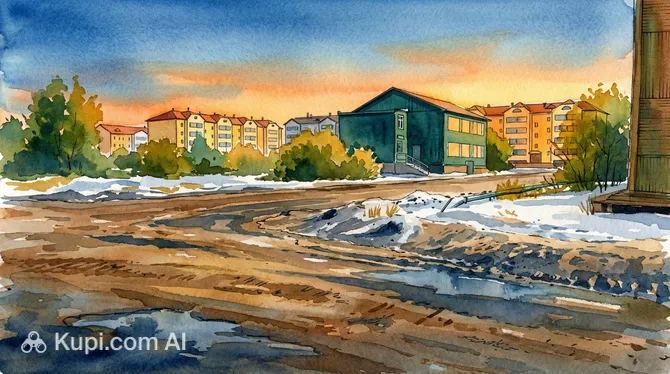
Zyryanka. Source: Kupi.Binoculars

To truly understand the character of this settlement, one should explore the history of Zyryanka. Founded in the 1930s in connection with the development of coal deposits, it rapidly grew into an essential river port. Today, the port remains a lifeline for the region, facilitating the transport of goods and connecting the area to the wider world during the navigation season.

For travelers venturing this far north, the Kolyma River itself is a primary attraction, offering breathtaking views and opportunities for fishing or boat trips during the warmer months. Cultural enthusiasts can visit the local museum, which preserves the heritage of the indigenous Evenk and Yukaghir peoples, showcasing their traditional clothing, tools, and way of life. The surrounding wilderness also attracts those seeking solitude and the chance to experience the pristine nature of the Arctic circle.

If you are looking for an off-the-beaten-path destination that combines industrial history with raw natural beauty, Zyryanka invites you to discover the resilience and hospitality of the Russian North.

Weather Overview

The climate in Zyryanka is defined by extreme contrasts, typical of the Sakha Republic's vast interior. Travelers should be prepared for a subarctic environment where the difference between winter and summer is drastic. To fully understand these conditions and pack accordingly, it is advisable to consult the detailed guide to the weather in Zyryanka before your journey.

Winters here are long, dark, and intensely cold. January is typically the coldest month, with an average temperature of -35.6°C and minimums dropping to -37.9°C. The freezing conditions persist from October through April, with December and February also seeing averages below -30°C. Despite the severe cold, this season is generally dry, with minimal precipitation recorded during the coldest months.

Summer brings a brief but welcome thaw to the region. June and July are the warmest months, with average temperatures rising to approximately 15.6°C and 15.8°C respectively, and daily highs occasionally reaching around 21.0°C. While warmer, the summer season is also damper; July sees the highest frequency of precipitation with about 13 wet days. Overall, you can expect mild summers with occasional rain and extremely cold, dry winters.

Interesting Facts

Beyond its industrial exterior, Zyryanka holds fascinating secrets that reveal the ingenuity required to live in such a remote corner of the world. From a runway that disappears with the seasons to a river that doubles as a highway, this settlement is defined by its unique relationship with nature.

  • The Disappearing Airport: Zyryanka is famous in aviation circles for having one of the most unusual airports in the world. The main runway is located on a sandbar in the middle of the Kolyma River. As a result, it is fully operational only in winter when the ground is frozen solid. During the spring floods and early summer, the rising river waters submerge the runway completely, forcing the airport to close its main strip and rely on helicopters or a smaller backup dirt strip until the waters recede.

  • A River of Two Roads: The Kolyma River is the settlement's primary lifeline, but its role changes drastically with the seasons. In the short summer, it serves as a navigable waterway for barges delivering heavy cargo. However, during the long, harsh winter, the frozen river surface transforms into an official "ice road" (zimnik). This temporary highway allows trucks to drive directly on the ice, connecting Zyryanka to other remote settlements that are otherwise inaccessible by land.

  • Black Gold of the North: The settlement was specifically founded to tap into the massive Zyryansky Coal Basin. Unlike many other gold-mining towns in the region, Zyryanka’s "gold" is black. The bituminous coal mined here is of such high quality that it is essential for heating homes and powering industries across the entire Kolyma region, making the town a critical energy hub for the republic.

  • Ancient Giants in the Soil: Located in the heart of the permafrost zone, the riverbanks around Zyryanka are known to preserve secrets from the Pleistocene era. It is not uncommon for locals or researchers to stumble upon the fossilized bones and tusks of woolly mammoths washing out of the eroding river cliffs, serving as a reminder that this frozen landscape was once a grassy steppe inhabited by prehistoric giants.

How to Get There

Reaching this remote settlement in the Sakha Republic requires some planning, as it is located far from major transport hubs. For a complete guide on travel options and routes, you can read more about how to get to Zyryanka to help prepare for your journey.

The primary and most reliable way to arrive is by air. You can fly directly into Zyryanka (ZKP), which serves as the main gateway to the area. Located within the settlement itself, the airport is very convenient, situated just 3.2 km from the center. A taxi or arranged transfer typically takes approximately 25 minutes to reach the town. It is a small regional hub, essential for connecting the district with the rest of the region.

For clarity, here is a summary of the main airport:

Airport Name City Passenger Traffic Km from City
Zyryanka Zyryanka Small 3.2

Due to its location in the far north, Zyryanka is not connected to the railway network. There are no train stations in the vicinity, and the rugged terrain makes rail travel impossible. Visitors rely almost exclusively on air travel, although during the summer navigation season, the Kolyma River serves as a transport artery for cargo and occasional passenger boats, while winter roads (zimniks) provide a temporary overland connection for adventurous travelers.

Main Attractions

While Zyryanka is primarily an industrial and administrative center, it offers visitors a unique chance to experience the raw beauty and history of the Kolyma region. The attractions here are not grand monuments, but rather authentic glimpses into life in the Far North, deeply connected to nature and the resilience of its people.

The most dominant feature and a central attraction is the Kolyma River itself. For tourists, the riverbank serves as the main promenade and a vantage point for watching the stunning subarctic sunsets. A particularly scenic area is the confluence where the Yasachnaya River flows into the Kolyma; the meeting of these two mighty waterways creates a breathtaking landscape that defines the local geography. In summer, the river is a hub of activity with boats navigating the currents, while fishing enthusiasts can try their luck catching local species like pike or nelma.

To delve deeper into the region's heritage, a visit to the local history museum is essential. This cultural institution offers a rich exposition dedicated to the indigenous populations of the area, including the Evenks, Yukaghirs, and Yakuts. Exhibits typically display traditional clothing, hunting tools, and household items, providing a fascinating narrative of how these communities have thrived in such a harsh climate for centuries. It stands as a testament to the rich ethnographic tapestry of the Russian Federation.

A significant historical landmark in the town is the Monument to Grigory Kunavin. Located centrally, this memorial honors a Hero of the Soviet Union who has become a symbol of courage for the local community. It serves as a place of remembrance and respect, often visited by locals during holidays. For visitors, it provides insight into the deep patriotism and historical memory preserved even in these remote corners of the country.

Just a few kilometers from the modern center lies the historic settlement of Verkhnekolymsk. Founded in 1647 by Cossack explorers, it is one of the oldest settlements in northeastern Siberia and served as the original administrative center before Zyryanka was built. A trip here is like stepping back in time, where you can see older wooden architecture and feel the atmosphere of the early frontier days when this was a crucial outpost for trade and exploration.

Finally, the central square acts as the social heart of the town. It is where public events and celebrations take place, offering travelers a chance to observe local life and culture. In winter, the square often features ice sculptures and a festive tree, transforming into a magical winter scene under the polar night sky.

Local Cuisine

The local cuisine of Zyryanka is deeply rooted in the traditions of the Sakha Republic (Yakutia) and the necessities of life in the Far North. The diet here is substantial, energy-rich, and heavily reliant on the bounty of the surrounding wilderness, particularly the Kolyma River and the taiga. For visitors, this offers a unique opportunity to taste some of the freshest organic products available, prepared in ways that have sustained indigenous peoples for centuries.

The absolute crown jewel of the local table is Stroganina. This delicacy consists of thin, curled shavings of raw, frozen river fish—typically broad whitefish (chir), muksun, or nelma—served immediately while still frozen. It is traditionally dipped in a simple mixture of salt and black pepper to enhance the natural flavor. Another popular variation is Indigirka salad, which features diced frozen fish mixed with onions, oil, and spices. These dishes are not only a gastronomic treat but also a vital source of vitamins in the harsh climate.

Meat lovers will appreciate the prevalence of venison (reindeer meat) in the local diet. Reindeer herding is a traditional occupation in the district, ensuring a steady supply of high-quality meat. It is prepared in various ways, from rich stews and soups to roasted cuts. In some households or local gatherings, you might also encounter traditional Yakut horse meat, known for its distinct flavor and high nutritional value.

To accompany these hearty meals, locals often serve Mors, a refreshing non-alcoholic fruit drink made from wild berries such as lingonberries, cranberries, or cloudberries. These berries are gathered from the local forests and are packed with essential nutrients. For something warmer, hot black tea is the standard beverage, often consumed with milk, helping residents and travelers alike to stay warm during the long, cold winters.

The food culture in Zyryanka is humble and community-oriented. You will not find high-end gourmet restaurants here; instead, the dining scene revolves around small, cozy cafés and canteens that serve simple, home-style dishes. For the most authentic experience, travelers often buy smoked or fresh fish directly from local fishermen or at small markets. Hospitality is a key part of life in the north, and sharing a meal featuring the day's catch is the best way to truly experience the culinary heritage of the Kolyma region.

Travel Tips

Traveling to Zyryanka is an adventure into the heart of the Russian North, and preparation is key to enjoying this remote and ruggedly beautiful destination. Since this is a small settlement in the Arctic Circle rather than a bustling tourist metropolis, having the right gear and mindset will ensure your trip is comfortable, safe, and culturally enriching.

  1. Clothing and Gear: The climate here dictates your wardrobe entirely. In winter, standard "warm clothes" are insufficient; you need arctic-grade gear, including thermal base layers, insulated pants, a heavy down parka, and traditional fur boots (unty) or rated winter boots. Don't forget a face mask to protect against frostbite. In summer, the weather is mild, but the taiga wakes up with swarms of mosquitoes and midges ("gnus"). A hat with a mosquito net and strong insect repellent are absolute necessities for any outdoor activity.

  2. Transportation: Zyryanka is a compact settlement, and you can easily explore the central areas on foot. There is no public transport system like buses or trams within the town. For longer distances or trips to the airport/river port, local taxi services are available; ask your host or hotel to call one for you, as ride-hailing apps like Uber do not operate here. Car rental is not a standard option for tourists.

  3. Finances: The currency is the Russian Ruble (RUB). While some larger shops may accept cards, the internet connection required for terminals can be unreliable. It is highly recommended to carry sufficient cash for daily expenses, taxis, and small purchases. There are a few ATMs (typically Sberbank), but they may run out of cash or be out of service, so do not rely on them exclusively.

  4. Health and Safety: Bring a well-stocked personal first-aid kit, including any prescription medications you need, as the local pharmacy selection may be limited to basics and is not open 24/7. The biggest safety risk is the environment: never underestimate the cold in winter or the isolation of the wilderness. Do not venture into the forest alone without a local guide, as wildlife (including bears) is a real factor in the surrounding taiga.

  5. Communication: English is rarely spoken in Zyryanka. Knowing a few basic phrases in Russian will be immensely helpful. Mobile internet is available (usually MTS or Beeline) but speeds can be slow (often 3G or Edge) and coverage spotty. It is smart to download offline maps and an offline translation app to your phone before you arrive.

  6. Local Etiquette: Hospitality is central to life in the North. If you are invited for tea or a meal, it is polite to accept; refusing can be seen as disrespectful. When entering a home, always remove your shoes immediately. Locals have a deep respect for nature; if you participate in any outdoor rituals (like feeding the fire spirit), follow the lead of your hosts with respect and seriousness.

  7. What to Avoid: Avoid taking photographs of industrial infrastructure, the airport, or people without asking for explicit permission first. Privacy is valued here. Also, avoid making light of the weather conditions; the cold is a serious matter of survival for locals, and disregarding safety advice about clothing or travel routes is considered foolish and rude.

  8. Power Up: Cold weather drains batteries incredibly fast. Bring a high-capacity power bank and keep your phone and camera inside your jacket close to your body heat when not in use. This simple habit will save you from missing the perfect photo of the Northern Lights or a frozen landscape.

By packing the right gear and embracing the local pace of life, you will be well-equipped to uncover the unique charm of Zyryanka. The people here are resilient and welcoming, and a little preparation goes a long way in turning this extreme journey into an unforgettable experience.

Entertainment & Nightlife

Entertainment and nightlife in Zyryanka differ significantly from what travelers might expect in larger cities. Due to its remote location and small population, there is no bustling nightlife district or row of neon-lit clubs. Instead, the evening scene is low-key, intimate, and centered around community interaction. For visitors, this offers a chance to experience the authentic, slow-paced lifestyle of the Russian North, where social gatherings often take place in private homes or a few local establishments rather than commercial venues.

The primary hub for cultural and social activity in the evening is the local House of Culture (Dom Kultury). In settlements like Zyryanka, this venue serves as the heart of entertainment, hosting everything from film screenings and concerts to holiday celebrations and occasional dance evenings for the youth. It is the best place to meet locals and witness regional traditions come to life. Aside from this, there are typically a few small cafés in the central part of the settlement that function as dining spots during the day and transform into relaxed bars in the evening, offering beer, snacks, and a warm place to socialize away from the biting cold.

The atmosphere in these venues is casual and unpretentious. There is no strict dress code; practical, warm clothing is the norm, even for a night out. The crowd is almost exclusively local, so a foreign face will likely spark friendly curiosity. Opening hours can be unpredictable, with most places closing relatively early, often by 10:00 PM or midnight, unless there is a special event. Prices are generally affordable, but the selection of drinks and food will be limited to basic staples available in the region.

When planning an evening out, safety and logistics are important. The town is generally safe for night walks, but caution is advised regarding local wildlife and the extreme cold in winter—getting stranded outdoors is a serious risk. Street lighting may be sparse on the outskirts. There are no ride-hailing apps here; to get around or return to your accommodation, you must rely on local taxi services, which should be called by phone. It is highly recommended to ask your hotel or host to arrange a ride for you in advance. Always carry cash, as card terminals may not work in the evening.

For daytime entertainment that spills into the early evening, nature remains the biggest attraction. In winter, the lack of light pollution makes the area around the Kolyma River bank a spectacular natural "venue" for viewing the Northern Lights. In summer, the "white nights" allow for fishing or boating late into the night. While you won't find amusement parks or grand theaters here, the stillness of the Arctic night provides a unique form of entertainment that is impossible to find in a metropolis.

Parks & Museums

In Zyryanka, the concept of a "park" is redefined by the vast, untamed wilderness that surrounds the settlement. Instead of manicured gardens and fenced green spaces, the town offers immediate access to the raw beauty of the subarctic taiga and the majestic riverbanks. Culturally, the settlement serves as a guardian of the region's deep history, with institutions dedicated to preserving the legacy of the indigenous peoples who have called this harsh landscape home for millennia.

The Banks of the Kolyma and Yasachnaya Rivers serve as the settlement's primary natural recreation area. Without formal boundaries, this extensive waterfront acts as a natural promenade where locals and visitors alike come to connect with nature. In the summer, the grassy banks are perfect for quiet contemplation, offering panoramic views of the water traffic and the endless forest horizon. It is an ideal spot for photographers seeking to capture the "white nights" or the atmospheric river mist, providing a peaceful escape from the industrial sounds of the port.

Surrounding the town lies the Verkhnekolymsky Taiga, a boundless natural park created by nature itself. While not a designated city park with paths and benches, the forest edge offers opportunities for berry picking and observing local flora during the warmer months. Visitors can see larch trees adapting to the permafrost and, in late summer, gather wild currants or lingonberries just a short walk from the settlement. It is a place to breathe the incredibly pure air of the North, though one must always remain mindful of the wild environment.

The cultural heart of the town is the Verkhnekolymsky Museum of History and Ethnography. This institution is vital for understanding the unique human history of the area. It places a special emphasis on the Yukaghir people, one of the oldest indigenous groups in Siberia, as well as the Evenks and Yakuts. Visitors can explore exhibits featuring traditional fur clothing, hunting implements, and ritual objects that reflect the spiritual connection between the people and the land. The museum also often displays paleontological finds, such as mammoth tusks and bones, which are frequently discovered in the eroding riverbanks of the district.

For a journey into the architectural past, the nearby settlement of Verkhnekolymsk acts as an open-air historical site. Located just a few kilometers away, it preserves the atmosphere of a 17th-century Cossack outpost. While not a museum in the traditional sense, the village features older wooden structures and monuments that tell the story of the first Russian explorers to reach this remote frontier. Walking through its streets offers a tangible contrast to the Soviet-era architecture of modern Zyryanka.

Authentic Experience: For a truly local perspective, visit the riverbank during the spring ice drift (usually late May or early June). Watching the colossal blocks of ice crash and flow down the Kolyma is a mesmerizing natural spectacle that marks the true beginning of life and movement in the region after the long winter sleep.

Getting Around

The public transport system in Zyryanka is modest and straightforward, reflecting the small size and remote nature of the settlement. Unlike major cities, there is no metro, tram, or trolleybus network here. The primary mode of public transportation consists of a basic municipal bus service that connects the main residential areas with key facilities, such as the airport and the neighboring village of Verkhnekolymsk.

The local bus fleet typically comprises small, rugged vehicles like the PAZ bus, designed to handle the difficult road conditions of the region. These buses run on a specific schedule, usually timed to coincide with flight arrivals or the start and end of the working day. Intervals between buses can be long, often ranging from 30 minutes to an hour or more, so it is important not to expect the frequency found in larger urban centers.

Payment for public transport is almost exclusively cash-based. There are no electronic travel cards, mobile apps, or turnstiles. You simply pay the driver directly upon entering or exiting the bus. The fare is inexpensive and fixed. It is highly recommended to carry small denominations of rubles, as drivers may not always have enough change for large banknotes.

For tourists, the most practical advice is to check the bus schedule locally. Timetables are often posted on paper at the main bus stops or near the administration building, rather than being available online. If you need to get to the airport, be sure to confirm the departure time in advance, as missing the bus could mean missing your flight in a place where air travel is infrequent.

Given the limited bus service, taxis are the most popular alternative for getting around. However, global ride-hailing apps do not operate in Zyryanka. Instead, you must rely on local dispatch services or private drivers. You can usually find phone numbers for local taxis at your accommodation or by asking shop assistants. Taxis are reliable and relatively affordable, but like the buses, they generally require cash payment.

Walking is also a viable and pleasant option for exploring the central part of the settlement, especially during the warmer summer months. Most shops, administrative buildings, and the riverbank are within a reasonable walking distance of each other. However, in winter, extreme cold makes walking long distances dangerous without proper gear, making motorized transport essential.

A unique feature of local transport is its seasonality. In summer, crossing the river or visiting nearby areas may involve motorboats or ferries. In winter, the frozen river becomes an "ice road," allowing cars and buses to drive where water once flowed. Travelers should be aware that during the transitional periods of spring and autumn (the "rasputitsa"), road conditions can deteriorate significantly, sometimes disrupting normal transport schedules.

Accommodation

Accommodation options in Zyryanka are quite limited, reflecting its status as a remote settlement in the Far North rather than a mainstream tourist destination. Visitors should not expect international hotel chains, luxury resorts, or extensive service amenities. Instead, the available lodging is functional and modest, primarily designed to accommodate business travelers, shift workers, and the occasional adventurer. The typical offer consists of small, local hotels (often referred to as a "gostinitsa") or simple guest houses that provide basic necessities like a warm bed and shared facilities.

Geographically, the settlement is compact, so location is rarely a major issue. Most accommodation is situated in the central part of the town, within walking distance of the administration buildings, the few local shops, and the river port. Staying in the center is convenient as it places you close to the limited dining options and the main bus stops. For those arriving by air, the airport is very close to the town, making transfers quick regardless of where you stay.

Booking accommodation in Zyryanka requires a proactive approach. Unlike in larger cities, local properties are rarely listed on major international booking platforms. You will likely not find them on standard travel apps. The most reliable way to secure a room is to contact the hotel directly by phone or to arrange lodging through a local host or tour guide if you are traveling with one. It is highly recommended to book well in advance, especially during the winter season when weather can disrupt travel plans, or during the summer navigation period when the town sees more commercial activity.

Regarding costs and payment, prices are generally in the mid-range bracket, though they can be higher than expected for the level of comfort provided due to the high cost of maintaining infrastructure in the Arctic. Payment is almost exclusively in cash (Russian Rubles). Credit card terminals are rare in small hotels, and internet connection issues can render them useless. Travelers should ensure they have enough cash to cover their entire stay before arriving, as relying on local ATMs can be risky.

Nearby Cities

In the vast and sparsely populated expanse of the Sakha Republic (Yakutia), the concept of a "neighbor" is relative. Zyryanka is located in a region where the nearest settlements are often hundreds of kilometers away, separated by dense taiga, rivers, and mountain ranges. Reaching these neighboring towns usually requires air travel or navigating the seasonal winter roads (zimniks), as standard ground infrastructure is virtually non-existent in this part of the Russian Federation.

The following table lists the closest cities and significant settlements to Zyryanka, sorted by their distance. This data highlights the extreme isolation of the area, where even the nearest substantial community is nearly 400 kilometers away.

City Population Distance (km)
Belaya Gora 10,000 369
Ust-Nera 9,148 381
Palatka 21,452 631
Magadan 92,782 692
Bilibino 5,319 727

Among these, Belaya Gora serves as another regional administrative center within the republic, sharing a similar geography and climate. Magadan, although significantly further away, is a major port city on the Sea of Okhotsk and acts as a crucial logistical hub for the entire northeastern region of Russia.

Shopping & Souvenirs

Shopping in Zyryanka is a strictly utilitarian experience, reflecting the settlement's remote location and logistical challenges. Visitors should not expect bustling shopping streets, luxury boutiques, or large department stores. Instead, the retail scene is focused on essential survival goods: groceries, warm clothing, household supplies, and tools required for life in the Far North. For a tourist, the shopping experience offers a fascinating look at how a community sustains itself at the edge of the Arctic Circle, where the arrival of fresh goods is often dictated by the river navigation season or the condition of winter ice roads.

There is no specific "shopping district" in the conventional sense. Most stores are concentrated in the central part of the settlement, within walking distance of the administrative buildings and the House of Culture. As you walk through the main streets, you will find small, standalone shops (often called "Magazin") situated on the ground floors of residential buildings or in separate wooden or concrete structures. These general stores tend to carry a mix of everything, from canned food to rubber boots, maximizing the limited space available.

Large shopping malls do not exist in Zyryanka. The closest equivalent visitors might find are small "Trading Houses" (Torgoviy Dom). These are typically modest, two-story buildings that house several independent counters or stalls under one roof. Here, you might find a slightly wider selection of goods, including electronics, stationery, and imported clothing. The selection varies greatly depending on the season and recent cargo deliveries.

The most authentic shopping experience can be found at the local markets or through direct trade with residents. While there may not be a grand central bazaar, informal markets are the best place to purchase local food products. This is where the region's natural bounty is on display. You can find fresh or frozen river fish, reindeer meat (venison), and wild berries gathered from the taiga. In winter, the outdoor market is naturally refrigerated, with blocks of milk and whole fish stacked like firewood in the open air.

For souvenirs, Zyryanka offers unique items that are deeply connected to the indigenous cultures of the region. The best things to bring back are authentic local handicrafts. Look for items made by Evenk or Yukaghir artisans, such as intricate beadwork, amulets, or accessories made from reindeer leather and fur. Unty (traditional high fur boots) are a prized purchase; they are incredibly warm, handmade, and practical for extreme cold, though they can be quite expensive. Additionally, vacuum-packed smoked fish or dried venison makes for a delicious and edible gift.

Store hours are generally standard, with most shops opening around 9:00 or 10:00 AM and closing by 7:00 or 8:00 PM. Some smaller grocery stores may stay open a bit later. When it comes to payment, cash is absolute king. While some larger stores may have card terminals, internet connectivity in the region is often unstable, causing transactions to fail. It is highly advisable to carry enough Russian Rubles in cash to cover all your potential purchases, especially if buying from market vendors or local craftsmen.

Regarding Tax-Free shopping, it is important to note that Zyryanka is not part of the international tax refund system. The Tax-Free service in the Russian Federation is primarily available in major tourist hubs and specific authorized retailers in cities like Moscow or St. Petersburg. In a remote settlement like this, no such facilities exist, and visitors should not expect to claim VAT refunds on any purchases made locally.

Nearby cities

Reached the end of the page?

That means the route is fully explored