Support

Tura

About

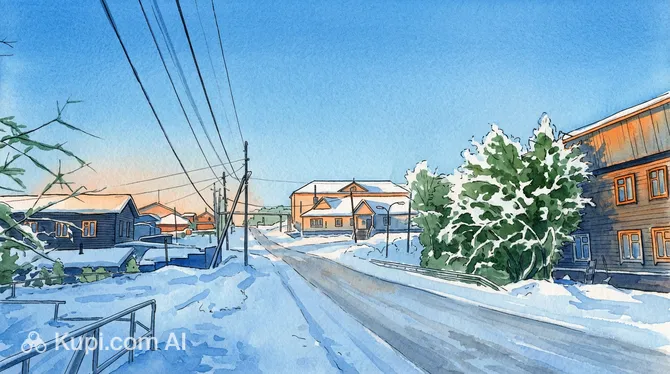
Tura is a captivating settlement located in the vast Krasnoyarsk Krai of the Russian Federation. Serving as the administrative center of the Evenkiysky District, this town offers a rare glimpse into life in the remote Siberian taiga, far away from the bustle of major metropolises.

Tura. Source: Kupi.Binoculars

Geographically, the settlement is situated at the scenic confluence of the Nizhnyaya Tunguska and Kochechum rivers. The area is known for its subarctic climate, characterized by long, snowy winters and short, vibrant summers that bring the landscape to life. With a population of approximately 5,400 residents, Tura maintains a close-knit community atmosphere amidst the sprawling wilderness.

The settlement is not just a geographical point but a significant cultural hub for the region. To understand how this remote outpost developed, exploring the history of Tura provides fascinating insights into its evolution from a trading base to a modern administrative center, deeply intertwined with the heritage of the indigenous Evenki people.

Visitors are often drawn to the local Regional Museum, which showcases rich ethnographic collections, traditional clothing, and artifacts that tell the story of the land's original inhabitants. The surrounding nature offers unparalleled opportunities for outdoor enthusiasts, including fishing in pristine rivers and exploring the untouched forests that stretch for miles in every direction.

If you are seeking an off-the-beaten-path destination that combines raw natural beauty with authentic cultural experiences, Tura is a remarkable choice for a truly unique adventure.

Weather Overview

The local climate is strictly continental, defined by long, harsh winters and short, mild summers. When checking the weather in Tura, travelers will notice extreme seasonal temperature variations. January is typically the coldest month, with average temperatures plunging to -32.8°C and minimums reaching as low as -36.3°C.

In contrast, the summer season brings a welcome thaw, with July being the warmest month. During this time, average temperatures rise to 15.9°C, and daytime highs can comfortably exceed 20°C. Overall, visitors can expect distinct seasonal changes with very low precipitation volume throughout the year, although the summer months may see frequent but light rainy days.

Interesting Facts

Beyond the main attractions, Tura holds fascinating secrets that highlight its unique position in the heart of Siberia. From geological rarities to its status as a gateway to cosmic mysteries, this remote settlement offers more than meets the eye.
  • The Capital of the "Center": Tura is the administrative center of the district that houses the official Geographical Center of Russia (Lake Vivi). While the lake itself is further north, Tura serves as the symbolic and logistical "capital" for this significant geographical landmark.

  • A Geological Treasure Trove: The area surrounding the town is geologically unique, known for the presence of globular lavas. It is a "type locality" for rare minerals, including specific forms of apophyllite and the locally named tungusite, which attract geologists and mineral collectors from around the world.

  • A True "Island" on Land: Despite being on the mainland, Tura is effectively an island in terms of transportation. There are no year-round roads or railways connecting it to the rest of Russia; it is accessible only by air or, during the coldest months, via temporary "winter roads" (zimniks) built on frozen rivers and terrain.

  • Magnet for Cosmic Events: The Evenkiysky District is globally famous for the 1908 Tunguska Event. Although the epicenter was near Vanavara, Tura is the administrative heart of this vast territory, which continues to experience cosmic activity, such as the meteorite fall near Uchami in 2019.

  • Meaningful Name: The name "Tura" is believed to be derived from an Evenki word meaning "fortress" or "standing," reflecting its origins in 1927 as a "Cultural Base" intended to be a stronghold of civilization and support for the indigenous nomadic population.

How to Get There

Reaching this remote settlement in the heart of Siberia requires some planning, as it is isolated from major transportation networks. For a detailed breakdown of routes and logistics, you can read more about how to get to Tura to ensure a smooth journey.

The primary and most reliable way to arrive is by air. The settlement is served by Gorny airport (IATA: GOY), which is located approximately 12.7 km from the center of Tura. This is a small regional airport essential for connecting the district with the rest of the country. A trip from the airport to the town center by taxi or local transport typically takes around 40 minutes.

For clarity, here is a summary of the main airports:

Airport Name City Passenger Traffic Km from City
Gorny Tura Small 12.7

Regarding rail transport, it is important to note that Tura is not connected to the railway network. The vast and rugged terrain of the Evenkiysky District means there are no train stations in or near the settlement. While air travel remains the standard method of entry, local transportation during specific seasons may include river boats or winter roads, but trains are not an option for this destination.

Main Attractions

Evenki Regional Museum of Local Lore

The cultural heart of the settlement is undoubtedly the Regional Museum of Local Lore. This institution offers a deep dive into the history and traditions of the indigenous Evenki people, who have inhabited these lands for centuries. Visitors can admire extensive collections of national clothing, shamanic attributes, and household items made from fur and birch bark. The museum also features a dedicated section on the mysterious Tunguska Event of 1908, providing scientific theories and artifacts related to the cosmic phenomenon that occurred in this vast region.

The Confluence of Nizhnyaya Tunguska and Kochechum

Nature itself is the most prominent landmark in Tura, and the meeting point of the Nizhnyaya Tunguska and Kochechum rivers is a sight to behold. This scenic confluence defines the geography of the town and offers breathtaking panoramic views, especially during the summer months when the white nights keep the landscape illuminated well into the evening. It is a perfect spot for photography, fishing enthusiasts, and those looking to experience the serene power of the Siberian taiga. The riverbanks serve as a natural promenade where locals and visitors alike can connect with the wild beauty of the North.

Gateway to the Geographical Center of Russia

While the exact Geographical Center of Russia is located at Lake Vivi, Tura serves as the symbolic capital and the main logistical base for reaching this unique landmark. Travelers often start their expeditions here, and the town takes pride in its status as the guardian of the country's heart. For those unable to make the helicopter journey to the lake itself, Tura offers the atmosphere of a true frontier outpost, where the spirit of exploration and the vastness of the territory are felt most intensely.

Local Cuisine

The local cuisine of Tura is deeply rooted in the traditions of the indigenous Evenki people and the necessities of life in the Siberian taiga. Food here is hearty, organic, and sourced directly from the surrounding wilderness. The culinary scene is defined by its reliance on hunting, fishing, and gathering, offering visitors a chance to taste dishes that are rare or impossible to find in cosmopolitan cities.

One of the most famous specialties of the region is stroganina. This dish consists of thin shavings of frozen raw fish, typically whitefish or broad whitefish (chir), caught in the local rivers. It is traditionally dipped in a mixture of salt and black pepper and is prized for its ability to warm the body during the extreme cold. Another staple is venison (reindeer meat), which serves as the primary protein source. Travelers should try it in a rich, warming soup or as yukola—dried and smoked meat that has sustained nomads for centuries.

The pristine forests around Tura provide an abundance of wild berries, which feature heavily in local desserts and drinks. You will often find mors, a refreshing fruit drink made from lingonberries, cloudberries, or cranberries. Hot beverages are also a crucial part of the culture; locals brew aromatic herbal teas using wild thyme, currant leaves, and Ivan-chai (fireweed) to boost immunity and stay warm.

The dining scene in Tura is modest and authentic, reflecting the settlement's small size and remote location. There are no fancy restaurants or street food markets; instead, visitors usually eat at small local cafes, canteens, or guesthouses that serve home-style meals. The most memorable dining experiences often happen outdoors during excursions, where freshly caught grayling is cooked over an open fire, offering a true taste of the Siberian North.

Travel Tips

Visiting Tura is a true expedition into the heart of the Siberian North, and it requires a level of preparation far beyond the standard city break. To ensure your journey to this remote administrative center is safe, comfortable, and culturally enriching, here are some essential practical tips to keep in mind.

  1. Clothing and Gear: The climate here dictates your wardrobe. If visiting in winter, extreme cold protection is non-negotiable; bring thermal underwear, a heavy down parka, and insulated boots (traditional valenki or high-tech polar boots). In summer, temperatures are mild, but the taiga is teeming with insects. You absolutely must pack strong insect repellent and clothing with long sleeves and cuffs to protect against mosquitoes and midges.

  2. Transportation: Tura is a compact settlement, and the town center is easily navigable on foot. There is no public mass transit like metros or trams. For longer distances or trips to the airport, local taxi services are available, but do not expect international ride-hailing apps to work here. It is best to ask your hotel or guesthouse to call a trusted driver for you.

  3. Finances: Cash is king in the Evenkiysky District. While there are a few ATMs (typically Sberbank) and some larger shops may accept cards, the system can be unreliable due to connectivity issues. Always carry a sufficient amount of Russian Rubles in smaller denominations to pay for taxis, small groceries, and souvenirs from local artisans.

  4. Health and Safety: Medical facilities are limited compared to major cities, so bring a comprehensive personal first-aid kit, including any prescription medications you need. Pharmacies are not open 24/7. In terms of safety, the town is generally peaceful, but the surrounding nature poses risks; never wander into the forest alone without a guide, as the weather can change rapidly and wildlife is present.

  5. Communication: English is rarely spoken in Tura. It is highly recommended to download an offline translator app and offline maps before you arrive. Mobile coverage is available but can be spotty outside the central area; purchasing a SIM card from a major national provider (like MTS or Megafon) upon arrival in Russia is the best way to stay connected.

  6. Local Etiquette: The region is home to the indigenous Evenki people, who have deep spiritual connections to the land. Always ask for explicit permission before photographing locals, especially if they are wearing traditional dress. It is also polite to remove your shoes when entering a private home or certain cultural spaces.

  7. What to Avoid: Do not underestimate the distances or the isolation. Avoid planning tight connections or expecting rapid transit; weather delays are common. Also, refrain from refusing hospitality if offered tea or food by locals, as sharing a meal is a significant gesture of friendship in Northern culture.

  8. Souvenir Tip: For a truly unique memento, look for kumalan (traditional fur rugs) or intricate beadwork made by local masters. These are often not sold in standard shops but can be found at the local museum or by asking locals where to find artisans, offering you a chance to support the community directly.

By respecting the harsh but beautiful nature and the warm traditions of the local people, your trip to Tura will be an unforgettable experience. Pack wisely, stay flexible with your plans, and embrace the slow, rhythmic pace of life in the Russian North.

Entertainment & Nightlife

Travelers planning a trip to Tura should adjust their expectations regarding nightlife; this remote settlement in the heart of the Siberian taiga is far removed from the bustling club scenes of major cities. Instead of neon-lit dance floors and cocktail bars, the evening entertainment here is defined by cozy gatherings, cultural events, and the serene beauty of the subarctic night. The atmosphere is quiet and intimate, reflecting the close-knit nature of the community.

The primary hub for evening socialization often revolves around local hospitality venues. Hotel cafes and small canteens serve as central meeting points where visitors can find a relaxed environment to unwind after a day of exploration. These are places where you can enjoy a hot meal and simple beverages while mingling with locals or fellow travelers. However, the true heartbeat of the town's social life is the Evenki District Cultural Center (Dom Kultury). This institution functions as the settlement's entertainment core, frequently hosting evening concerts, movie screenings, and holiday celebrations that bring the entire town together, offering a genuine slice of local life.

For a truly unique "night out," the entertainment shifts outdoors into the wild surroundings. During the long winter nights, the best show in town is often the Aurora Borealis, which illuminates the sky with dancing colors and can be viewed best from the riverbanks of the Nizhnyaya Tunguska. Cultural immersion also takes center stage; organized tours may offer evenings in a traditional Chum (tent). Here, visitors can experience Evenki folklore, listen to the hypnotic sounds of vargan music by the fire, and taste local delicacies, providing a culturally rich and atmospheric alternative to a standard bar.

When venturing out in the evening, practicality is key. The dress code is strictly functional: warm, layered clothing is essential, especially in winter when temperatures drop drastically. Safety in Tura is generally high regarding crime, but the natural elements pose real risks. It is advisable to stay within the lighted central streets to avoid encounters with wildlife, such as bears, which can occasionally wander near the outskirts. There are no ride-hailing apps; if you need to get around late at night, rely on local taxi services by calling a dispatcher or asking your accommodation host to arrange a ride.

While nightlife is subdued, daytime entertainment offers engaging ways to connect with the environment. Since the region's history is well-documented in local exhibitions, those looking for active leisure should focus on the outdoors. The daylight hours are best spent exploring the surrounding taiga or taking scenic walks along the river confluence, which serves as a natural promenade for the town's residents. In summer, the "white nights" allow for extended hiking and photography sessions well into the late evening, maximizing the time available to appreciate the raw beauty of the Evenkiysky District.

Parks & Museums

Tura is a destination where the boundaries between urban life and the wild wilderness are beautifully blurred. The settlement does not rely on manicured city gardens; instead, it is embraced by the raw, untouched majesty of the Siberian taiga, offering visitors immediate access to some of the most pristine natural environments in the Russian Federation. Cultural discovery here is equally profound, deeply rooted in the traditions of the indigenous peoples of the North.

The River Confluence and Embankment

The most scenic natural area in Tura is the dramatic meeting point of the Nizhnyaya Tunguska and Kochechum rivers. While not a formal park with paved paths, this riverbank serves as the town's beloved promenade and primary recreational space. In summer, the pebble beaches become a hub for locals soaking up the sun during the long daylight hours of the "white nights." For tourists, it offers a peaceful setting for riverside walks, photography, and spotting local fishermen hauling in their daily catch. The view of the rugged cliffs on the opposite bank provides a constant, majestic backdrop that changes colors with the shifting sun.

The "Green Ocean" of the Taiga

Surrounding the settlement on all sides is the endless boreal forest, which functions as a vast, open-air national park. Just a few steps from the town's edge, visitors can step into a world of towering larches, mossy floors, and rich biodiversity. This is not a fenced reserve but a living landscape where you can go berry picking (lingonberries and cloudberries are abundant in late summer) or hike along informal trails used by reindeer herders. It is a perfect escape for eco-tourists seeking silence and a genuine connection with the subarctic nature.

Evenki Regional Museum of Local Lore

As the cultural archive of the district, this museum is an essential stop for anyone wanting to understand the soul of the region. Far more than a simple display of old objects, it houses one of the most comprehensive collections of Evenki ethnography in the world. Visitors can examine intricate shamanic costumes, ritual drums, and tools that reveal the spiritual and practical life of the nomads. A highlight for many is the exhibition dedicated to the Tunguska Event, featuring scientific theories, expedition photos, and samples related to the mysterious 1908 cosmic explosion that flattened millions of trees in the nearby taiga.

Evenkiysky District Cultural Center

While the museum preserves the past, the District Cultural Center (Dom Kultury) celebrates the living heritage of the North. This venue often functions as a gallery and workshop space for local artisans. Here, you can admire—and sometimes purchase—masterpieces of traditional beadwork and fur embroidery, skills that have been passed down through generations. The center frequently hosts folk art exhibitions and performances, offering a vibrant glimpse into how ancient traditions are maintained in modern times.

Insider Tip: For a truly atmospheric experience, walk to the high bank of the Nizhnyaya Tunguska at sunset. The vantage point offers not only a panoramic view of the merging rivers but is also one of the best spots within the settlement to witness the Aurora Borealis during the darker months, away from the direct glare of streetlights.
Getting Around

The public transport system in Tura reflects the settlement's compact size and remote location in the Siberian taiga. Unlike large metropolitan areas, there are no complex networks of subways, trams, or trolleybuses here. The local transportation infrastructure is modest and functional, designed primarily to connect the residential areas with key administrative buildings and the regional airport. For visitors, this means navigation is straightforward, though options are limited compared to bigger cities.

The primary form of public transit consists of municipal buses that operate on a few fixed routes. These are typically small to medium-sized vehicles, often of the reliable PAZ model, which are well-suited for the local road conditions. The most important route for travelers is the connection between the town center and Gorny Airport. Buses generally run according to a schedule that aligns with flight arrivals and departures, as well as the start and end of the standard workday. Frequencies can be low, with intervals of an hour or more, so planning ahead is essential.

Payment for transport in Tura is almost exclusively cash-based. There are no electronic travel cards, mobile apps, or turnstiles. Passengers simply pay the driver or a conductor upon boarding or exiting the vehicle. The fare is inexpensive and fixed, regardless of the distance traveled within the settlement boundaries. Tourists are strongly advised to carry small denominations of the local currency, as drivers may not always have change for large banknotes. Credit card terminals are virtually non-existent on these buses.

Given the infrequent bus service, taxis serve as the most popular and reliable alternative for getting around. However, do not expect to use international ride-hailing apps like Uber or Yandex Go. The taxi system operates on a traditional dispatch model; you must call a local phone number to book a ride. Most accommodations and shops can provide these numbers or make the call for you. Taxis are generally affordable and offer the flexibility to reach specific guesthouses or the riverbank quickly, especially during the colder months when waiting for a bus outdoors is uncomfortable.

For those staying within the central part of the settlement, walking is often the most practical option. Tura is small enough to be navigated on foot, allowing visitors to move between the museum, the cultural center, and the river confluence with ease. While there are no bike rental schemes or car-sharing services, the compact nature of the town makes them unnecessary for the average tourist. During the snowy winter season, locals may use snowmobiles, but these are private vehicles rather than public transport available for rent.

Accommodation

Finding accommodation in Tura requires a different approach compared to standard tourist destinations. As a remote administrative center in the Evenkiysky District, the settlement does not feature international hotel chains, luxury resorts, or hostels. Instead, visitors will find a small selection of functional, locally run hotels and guesthouses designed primarily to accommodate visiting officials, shift workers, and the occasional traveler.

The most convenient area to stay is undoubtedly the town center. This location places you within walking distance of the main administrative buildings, the Regional Museum, and the few local grocery stores. Staying centrally also means you are close to the river embankment for scenic walks. While there may be accommodation options closer to the airport, the distance from the settlement's heart makes them less practical for those wishing to explore the local culture and amenities on foot.

Booking Tips and Prices

Due to the limited number of rooms available in the settlement, it is critical to book your accommodation well in advance. During periods of administrative events or when weather conditions delay flights, hotels can reach full capacity very quickly. Do not rely on finding a room upon arrival.

Travelers should be prepared for a pricing structure that might seem high relative to the simplicity of the amenities; this reflects the high cost of operations in the Far North rather than luxury standards. Most establishments offer modest, clean rooms with either shared or private bathrooms. Note that major international online booking platforms rarely list properties in Tura. The most effective method is to find local contacts and book directly by phone. Be aware that payment is often required in cash, as card terminals may not always be available or reliable.

Nearby Cities

For those looking to explore the surroundings, Tura serves as an excellent base for connecting with the wider region, though travelers should note that the vast scale of Siberia means "nearby" destinations are often hundreds of kilometers away and typically require air travel. The following locations offer unique insights into the industrial and natural diversity of this part of the world:

Norilsk is one of the most famous industrial cities in the Arctic. Known for its mining heritage and unique architecture built on continuous permafrost, it offers a stark contrast to the quiet wilderness of Tura. Visitors here can explore the history of polar exploration and the realities of life in a major industrial hub located far above the Arctic Circle.

Another fascinating destination in the broader region is Mirny, renowned globally as the diamond capital of Russia. The city is dominated by the colossal "Mir" mine, an immense open-pit diamond mine that is one of the deepest of its kind in the world. Seeing this gigantic excavation site is a bucket-list experience that highlights the incredible geological wealth of the Siberian land.

Lesosibirsk offers a different perspective, serving as a major center for the timber industry and a key port on the Yenisei River. Its location amidst dense forests and its magnificent Orthodox cathedral, the Cathedral of the Exaltation of the Holy Cross, make it a culturally interesting stop for those traversing the territories of Krasnoyarsk Krai.

City Population Distance (km)
Norilsk 179554 772
Ust-Ilimsk 81976 714
Lesosibirsk 59525 789
Mirny 35223 714
Khadyshensk 22468 402

These nearby destinations offer a glimpse into the diverse culture and landscapes of the region, ranging from industrial powerhouses to remote gems of the North. Given the lack of road infrastructure, planning these visits usually involves coordinating with local flight schedules.

Shopping & Souvenirs

Shopping in Tura is a practical and culturally immersive experience rather than a recreational activity found in larger cities. Visitors should not expect sprawling shopping malls, luxury boutiques, or international chain stores. Instead, the retail scene here is focused on daily necessities, outdoor gear suitable for the harsh Siberian climate, and, most importantly for tourists, unique authentic handicrafts made by the local population.

The main commercial activity is concentrated in the central part of the settlement. There are no designated "shopping streets" in the traditional sense; instead, small general stores and trading houses are scattered within walking distance of the administrative buildings and the riverbank. These establishments typically sell a mix of groceries, household goods, and clothing, functioning as one-stop shops for the residents.

There are no large shopping malls in Tura. The closest equivalents are small, multi-purpose buildings often referred to as "Trading Centers" (Torgovy Tsentr). These venues house various independent counters selling everything from electronics to warm winter boots. The selection is limited to what can be transported to this remote location, so travelers are advised to bring specialized equipment with them rather than relying on local availability.

While there is no grand central bazaar, the local market culture is informal and seasonal. You may find locals selling fresh produce, wild berries (such as lingonberries and cloudberries), and freshly caught fish directly from their vehicles or small stalls, especially during the warmer months. These impromptu markets are excellent places to see what the taiga has provided for the season and to purchase organic, local food.

The true highlight of shopping in Tura is the opportunity to buy unique souvenirs that reflect the heritage of the Evenki people. The region is famous for its exquisite beadwork and embroidery. Look for kumalan (traditional fur rugs), amulets, and national dolls. Another prized purchase is high-quality winter footwear known as untai (fur boots), which are handmade from reindeer skin and are incredibly warm. For edible gifts, smoked whitefish or dried venison are popular choices that capture the taste of the North.

Opening hours for most shops are standard, typically running from 9:00 AM to 7:00 PM or 8:00 PM. Smaller kiosks may stay open a bit longer. Sunday hours can be reduced. Regarding payment, cash is absolutely essential. While some larger stores may have card terminals, connectivity issues in this remote area can make them unreliable. ATMs are few and far between, so it is highly recommended to withdraw sufficient Russian Rubles before arriving or at the airport.

Tourists should note that Tax-Free shopping systems are not available in Tura. The settlement's remote status and the nature of local commerce mean that tax refund services for foreign visitors do not exist here.

Reached the end of the page?

That means the route is fully explored