Support

Norilsk

About

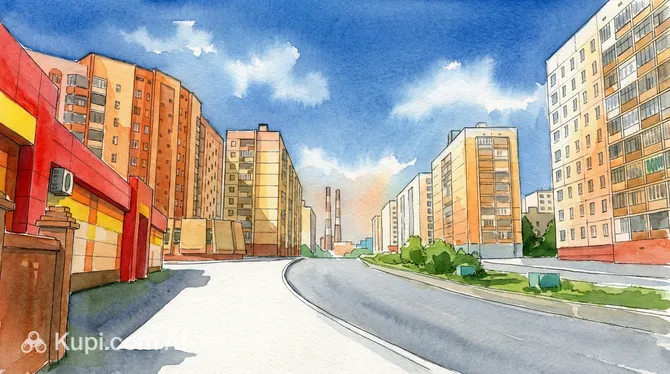
Norilsk. Source: Kupi.Binoculars

Norilsk is a city of extremes and stark beauty, standing as one of the northernmost major settlements in the world. Located in the Krasnoyarsk Krai of the Russian Federation, this industrial powerhouse offers a truly unique perspective on life above the Arctic Circle. With a population of approximately 180,000 people, it is a place where urban energy meets the vast, untamed wilderness of the tundra.

The city is built entirely on continuous permafrost, a testament to engineering resilience in a subarctic climate. Visitors here can experience the phenomenon of the polar day in summer, when the sun never sets, and the polar night in winter, when the sky is often illuminated by the mesmerizing Aurora Borealis. While the weather can be challenging, it shapes the distinct character and atmosphere that define the region.

Those interested in the past can delve into the history of Norilsk, tracing its evolution from a geological expedition settlement into a modern urban center. The architecture along Leninsky Prospekt features imposing buildings in the Stalinist Empire style, creating a striking contrast against the snowy landscape and earning the city comparisons to St. Petersburg.

For nature enthusiasts, Norilsk serves as the primary gateway to the breathtaking Putorana Plateau, a UNESCO World Heritage site known for its flat-topped mountains and thousands of waterfalls. Whether you are drawn by the unique industrial heritage, the local Mayakovsky Polar Drama Theater, or the chance to witness the Northern Lights, Norilsk promises an unforgettable adventure for the intrepid traveler.

Weather Overview

Located deep within the Arctic Circle, the city experiences a subarctic climate characterized by long, severe winters and short, mild summers. Understanding the unique weather in Norilsk is crucial for any traveler planning a visit, as the conditions dictate the rhythm of life here. The temperatures can vary drastically between seasons, creating two distinct worlds within the same landscape.

Winter dominates the calendar, stretching from late October well into May. During the coldest month, January, average temperatures drop to approximately -25.9°C, with lows frequently plunging to -28.5°C. Despite the freezing conditions, the actual volume of precipitation is quite low, averaging just 2mm in winter months, although snow cover persists for the majority of the year.

Summer offers a brief but welcome respite, typically lasting from June to August. July is usually the warmest month, with average temperatures hovering around 13.8°C and daily highs reaching up to 17.1°C. While this season is much more comfortable for exploration, it is often damp; September and October see the highest frequency of precipitation days, with up to 19 wet days in October. Overall, you should expect cool, mild summers with frequent light rain and extremely cold, dry winters.

Interesting Facts

Beyond the main attractions and industrial landscapes, Norilsk holds many fascinating secrets that reveal the resilience and uniqueness of life in the High North. Here are some intriguing details about this remote arctic city that often surprise visitors.

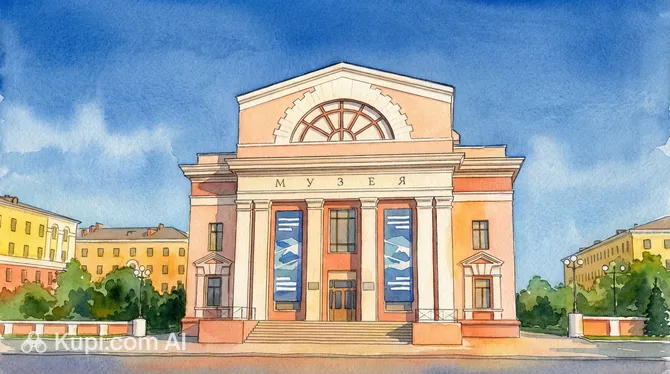
Norilsk Museum. Source: Kupi.Binoculars
  • Despite being a major city, Norilsk is often referred to as an "island" because it has no road or railway connection to the rest of Russia. The only way to reach the city is by airplane or, during the navigable summer season, by boat via the nearby port of Dudinka on the Yenisey River.

  • The city is home to the Nurd-Kamal Mosque, which holds the title of the northernmost mosque in the world. Its architecture is specially adapted for the climate, featuring a minaret with a square base rather than a round one to better withstand the fierce arctic winds.

  • To assist residents during the long polar nights and severe snowstorms, house numbers are frequently painted in gigantic digits, often several meters high, on the corners of buildings to ensure they remain visible even in low visibility conditions.

  • History enthusiasts can see the "First House of Norilsk," a wooden cabin built by the original geological expedition in 1921. This historic structure has been preserved and relocated to the grounds near the Norilsk Museum, serving as a tangible link to the city's origins.

How to Get There

Reaching this remote arctic city requires careful planning, as it is geographically isolated from the main Russian road and railway networks. For travelers, air travel is the primary and most practical method of arrival. To help you organize your trip, you can read more about how to get to Norilsk and the available transport options.

The main gateway to the city is Norilsk Airport (IATA: NSK), also known as Alykel Airport. It serves as the vital link connecting the region to the rest of the country. Located approximately 34 km from the city center, the journey by taxi or bus typically takes around 1 hour and 10 minutes, depending on weather conditions. As a key transport hub with significant annual passenger traffic, it handles flights from major cities. Another regional transport facility is Igarka (IATA: IAA), located in the city of Igarka. However, it is situated about 223 km away from Norilsk, which makes it a less direct option for tourists aiming specifically for the city center.

For clarity, here is a summary of the main airports:

Airport Name City Passenger Traffic Km from City
Norilsk Airport Norilsk Large 34.1
Igarka Igarka Medium 223.5

It is important to note that Norilsk is not connected to the federal railway system, so arriving by train is not possible. While there is a railway line within the region, it is isolated and used primarily for industrial transport between local mines and the port. Therefore, visitors should prioritize flight arrangements when planning their itinerary.

Main Attractions

Despite its industrial reputation and remote location, the city offers a surprising array of cultural and recreational spots that provide a glimpse into life in the High North. The local attractions range from historical institutions documenting the region's complex past to modern entertainment centers that offer a warm escape from the arctic chill.

A visit to the Norilsk Museum is essential for understanding the city's heritage. This institution houses extensive collections dedicated to the history of the exploration of the Taimyr Peninsula, the construction of the city on permafrost, and the geological wealth of the region. Visitors can explore exhibits on the indigenous peoples of the North, as well as somber displays detailing the era of the Gulag, providing a comprehensive and moving overview of how this unique urban center came to be.

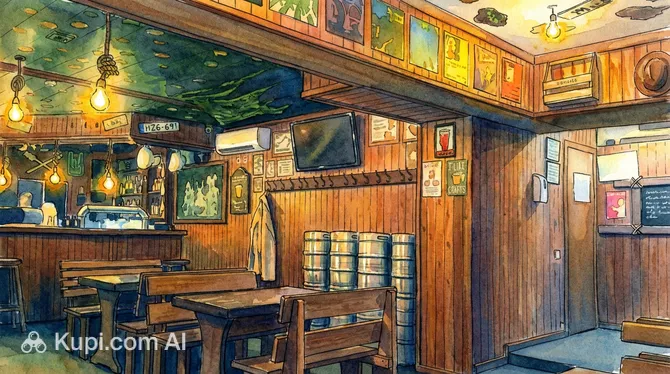
For a dining experience that is truly one-of-a-kind, travelers should visit Vzaboy. This restaurant is famous not just for its cuisine, but for its atmospheric interior designed to resemble a mine shaft. The walls are lined with industrial textures and mining artifacts, creating an immersive "underground" environment that pays homage to the profession that built the city. It is a perfect place to taste local northern specialties like venison and fish in a setting you won't find anywhere else.

Vzaboy. Source: Kupi.Binoculars

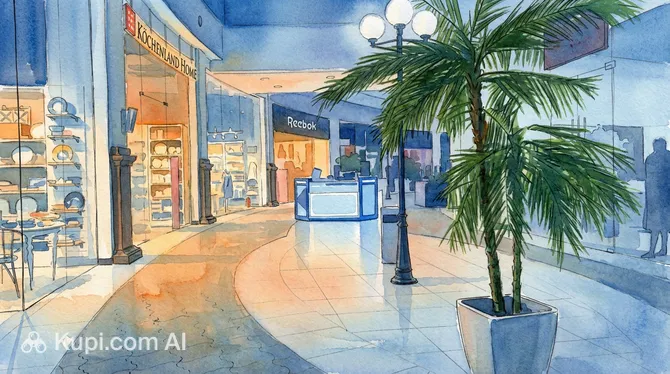
When the weather outside is too severe, the SRK Arena serves as the city's main hub for leisure and entertainment. This large complex is a popular gathering spot for locals and tourists alike, featuring a fitness center, cafes, and shopping areas. Most notably, it houses a water park, allowing visitors to enjoy a swim and relax in a tropical-like atmosphere even when temperatures outside drop well below freezing.

SRK Arena. Source: Kupi.Binoculars

Another cultural landmark worth noting is the Mayakovsky Norilsk Polar Drama Theater. As the northernmost professional theater in the world, it has a rich history of artistic excellence and often hosts performances that rival those in much larger cities. The theater's imposing architecture and vibrant productions make it a beacon of culture in the heart of the Arctic.

Local Cuisine

The culinary scene in Norilsk is a fascinating reflection of its geography, offering a distinct branch of gastronomy often referred to as "Northern Cuisine." Due to the harsh subarctic climate, the local diet has historically focused on high-energy, nutrient-rich foods derived from the surrounding tundra and rivers. For visitors, this means a unique opportunity to taste delicacies that are rare or impossible to find elsewhere in the world, characterized by the fresh flavors of wild game and arctic fish.

One of the most iconic dishes you must try is Sugudai. This indigenous appetizer is made from raw, freshly caught northern fish—typically muksun, nelma, or whitefish—which is slightly frozen and then marinated with vegetable oil, onions, salt, pepper, and a splash of vinegar. It is a true taste of the Taimyr Peninsula, celebrated for its delicate texture and clean flavor. Another staple of the local table is venison (reindeer meat). It is served in various forms, from tender steaks and rich stews to dried jerky known as yukola, offering a lean, flavorful alternative to beef that is deeply rooted in the traditions of the indigenous peoples of the North.

Berries gathered from the tundra play a crucial role in the local palate, both in food and drinks. Cloudberries, often called "northern oranges" due to their high vitamin C content, along with lingonberries and blueberries, are used to create tart sauces for meat dishes or sweet jams for desserts. They are also the base for popular non-alcoholic drinks like mors, a refreshing berry fruit drink that provides a vital vitamin boost during the long winters.

Zharki. Source: Kupi.Binoculars

When looking for a place to dine, travelers will find a mix of Soviet-style nostalgia and modern comfort. A notable establishment in the city is Zharki, a restaurant that has been part of the city's social fabric for decades. It is a great spot to experience the hearty, warming meals that locals favor to combat the cold. The food culture here is generally hearty and unpretentious, focusing on quality ingredients that can sustain life in the Arctic.

For those seeking a more relaxed evening atmosphere or a place to enjoy local and international beverages, Malina is a popular choice. As a bar, it offers a glimpse into the city's nightlife, where locals gather to socialize over cocktails or spirits. It is common to find tinctures infused with local northern berries on menus across the city, providing a warming finish to a dinner of arctic specialties.

Malina. Source: Kupi.Binoculars

Travel Tips

Visiting Norilsk is a unique adventure that requires a bit more preparation than your average city break, given its location above the Arctic Circle and its specific industrial status. To ensure your trip to this fascinating polar region is smooth and enjoyable, we have compiled a list of essential practical tips.

  1. Clothing and Gear: The most critical rule for Norilsk is to dress in layers. For a winter visit, you will need high-quality thermal underwear, a fleece middle layer, and a windproof, down-filled parka capable of withstanding temperatures below -40°C. Do not forget insulated, non-slip boots, a warm hat, a scarf, and mittens (which are warmer than gloves). Even in summer, the weather can be unpredictable, so bringing a waterproof jacket and sturdy walking shoes is advisable.
  2. Transportation: The city is divided into districts (Central District, Talnakh, Kayerkan) that are quite far apart. While there is a network of municipal buses, taxis are often the most comfortable and reliable way for tourists to get around, especially during cold spells. Ride-hailing apps are available and convenient; however, during severe snowstorms ("Black Purga"), road travel may be suspended, so always check the weather forecast before heading out.
  3. Finances: The official currency is the Russian Ruble (RUB). While credit and debit cards are widely accepted in supermarkets, restaurants, and hotels, it is highly recommended to carry cash. This is particularly important for small purchases or public transport. If you are traveling with an international card, check its validity in the region beforehand, or bring enough cash to cover your expenses to avoid any inconvenience.
  4. Health and Safety: Pharmacies (apteka) are common throughout the city, and some operate 24/7. The primary safety concern here is the extreme cold; never underestimate the risk of frostbite. Cover exposed skin when outside in winter and avoid staying outdoors for extended periods without moving. In summer, mosquitoes in the tundra can be intense, so bring effective insect repellent if you plan to explore nature.
  5. Communication: The main language spoken is Russian, and English proficiency among locals may be limited. It is very useful to download an offline translation app and an offline map (like 2GIS) before you arrive. You can purchase a local SIM card at the airport or in mobile phone shops in the city center to stay connected, as Wi-Fi is generally available in hotels and cafes but mobile data ensures you are always online.
  6. Local Etiquette: Russians generally value politeness and modesty in public behavior. When entering a private home, and often even in some hotel rooms or saunas, it is customary to remove your shoes immediately. A small gift is appreciated if you are invited over. In public, people might seem reserved initially, but they are typically very warm and helpful once you engage with them.
  7. What to Avoid: Do not take photographs of industrial facilities, factories, or checkpoints without explicit permission. Norilsk is a strategic industrial center, and strict security rules apply to many sites. Additionally, avoid walking alone outside the city limits during winter; the weather can change in minutes, and visibility can drop to zero, making it easy to get lost.
  8. Entry Requirements: This is a specific and crucial tip for Norilsk. The city is located within a regulated zone, meaning foreign citizens usually require a special entry permit issued by the federal security services to visit. Ensure you have arranged this document well in advance through your inviting party or tour agency, as you will be checked upon arrival at the airport.

By keeping these tips in mind, you will be well-equipped to handle the arctic elements and appreciate the stark beauty of the Taimyr Peninsula. Norilsk is a place that rewards the prepared traveler with unforgettable sights and a deep respect for human resilience in the North.

Entertainment & Nightlife

Entertainment in Norilsk is a vital part of local life, largely shaped by the city's harsh climate. Because outdoor activities are often limited by extreme cold or polar nights, the city has developed a vibrant indoor culture. When the sun goes down—or during the months when it doesn't rise at all—residents flock to warm, lively venues to socialize. The nightlife here is surprisingly active, serving as a bright counterpoint to the dark, snowy winters.

The epicenter of the city's social scene is the Central District, particularly along the main artery, Leninsky Prospekt. This is where you will find the highest concentration of restaurants, bars, and cultural institutions. Unlike sprawling metropolises, Norilsk is compact, meaning most entertainment spots are just a short taxi ride away from each other. The atmosphere in these venues is typically warm and unpretentious, with a crowd that values good company and hearty celebration.

For those looking to experience the local bar scene, Malina is a standout destination. It functions as a popular gathering spot where the vibe shifts from a relaxed lounge in the early evening to a more energetic bar atmosphere at night. It is an excellent place to try cocktails often infused with local northern berries. Generally, bars and clubs in Norilsk operate late into the night, especially on weekends, with many venues enforcing a "face control" policy, so a neat, smart-casual appearance is recommended.

If you prefer a more active evening or are looking for entertainment that suits a group of friends, the SRK Arena is the city's primary leisure hub. Beyond its shopping facilities, this complex comes alive in the evening with bowling alleys, billiards, and a cinema, making it a favorite for locals seeking a fun night out indoors. It is also home to various eateries, allowing you to spend an entire evening without braving the cold outside.

For a touch of cultural nightlife, the city offers sophisticated options. The historic Rodina Cinema is not only a place to watch movies but also an architectural landmark worth visiting. Meanwhile, the Polar Drama Theater provides high-quality performances that attract a well-dressed crowd. If you are hungry after a show, late-night dining is available at places like Vzaboy, where you can enjoy a substantial meal in a unique, mine-themed setting that reflects the city's industrial soul.

When planning a night out, safety and logistics are paramount. The city center is generally safe for walking, but the primary danger is the temperature. It is dangerous to walk long distances at night during winter, even if your destination looks close. The best advice is to use taxis for door-to-door transport; apps like Yandex Go are widely used and reliable. Prices for food and drinks can be higher than in other Russian regions due to the cost of transporting goods to the Arctic, so budget accordingly.

Parks & Museums

Exploring Norilsk offers a perspective on culture and nature that is entirely unique to the High North. While the city is not known for lush botanical gardens due to the permafrost and harsh climate, it possesses a distinct beauty in its surrounding natural areas and a deep, often poignant, historical narrative preserved in its museums. Visitors here will find spaces that celebrate the resilience of life in the Arctic and institutions that honor the complex history of the region.

For those seeking fresh air and scenic views, the area around Lake Dolgoye serves as a popular recreational spot within the city limits. Situated between the industrial zones and the residential blocks, the embankment offers a place for strolling and observing the stark contrast of the urban landscape against the water. Another vital green space is Komsomolsky Park, located centrally. It is a cherished island of tranquility where locals gather, featuring monuments and walking paths that provide a brief escape from the bustling city streets, particularly pleasant during the short summer months.

Just outside the main city area lies one of the most beloved natural attractions for residents and tourists alike: the Red Stones (Krasnye Kamni) gorge. Located near the Talnakh district, this geological formation is famous for its distinctive reddish-hued rocks and a picturesque waterfall that freezes into a stunning ice sculpture in winter. It is an ideal destination for a day hike, offering a raw and unfiltered experience of the Taimyr tundra's beauty without requiring a deep expedition into the wilderness.

The cultural heart of the city is undoubtedly the Norilsk Museum. As the primary custodian of the region's heritage, it offers a comprehensive look at the development of the Norilsk Industrial District. The exhibits range from the geological richness of the Taimyr Peninsula to the ethnographic history of indigenous peoples. Crucially, the museum also maintains the "First House of Norilsk," a preserved wooden cabin from the 1921 geological expedition, allowing visitors to see the humble beginnings of this industrial giant.

Art enthusiasts should visit the Norilsk Art Gallery, which holds a surprising and impressive collection for such a remote location. The gallery features works by Soviet and contemporary Russian artists, as well as unique pieces carved from walrus tusk and reindeer antler by local craftsmen. It serves as a vibrant venue for temporary exhibitions and cultural events, reflecting the creative spirit that thrives despite the severe environment.

A significant historical site that demands respect is the Norilsk Golgotha Memorial Complex, located at the foot of Mount Schmidt. This open-air memorial is dedicated to the victims of the Norillag labor camp. It features a collection of monuments from various faiths and nationalities, including the poignant "Last Gate," serving as a somber reminder of the prisoners who built the city. It is a place for quiet reflection on the human cost of the city's foundation.

For a truly authentic experience, try to visit the Talnakh Branch of the Norilsk Museum if you are heading to the Red Stones. It offers a more focused look at the mining technologies and the specific history of the "Ore Capital" district. Additionally, keeping an eye out for the vibrant murals and street art that have begun to appear on building facades offers a modern, colorful twist to the city's architectural narrative.

Getting Around

Navigating Norilsk requires an understanding of its unique geography and climate. Unlike many other major cities, the public transport system here relies entirely on a network of buses and commercial minibuses (marshrutkas). There is no metro, tram, or trolleybus system. The city is divided into distinct residential districts—Central Norilsk, Talnakh, Kayerkan, and Oganer—separated by kilometers of open tundra. Consequently, the municipal bus service acts as the vital artery connecting these isolated areas, with reliable routes running frequently between the districts and within the city center.

For payment, the system is quite modern and user-friendly. You can pay for your fare directly upon entering the bus. Most municipal buses are equipped with contactless payment terminals, allowing you to use your bank card or a smartphone with NFC capabilities. Cash is also widely accepted and is a good backup to have, especially for privately operated minibuses where card machines might occasionally be unavailable. Fares are affordable, though trips between districts (inter-district routes) cost slightly more than short rides within a single district.

A crucial piece of advice for tourists is to utilize mobile apps to track transport. Applications like Yandex Maps or local transport tracking services are indispensable for checking real-time bus arrivals, which is vital when you want to minimize waiting time outdoors in freezing temperatures. In recent years, the city has begun installing heated bus stops—enclosed pavilions where you can wait comfortably away from the biting wind. Look for these warm shelters, as they make the public transport experience significantly more pleasant during the winter months.

Given the extreme weather conditions, taxis are a highly popular alternative and often the preferred choice for visitors. Ride-hailing apps like Yandex Go operate in the city, making it easy to order a car without speaking Russian. Taxis are relatively inexpensive and provide door-to-door service, which is a safety necessity during severe cold snaps. Car sharing is not developed here due to the harsh climate, and bike rentals are purely a summer recreational activity rather than a transport solution.

A special feature of Norilsk's transport system is its dependence on the weather. During a "Black Purga" (severe blizzard), the road between districts and to the airport may be closed to all traffic except for organized convoys of heavy-duty vehicles, or closed completely. In such cases, public transport schedules are disrupted or suspended. Always check the weather forecast and local announcements before planning a trip to a different district, as nature here strictly dictates the timetable.

Accommodation

Accommodation in Norilsk is functional and geared primarily toward business travelers and industrial specialists, reflecting the city's status as a major working hub rather than a leisure resort. The range of options is relatively compact, consisting mainly of mid-range hotels and a large market of short-term rental apartments. While you will not find international luxury hotel chains here, the available lodgings offer clean, warm, and comfortable environments essential for resting after a day in the arctic climate.

The most convenient area for tourists to stay is undoubtedly the Central District, particularly near Leninsky Prospekt. Staying in this core area places you within walking distance of the main cultural attractions, such as the museum and the drama theater, as well as the best restaurants and shops. This central location minimizes the time you need to spend traveling outdoors in the cold. While the satellite districts of Talnakh and Kayerkan have their own housing options, they are significant distances away from the city center and are generally less suitable for visitors who want to explore the main sights.

Travelers often find that rental apartments provide a popular alternative to traditional hotels. These are widely available and can offer better value for money, along with the convenience of a kitchen—a great asset if you prefer to prepare your own meals or want a more "local" living experience. Hotels in the city typically provide standard amenities, including Wi-Fi and breakfast, but their primary focus is on practicality and warmth, with heating systems that are exceptionally powerful to withstand the winter freeze.

Booking Tips: Since Norilsk is a closed city with a steady flow of business delegations and shift workers, accommodation can fill up quickly, especially during major industrial conferences or festivals. It is highly recommended to book your room or apartment well in advance of your trip. Regarding prices, expect costs to be somewhat higher than in other Russian regional cities, driven by the high cost of maintaining infrastructure in the North. Most bookings can be made via major Russian online aggregators, though contacting smaller hotels directly is also a reliable method.

Nearby Cities

Due to the immense scale of the Siberian North and the lack of connecting roads, Norilsk does not have "nearby" cities in the traditional sense. There are no destinations suitable for casual day trips. Instead, the closest major settlements are hundreds of kilometers away and are best understood as separate hubs within the wider Arctic region, typically accessible only by air.

One of the most prominent neighbors in this vast territory is Novy Urengoy. Often referred to as the "Gas Capital" of Russia, it stands as a testament to industrial achievement in harsh climates. Located over 600 kilometers away, it serves as a major economic center for the Yamalo-Nenets Autonomous Okrug and offers insight into the energy sector that drives the northern economy.

Further south lies Noyabrsk, the largest city in its district, known for its modern urban planning and youthful atmosphere. It provides a contrast to the older industrial towns of the North. Similarly, Nadym offers a glimpse into the history of northern construction and the resilience required to maintain a settlement in such an unforgiving environment.

City Population Distance (km)
Novy Urengoy 130000 607
Noyabrsk 106879 891
Nadym 44940 792
Gubkinsky 27238 748
Tarko-Sale 21448 669

These destinations, while distant, share the unique challenges and culture of life in the Russian North.

Shopping & Souvenirs

Shopping in Norilsk is a unique experience shaped by the city's remote location and industrial character. While you will not find the endless rows of luxury boutiques typical of global fashion capitals, the city offers a functional and interesting retail scene that caters to all modern needs. Due to the complex logistics of delivering goods to the Arctic—often by air or via the Northern Sea Route—prices for certain imported items can be higher than on the "mainland." However, for visitors, the real value lies in the local products that are specific to the Taimyr region.

The primary artery for shopping is Leninsky Prospekt, the city's grand central avenue. Walking along this street, you will find a variety of stores located on the ground floors of the imposing Stalinist architecture. This area functions as the city's high street, hosting everything from clothing and electronics retailers to jewelry stores and bookshops. It is the best place to take a stroll, admire the buildings, and browse for goods in a lively urban atmosphere.

For a more concentrated shopping experience, the city has several modern shopping centers. The most prominent is the SRK Arena. While it is heavily focused on entertainment, it also houses a selection of retail outlets where you can buy clothes, accessories, and gifts. It serves as a convenient one-stop destination, especially during the cold winter months when moving between separate street-side shops can be uncomfortable.

The most authentic shopping experience, however, is found in the local food markets and specialized grocery stores. These are the best places to discover the "taste of the North." Here, the counters are filled with regional delicacies that are difficult to find elsewhere. You can inspect different cuts of venison, see the variety of whitefish caught in the Yenisey River, and find jars of locally harvested preserves.

When it comes to souvenirs, edible gifts are the top choice for travelers returning from Norilsk. Smoked or salted fish (such as muksun, nelma, or omul) and venison products (sausages, jerky, or chips) are highly prized. Another popular local specialty is cloudberry jam or syrup; this amber-colored "northern berry" is delicious and packed with vitamins. For non-edible souvenirs, look for untai (traditional fur boots made from reindeer skin) which are incredibly warm, or artistic carvings made from reindeer antlers or walrus tusks, crafted by local artisans.

Most shops in Norilsk operate on standard Russian schedules, typically opening around 10:00 AM and closing between 9:00 PM and 10:00 PM. Supermarkets often stay open later, and some small convenience stores operate 24/7. Payment methods are modern and convenient; credit and debit cards are accepted almost everywhere, including small kiosks and taxi services. However, carrying a small amount of cash is always a good backup for local markets.

Regarding Tax-Free shopping, while the Russian Federation has a system for VAT refunds for foreign tourists, it is primarily operational in major tourist hubs like Moscow or St. Petersburg. In Norilsk, it is unlikely that you will find many stores participating in the Tax-Free scheme. Therefore, visitors should not rely on receiving a tax refund and should instead focus on the unique quality and exclusivity of the northern goods available.
Nearby cities

Reached the end of the page?

That means the route is fully explored