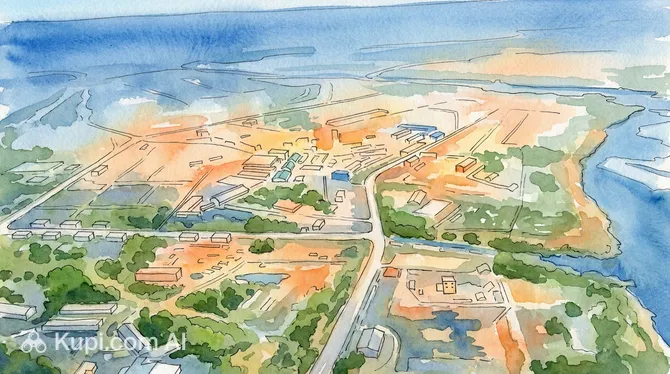
The public transport system in Igarka is compact and straightforward, reflecting the small size and remote nature of the city. Unlike major metropolitan areas, there are no metros, trams, or trolleybuses here. The local network relies entirely on a modest fleet of municipal buses and private taxis that connect the residential districts with key facilities such as the port, the hospital, and the airport crossing points.
For most visitors, the municipal bus service will be the primary way to get around if not walking. The buses typically operate on a few fixed routes that cover the main streets of the city. While the network is not extensive, it is reliable enough for daily needs. Stops are usually marked, but they may not always have detailed schedules displayed, so it is often helpful to ask locals or hotel staff for the current timetable. Intervals between buses can range from 20 to 40 minutes, depending on the time of day and the specific route.
The payment system in Igarka is traditional and cash-based. You will not find electronic turnstiles, travel apps, or contactless card readers on board. Passengers simply pay the driver or a conductor upon entering the bus. The fare is inexpensive and fixed, regardless of the distance traveled. It is essential to carry small denominations of cash (rubles/coins), as drivers may not always have change for large banknotes. Travel passes are generally designed for long-term residents and are not typically relevant for short-term tourists.
A unique and critical component of Igarka's transport infrastructure is the connection to the airport, which is located on an island across the channel. This "commute" changes with the seasons and is an attraction in itself. During the summer navigation season, a passenger ferry transports people and vehicles across the water. In the depth of winter, an ice road is constructed directly on the frozen river, allowing buses and cars to drive across. During the transition periods in spring and autumn, when the ice is unstable, transport may rely on hovercrafts or helicopters, which are significantly more expensive.
Taxis serve as the most popular and convenient alternative to public buses, especially during the harsh winter months when waiting at a bus stop can be uncomfortable. There are no international car-sharing or ride-hailing apps operating here. Instead, you must call a local dispatch number to book a ride. Taxis are generally affordable and offer a door-to-door service that is particularly valuable if you are carrying luggage or visiting the Museum of Permafrost on the outskirts of town.
Walking is also a viable option for exploring the city center, as Igarka is relatively small. However, distances can be deceptive in extreme cold, so assess the weather before setting out on foot. If you choose to walk, be aware that sidewalks may be covered in snow or ice, requiring sturdy footwear with good grip. Bike rentals are not a standard feature of the city's transport landscape due to the short summer season and road conditions.
Practical advice for tourists using transport here is to plan ahead. Since buses do not run late into the night, relying on taxis for evening travel is recommended. Always keep the phone numbers of a few local taxi services saved on your phone. If you are taking the bus, simply board, hand your cash to the driver, and take a seat; there is no need to validate a ticket in a machine. The simplicity of the system is one of its charms, offering a glimpse into the unhurried pace of life in the Arctic.