Support

Krasnoselkup

About

Welcome to Krasnoselkup, a remote and fascinating settlement located in the Yamal-Nenets Autonomous Okrug. Situated on the steep banks of the Taz River, this village offers travelers a rare opportunity to experience the authentic atmosphere of the Siberian North. As part of the vast Russian Federation, Krasnoselkup is known for its untouched wilderness and deep connection to indigenous traditions.

Krasnoselkup. Source: Kupi.Binoculars

Geographically, the village lies relatively close to the Arctic Circle, which defines its harsh yet beautiful subarctic climate. With a population of approximately 7,300 people, it serves as an important administrative center while maintaining a close-knit community feel. The surrounding landscape is a stunning transition zone between the taiga and the tundra, characterized by endless forests and winding waterways.

The region is culturally significant as the traditional home of the Selkup people. Visitors interested in the past can delve into the history of Krasnoselkup to learn how this settlement evolved from a trading post into a modern village while preserving its heritage. The local area is a haven for outdoor enthusiasts, particularly those who enjoy fishing and hunting, as the Taz River is teeming with valuable fish species like muksun and nelma.

Whether you are drawn by the allure of the Northern Lights, the desire to learn about native Siberian cultures, or simply the peace of nature, Krasnoselkup welcomes you. It is a destination for those seeking adventure off the beaten path and a genuine connection with the spirit of the North.

Weather Overview

The local climate is characteristically subarctic, featuring long, severe winters and short but pleasant summers. Travelers should be well-prepared for extreme conditions depending on the season. For a more detailed breakdown of the forecast and historical data, you can check the guide to the weather in Krasnoselkup before packing.

Winters are intense, with January typically being the coldest month. Average temperatures plunge to -24.1°C, and it is not uncommon for the thermometer to dip towards -27.5°C. February and December are also very cold, averaging around -20°C. While the air is generally dry with only about 1mm of precipitation, the cold is biting and requires serious thermal clothing.

In contrast, the summer months offer a brief but distinct thaw. July is the warmest time of year, with an average temperature of 15.9°C and daytime highs reaching 20.1°C. June and August also see mild temperatures, though rain is slightly more frequent. Overall, expect mild summers with occasional light rain and extremely cold, dry winters that define the region's character.

Interesting Facts

Beyond the main attractions, Krasnoselkup holds many fascinating secrets that reveal the deep history and resilience required to live in this part of the world. From echoes of lost cities to the realities of extreme isolation, the village offers a glimpse into a side of the Arctic that few travelers ever see.

  • The Legend of Mangazeya: The Krasnoselkup district is home to the archaeological site of Mangazeya, a legendary 17th-century "ghost city" often called the "Baghdad of Siberia." Once a wealthy trading hub known as the "gold-boiling" city due to its abundance of furs, it was abandoned and forgotten for centuries until archaeologists rediscovered its ruins on the banks of the Taz River, not far from the modern settlement.

  • The "Dead Road" Connection: Just about 40 kilometers north of the village lie the remnants of the abandoned Salekhard–Igarka Railway, also known as "Construction 503" or the "Dead Road." This Stalin-era project was intended to connect the Siberian north but was never completed, leaving behind miles of rusting tracks and ghost stations in the taiga as a silent memorial to the past.

  • Ancient Roots: While the modern village was officially founded in the 1930s, it was built on the site of an ancient Selkup camp known as Nyaryi Mache. In the local indigenous language, this poetic name translates to "swampy tundra forest," perfectly describing the wild, water-laden landscape that surrounds the community.

  • A Seasonal Island: Krasnoselkup is one of the few places in Russia where the concept of a "road" changes with the seasons. There are no year-round ground routes connecting it to the outside world; residents rely on helicopters, river boats in the short summer, and temporary winter roads (zimniks) made of compacted snow and ice to travel to neighboring cities during the long freeze.

How to Get There

Reaching this remote settlement requires careful planning due to its location in the heart of the Siberian wilderness. There are no year-round ground routes connecting the village to the rest of the country. Travelers must rely on air travel or seasonal transport methods. For a detailed breakdown of all routes and logistics, you can read more about how to get to Krasnoselkup.

The village does not have a major international airport. The most common gateway for travelers is Novy Urengoy Airport (IATA: NUX), located in the city of Novy Urengoy, approximately 277 km away. It is a large regional hub handling over a million passengers annually. From here, there are no standard bus or taxi services. The only way to continue the journey is by arranging a local helicopter flight or, during the coldest months, utilizing a seasonal winter road (zimnik). Travel via this temporary ice road typically takes around 7 hours and 15 minutes, depending on weather conditions.

Another option is the smaller Tarko-Sale airport (IATA: TQL), situated in the town of Tarko-Sale. This facility is closer, about 237.5 km from Krasnoselkup, but serves significantly fewer passengers. Access from here is similarly restricted to air transfers or winter roads, with the ground journey taking roughly 6 hours and 15 minutes when the zimnik is open. Additionally, travelers might consider Igarka (IATA: IAA) in the city of Igarka, located 266 km away.

For clarity, here is a summary of the main airports:

Airport Name City Passenger Traffic Km from City
Novy Urengoy Airport Novy Urengoy Large 277.0
Igarka Igarka Medium 266.1
Tarko-Sale Tarko-Sale Small 237.5
Turukhansk Turukhansk Small 248.1

Krasnoselkup does not have a railway station, so train travel involves arriving at a nearby city and then facing the same logistical challenges as air travelers. The most significant rail hub in the vicinity is Novy Urengoy Railway Station, roughly 269.6 km away. Upon arrival, you cannot simply hail a cab; you must arrange onward transport via helicopter or the seasonal winter road. Alternatively, Korotchaevo Station is geographically closer at 200.6 km, but it also requires specialized transport to complete the journey to the village.

Below is a list of the nearest railway stations:

Station City Passenger Traffic Km to Center
Novy Urengoy Railway Station Novy Urengoy Large 269.6
Korotchaevo Station Medium 200.6
Purovsk Station Tarko-Sale Small 246.0

Main Attractions

Despite its remote location, Krasnoselkup offers a surprising depth of historical and natural points of interest for the intrepid traveler. The village serves as the gateway to the vast wilderness of the Krasnoselkup District, where the legacy of ancient civilizations meets the raw beauty of the Subarctic. While the settlement itself is small, it is the starting point for exploring some of the most enigmatic sites in the Russian North.

The cultural heart of the village is the Krasnoselkup Museum of Local Lore. This institution is an essential stop for anyone wishing to understand the region's unique heritage. The exhibits provide a comprehensive look at the history of the district, from archaeological finds to the Soviet era. A significant portion of the museum is dedicated to the Selkup people, the indigenous inhabitants of the area. Visitors can admire traditional clothing, household items, and hunting tools, gaining insight into how these resilient people have thrived in the harsh taiga for centuries.

Nature lovers will find the Taz River to be the area's most prominent natural attraction. As the lifeblood of the community, the river offers exceptional opportunities for fishing and boating. In the summer months, the waterway is bustling with activity, as locals and visitors alike seek out the prized muksun and nelma fish. The scenic banks, lined with dense forests, provide a peaceful backdrop for photography and observation of the local wildlife, making it a perfect spot to disconnect from the modern world.

For history enthusiasts, the region is inextricably linked to the legend of Mangazeya. Although the site of this 17th-century "ghost city" lies some distance from the modern village, Krasnoselkup is the administrative center for the territory that houses its ruins. Mangazeya was once a flourishing trading hub known as the "Baghdad of Siberia," rich in furs and gold, before it was abandoned and reclaimed by the tundra. Today, it stands as a fascinating archaeological monument, attracting expeditions and researchers interested in the early exploration of Siberia.

Another haunting yet compelling site in the vicinity is the Trans-Polar Mainline, often referred to as the "Dead Road." The remnants of this abandoned railway project, specifically Construction 503, can be found in the surrounding taiga. Rusting locomotives and decaying tracks serve as a silent open-air museum, memorializing one of the most ambitious and tragic infrastructure projects of the 20th century. While accessing these sites often requires a guide and specialized transport, they offer a powerful glimpse into the Soviet past.

Local Cuisine

The local cuisine of Krasnoselkup is a true gastronomic reflection of the Siberian North, defined by the harsh subarctic climate and the bountiful gifts of the taiga and rivers. Food here is hearty, organic, and deeply rooted in the traditions of the indigenous Selkup people and Russian settlers. For travelers, dining in this remote village is not just about sustenance; it is an opportunity to taste the wild, unadulterated flavors of the Arctic.

The absolute highlight of the local table is stroganina. This famous northern delicacy consists of thin shavings of raw, frozen fish—typically muksun, nelma, or chir—served on ice. It is traditionally eaten by dipping the frozen slices into a mixture of salt and black pepper. The texture is unique, melting in your mouth like savory ice cream. Another must-try fish dish is sugudai, a fresh salad made from raw fish chunks marinated in oil, vinegar, onions, and spices, offering a zesty and tender flavor profile that seafood lovers will adore.

Meat dishes in Krasnoselkup revolve heavily around venison. Reindeer herding is a way of life in the Yamal region, and the meat is prized for being lean, tender, and eco-friendly. You might encounter it grilled as steaks, slow-cooked in rich stews, or served as dried jerky, which is a popular snack for hunters and travelers. During the colder months, a steaming bowl of ukha (traditional fish soup) cooked over an open fire is the perfect way to warm up after exploring the outdoors.

For dessert and vitamins, locals turn to the "gold of the swamps"—the cloudberry (moroshka). This amber-colored berry is a local treasure, often served fresh, made into sweet jams, or baked into pies. To wash it all down, the most popular non-alcoholic drink is mors, a refreshing fruit drink made from lingonberries or cranberries. Hot herbal teas brewed with wild currants, rose hips, and chaga mushroom are also staples, providing essential warmth and immunity boosts.

The food culture in Krasnoselkup is modest and centers on hospitality rather than fine dining. You will not find chain restaurants or upscale eateries here. Instead, visitors usually eat at small local cafes, canteens, or guesthouses where meals are home-cooked and portions are generous. The best culinary experiences often come from being invited to a local home or purchasing fresh smoked fish and berries directly from residents at local markets or fishing docks.

Travel Tips

Traveling to Krasnoselkup is a true adventure that requires careful preparation due to its isolation and extreme climate. These practical tips will help you navigate the unique challenges of the Siberian North and ensure a safe, memorable journey to this remote settlement.

  1. Clothing and Gear: The most critical factor here is the weather. In winter, you must bring professional-grade thermal underwear, a heavy down parka, insulated trousers, and boots rated for extreme cold, as temperatures can drop below -40°C. In summer, the weather is mild, but the insects are intense. A mosquito net for your face and strong insect repellent are absolute necessities if you plan to step outside the village center. Comfortable, waterproof trekking shoes are recommended for all seasons.

  2. Transportation: Inside the village, there is no public transport system like buses or trams. The settlement is compact enough to navigate on foot, which is how most locals move around. For longer distances or carrying luggage, there are local private taxi services, but you won't find international ride-hailing apps here. You will need to ask your host or a shopkeeper for a local driver's phone number.

  3. Finances: Cash is king in the taiga. While some larger shops in the village center may accept cards, terminals often fail due to connection issues. International cards are unlikely to work. It is highly advisable to withdraw sufficient Russian Rubles before arriving, as ATMs in the village can be unreliable or empty. Tipping is not strictly expected but is appreciated for private guides or drivers.

  4. Health and Safety: The local pharmacy has limited hours and stock, so bring a comprehensive personal first-aid kit, including any prescription medications you need. The village is generally very safe regarding crime, but the surrounding wilderness poses risks. Never venture into the forest alone without a guide, as getting lost in the taiga is dangerous, and wild animals, including bears, inhabit the region.

  5. Communication: The primary language is Russian; English is virtually non-existent here. It is essential to learn a few basic phrases or have an offline translation app installed on your phone. Mobile coverage is available from major Russian operators, but the signal can be spotty, and 3G/4G internet speeds may be slow. Do not rely on finding open Wi-Fi networks in public spaces.

  6. Local Etiquette: People in the North are reserved but hospitable. It is customary to remove your shoes immediately upon entering a home or a guesthouse; you will likely be offered slippers. If you are invited for tea or a meal, it is polite to bring a small gift, such as sweets or tea. Respect the traditions of the indigenous Selkup people, especially regarding sacred sites or nature.

  7. What to Avoid: Do not underestimate the cold, even for a "short" walk. Frostbite can occur quickly in windy conditions. Additionally, avoid photographing local residents, especially those in traditional dress, without asking for their explicit permission first, as this is considered rude and intrusive.

  8. Seasonal Insight: If you visit during the "rasputitsa" (the muddy seasons in spring and autumn), be prepared for travel delays. The winter roads melt, and the river may not be navigable, leaving helicopters as the only connection to the outside world. Always have a flexible itinerary when traveling to this part of Russia.

By packing the right gear and respecting the local way of life, your trip to Krasnoselkup will be a rewarding experience. Embrace the silence of the taiga, enjoy the warm hospitality of the locals, and you will discover the unique charm of life on the edge of the Arctic.

Entertainment & Nightlife

Nightlife in Krasnoselkup is a world away from the neon lights and bustling clubs of big cities. In this remote corner of the Russian Federation, "nightlife" is defined by warmth, conversation, and the stunning natural backdrop of the Arctic. The atmosphere here is quiet, intimate, and deeply community-oriented. Instead of dance floors and DJs, you will find cozy evenings spent enjoying hearty food, cultural gatherings, or simply marveling at the Northern Lights dancing above the taiga.

For visitors looking to spend an evening out, options are limited but welcoming. The primary social hub for dining and relaxing is Cafe Apsheron. Located on Aviatorov Street, this venue is a favorite among locals for its relaxed vibe and substantial portions. It is the closest thing the village has to a night restaurant, where you can enjoy traditional shashlik (grilled meat skewers), fresh salads, and a warm environment that contrasts sharply with the frosty air outside. It is a place to sit for hours, sipping tea or a stronger drink, and soaking in the slow pace of northern life.

Cultural entertainment often centers around the District Center of Leisure and Folk Art (often referred to as the House of Culture). This facility serves as the village's beating heart for events, hosting everything from concerts by local ensembles to holiday celebrations and occasional movie screenings. While it is not a nightclub, it is where the community comes alive in the evenings. Travelers are often welcomed warmly to these events, which offer a rare glimpse into the authentic traditions and artistic talents of the region.

Another popular way to spend the evening, particularly for those seeking activity, is at the local Sports Complex "Yamal". In many northern settlements, sports centers act as key social venues where residents gather after work to swim, play team sports, or exercise. It is a great place to meet locals in a casual setting. Alternatively, the "nightlife" often moves outdoors. In winter, the Central Square and the banks of the Taz River become prime viewing spots for the Aurora Borealis, a spectacle that rivals any laser show on earth.

When planning your evening, keep in mind that "late" in Krasnoselkup means something different than in a metropolis. Venues typically close by 10:00 PM or 11:00 PM, though private gatherings may last longer. There is no strict dress code; practicality rules the North. Warm, clean, and comfortable clothing is acceptable everywhere, even for a nice dinner. Prices are generally moderate, though fresh produce can be expensive due to the logistics of transport.

Safety is rarely an issue regarding crime; the community is small and tight-knit. However, the environment itself demands respect. If you go for a night walk, dress in layers to prevent frostbite and carry a flashlight. Be aware that street lighting may be sparse on the outskirts. There are no ride-hailing apps like Uber here. If you need to get back to your accommodation from the other side of the village, rely on local taxi numbers provided by your host or hotel, or simply walk—the village is compact enough to navigate on foot.

While the nights are for relaxation, daytime offers its own cultural enrichment. A visit to the Krasnoselkup Museum of Local Lore is essential for understanding the history of the land you are standing on. Whether you are exploring the museum by day or sharing a meal at Cafe Apsheron by night, the experience in Krasnoselkup is about connection—to the people, the history, and the wild nature that surrounds you.
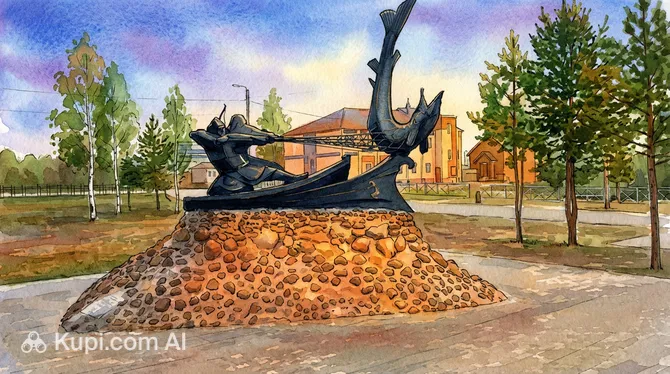
Parks & Museums

In Krasnoselkup, the concept of a "park" differs significantly from the manicured gardens of southern cities. Here, the entire settlement is embraced by the wild, endless taiga, and the most profound cultural experiences are found not in grand galleries, but in intimate spaces that preserve the soul of the North. The village offers a unique blend of open-air history and deep indigenous heritage, where nature itself serves as the primary exhibition hall.

The Taz River Embankment acts as the village's main natural promenade. While it lacks the paved sophistication of urban waterfronts, it offers something far more valuable: a direct connection to the lifeline of the region. In summer, this is the best place to witness the "white nights," where the sun barely sets, casting a golden glow over the water and the fishing boats. Locals gather here to enjoy the fresh river breeze, making it a peaceful spot for a walk and for observing the daily rhythm of life on the edge of the Arctic.

For a more traditional green space, the Victory Park (Memorial Square) stands as the central gathering point of the community. Located in the heart of the village, this well-kept area is dedicated to the memory of those who served in the Great Patriotic War. It is a place of quiet reflection, surrounded by hardy northern trees and flower beds that bloom briefly but vibrantly during the short summer. The park serves as a venue for local ceremonies and is a respectful reminder of the village's connection to the wider history of the Russian Federation.

The cultural jewel of the settlement is the Krasnoselkup Museum of Local Lore. This institution is far more than a simple repository of old objects; it is the guardian of the district's identity. The museum's collections are diverse, featuring archaeological finds that date back thousands of years and a rich array of ethnographic items related to the Selkup people. Visitors can explore exhibits showcasing traditional winter clothing, shamanic drums, and hunting gear, offering a vivid picture of how indigenous tribes adapted to the harsh subarctic environment.

Complementing the museum is the District Center of Leisure and Folk Art. While primarily a venue for events, it frequently functions as a living gallery of local talent. Here, you can often find temporary exhibitions of bone carving, beadwork, and fur sewing created by local masters. It is an excellent place to see the continuation of ancient artistic traditions in a modern context and to appreciate the intricate craftsmanship that goes into every pair of traditional boots or decorative amulets.

For an experience that bridges the gap between a museum and nature, travelers should consider a visit to the archaeological site of Mangazeya. Although located away from the village proper, it is the most significant historical reserve in the region. Often described as an "open-air museum," this site preserves the memory of the first Russian polar city in Siberia. While the original structures are gone, the aura of this 17th-century trading hub remains, and ongoing archaeological expeditions continue to uncover artifacts that tell the story of early Arctic exploration.

Insider Tip: For a truly authentic "living museum" experience, ask at the local culture center about visiting a nearby reindeer herder's camp. Unlike static exhibits, a visit to a working chum (traditional tent) allows you to see the living history of the Yamal nomads. You can watch the herders manage their animals and perhaps even taste fresh venison, gaining an understanding of the tundra lifestyle that no glass display case can provide.

Getting Around

Given the remote location and modest size of Krasnoselkup, the public transport system is significantly different from what you might expect in a large city. There is no metro, tram, or trolleybus network here. The village is compact, and the infrastructure is designed to serve a small, close-knit community rather than a high volume of tourists. Visitors should be prepared for a simplified transit experience where options are limited but generally sufficient for the area's needs.

The primary form of scheduled public transport is the municipal bus service. Typically, there is a single route that circulates through the main streets of the settlement, connecting key locations such as the local airport (or helipad), the administrative center, and residential districts. These buses run on a specific timetable, which can be infrequent, often with intervals of an hour or more between services. While useful for locals commuting to work or school, they may not be the most flexible option for a traveler trying to sightsee on a tight schedule.

For most tourists, the most practical and popular alternative to the bus is a taxi. Unlike in major metropolitan areas, you will not find international car-sharing or ride-hailing apps operating here. Instead, taxi services function on a traditional dispatch system. You will need to call a local phone number to book a ride. It is advisable to ask your hotel receptionist or a local host for the numbers of reliable taxi companies upon arrival. Prices are generally fixed or calculated by zone, and they remain relatively affordable due to the short distances involved.

When it comes to payment, cash is the absolute standard for all transport within the village. Buses and taxi drivers rarely, if ever, accept credit cards or mobile payments. You should always carry small denominations of Rubles to pay for your fare. Tickets for the bus are purchased directly from the driver upon boarding. There are no travel passes, smart cards, or validation machines; the system is purely "pay-as-you-go."

Walking is often the best way to navigate Krasnoselkup, especially given that the village center is small enough to traverse on foot. However, tourists must be acutely aware of the weather. In winter, when temperatures drop significantly below freezing, a 15-minute walk can become dangerous without proper clothing. During these months, locals often rely on private vehicles or taxis even for short trips. In the warmer summer months, walking is pleasant, though you may see locals using bicycles to get around.

A unique feature of transport in this subarctic region appears during the snowy season. While not a "public transport" service in the traditional sense, snowmobiles are a common sight and a vital mode of travel for residents venturing to the outskirts or onto the frozen river. While tourists cannot simply hail one like a cab, arranged tours or guided fishing trips will often involve travel by snowmobile or all-terrain vehicles, offering a thrilling way to experience the local landscape.

Accommodation

Accommodation in Krasnoselkup is reflective of its status as a remote northern outpost: options are limited, functional, and designed primarily for workers or business travelers rather than leisure tourists. You will not find international hotel chains, luxury resorts, or hostels here. Instead, the hospitality sector consists of a few small local hotels and guesthouses that offer basic but warm and clean amenities essential for surviving the subarctic climate.

Given the compact size of the settlement, location is rarely an issue. Most accommodation facilities are situated in the village center, within walking distance of the administrative buildings, the local museum, and the few shops available. Staying in the center is convenient as it places you near the main cultural sites and the river embankment. Since there is no extensive public transport network, being central minimizes the need for taxi transfers, although the airport is just a short drive away.

For visitors, the most common type of lodging is the small municipal hotel or private guesthouses converted from residential buildings. These establishments typically offer standard rooms with shared or private facilities. The style is modest, often reminiscent of the Soviet era, but the hospitality is genuine. Another popular option, especially for longer stays, is renting a private apartment (kvartira). This can provide a more "local" experience and access to a kitchen, which is valuable given the limited dining options in town.

Booking Tips: It is crucial to arrange your accommodation well in advance of your arrival. Due to the scarcity of rooms, hotels can be fully booked by visiting specialists or government delegations weeks ahead of time. Unlike in major cities, online booking platforms are rarely used here. The most reliable method is to call the hotel directly or have your local host or guide make the reservation for you.

Prices and Payment: The price range is generally comparable to mid-range options in larger Russian cities, often higher than expected for the level of luxury provided due to the lack of competition and the high cost of maintaining infrastructure in the North. Be prepared to pay in cash (Russian Rubles). While some places might have card terminals, connection issues are common, and relying on electronic payment is risky. Always confirm the payment method when booking.

Nearby Cities

Due to its remote location in the Siberian wilderness, Krasnoselkup is significantly isolated from other urban centers. The village is separated from the nearest major cities by hundreds of kilometers of taiga and tundra. However, there are several key regional destinations that serve as vital transport hubs and points of interest for those traveling through the Yamal-Nenets Autonomous Okrug and neighboring territories.

The most accessible major destination is Novy Urengoy, often referred to as the "Gas Capital" of Russia. Located roughly 271 km away, it acts as the primary gateway for travelers heading to Krasnoselkup. Visitors here can explore the Museum of Fine Arts, admire the impressive monuments dedicated to the pioneers of the gas industry, and experience the modern urban pulse of the Yamal region. It is a crucial logistical point for anyone entering or leaving the area.

Further afield lies Noyabrsk, the largest city in the autonomous okrug in terms of population and area. Known as the "southern gate" of Yamal, it features beautiful modern architecture, including the striking Church of the Archangel Michael and a large mosque. The city is also home to several parks and the unique "Museum Resource Center," which showcases the history of oil exploration and the ethnography of the indigenous peoples.

For those interested in the deeper industrial heritage of the Arctic, the city of Norilsk presents a unique, albeit distant, option. As one of the northernmost cities in the world, it is famous for its mining history and distinct Stalinist architecture. While reaching it requires significant travel planning due to the distance, it remains a fascinating destination for those interested in extreme northern living and industrial landscapes.

City Population Distance (km)
Nizhnevartovsk 278725 607
Norilsk 179554 474
Novy Urengoy 130000 271
Noyabrsk 106879 440
Kogalym 67000 546

These regional centers offer a glimpse into the diverse culture and industrial scale of the Russian North, providing a sharp contrast to the quiet, traditional life of Krasnoselkup.

Shopping & Souvenirs

Shopping in Krasnoselkup is a unique experience that reflects the settlement's remote location and subsistence lifestyle. You will not find sprawling shopping malls, international fashion boutiques, or luxury brand outlets here. Instead, the retail scene is purely functional, designed to serve the daily needs of the local population. For tourists, the appeal lies in discovering authentic northern products, from locally sourced organic foods to handmade indigenous crafts that you cannot find anywhere else.

The main commercial activity is concentrated in the village center. While there are no designated "shopping streets" in the European sense, the central area houses the majority of general stores, pharmacies, and small private shops. A stroll through the center allows visitors to easily visit the main grocery outlets and household supply stores, all located within walking distance of each other. This area is the heartbeat of the community, where locals gather to stock up on supplies brought in by river or air.

Regarding shopping malls, travelers should manage their expectations. There are no large entertainment and retail complexes. Instead, the village features small Trading Houses (Torgovy Dom). These are typically two-story buildings housing various small counters and independent vendors under one roof. Here, you can find a mix of clothing, winter gear, electronics, and household goods. The selection is limited to essentials, with a strong focus on warm apparel suitable for the harsh subarctic climate.

The most interesting shopping destination for visitors is the local market or the informal trading spots used by fishermen and herders. Freshness is the key here. Depending on the season, you can buy freshly caught river fish, reindeer meat, and wild berries directly from the locals. These markets are not just places to buy food; they are social hubs where you can see the bounty of the taiga and river up close. It is the best place to find organic local produce that has not traveled thousands of kilometers to reach a shelf.

When it comes to souvenirs, Krasnoselkup offers distinctively Siberian treasures. The most popular items to bring back are culinary: smoked or dried fish (especially muksun and nelma) and jars of cloudberry jam. For non-edible gifts, look for traditional handicrafts made by the Selkup people. These can include intricate beadwork, amulets made from reindeer antlers, and warm fur boots known as unty, which are not only beautiful but incredibly practical for extreme cold.

Store opening hours are generally standard for a Russian village. Most food shops open around 08:00 or 09:00 AM and close by 08:00 or 09:00 PM. Smaller specialized shops may have shorter hours and might close for a lunch break in the afternoon. Cash is the preferred payment method. While some larger stores may have card terminals, internet connections can be unstable in this remote region, leading to transaction failures. It is highly recommended to carry enough Russian Rubles to cover your purchases.

Tax-free shopping (VAT refund) systems are not available in Krasnoselkup. The tax-free scheme in the Russian Federation is typically limited to specific accredited retailers in major metropolitan areas like Moscow or St. Petersburg. In remote villages like this, all prices are final, and tourists should not expect to process any tax refund forms.

Reached the end of the page?

That means the route is fully explored