Support

Tarko-Sale

About

Welcome to Tarko-Sale, a remarkable town that serves as the administrative center of the Purovsky District. Situated in the vast Yamalo-Nenets Autonomous Okrug of the Russian Federation, this settlement offers travelers a unique opportunity to experience the authentic atmosphere of the Siberian North. Despite its remote location, the town is known for its well-developed infrastructure and the warm hospitality of its residents.
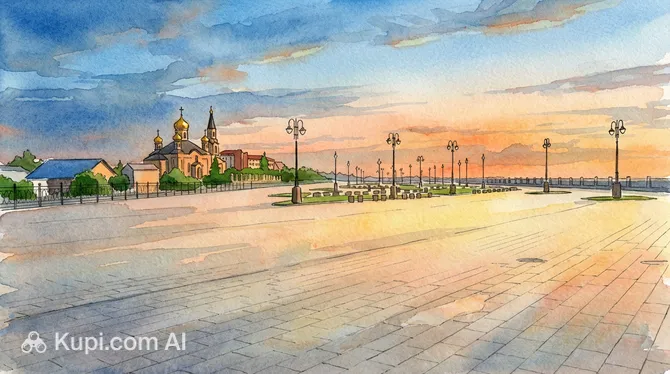
Tarko-Sale. Source: Kupi.Binoculars

Geographically, the town is located at the confluence of the Pyakupur and Aivasedapur rivers, a setting that is reflected in its name, which translates from the Nenets language as "a settlement on a cape." The local climate is characterized by long, snowy winters and short, mild summers, typical of the subarctic zone. With a population of approximately 21,448 people, Tarko-Sale maintains a cozy, community-focused environment where modern life coexists with the traditions of the indigenous peoples of the North.

The town was officially founded in the early 20th century, originally serving as a trading post. For those interested in how a small settlement evolved into a modern hub for the oil and gas industry, delving into the history of Tarko-Sale reveals a fascinating journey of geological exploration and development. The deep connection to the land and its resources is a defining feature of the local heritage.

Tourists visiting Tarko-Sale can explore several interesting sights. The Purovsky District Museum of History and Local Lore is a must-visit for those wishing to learn about the culture and ethnography of the Forest Nenets. Additionally, the town's beautifully landscaped embankment offers picturesque views of the river, especially during the white nights of summer or when the Northern Lights dance across the winter sky. The monumental architecture and monuments dedicated to the region's geologists also add to the town's unique character.

Whether you are drawn by the allure of the Arctic nature or the desire to understand the industrial pulse of Siberia, Tarko-Sale welcomes you. It is a place where the stark beauty of the tundra meets the warmth of human endeavor, making it a memorable stop on any northern itinerary.

Weather Overview

The local climate is strictly subarctic, characterized by extreme seasonal contrasts that define the lifestyle in this northern latitude. Winters are long and severe, while the brief summer season brings a welcome, albeit short-lived, warmth. To help you pack appropriately for your specific travel dates, it is advisable to consult the detailed guide on the weather in Tarko-Sale.

During the winter months, the town transforms into a frozen landscape. January is typically the coldest month, with an average temperature of -23.1°C and lows plunging to -26.6°C. While the volume of precipitation is quite low—often around 1mm per month—snowfall is frequent, with January seeing about 12 days with precipitation, creating a consistent winter cover.

Summer offers a completely different experience, with July being the warmest month, averaging 16.0°C and seeing highs up to 20.3°C. This is the most comfortable time for exploration, though travelers should be prepared for variable conditions. Expect mild summers with occasional light rain and very cold, dry winters that require high-quality thermal gear.

Interesting Facts

Beyond the main attractions, Tarko-Sale holds many fascinating secrets that reveal its unique character and resilience in the Far North. This compact town is not just an industrial outpost but a place of distinct cultural depth and modern engineering triumphs.
  • The Capital of the Forest Nenets: While the Yamal region is famously associated with the Tundra Nenets, Tarko-Sale and the surrounding Purovsky District serve as the cultural heartland for a different subgroup—the Forest Nenets. This indigenous community has a unique dialect and traditions adapted specifically to the taiga environment, distinct from their northern neighbors, and the town plays a pivotal role in preserving this rare heritage.

  • A Corporate Cradle: Despite its modest size, Tarko-Sale is the registered headquarters of NOVATEK, the largest independent natural gas producer in Russia. This significant economic status has endowed the town with exceptionally modern infrastructure, high-quality social facilities, and architectural standards that rival those of major metropolitan areas.

  • The End of Isolation: For most of its history, the town was effectively cut off from the mainland road network during the spring and autumn seasons, when the Pur River was impassable by both ferry and ice road. This era of seasonal isolation ended only recently in 2020 with the opening of the Purovsky Bridge, a massive engineering feat that finally provided a year-round connection to the rest of the country.

How to Get There

Reaching this northern destination requires some planning due to its location in the Yamalo-Nenets Autonomous Okrug. While the town is well-connected compared to more remote Arctic settlements, travelers should consider the distances and weather conditions. For a complete overview of routes and tips, you can view all ways to reach the city in our detailed guide.

The most direct way to arrive is by flying into the local Tarko-Sale airport (IATA: TQL). This regional hub is conveniently located just 1.1 km from the center, making the transfer to your accommodation a quick 5-10 minute taxi ride. However, flight options here may be limited compared to larger hubs.

Many travelers choose to fly into Novy Urengoy Airport (IATA: NUX), which serves as a major gateway to the region. Situated in the city of Novy Urengoy, approximately 142 km away, it offers more frequent connections. The journey from Novy Urengoy to Tarko-Sale typically takes about 3.5 to 4 hours by road. Another alternative is Noyabrsk Airport (IATA: NOJ) in Noyabrsk, located roughly 228 km away, though the transfer time will be significantly longer.

For clarity, here is a summary of the main airports:

Airport Name City Passenger Traffic Km from City
Novy Urengoy Airport Novy Urengoy Large 141.6
Noyabrsk Airport Noyabrsk Medium 228.0
Nadym Airport Nadym Medium 245.4
Tarko-Sale Tarko-Sale Small 1.1

Traveling by train is another popular option for experiencing the Siberian landscape. Tarko-Sale does not have its own railway station right in the town center; instead, it is served by the Purovsk Station, located in the nearby settlement of Tarko-Sale (Purovsk district), just 9.8 km away. From the station, a taxi or bus ride takes approximately 35 minutes. For those arriving from different directions, the Purpe Railway Station in Gubkinsky is another access point, situated about 69 km from Tarko-Sale.

Below is a list of the nearest railway stations serving the area:

Station City Passenger Traffic Km to Center
Novy Urengoy Railway Station Novy Urengoy High 140.4
Purpe Railway Station Gubkinsky Medium 69.2
Korotchaevo Station Medium 115.1
Purovsk Station Tarko-Sale Small 9.8
Noyabrsk-1 Station Noyabrsk 232.8

Main Attractions

One of the most significant cultural institutions in the city is the Purovsky District Museum of History and Local Lore. This venue offers a deep dive into the unique heritage of the region, with a special focus on the culture and traditions of the Forest Nenets. Visitors can explore fascinating ethnographic collections that include traditional clothing, household items, and tools, as well as exhibits dedicated to the local flora and fauna. It is an excellent starting point for anyone wishing to understand the indigenous roots of this northern land.

For those seeking a relaxing outdoor experience, Park Zdorovye (Health Park) is a favorite destination among locals and tourists alike. Designed as a "natural oasis" within the urban environment, the park features winding walking paths, scenic ponds, and comfortable resting areas nestled among the trees. It is a perfect spot for a leisurely stroll, offering a peaceful retreat where you can enjoy the fresh air and the beauty of the subarctic nature without leaving the city center.

A walk along the Embankment of the Pyakupur River provides some of the most picturesque views in Tarko-Sale. This modern and well-maintained promenade is ideal for evening walks, offering sweeping vistas of the river and the surrounding landscape. During the summer, it becomes a vibrant public space where residents gather to enjoy the White Nights, while in winter, the snowy expanse of the frozen river creates a magical, serene atmosphere.

A striking landmark located on the riverbank is the stele known as "S gorizonta prishedshiye" (Those Who Came From The Horizon). This monumental composition depicts a stylized boat carrying indigenous settlers, paying homage to the ancient legends of the Nenets people who first inhabited these lands. Standing 16 meters tall, it symbolizes the deep connection between the locals and the river, serving as a reminder of the region's rich historical and spiritual origins.

The city's industrial history is commemorated by the Monument to Geologists. This bronze sculpture features a geologist striding forward with a geological hammer in hand, accompanied by his faithful dog. It stands as a tribute to the determination of the pioneers who explored the harsh northern terrain to discover the vast oil and gas deposits that define the region's modern economy. The monument honors the courage and hard work of those who transformed a remote trading post into the thriving energy hub that Tarko-Sale is today.

Local Cuisine

The culinary landscape of Tarko-Sale is deeply influenced by the traditions of the indigenous Northern peoples and the harsh subarctic climate. The foundation of the local diet is reindeer meat (venison) and river fish, which provide essential nutrients and energy for surviving the long winters. One of the absolute must-try delicacies is stroganina. This dish consists of thin slices of frozen raw fish (typically whitefish like muksun or nelma) or reindeer meat, served on ice. It is traditionally eaten by dipping the frozen curls into a mixture of salt and black pepper, offering a unique melt-in-the-mouth texture that is a true hallmark of the Siberian North.

Aside from raw delicacies, venison is prepared in various hearty ways, from rich stews to grilled steaks. The meat is lean, tender, and considered ecologically pure. Fish lovers will also appreciate ukha, a traditional clear fish soup that is often cooked over an open fire, as well as smoked and salted fish varieties that are readily available. For dessert or a sweet snack, locals rely on the abundance of northern berries. Cloudberries, often called "Northern oranges," along with lingonberries and cranberries, are used in pies, jams, and sauces, adding a tart and refreshing flavor to the heavy meat-based dishes.

When it comes to drinks, vitamin-rich berry beverages are incredibly popular. You should definitely try mors, a non-alcoholic fruit drink made from wild cranberries or lingonberries, which is both refreshing and excellent for boosting immunity. Hot herbal teas, often brewed with local plants like thyme or currant leaves, are a staple for warming up after a walk in the cold. While traditional Russian vodka is common, local restaurants may also offer tinctures (nastoykas) infused with northern berries or pine nuts.

The food culture in Tarko-Sale blends modern comfort with traditional hospitality. As a well-developed administrative center, the town features several restaurants and cafes where you can find a mix of classic Russian cuisine—such as borscht and pelmeni—and European dishes. However, many establishments take pride in offering a special "Northern menu" featuring local game and fish. Dining here is generally a casual and cozy affair, with venues often serving as warm gathering spots for locals to socialize and escape the freezing temperatures outside.

Travel Tips

Visiting Tarko-Sale offers a rare glimpse into life in the Russian North, but the extreme climate and remote location require careful preparation to ensure your trip is comfortable and safe. These practical tips will help you navigate the local environment and make the most of your adventure in the Yamalo-Nenets Autonomous Okrug.

  1. Clothing and Gear: The most critical factor is the weather. If visiting in winter, you need professional-grade cold-weather gear: thermal underwear, a heavy down parka, insulated trousers, and boots rated for extreme frost (up to -40°C or lower). Don't forget a face mask or scarf to protect against windburn. In summer, the weather is mild, but the tundra is infamous for swarms of midges and mosquitoes; bring high-quality insect repellent and a mosquito net hat if you plan to go outdoors.

  2. Transportation: Tarko-Sale is a compact town, and many places are within walking distance, though this is only feasible in good weather. There is no metro or tram system. The most convenient way to get around is by taxi; apps like Yandex Go operate here, or you can ask your hotel to call a local dispatch service. Public buses are available but may run on a less frequent schedule than in major cities.

  3. Finances: The official currency is the Russian Ruble (RUB). While credit and debit cards are widely accepted in shops and restaurants, international cards issued outside of Russia generally do not work due to current restrictions. It is essential to bring sufficient cash in rubles or exchange money in major cities before arriving. ATMs are available, but relying on them with a foreign card is risky.

  4. Health and Safety: The primary safety concern is the cold. Never underestimate the low temperatures; frostbite can occur quickly. Pharmacies (marked as Apteka) are available in the town center, but not all stay open 24/7. For any emergencies, dial 112, which is the universal emergency number. The town is generally very safe with low crime rates.

  5. Communication: The main language is Russian, and English proficiency among locals may be limited. It is highly recommended to download an offline translation app and an offline map (such as 2GIS, which is very detailed for Russian cities) before you arrive. You can purchase a local SIM card (MTS, MegaFon, or Tele2) at mobile shops with your passport to stay connected.

  6. Local Etiquette: Northern hospitality is warm but reserved. When entering a home or even some hotel rooms, it is mandatory to remove your shoes. If you interact with indigenous Forest Nenets people, ask for permission before taking close-up photos of them or their belongings. Respect for nature is deeply ingrained in the local culture, so never leave litter behind.

  7. What to Avoid: Avoid photographing industrial facilities or infrastructure related to the oil and gas industry without permission, as these can be sensitive zones. Also, do not attempt to walk long distances outside the town limits in winter without a guide or proper vehicle support, as the weather can change instantly.

  8. Seasonal Insight: If you visit in June or July, be prepared for the White Nights, when the sun barely sets. While beautiful, the constant daylight can disrupt sleep, so packing an eye mask is a smart "life hack" for ensuring a good night's rest.

By packing the right gear and respecting the local customs and climate, you will find Tarko-Sale to be a welcoming and fascinating destination. Embrace the unique rhythm of life in the North, and you are sure to leave with unforgettable memories of the Siberian hospitality.

Entertainment & Nightlife

Entertainment and nightlife in Tarko-Sale reflect the town's cozy, community-focused character. Unlike the bustling metropolises of the mainland, the nightlife here is not about sprawling club districts or all-night raves. Instead, it revolves around warm, inviting venues where locals gather to socialize, escape the Arctic cold, and enjoy hearty food or active leisure. The atmosphere is generally relaxed and friendly, with a strong emphasis on comfort and hospitality.

The primary hub for evening entertainment is the MRC "Apelsin" (Youth Entertainment Center), located on Mira Street. This multi-purpose complex is the heartbeat of the town's social life, especially for younger crowds. It houses a modern cinema showing the latest releases, a bowling alley with six lanes that is popular for group outings, and a cafe. On weekends, the center often hosts dance evenings and themed parties, making it the closest experience to a traditional nightclub you will find in the city.

For those seeking a more laid-back dining experience with drinks, the local restaurant scene offers pleasant options. Aragvi is a well-regarded establishment known for its Georgian cuisine and welcoming ambiance. It is a great spot to spend a long evening enjoying shashlik and wine in a setting that feels like a warm shelter from the snowy streets. Another popular venue is Myaso na Uglyakh (Meat on Coals), where the focus is on grilled dishes and a casual, friendly vibe, perfect for a dinner that stretches late into the evening.

Cultural events also play a significant role in the town's evening itinerary. The District Palace of Culture "Geolog" acts as the main stage for concerts, theatrical performances, and holiday celebrations. While it is not a nightlife venue in the strict sense, it is the go-to place for high-quality entertainment, hosting touring artists and local ensembles. Checking their schedule is highly recommended, as a concert here is often the highlight of the week for many residents.

Most of the activity is concentrated in the central part of the town, particularly along Mira Street and Lenina Street. These areas are well-lit and safe for evening walks, although the extreme winter temperatures usually mean that people move quickly from door to door. Taxis are the preferred mode of transport at night; services like Yandex Go operate reliably, and rides are inexpensive and quick due to the town's compact size.

When planning a night out, keep in mind that the dress code is almost exclusively "casual and warm." Practicality trumps fashion in the Subarctic, so warm boots and sweaters are standard attire even in restaurants. Most venues close relatively early compared to big cities, often around midnight or 1:00 AM, so it is best to start your evening early. The town is very safe, but standard precautions apply—avoid unlit shortcuts and keep a taxi number handy if you don't have mobile data.

During the day, entertainment options shift towards cultural and outdoor activities. Visitors can explore the local history at the museum or enjoy a brisk walk in the parks. In the warmer months, the white nights allow for outdoor leisure well into the late hours, blurring the line between day and night entertainment.

Parks & Museums

Despite its remote location in the subarctic taiga, Tarko-Sale offers a surprising wealth of green spaces and cultural venues that reflect the unique identity of the Yamal region. Visitors here can seamlessly transition from the serene silence of a pine forest to deep dives into the history of the indigenous peoples of the North, all within a compact urban area.

Park Zdorovye (Health Park) is the city's premier green space, effectively serving as a preserved piece of the Siberian taiga right in the heart of the town. Unlike manicured European gardens, this park features towering native pine trees and natural terrain, offering a genuine "forest bathing" experience. It is a favorite spot for locals to jog, ski in winter, or simply breathe the crisp, pine-scented air. For tourists, it provides a safe and accessible way to experience the northern wilderness without leaving the comfort of the city infrastructure.

Another key outdoor destination is the Embankment of the Pyakupur River. More than just a walking path, this landscaped promenade offers panoramic views of the river confluence that gave the town its name. It is dotted with sculptures and monuments, including the iconic "S gorizonta prishedshiye" (Those Who Came From The Horizon), which blends art with the natural landscape. It is the perfect place to witness the phenomenon of the White Nights in summer or the dramatic ice drifts in spring.

The cultural centerpiece of the town is the Purovsky District Museum of History and Local Lore. This institution is essential for understanding the region, as it houses extensive collections dedicated to the Forest Nenets—a distinct indigenous group with a dialect and culture different from their tundra neighbors. The museum’s exhibits range from archaeological finds and traditional reindeer-hide clothing to taxidermy displays of local wildlife like bears and wolverines. It offers a comprehensive narrative of how life has thrived in this harsh climate for centuries.

For art lovers, the District Palace of Culture "Geolog" serves as the main hub for artistic expression in the city. While primarily a performance venue, its spacious foyers and halls frequently host temporary art exhibitions, photography showcases, and displays of local craftsmanship. It acts as the town's gallery, bringing traveling collections to the public and highlighting the works of talented local painters and bone carvers.

Insider Tip: If you visit during late summer or early autumn, take a closer look at the ground in the wooded areas around the town's outskirts. You might find wild lingonberries or cloudberries growing right near the paths, a small but delicious testament to the richness of the northern nature.

Getting Around

The public transport system in Tarko-Sale is straightforward and designed to meet the needs of a compact northern town. Due to its relatively small size and population, there is no metro, tram, or trolleybus network. The primary mode of public transportation consists of municipal buses and minibuses (marshrutkas). These vehicles follow fixed routes that connect the residential districts with the town center, the administrative buildings, and key industrial zones. The network also extends to the nearby settlement of Purovsk, where the railway station is located.

For getting around the town, the bus service is generally reliable, though intervals between buses can vary depending on the time of day and the specific route. Schedules are typically posted at major bus stops, but it is important to note that buses may stop running relatively early in the evening compared to large metropolitan areas. During the harsh winter months, waiting at a bus stop requires appropriate clothing, as temperatures can drop significantly, although modern stops are increasingly being equipped with wind protection.

The payment system is simple and user-friendly for visitors. You can pay for your fare directly to the driver or a conductor upon boarding. While cash (in rubles) remains the most reliable method and is accepted on all routes, many buses are now equipped with terminals that accept contactless bank cards. The cost of a single journey is very affordable. There are no complex zone-based tickets or tourist travel passes; you simply pay for each ride individually.

Given the extreme climate, taxis are the most popular alternative to public transport and are often considered a necessity rather than a luxury during winter. They provide a warm, door-to-door service that avoids the need to wait in the freezing cold. You can order a ride using popular mobile apps like Yandex Go, which offers the convenience of seeing the price upfront and tracking the car. Alternatively, there are several local taxi dispatch services that can be reached by phone, which are widely used by residents.

For those who prefer active mobility, walking is a viable and pleasant option during the short summer season. The town center is compact enough to navigate on foot, allowing you to easily reach the main parks and the embankment. However, car-sharing services and bike rental systems are not developed here in the same way they are in major capital cities. While you might find bicycle rentals for leisure in the parks during summer, they are not a standard mode of commuting.

To navigate the transport network effectively, it is highly recommended to use mobile map applications like 2GIS or Yandex Maps. These apps are indispensable in this region, providing up-to-date information on bus routes, stop locations, and even taxi contacts. They function well offline if you download the map data beforehand, which is a crucial tip for any tourist exploring the area.

Accommodation

Accommodation in Tarko-Sale is primarily designed to serve the needs of business travelers and industry specialists, reflecting the town's status as a working administrative center. The selection of places to stay is relatively limited compared to tourist-heavy destinations. You will not find sprawling luxury resorts or international hotel chains here. Instead, the hospitality sector consists of a few mid-range hotels (known locally as gostinitsa), small guest houses, and a significant market for short-term apartment rentals.

The available hotels generally offer standard, functional comfort equivalent to a 2-star or 3-star rating. Rooms are typically equipped with essential amenities such as heating (crucial for the subarctic climate), private bathrooms, and Wi-Fi. Many establishments also provide meals or have small cafés on-site, which is convenient given the extreme winter weather when going out for dinner might be less appealing. Service is hospitable but straightforward, focusing on practicality.

For those seeking a more home-like environment or traveling in groups, renting a fully furnished apartment is a popular alternative. These rentals often provide better value and include kitchen facilities, allowing you to prepare your own meals. This option is widely used by rotational workers and visitors staying for longer periods. Listings can usually be found on Russian classifieds websites or through local real estate agencies.

Where to Stay: Due to the town's compact layout, location is rarely an issue. Almost any accommodation within the city limits will place you within a 10-15 minute walk or a short taxi ride from key administrative buildings, the "Apelsin" entertainment center, and local shops. The central area around Lenina Street and Mira Street is the most convenient, offering easy access to the few restaurants and the river embankment for evening strolls.

Booking and Prices: It is highly recommended to book your accommodation well in advance. Tarko-Sale frequently hosts conferences, industry meetings, and rotational shifts for oil and gas companies, during which hotels can be fully booked weeks ahead. Prices are generally moderate but can be higher than in other small Russian towns due to the northern location and limited supply. While major hotels accept bank cards, smaller guest houses or private apartment rentals may prefer cash or bank transfers, so it is wise to clarify payment methods beforehand.

Nearby Cities

For those looking to explore the surroundings, Tarko-Sale serves as an excellent base for day trips to several interesting nearby locations.

The closest major city is Novy Urengoy, often referred to as the "Gas Capital" of Russia. Located approximately 142 km to the north, it is a relatively young city that grew rapidly alongside the development of the Urengoy gas field. Visitors here can explore the local Museum of Fine Arts, which hosts surprising collections for such a remote location, or visit the Monument to the Pioneers of the Development of Urengoy. It offers a fascinating insight into the industrial scale of the region and the lives of those who built a city on the permafrost.

Heading south, Noyabrsk is another significant urban center worth visiting, though it requires a longer journey of about 222 km. As the southern gateway to the Yamal region, it is known for its modern urban planning and well-maintained public spaces. The city features the impressive Cathedral of the Transfiguration and the futuristic "Rus-Kinolux" cinema center. Nature enthusiasts often stop by Lake Khanto on the outskirts of the city, a scenic spot that provides a tranquil setting for relaxation and photography.

City Population Distance (km)
Surgut 395900 463
Nizhnevartovsk 278725 447
Novy Urengoy 130000 142
Nefteyugansk 128159 499
Noyabrsk 106879 222

These nearby destinations offer a glimpse into the diverse culture and landscapes of the region.

Shopping & Souvenirs

Shopping in Tarko-Sale offers a unique experience that prioritizes local authenticity and practical necessities over high-end fashion or luxury boutiques. As a town located in the Far North, the retail landscape here is designed to serve the daily needs of residents and the specific demands of the subarctic climate. For tourists, the real treasure lies not in international brands, but in the exclusive regional products—particularly Northern delicacies and indigenous crafts—that are difficult to find anywhere else in the world.

The city's commercial activity is concentrated primarily along the central thoroughfares, with Lenina Street and Mira Street serving as the main arteries for shopping. A walk along these streets reveals a mix of modern grocery chains, pharmacies, and smaller specialized stores selling everything from warm winter clothing to electronics. These areas are compact and pedestrian-friendly, allowing visitors to easily browse the available shops while exploring the town center.

Instead of sprawling entertainment complexes, Tarko-Sale features several compact shopping centers (often referred to as "Torgovy Dom" or Trade Houses). These multi-story buildings typically house a variety of departments under one roof, ranging from apparel and cosmetics to household goods. They are convenient stops for travelers needing to resupply on essentials or looking for warmer layers to handle the Siberian weather. The atmosphere in these centers is cozy and functional, reflecting the practical nature of life in the region.

For a true taste of the Yamal region, visitors should seek out the local markets and specialized food stores. These are the best places to find high-quality organic produce sourced directly from the surrounding taiga and tundra. The markets are particularly famous for their selection of river fish and reindeer meat, which are staples of the local diet. During the harvest season in late summer and autumn, you can also find an abundance of wild berries and mushrooms gathered from the forest.

When it comes to souvenirs, Tarko-Sale offers distinct items that reflect the heritage of the Forest Nenets and the richness of the Arctic nature.
The most popular gifts to bring back include:

  • Northern Delicacies: Smoked or salted whitefish (such as muksun or nelma) and cured venison (reindeer meat) are considered gourmet treats. Canned venison and wild berry jams, especially cloudberry (moroshka), are also excellent edible souvenirs.
  • Indigenous Crafts: Look for items made from reindeer fur, such as unty (traditional high fur boots that are incredibly warm). Hand-sewn slippers and mittens decorated with traditional beadwork are also beautiful and practical.
  • Bone Carving: The region is known for its skilled artisans who carve intricate figures and amulets from reindeer antlers or mammoth tusks, depicting scenes from northern folklore.

Opening hours in Tarko-Sale generally follow standard Russian schedules. Major supermarkets and grocery stores often operate from 8:00 AM to 10:00 PM or 11:00 PM. Smaller boutiques and souvenir shops typically open around 10:00 AM and close by 7:00 PM or 8:00 PM. On weekends, some smaller specialized stores may have shorter working hours.

Payment methods are modern, with credit and debit cards being widely accepted in supermarkets, shopping centers, and most restaurants. However, if you plan to buy fresh fish or berries from private sellers at a market or a small kiosk, it is highly recommended to carry cash (Russian Rubles), as they may not have card terminals. ATMs are available throughout the town center for withdrawing cash if needed.

Please note that the Tax-Free shopping system (VAT refund) is generally not available in Tarko-Sale, as it is typically limited to major luxury retailers in Russia's largest metropolitan cities. Visitors should plan their budget assuming the listed price is final.

Reached the end of the page?

That means the route is fully explored