Support

Verkhnevilyuysk

About

Welcome to Verkhnevilyuysk, a scenic rural locality situated in the Sakha Republic (Yakutia), within the vast Russian Federation. Nestled on the right bank of the Vilyuy River, this settlement serves as an administrative center and offers travelers a unique opportunity to experience the authentic lifestyle and distinct atmosphere of the Far North.

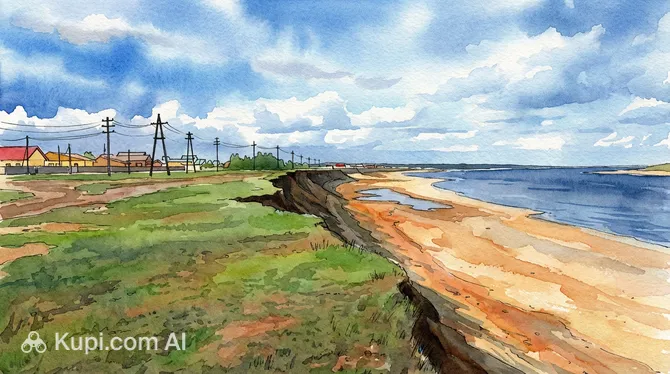
Verkhnevilyuysk. Source: Kupi.Binoculars

The region is defined by its dramatic continental climate, featuring crisp, snowy winters and surprisingly warm summers. With a population of approximately 6,300 residents, the community maintains a close-knit and welcoming spirit. Visitors interested in the past can explore the rich history of Verkhnevilyuysk, which traces the development of this settlement and its enduring cultural significance in the Vilyuy basin.

Nature enthusiasts will appreciate the stunning landscapes surrounding the Vilyuy River, which provides a picturesque backdrop for the village and opportunities for scenic walks. The area is known for its serene environment, making it perfect for those seeking tranquility away from bustling cities. Local cultural venues often showcase traditional Yakut heritage, allowing guests to learn about the customs, folklore, and wooden architecture typical of the region.

Whether you are passing through on a journey across Yakutia or looking to immerse yourself in local traditions, Verkhnevilyuysk welcomes you with hospitality and genuine Northern charm.

Weather Overview

The climate in this region is defined by its sharp continental nature, bringing significant contrasts between the seasons. To help you pack the right gear for your trip, it is essential to check the weather in Verkhnevilyuysk before you travel. Visitors should generally expect warm summers with occasional light rain and extremely cold, dry winters.

Winters here are long and severe, typical of the Yakutia region. January is the coldest month, with average temperatures dropping to -33.6°C and minimums reaching -37.1°C. Despite the freezing conditions, precipitation is minimal during the winter months, often recorded at 0mm, resulting in crisp and dry air.

In contrast, the summer season offers a pleasant respite. July is typically the warmest month, featuring average temperatures of 19.1°C and highs that can reach 24.4°C. While precipitation volume remains low year-round—rarely exceeding 2mm in any given month—you might encounter about 5 to 8 wet days per month during the summer, usually in the form of light showers.

Interesting Facts

Beyond the main attractions, Verkhnevilyuysk holds many fascinating secrets that reveal the deep connection between the locals and their challenging environment. From ancient legends to pivotal historical figures, this settlement is a gateway to the mysteries of the Vilyuy basin.

  • A Warning in the Name: The name of the Vilyuy River, on which the village stands, is believed to originate from the Evenki word "Viluy," meaning "poisonous" or "dangerous." Some researchers suggest this ancient name might hint at hidden mineral deposits or the river's treacherous nature in the past, adding a layer of mystery to the scenic waterway.

  • Cradle of Statehood: Verkhnevilyuysk is deeply connected to the history of the Sakha Republic. It is the place where Isidor Barakhov, one of the founding fathers of the Yakut Autonomous Soviet Socialist Republic, received his early education. His legacy is celebrated locally, and the village is often regarded as a breeding ground for the region's political and intellectual elite.

  • Gateway to the "Valley of Death": While the village itself is safe, it serves as a cultural outpost for the Vilyuy basin, which is famous for the "Uliuu Cherkechekh" or "Valley of Death" legends. Local folklore speaks of mysterious metal cauldrons buried in the permafrost upstream, a story that has attracted cryptozoologists and adventurers from around the world to this remote part of Yakutia.

  • Life on Eternal Ice: The settlement is built entirely on continuous permafrost. To prevent buildings from thawing the ground and sinking, structures are traditionally elevated on piles. This engineering necessity gives the village a distinctive look and stands as a testament to human ingenuity in one of the world's harshest climates.

How to Get There

Reaching Verkhnevilyuysk is a journey into the heart of Yakutia, requiring a bit of planning due to its remote location. Since there are no direct international flights to the village, the primary gateway for most travelers is the city of Yakutsk, the capital of the Sakha Republic. From there, you can arrange further travel to the interior of the region. For a complete guide on planning your route, you can read more about how to get to Verkhnevilyuysk.

The village does not have a major airport suitable for large commercial jets, but it is served by regional aviation connecting it to Yakutsk. Travelers typically fly into Yakutsk Airport (YKS) and then transfer to a smaller local flight or opt for ground transport. It is advisable to check flight schedules in advance, as local connections can depend heavily on weather conditions.

Verkhnevilyuysk is not connected to the railway network, so arriving by train is not an option. The most common alternative to flying is traveling by road via the federal Vilyuy Highway. This route offers a scenic drive through the taiga, though it is important to note that the journey can take considerable time. In winter, the road utilizes ice crossings over rivers, while in summer, ferry services are required to cross the Vilyuy River.

Main Attractions

While Verkhnevilyuysk is a small rural settlement rather than a bustling metropolis, it offers a genuine insight into the culture and history of the Sakha Republic. The attractions here are modest but meaningful, reflecting the deep connection between the local people, their heritage, and the surrounding nature. Visitors can explore sites that celebrate the region's past and enjoy the serene beauty of the Vilyuy landscapes.

One of the primary cultural institutions is the Museum of History and Ethnography. This venue serves as the guardian of local memory, showcasing exhibits that trace the development of the settlement and the broader district. Tourists can see traditional Yakut clothing, household items, and tools that demonstrate how people have adapted to life in the harsh northern climate over the centuries. It is an excellent place to learn about the customs and daily life of the ancestors of today's residents.

The Vilyuy River itself is a natural attraction that draws visitors for its scenic beauty. Walking along the riverbank offers a chance to take in the vastness of the Yakut landscape, especially during the long summer days of the "White Nights." The river is not just a waterway but a lifeline for the community, and its banks are popular spots for locals and tourists alike to relax, fish, or simply admire the dramatic sunsets over the water.

Walking through the village, you will encounter several significant landmarks, such as the Monument to Labor and Glory. This memorial stands as a tribute to the resilience and dedication of the local population, honoring their contributions during challenging times. Nearby, you might find the Airplane Monument, which highlights the importance of aviation in connecting these remote northern territories with the rest of the Russian Federation.

For those interested in the deeper political history of the region, the area is associated with Isidor Barakhov, a prominent statesman. While his main museum is located in a nearby village, Verkhnevilyuysk serves as the central hub for exploring the legacy of the district's most famous figures. A stroll through the village center reveals a community that proudly preserves its identity amidst the quiet grandeur of the Far North.

Local Cuisine

The culinary scene in Verkhnevilyuysk is deeply rooted in the traditions of the Sakha people, shaped by the extreme climate and the bounty of the surrounding nature. The local diet is rich in meat, fish, and dairy, designed to provide the energy needed to withstand the harsh northern winters. For travelers, tasting these unique flavors is an essential part of the cultural experience, offering a direct connection to the lifestyle of the Vilyuy region.

One of the most famous delicacies you must try is Stroganina. This dish consists of long, thin shavings of frozen raw fish, typically caught in the local rivers like the Vilyuy. Served with a mixture of salt and black pepper, it melts in your mouth and is considered a true "taste of the North." Another popular fish dish is Indigirka, a salad made from diced frozen fish, onions, oil, and spices. These dishes highlight the pristine quality of the local catch, which is safe to eat raw due to the deep freezing temperatures.

Meat also plays a central role in the local diet, with beef and horse meat being staples. Horse meat is particularly prized in Yakutia for its nutritional value and distinct flavor; it is often served boiled or baked. For dessert, look for Kyuerchekh, a traditional treat made from whipped cream mixed with local berries such as lingonberries or cloudberries. It is a simple yet delicious way to enjoy the natural sweetness of the taiga.

When it comes to drinks, the most iconic beverage is Kumis, fermented mare's milk. It has a slightly sour, refreshing taste and is revered for its health benefits. In the summer, it is the beverage of choice during festivals. For a non-alcoholic option, warm up with hot herbal teas or refreshing berry fruit drinks (mors), which are packed with vitamins and commonly served with meals.

Dining in Verkhnevilyuysk is a cozy and informal affair. You won't find high-end luxury restaurants here; instead, the village is dotted with small canteens and cafés that serve hearty, home-style cooking. These establishments are welcoming places where locals gather to eat substantial lunches. The atmosphere is unpretentious, focusing on generous portions and the warmth of Yakut hospitality.

Travel Tips

Visiting Verkhnevilyuysk offers a rare glimpse into life in the Far North, but the extreme environment and remote location require careful preparation to ensure a comfortable journey. These practical tips will help you navigate the local customs, handle logistical challenges, and fully enjoy the unique hospitality of the Yakut countryside.

  1. Clothing and Gear: Your packing list depends entirely on the season. In winter, thermal underwear, a heavy down parka, insulated trousers, and felt boots (valenki) or high-grade arctic boots are non-negotiable necessities to survive temperatures below -40°C. In summer, the weather is warm, but you must bring effective insect repellent and a mosquito net hat, as the taiga is teeming with midges and mosquitoes. An electrical adapter (Type C or F) is useful for charging devices.

  2. Transportation: Verkhnevilyuysk is a compact settlement where most points of interest are within walking distance. There is no public transport system like buses or trams within the village itself. For longer distances or in severe cold, locals rely on private taxis; ride-hailing apps are generally unavailable here, so ask your host or hotel for reliable local taxi phone numbers.

  3. Finances: The official currency is the Russian Ruble (RUB). While some larger shops may accept domestic bank cards, cash is king in rural areas. It is highly recommended to withdraw sufficient cash in Yakutsk before departing, as ATMs in the village can be scarce or out of service. International credit cards likely will not work, so rely on physical currency.

  4. Health and Safety: The biggest safety risk is the environment itself. In winter, frostbite can occur in minutes; always cover exposed skin and dress in layers. In summer, be mindful of ticks in the tall grass. Pharmacies are available in the village center but operate on standard business hours, not 24/7, so bring a personal supply of essential medications.

  5. Communication: The primary languages are Russian and Yakut (Sakha). English is rarely spoken, so downloading an offline translation app or carrying a phrasebook is essential. Mobile coverage is generally good with major national operators, but buying a SIM card in Yakutsk is easier than finding one upon arrival. Wi-Fi is often available in guesthouses but may be slower than in cities.

  6. Local Etiquette: Hospitality is a core value in Yakut culture. If invited into a home, always remove your shoes at the door. It is polite to accept tea or food offered to you, as refusing can be seen as disrespectful. When visiting nature spots, locals often pay respect to the spirits of the land; observing these small rituals quietly is a good way to show cultural sensitivity.

  7. What to Avoid: Never treat nature disrespectfully. Littering or damaging trees is frowned upon deeply, as the environment is considered sacred. Additionally, avoid raising your voice or acting aggressively in public spaces, as the local community values calmness and modesty.

  8. River Crossing Awareness: Be aware that Verkhnevilyuysk is located on the bank of the Vilyuy River, and crossing it depends on the season. In summer, you must rely on ferry schedules, which can be disrupted by water levels. In the transition periods (spring and autumn), the river may be impassable until the ice road forms or the ice clears, so plan your travel dates carefully.

By keeping these tips in mind, you will be well-equipped to handle the rugged beauty of Verkhnevilyuysk. Respecting the local way of life and coming prepared for the elements will turn your visit into a memorable adventure in the heart of Yakutia.

Entertainment & Nightlife

Nightlife in Verkhnevilyuysk reflects the peaceful and authentic rhythm of a rural settlement in the Far North. Unlike bustling cities with neon-lit districts and 24-hour clubs, the evening entertainment here is cozy, intimate, and centered around warm social gatherings. The "nightlife" scene is primarily defined by local cafés that stay open into the evening and cultural centers that host community events, offering a chance to unwind and mingle with friendly locals after a day of exploring.

The heart of social activity is found in the central part of the village, where the main dining and cultural venues are located. There are no designated "party streets" or loud nightclubs; instead, the atmosphere is laid-back and casual. Visitors can expect a welcoming environment where the dress code is informal and practical—warmth and comfort take precedence over style, especially during the long winter nights. Evenings here are about enjoying good food, conversation, and the unique serenity of the Yakut countryside.

For a pleasant evening out, Cafe Kerecheene is one of the most popular spots in town. Known for its hospitality and extended opening hours compared to other local establishments, it is a favorite place for both residents and visitors to gather for a late dinner or tea. Another notable venue is the Loft Cafe, which offers a slightly more modern setting for relaxation. While these places are not bars in the traditional sense, they serve as the main social hubs where you can experience the local community spirit.

Cultural events play a significant role in the village's evening entertainment. The District House of Culture (RDK) is the focal point for concerts, holiday celebrations, and performances. If your visit coincides with a local festival or a touring performance, this is the place to be. It provides a genuine glimpse into the creative life of the region, far removed from standard tourist attractions.

When planning your evening, keep in mind that venues typically close earlier than in big cities, often around 21:00 or 23:00. Prices are generally affordable, and cash is the preferred payment method, so it is wise to have rubles on hand. Getting around at night is best done by calling a local taxi service, as street hailing is not common and walking distances can feel longer in the cold. The village is very safe for night walks, but standard precautions apply—stick to lit areas and dress appropriately for the dropping temperatures.

For daytime entertainment, the village offers modest but interesting options. The Museum of History and Ethnography is a must-visit for history buffs, while sports enthusiasts might appreciate the local Us Khohuun Stadium. These venues, along with the scenic riverbanks, provide a balanced itinerary before settling into a quiet and relaxing evening.

Parks & Museums

Cultural life and recreation in Verkhnevilyuysk are deeply intertwined with the surrounding natural landscape and the rich traditions of the Sakha people. While the settlement does not boast the sprawling botanical gardens of a metropolis, it offers intimate green spaces and meaningful cultural institutions that preserve the memory of the Vilyuy region.

For those seeking fresh air and scenic views, the Vilyuy River Embankment is the primary natural attraction. This area serves as a tranquil promenade where locals and visitors alike come to enjoy the expansive water views and the dramatic northern sunsets. It is a natural park in its own right, offering a peaceful escape and direct access to the river, which is the lifeline of the community. In summer, the sandy banks become a favorite spot for relaxation and picnics.

Another key green space is the Central Park of Culture and Recreation. This park functions as the social heart of the village during warmer months and is the traditional venue for local festivals, including the celebrated Ysyakh summer solstice festival. Surrounded by taiga vegetation, it provides a designated area for walking, outdoor sports, and community gatherings, reflecting the close relationship between the residents and their environment.

The most significant cultural institution in the village is the Verkhnevilyuysk Museum of History and Ethnography. This museum offers a comprehensive look into the past, featuring exhibits that range from archaeological finds to displays on the flora and fauna of the Vilyuy basin. Visitors can explore collections dedicated to traditional Yakut household items, clothing, and hunting tools, gaining insight into how ancestors survived and thrived in the harsh climate.

Architecture enthusiasts will find interest in the Monument to the Heroes of the Great Patriotic War, a solemn site dedicated to the local soldiers who fought in World War II. It stands as a focal point of historical memory in the village center. Additionally, simply walking through the older streets reveals examples of traditional wooden architecture, including log cabins that demonstrate the practical and aesthetic building techniques of the Russian North.

For a truly authentic experience, look out for the Serge hitching posts scattered around the village and near cultural sites. These ornate wooden posts are not just functional but hold deep spiritual significance in Yakut culture, often covered in carvings and ribbons. Observing these sacred markers offers a glimpse into the living traditions and spiritual beliefs that continue to shape daily life in Verkhnevilyuysk.

Getting Around

Given the modest size and rural nature of Verkhnevilyuysk, the public transport system differs significantly from what you might find in larger cities. There is no municipal network of buses, trams, trolleybuses, or a metro system operating within the settlement itself. The village is compact enough that most administrative buildings, shops, and cultural attractions are concentrated within a relatively small area, making walking the primary and most convenient mode of getting around for visitors.

For distances that are too long to walk, especially during the severe winter months when temperatures drop drastically, private taxis serve as the main alternative. These are not typically hailed on the street but must be ordered via telephone. Several local taxi services operate in the village, providing reliable transportation from point to point. It is advisable to ask your hotel reception or host for the phone numbers of trusted dispatchers, as international ride-hailing apps usually do not function in this remote location.

The payment system for transport services is straightforward and almost exclusively cash-based. Travel passes, transport cards, or mobile payment terminals are not used here. Taxi rides within the village limits usually have a fixed or standard rate that is quite affordable, but you should always confirm the price with the driver or dispatcher before starting your journey. Carrying small denominations of the local currency is highly recommended, as drivers may not always have change for large banknotes.

While there are no inner-city bus routes, a system of inter-district minibuses and shared taxis connects Verkhnevilyuysk with the regional capital, Yakutsk, and neighboring settlements. These vehicles, often referred to as "taxis" by locals even if they are minivans, depart from designated gathering spots in the village center. Seats for these longer journeys usually need to be booked in advance by phone, and payment is collected directly by the driver upon boarding.

Tourists should be mindful of the seasonal conditions when planning to move around. In winter, walking requires specialized thermal clothing, and taxi wait times may increase during extreme cold spells. In summer, the village becomes much more pedestrian-friendly. Since there are no car-sharing services or bike rental stations available, relying on your own two feet and the local taxi drivers remains the most practical way to navigate Verkhnevilyuysk.

Accommodation

Finding accommodation in Verkhnevilyuysk requires a bit more planning than in major tourist hubs, as the options here are modest and functional, reflecting the rural nature of the settlement. Travelers should not expect international chain hotels or luxury resorts. Instead, the local hospitality scene consists primarily of small, privately run guesthouses (often called gostinitsa) and mini-hotels. These establishments offer a cozy, home-like atmosphere and provide a warm refuge from the harsh Yakut climate.

The most convenient area to stay is in the village center. Choosing a location near the administrative buildings or the main cultural centers ensures that you are within walking distance of essential amenities like grocery stores, the post office, and the few local cafés. Since public transport is limited, staying central minimizes the need for taxi rides and allows you to easily explore the local museum and river embankment on foot.

For those planning a visit, it is crucial to arrange accommodation well in advance, especially during the winter months or local holidays like the Ysyakh festival. Many local guesthouses do not list their rooms on major global booking platforms. Instead, they often rely on direct telephone bookings or listings on Russian navigation apps. If you are not fluent in Russian, it may be helpful to have a local contact or guide assist you with securing a reservation.

Prices in Verkhnevilyuysk are generally affordable and fall into the budget to mid-range category. Payment is almost exclusively expected in cash (Russian Rubles), as credit card terminals are rare in smaller lodging establishments. Visitors can expect basic but clean amenities, with a strong emphasis on heating and insulation to ensure comfort during the freezing nights. While luxury services are absent, the genuine hospitality of the hosts often makes up for the simplicity of the lodgings.

Nearby Cities

For those looking to explore the surroundings, Verkhnevilyuysk serves as an excellent base for day trips to several interesting nearby locations. While the distances in the Sakha Republic are vast, the unique attractions of the region make the journey rewarding. One of the most intriguing destinations is Mirny, known globally as the "Diamond Capital" of Russia. It is famous for the colossal Mir mine, a gigantic open-pit diamond mine that offers a breathtaking industrial spectacle and a chance to learn about the geology of the area.

For those willing to travel further, Yakutsk, the capital of the region, stands as a cultural and historical hub. Visitors can explore the famous Mammoth Museum, the Kingdom of Permafrost, and various theaters that showcase the rich heritage of the Sakha people. Another notable town is Lensk, situated on the banks of the majestic Lena River. As a major river port, it offers scenic waterfront views and an insight into the vital transport logistics that sustain life in the North.

City Population Distance (km)
Yakutsk 311760 506
Mirny 35223 337
Lensk 23479 415
Aldan 20595 604
Bodaybo 12316 707

These nearby destinations offer a glimpse into the diverse culture and landscapes of the region.

Shopping & Souvenirs

Shopping in Verkhnevilyuysk is a modest and authentic experience, reflecting the practical needs of a remote northern settlement rather than the commercial bustle of a large city. Visitors will not find luxury boutiques or sprawling international chains here. Instead, the local retail scene is characterized by small, family-run general stores, compact trading centers, and food markets that focus on essential goods, warm clothing, and high-quality local produce.

The main commercial activity is concentrated in the village center. Walking along the central streets, you will find a cluster of shops that serve as the lifeline for the community. These establishments are often multipurpose, selling everything from groceries and household items to winter gear and electronics. This area is convenient for tourists staying in local guesthouses, as most necessary supplies can be purchased within a short walking distance.

While there are no mega-malls in the traditional sense, the village has several small Trading Centers (Torgovy Tsentr). These are typically two-story buildings housing various independent counters and kiosks under one roof. Here, you can browse for clothing, shoes suitable for the harsh climate, and basic souvenirs. These centers offer a warm respite from the cold and provide a glimpse into the daily consumer habits of the residents.

For a taste of local flavor, the local market or private food stalls are the best places to visit. In rural Yakutia, the connection to the land is strong, and this is evident in the goods available. Depending on the season, you might find fresh river fish, locally farmed meat, and dairy products. In late summer and autumn, locals often sell freshly gathered berries like lingonberries and cloudberries, which are a true delicacy of the taiga.

When it comes to souvenirs, the best items to bring back are those that represent the unique culture and environment of Yakutia. Look for traditional fur boots (unty), which are not only beautiful but incredibly practical for winter. Handcrafted items featuring beadwork or traditional Yakut ornaments are also meaningful keepsakes. Additionally, edible souvenirs such as smoked fish, berry jams, or local herbal teas are highly recommended for sharing the "taste of the North" with friends back home.

Opening hours in Verkhnevilyuysk are standard for a rural setting. Most shops open around 09:00 or 10:00 and close by 19:00 or 20:00. On weekends, hours may be shorter. Regarding payment, cash is the most reliable method. While some larger stores in the center may accept Russian bank cards, smaller kiosks and market vendors deal exclusively in cash. It is wise to withdraw sufficient funds in a larger city or at the local bank ATM before heading out to shop.

Tax-Free shopping services are not available in Verkhnevilyuysk. The tax refund systems found in major Russian tourist hubs do not operate in small rural localities, so visitors should not expect to claim VAT refunds on purchases made here.
Reached the end of the page?

That means the route is fully explored