Support

Nyurba

About

Welcome to Nyurba, a fascinating town located in the heart of the Sakha Republic (Yakutia). Situated on the left bank of the majestic Vilyuy River, this destination offers a unique glimpse into life in the Far North. As part of the Russian Federation, Nyurba serves as an important administrative and cultural center for the surrounding district, blending industrial significance with the raw beauty of the Siberian landscape.

The town is home to a close-knit community with a population of approximately 9,800 people. The local climate is characteristic of the region, featuring distinct seasons that transform the scenery from lush green summers to snowy, picturesque winters. This extreme environment shapes the lifestyle and resilient spirit of the locals, creating an atmosphere that is both welcoming and authentically northern.

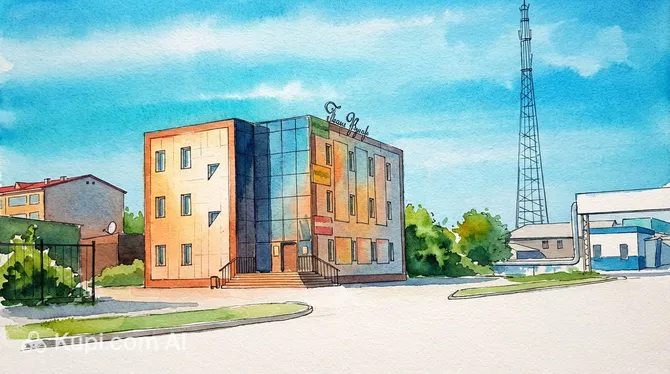
Nyurba. Source: Kupi.Binoculars

Visitors interested in the past can explore the rich history of Nyurba, which has evolved from a small settlement into a modern town known for its connection to the diamond mining industry. Beyond its industrial roots, the town takes pride in its cultural heritage. Key points of interest include the Museum of Friendship of the Peoples, which showcases local ethnography and history, and the Nyurba State Drama Theater, a hub for artistic expression in the region.

Nature lovers will appreciate the stunning views along the Vilyuy River, which provides opportunities for scenic walks and photography, especially during the warmer months. Whether you are drawn by the intrigue of Yakutia's vast wilderness or the charm of a small Siberian town, Nyurba invites you to experience its unique character and warm hospitality.

Weather Overview

The climate in Nyurba is sharply continental, offering a true Siberian experience with stark contrasts between the seasons. Winters are long and intensely cold, while the short summers provide a surprisingly warm respite. For travelers planning a trip, understanding these patterns is key to packing the right gear.

During the winter months, particularly in January, temperatures average around -32.6°C, often dipping even lower at night. Conversely, the summer season sees a dramatic shift, with July averages rising to 19.1°C and daily highs reaching up to 24.4°C. To help plan your visit around these extremes, you can consult the detailed weather in Nyurba page.

Precipitation remains quite low year-round, typically recording just 0mm to 1mm per month. This results in generally dry conditions, meaning you can expect crisp, clear winter days and sunny summer weather with only occasional wet days.

Interesting Facts

Beyond its industrial significance and scenic river views, Nyurba holds several intriguing details that define its unique identity. Here are some lesser-known facts about this resilient Siberian town.

  • The town's name is deeply rooted in local folklore, often linked to the legend of Nyurbachan, a legendary matriarch and wealthy woman who is believed to be the ancestor of the local clans. Her legacy is celebrated as a symbol of prosperity and strength, adding a mythical layer to the town's history.

  • Despite its modest population, Nyurba is a surprising cultural powerhouse, home to the Nyurba State Traveling Drama Theater. It is exceptionally rare for a town of this size to sustain a professional theater company, yet this troupe is renowned across the republic for its avant-garde performances and frequent tours.

  • Nyurba plays a critical role in the global diamond industry. As a key logistical base for the mining operations in the Nakyn ore field, this small town supports infrastructure that contributes significantly to the region's diamond output, linking the remote taiga directly to international markets.

  • The local lifestyle is uniquely adapted to the Vilyuy River, which dictates transportation methods throughout the year. In winter, the frozen river becomes an official "ice road" for vehicles, while summer relies on ferry crossings, making the changing seasons a literal bridge between the town and the outside world.

How to Get There

Traveling to Nyurba is an opportunity to experience the vastness of Yakutia. The journey typically involves regional air connections, often originating from Yakutsk, the regional capital, which provide a vital link to this part of the republic. To help organize your trip and understand the available options, you can consult the guide on how to get to Nyurba.

Another option for reaching the area is via Mirny Airport (IATA: MJZ), situated in the city of Mirny. This airport acts as a key hub for western Yakutia and is located about 234.9 km from Nyurba. After arriving in Mirny, visitors can continue their journey by taxi or bus. The road trip takes several hours, offering a scenic route through the Siberian landscape, though travelers should be aware of seasonal conditions affecting river crossings.

For clarity, here is a summary of the main airport suitable for reaching the city:
Airport Name City Passenger Traffic Km from City
Mirny AirportMirnyMedium234.9

Main Attractions

While Nyurba is a relatively small town, its cultural and historical significance is immense, offering visitors a curated selection of attractions that reflect the soul of Yakutia. The local sights are a blend of deep-rooted traditions, Soviet-era history, and the breathtaking natural environment of the Vilyuy River basin. Whether you are a history buff or a lover of the arts, the town provides unique experiences that are unexpected for a settlement of its size.

One of the town's most remarkable institutions is the Nyurba State Drama Theater. It is a rare phenomenon to find a professional theater company in such a remote location, yet this establishment has become a beacon of culture for the entire region. Known for its bold, avant-garde productions and talented troupe, the theater regularly stages plays in the Yakut language, bringing local folklore and contemporary themes to life. A visit here offers a deep dive into the artistic expression of the Sakha people.

For those interested in the region's heritage, the Museum of Friendship of the Peoples (named after K.D. Utkin) is an essential stop. This museum serves as the guardian of local history, housing extensive collections that range from ethnographic artifacts and traditional costumes to exhibits detailing the development of the diamond industry. It provides a comprehensive narrative of how the people of Nyurba have lived, worked, and thrived in the harsh northern climate for centuries.

The heart of the town's social life is the Park of Culture and Recreation. This green space is not just a place for leisure but also a site of solemn remembrance. It houses the Memorial to the Fallen Soldiers, a poignant tribute to the countrymen who lost their lives during the Great Patriotic War. The complex has been expanded in recent years to include the "Aar Sudu Khobo" Memory Bell and other monuments honoring home front workers, making it a central place for reflection and community gatherings.

Finally, no visit to Nyurba is complete without spending time along the banks of the Vilyuy River. As the lifeblood of the town, the river offers stunning panoramic views, especially during the white nights of early summer. It is a perfect spot for photography or a quiet evening walk, allowing travelers to witness the raw, untouched beauty of the Siberian landscape that surrounds this resilient community.

Local Cuisine

The local cuisine in Nyurba is deeply rooted in the traditions of the Sakha people, shaped by the harsh Siberian climate and the bounty of the surrounding nature. Food here is hearty, natural, and designed to provide energy for the cold winters. The diet relies heavily on meat, dairy products, and fish caught fresh from the Vilyuy River, offering visitors a chance to taste authentic northern flavors that are hard to find elsewhere.

One of the most famous dishes you must try is stroganina. This delicacy consists of raw, frozen fish (usually whitefish like broad whitefish or muksun) shaved into thin, curled slices. It is typically served with a mixture of salt and black pepper. Another popular fish dish is Indigirka salad, made from diced frozen fish, onions, oil, salt, and pepper. These dishes highlight the incredible freshness of the local catch and are a staple of festive tables.

Meat plays a central role in the local diet, with horse meat and beef being the primary staples. You might encounter boiled or baked horse meat, known for its rich flavor and nutritional value. For dessert, locals enjoy kuerchekh, a traditional treat made by whipping heavy cream with fresh local berries such as lingonberries or cloudberries. It is a simple yet delicious way to experience the "white gold" of Yakut dairy culture.

When it comes to beverages, the national drink kumis is a cultural icon. This fermented mare's milk has a distinctive sour taste and is believed to have healing properties. Another traditional drink is byppakh, which is made from fermented cow's milk. Hot tea with milk is also consumed in large quantities throughout the day to stay warm.

The dining scene in Nyurba is modest and unpretentious, reflecting the town's small size. Instead of fine dining restaurants, you will mostly find cozy cafés and canteens serving home-style cooking. These establishments are welcoming and offer a glimpse into the daily life of the residents. For the freshest ingredients, including river fish and wild berries, local markets are the best places to visit, allowing you to see the raw components of Yakut cuisine firsthand.

Travel Tips

Visiting Nyurba is a unique adventure that takes you deep into the heart of Yakutia, but traveling to such a remote northern town requires careful preparation. To ensure your journey is comfortable and safe, here are some practical tips to help you navigate the local lifestyle and environment like a pro.

  1. Clothing and Gear: The most critical factor for a trip here is the weather. If visiting in winter, you must pack extreme cold-weather gear: thermal underwear, heavy down parkas, insulated trousers, and boots rated for temperatures below -40°C. Do not forget a hat that covers your ears and warm mittens. In summer, the climate is pleasant, but the taiga brings swarms of insects. Bring effective mosquito repellent, a mosquito net hat, and long-sleeved lightweight clothing for protection.
  2. Transportation: Nyurba is a small town, and there is no public metro or tram system. Most locals get around by walking or using private taxis. Ride-hailing apps may not be as reliable here as in big cities, so it is useful to ask your hotel or a local host for the phone numbers of trusted local taxi services. If you plan to explore the surrounding nature, hiring a local driver with a sturdy off-road vehicle (UAZ) is often necessary.
  3. Finances: The official currency is the Russian Ruble. While larger shops and supermarkets in Nyurba accept bank cards, smaller kiosks and rural services often operate on a cash-only basis. It is highly recommended to carry sufficient cash with you, as ATMs may be scarce or occasionally out of service. International credit cards may not work, so having physical rubles is your best safety net.
  4. Health and Safety: Pharmacies are available in the town center, but they are generally not open 24/7. It is wise to bring a personal first-aid kit with essential medications, especially if you have specific needs. The biggest safety risk is the environment; never walk long distances alone in winter without proper gear, as frostbite can occur in minutes. In summer, be mindful of tick-borne encephalitis and check yourself after walks in the forest.
  5. Communication: The primary languages spoken are Russian and Yakut (Sakha). English is rarely spoken, even in service establishments. To communicate effectively, download an offline translation app and offline maps before you arrive. Learning a few basic words in Russian or Yakut, such as "Dorobo" (Hello in Yakut), will be greatly appreciated by the locals. Mobile internet is available but can be spotty outside the town limits.
  6. Local Etiquette: Yakut culture places a strong emphasis on hospitality and respect for nature. When entering a home or a guesthouse, always remove your shoes immediately. It is also customary to bring a small gift if invited for a meal. Locals hold deep spiritual beliefs regarding nature; you may see people "feeding the fire" by offering small pieces of food or drink to the flames. Treat these rituals with respect and do not mock them.
  7. What to Avoid: Avoid refusing hospitality too abruptly, as it can be seen as rude; if you are full, simply taste a small amount. Additionally, do not underestimate the "Ice Road" or river crossings. Never attempt to drive or walk across the frozen Vilyuy River outside of officially marked crossings, as the ice thickness can vary and be dangerous.
  8. River Crossing Tip: Remember that Nyurba is separated from the main road network by the Vilyuy River. In summer, you rely on ferries, which can have long queues, and in the off-season (spring and autumn) during the ice drift, the town can be temporarily cut off from ground transport. Always check the ferry schedule or the status of the ice crossing before making travel plans to avoid getting stuck.

Nyurba is a place where nature dictates the pace of life, and embracing these local quirks is part of the charm. By packing the right gear and respecting the local customs, you will find the community incredibly warm and welcoming, offering you an authentic Siberian experience that few travelers get to see.

Entertainment & Nightlife

Nightlife in Nyurba reflects the quiet, close-knit nature of a small Siberian town. Unlike the bustling club scenes of large metropolises, the evening entertainment here is cozy, community-focused, and centered around a few key locations. The atmosphere is relaxed and welcoming, where locals gather to unwind after a day of work, enjoying good company rather than loud parties. The nightlife scene is concentrated primarily along the central thoroughfares, particularly Stepana Vasilyeva Street and Sovetskaya Street, where most of the town's social venues are located.

For a classic evening out, the Cinema Union (Kinoteatr Union) is the undisputed hub of local entertainment. Located on Stepana Vasilyeva Street, it is more than just a place to watch the latest movies; it serves as a popular meeting point for residents. The venue often features a sushi bar and a concession stand, making it a lively spot to grab a bite and socialize before or after a screening. It is one of the few places in town that offers a modern leisure experience late into the evening.

If you are looking for a place to enjoy a sit-down dinner or a late evening snack, Cafe Golden is another well-known establishment frequented by locals. It offers a warm environment to escape the often frigid outdoor temperatures. While it operates mainly as a café, in the evenings it becomes a social space where friends gather for hearty meals and conversation. For those seeking cultural events, the Kytalyk House of Culture occasionally hosts concerts, performances, and festive gatherings that run into the evening, serving as a focal point for the town's creative life.

Travelers should be aware that "nightlife" in Nyurba generally winds down earlier than in big cities. Most venues close by 10:00 PM or midnight. The dress code is almost exclusively casual and practical—warmth is the priority, especially in winter. When planning a night out, it is essential to have cash on hand, as card terminals may not always be available or reliable in smaller establishments.

Getting around at night requires some planning. Public transport is virtually non-existent late at night, so you will need to rely on local taxi services. It is best to ask your hotel reception or a local host for the phone number of a trusted taxi dispatcher, as hailing a cab on the street is not common practice. In terms of safety, Nyurba is generally a calm and safe town, but street lighting can be sparse in residential areas. It is advisable to stick to the well-lit central streets and avoid walking alone in remote outskirts after dark.

Parks & Museums

Immerse yourself in the cultural heartbeat and natural serenity of Nyurba, where green spaces offer a breath of fresh taiga air and local institutions preserve the rich heritage of the Sakha people. Despite its modest size, the town boasts significant sites that honor its history, from the legendary origins of its clans to its modern role in the diamond industry.

The central hub for outdoor leisure is the Park of Culture and Recreation. This is more than just a green space; it is a sacred place of remembrance and community gathering. Nestled among hardy local trees, the park houses the impressive Memorial to the Fallen Soldiers, dedicated to those who perished in the Great Patriotic War. A standout feature here is the "Aar Sudu Khobo" (Sacred Bell), a monumental structure that symbolizes memory and peace. It is a quiet spot perfect for a reflective walk, allowing visitors to connect with the solemn history of the region while enjoying the crisp Siberian air.

For a more untamed natural experience, the banks of the Vilyuy River serve as the town's unofficial promenade. While not a manicured garden, the riverfront offers breathtaking views of the water and the endless taiga beyond. In the summer, the sandy stretches along the river become a favorite spot for locals to sunbathe, fish, or simply watch the ferries cross. The contrast between the industrial river traffic and the wild beauty of the landscape makes for compelling photography, especially during the long twilight of the "white nights."

To understand the soul of the region, a visit to the Museum of Friendship of the Peoples (named after K.D. Utkin) is essential. This museum is the custodian of Nyurba's past, featuring diverse collections that range from ancient archaeological finds to ethnographic displays of traditional Yakut life. Visitors can explore exhibits on shamanism, examine intricate national costumes, and learn about the geological surveys that led to the discovery of diamonds in the Nakyn ore field. It provides a comprehensive narrative of how the town evolved from a small settlement into a vital industrial center.

Another cultural landmark is the Nyurba State Drama Theater. While primarily a performance venue, the building itself is a testament to the town's artistic dedication. The theater is renowned across the republic for its avant-garde approach and often features displays in its foyer related to the history of theatrical arts in Yakutia. Just outside, you may find monuments celebrating local figures, further integrating the arts into the public space.

For those interested in local legends, look for the Monument to Nyurbachan. Dedicated to the legendary matriarch of the Nyurba clans, this statue honors the folklore and strong female lineage that are central to the town's identity. It is a significant architectural landmark that connects the modern townspeople with their mythical ancestors.

Insider Tip: If you are visiting in summer, try to catch a local celebration or festival in the Park of Culture and Recreation. This is when the space truly comes alive with traditional "Osuokhai" round dances, offering a vibrant and authentic glimpse into the living culture of the Sakha Republic that you won't find in a museum display.

Getting Around

The public transport system in Nyurba is modest and straightforward, reflecting the town's compact size and remote location. Unlike large metropolitan areas, there is no metro, tram, or trolleybus network here. The primary mode of public transportation consists of small buses and minivans, known locally as marshrutkas. These vehicles operate on a few fixed routes that connect the residential districts with the town center, the airport, and key social institutions.

For tourists, navigating the bus system is relatively simple, though schedules can be infrequent, especially during weekends or extreme weather conditions. The buses do not typically run late into the night, with most services winding down by early evening. Stops are marked, but locals often know the schedule by heart, so asking a resident or your accommodation host for the current timetable is the most reliable way to plan your journey.

The payment system is strictly traditional. There are no travel cards, digital passes, or mobile apps for ticketing. Fares are paid directly to the driver upon entering or exiting the vehicle. You must use cash (Russian Rubles), and it is highly recommended to carry small denominations (coins and small notes), as drivers may not always have change for large bills. The cost of a ride is fixed and generally very affordable.

Given the limitations of the bus network, taxis are the most popular and convenient alternative for getting around. While major international ride-hailing apps may not operate reliably in Nyurba, there are several local taxi services that work via phone dispatch. Service is usually prompt, and fares are reasonable, often calculated by zone or a flat rate within the town limits. It is advisable to save the numbers of a few reputable local dispatchers on your phone upon arrival.

A unique feature of local transport logistics is the reliance on the Vilyuy River. Since there is no permanent bridge connecting Nyurba to the opposite bank (where the federal highway often routes), crossing the river is a seasonal affair. In summer, passenger and car ferries operate regularly, while in winter, an official "ice road" is established directly on the frozen river surface. During the transitional periods of spring and autumn (the "rasputitsa"), crossing can be difficult and is often done by hovercraft or air cushion vehicles, which serves as a vital, albeit adventurous, link for the community.

Finally, the town is small enough that walking is often the best way to explore the center. Most major attractions, shops, and administrative buildings are located within a reasonable distance of each other. However, if you are visiting during the harsh winter months, walking long distances is not recommended without proper Arctic gear, and utilizing a warm taxi is the safest option.

Accommodation

Accommodation in Nyurba is modest and functional, reflecting the town's status as a remote industrial and administrative center rather than a mass tourism destination. Travelers should not expect international hotel chains or luxury resorts. Instead, the hospitality sector consists primarily of small, independently run hotels and local guesthouses (often referred to as gostinitsa). These establishments are designed to be practical and warm, catering largely to business travelers and rotational workers connected to the diamond industry.

The most convenient area to stay is in the town center, particularly along the main thoroughfares like Sovetskaya Street or Stepana Vasilyeva Street. Choosing accommodation here places you within walking distance of essential amenities such as grocery stores, the cinema, and administrative offices. While staying near the banks of the Vilyuy River offers scenic views, especially in summer, a central location is generally preferred for easier access to transport and services, particularly during the harsh winter months.

Booking Tip: Planning your stay in Nyurba requires a proactive approach. Many local accommodations are not listed on major international booking platforms like Booking.com or Airbnb. It is highly recommended to search for contact details on Russian map services and book directly by phone. If you do not speak Russian, having a local contact or guide assist with the reservation is invaluable.

Prices generally fall into the budget to mid-range category. However, availability can be surprisingly limited due to the steady stream of industry workers who occupy rooms for long periods. Therefore, it is wise to secure your room well in advance of your trip. Additionally, be prepared to pay in cash (Rubles), as credit card terminals may not be available at the front desk of smaller guesthouses.

Nearby Cities

For those looking to explore the surroundings, Nyurba serves as an excellent base for day trips or short visits to several interesting nearby locations:

City Population Distance (km)
Yakutsk311760599
Mirny35223238
Lensk23479338
Khadyshensk22468701
Aldan20595645

Given the vast distances of the Sakha Republic, "nearby" is a relative term, but Mirny stands out as the most accessible destination for a short trip. Known as the "Diamond Capital" of Russia, it is famous for the colossal Mir mine, an open-pit diamond mine that is one of the largest excavated holes in the world. Visitors travel here to witness this engineering marvel and to explore the history of the diamond mining industry that drives the region's economy.

Further afield lies Lensk, a significant river port located on the banks of the Lena River. It serves as a crucial gateway for transporting goods into the diamond-mining districts. For travelers, Lensk offers a different perspective on Siberian life, centered around the majestic river that functions as a lifeline for the local communities. The town features a scenic embankment and monuments dedicated to the logistics workers who tamed the harsh wilderness.

Although it requires a longer journey, Yakutsk is the cultural and administrative heart of the region. As the capital, it hosts unique attractions such as the Mammoth Museum and the Permafrost Kingdom, where visitors can walk through ice tunnels carved into the eternally frozen ground. A visit here provides a deep dive into the history, ethnography, and extreme geology of Yakutia.

These nearby destinations offer a glimpse into the diverse culture and landscapes of the region, ranging from industrial wonders to natural giants.

Shopping & Souvenirs

Shopping in Nyurba is a practical and authentic experience rather than a glamorous spree. As a small Siberian town, it does not feature high-end luxury boutiques or sprawling international department stores. Instead, the local retail scene focuses on essential goods, warm clothing designed for the harsh climate, and unique regional products. For tourists, this is an excellent opportunity to find genuine Yakutian items that are used by locals in their daily lives, offering a glimpse into the culture of the Far North.

The town's commercial life is concentrated along its central thoroughfares, primarily Stepana Vasilyeva Street and Sovetskaya Street. These streets form the backbone of Nyurba's activity, lined with a variety of small shops, pharmacies, and grocery stores. A stroll down Stepana Vasilyeva Street allows visitors to access most of the town's retail offerings within a compact area. Here, you can find everything from winter gear to household items, often housed in modest buildings that blend into the town's architectural landscape.

For a more modern shopping experience, Nyurba Mall on Stepana Vasilyeva Street is the primary destination. As one of the few multi-purpose shopping centers in the area, it serves as a convenient one-stop hub for residents. Inside, you will find a collection of boutiques selling clothing, shoes, and children's goods, along with service providers like a hairdresser. It is a popular place for locals to browse and socialize, offering a warm refuge from the cold while running errands.

A visit to Nyurba would be incomplete without exploring its markets, which are vital to the local lifestyle. The most interesting aspect for visitors is the sale of local food products, particularly in winter. During the cold months, outdoor stalls often function as natural freezers, displaying rock-hard frozen fish and meat stacked like firewood. This is the best place to see the famous "stroganina" fish (broad whitefish or muksun) in its raw form before it is prepared. In late summer and autumn, these markets transform to offer fresh wild berries like lingonberries and cloudberries, gathered from the surrounding taiga.

When it comes to souvenirs, the best purchases are those that reflect the region's traditions and natural bounty. Yakutian silver is a top choice; local jewelers create distinctive pieces featuring traditional patterns and lyre-shaped motifs that hold deep cultural significance. For something practical and uniquely Siberian, consider buying unty—traditional high boots made from reindeer or horse fur, decorated with intricate beadwork. They are not only beautiful but are also the warmest footwear you can own. Additionally, vacuum-packed smoked fish or a jar of local berry jam makes for a delicious and transportable gift.

Opening hours in Nyurba are standard for the region. Most shops open around 10:00 AM and close by 7:00 PM or 8:00 PM. Grocery stores may stay open slightly later, but 24-hour services are rare. Regarding payment, cash is still highly important. while the main shopping center and larger supermarkets accept bank cards, smaller kiosks, market vendors, and private taxi drivers often deal exclusively in cash. It is strongly advised to carry sufficient Russian Rubles in smaller denominations.

Travelers should note that the Tax-Free shopping system (VAT refund) is generally not available in Nyurba. This service is typically restricted to specific accredited retailers in Russia's major metropolitan areas like Moscow or Saint Petersburg. Therefore, visitors should plan their budget without expecting a tax refund on purchases made within the town.
Reached the end of the page?

That means the route is fully explored