Support

Yerbogachen

About

Welcome to Yerbogachen, a remote and atmospheric settlement located deep in the heart of Siberia. Situated on the picturesque banks of the Nizhnyaya Tunguska River, this locality serves as the administrative center of the Katangsky District in the Irkutsk Oblast. For travelers exploring the vast landscapes of the Russian Federation, Yerbogachen offers a unique glimpse into life in the Far North, far away from the bustle of major metropolises.
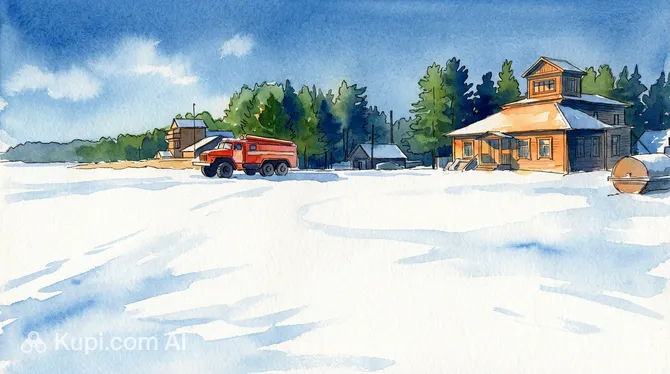
Yerbogachen. Source: Kupi.Binoculars

The geography of the area is defined by its rugged beauty and extreme continental climate, characterized by long, snowy winters and short, warm summers. With a population of approximately 1,300 residents, the settlement maintains a quiet, close-knit community atmosphere. While the environment can be challenging, it is precisely this isolation that preserves the pristine nature and traditional ways of life found here.

Literature enthusiasts may find the history of Yerbogachen particularly fascinating, as it is closely linked to the famous Russian writer Vyacheslav Shishkov. The settlement is widely considered the prototype for the location described in his classic novel, Gloomy River (Ugryum-river). Visitors can learn more about this literary connection and the region's past at the local Regional Studies Museum named after V.Y. Shishkov, which stands as a key cultural attraction.

Beyond its literary fame, Yerbogachen is a gateway to the cultural heritage of the indigenous Evenki people. The surrounding taiga offers opportunities for those interested in ethnography and nature to observe traditional lifestyles and enjoy outdoor activities like fishing on the majestic Nizhnyaya Tunguska. If you are seeking an authentic Siberian adventure and a chance to witness the resilience of life in the North, Yerbogachen is a destination worth discovering.

Weather Overview

Travelers visiting this remote Siberian settlement should be prepared for a distinctively continental climate. The weather in Yerbogachen is defined by extreme contrasts between the seasons. Winters are typically long and intensely cold, with January averages sitting around -27.3°C and minimum temperatures occasionally plunging to -30.9°C.

Conversely, the short summer season brings pleasant warmth to the region. July is generally the hottest month, featuring an average temperature of 18.9°C and daily highs that can reach 24.4°C. While precipitation volume is recorded as quite low year-round—often just 1mm or 2mm a month—there are still a fair number of wet days, particularly in late summer and early autumn.

Expect warm summers with occasional rain and cold, dry winters.

Interesting Facts

Beyond the main attractions, Yerbogachen holds many fascinating secrets that highlight its unique position in the Siberian wilderness. This remote settlement is defined not just by its literary fame, but by the extreme conditions and deep history that shape daily life.

  • Ancient Roots: Established in 1786, Yerbogachen is the oldest settlement in the Katangsky District. It began as a winter outpost for hunters and traders before evolving into a permanent village, surviving centuries of isolation in the deep taiga.

  • A Name with Meaning: The name of the town is derived from the local Evenki language. It is believed to come from the word yerbogachimo, which translates to "a hill resembling a head," referring to a distinctive hill located on the opposite bank of the Nizhnyaya Tunguska River.

  • Extreme Cold: Yerbogachen is known as one of the "poles of cold" within the Irkutsk region. It frequently records temperatures lower than many other Siberian cities, with historical absolute minimums dropping below -61°C, testing the resilience of its inhabitants every winter.

  • Seasonal Isolation: For much of the year, the settlement is effectively an island in the forest. During the transitional seasons of spring and autumn, it is accessible only by air. Ground transport is limited to "zimniks" (winter ice roads) that operate only when the swamps and rivers are frozen solid.

How to Get There

Reaching this remote settlement in the Irkutsk Oblast requires careful planning due to its isolated location in the Siberian taiga. While ground access is often limited to seasonal winter roads, air travel remains the most reliable year-round option. For a complete overview of routes and logistics, you can consult our detailed guide on how to get to Yerbogachen.

The most direct entry point is the local Yerbogachen Airport (ERG). As a small regional hub with an annual passenger traffic of approximately 22,000 people, it serves as the primary lifeline for the community. The airport is conveniently located just 0.7 km from the center of the settlement. Due to this immediate proximity, the terminal is essentially within walking distance or a very short drive from the main town, making arrival remarkably simple compared to other Siberian destinations.

Travelers might also consider flying into Talakan airport (TLK), which is a larger transport hub serving over 300,000 passengers annually. However, it is important to note that this airport is located approximately 227 km away from Yerbogachen. Connecting travel from Talakan can be challenging and time-consuming, often taking roughly 6 hours by road, and is highly dependent on the condition of seasonal routes.

For clarity, here is a summary of the main airports:

Airport Name City Passenger Traffic Km from City
Yerbogachen Airport Yerbogachen Small 0.7
Talakan Talakan Medium 226.9

Main Attractions

Although Yerbogachen is a small and remote settlement, its cultural and natural landmarks offer a profound connection to the history of Siberia. The most prominent attraction is undoubtedly the V.Y. Shishkov Regional Museum. This institution is dedicated to the renowned writer Vyacheslav Shishkov, who immortalized the region in his epic novel Gloomy River. Visitors can explore fascinating exhibits that display personal belongings of the author, manuscripts, and photographs that trace the literary heritage of the area.

Beyond literature, the museum serves as an essential repository of local ethnography. It houses a rich collection of artifacts related to the Evenki people, the indigenous inhabitants of the Katangsky District. Tourists can view traditional clothing, hunting tools, and household items that reveal the ingenuity required to survive in the harsh taiga. The displays provide a rare insight into the spiritual and daily life of the Evenks, making it a must-visit for anyone interested in anthropology and northern cultures.

The Nizhnyaya Tunguska River itself is a major natural attraction that draws adventurers and nature lovers. Known as the "Gloomy River" in literature, it offers breathtaking scenery characterized by rocky cliffs and dense pine forests lining its banks. In the summer months, the river becomes a hub for boating and fishing enthusiasts seeking catches like grayling and taimen. The pristine waters and the silence of the surrounding wilderness create a tranquil atmosphere that is hard to find elsewhere.

Overlooking the settlement is the distinctive Yerbogachen Hill, a geographical landmark from which the village derives its name. In the local language, the name signifies a hill that resembles a human head. This natural formation is not only a point of orientation but also offers a vantage point for observing the vast, endless taiga that encircles the community. It stands as a silent sentinel, reminding visitors of the ancient roots of this isolated outpost.

For those interested in local architecture and spiritual life, the Church of St. Nicholas is worth a visit. This small wooden church represents the spiritual resilience of the community. While modest in size, its traditional timber construction blends harmoniously with the Siberian landscape, offering a peaceful place for reflection amidst the rugged environment of the Far North.

Local Cuisine

The culinary landscape of Yerbogachen is defined entirely by the surrounding taiga and the majestic Nizhnyaya Tunguska River. In this remote corner of Siberia, food is not just sustenance but a reflection of survival and harmony with nature. Tourists should not expect gourmet restaurants or international chains; instead, the local cuisine offers an authentic taste of the North, relying heavily on hunting, fishing, and gathering wild plants.

Fish is the undisputed staple of the local diet. One of the most famous dishes you must try, especially if visiting in winter, is stroganina. This Northern delicacy consists of thin slices of frozen raw fish, typically whitefish or broad whitefish, served with a mixture of salt and black pepper. Another popular way to enjoy the river's bounty is ukha, a rich and clear fish soup cooked over an open fire, often utilizing the fresh catch of the day like grayling or pike. The freshness of the ingredients gives these simple dishes an unparalleled flavor.

Meat dishes in Yerbogachen often feature wild game, reflecting the area's hunting traditions. You might encounter hearty stews or roasts made from elk (moose) or wild fowl. These meals are typically accompanied by sauces or side dishes made from locally gathered berries. Lingonberries and cranberries are abundant in the forests and are used to add a tart contrast to rich meats, as well as in baking and desserts. The influence of traditional Evenki culture is also evident in the preparation of dried meats and simple flatbreads suited for long journeys in the forest.

When it comes to beverages, the locals prefer drinks that warm the soul and boost immunity. Taiga tea is a common staple, brewed with a blend of wild herbs such as thyme, currant leaves, and rose hips gathered from the nearby woods. For something refreshing, try mors, a non-alcoholic berry drink made from cranberries or lingonberries, packed with vitamins. While alcohol is available, the traditional hospitality often involves sharing these homemade herbal and berry infusions.

The food culture here is centered around the home and the hearth. Due to the small population, Yerbogachen does not have a developed restaurant scene. Visitors will likely find their meals at small local canteens, guesthouses, or widely shared at the tables of hospitable residents. For adventurous travelers, the best dining experience is often a meal cooked outdoors over a campfire, where the smoky aroma blends with the fresh air of the Siberian wilderness.

Travel Tips

Visiting Yerbogachen is less of a standard vacation and more of a true expedition into the depths of the Siberian wilderness. To ensure your journey to this remote settlement is safe and comfortable, here are some essential practical tips to help you prepare for the unique conditions of the Far North.

  1. Clothing and Gear: Your wardrobe depends entirely on the season. In winter, extreme cold protection is non-negotiable; bring thermal underwear, a heavy down parka, insulated trousers, and authentic felt boots (valenki) or rated arctic footwear. In summer, the weather is warm, but the taiga is filled with biting insects. You must bring high-quality insect repellent, mosquito nets for your face, and long-sleeved clothing to protect against midges and mosquitoes.

  2. Transportation: Yerbogachen is a compact settlement with a population of around 1,300, so there is no public transport system like buses or metros. The entire village is walkable, and the airport is just a short stroll from the center. There are no ride-hailing apps like Uber or local taxi services; if you need to transport heavy luggage or travel further afield, you will likely need to negotiate a ride privately with a local resident.

  3. Finances: Cash is absolute king here. While there may be a terminal in a local shop, internet connections can be unstable, rendering cards useless. Bring enough Russian Rubles in cash from a major city like Irkutsk to cover your entire stay. There is typically only one bank branch (Sberbank) or ATM in such settlements, and relying on it being operational is risky.

  4. Health and Safety: The local pharmacy (apteka) has limited stock and is certainly not open 24/7. It is crucial to bring a comprehensive personal first-aid kit and a supply of any prescription medications you need. Regarding safety, the village itself is peaceful, but the surrounding nature poses real risks. The taiga is home to wild animals, including bears; never wander into the forest without an experienced local guide.

  5. Communication: Do not expect to find English speakers in Yerbogachen. Knowledge of Russian is essential for daily interactions, so bring an offline translation app or a phrasebook. Mobile coverage is available but can be spotty; major Russian operators like MTS or Megafon usually offer the best chance of a signal. Wi-Fi is rare and typically found only in private homes or administrative buildings.

  6. Local Etiquette: Hospitality in the North is warm but reserved. If you are invited into a local home, it is mandatory to remove your shoes at the door. It is also polite to bring a small gift for the host, such as tea or sweets. When interacting with locals, be respectful of their resilience and self-sufficiency; complaining about the lack of urban amenities is considered poor manners.

  7. What to Avoid: Avoid drinking raw water directly from the river, despite its clean appearance; always boil it or drink bottled water. Additionally, do not photograph local residents without their explicit permission, especially elders or those practicing traditional activities, as this can be seen as intrusive.

  8. Supply Planning: Due to the remote location, shops in Yerbogachen have a limited selection of goods, and prices can be higher due to transport costs. If you have specific dietary requirements or crave certain "luxury" snacks (like good coffee or chocolate), purchase them in a larger city before your flight.

A trip to Yerbogachen is an unforgettable experience for the adventurous soul willing to embrace the rugged beauty of Siberia. By packing wisely and respecting the local way of life, you will be warmly welcomed into this resilient community on the banks of the Nizhnyaya Tunguska.

Entertainment & Nightlife

Travelers expecting the neon lights, thumping bass, and 24-hour cocktail bars of a metropolis will find Yerbogachen to be a completely different world. "Nightlife" here is not defined by commercial entertainment but by the profound silence of the Siberian taiga and the close-knit warmth of the community. In this remote settlement of 1,300 people, the evening atmosphere is peaceful, intimate, and deeply connected to nature.

The primary hub for all social activity and entertainment in the village is the "Sozvezdie" Cultural Center (District House of Culture). Located on Aviatorov Street, this venue serves as the beating heart of Yerbogachen's social life. It acts as a concert hall, cinema, and meeting place all in one. On weekends and holidays, it often hosts discos and dance evenings which are the closest experience you will find to a "club" atmosphere. These events are community-focused, welcoming locals of all ages, and offer a rare chance to mingle with residents in a relaxed setting.

For a more serene evening experience, the Nizhnyaya Tunguska Riverbank transforms into the village's main promenade. In the summer months, when the "White Nights" phenomenon keeps the sky bright until late, locals gather here for evening strolls, fishing, or simply sitting by the water to watch the sunset reflect off the rocky cliffs. It is a bustling spot in its own right, where the "crowd" consists of neighbors catching up and families enjoying the fresh air.

Another unique "venue" for night entertainment is Yerbogachen Hill. While it requires a short hike, it is the premier spot for stargazing. Due to the complete absence of light pollution from large cities, the night sky here is incredibly vivid. In winter, lucky visitors might even witness the Northern Lights (Aurora Borealis) dancing above the taiga—a spectacular natural light show that rivals any laser display in a city club.

Dining out late is not part of the local culture. There are no dedicated bars or late-night restaurants; the few local canteens and cafes typically close by early evening. If you wish to enjoy a drink, the custom is to buy supplies at a local grocery store before they close and enjoy them at your guesthouse or by a campfire. Be aware that alcohol sales may be restricted during holidays or specific hours, so it is wise to plan ahead.

When venturing out at night, practicality is key. Street lighting can be sparse on the outskirts, so carrying a flashlight is essential. The village is generally very safe in terms of crime, but the real danger lies in the environment. In winter, temperatures drop rapidly after dark, requiring serious thermal clothing. Additionally, because the settlement is surrounded by wild forest, it is strictly advised not to wander beyond the village limits at night to avoid encounters with wildlife, including bears.

Daytime entertainment complements the quiet nights. Cultural immersion continues at the V.Y. Shishkov Regional Museum, where you can learn about the area's literary history. For those seeking active leisure, the local administration and cultural centers occasionally organize ethnographic workshops or traditional sports competitions, offering a glimpse into the rich heritage of the Evenki people.

Parks & Museums

In a remote settlement like Yerbogachen, surrounded by hundreds of kilometers of dense Siberian taiga, the concept of urban parks and museums takes on a different meaning. Here, nature itself serves as the grandest park, and the preservation of local history is concentrated in intimate, community-driven venues. Visitors will not find manicured botanical gardens or sprawling art complexes, but rather authentic sites that reflect the deep connection between the residents, the harsh environment, and their rich cultural heritage.

Nizhnyaya Tunguska Riverbank acts as the settlement's primary natural recreational area. While it lacks the paved paths of a city promenade, this "wild park" offers the most scenic walking routes in the area. In summer, the grassy banks become a communal space where locals gather to enjoy the fresh air, launch boats, or simply watch the majestic flow of the river. It is an ideal spot for a picnic with a view of the rocky cliffs on the opposite shore, offering a peaceful retreat that captures the raw beauty of the region.

For those willing to engage in a bit of hiking, Yerbogachen Hill serves as a natural observation deck and a beloved local landmark. Rising above the village, this hill—which gives the settlement its name—is covered in pine and birch forests that function as a natural garden. It is a popular destination for berry picking and gathering wild herbs in late summer. The climb rewards visitors with a panoramic view of the wooden rooftops of the village and the endless green ocean of the taiga stretching to the horizon.

The cultural heart of the village is the V.Y. Shishkov Regional Museum. Housed in a historic wooden building, this institution is far more than a simple local history display. It is a tribute to the famous writer Vyacheslav Shishkov and his seminal novel Gloomy River (Ugryum-reka), which was inspired by this very region. The museum's literary section features manuscripts and personal items, while the ethnographic halls display an impressive collection of Evenki artifacts, including fur clothing, hunting skis, and shamanic items, offering a deep dive into the indigenous soul of the North.

While not a museum in the traditional sense, the "Sozvezdie" Cultural Center frequently functions as a gallery for local creativity. It often hosts temporary exhibitions of local handicrafts, children's art, and photography that depict life in the Katangsky District. It is the best place to see contemporary expressions of local culture and perhaps purchase a unique souvenir made by a resident artisan.

Among the historical landmarks, the Church of St. Nicholas stands out as a significant architectural site. This wooden church is a testament to the revival of spiritual life in the region. Its simple yet elegant timber construction reflects the traditional Siberian style, blending harmoniously with the surrounding landscape. Nearby, you will typically find the village's War Memorial, a modest but well-tended square dedicated to the locals who served in World War II, serving as a quiet place for reflection and remembrance.

For a truly authentic experience, ask a local guide to show you the start of the "Zimnik" (Winter Road) on the edge of the village. In the warmer months, it looks like a simple track disappearing into the swampy forest, but standing there gives you a visceral sense of the isolation and extreme logistics that define life here. It is a poignant reminder of the resilience required to connect this outpost with the rest of the world.

Getting Around

Travelers planning a trip to Yerbogachen should be aware that due to the settlement's small population and compact size, there is no formal public transport system. You will not find buses, trams, trolleybuses, or a metro network here. The infrastructure is designed for a close-knit community where a centralized transit authority is not required for daily mobility.

The most practical and common way to get around is simply walking. The entire village is accessible on foot, and you can traverse the main streets in a very short time. Key locations such as the regional museum, local shops, the cultural center, and the riverbank are all located within close proximity to one another. Consequently, visitors do not need to worry about purchasing travel passes, validating tickets, or memorizing route maps.

Regarding alternatives like taxis, there are no official taxi companies or ride-hailing apps (such as Uber or Yandex Go) operating in the area. Transportation for longer distances or for carrying heavy luggage relies entirely on private arrangements. If you need a ride, it is customary to negotiate with a local resident or ask your accommodation host to assist you. In these informal scenarios, payment is strictly cash-only, and it is polite to agree on a price before starting the journey.

A unique aspect of Yerbogachen's logistics is the location of the airport. It is situated just under a kilometer from the village center, making it one of the rare destinations where walking from the terminal to your lodging is a realistic option. However, during the harsh winter months, walking with luggage can be difficult due to snow and extreme cold, so arranging a pickup in advance through your host is highly advisable.

While there is no urban transit, the Nizhnyaya Tunguska River acts as a vital transport artery. In summer, private motorboats are the main vehicles for accessing the surrounding wilderness, while in winter, snowmobiles become the preferred mode of transport for locals navigating the frozen terrain. Although these are not public services, they represent the true "transport spirit" of this remote Siberian outpost.

Accommodation

Finding a place to stay in Yerbogachen requires a shift in expectations compared to visiting a standard tourist destination. As a remote settlement with a population of just over 1,300 people, there is no developed hospitality industry with international chains, luxury resorts, or large commercial hotels. Instead, the accommodation landscape is modest, practical, and deeply integrated into the local community.

The primary options for visitors are small, locally run guesthouses or rooms within private homes. These establishments are typically basic but clean, offering a warm bed and shelter from the harsh Siberian elements. Facilities are often shared, and the amenities are simple, reflecting the self-sufficient lifestyle of the taiga. For travelers, staying in these places offers a unique opportunity to experience authentic local hospitality and gain insight into daily life in the Far North.

In terms of location, the entire village is compact enough that "neighborhoods" are not a significant factor. Most accommodation is situated within walking distance of the Yerbogachen Airport and the administration buildings. Staying near the center is convenient for accessing the few local shops and the museum. Alternatively, finding a spot closer to the banks of the Nizhnyaya Tunguska River can offer scenic views and a quieter atmosphere, though you are never far from the edge of the wilderness.

Booking Tips: Do not rely on major global booking platforms like Booking.com or Airbnb, as they rarely list properties in such isolated locations. Arrangements are almost exclusively made by phone or through personal recommendations. It is crucial to secure your accommodation before you arrive, especially during the winter months when turning up without a place to stay can be dangerous due to the extreme cold. If you have contacts in the region or are visiting for a specific purpose (such as an expedition), ask your local hosts to assist with reservations.

Prices and Payment: The cost of staying in Yerbogachen is generally affordable, falling into the budget to mid-range category. However, prices can sometimes be higher than expected for the level of comfort provided, simply due to the scarcity of options and the high cost of maintaining buildings in such a severe climate. Be aware that credit card terminals are virtually non-existent for lodging payments. You must bring sufficient cash in Russian Rubles to cover your entire stay, as ATMs may be unreliable or unavailable.

Nearby Cities

For those looking to explore the surroundings, Yerbogachen serves as an excellent base for planning trips to several interesting nearby locations. While the scale of Siberia means that "nearby" can still involve significant travel, the following cities offer unique cultural and industrial insights into life in the Far North.

Mirny is arguably the most famous neighbor, known globally as the diamond capital of Russia. Located in the Sakha Republic (Yakutia), it is home to the colossal Mir mine, an open-pit diamond mine that is one of the largest excavated holes on Earth. Visitors are drawn here to witness the sheer scale of the kimberlite pipe and to visit the local museum dedicated to the history of diamond mining in the permafrost.

Another historically significant destination is Ust-Kut. Situated at the confluence of the Kuta and Lena rivers, it is one of the oldest Russian settlements in Eastern Siberia. Often referred to as the "Gateway to the North," it serves as a critical transport hub where the Baikal-Amur Mainline (BAM) railway meets the river port. It offers travelers a mix of industrial heritage and beautiful river landscapes.

Lensk offers a picturesque setting on the banks of the majestic Lena River. As a key logistical center for the diamond industry, it is a bustling town that maintains a strong connection to the river. The town features a scenic embankment that is perfect for walking and observing the river traffic that sustains these remote northern communities.

City Population Distance (km)
Ust-Ilimsk 81,976 472
Ust-Kut 41,689 516
Mirny 35,223 343
Zheleznogorsk-Ilimsky 23,643 569
Lensk 23,479 378

These nearby destinations offer a glimpse into the diverse culture and landscapes of the region, ranging from industrial marvels to historic river ports.

Shopping & Souvenirs

Shopping in Yerbogachen is a reflection of its remote, self-sufficient character. Visitors should not expect to find fashion boutiques, sprawling commercial centers, or international brand chains. Instead, the retail experience here is strictly practical, focused on providing the approximately 1,300 residents with essential goods for daily life in the Siberian taiga. The local shops function as general stores, offering a mix of groceries, household items, warm clothing, and outdoor gear necessary for survival in the harsh climate.

There are no designated shopping districts or pedestrian promenades in the settlement. Most commercial activity is concentrated in the center of the village, particularly along or near the main thoroughfares such as Aviatorov Street. Here, you will find small, privately owned shops—often referred to as "magazin"—that serve as community hubs. These establishments are unpretentious and stock a little bit of everything, from canned food and bread to fishing tackle and rubber boots.

It is important to clarify that Yerbogachen does not have any shopping malls or department stores. The concept of recreational shopping does not exist here in the urban sense. The stores are purely functional, designed to keep the community supplied during the long periods of isolation. If you require specialized equipment, electronics, or luxury items, it is strongly advised to purchase them in a major city like Irkutsk before your arrival.

While there is no formal central market hall, the spirit of a marketplace exists in the informal trade among locals. Fresh produce is often seasonal and limited, but you may find residents selling goods harvested directly from the surrounding nature. Depending on the season, this can include fresh fish from the Nizhnyaya Tunguska River, wild game, or buckets of freshly picked berries like lingonberries, cranberries, and cloudberries. These transactions are often cash-only and rely on personal interactions rather than fixed stalls.

For travelers seeking souvenirs, the best finds are authentic local products rather than mass-produced trinkets. The region is home to the indigenous Evenki people, and you may be able to find traditional handicrafts such as intricate beadwork, fur items, or leather goods. Another excellent gift to bring back is the taste of the North: smoked or dried fish (yukola) and jars of wild berry jam are highly prized for their quality and natural flavor. These items are typically found by asking locals or visiting the small general stores.

Store opening hours are generally standard, usually operating from around 9:00 AM to 7:00 PM or 8:00 PM. However, smaller shops may close for a lunch break in the afternoon, often between 1:00 PM and 2:00 PM. On weekends, hours may be reduced. Regarding payment, cash is the absolute standard. While some shops might have card terminals, internet connectivity can be unreliable, making electronic payments risky. Always carry enough Russian Rubles to cover your purchases. Tax-free shopping (VAT refund) is not available in this remote settlement.

Reached the end of the page?

That means the route is fully explored