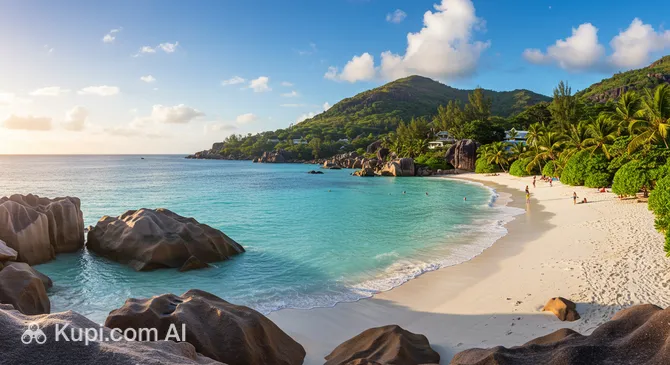
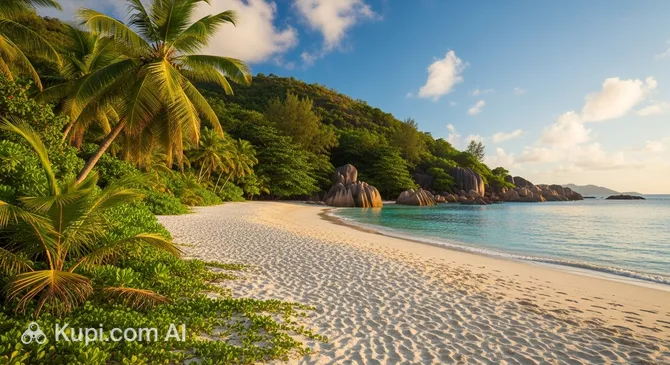
Welcome to Praslin, a tropical paradise that perfectly embodies the laid-back charm of the Indian Ocean. As the second-largest island in the stunning Seychelles Islands, it offers a quieter, more intimate alternative to the bustling main island of Mahé. With a population of approximately 7,500 residents, Praslin strikes a balance between unspoiled nature and comfortable amenities, making it a top destination for travelers seeking tranquility.
The island's geography is defined by rolling hills covered in lush jungle, fringed by some of the world's most beautiful beaches. Exploring the history of Praslin reveals a fascinating past, from its days as a hideout for pirates to its agricultural heritage. The island was once named "Isle de Palmes" by early explorer Lazare Picault, a testament to its magnificent palm forests that still captivate visitors today.
Praslin. Illustration.
Source: Kupi.com AI
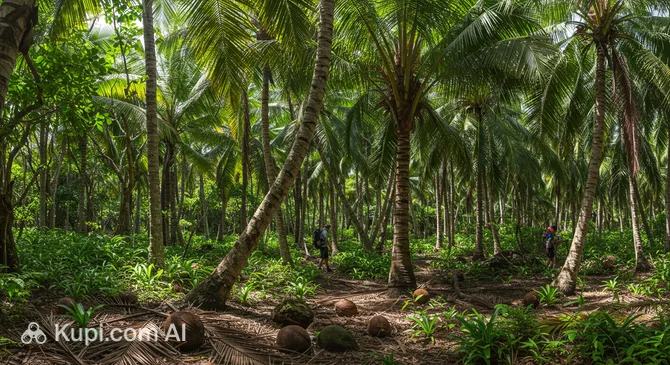
Praslin is globally renowned for the Vallée de Mai Nature Reserve, a UNESCO World Heritage site often described as the real-life Garden of Eden. Here, you can see the famous Coco de Mer, the world's largest seed, growing in its natural habitat. Beach lovers will be equally enchanted by Anse Lazio and Anse Georgette, frequently cited among the best beaches on the planet for their powdery white sands and turquoise waters.
Whether you are hiking through ancient forests or snorkeling in crystal-clear bays, Praslin promises an unforgettable escape. It is an essential stop for anyone wanting to experience the true essence of island life and immerse themselves in breathtaking natural beauty.
Weather Overview
Praslin enjoys a warm, tropical climate that makes it an inviting destination at any time of the year. The island is known for its remarkable temperature stability, with daily averages consistently hovering between 25°C and 28°C. March and April are typically the warmest months, where temperatures can reach highs of around 28.7°C, while July and August offer slightly cooler and more comfortable conditions with averages near 25.4°C.
Rainfall is a regular part of the island's ecosystem, contributing to its lush, green landscapes. You can expect frequent showers throughout the year, with the number of wet days ranging from 12 to 25 days per month. May tends to be the wettest month in terms of frequency, while March is generally drier. To plan your trip around the rain showers and sunshine, we recommend checking the detailed weather in Praslin before you travel.
Interesting Facts
Beyond the main attractions, Praslin holds many fascinating secrets and legends that add depth to its tropical beauty. From myths of underwater forests to rare wildlife found nowhere else on Earth, here are some intriguing facts about the island.
The Garden of Eden Legend: In the late 19th century, British General Charles Gordon visited the island and became convinced that the Vallée de Mai Nature Reserve was the biblical Garden of Eden. He theorized that the unique Coco de Mer palm was actually the Tree of Knowledge of Good and Evil, a belief sparked by the suggestive shape of its massive seeds.
The "Sea Coconut" Mystery: Long before the island was settled, sailors found giant nuts floating in the Indian Ocean but could never locate the parent trees on land. This led to the widespread belief that they grew on mythical underwater trees, earning them the name coco de mer (coconut of the sea), a moniker that remained even after the palms were finally discovered on Praslin.
Exclusive Home of the Black Parrot: Praslin is the only place in the world where you can spot the Seychelles Black Parrot in the wild. This rare and elusive bird, which is the national bird of the Seychelles, nests in the hollow trunks of ancient palms within the Praslin National Park.
A Larger Hidden Gem: While often overshadowed by its UNESCO-listed neighbor, Fond Ferdinand is actually six times larger than Vallée de Mai. Locals know it as the best spot for panoramas, as the summit trail offers a rare 360-degree view where you can see up to ten surrounding islands on a clear day.
Vallée de Mai Nature Reserve. Illustration.
Source: Kupi.com AI
Traveler photos:
How to Get There
Reaching this tropical haven is part of the adventure, with most connections routing through the main island of Mahé. Whether you prefer a scenic flight or a ferry ride across the Indian Ocean, the journey offers stunning views before you even arrive. You can find out more about all ways to reach the city and plan your transfer in our detailed guide.
The primary gateway for international travelers is Seychelles International Airport (IATA: SEZ), located in the city of Victoria on Mahé Island. Although it is situated approximately 45 km from Praslin, it is the busiest hub in the archipelago. From here, visitors can easily transfer to a domestic flight or head to the ferry terminal for the crossing.
For those seeking direct access, the destination is served by Praslin Island Airport (IATA: PRI). This facility is conveniently located just over 6 km from the center of Praslin. It mainly handles domestic flights from Mahé. Once you land, the travel time to the main hotel areas by taxi or bus is typically around 30 minutes.
For clarity, here is a summary of the main airports:
Praslin is a treasure trove of natural wonders, offering visitors a mix of prehistoric forests, pristine coastlines, and vibrant local culture. While the island is famous for its relaxed atmosphere, its key sites provide plenty of opportunities for exploration and discovery. Here are some of the most captivating places to visit during your stay.
Undoubtedly the island's crown jewel, the Vallée de Mai Nature Reserve is a prehistoric palm forest that feels like stepping back in time. This UNESCO World Heritage Site is the heart of the island's ecosystem and offers a network of well-maintained trails that allow visitors to wander beneath the gigantic fronds of the rare Coco de Mer palms. It is a mesmerizing experience for nature lovers, offering the chance to spot unique wildlife such as the rare black parrot and various indigenous reptiles in their natural habitat.
Vallée de Mai Nature Reserve. Illustration.
Source: Kupi.com AI
Traveler photos:
For those seeking a perfect blend of relaxation and activity, Côte d'Or Beach (also known as Anse Volbert) is the island's main tourist hub. Unlike the more secluded bays, this sweeping stretch of white sand is bustling with life, lined with hotels, dive centers, and restaurants. The water here is calm and shallow, making it ideal for swimming and water sports. It serves as a great starting point for boat excursions to nearby islets, offering a lively atmosphere that contrasts with the island's quieter corners.
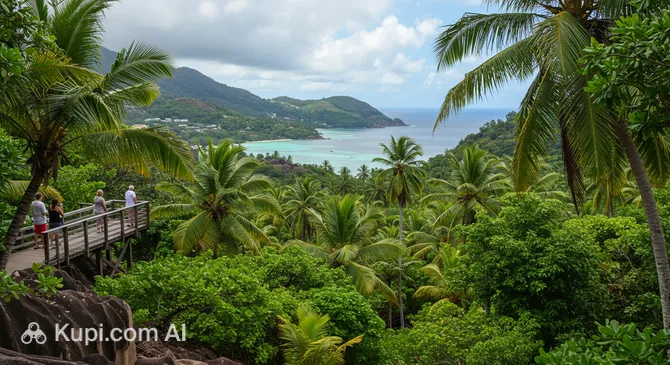
Often referred to as the "people's park," Fond Ferdinand offers a fantastic alternative to the more famous Vallée de Mai. This reserve is significantly larger and richer in terms of endemic plant species. Visitors particularly appreciate the guided tours, which are informative and often included in the entrance fee. The highlight of a visit here is the hike to the viewpoint at the summit, which rewards energetic travelers with breathtaking panoramic views over Baie Ste Anne and the surrounding islands.
Fond Ferdinand. Illustration.
Source: Kupi.com AI
Traveler photos:
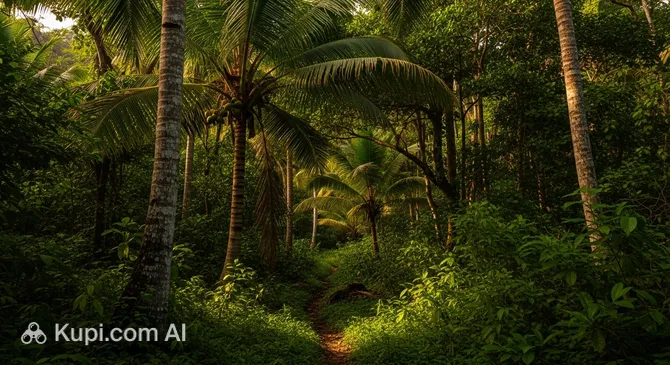
Encompassing a significant portion of the island's interior, Praslin National Park protects the lush, green heart of Praslin. While the Vallée de Mai is contained within it, the wider park area preserves a vast tract of upland forest that is crucial for the island's biodiversity. Exploring the park's boundaries reveals the rugged beauty of Praslin's terrain, characterized by laterite soil and dense vegetation that creates a stunning contrast against the blue sky.
Praslin National Park. Illustration.
Source: Kupi.com AI
Traveler photos:
To experience the marine beauty of the Seychelles without getting wet, consider booking a trip with Glass Bottom Boat Tours, Praslin. These excursions offer a window into the vibrant underwater world of the Curieuse Marine National Park. It is an excellent activity for families and those who want to observe coral reefs, colorful fish, and occasionally sea turtles, all while enjoying a scenic boat ride along the picturesque coastline.
Local Cuisine
The culinary scene in Praslin is a delightful reflection of Seychellois culture, offering a fusion of African, French, Chinese, and Indian influences known as Creole cuisine. Given its location, it is no surprise that fresh seafood takes center stage. A must-try dish is grilled fish, often Red Snapper or Jobfish, marinated in garlic, ginger, and chilies, and wrapped in banana leaves. Another local favorite is the rich and flavorful Octopus Curry (Curry Zourite), usually prepared with coconut milk and served with steaming white rice and papaya chutney.
To accompany your meal, you will find an abundance of refreshing drink options. During the day, nothing beats the hydration of fresh coconut water, often sipped directly from the nut. For something with a bit more kick, locals enjoy SeyBrew, the national lager, or cocktails made with the locally produced Takamaka Rum. You might also encounter Calou, a traditional fermented palm wine that offers a unique taste of the island's heritage.
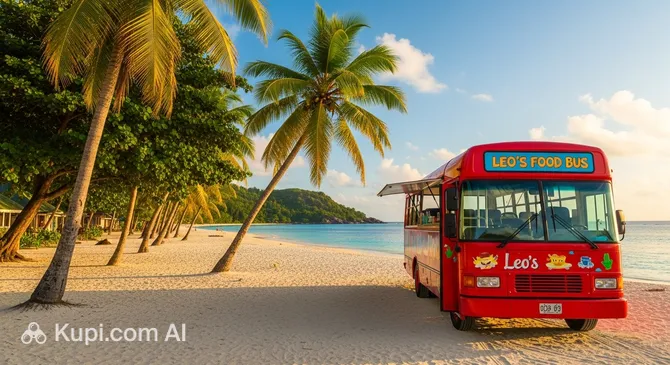
The food culture in Praslin is relaxed and diverse, ranging from upscale dining in resort hotels to the beloved local tradition of "takeaways." These casual roadside stalls offer generous portions of Creole classics at affordable prices and are a favorite among both residents and tourists. A popular spot to experience this authentic style of dining is Leo's Food Bus, where you can grab a delicious box of curry or grilled meat to enjoy by the beach.
Leo's Food Bus. Illustration.
Source: Kupi.com AI
Traveler photos:
For those looking to combine good food with a lively atmosphere, Zilwa Reggae Bar & Cafeteria offers a fantastic setting. It is a great place to unwind after a day of exploration, serving hearty meals alongside cool drinks in a venue that captures the easygoing rhythm of island life. Whether you are snacking on breadfruit chips or indulging in a sweet Ladob dessert made from plantains and coconut milk, the flavors of Praslin are sure to be a highlight of your trip.
Travel Tips
Planning a trip to Praslin is the first step toward a dream vacation, but knowing a few local insights can make your stay even smoother and more enjoyable. To help you navigate the island with ease, we have compiled a list of practical tips covering everything from getting around to respecting local customs.
Clothing and Gear: Given the tropical climate, pack lightweight, breathable fabrics like cotton or linen to stay cool. Casual beachwear is the norm, but bring a cover-up or sarong for walking around towns or visiting shops. A sturdy pair of sandals is essential, and we highly recommend packing water shoes to protect your feet from sharp coral and rocks while snorkeling. Don't forget a universal travel adapter (Type G is standard) and high-SPF sunscreen.
Transportation: While public buses are a very affordable way to see the island, they can be infrequent and often stop running around sunset. For maximum flexibility, renting a small car is the best option, allowing you to explore hidden beaches at your own pace. Taxis are available but can be quite expensive compared to other options. If you choose to drive, remember that traffic flows on the left side of the road.
Finances: The local currency is the Seychellois Rupee (SCR). While many hotels and large restaurants accept Euros or credit cards, you will need Rupees for bus fares, small grocery stores, and local "takeaway" food stands. ATMs are available in the main settlements of Baie Ste Anne and Grand Anse. It is wise to carry some cash, as smaller vendors may not have card machines. Tipping is not mandatory but is appreciated for good service.
Health and Safety: Praslin is generally very safe, but it is always wise to keep an eye on your belongings on empty beaches. A specific nuisance to be aware of is the sandfly (sand flea), which can be found on some beaches; using an oil-based repellent or coconut oil can help prevent bites. Pharmacies are located in the main villages, but they may close early or on Sundays, so bring a basic first-aid kit and any prescription medications you need.
Communication: You will have no trouble communicating, as English and French are official languages alongside Seychellois Creole. Most locals are trilingual. A simple "Bonzour" (Hello) in Creole is a friendly way to start a conversation. Wi-Fi is standard in hotels, but for reliable mobile data while exploring, you can purchase a local SIM card from providers like Airtel or Cable & Wireless upon arrival at the airport or in local shops.
Local Etiquette: The vibe on Praslin is incredibly laid-back, operating on "island time," so patience is a virtue here. Greetings are polite and important; acknowledge people when entering a shop or boarding a bus. While swimwear is perfect for the beach, it is considered disrespectful to walk around villages, shops, or restaurants in just a bikini or swim trunks—always wear a shirt or cover-up when leaving the sand.
What to Avoid: Do not try to take any Coco de Mer nuts or shells out of the country without an official export certificate. It is illegal and strictly monitored at customs. Also, avoid standing or parking directly under coconut palms; falling coconuts are a genuine hazard and can cause serious injury or damage to vehicles.
Dining Tip: Do not miss out on the local "Takeaways". These are small roadside establishments serving delicious, authentic Creole curries and grilled fish at a fraction of the price of restaurant meals. They are a favorite among locals and offer a fantastic way to taste the real flavor of the island on a budget. Note that many close by early evening, so plan an early dinner.
Armed with these tips, you are ready to embrace the relaxed rhythm of Praslin and explore its wonders with confidence. Enjoy the warm hospitality, the stunning nature, and the unique Creole culture that makes this island so special.
Entertainment & Nightlife
Praslin is an island that embraces tranquility, and its entertainment scene reflects this laid-back philosophy. You will not find bustling nightclubs or neon-lit strips here; instead, the evenings are dedicated to relaxation, fine dining, and soaking up the romantic tropical atmosphere. Nightlife typically centers around the larger hotels and beach resorts, which welcome non-guests to enjoy their bars and live music events.
For a lively evening by the sea, the Paradise Sun Hotel is a popular choice. Located on the stunning Côte d'Or beach, it frequently hosts themed nights where guests can enjoy cocktails and dinner with their feet in the sand. Another excellent venue is the Acajou Beach Resort, known for its elegant timber architecture and inviting pool bar. It offers a sophisticated setting to unwind with a drink while listening to local bands playing smooth island rhythms.
Cultural enthusiasts should look out for traditional "Moutya" and "Sega" dance performances. These vibrant displays of Seychellois heritage, characterized by rhythmic drumbeats and expressive movements, are often organized by the resorts and provide a captivating glimpse into the island's history. Participating in or simply watching a Moutya dance around a bonfire is an unforgettable way to connect with the local spirit.
Shopping on Praslin offers a delightful break from the sun and sea. The island is dotted with small boutiques and art galleries, particularly in the areas of Baie Ste Anne and Grand Anse. Visitors can browse for unique souvenirs such as vanilla pods, locally crafted jewelry featuring black pearls, and colorful sarongs. Of course, the ultimate keepsake is the licensed Coco de Mer nut, but remember to purchase it only from certified dealers who provide the necessary export permits.
Parks & Museums
Praslin is a destination where nature itself serves as the grandest gallery, and the island's heritage is preserved as much in its living landscapes as in its buildings. While you will not find large-scale metropolitan museums here, the island offers intimate cultural venues and protected natural sanctuaries that allow visitors to connect deeply with the Seychellois environment and traditions.
Parks and Nature Reserves
While the island is famous for its UNESCO sites, the broader Praslin National Park offers more than just the famous palms. Covering a substantial part of the island's interior, this protected area is a haven for hikers seeking solitude. A highlight within the park, separate from the main tourist trails, is the Glacis Noir Trail. This route takes you through fire-adapted forests to a hilltop fire tower, offering commanding views over the east coast and a chance to spot the endemic black parrot away from the crowds.
For a different kind of natural splendor, Côte d'Or Beach acts as a vibrant seaside park and promenade. This sweeping bay is not just for swimming; it is the center of activity where visitors can admire the dramatic scenery of the Matavi Bay. The shallow, crystal-clear waters here are part of a thriving marine ecosystem, making it a perfect starting point for nature lovers to explore the coast or simply relax under the shade of takamaka trees.
Côte d'Or Beach. Illustration.
Source: Kupi.com AI
Traveler photos:
Just a short boat ride away lies the Curieuse Marine National Park. Although technically a separate island, it is inextricably linked to Praslin's eco-tourism. Known for its bare red earth and mangrove forests, it is a sanctuary for hundreds of Aldabra giant tortoises that roam freely. Visitors can easily access this park through local operators like Glass Bottom Boat Tours, Praslin, combining a marine adventure with a walk through history at the island's old leper colony ruins.
Museums and Galleries
The Praslin Museum is a charming, privately-owned establishment located near the Côte d'Or area. It offers a hands-on approach to culture, inviting visitors to participate in traditional activities like coconut dehusking and breadfruit preparation. The museum also features a garden of medicinal plants and a captive population of fruit bats, providing a fascinating insight into the island's ecology and the resourcefulness of its early inhabitants.
Another unique cultural attraction is the Black Pearl Ocean Farm (Pearl Farm de Praslin) near the airport at Grand Anse. It is the only pearl farm in the Indian Ocean region and offers tours where you can learn about the cultivation of the Black Lip Oyster and the giant clam. The on-site gallery showcases exquisite jewelry made from locally harvested pearls, blending marine biology with high-end craftsmanship.
Art lovers should seek out the small galleries scattered across the island, such as Rita's Art Gallery & Studio. These intimate spaces display the works of local artists who capture the vibrant colors and light of the Seychelles on canvas. They serve as cultural windows, reflecting the island's beauty through the eyes of those who call it home.
Historical and Architectural Sites
Praslin's architecture is modest yet evocative, characterized by colonial-style plantation houses and religious structures. St. Matthew’s Church in Grand Anse is a notable landmark, built in 1957. Its preserved architecture and community significance make it a peaceful stop for those interested in the island's recent history. Additionally, the Monument of National Unity in Baie Ste Anne stands as a symbol of the nation's harmony, featuring distinct abstract figures representing the Seychellois people.
Authentic Experiences
For a truly local experience, visit the Zimbabwe Viewpoint. Located on one of the highest points of the island, this spot is often overlooked by standard tours. The road up is steep, but the panoramic sunset views over the neighboring islands of Aride and Curieuse are unmatched, offering a quiet moment of reflection above the canopy.
Getting Around
The public transport system in Praslin is relatively simple, revolving primarily around a reliable and affordable bus network. As there are no railways, trams, or metro systems on the island, the bus service operated by the Seychelles Public Transport Corporation (SPTC) serves as the main mode of transit for locals and budget-conscious visitors. The buses are easily recognizable, typically blue or cream-colored, and they ply the island's two main roads: the coastal road that circles the island and the cross-island road that cuts through the interior past the Vallée de Mai.
For payment, the system is straightforward and wallet-friendly. Fares are charged at a flat rate regardless of the distance traveled, typically costing around 12 to 15 SCR per journey. While the transport authority is gradually moving toward cashless travel cards, visitors can generally still pay the driver directly in cash upon boarding. It is crucial to carry small denominations and coins, as drivers often have limited change for large banknotes.
When using the bus, tourists should keep a few practical tips in mind. Bus stops are usually marked by white markings on the road surface or simple shelters. To stop a bus, simply wave your hand as it approaches. Service hours generally run from 5:30 AM to roughly 7:00 PM. Frequency varies, with buses running every 30 to 60 minutes during the day, but service becomes significantly less frequent on Sundays and public holidays. Since buses stop running in the early evening, you should not rely on them for dinner outings or late-night travel.
Given the limitations of the bus schedule, many visitors opt for alternatives to explore the island with more freedom. Car rentals are extremely popular and widely available; having your own vehicle allows you to access secluded beaches and viewpoints that might be a long walk from the nearest bus stop. However, be prepared for narrow, winding roads with steep ascents. Taxis are another option, readily available at the airport, the jetty, and major hotels. They are convenient but significantly more expensive than the bus. Since taxis rarely use meters, it is essential to negotiate and agree on the fare with the driver before starting your journey.
For short distances, bicycle rentals are available, though they are best suited for the flatter coastal areas like the stretch along Côte d'Or. Cyclists should be aware that Praslin's terrain is quite hilly, making a ride across the island a physically demanding task unless you are fit or rent an electric bike. While there are no cable cars or historic trains, the bus ride through the lush interior near the national park offers a scenic experience in itself, providing elevated views of the forest canopy and the ocean beyond.
Accommodation
Accommodation in Praslin caters to a wide spectrum of travelers, ranging from high-end luxury resorts to charming, family-run guesthouses known locally as "self-catering" establishments. Unlike the more commercialized atmosphere of some larger islands, the lodging scene here retains a sense of intimacy and harmony with nature. Whether you are looking for a lavish suite with a private pool or a budget-friendly chalet tucked away in a tropical garden, the island offers options that allow you to wake up to the sounds of the ocean and the rustling palms.
When choosing where to stay, location is key. The most popular area for tourists is undoubtedly Côte d'Or (Anse Volbert) on the northeast coast. This area is the hub of the island's tourism, offering a long stretch of swimmable beach, numerous restaurants, and dive centers all within walking distance. Alternatively, Grand Anse on the southwest coast offers a convenient base with easy access to the airport and shops, though the beach here is less ideal for swimming during the trade wind season due to seaweed.
For those seeking a premium beachfront experience, the island boasts several renowned properties. The Paradise Sun Hotel is a favorite for its prime location on Côte d'Or, offering a relaxed, barefoot-luxury vibe where guests can step directly from their rooms onto the sand. Nearby, the Acajou Beach Resort stands out for its unique eco-friendly construction, built primarily from sustainable timber to blend seamlessly with its lush surroundings.
Prices in Praslin generally reflect its status as an exclusive destination, with luxury resorts commanding premium rates. However, mid-range and budget travelers can find excellent value in self-catering apartments, which also offer the flexibility of preparing your own meals. Booking platforms are widely used and are often the best way to secure competitive rates, though direct booking with smaller guesthouses can sometimes yield personalized offers.
Booking Tip: Praslin is a highly sought-after destination, especially during the peak European holiday seasons of December to January and July to August. To secure your preferred accommodation—particularly if you are eyeing a specific beachfront room or a popular guesthouse—it is highly recommended to book at least several months in advance.
Nearby Cities
For those looking to explore the surroundings, Praslin serves as an excellent base for day trips to several interesting nearby locations. While the island itself offers plenty to do, the archipelago's geography allows for convenient island-hopping to experience different atmospheres within a short distance.
Victoria, the capital of the Seychelles located on the main island of Mahé, is a bustling contrast to the quiet charm of Praslin. A day trip here allows visitors to explore the vibrant Sir Selwyn Selwyn-Clarke Market, admire the historic Clock Tower, and wander through the National Botanical Gardens. It offers a glimpse into the country's colonial history and modern culture, with a wider variety of shops and museums than anywhere else in the nation.
Another essential excursion is to the neighboring island of La Digue. Although not listed in the table below due to its close proximity and smaller scale, it is easily accessible via a short 15-minute ferry ride. La Digue is famous for its laid-back lifestyle where bicycles are the primary mode of transport. Visitors flock there to see the legendary granite boulders of Anse Source d'Argent and to experience a pace of life that feels even more relaxed than Praslin.
These nearby destinations offer a glimpse into the diverse culture and landscapes of the region, allowing travelers to experience both the vibrant capital life and the timeless serenity of smaller islands.
Shopping & Souvenirs
Shopping:
Shopping in Praslin is a relaxed and low-key affair, much like the lifestyle on the island itself. You will not find high-street fashion chains or massive department stores here. Instead, the retail scene focuses on quaint boutiques, small commercial centers, and family-run shops that offer essential goods and unique local craftsmanship. It is the perfect place to browse for authentic island treasures rather than international brands.
The main hubs for retail therapy are located in the two primary districts: Grand Anse and Baie Ste Anne. Grand Anse serves as the commercial heart of the island, featuring a variety of supermarkets, hardware stores, and banks. On the other side of the island, the area around Côte d'Or Beach (Anse Volbert) is more tourist-oriented. Here, you can stroll along the road parallel to the beach and find a selection of souvenir shops, art galleries, and boutiques selling beachwear and jewelry.
Regarding shopping malls, visitors should adjust their expectations. Praslin does not have large shopping malls in the western sense. The closest equivalents are small arcades or commercial complexes, such as the one at Grand Anse, which house a collection of distinct shops under one roof. These are practical spots to stock up on groceries or find pharmacy items, but they are not designed for a full day of leisure shopping.
While there is no central bustling market like in the capital Victoria, the island offers its own version of local commerce. Roadside stalls are common, particularly along the coastal roads, where locals sell fresh fruits like mangoes, papayas, and bananas, as well as freshly caught fish. These small, informal markets are excellent for buying organic snacks and engaging with friendly residents.
When it comes to souvenirs, Praslin is famous for the legendary Coco de Mer. The best place to inquire about purchasing this rare nut is at the Vallée de Mai Nature Reserve visitor center or licensed jewelry shops. It is crucial to ensure that any Coco de Mer you buy comes with an official export permit (green tag), as it is illegal to leave the country with one otherwise. Other popular keepsakes include locally cultivated vanilla, tea, coconut oil products, and exquisite jewelry made from Seychelles black pearls.
Opening hours on the island generally follow a traditional schedule. Most shops open around 8:00 AM or 9:00 AM and close by 5:00 PM on weekdays. On Saturdays, many businesses close early, around 1:00 PM, and Sundays are typically very quiet with most non-essential shops closed. Payment methods vary; while hotels, larger supermarkets, and tourist boutiques usually accept credit cards, it is highly recommended to carry the local currency, the Seychellois Rupee (SCR), for smaller transactions at roadside stalls or smaller stores.
For international travelers, the Seychelles offers a Tax-Free shopping scheme on certain goods purchased for export. If you buy items from registered "Tax-Free" outlets, you may be eligible for a VAT refund upon departure at the airport. Be sure to ask the shopkeeper for the necessary forms and keep your receipts handy to present at the customs counter before your flight.