Support

Cape Town

About

Cape Town is widely regarded as one of the most breathtaking cities in the world, offering a unique blend of natural beauty, vibrant culture, and urban sophistication. Located on the southwestern coast of South Africa, this coastal gem is affectionately known as the "Mother City." It sits majestically between the high slopes of iconic mountains and the sparkling waters of the Atlantic Ocean, creating a dramatic backdrop that captivates visitors from the moment they arrive.

As the legislative capital of the country and the capital of the Western Cape province, the city is a bustling hub of activity. It is home to a population of approximately 433,688 residents within the city limits, though the greater metropolitan area is much larger. The region enjoys a mild Mediterranean-style climate, characterized by wet, cool winters and dry, warm summers, making it a pleasant destination year-round.
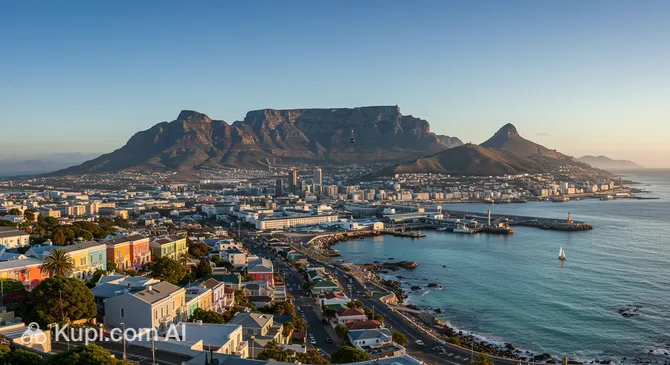
Cape Town. Source: Kupi.Binoculars

The city is not just about scenic views; it has a rich and complex past. Exploring the history of Cape Town reveals a fascinating narrative that spans from its earliest indigenous inhabitants to its role as a major maritime outpost. This heritage is reflected in the diverse architecture, the multicultural neighborhoods like Bo-Kaap with its colorful houses, and the numerous museums scattered throughout the area.

Travelers are drawn to Cape Town for its world-class attractions. The flat-topped Table Mountain dominates the skyline and offers hiking trails or a cable car ride with panoramic views. The bustling V&A Waterfront is another highlight, serving as a premier destination for shopping, dining, and entertainment. For those seeking relaxation, the pristine white sands of Clifton and Camps Bay beaches provide the perfect setting to soak up the sun.

Whether you are an adventure seeker looking to surf the Atlantic waves, a foodie eager to taste local Cape Malay cuisine, or simply a nature lover, Cape Town has something special to offer. It is a destination that promises unforgettable memories and extends a warm invitation to explore its many wonders.

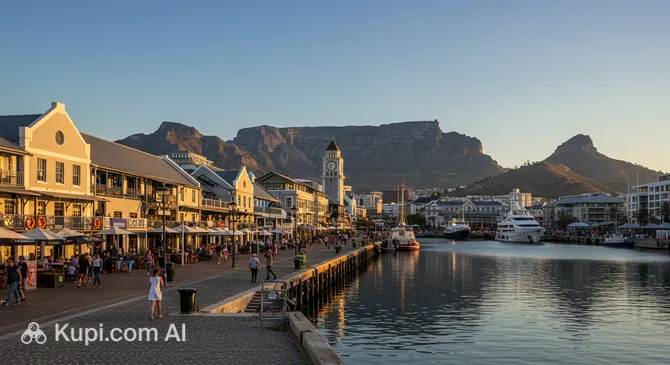
Weather Overview

Cape Town is famous for its Mediterranean climate, which brings distinct seasonal changes that cater to different types of travelers. To help you plan your activities, from hiking Table Mountain to exploring the vineyards, it is useful to understand the expected weather in Cape Town throughout the year.

The summer months, particularly from December to February, are warm and dry, making them the peak season for tourism. January is typically the warmest month, with an average temperature of 20.0°C and highs reaching 22.8°C. Rainfall is virtually non-existent during this time, with data showing typically 0mm of precipitation and only about 2 wet days per month, ensuring plenty of sunshine for beach days.

Winter arrives in June and lasts through August, bringing cooler temperatures and the region's rainy season. July is generally the coolest month, with an average temperature of 12.9°C and lows dipping to 10.2°C. While the precipitation volume remains low in the summary, the frequency of rain increases significantly, with June seeing up to 11 wet days. Overall, visitors can expect warm, dry summers ideal for outdoor adventures and cool, wetter winters that bring life to the local flora.

Interesting Facts

Beyond the main attractions, Cape Town holds many fascinating secrets that surprise even seasoned travelers. From ancient geological wonders to unique daily traditions, the Mother City has a rich tapestry of stories waiting to be uncovered.
Castle of Good Hope. Source: Kupi.Binoculars
  • Cape Town is located within the Cape Floral Kingdom, which is the smallest but richest of the world's six floral kingdoms. This region boasts more plant species than the entire British Isles or New Zealand. You can witness this incredible biodiversity firsthand at the Kirstenbosch National Botanical Garden, the first botanical garden in the world established specifically to preserve indigenous flora.

  • The Castle of Good Hope is the oldest surviving colonial building in South Africa, but its location has changed relative to the sea. It was originally built directly on the coastline with waves lapping against its walls. However, due to extensive land reclamation in the 1930s and 40s to create the Foreshore and harbor, the fortress now sits inland, far from the water's edge.

  • If you hear a loud bang in the city center at exactly 12:00 PM, there is no need to panic. It is the "Noon Gun," a naval cannon fired daily (except Sundays and public holidays) from Signal Hill. This tradition dates back to 1806 and was originally used to help ships in the bay calibrate their chronometers for navigation.

  • While Robben Island is famous for Nelson Mandela's imprisonment, Cape Town City Hall holds a special place in history as well. It was from the balcony of this Edwardian building that Mandela made his first public speech as a free man on February 11, 1990, just hours after his release.

How to Get There

Cape Town is a major travel hub in South Africa, making it easily accessible for international and local visitors alike. Most travelers choose to fly, but the city is also well-connected by road and rail networks for those exploring the country at a slower pace. You can read more about how to get to Cape Town and the specific transport options to plan your arrival.

The primary entry point for visitors is Cape Town International Airport (CPT). As the second-busiest airport in the country, it welcomes millions of passengers annually and offers world-class facilities. It is located approximately 17 km from the city center. A trip from the airport to downtown Cape Town by taxi or shuttle usually takes about 45 minutes, though this can vary depending on traffic.

For clarity, here is a summary of the main airport:

Airport Name City Passenger Traffic Km from City
Cape Town International Airport Cape Town Large 17.2

For those preferring ground travel, Cape Town is the terminus for several famous rail routes, including the luxury Blue Train and the Shosholoza Meyl, which connect the city to Johannesburg and other regions. Long-distance buses also frequently arrive from major cities across South Africa, offering a scenic alternative for reaching the Mother City.

Main Attractions

Cape Town offers a dazzling array of sights that range from historic landmarks to modern architectural marvels. The city's attractions reflect its deep connection to the ocean and its vibrant cultural heritage, providing visitors with countless opportunities for exploration and discovery.

Situated in the heart of the working harbor, the V&A Waterfront is arguably the most visited destination in the city. It is a bustling hub where tourists can enjoy world-class shopping, diverse dining experiences, and live entertainment, all while taking in spectacular views of Table Mountain. Beyond the retail therapy, it serves as the launching point for helicopter flips, sunset cruises, and boat trips to Robben Island, making it a central point for any itinerary.

V&A Waterfront. Source: Kupi.Binoculars

Just a short stroll from the shopping districts lies the architectural masterpiece known as the Zeitz Museum of Contemporary Art Africa (Zeitz MOCAA). Housed in a repurposed historic grain silo complex, the building itself is a work of art, featuring a stunning cathedral-like atrium carved from concrete. Inside, it hosts the world's largest collection of contemporary art from Africa and its diaspora, offering a thought-provoking and visually striking experience for art lovers.

For those fascinated by marine life, the Two Oceans Aquarium offers a magical window into the underwater world off the southern tip of Africa. As the name suggests, the exhibits showcase the diverse ecosystems found where the Indian and Atlantic Oceans meet. Visitors can marvel at the predator exhibit, watch mesmerizing jellyfish, and explore the kelp forest, making it an educational and entertaining stop for families and nature enthusiasts alike.

Two Oceans Aquarium. Source: Kupi.Binoculars

To gain a deeper understanding of the city's rich cultural history, a visit to the Bo-Kaap Museum is highly recommended. Located in the colorful Bo-Kaap district, famous for its brightly painted terraced houses and cobbled streets, the museum is situated in the area's oldest house, dating back to the 1760s. It provides an intimate look into the heritage of the Cape Malay community and their enduring influence on the city's traditions and cuisine.

Local Cuisine

Cape Town's culinary landscape is as diverse as its population, offering a tantalizing fusion of African, Dutch, and Asian influences. At the heart of this gastronomic journey is Cape Malay cuisine, known for its aromatic spices and unique sweet-savory flavor profiles. A quintessential dish to try is Bobotie, a delicious mixture of spiced minced meat baked with an egg-based topping, often served with yellow rice and chutney. For dessert, locals love Malva Pudding, a spongy, apricot-flavored cake served warm with custard or ice cream.

Street food culture here is legendary, and no visit is complete without tackling a Gatsby. This massive submarine-style sandwich is packed with meats, chips (fries), and spicy sauces, traditionally designed to be shared among friends. Seafood lovers will also delight in the local catch, particularly Snoek, a firm-fleshed fish that is often grilled over open coals (braaied) with apricot jam and butter, capturing the essence of the laid-back coastal lifestyle.

When it comes to beverages, the city is globally renowned for its wines, thanks to the historic vineyards that surround the mountain slopes. The region produces exceptional varietals, including the indigenous Pinotage and crisp Chenin Blanc. Visitors can experience world-class tastings at estates like Beau Constantia, which offers contemporary architecture and sweeping views over the lush valley. For a non-alcoholic option, Rooibos tea is a local favorite, celebrated for its earthy flavor and health benefits.

Beau Constantia. Source: Kupi.Binoculars

The dining scene ranges from relaxed food markets to award-winning fine dining establishments. The Mojo Market in Sea Point is a vibrant hub where tourists and locals mingle to sample diverse stalls, live music, and draft beers. On the other end of the spectrum, foodies seeking an unforgettable culinary theatrical experience often book a table at La Colombe, consistently rated as one of the best restaurants in the world for its innovative tasting menus.

Mojo Market. Source: Kupi.Binoculars

Travel Tips

Welcome to the Mother City! To help you navigate the unique rhythm of Cape Town and ensure your adventure is as smooth as it is memorable, we have compiled a set of essential travel guidelines.

  1. Clothing and Gear: Cape Town is famous for experiencing "four seasons in one day," so layering is absolutely key. Even in summer, the evenings can get chilly, especially when the "Cape Doctor" (the south-easterly wind) picks up, so always carry a light windbreaker or jacket. Comfortable walking shoes are a must for exploring the city streets and mountain trails. If you plan to visit religious sites like the mosques in Bo-Kaap, remember to dress modestly, covering your shoulders and knees.
  2. Transportation: The MyCiTi bus system is a safe, reliable, and affordable way to travel between the city center, the Atlantic Seaboard, and the airport. For more flexibility or evening travel, ride-hailing apps like Uber and Bolt are widely used and generally recommended over hailing street taxis. Renting a car is excellent for day trips to the Cape Peninsula or Winelands, but be aware that street parking in the CBD can be scarce and requires payment to official marshals.
  3. Finances: The local currency is the South African Rand (ZAR). Credit and debit cards (Visa and Mastercard) are widely accepted at most restaurants, shops, and attractions. However, it is useful to keep some small cash for local markets or informal tips. ATMs are abundant, but always use them in secure, well-lit areas. Tipping is standard practice here; adding 10% to 15% to your bill at restaurants and cafes is customary for good service.
  4. Health and Safety: Cape Town has high-quality tap water that is perfectly safe to drink. The sun here can be deceptively harsh, so high SPF sunscreen is essential even on cloudy days. Regarding safety, exercise the same caution you would in any major metropolis: avoid walking alone at night, particularly in the CBD or quiet areas, and keep valuables out of sight. Pharmacies like Clicks and Dis-Chem are common in shopping malls for any medical needs.
  5. Communication: English is the primary language of business and tourism, making communication very easy. You can purchase a local SIM card (Vodacom or MTN are popular choices) at the airport or supermarkets upon arrival; just remember to bring your passport for the mandatory RICA registration. Most cafes and hotels offer free Wi-Fi, but having mobile data is helpful for maps and ride-hailing.
  6. Local Etiquette: Capetonians are generally laid-back and friendly. A warm greeting of "Howzit?" (How is it going?) is a common icebreaker. Be patient with time; locals often use phrases like "now-now" (shortly) or "just now" (later), which don't always mean immediately. When driving, it is polite to flash your hazard lights briefly to say "thank you" if another driver lets you pass.
  7. What to Avoid: Never feed the baboons if you encounter them near Cape Point or mountain passes; they can be aggressive and it is illegal to feed them. Also, avoid leaving any visible bags or items in your rental car when parked, as this can attract opportunistic break-ins.
  8. Power Supply Insight: South Africa occasionally experiences rolling blackouts known as "load shedding." It is highly recommended to download a local app like EskomSePush to check the schedule for your area so you aren't caught off guard without a charged phone or power bank.

By keeping these practical tips in mind, you will be well-prepared to embrace everything this vibrant city has to offer. Relax, stay safe, and enjoy the incredible hospitality and beauty that await you in Cape Town.

Entertainment & Nightlife

Entertainment:

Cape Town pulsates with energy day and night, offering a diverse mix of entertainment options that cater to every taste. Whether you are looking for sophisticated evenings out, retail therapy in world-class malls, or family-friendly fun, the city provides an exciting array of activities to fill your itinerary.

The city's nightlife scene is legendary, ranging from laid-back bars to high-energy clubs. For a touch of old-world glamour, The Athletic Club & Social in the city center is a must-visit. This multi-story venue features vintage decor and intimate corners perfect for enjoying a cocktail. If you prefer a more vibrant atmosphere with music and dancing, the Ayepyep Lifestyle Lounge offers a lively experience that celebrates local culture. For those seeking a refined drink and a hearty meal, Iron Steak and Bar is a popular choice known for its welcoming ambiance.

Shoppers will find themselves in paradise with options that span from luxury boutiques to bustling markets. Canal Walk Shopping Centre is one of the largest malls in Africa, featuring hundreds of stores and entertainment facilities built around a series of canals. Closer to the harbor, the Victoria Wharf Shopping Centre offers upscale shopping with stunning ocean views. For a more authentic local experience, Greenmarket Square is a historic cobbled square where you can browse for African curios, crafts, and clothing while soaking up the street performance vibes.

For leisure and outdoor fun, the city does not disappoint. A ride on The Cape Wheel at the waterfront provides breathtaking 360-degree views of the city, the stadium, and Table Mountain. Nature lovers can relax at Green Point Park, a beautifully landscaped urban biodiversity garden that is perfect for picnics and walks. Meanwhile, families with energetic children can head to Rush Trampoline Park Claremont for an action-packed session of jumping and playing.

Parks & Museums

Cape Town is a city where urban energy seamlessly blends with breathtaking natural landscapes and a deep, multifaceted history. Beyond its famous mountain and beaches, the "Mother City" invites visitors to explore its verdant gardens, world-class museums, and preserved historical landmarks that tell the story of its past and present.

For nature lovers, a visit to the Kirstenbosch National Botanical Garden is an absolute must. Nestled against the eastern slopes of Table Mountain, this UNESCO World Heritage site is renowned for its incredible diversity of indigenous flora. Visitors can wander through themed gardens, enjoy summer sunset concerts, or walk along the famous "Boomslang" canopy walkway, which offers spectacular views over the trees. It is a perfect spot for a picnic and serves as a gateway to several hiking trails up the mountain.

Another green sanctuary favored by locals is Newlands Forest. Located on the eastern slopes of the mountain, this area offers a refreshing escape from the city heat with its shaded pine and gum tree plantations transitioning into indigenous fynbos. It is a haven for joggers, dog walkers, and hikers seeking tranquility within nature without leaving the city limits.

Cape Town's cultural scene is equally compelling. The Iziko South African Museum, situated in the historic Company's Garden, is the oldest museum in the country. It houses more than one and a half million specimens of scientific importance, ranging from ancient fossils and stone tools to diverse marine biology exhibits. The museum also features a state-of-the-art planetarium, making it a fascinating destination for visitors of all ages interested in natural history and the cosmos.

For a unique dive into medical history, the Heart of Cape Town Museum at Groote Schuur Hospital chronicles one of the greatest medical feats of the 20th century. This museum is dedicated to the world's first successful human heart transplant, performed by Dr. Christiaan Barnard in 1967. The guided tours provide a gripping and emotional insight into the drama, ethics, and science behind this groundbreaking event.

The city's architecture reflects its colonial past and maritime heritage. The iconic Clock Tower at the V&A Waterfront stands as a Victorian Gothic landmark. Painted in striking red, it was the original Port Captain's Office in the late 19th century and now serves as a focal point in the harbor. Nearby, the Castle of Good Hope remains a cornerstone of local history; as a pentagonal fortress built in the 17th century, it offers a glimpse into the early military and colonial era of the Cape.

For an authentic experience off the typical tourist trail, consider visiting Intaka Island in Century City. This award-winning 16-hectare wetland and bird sanctuary sits unexpectedly in the middle of a bustling development, offering boat trips and bird hides that allow you to observe rare species in a peaceful, protected environment.

Getting Around

Navigating Cape Town is a unique experience that blends modern infrastructure with informal local networks. For most tourists, the MyCiTi bus system is the most convenient, safe, and reliable public transport option. These distinctive red-and-white buses cover the city center, the Atlantic Seaboard, and key landmarks, including a direct route to the airport. They run on dedicated lanes in busy areas, ensuring a faster commute than regular traffic.

To use the MyCiTi network, you cannot pay with cash on the bus. Instead, you must purchase a myconnect card from station kiosks or participating retailers. You simply load money onto the card and tap in and out at the start and end of your journey. The fares are calculated based on distance and the time of travel, with "Peak" times being slightly more expensive than "Off-peak" periods. It is advisable to buy your card immediately upon arrival, as it is the key to unlocking the city's main transit arteries.

For a truly local experience, you will notice white minibus taxis zooming across the city. They are the lifeline of the local workforce and operate on specific routes without fixed timetables. Passengers hail them using specific hand signals and pay in cash—usually exact change is appreciated. While they are affordable and frequent, they can be intimidating for first-time visitors due to their fast driving and complex etiquette. If you choose to ride one, it is best to do so with a local guide or on short, straightforward routes.

The rail network, operated by Metrorail, connects the suburbs to the central business district. For tourists, the Southern Line is the most relevant and scenic route, stretching from the city center down to Simon's Town along the coast. It offers beautiful ocean views, stopping at popular spots like Muizenberg and Kalk Bay. However, reliability can vary, and it is generally recommended to use trains during daylight hours and in groups.

When it comes to alternatives, ride-hailing apps like Uber and Bolt are extremely popular and widely used by tourists and locals alike. They provide a safe, door-to-door service, which is particularly recommended for travel at night when public transport frequency decreases. Traditional metered taxis are also available at designated ranks, but app-based services often offer more transparent pricing and convenience.

For those who prefer independence, car rentals are a great option, especially if you plan to explore the Cape Peninsula or the surrounding Winelands at your own pace. Just remember that traffic drives on the left. Additionally, bike rentals are available along the Sea Point Promenade, offering a leisurely way to see the coast.

Finally, no discussion of Cape Town transport is complete without mentioning the Table Mountain Aerial Cableway. While primarily a tourist attraction, it serves as the essential transport link to the summit of the iconic mountain. The cable cars feature rotating floors, giving passengers a 360-degree view of the city and ocean as they ascend, making the journey itself a spectacular highlight of any trip.

Accommodation

Accommodation:

Cape Town offers an impressive variety of accommodation options that cater to every budget and travel style. Whether you are a backpacker looking for a vibrant hostel, a family seeking a self-catering apartment, or a luxury traveler desiring a five-star suite with ocean views, the Mother City has it all. The standard of hospitality is generally high, with many establishments providing excellent amenities and warm local service.

Choosing the right area to stay is key to your experience. The City Bowl is perfect for those who want to be in the heart of the action, close to museums, restaurants, and nightlife hotspots like Long Street. For a more upscale and secure environment, the V&A Waterfront is a top choice, offering easy access to shopping and the harbor. If you prefer waking up to the sound of waves and stunning sunsets, the Atlantic Seaboard neighborhoods, particularly near Camps Bay Beach and Clifton, are famous for their luxury villas and boutique hotels.

While the city is filled with unique guesthouses and boutique stays, there are also larger establishments for those who prefer resort-style amenities. One such option listed is the Cape Town Resort, which caters to visitors looking for a comprehensive lodging experience. Travelers often choose these types of accommodations for their convenience and range of on-site facilities.

Booking Tips: Cape Town is a highly seasonal destination. The summer months, specifically from December to February, are incredibly busy. It is strongly recommended to book your accommodation several months in advance if you plan to visit during this peak period to secure your preferred location and rates.

In terms of pricing, the city offers a wide spectrum. Budget travelers can find affordable hostels and guesthouses, while the prices for luxury hotels and private villas can rival major international cities, especially during the holiday season. Booking is easily done through major online platforms or directly with establishments. Regardless of where you choose to stay, you will likely find yourself surrounded by the stunning natural beauty that defines this coastal metropolis.

Nearby Cities

For those looking to explore the surroundings, Cape Town serves as an excellent base for day trips to several interesting nearby locations. The region is diverse, offering everything from historic winelands to rugged coastal towns within a short driving distance.

One of the standout destinations is Paarl, located just a short drive from the city in the heart of the Cape Winelands. As the third-oldest town in South Africa, it is renowned for its rich cultural heritage, the iconic Afrikaans Language Monument, and its celebrated wine route. Further inland, Worcester serves as the gateway to the Breede River Valley. Surrounded by majestic mountains, it is famous for the Karoo Desert National Botanical Garden, making it a treat for nature lovers. For those drawn to the ocean, Saldanha Bay on the West Coast offers a large natural harbor and is a popular spot for water sports and fresh seafood.

City Population Distance (km)
Khayelitsha 391,749 27
Mitchells Plain 310,485 22
Paarl 112,045 54
Saldanha Bay 108,092 102
Worcester 97,098 98

These nearby destinations offer a glimpse into the diverse culture and landscapes of the region.

Shopping & Souvenirs

Cape Town offers a diverse retail experience that ranges from high-end international boutiques to vibrant open-air markets. Whether you are looking for the latest fashion trends, unique African handicrafts, or exquisite jewelry, the city's shopping landscape caters to every taste and budget.

For a premium shopping spree, the Victoria Wharf Shopping Centre is the city's most visited retail hub. Located within the iconic V&A Waterfront, this expansive mall features over 450 stores, blending global luxury brands with top local designers. Visitors can enjoy a sophisticated atmosphere with warehouse-style architecture and spectacular views of the working harbor while browsing for apparel, homeware, and technology.

Another major destination for retail therapy is the Canal Walk Shopping Centre in Century City. As one of the largest malls in the country, it boasts an impressive variety of shops housed in a building inspired by Venetian architecture. It is a one-stop location where families can find everything from department stores to specialty electronics, all surrounding a central canal system.

To discover the authentic soul of the region, travelers should explore Greenmarket Square in the city center. This historic cobbled plaza is one of the oldest markets in South Africa and is the perfect place to hunt for souvenirs. Vendors here display a colorful array of hand-painted fabrics, wooden carvings, beaded jewelry, and leather goods, offering a chance to interact with local artisans and take a piece of African creativity home.

The city is also renowned for its precious stones and jewelry. Visitors interested in this sparkling heritage can visit the Cape Town Diamond Museum. Situated near the waterfront clock tower, it offers a fascinating insight into the history of the diamond rush and provides an opportunity to view and purchase certified diamonds and jewelry directly from the source.

Reached the end of the page?

That means the route is fully explored