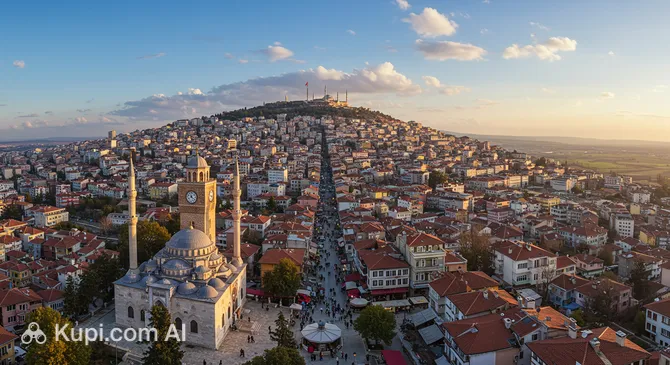
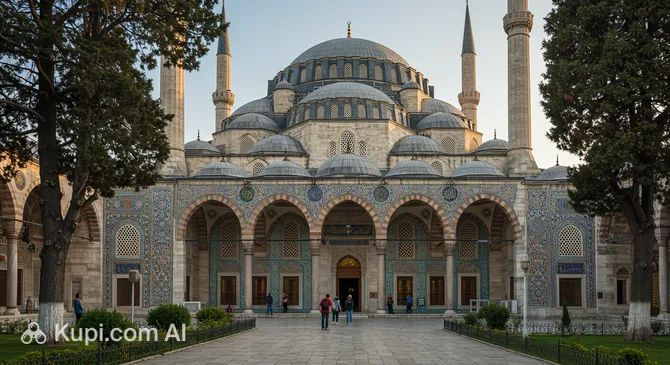
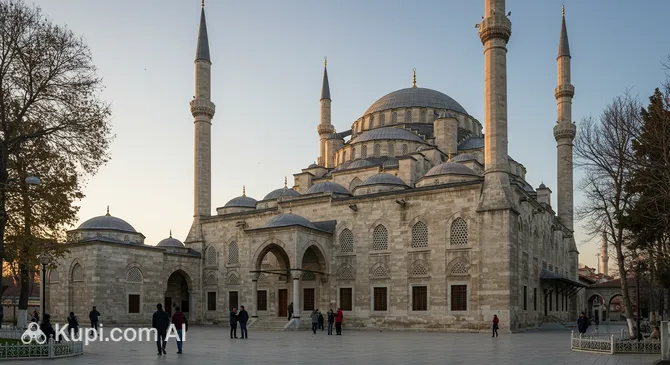
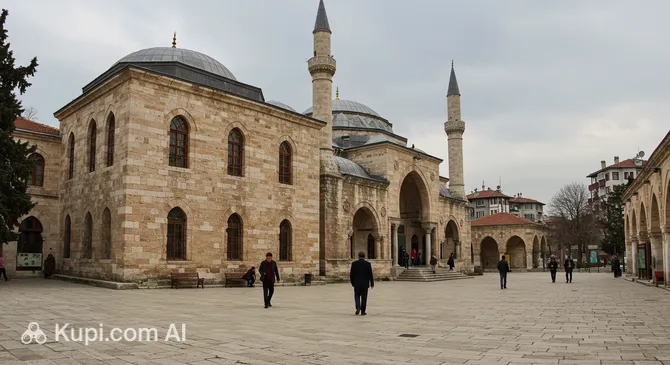
Manisa is an amazing city in western Turkey that harmoniously combines a majestic Ottoman heritage with the dynamic rhythm of a modern industrial center. Located at the foot of the picturesque Mount Sipylus in the fertile Gediz River valley, the city enchants visitors with its cleanliness, well-kept parks, and welcoming atmosphere. With a population of about 357,000, Manisa remains an important administrative hub of the Aegean region while maintaining the cozy feel of a provincial town.
Manisa. Illustration.
Source: Kupi.com AI
The rich history of the city, once known by its ancient name Magnesia, is closely intertwined with the destinies of Ottoman rulers. From the 15th to the 16th century, it was home to the Sultan's court, where future rulers of the empire learned the foundations of state administration. Today, this golden age is recalled by elegant mosques, old Kula-style houses, and traditional festivals that have become the region's hallmark.
For tourists, Manisa is primarily attractive for its cultural treasures and natural beauty. Here, you can see the oldest mosque, Ulu Camii, built on a terrace with panoramic views, and the mysterious "Weeping Rock" of Niobe. The city invites travelers to immerse themselves in authentic Turkish life, free from the crowds of mass tourism, and enjoy peaceful walks along its shaded boulevards and historic quarters.
Weather Overview
The climate of Manisa is typical of Turkey's Aegean region and is characterized as Mediterranean. Summers here are hot and dry, with peak temperatures in July and August, when the air warms up to +34°C...+35°C. Thanks to the proximity of the Sipylus mountains, there is a pleasant circulation of air in the city, but the midday heat can be quite intense, so sunny hours are best spent in shaded parks.
Winters in the city are mild and quite wet. The coldest month is January, with an average temperature of about +7°C...+9°C, though it can drop to +3°C at night. Most precipitation falls during the winter period, usually in the form of rain. If you want more details, check the current weather in Manisa before your trip.
The most favorable times to visit are spring (April–May) and autumn (September–October). During these periods, the temperature is comfortable, ranging from +18°C...+25°C, which is ideal for visiting historical mosques and walking through Spil Mountain National Park. The city is especially beautiful in spring due to the blooming gardens and the famous Mesir Paste Festival.
Average monthly temperature
Average monthly precipitation
Interesting Facts
Manisa is a city with a rich past, capable of surprising even the most seasoned traveler with its unusual stories and legends.
City of Sultans: In Ottoman times, Manisa served as a "school" for future rulers of the empire; Shahzades (princes), including Mehmed the Conqueror and Suleiman the Magnificent, underwent administrative training here.
Healing Mesir Paste: Every spring, the city celebrates the Mesir Macunu Festival, featuring a paste made from 41 types of herbs and spices. It is believed to have been created to heal the mother of Suleiman the Magnificent.
The Legend of Niobe: On Mount Sipylus, there is a "Weeping Rock" which, according to myth, is the petrified Niobe mourning her children; the porous structure of the stone creates the effect of dripping tears when it rains.
Ancient Carpets: The region is famous for unique carpets from the town of Gördes, which feature a special weaving style and have been a valued traditional craft for centuries.
Mosque on Ruins: The city's oldest mosque, Ulu Camii (1366), was built on the site of a Byzantine church using materials from ancient buildings, creating a unique architectural synthesis.
How to Get There
Manisa boasts excellent transport accessibility, making it a convenient stop during a trip along the west coast. The city is located just 40 kilometers from the large metropolis of Izmir, with which it has regular and frequent connections. Intercity buses and shared taxis (dolmush) run between the cities almost every 15–30 minutes, and the journey takes about an hour, depending on traffic on the D250 highway.
For those arriving from further away, the nearest air hub is Izmir Adnan Menderes International Airport. From the airport, the city center can be reached by taxi, pre-booked transfer, or bus, taking about an hour. Direct bus services also connect the city with more distant centers such as Istanbul (6–8 hours travel time) and Ankara (about 7 hours). Detailed information about routes can be found on the how to get to the city page.
Railway communication is represented by regional trains connecting Manisa with Izmir and other cities in the Aegean region. The railway station is conveniently located, allowing tourists to use this mode of transport for budget-friendly trips. Although the train network is not as extensive as the bus network, it remains a comfortable alternative for travel within the province.
Station
Passenger traffic
Distance
Bayraklı railway station
5
29 km
Salhane railway station
5
29 km
Turan railway station
5
29 km
Menemen railway station
6
31 km
Naldöken railway station
5
31 km
Main Attractions
The main attractions of Manisa center around its rich Ottoman past and unique religious monuments. One of the most majestic structures is the Muradiye Mosque, designed by the legendary architect Sinan. This 16th-century architectural masterpiece impresses with its elegant decoration and harmonious proportions, serving as the spiritual heart of the city.
Muradiye Mosque. Illustration.
Source: Kupi.com AI
Traveler photos:
Equally significant to the city's cultural landscape is the Hatuniye Mosque, which was built in honor of Sultan Selim I's mother. It is a classic example of Ottoman architecture and attracts visitors with its calm, spiritual atmosphere. Historic hammams and madrasas are often located near these religious complexes, completing the architectural ensemble.
Hatuniye Mosque. Illustration.
Source: Kupi.com AI
Traveler photos:
For those interested in the science and medicine of the past, the Hafsa Sultan Museum of Medical History is a must-visit. The exhibition is located in a former healing center (darüşşifa) and tells the story of treatment methods used during the Ottoman period, including famous therapies involving music and aromas. This is where the tradition of making the healing Mesir paste was born.
Ayşe Hafsa Sultan Medical History Museum. Illustration.
Source: Kupi.com AI
Traveler photos:
In addition to architectural monuments, it is worth paying attention to natural and ancient sites. On Mount Sipylus sits the famous "Weeping Rock" of Niobe, steeped in Ancient Greek myths, while in the southern part of the city on Toptepe Hill, you can see the ruins of a Roman theater, which offers a breathtaking panorama of the entire valley.
Local Cuisine
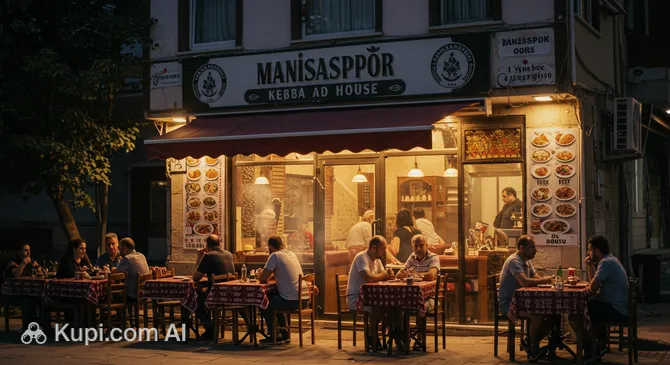
The gastronomy of Manisa is a vibrant reflection of Aegean traditions with unique local touches. The main culinary symbol of the city is undoubtedly the Manisa kebab. This dish is prepared with succulent minced lamb, served on thin pide bread with a thick tomato sauce, yogurt, and plenty of melted butter. You can try it in an authentic atmosphere at places like the Manisaspor Kebab House.
Manisaspor Kebab House. Illustration.
Source: Kupi.com AI
Traveler photos:
A special place in local culture is held by the famous Mesir paste (Mesir Macunu). It is not just a sweet treat but a traditional healing remedy containing over forty spices and herbs. It can be purchased at many shops in the city in the form of bars, candies, or tea. It is also worth trying the high-quality olives and olive oil for which the province is famous, as well as fresh vegetable mezes typical of the western part of the country.
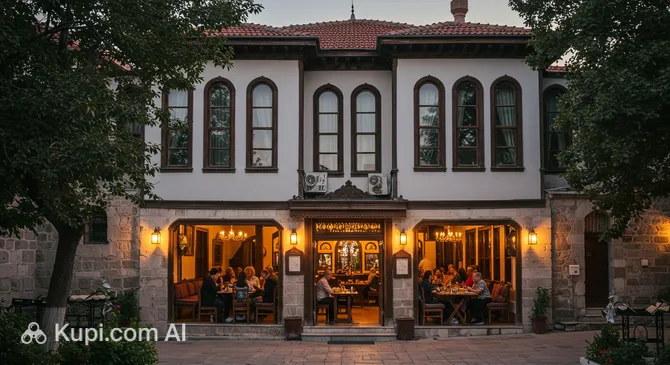
For those who want to combine lunch with a viewing of historical artifacts, the Giritligil Hotel Museum Restaurant is an excellent choice. Here, traditional cuisine is served surrounded by museum exhibits. For dessert, be sure to try the local halva or grape-based sweets, and for a drink, refreshing ayran or traditional Turkish tea, which is enjoyed here at any time of day or night.
Giritligil Hotel Museum Restaurant. Illustration.
Source: Kupi.com AI
Traveler photos:
Travel Tips
A trip to Manisa promises to be fulfilling and comfortable if you familiarize yourself with the local customs and practical nuances of life in this welcoming region beforehand.
Clothing and Dress Code: For walking around the city and climbing Mount Spil, choose comfortable closed shoes. When visiting active mosques, such as Muradiye, a dress code must be followed: shoulders and knees should be covered, and women will need a headscarf.
Getting Around the City: The most convenient way to move around the center is on foot or by dolmush. If you plan to use buses frequently, purchase a ManisaKart for cashless payment. For trips to Izmir, it is best to choose morning or afternoon hours to avoid evening traffic jams.
Finances and Cards: The official currency is the Turkish Lira. While Magnesia Mall and hotels accept international cards, always keep cash on hand for paying in dolmushes, small shops, and bazaars.
Health and Water: The tap water quality in the city is average, but tourists are recommended to buy bottled water for drinking. Pharmacies (Eczane) operate on a standard schedule, but there are always duty pharmacies (Nöbetçi Eczane) open at night.
Language and Connectivity: The primary language is Turkish. English is not widely spoken everywhere, so it is useful to learn a few phrases (for example, "Merhaba" — hello, "Teşekkür ederim" — thank you). A local SIM card can be purchased at operator offices in the city center.
Etiquette and Communication: The residents of Manisa are very friendly. Greeting people is an important part of the culture; a polite approach will help you connect with locals faster. Remember that the rhythm of life in provincial cities is calmer than in Istanbul.
What to Avoid: It is best not to plan important activities during Friday prayers, when life in the center temporarily slows down. Also, try to avoid walking in unlit suburban areas late at night.
Try Mesir: Be sure to buy Mesir paste as a souvenir—it is not only tasty but also considered beneficial for health, representing the true "spirit" of the city.
Manisa is a city that reveals itself to those who appreciate detail and sincere hospitality. We wish you an unforgettable journey and brilliant discoveries!
Entertainment & Nightlife
Entertainment in Manisa is primarily calm and family-oriented, reflecting the conservative and relaxed pace of life in this provincial center. Most evening activity is concentrated in cozy cafes and tea gardens located in central parks and near historic mosques. Locals enjoy spending time in leisurely conversation over Turkish coffee or tea in the fresh air.
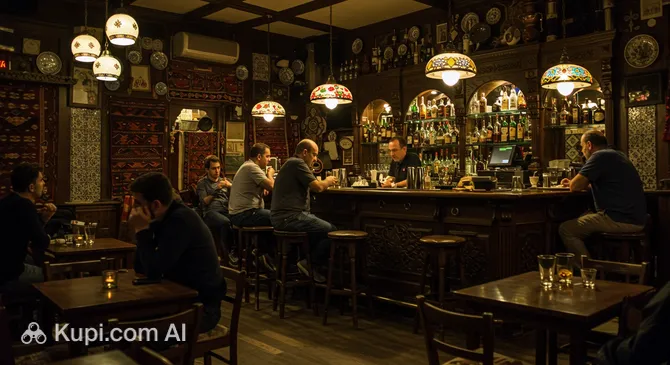
For those seeking a more modern atmosphere, the city offers venues such as Lucky Duck or Dora's Cafe & Brasserie. These spots are popular with local university students, and the menus offer both traditional drinks and European cuisine. While there are a few bars, vibrant and noisy nightlife is virtually non-existent in Manisa; for full-scale clubs and concerts, residents usually head to neighboring Izmir.
Lucky Duck. Illustration.
Source: Kupi.com AI
Traveler photos:
Daytime leisure can be spent exploring Spil Mountain National Park, which is popular for hiking and picnics. The main cultural event of the year is the annual Mesir Paste Festival (Mesir Macunu Festivali), when the city is transformed with street processions, musical performances, and the traditional scattering of the healing paste from the domes of the Sultaniye Mosque, attracting thousands of guests from across the country.
Parks & Museums
The parks of Manisa are the pride of its citizens and a true sanctuary from the summer heat. One of the most popular places for family recreation is Atatürk Kent Parkı—a huge green zone with fountains, playgrounds, and walking paths. Equally charming is Şehzadeler Parkı, where you can see miniatures of famous Turkish landmarks and enjoy well-kept flower beds. These parks create an atmosphere of freshness and tranquility in the city.
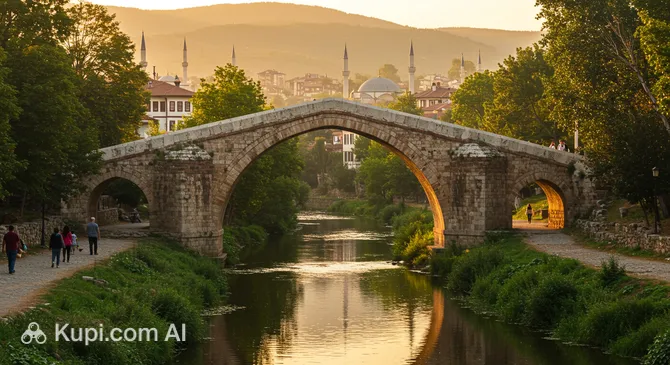
For history and archaeology buffs, the main site to visit is the Manisa Museum, which houses unique artifacts found in the vicinity, including finds from Sardis and Aigai. In the historical center, it is also worth noting the Red Bridge—an ancient structure that serves as a reminder of the craftsmanship of past centuries and provides an excellent backdrop for photos.
Red Bridge. Illustration.
Source: Kupi.com AI
Traveler photos:
The city's natural beauty is represented by Spil Mountain National Park (Spil Dağı Milli Parkı). This location attracts outdoor enthusiasts with its hiking trails, camping opportunities, and wild tulips that bloom in the spring. For those who want to see something unusual within the city limits, the Can Aquarium is open; though small in scale, it delights with its variety of inhabitants and is popular with tourists traveling with children.
Getting Around
The public transport system in Manisa consists primarily of a network of buses and shared taxis, known as dolmush. This is the most convenient and budget-friendly way to travel between the historic center, modern shopping districts, and outlying areas. Routes cover all key attractions, including mosques and parks, and transport runs frequently throughout the day.
To pay for fares on city buses, a special transport card (ManisaKart) is used, which can be purchased and topped up at kiosks and terminals throughout the city. The fare is fixed and affordable. On dolmushes, paying the driver in cash is the standard practice. Tourists should be aware that during morning (07:30–09:00) and evening (17:00–19:00) peak hours, transport can be crowded and traffic jams can occur on main roads.
An alternative to public transport is the numerous taxi services, which can be easily found at designated ranks or called via an app. Taxis in the city use meters, ensuring transparent payment. Since the central part of Manisa is quite compact, many sights can be explored on foot, allowing you to enjoy the atmosphere of the ancient streets. Bike rentals are not very developed in the city, but the well-maintained park areas are suitable for leisurely cycling.
Accommodation
The choice of accommodation in Manisa is primarily geared toward business travelers and tourists who value comfort and authenticity. The city is dominated by 3- and 4-star hotels, concentrated in the central part and the Şehzadeler district. This is an ideal place to stay, as the main mosques, museums, and central parks are within easy walking distance.
One notable accommodation option is the Giritligil Hotel Museum Restaurant, where guests can immerse themselves in a historical atmosphere combined with modern service. For those planning a long stay, modern apartments are available in the newer quarters of the city, often chosen by expats and visiting specialists. Overall, the standard of hotels in the city is quite high, and prices are more affordable compared to coastal resort areas.
Giritligil Hotel Museum Restaurant. Illustration.
Source: Kupi.com AI
Traveler photos:
If you plan to visit the city during the Mesir Festival in March, it is recommended to book accommodation in advance, as the influx of guests increases significantly during this period. At other times of the year, finding a vacant room is easy. For budget options, you might consider small guesthouses or listings on rental platforms in the residential areas near the Magnesia Mall.
Nearby Cities
Manisa serves as an excellent starting point for exploring the surrounding areas, offering travelers access to both major metropolises and ancient cities. Its proximity to the Aegean Sea and a well-developed road network make it easy to plan day trips, discovering new facets of Turkish culture and history.
Just 40 kilometers away is Konak, the historical heart of Izmir, where you can enjoy shopping at the Kemeraltı Market, walk along the Kordon promenade, and see the famous Clock Tower. For lovers of nature and cozy towns, Turgutlu and Kemalpaşa are worth visiting to experience the local rural lifestyle and taste fresh regional products. You should also consider a trip to Saruhanlı, located nearby amidst olive groves.
For fans of antiquity, the region around the city holds real treasures: the ruins of Sardis—the capital of the ancient Kingdom of Lydia—and the remains of the city of Aigai. These sites are perfect for deep immersion into the region's history. Exploring the surroundings of Manisa will provide plenty of vivid impressions and allow you to see the real Turkey beyond standard tourist routes.
Shopping & Souvenirs
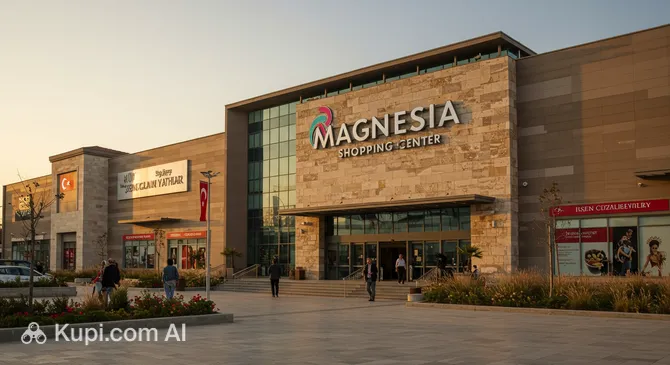
Shopping in Manisa offers a pleasant mix of modern retail spaces and traditional oriental bazaars. The main destination for large-scale shopping and leisure is the Magnesia Mall. This modern complex features popular Turkish and international brands for clothing, electronics, and home goods. It also houses a cinema and a food court, making the mall a hub for both tourists and locals.
Magnesia Shopping Center. Illustration.
Source: Kupi.com AI
Traveler photos:
For those seeking an authentic experience, head to the bazaars located in the historic center near the Sultaniye Mosque and Ulu Camii. Here, you can find shops selling spices, dried fruits, and, of course, the famous Mesir paste. The streets of the central Şehzadeler district are also full of small shops selling local handicrafts, including textiles and leather goods.
The best souvenirs from the city include carpets from the nearby town of Gördes, locally produced olive oil, and traditional copperware. Shops are typically open from 10:00 to 22:00, while markets open early in the morning. Credit cards are accepted almost everywhere in shopping centers and larger shops, but it is better to have some cash liras for purchases at food markets or in small workshops.