Support

Ludlow Castle

Nearby places of interest

About

Ludlow Castle is one of the most impressive and superbly preserved medieval fortresses in the United Kingdom, standing proudly in the charming town of Ludlow, Shropshire. Situated on a strategically important hill overlooking the River Teme, this historic monument is an outstanding example of Norman military architecture and played a significant role on the Anglo-Welsh border for centuries.
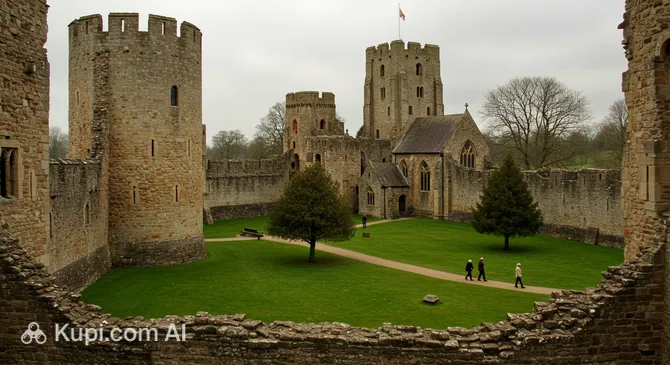
Ludlow Castle. Illustration.
Source: Kupi.com AI

Traveller photos:

Founded in the late 11th century, Ludlow Castle has a rich and complex history. Originally built as a Norman stronghold, it was expanded and rebuilt over time, resulting in a harmonious blend of Norman and later Tudor styles. The castle has witnessed numerous historical events and served as a residence for noble families and even royalty, making it a true gem of medieval heritage.

Today, Ludlow Castle is a popular tourist attraction, drawing travelers with its unique atmosphere and rich past. Visitors can explore its ancient ruins, walk along the mighty walls offering breathtaking views of the town and picturesque surroundings, and immerse themselves in the atmosphere of medieval England. This is a place where every stone breathes history, offering an unforgettable experience for anyone interested in the past.

Contacts

For the most up-to-date information on opening hours, ticket prices, and available tours at Ludlow Castle, we recommend visiting the attraction's official website. There, you can also find answers to frequently asked questions and plan your visit.

How to contactContact
AddressCastle Sq, Ludlow SY8 1AY, UK
Phone+44 1584 873355
Websitewww.ludlowcastle.com

What to Do

A visit to Ludlow Castle promises an immersion into rich history and a medieval atmosphere. Guests can roam freely through the extensive grounds, exploring numerous towers, impressive courtyards, ancient gateways, and the ruins of once-grand living quarters. Particular highlights include the Great Tower (keep), the Chapel of St Mary Magdalene with its unique architectural features, and the well-preserved Tudor buildings that offer insight into the castle's later periods of life.

For those seeking a deeper understanding of this amazing site's past, information boards are placed throughout the castle, detailing key events and figures. Guided tours are also frequently available, bringing history to life with fascinating stories and details not found during a self-guided tour. This is a wonderful opportunity to learn about the castle's strategic importance and its role in English history.

Ludlow Castle is not just a historic monument but also a vibrant cultural venue. Various events are regularly held on its grounds, making a visit even more memorable. Visitors can witness thrilling historical reenactments, lively festivals, theatrical performances, and traditional fairs. The program is especially busy during the summer season, featuring food festivals dedicated to local cuisine and produce, craft fairs, as well as music and art events that attract both locals and tourists alike.

Getting There

Getting to Ludlow Castle is quite convenient, especially if you prefer public transport. Ludlow railway station is just a few minutes' walk from the castle—about a 10-minute leisurely stroll. This makes traveling by train one of the easiest ways to reach this historic landmark. Trains run regularly from major regional cities like Birmingham and Shrewsbury, providing excellent connections.

In addition to the rail link, Ludlow has a well-developed bus network. Regular buses connect the town with neighboring settlements in Shropshire. This can be a handy option for those exploring the region or preferring bus travel. Public transport stops are usually within walking distance of the main attractions, including Ludlow Castle.

If you are planning to drive, parking is available in Ludlow town center and the immediate vicinity of the castle. However, please note that the historic center is a restricted traffic zone. It is advisable to check current parking regulations and potential restrictions in advance to avoid any inconvenience and plan your visit effectively.

Nearest city: Ludlow

History & Facts

Ludlow Castle, standing majestically in the town of Ludlow, boasts a rich and multi-layered history dating back to the 11th century. Its founding is attributed to Walter de Lacy, one of William the Conqueror's loyal Norman barons, around 1075. Originally a fortress known as Dinham, it served as a strategic point to defend the crossing of the River Teme. A significant stage in the castle's development was the construction of the Great Tower in 1130, and in 1306 it passed to the influential Mortimer family, opening a new chapter in its history.

In the 15th century, Ludlow Castle gained special significance as the residence of the Yorkist branch of the Plantagenets and played a prominent role in the dramatic events of the Wars of the Roses. The castle walls remember many crowned heads. In 1472, the young Prince of Wales was sent here—the boy who would go down in history as Edward V. Later, the castle became home to Prince Arthur, the eldest son of Henry VII, and his wife, the famous Catherine of Aragon, whose later life was closely intertwined with English history.

The royal history of Ludlow Castle continued into the 16th century. Notably, the future Queen Mary I Tudor spent three winters here between 1525 and 1528. These periods undoubtedly left their mark on the castle's annals, adding another vibrant page to its already rich biography. Today, the castle ruins attract thousands of visitors who wish to touch the centuries-old history of the United Kingdom and feel the spirit of bygone eras.

Time Needed

To fully soak up the atmosphere and explore Ludlow Castle, most visitors will need approximately 2-3 hours. This is usually enough time to walk around the main structures, climb the towers for picturesque views of Ludlow and the surrounding countryside, and read the information boards about the castle's history.

If you plan a deeper dive into history—for example, by joining a guided tour that reveals more interesting details and legends, or by attending one of the events periodically held here—it’s worth setting aside more time. In such cases, your visit could take up to half a day. Thoroughly exploring every corner of the castle, including its less accessible parts, may also require extra time.

Working Hours

Ludlow Castle is generally open to welcome guests daily. During the summer season, the castle doors are usually open from 10:00 to 17:00. In the winter months, opening hours may be reduced, and the castle is typically accessible from 10:00 to 16:00. Please note that the schedule may change on public holidays or during special events.

To ensure your visit goes smoothly and you have the latest information, it is highly recommended to check the opening hours on the official Ludlow Castle website before you travel. There, you can also find out if advance ticket booking is necessary, especially if you plan to visit during the peak season or for a specific event.

10:00 – 17:00

Nearby

A visit to Ludlow Castle is undoubtedly a highlight, but you shouldn't stop there. Exploring the castle's surroundings allows you to delve deeper into the atmosphere of the charming town of Ludlow and discover other interesting spots that will make your trip even more fulfilling and memorable. Every street and building here breathes history, and nearby attractions will complement your experience.

There are several notable sites near Ludlow Castle that deserve your attention. They are located within short walking distance and will allow you to better understand the culture and daily life of this corner of the United Kingdom.

NameDistance
CSONS0.2 km
Ludlow Market0.2 km
St Laurence's Church, Ludlow0.3 km
Ludlow Brewery0.7 km
Squirrel1.9 km
Fishmore Hall Restaurant1.9 km

Reached the bottom of the page?

Looks like you know this route inside out