Support

Albert Lea

About

Albert Lea is a picturesque and cozy city located in the southern part of Minnesota. Locals and travelers often call it "The Land Between the Lakes" due to its unique geographic position: the city is nestled between Fountain Lake and Albert Lea Lake. It is a place where natural beauty harmoniously combines with developed urban infrastructure, attracting those seeking a peaceful getaway far from the noise of major metropolises.
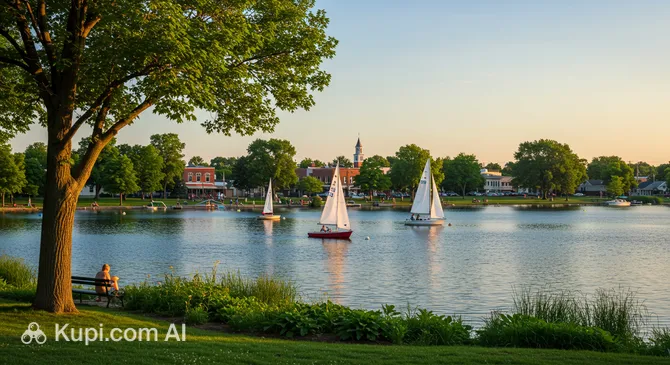
Albert Lea. Illustration.
Source: Kupi.com AI

Located in the USA, this city serves as the county seat of Freeborn County. The climate here is typical of the Midwest: snowy winters give way to warm and comfortable summers, making the region attractive for tourism year-round. The city's population is just over 18,000 people, which helps maintain an atmosphere of friendliness and neighborliness characteristic of small American communities.

The region's past is inextricably linked with the development of these lands and the growth of agriculture. The fascinating history of Albert Lea reveals details of the city's rise as an important transportation and trade hub. The city was named after topographer Albert Miller Lea, who explored the area in 1835, and today the memory of the early settlers and cultural heritage is carefully preserved here.

For tourists, Albert Lea offers numerous opportunities for active recreation. One of the main gems of the region is Myre-Big Island State Park, where you can walk along scenic trails, go birdwatching, or enjoy a picnic on the shore. Water enthusiasts will appreciate cruises on the famous Pelican Breeze II, which sails across Albert Lea Lake.

If you are planning a trip through Minnesota, be sure to include Albert Lea in your itinerary. It is an ideal place to enjoy fishing, boating, and leisurely strolls through the historic center, soaking in the authentic spirit of the American heartland.

Weather Overview

When planning a trip to this region of Minnesota, it is important to consider the distinct seasonality of the local climate. To choose the ideal time for your visit, whether for lake recreation or winter walks, the detailed weather in Albert Lea typical for the continental zone will help you.

The summer season here is pleasingly warm, creating excellent conditions for tourism. The warmest month is July, with an average temperature of 22.9°C and daytime highs reaching 27.7°C. However, travelers should be prepared for the variability of the weather: May and early summer are often wet, with the number of rainy days reaching up to 15 per month.

Winter brings real frost and snowy landscapes. In January and February, the average temperature stays around -7.8°C, and at night, the air can cool down to -12.7°C. Precipitation during the cold season is low—only about 1 mm in liquid equivalent—but the snow cover lasts for a long time.

Expect warm summers with occasional rain and cold, dry winters. The shoulder seasons pass quickly, but September often provides a "mild season" with comfortable temperatures of 19°C, making early autumn a beautiful time to visit.

Average monthly temperature

Average monthly precipitation

Interesting Facts

In addition to its main attractions, Albert Lea holds many fascinating secrets that reveal the city from an entirely unexpected side.

  • The first "Blue Zone" in the country. In 2009, Albert Lea became the first city in the USA chosen for the Vitality City pilot project (part of the Blue Zones movement). This large-scale experiment in changing the urban environment and residents' habits led to a real increase in life expectancy for citizens and made the city a national example of a healthy lifestyle.

  • Birthplace of a rock and roll legend. The famous musician Eddie Cochran, author of the hit "Summertime Blues," was born here. Despite his short life, he had a huge influence on music, and today there is a street named after him in the city, while the local museum houses the artist's memorabilia.

  • Theatrical heritage of "Happy Days." The city is closely linked to the name of actress Marion Ross, star of the cult TV series "Happy Days," who spent her youth here. As a sign of respect for her talent, the city theater was renamed the Marion Ross Performing Arts Center, and a statue of her was erected nearby.

  • Innovation in snow fighting. Local chronicles claim that Albert Lea played an important role in the history of road machinery. It is believed that here, in the early 20th century, engineer C.A. Hanson developed and tested one of the first models of a rotary snowplow, which was a breakthrough for the snowy state of Minnesota.

How to Get There

Albert Lea is conveniently located at the intersection of two major interstates—I-35 and I-90—making it easily accessible for road travelers. However, if you plan to arrive from afar, the primary way to reach the region remains air travel followed by a transfer. You can find more about how to get to Albert Lea by exploring various routes and transport options.

There is no airport within Albert Lea itself that accepts regular passenger flights. Most tourists choose to fly into Minneapolis–Saint Paul International Airport (MSP), located in Minneapolis. This is the region's largest aviation hub, situated about 138 km from Albert Lea. The airport accepts flights from all over the world and offers excellent infrastructure. The journey from the airport to the city by rental car or taxi takes about 1.5–2 hours.

An alternative and closer option is Rochester International Airport (RST), located in Rochester, just 76 km from Albert Lea. This is a regional airport that handles fewer flights, but it allows for a significant reduction in ground transfer time—the trip to your destination will take about an hour. You can also consider Des Moines International Airport (DSM) in the neighboring state of Iowa, located in the city of Des Moines (approximately 235 km away).

For clarity, here is a summary of the main airports convenient for reaching the city:

AirportPassenger trafficDistance
Mason City Airport15 78755 km
Rochester International Airport189 03876 km
Minneapolis–St. Paul International Airport37.2 mln138 km
Waterloo Airport45 000145 km
La Crosse Regional Airport180 000172 km

Since there are no direct passenger rail routes to Albert Lea, a car (personal or rented) remains the most comfortable way to cover the final miles from the airports to the city.

Main Attractions

The city of Albert Lea offers travelers a harmonious combination of cultural discoveries and outdoor relaxation. Exploring the local sights allows for a better understanding of the spirit of the American Midwest and the history of Minnesota's development.

One of the main cultural magnets is the Freeborn County Historical Museum. This large-scale complex includes not only exhibition halls but also a unique open-air "historical village." While walking through the grounds, tourists can inspect original 19th-century buildings moved here from various parts of the county: an old schoolhouse, a church, a blacksmith shop, and log cabins of the first settlers. Special attention in the museum is given to the city's famous native—rock musician Eddie Cochran, whose life and work are presented in a dedicated exhibition.

For nature lovers, Myre-Big Island State Park is a true treasure. Although the park is popular for camping, its main feature is "Big Island," covered with a dense deciduous forest that is particularly beautiful during the autumn months. Miles of hiking trails are laid out here, allowing visitors to observe migratory birds and white-tailed deer in their natural habitat. The park's geological features, shaped by glaciers, make a walk here a real natural science lesson.

The center of city life and waterfront recreation is the picturesque Fountain Lake. Convenient walking and cycling paths encircle the lake as part of the city's healthy living program. In the summertime, you can rent a kayak or canoe, and Edgewater Park, located on the shore, often serves as a venue for outdoor concerts and community picnics. It is the perfect spot to watch the sunset overlooking the water.

In the very heart of the city, on historic Broadway, lies the Marion Ross Performing Arts Center. The theater building attracts attention with its classic architecture and plays an important role in the community's cultural life. Tourists can not only admire the facade but also attend a production by the local theater group to experience the atmosphere of provincial American art.

Local Cuisine

The gastronomic scene in Albert Lea is a perfect reflection of Midwestern culinary traditions, where food is perceived as a source of comfort and warmth. Traveling through this corner of Minnesota in the USA, you will find that local cuisine is based on simple yet high-quality farm products, hearty portions, and recipes passed down through generations.

The region's main delicacy is rightfully considered to be walleye. This freshwater fish is prepared masterfully here: most often, the fillet is breaded and fried until golden brown or grilled with lemon and herbs. Another mandatory item on the menu is wild rice soup. Wild rice, harvested from local lakes, gives the thick creamy soup a special nutty aroma and texture, making it an ideal dish for cool days.

A special place in the diet of local residents is held by "hotdishes"—various casseroles that have become a culinary symbol of Minnesota. The most popular version is made from tater tots, ground meat, and vegetables under a thick sauce. This dish can be found both on the menus of classic diners and on family tables.

Albert Lea is also known for its local brands that have become famous far beyond the city limits. The company Mrs. Gerry's Kitchen is based here, renowned for its potato salads and side dishes, which can be bought at local delis and shops for a picnic by the lake. Meat snack lovers should look for products under the Schweigert brand—their traditional sausages and hot dogs are an essential part of local barbecues.

Thanks to the city's participation in the Blue Zones project, aimed at longevity, the food culture here has an interesting feature. In many restaurants and cafes, you will find specially marked items on the menu prepared according to healthy eating principles, with an emphasis on fresh vegetables and whole grains. This creates a unique balance between a love for hearty classics and a commitment to health.

As for drinks, the craft brewing culture characteristic of the entire state prevails here. In local pubs, it's worth trying varieties from Minnesota's regional breweries. If you prefer cocktails, order a classic Bloody Mary. In these parts, it is often served with a "beer snit"—a small glass of beer as an accompaniment, which is a strictly local tradition.

Tourists and locals prefer to dine in establishments in the historic center along Broadway or in restaurants overlooking Fountain Lake. The atmosphere here is casual and friendly: from cozy coffee shops serving fluffy American pancakes for breakfast to traditional supper clubs, where dinner turns into a leisurely ritual of socializing.

Travel Tips

A trip to Albert Lea promises to be peaceful and filled with natural beauty, but even in such a cozy and welcoming city, it's worth considering local specifics. To ensure your journey through the "Land Between the Lakes" is as comfortable as possible and free of surprises, we have prepared a list of useful recommendations.

  1. Clothing and Seasonality. Minnesota's climate is one of contrasts, so the contents of your suitcase depend directly on your travel dates. In winter, thermal underwear, a windproof parka, and warm shoes with non-slip soles are essential. In summer, clothes should be light, but bring a windbreaker for evenings by the lake. Important: since the city is surrounded by water, be sure to have mosquito repellent in the summer. Also, don't forget a type A or B power adapter, as the grid voltage in the USA is 110V.
  2. The Transport Issue. Public transport in the city is limited and consists mainly of infrequent bus routes that are inconvenient for tourists. The best way to get around is renting a car. This will give you the freedom to reach Myre-Big Island State Park or neighboring towns. Ride-sharing apps (Uber, Lyft) work, but wait times can be longer than in metropolises.
  3. Finances and Tipping. US dollars are accepted everywhere. Credit cards (Visa, Mastercard) work in most shops and restaurants, though having some cash (1–5 dollar bills) is useful for tips or small purchases at farmers markets. ATMs are available everywhere. Tipping culture here is strict: in restaurants, it is customary to leave 15–20% of the check, and it is also customary to thank hairdressers and taxi drivers.
  4. Health and Safety. Albert Lea is a calm and safe city where you can walk even in the evening. However, follow basic precautions: do not leave valuables in plain sight in your car. Pharmacies (such as Walgreens or CVS chains) are easy to find, but they don't always operate 24/7—check their schedule in advance. The emergency services number is 911.
  5. Communication and Internet. The primary language is English; service staff rarely speak other languages. Free Wi-Fi is available in almost all cafes, hotels, and the library. If you need constant mobile internet, it's better to buy a SIM card in advance at a major airport upon arrival or at carrier stores (T-Mobile, AT&T, Verizon) in the city.
  6. Local Etiquette. Minnesotans are famous for their friendliness, known as "Minnesota Nice." It's customary to greet strangers when making eye contact, hold doors for those behind you, and engage in polite "small talk" in lines. Being smiley and polite is the key to good treatment.
  7. What to Avoid. Never enter private property (fenced areas, farms) without an invitation—private property rights are sacred here. Also, in winter, categorically avoid going onto lake ice unless you are certain of its thickness or see specially marked trails, as it can be life-threatening.
  8. Tip for Foodies. Since Albert Lea is a "Blue Zone" (city of longevity), try to find menu items in local cafes with special healthy eating labels. It's a great way to experience local food culture that combines taste and health without sacrificing traditional American portions.

By following these simple tips, you can easily blend into the rhythm of life in Albert Lea and get the most out of your vacation. Locals are always happy to welcome guests who respect their way of life, so be open to new experiences, and the city will reciprocate!

Entertainment & Nightlife

Nightlife in Albert Lea is characterized by the calm and measured pace typical of small Midwestern towns. You won't find massive nightclubs with laser shows operating until dawn here, but the city offers something else—a cozy atmosphere, lively conversation, and soulful establishments where every guest is welcomed like an old friend. Evening leisure here is centered around gastropubs, classic American bars, and restaurant lounge areas.

The epicenter of evening activity is the historic city center, particularly the Broadway Avenue district. It is here, among renovated brick buildings, that you'll find the most popular spots where locals gather after work to discuss the news, listen to live music, or watch sports broadcasts. The atmosphere in these venues is extremely casual: there is virtually no dress code, and "casual" style (jeans and a shirt) will be appropriate everywhere.

If you are looking for a place for dinner that flows into a cocktail evening, check out 112 on Broadway. This establishment is considered one of the best in town thanks to its combination of excellent cuisine and an extensive bar menu. On weekends, it often has a lively atmosphere. For those who want to immerse themselves in an authentic American bar setting, The Elbow Room is a spot with history where you can play pool and try local beers at very affordable prices. Lovers of beautiful views should visit the restaurant and bar at Wedgewood Cove Golf Club, which offers a panorama of manicured greens and the lake.

Prices in Albert Lea will pleasantly surprise tourists accustomed to big-city rates. The average check for a cocktail or a pint of beer ranges between 5–8 dollars. Most establishments close around one or two in the morning, and kitchens may stop serving as early as 10:00 PM, so it's better to plan your dinner in advance. In terms of safety, the city is very quiet: walking downtown even late at night causes no concern, though the streets may be deserted.

An important nuance regarding transportation: it is impossible to hail a taxi on the street at night here. Services like Uber or Lyft operate, but the number of cars is limited, and the wait can be long. If you plan to consume alcohol, it is highly recommended to arrange a transfer in advance or designate a "sober driver" in your group, as the distances between locations can be uncomfortable for walking, especially in winter.

During the day, Albert Lea offers more cultural and family-oriented leisure. Travelers can attend performances at the Marion Ross Performing Arts Center or delve into the region's past at the Freeborn County Historical Museum. In the summer, water activities on the lakes and picnics in city parks are popular, giving way to quiet strolls along the waterfront as the sun sets.

Parks & Museums

Albert Lea is a city where picturesque lake landscapes are harmoniously interwoven with carefully preserved cultural heritage. For travelers, wide-ranging opportunities are open here: from peaceful walks in protected natural areas to immersion in the history of the American Midwest and acquaintance with the work of local masters.

The absolute jewel among the green zones is Myre-Big Island State Park. This unique natural reserve is known for its rare oak savannas and the picturesque Big Island, connected to the mainland by a causeway. The park offers miles of well-maintained hiking trails that are particularly beautiful in the fall. This place is considered a paradise for birdwatching: in the spring and autumn, you can observe the migration of hundreds of bird species here, including white pelicans.

For a more relaxed stay within the city limits, Edgewater Park, stretching along the shores of Fountain Lake, is ideal. This is a classic city park with picnic pavilions, playgrounds, and convenient paths by the water. In the summer, there is a bandshell where musical evenings and community events take place, allowing tourists to feel the true community spirit of Albert Lea.

The main cultural hub of the region is the Freeborn County Historical Museum. This large-scale complex allows you to literally touch the past. In addition to traditional exhibition halls, an open-air "historical village" has been created here with original 19th-century buildings: log cabins, an old schoolhouse, and a blacksmith shop. A special point of pride for the museum is the extensive exhibition dedicated to the life and work of rock and roll legend Eddie Cochran, who was born in these parts.

Art lovers should stop by The Albert Lea Art Center. This gallery, located in a historic building, serves as the main venue for showcasing the work of regional artists and craftsmen. Exhibitions here change regularly, covering painting, sculpture, and applied arts, which gives an excellent idea of the city's current creative potential.

Insider Tip: Be sure to walk along the Fountain Lake promenade to find the famous "Mermaid" statue. This sculpture has become an unofficial but beloved symbol of the city. Locals say that this particular view of the lake at sunset best reveals the romantic side of the "Land Between the Lakes."

Getting Around

Since Albert Lea is a small city, it lacks the extensive subway or tram network common in metropolises. The foundation of public transport consists of bus routes served by the regional company SMART Transit (Southern Minnesota Area Rural Transit). For tourists, this is a budget-friendly way to get around; however, it's worth noting that the route network does not cover every corner of the city, and intervals between buses can be quite long.

SMART buses operate on two principles: fixed routes that run on a schedule and a "Dial-a-Ride" service that must be booked in advance. Fixed routes connect key points in the city, including shopping centers, medical facilities, and residential areas. The buses are modern and comfortable, often equipped with lifts for passengers with limited mobility.

The fare payment system here is as simple and conservative as possible. Tickets are purchased directly from the driver upon boarding. It is important to remember that only cash is accepted, and drivers do not give change, so tourists need to prepare the exact amount in advance (usually a few dollars). For longer stays, you can purchase bus passes or token sets at the transport company's office or at some local grocery stores (e.g., Hy-Vee).

The public transport schedule is focused mainly on weekdays and working hours (roughly from early morning to evening). On weekends, the number of trips is significantly reduced, and on holidays, buses may not run at all. Therefore, if you are planning an evening walk or a trip on Sunday, you should not rely solely on the bus.

The most convenient alternative for travelers remains renting a car or using taxis. Local taxi services operate in the city, along with popular ride-sharing apps (Uber, Lyft), although wait times may be longer than in large cities. Given Albert Lea's status as a healthy-living-friendly city, bicycles are a great option in warm weather: there are many bike paths here, especially around the lakes and parks.

Accommodation

Albert Lea offers travelers a decent choice of accommodation options that fully match the city's status as a cozy stopover in the Midwest. The housing market here is focused on practicality and comfort: mid-range hotels, reliable chain properties, and budget motels predominate. There are no luxury five-star resorts in the city, but tourists can expect clean rooms, friendly service, and an excellent price-to-quality ratio.

Geographically, most hotels are clustered at strategically important points—near the I-35 and I-90 interstate interchanges, especially along Bridge Avenue. This location is extremely convenient for road travelers: you are in close proximity to major roads, yet only a few minutes' drive from the historic center and scenic Fountain Lake. This allows for easily combining rest with travel logistics.

For those who want to be closer to nature, campgrounds are an excellent alternative to city hotels. During the warm season, many tourists prefer to stay in specially equipped areas within Myre-Big Island State Park. This is an opportunity to wake up to birdsong surrounded by forest while having access to basic amenities. Also, in the city's vicinity, you can find several cozy Bed & Breakfast (B&B) guest houses offering a more homey atmosphere.

The price range in Albert Lea can be described as budget and mid-range. The cost of living here is significantly lower than in large metropolises like Minneapolis. Booking rooms usually doesn't cause difficulties and is available through all major online platforms or directly. However, experienced travelers suggest looking for housing in advance if your trip is planned for the summer or coincides with major events like the Freeborn County Fair, when the best options are snapped up very quickly.

Nearby Cities

For those looking to explore the surrounding area, Albert Lea serves as an excellent starting point for day trips to several interesting nearby locations. Just an hour's drive south is Mason City, known for its unique Frank Lloyd Wright Prairie School architecture and rich musical heritage. Travelers who prefer active outdoor recreation should visit Mankato, where you can walk to the scenic waterfalls in Minneopa State Park. For those seeking urban rhythm and shopping, the suburbs of the Minneapolis metropolitan area, such as Lakeville, offer plenty of entertainment and dining options.

CityPopulationDistance
Waseca9 23749 km
Owatonna26 36650 km
Mason City27 38557 km
Mapleton11 22657 km
Faribault24 31072 km

These nearby destinations provide a glimpse into the region's diverse culture and landscapes, conveniently complementing your Albert Lea vacation with new experiences.

Shopping & Souvenirs

Shopping in Albert Lea is a calm and pleasant activity, devoid of the hustle and bustle of massive metropolises. You won't find endless rows of luxury boutiques here, but the city charms with its atmosphere of comfort and authenticity. The shopping scene is focused on supporting local small businesses, antique finds, and home goods, allowing tourists to combine purchases with a leisurely stroll through historic neighborhoods.

The heart of the city's commercial life is Historic Downtown, centered along Broadway Avenue. Walking through this district, you will encounter many independent shops located in renovated buildings from the late 19th century. This is the best place to find unique gifts, clothing, jewelry, and interior items. Local antique shops deserve special attention, where you can find true treasures of American history—from vintage dishware to rare books.

If you are interested in more familiar shopping formats, Northbridge Mall is worth a visit. It is a classic American indoor shopping center featuring stores for clothing, shoes, and everyday goods. While it isn't giant in size, it has everything a traveler might need. Also, in the northern part of the city, closer to I-35, there is an area with large chain supermarkets and electronics stores, convenient for stocking up for the road.

For those who want to taste local life, the Albert Lea Farmers Market is a must-visit. It operates during the warm season (usually from May to October) on weekday evenings and Saturdays. Here, local farmers offer the freshest vegetables, fruits, homemade baked goods, honey, and jams. It's a great place to buy supplies for a picnic by the lake or just to chat with friendly residents.

As souvenirs from Albert Lea, tourists often bring back items reflecting the spirit of Minnesota and the city's history. Popular choices include:

  • Wild rice and maple syrup—gastronomic symbols of the state.
  • Memorabilia related to rock and roll legend Eddie Cochran (T-shirts, posters, vinyl), which can be found in the souvenir shop at the historical museum.
  • Works by local craftsmen and artists sold in art centers and galleries on Broadway.
  • Vintage items from antique shops that hold the history of the American heartland.

Shops in the city usually operate from 10:00 AM to 6:00 PM or 8:00 PM. Large shopping centers and supermarkets are open later—until 9:00 PM or 10:00 PM. On Sundays, many small private shops downtown may be closed or work on a reduced schedule (until 4:00 PM or 5:00 PM). Payment by credit cards (Visa, Mastercard) is accepted almost everywhere; however, at the farmers market or when buying small souvenirs, cash dollars are preferable.

An important advantage for tourists is Minnesota's tax policy. Here, clothing and footwear are not subject to sales tax. This makes buying a wardrobe very profitable compared to other states. There is no VAT refund system (Tax Free) for foreign tourists in the USA similar to the European one, but the lack of tax on clothing serves as an excellent saving in its own right.

Reached the end of the page?

That means the route is fully explored