Support

Cedar Key

About

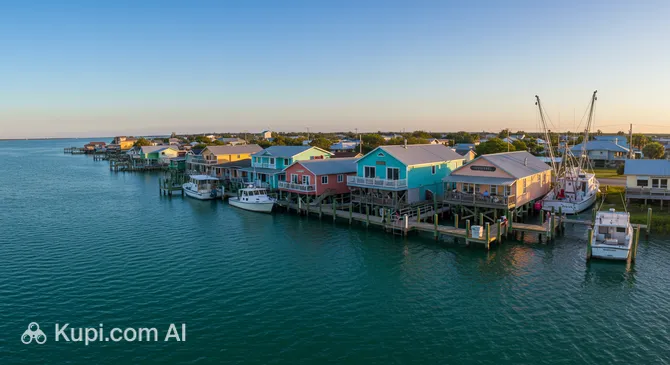
Cedar Key is a unique spot that has preserved the charming atmosphere of "Old Florida." Located on the Gulf Coast in the USA, this town is worlds away from the state's bustling resorts and theme parks. Here, you won't find high-rise hotels or large shopping malls; instead, you'll be greeted by cozy wooden buildings and the steady rhythm of an island community.

Cedar Key. Illustration.
Source: Kupi.com AI

The town is spread across a group of small islands connected by bridges and causeways. With a population of only about 700 people, Cedar Key offers tourists a rare sense of seclusion and proximity to wildlife. The mild climate and rich coastal waters make this place a haven for fishermen, kayakers, and birdwatchers in their natural habitat.

The region's past is no less fascinating than its nature. It was once an important port and home to a thriving timber industry, and the rich history of Cedar Key still lives within the walls of local museums and historic buildings. Today, the town proudly holds the title of one of the country's primary clam-farming centers, which is why local restaurants are famous for their chowders and fresh seafood dishes.

If you are looking for a peaceful getaway far from the crowds, Cedar Key will be an ideal choice. Strolls along historic Dock Street, incredible sunsets over the Gulf, and the genuine hospitality of the locals will leave you with the warmest memories of this distinctive town.

Weather Overview

The climate of this region is defined by its location on the Gulf Coast, providing mild weather year-round. Winters in Cedar Key are very comfortable and not at all harsh: the average temperature in January is about 14.2°C, with daytime temperatures often reaching 17.4°C. This time of year is characterized by low rainfall, offering tourists mostly dry and sunny days.

Spring brings gradual warming, and by May, the average temperature reaches a pleasant 25.0°C. Summer here is hot and humid: in July and August, the thermometer averages around 28.1°C — 28.2°C, with maximums exceeding 30°C. This season sees the highest amount of precipitation—up to 26 rainy days per month. To plan your outdoor activities wisely, we recommend checking the weather in Cedar Key before your trip.

In the fall, the heat subsides, and by October, the "velvet season" sets in with temperatures around 24°C and a sharp decrease in rain. Overall, expect a hot summer with frequent tropical downpours and mild, dry winters, perfect for a peaceful getaway.

Average monthly temperature

Average monthly precipitation

Interesting Facts

Beyond its picturesque landscapes and gastronomic delights, Cedar Key holds many fascinating secrets and historical facts that not all travelers are aware of.

  • A Pencil Empire of the Past. The town's name ("Cedar Key") wasn't given by chance. In the 19th century, factories of the famous Faber company were located here, and local wood was used on a massive scale for pencil production. Cedar Key was so important to the industry that it was considered the unofficial "pencil capital" of the world until the hurricane of 1896 and the depletion of the forests changed the region's fate.

  • The New "Gold Mine" — Clams. Today, the town holds another honorary title — "Clam-Farming Capital of the USA." After the ban on certain fishing nets in the 1990s, locals successfully transitioned, and now a huge portion of American clams, prized by gourmets across the country, are supplied from here.

  • John Muir's Refuge. The famous naturalist and "father of the national parks" John Muir completed his legendary thousand-mile walk right here in Cedar Key in 1867. He was enchanted by the tropical nature here and wrote his notes before moving on to his great discoveries in the West.

  • A Ghost Town on a Neighboring Island. Originally, the center of the settlement was on Atsena Otie Key, located directly across from the modern waterfront. A powerful storm at the end of the 19th century destroyed the old town, forcing residents to move to the current location. Today, you can kayak to Atsena Otie to see the ruins of the old factory amidst the wild jungle.

How to Get There

Getting to this secluded corner of Florida is a small adventure in itself. Since the town is located on islands, direct access is limited, and most travelers combine a flight with a car trip. You can find more details on how to get to Cedar Key by exploring all available routes and modes of transport.

Cedar Key does not have its own airport, so tourists have to fly into nearby major cities. The closest is Gainesville Regional Airport (IATA: GNV). It is located in the city of Gainesville, approximately 96 km from Cedar Key. This is a small regional hub, but it is the most convenient in terms of distance. Travel time from here by taxi or bus takes about 2 hours and 45 minutes.

For international flights and a larger selection of airlines, Tampa International Airport (IATA: TPA) is the best choice. It is located in Tampa, at a distance of 137.9 km from Cedar Key. This is a major transport hub with a huge passenger flow. The trip from the airport to the coast will take approximately 3 hours and 45 minutes.

Another alternative is St. Pete–Clearwater International Airport (IATA: PIE), also located in the Tampa area (about 140 km from Cedar Key). Charter and domestic flights often land here. The road to your destination will take about 3 hours and 50 minutes.

For convenience, here is a summary of the main airports through which you can plan your route:

AirportPassenger trafficDistance
Gainesville Regional Airport578 17596 km
Tampa International Airport23.9 mln138 km
St. Petersburg-Clearwater International Airport2.5 mln140 km
Lakeland Linder International Airport15 000161 km
Orlando Sanford International Airport2.9 mln179 km

As for rail connections, there are no direct trains to Cedar Key. The nearest major train stations are in the same cities as the airports (for example, in Tampa or Gainesville). Given the specific nature of the region and its distance from major highways, the most comfortable way to get around remains renting a car immediately upon arrival at the airport. This will allow you not only to reach the town but also to freely explore the picturesque surroundings of Florida.

Main Attractions

The attractions of Cedar Key are not your typical tourist traps, but places where history intertwines with untouched nature. The main draw for ecotourism enthusiasts is the Cedar Keys National Wildlife Refuge. Founded back in 1929, it encompasses a group of small islands accessible only by water. It is a true paradise for birdwatchers, as thousands of birds, including pelicans, herons, and bald eagles, nest here. Travelers rent boats or kayaks to explore the mangroves and enjoy the silence away from civilization.

To dive into the region's past, a visit to Cedar Key Museum State Park is a must. This site offers a unique look at Florida life in the early 20th century. The centerpiece is the restored St. Clair Whitman house, built in the 1920s, where you can see the lifestyle of that era. Additionally, the museum features an impressive collection of seashells and artifacts from the days when the town was a prosperous port and a pencil manufacturing hub. A walk along the park's nature trail is a pleasant addition to the tour.

A special place in the hearts of travelers is Atsena Otie Key. This is the "ghost town" where the original settlement was located before the devastating hurricane of 1896. Today, it is a popular kayaking destination. Tourists paddle here to walk the forest trails, see the ruins of an old factory, and visit a historic cemetery from the late 19th century. Atsena Otie offers a rare opportunity to literally touch history while standing in the middle of a wild jungle.

One cannot overlook the colorful Dock Street. Although it is more of a district than a single site, this is where the pulse of the town's tourist life beats. Set on pilings over the water, the street is full of seafood restaurants, souvenir shops, and art galleries. It is the best place to try the famous local clam chowder and admire the sunset over the Gulf of Mexico, which paints the sky and water in incredible shades.

Local Cuisine

Cedar Key's culinary scene is inextricably linked to the sea, and local menus are dictated by the morning catch. Since the town is officially recognized as the "clam capital," they are the region's main culinary treasure. The number one dish every guest must try is clam chowder. The local variation of this thick, creamy soup is particularly rich and full of fresh clams, which has helped Cedar Key recipes win prestigious national awards multiple times.

Beyond soups, you should pay attention to the fish and delicacies of the Gulf of Mexico. A popular choice is grouper—it is prepared masterfully here: fried in breading, grilled, or served as a massive "grouper sandwich." We also highly recommend trying a traditional "Old Florida" appetizer—smoked mullet dip. This simple but incredibly tasty dish with a smoky aroma is usually served with crackers and a lemon wedge.

As for drinks, the hot climate of the southern USA dictates the rules. During the day, the best way to refresh yourself is a classic sweet tea, which is made very strong and sweet here. In the evening, the drinking culture moves to open terraces: light beers from Florida craft breweries and tropical cocktails like Margaritas or rum punches, which perfectly complement the sunset view, are very popular.

The dining culture in Cedar Key is devoid of pretension and formalities. Strict dress codes are not expected; the atmosphere in establishments is as relaxed and friendly as possible. The epicenter of gastronomic life is historic Dock Street, where most restaurants are located on stilts right over the water. Dinner here is not just a meal, but a ritual of connecting with nature, where the sound of the waves and the sea breeze become the best seasonings for fresh seafood.

Travel Tips

A trip to Cedar Key is an immersion into the relaxed atmosphere of "Old Florida," where time flows differently than at the state's bustling resorts. To ensure your vacation on this secluded island is as comfortable and surprise-free as possible, we have prepared a list of important practical recommendations.

  1. Clothing and Gear. Absolute "resort casual" reigns here—leave the evening gowns and heels at home. You will need shorts, T-shirts, comfortable sandals, and definitely sunscreen (hat, sunglasses, lotion), as the sun by the water is very strong. If you plan on kayaking, bring some water shoes. In winter, evenings can be cool, so a light jacket or fleece will be useful.
  2. Getting Around Town. Cedar Key is so compact that you will hardly need a car. The best ways to get around are walking, cycling, or by golf cart. Golf cart rentals are very popular here and allow you to reach any point easily. Note that there is no public transport, and taxi services (like Uber) are extremely unreliable due to the small number of drivers.
  3. Money and Payment. The official currency is the US Dollar. While cards are accepted almost everywhere, we strongly recommend having cash on hand. It will be useful for small purchases, parking fees, or tips. There are few ATMs in town, so it's better to withdraw money in advance. Don't forget the tipping culture: in American restaurants, it's customary to leave 15–20% of the check amount.
  4. Health and Insects. Cedar Key is a safe place, but the tourist's main "enemy" is insects. No-see-ums and mosquitoes are especially active at dawn and sunset, so a high-quality repellent is mandatory. Important to know: there are no 24-hour pharmacies or hospitals on the island. The nearest major medical assistance is in Gainesville (about an hour away), so pack your personal first-aid kit in advance.
  5. Communication and Internet. The primary language of communication is English. Wi-Fi is available in most hotels and cafes, but the speed may be slower than what you're used to in the city. Mobile service is stable in the center but may drop out near protected areas and on the water. We recommend downloading offline maps if you plan to explore the surrounding islands by boat.
  6. Local Etiquette. The town's residents pride themselves on their friendliness and calm. It is customary to greet passersby and drivers of oncoming golf carts (a slight nod or a wave). The main rule of etiquette is: do not rush. Service in restaurants can be leisurely; don't see this as slowness, but as part of the relaxed island rhythm.
  7. What to Avoid. Don't expect a wild nightlife and don't look for clubs open until morning—the town "goes to sleep" quite early. Also, strictly avoid feeding wild animals and birds (pelicans, seagulls). This disrupts the ecosystem and can result in fines. If you see manatees in the water, observe from a distance and do not try to touch them.
  8. Important Detail about Tides. If you are planning a fishing trip or a kayak excursion, be sure to check the tide schedule. The waters off the coast of Cedar Key are shallow, and during low tide, the sea recedes very far, exposing the muddy bottom. Not knowing the schedule could result in you being stranded in the shallows under the scorching sun waiting for the tide to come in.

By following these simple tips, you can avoid minor inconveniences and focus entirely on the beauty of nature and the taste of the freshest seafood. Leave the bustle of the mainland behind and let the measured rhythm of Cedar Key give you a real vacation.

Entertainment & Nightlife

Nightlife in Cedar Key is radically different from what tourists are used to seeing in Florida's bustling metropolises like Miami. You won't find neon signs, thumping nightclubs with DJs, or pretentious lounge areas here. Evening entertainment in this town is imbued with the spirit of "Old Florida": live music, relaxed gatherings with ocean views, and friendly conversation under the starlit sky.

The epicenter of evening activity is the historic Dock Street. This is where locals and travelers gather to watch the sunset. Most establishments here are cozy bars and restaurants with open-air decks, built on stilts directly over the water. The atmosphere is as laid-back as it gets: guests in shorts and sandals are welcome, and the main features of the evening are the sea breeze and the sound of a guitar.

Among the specific places worth visiting, Steamers Clam Bar & Grill stands out. This Dock Street spot is famous not only for its cocktails but also for its casual atmosphere, where local musicians often perform country, rock, and blues. Another popular location is 83 West. Located on the second floor, this restaurant and bar offers perhaps the best panoramic view of the Gulf of Mexico. For those who love a simple and fun atmosphere, Big Deck Raw Bar is a great choice—an open-air venue that is often crowded, noisy, and fun on weekends thanks to live band performances.

It is important for tourists to know a few practical details. First, Cedar Key is a town that goes to bed early. Most restaurant kitchens close around 9:00 PM or 10:00 PM, and bars may stay open until 11:00 PM or midnight only on weekends. Don't plan on partying until dawn here. Second, regarding transportation: services like Uber or Lyft practically do not operate in this secluded spot, especially at night. The best way to get to your hotel is on foot (the town is very compact) or by using a pre-rented golf cart.

In terms of safety, Cedar Key is one of the calmest places in the state. Night walks pose no threat, though streets can be dimly lit, so a phone flashlight will come in handy. The crowd in local establishments usually consists of fishermen, longtime residents, and tourists seeking peace, so conflicts are very rare.

If you want to diversify your leisure time during the day before heading out for the evening, the town offers great daytime activities. You can visit local history museums to learn about the region's past or go kayaking to explore the mangroves around the islands, enjoying the quiet of nature before evening sets in.

Parks & Museums

Cedar Key's cultural and natural landscape is surprisingly rich for such a compact town, offering tourists a harmonious blend of untouched ecosystems and carefully preserved heritage. Here, green zones flow seamlessly into historic districts, and museums tell fascinating stories of a time when this island was a major trading port.

Key Parks and Green Zones

While many of the region's natural treasures are on the water, Cedar Key City Park is the heart of land-based life. Located at the end of Second Street, it offers a beautiful sandy beach—a rarity for this marshy coastline. It is an ideal spot for a family picnic, featuring pavilions, a playground, and easy access to the water for swimming. The park serves as a prime location for dolphin watching, as they often swim close to shore, and is the center for local festivals.

For those who prefer quiet walks, the Cedar Key Scrub State Reserve is a real find. Located a few kilometers from the town center, this area features a unique Florida scrub ecosystem that is disappearing in other parts of the state. There are scenic trails winding through pines and oaks. Tourists come here for a chance to see rare birds, gopher tortoises, and simply to enjoy solitude away from the tourist bustle.

Museums and Galleries

Diving into the town's past is impossible without a visit to the Cedar Key Historical Society Museum. Located in the historic Lutterloh building at the corner of Second Street and State Road 24, this museum is the main treasure trove of the town's memory. Exhibits cover all key stages: from prehistoric times and the Civil War to the peak of the pencil industry and fishing. It houses unique photographs, documents, and household items that allow you to literally look into the eyes of the residents of "Old Florida."

Art lovers should stop by the Cedar Key Arts Center. This is not just a gallery, but a living space that brings together local artists and craftsmen. The building features a shop where you can purchase unique handmade souvenirs, paintings, and ceramics inspired by local nature. Exhibitions are often held on the second floor, and the courtyard features a sculpture garden that is an art object in itself.

Historical and Architectural Sites

The entire historic center of the town can be called an open-air museum. Strolling along 2nd Street, you will see beautifully preserved 19th-century buildings. Special attention should be given to the famous Island Hotel—a building constructed in 1859 from tabby (seashell concrete) and oak. It has survived wars and hurricanes while maintaining its colonial charm. Even if you aren't staying there, it's worth stepping into the lobby to see the vintage murals of Neptune and Cedar Key landscapes, painted back in the 1940s.

Insider Tips

If you have a car, be sure to drive a little north of town to Shell Mound. This is not just a nature park, but a massive archaeological monument—a shell midden created by indigenous peoples thousands of years ago. The trail here leads right over the top of the ancient mound, offering stunning views of the salt marshes and the Gulf that are not accessible from the town center.

Getting Around

The public transport system in Cedar Key has its own unique features due to the town's size and island location. It is important to note right away: there is a complete absence of traditional public transport such as city buses, trolleybuses, trams, or subways. This is a tiny community where the rhythm of life does not require complex transport infrastructure, and distances allow you to easily get by without it.

The primary and most colorful means of transportation for tourists are golf carts. They are permitted here for use on public roads and are extremely popular. Renting a golf cart is not just a way to get from point A to point B, but part of the local cultural experience. Rental points are located right in the town center and at hotels. To operate such a vehicle, you will need a valid driver's license, and the driver must be at least 18 years old (21 at some companies).

As for payment and rules, there is no system of transit passes or transport cards here. Payment for golf cart and bicycle rentals is made on-site with cash or a bank card. The cost of a golf cart rental usually varies from hourly to daily rates. During the high season and on weekends, it is strongly recommended to book your transport in advance by phone or through rental company websites, as available vehicles are quickly snatched up.

Bicycles serve as an excellent alternative to motors. The island's terrain is predominantly flat, and traffic is calm, making bike rides safe and pleasant. Many guesthouses offer bicycles to their residents for free or for a nominal fee. This is an eco-friendly way to explore not only the historic center but also remote corners inaccessible to cars.

Tourists accustomed to taxi and ride-sharing services should be prepared for limitations. Apps like Uber or Lyft in Cedar Key work very inconsistently or not at all due to a lack of drivers in this remote area. You should not rely on them for trips around town or airport transfers. If you didn't arrive in a rental car, count on your feet, a bicycle, or a local golf cart.

The main tip for navigating the town: relax and walk. The historic district, Dock Street, the park, and main restaurants are all within walking distance of each other. The compactness of Cedar Key allows you to cross its central part in literally 15–20 minutes, enjoying views of the gulf and the architecture, which makes the lack of buses more of an advantage than an inconvenience.

Accommodation

Accommodation in Cedar Key is an extension of discovering the town's unique character. Here, you won't find the usual chain giants or faceless high-rise hotels. Instead, the lodging market is represented by cozy family inns, historic bed & breakfasts, retro-style motels, and, most popularly, private apartments and vacation cottages.

The geography of accommodation here is quite compact. The most sought-after area is the zone near Dock Street and the historic center. By staying here, you will be within walking distance of the best restaurants, the pier, and souvenir shops. For those seeking peace and seclusion, options in residential neighborhoods or condominium complexes located further down the coast are ideal, offering stunning views of sunsets over the Gulf of Mexico.

Historic buildings converted into hotels add a special flavor to your stay, with interiors that preserve the spirit of past centuries. Many tourists also choose houses on stilts over the water to have the chance to watch dolphins or fish directly from their own balcony. It is worth noting that Cedar Key is a very pet-friendly town, and many property owners are happy to welcome guests with their pets.

Booking Tip: When planning your trip, keep in mind that the number of accommodations in town is limited, as there are no massive hotel complexes. It is strongly recommended to book your lodging in advance (at least 2–3 months), especially if your trip falls on a weekend, the winter season, or during popular events such as the Old Florida Celebration of the Arts or the Seafood Festival.

The price range in Cedar Key varies from mid-range to high. There are virtually no budget hostels here, and the cost of rent depends heavily on the season and the availability of a sea view. Booking is available through major international online aggregators as well as directly through the websites of local property management companies specializing in vacation rentals.

Nearby Cities

For those looking to explore the surrounding area, Cedar Key serves as an excellent starting point for day trips to several interesting nearby locations:

Just an hour's drive away is Homosassa Springs, which is a true mecca for nature lovers. The main attraction here is the wildlife state park, famous for its manatee population. Visitors can observe these amazing animals in the clear spring waters year-round, as well as see other members of Florida's fauna in their natural environment.

History buffs and fans of unique natural phenomena should head to the city of Ocala. This region is known for its crystal-clear springs, particularly Silver Springs State Park, where glass-bottom boat tours were invented back in the 1870s. Additionally, Ocala holds the title of "Horse Capital of the World," and a trip through the countryside will allow you to enjoy views of picturesque horse farms and green pastures.

If you're missing urban dynamics and cultural events, Gainesville is an excellent choice. This is a major university center offering a rich museum program. Of particular note is the Florida Museum of Natural History with its famous "Butterfly Rainforest" pavilion, where hundreds of colorful insects fly freely among exotic plants.

CityPopulationDistance
Cross City2 00056 km
Citrus Springs10 16257 km
Homosassa Springs86 57858 km
Citrus10 62658 km
Sugarmill Woods10 62968 km

These nearby destinations offer a glimpse into the diverse culture and landscapes of the region.

Shopping & Souvenirs

General Overview

Shopping in Cedar Key is the complete opposite of hectic runs through giant malls. You won't find chain brands or giant department stores here. Commerce in this town has an intimate, almost home-like character: most shops are small family-run stores, art galleries, and boutiques where the owners are often behind the counter and ready to personally share the story of every item. This is a place for those looking for unique handmade items and wanting to take home a piece of the "Old Florida" atmosphere.

Main Shopping Districts and Streets

The main artery for tourist shopping is the colorful Dock Street. Set on stilts over the water, it offers not only restaurants but also a range of souvenir shops. Here, you can buy beachwear, jewelry, and fun trinkets while enjoying the sea breeze. The second important location is historic 2nd Street. Strolling through it among historic buildings, you will find more refined boutiques, antique shops, and, of course, the art galleries the town is so famous for.

Shopping Centers

It is important to know that there are no shopping centers at all in Cedar Key in the traditional sense. There are no malls, cinemas, or large electronics supermarkets. The town consciously preserves its authentic appearance by avoiding mass commercial development. If you need a large-scale shopping trip to visit brand-name stores, you will have to head to the nearest major city, Gainesville, which is about an hour's drive away.

Markets and Festivals

Although the town does not have a permanent large market, Cedar Key is known as a thriving art colony. Seasonal events play the role of the main trading platforms here, especially the famous Old Florida Celebration of the Arts, which takes place in the spring. During this time, the streets fill with tents of hundreds of artists and craftsmen from all over the country offering unique paintings, sculptures, and jewelry. On regular days, small local shops where you can find fresh produce and local delicacies fulfill the functions of a market.

Souvenirs: What to Bring Back

The best souvenir from Cedar Key is a piece of art. The town is ranked among the best small towns in the USA for art lovers, so be sure to check out local galleries for a seascape painting, ceramics, or designer jewelry. Items made from seashells, books on the region's history, and, of course, gastronomic souvenirs are also popular: local hot sauces, seafood spices, or signature canned clam chowder that can be safely transported.

Opening Hours and Payment

Life on the island flows at a measured pace, and shop hours reflect this. Most retail outlets open around 10:00 AM and close as early as 5:00 PM or 6:00 PM. Don't leave your souvenir shopping for late in the evening—most likely, everything will be closed. Credit cards (Visa, MasterCard) are accepted almost everywhere, but having a small amount of cash in dollars will be very handy in small shops or at street stalls.

Taxes (Tax Free)

Florida has a sales tax that is added to the cost of the item at the register (usually around 6-7%). The tax refund system (Tax Free) for foreign tourists in the USA works differently than in Europe, and in small towns like Cedar Key, it is impossible to use it. Expect that the price on the tag is final before tax, and it will not be possible to get these funds back upon departure.
Reached the end of the page?

That means the route is fully explored