Support

Clemson

About

Clemson is a cozy and picturesque city nestled in the rolling green hills of South Carolina, right at the foot of the majestic Blue Ridge Mountains. It is a place where the beauty of the wild, academic traditions, and the unquenchable energy of youth harmoniously intertwine. A journey here allows you to see the USA from a new perspective: hospitable, calm, yet full of events.

The city's geographic location makes it a true gem of the region. Clemson is situated on the shores of the vast Lake Hartwell, which provides locals and tourists alike with stunning views and fresh air. The climate is mild, perfect for long walks, and the city's population is just over 17,000 people. However, this figure is deceptive: thanks to students and tourists, life here bustles year-round while maintaining the charm and safety of a small American town.
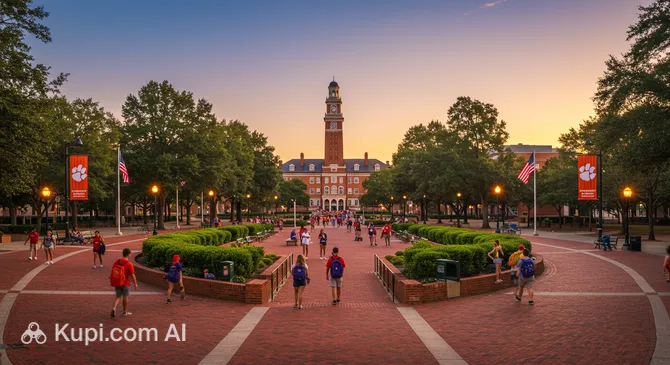
Clemson. Illustration.
Source: Kupi.com AI

The heart and soul of the city is the famous Clemson University. The campus occupies a significant area and largely defines the architectural appearance and atmosphere of the place. The university's historic buildings, well-kept alleys, and iconic landmarks attract as much attention as the natural beauty. It is here, among majestic oaks and historic halls, that Clemson's history is best traced, linking the past with an innovative future.

Tourists come here for a unique combination of leisure activities. In the morning, you can go hiking on mountain trails or enjoy water sports on the lake, and in the evening, you can dive into the lively atmosphere of student cafes and cultural events. Key points of attraction remain the scenic waterfront, the university botanical gardens, and, of course, the sports arenas where an incredible spirit of unity prevails.

Clemson is worth a visit for anyone who wants to escape the hustle and bustle of megacities and enjoy true Southern charm. It is a city that welcomes guests like old friends, offering comfort, inspiration, and unforgettable landscapes.
Weather Overview

The climate in Clemson can be described as mild and temperate, making the city attractive for visiting almost any time of year. Summer here is truly warm, and in the height of the season, it can be hot: in July, the average temperature is about 26.8°C, and daytime highs often exceed 31°C. Winters here are cool but not harsh, with January lows around 2.2°C and an average temperature of 6.7°C. If you are planning a trip and want to know the current weather in Clemson, you should focus on these seasonal features.

The transitional seasons, spring and fall, offer the most comfortable conditions. In April, the air warms up to an average of 16.0°C, and in May, to 20.9°C. October brings a pleasant coolness with an average temperature of 18.1°C. Precipitation is distributed fairly evenly throughout the year: the number of rainy days varies from 8 in October and November to 16 in July, while precipitation levels stay within 3–6 mm, indicating regular but usually not prolonged rain.

Expect a hot summer with frequent rainy days and mild winters where the temperature rarely drops to extreme values.

Average monthly temperature

Average monthly precipitation

Interesting Facts

In addition to its main attractions, Clemson holds many fascinating secrets and unique features that set it apart from other university towns. The history of this place is full of unexpected turns and local legends passed down from generation to generation.

  • Noble Origins. The city owes its appearance on the USA map to an unusual set of circumstances and the will of Thomas Green Clemson. Interestingly, the university's founder was not only a scientist and a devotee of enlightenment but also the son-in-law of the famous American politician, Vice President John C. Calhoun. It was thanks to family ties and local government support that this scientific center emerged, becoming the heart of the region.

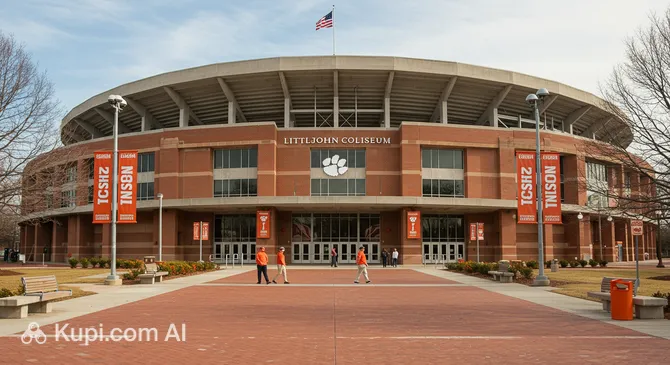
  • A Stadium Town. Sporting achievements are valued above all else here. Home game days for the local Tigers team turn into city-wide holidays when the city's population effectively doubles due to fans. The epicenter of sporting life, besides the football stadium, is the famous Littlejohn Coliseum, where basketball games and large-scale events uniting students and residents take place.

  • Mystical Legend. Like any old campus, Clemson has its own ghost story. Local folklore says that the spirit of a former professor inhabits one of the old university buildings. Rumor has it that he still roams the corridors and monitors order in the laboratories, adding a touch of mystery to students' daily lives.

  • Forge of Talents. Clemson is often called a city of inventors. The high concentration of scientists and engineers per capita creates a special atmosphere of innovation. Among the university's graduates are many successful entrepreneurs and engineers, confirming the city's reputation as one of the most intellectual corners of South Carolina.

Littlejohn Coliseum. Illustration.
Source: Kupi.com AI

Traveler photos:

How to Get There

When planning a trip to this cozy university town, it's important to map out your route in advance. Clemson is located away from major metropolises, so the journey often involves a flight to nearby transport hubs followed by a car trip. You can find all ways to get to the city in more detail on a separate page, and below we will look at the most popular options.

The city of Clemson does not have its own civil airport that accepts regular flights. Most tourists fly into Greenville-Spartanburg International Airport (IATA: GSP). It is located in Greer, approximately 61 km from the center of Clemson. This is the most convenient option: the journey by rental car or taxi takes about 45–50 minutes. The airport serves many domestic flights, making it an excellent point of entry to the region.

An alternative option is Asheville Regional Airport (IATA: AVL), located in Asheville at a distance of about 88 km. The journey from here to Clemson will take a bit longer—about 1 hour 15 minutes by car. This airport is often chosen by travelers combining their trip with a visit to the mountains of North Carolina. For transfers from both airports, it is recommended to book a taxi in advance or rent a car, as public transport may be less convenient over such distances.

For clarity, here is a summary of the main regional airports through which you can reach Clemson:

AirportPassenger trafficDistance
Greenville-Spartanburg International Airport2.6 mln61 km
Asheville Regional Airport2.2 mln88 km
McGhee Tyson Airport3.3 mln163 km
Augusta Regional Airport673 255167 km
Columbia Metropolitan Airport1.4 mln178 km

If you prefer ground transport, you can also reach Clemson by rail. The city has its own Amtrak station, located right in the center at the intersection of Calhoun Memorial Highway and College Avenue. The Crescent route, connecting New York and New Orleans, passes through the station. This is a scenic and comfortable way to travel, especially popular among students and those who want to enjoy views of the Southern states from the train window.

Main Attractions

Clemson, nestled in South Carolina, offers travelers not only the charm of the American South but also many interesting spots. Despite its modest size, the city is rich in attractions related to both its famous university and the surrounding picturesque nature.

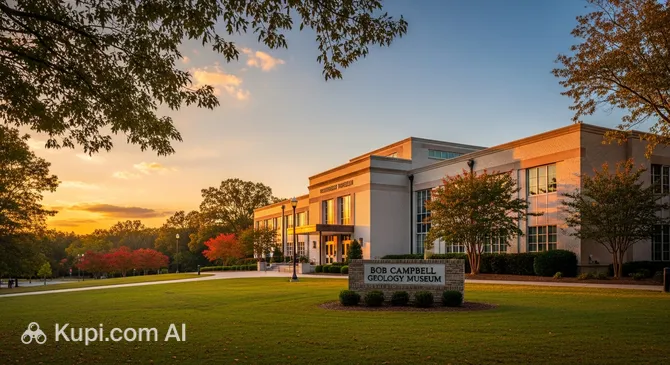
For those interested in science and history, the Bob Campbell Geology Museum is an excellent choice. Its halls house an impressive collection of minerals, fossils, and gemstones. This place is perfect for a family visit, where you can see the skeletons of prehistoric creatures and learn much about the geology of the region and the world.

Bob Campbell Geology Museum. Illustration.
Source: Kupi.com AI

Traveler photos:

To feel the energy and sporting spirit of the city, it's worth visiting the Littlejohn Coliseum. This modern arena is home to the Clemson University basketball team and a venue for large-scale concerts and shows. Attending one of the events means immersing yourself in the authentic atmosphere of American college life.

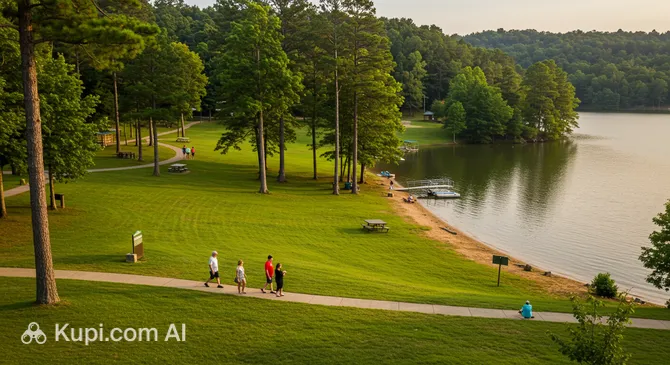
If you prefer outdoor activities, head to Larry W. Abernathy Waterfront Park. Situated on the shores of Lake Hartwell, it offers visitors scenic walking trails, picnic spots, and stunning water views. It's a wonderful place to relax and enjoy nature away from the city's noise.

You can feel like a local at the iconic Esso Club. This establishment, with its rich history, was once an ordinary gas station and is now considered one of the most popular meeting places in town. Here, you can try classic American snacks and drinks in a relaxed and friendly atmosphere.

Local Cuisine

Clemson's gastronomic scene is a true immersion into the culinary traditions of the American South, where food is considered an important part of culture and hospitality. Dishes with deep roots hold a place of honor on local restaurant menus: tender pork barbecue smoked over a slow fire, hearty slow-cooked beans, and golden cornbread. A real signature of the region is the famous "shrimp and grits," served here with a savory sauce and fresh herbs.

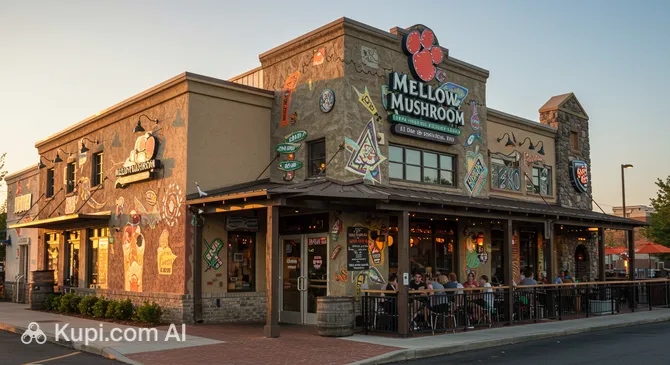
Street food plays a huge role in city life, especially during sporting events when the streets are filled with fans. Tourists should try the crispy fried chicken, pulled pork sandwiches, and sweet glazed donuts. Even a regular hot dog becomes a gastronomic discovery here thanks to signature homemade condiments. If you're looking for a place with a relaxed atmosphere and delicious food, stop by Mellow Mushroom, where you can have a great time with friends.

Mellow Mushroom. Illustration.
Source: Kupi.com AI

Traveler photos:

Special attention should be paid to the local farmers' markets, which are the pride of the city. Here you can always find the freshest vegetables, craft cheeses, pickles, and homemade baked goods prepared according to old recipes. Throughout the year, Clemson hosts culinary festivals where guests can get acquainted with the best traditions of Southern cuisine. The fall season is particularly popular when the whole neighborhood gathers to taste aromatic pumpkin pies.

Among drinks, the king of the table in South Carolina remains sweet tea with ice, which is perfectly refreshing on a hot day. Coffee lovers should visit cozy spots like All In Coffee Shop to enjoy a cup of high-quality coffee and a dessert. In the fall, fresh apple cider is popular, and the city's bars always offer a wide selection of local craft beer.

Travel Tips

A trip to Clemson promises to be peaceful and interesting, but a little preparation will make it even more comfortable. We have gathered the most important practical tips to help you easily navigate this university town and avoid common tourist mistakes.

  1. Clothing and Seasonality. In summer, South Carolina can be very hot and humid, so choose light clothing made of natural fabrics, and don't forget sunglasses and a hat. Winters here are mild; usually, a windbreaker or a thick sweater is enough. Since the city is located on hills and the campus is huge, comfortable shoes without heels are a mandatory attribute for your suitcase.
  2. Transport Accessibility. The main life hack for tourists in Clemson is the CATbus system. The buses are free for everyone and cover the main routes of the city and university. For late-night trips or to remote locations by the lake, it's more convenient to use taxi apps (Uber or Lyft). Renting a car makes sense if you plan to travel around the state.
  3. Money Matters. The currency is the US dollar. Bank cards are accepted almost everywhere, including small coffee shops. Cash (1-5 dollar bills) will be useful for farmers' market purchases or tipping porters. Remember the tipping culture: in American restaurants, it's customary to leave 15–20% of the check amount, as this forms the basis of the waiters' earnings.
  4. Safety and Health. Clemson is a safe city with a low crime rate, but you shouldn't leave valuables in plain sight in your car. Major chain pharmacies (like CVS or Walgreens) are easy to find downtown, where you can buy over-the-counter medications. Medical care for foreigners is very expensive, so having travel insurance is strictly mandatory.
  5. Connectivity and Gadgets. Free Wi-Fi is available in many public places, cafes, and on the campus. To charge your devices, be sure to bring an adapter for American sockets (Type A or B, with two flat pins), as the voltage in the network is 110V.
  6. Southern Etiquette. Locals are famous for their hospitality. It's customary here to greet staff in shops, hold the door for those behind you, and smile during accidental eye contact. Don't be surprised if a stranger talks to you about the weather in line—it's a sign of politeness, not intrusiveness.
  7. What to Avoid. Do not violate jaywalking rules: in the US, this is taken seriously, and crossing in the wrong place can result in a fine. Also, refrain from wearing clothing with rival team symbols (University of South Carolina, garnet and black colors) on home game days to avoid provoking local fans.
  8. City Color. If you want to fit in immediately, add something orange to your wardrobe. This is the official color of the university and the city. This is especially relevant on Fridays (Solid Orange Friday) when almost all residents wear orange to support the local team.

We hope these recommendations help you plan the perfect trip. Clemson is a city that welcomes guests with an open heart, and by following these simple rules, you can fully immerse yourself in its unique atmosphere without extra hassle.

Entertainment & Nightlife

Clemson's nightlife is inextricably linked to the rhythm of a college town: it is energetic, democratic, and full of camaraderie. The main fun begins at sunset when students and locals hit the streets to unwind after a day of study or work. The epicenter of evening entertainment is Downtown, especially College Avenue. This is where most of the bars, pubs, and cafes are concentrated, and where the music doesn't stop until late at night.

The atmosphere in Clemson's establishments is mostly laid-back. You'll rarely find a strict dress code or pretentious exclusive nightclubs here. Instead, the city offers cozy sports bars and pubs where you can watch a game, play pool, or just chat. One of the most legendary places every tourist should visit is the Esso Club. This establishment with a rich history, located in a former gas station building, is considered a true symbol of the city. A unique atmosphere of Southern hospitality reigns here, and on game days, the bar turns into a center of universal celebration.

The Esso Club. Illustration.
Source: Kupi.com AI

Traveler photos:

If you prefer a quieter evening with delicious food and craft drinks, Mellow Mushroom is an excellent choice. The psychedelic-style interior and extensive pizza menu create a great backdrop for social gatherings. For fans of large-scale entertainment and concerts, the main point of attraction is the Littlejohn Coliseum. Although primarily a sports arena, it regularly hosts performances by famous artists and various shows that diversify leisure options.

Practical tips for tourists:

  • Opening hours: Bars are usually open until 2:00 AM. The busiest times are Friday and Saturday, as well as football game days.
  • Prices: The cost of drinks and snacks is very affordable, geared towards a student budget.
  • Documents: The USA has very strict age restrictions. Always carry your passport with you, as it may be requested at the entrance or when ordering alcohol, even if you look older than 21.
  • Safety and transport: Downtown Clemson is considered safe for nighttime walks, and the streets are well-lit. To get to your hotel at night, it is most convenient to call a taxi through the Uber or Lyft apps, as public transport runs less frequently late at night.

In addition to nighttime entertainment, Clemson offers a rich cultural program during the day. Art lovers can visit the Brooks Center for the Performing Arts, which hosts plays and musical concerts. It's also worth spending time walking through the South Carolina Botanical Garden, a beautiful place for quiet relaxation before a busy evening.

Parks & Museums

Parks and Museums:

Despite being primarily known as a university town, Clemson offers its guests an impressive variety of green spaces and cultural sites. Here, nature harmoniously coexists with history, allowing travelers to alternate active outdoor recreation with informative tours of sites that preserve the memory of the region's past.

The city's main natural gem is arguably the South Carolina Botanical Garden. This massive park, spanning nearly 120 hectares, is a true living museum of nature. Kilometers of scenic trails wind through forests, streams, and themed gardens. Visitors can enjoy camellia and azalea blossoms, visit the butterfly garden, or simply relax in silence. The garden is also home to several historic buildings and unique sculptures integrated into the landscape, making a walk here a real adventure.

For those who love waterfront relaxation, Twelve Mile Recreation Area is the perfect spot. Located on the shores of Lake Hartwell, this area is excellently equipped for picnics, swimming, and water sports. It features a sandy beach, convenient boat ramps, and shaded areas where you can escape the summer heat. It's a popular spot for both students and families with children looking to spend a day in nature.

Twelve Mile Recreation Area. Illustration.
Source: Kupi.com AI

Traveler photos:

Clemson's cultural life is closely linked to the history of the university and the entire state. One of the key historical landmarks is Fort Hill, a National Historic Landmark located right in the center of the university campus. This 19th-century mansion was the home of statesman John C. Calhoun and later the university's founder, Thomas Green Clemson. A tour of the house allows you to immerse yourself in the atmosphere of the Old South, see original furniture and personal belongings of the owners, and learn more about the complex history of this period.

Another important site is Hanover House, located within the Botanical Garden. This early 18th-century building, constructed by French Huguenots, was moved here from another part of the state to save it from flooding during the creation of a reservoir. Today, it serves as a museum demonstrating early colonial architecture and settler life. Also worth mentioning is the Clemson Area African American Museum, which plays a vital role in preserving and promoting the history and achievements of the region's African American community.

Insider Tip: While walking through the Botanical Garden, don't miss the "Heritage Garden." Here, they grow plants that were of key importance to South Carolina's economy and lifestyle for centuries, including historic varieties of corn and cotton, providing a visual representation of the region's agricultural past.

Getting Around

The public transport system in Clemson is simple, convenient, and has one amazing feature that will undoubtedly please tourists. As it is a university town, the transport infrastructure is adapted to the needs of students and guests, making moving between main locations easy and accessible.

The main form of public transport is the CATbus (Clemson Area Transit) bus network. This is the city's main pride, as travel on all CATbus routes is absolutely free for all passengers. Buses circulate through the city and the university campus, and also connect Clemson with neighboring settlements like Anderson, Seneca, and Pendleton. You don't need to buy tickets, look for change, or validate transit cards—just get on the bus at any stop and enjoy the ride.

Despite the lack of a fare, the buses are modern, clean, and air-conditioned, which is especially relevant on hot summer days. To help plan your routes, it is recommended to download the official CATbus mobile app or use Google Maps, where schedules and real-time vehicle movement are displayed. Note that bus schedules can change depending on the time of year: during finals and the academic year, trips are more frequent and run longer, while during holidays and breaks, the schedule may be reduced.

If you need to get somewhere not served by buses or are planning a trip late at night, the best alternative is taxi services. The Uber and Lyft apps are very active in Clemson, providing quick car arrivals at any time of day. This is especially convenient for trips to restaurants or returning to the hotel after evening walks when the main bus routes may have already finished for the day.

For lovers of an active lifestyle, Clemson offers excellent conditions for walking and cycling. The city center and the university territory are compact and connected by a network of convenient sidewalks. Renting a car is justified if you plan to travel outside the city, for example, to the lake or the mountains, but for moving within Clemson, the free bus and taxis are usually quite sufficient.

Accommodation

The choice of accommodation in Clemson is largely dictated by the specific nature of the university town and its picturesque location by the lake. A wide range of options is available to tourists here: from reliable mid-range chain hotels and budget motels to cozy apartments and more refined resort complexes. The short-term rental market is also well-developed, offering guests the opportunity to stay in private homes or condominiums, which is particularly convenient for families and large groups.

When choosing an area, you should start from the purpose of your visit. If it's important for you to be in the center of the action, attend sporting events, and enjoy the nightlife, it's best to choose hotels in the Downtown area or along College Avenue. From here, you can walk to the campus and major restaurants. For those seeking seclusion and beautiful scenery, accommodation options on the shores of Lake Hartwell are ideal, where you can wake up with a view of the water.

A shining example of comfortable lakeside relaxation is Lakeside Lodge Clemson. This resort hotel offers guests more than just a place to sleep; it provides a full living experience with high service levels and a country club atmosphere. Such places allow you to combine a visit to the city with relaxed recreation in nature.

Lakeside Lodge Clemson. Illustration.
Source: Kupi.com AI

Traveler photos:

The main booking tip for Clemson is simple: plan your trip in advance. This is critically important during home football games for the university team (in the fall), as well as during graduation ceremonies. On these dates, the demand for housing is colossal, prices can increase several times over, and available rooms sell out months before the event.

The price range during normal times varies from moderate to average; however, luxury options are limited. Booking is most convenient through popular online aggregators, allowing you to compare prices and read reviews. If you are planning a visit during peak season and cannot find housing in Clemson itself, it makes sense to consider neighboring towns like Anderson or Seneca, located 15–20 minutes away.

Nearby Cities

For those looking to explore the surrounding area, Clemson serves as an excellent starting point for day trips to several interesting nearby locations:

Just a half-hour drive away is Anderson, known as the "Electric City." It's a great place for history buffs who want to stroll through the charming downtown, as well as for those seeking more opportunities for recreation on Lake Hartwell. A bit further away is the dynamic Greenville, famous for its award-winning downtown and the scenic Falls Park on the Reedy, featuring a real waterfall within the city limits. Those who love a mountain atmosphere should visit Hendersonville, where you can enjoy cozy streets, apple orchards, and the cool air of the Blue Ridge foothills.

CityPopulationDistance
Pickens3 10025 km
Anderson85 70026 km
Easley22 64327 km
Powdersville9 88034 km
Greenville72 00044 km

These nearby destinations provide a glimpse into the region's diverse culture and landscapes.

Shopping & Souvenirs

Shopping in Clemson is not about chasing high fashion or endless walks through giant malls, but rather a cozy immersion into the atmosphere of a university town. Small private boutiques, souvenir shops, and local artisan stores prevail here. The main feature of local retail is the incredible devotion to university symbols: shop windows are awash in orange, and the range of "Tigers" branded goods is impressive even to seasoned tourists.

The heart of the city's shopping life is Downtown, especially College Avenue. This is a lively artery where clothing stores sit alongside cafes and bookstores. Strolling here, you can find stylish clothing boutiques, gift shops, and, of course, many outlets selling fan gear. It's an ideal place for a leisurely walk, where shopping is easily combined with a cup of coffee or lunch.

For those looking for a more modern and organized retail format, the Patrick Square area is worth a visit. This picturesque community has its own shopping zone with pharmacies, specialty shops, and restaurants. The architecture here is done in a traditional style, creating a pleasant atmosphere for shopping. If you need major chain brands and large department stores, locals usually head to the neighboring city of Anderson, located just 20–30 minutes away.

The Clemson Farmers Market, regularly held at Patrick Square, deserves special attention. It's not just a place to buy groceries but a real cultural event. Here you can purchase the freshest seasonal fruits and vegetables from South Carolina, homemade jams, honey, baked goods, and unique handmade items from local artisans—from ceramics to jewelry.

The main souvenir from Clemson is obvious—anything related to the local football team. T-shirts, caps, scarves, and even home decor in the famous bright orange color will be a great reminder of the trip. Additionally, look for local products: craft BBQ sauces, wooden items, or paintings depicting Blue Ridge landscapes.

Shops in the city usually operate from 10:00 AM to 6:00 PM or 7:00 PM from Monday to Saturday. On Sunday, many small shops may be closed or work on a reduced schedule (for example, from 12:00 PM to 5:00 PM). Large supermarkets are open longer. Almost everywhere, bank cards (Visa, MasterCard, American Express) are accepted, but it's better to have some cash dollars for market purchases.

Tourists should remember that in the USA, Sales Tax is not included in the price shown on the tag. In South Carolina, about 7–9% will be added to the cost of the item at the register depending on the specific location. A Tax Free system for foreign tourists is generally not practiced in the state, so it's worth calculating your budget with this surcharge in mind.

Reached the end of the page?

That means the route is fully explored