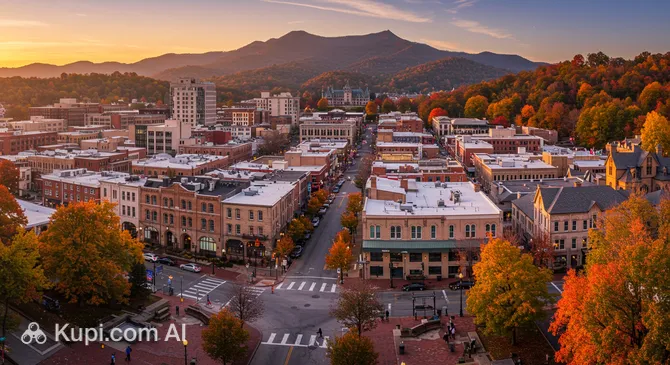
Nestled in the breathtaking Blue Ridge Mountains of North Carolina, Asheville is a captivating destination that effortlessly blends bohemian spirit with outdoor adventure. Known for its vibrant arts scene, historic architecture, and stunning natural landscapes, this city has become a beloved gem in the southeastern United States. Whether you are seeking culinary delights, mountain vistas, or a creative community, Asheville offers a unique atmosphere that welcomes every traveler.
Geographically, the city sits at the confluence of the Swannanoa and French Broad rivers, providing a picturesque backdrop for its bustling streets. The climate is generally mild, featuring four distinct seasons that showcase the region's famous foliage, particularly during the autumn months. With a metropolitan population of over 300,000, it serves as a lively cultural hub for the region while maintaining a friendly and accessible charm.
Asheville. Illustration.
Source: Kupi.com AI
The history of Asheville is rich and varied, reflected in its diverse cityscape which ranges from well-preserved Art Deco buildings to the grandeur of the Gilded Age. A prime example of this heritage is the iconic Biltmore Estate, America's largest home, which stands as a testament to the city's past significance. Beyond its historical landmarks, the city acts as a gateway to the Blue Ridge Parkway, offering visitors endless opportunities for scenic drives and hiking.
Visitors are also drawn to the vibrant downtown area, which is packed with independent bookshops, street performers, and a renowned craft beer scene that has earned the city the nickname "Beer City USA." From the energetic drum circles in Pritchard Park to the serene mountain peaks surrounding the valley, Asheville promises an unforgettable experience. It is the perfect place to relax, explore, and immerse yourself in the best of Appalachian culture.
Weather Overview
Asheville experiences a varied climate with four distinct seasons, offering a mix of conditions suitable for year-round travel. The city generally enjoys mild weather, though temperatures can fluctuate based on the surrounding mountain elevations. For the most accurate forecast during your dates, it is best to consult the detailed weather in Asheville before packing.
Summers are typically warm and can be quite humid, with July being the hottest month. During this time, average temperatures sit around 22.9°C, with daytime highs reaching up to 27.7°C. It is also the wettest period of the year; July alone sees approximately 19 wet days, so visitors should expect warm days mixed with frequent showers.
In contrast, winters are cool to cold. January is usually the coldest month, with an average temperature of 3.2°C and nighttime lows dipping to around -1.3°C. While snow is possible, precipitation often comes as rain, with about 11 to 14 wet days per month throughout the winter season.
The transition seasons of spring and autumn are particularly pleasant. By May, temperatures warm up to a comfortable average of 17.4°C. October is a favorite for many travelers, not only for the autumn colors but also because it is typically the driest month, averaging just 8 wet days and temperatures around 14.5°C.
Average monthly temperature
Average monthly precipitation
Interesting Facts
Beyond the main attractions, Asheville holds many fascinating secrets that peel back the layers of its unique character. From architectural time capsules to spectral residents, the city's history is as colorful as its art scene.
Biltmore Estate. Illustration.
Source: Kupi.com AI
Traveler photos:
Asheville boasts one of the most impressive collections of Art Deco architecture in the country, largely due to a massive debt incurred during the Great Depression. Rather than defaulting, the city spent decades paying it off, which meant there was no money for "urban renewal" projects that would have demolished these historic structures, effectively freezing the downtown skyline in time.
The historic Grove Park Inn & Spa is rumored to be haunted by the "Pink Lady," a gentle spirit who reportedly fell to her death in the 1920s. Guests and staff have shared stories of seeing a pink mist or feeling a friendly presence, particularly near Room 545.
The Biltmore Estate is not just a grand mansion; it remains the largest privately owned home in the United States with 250 rooms. When it was constructed, it featured modern luxuries that were almost unheard of at the time, including an indoor swimming pool, a bowling alley, and electric elevators.
Unlike traditional museums where exhibits are kept behind glass, the Asheville Pinball Museum encourages visitors to touch and play. The admission fee allows for unlimited play on dozens of vintage and modern pinball machines and arcade games, making it a hands-on journey through gaming history.
How to Get There
Planning a trip to the Blue Ridge Mountains is exciting, and there are several convenient ways to reach your destination. Whether you prefer flying directly into the heart of the region or landing at a larger hub and enjoying a scenic drive, you can find the best route for your needs in our detailed guide on how to get to Asheville.
The most direct option for air travelers is Asheville Regional Airport (AVL), conveniently located within the city limits, just 17.8 km from the center. This regional facility offers a welcoming gateway with quick access to downtown; a taxi or rideshare trip typically takes about 30 to 40 minutes. Despite being a smaller airport compared to major international hubs, it handles a significant volume of passengers and provides essential connections to key cities across the country.
For those seeking more extensive international flight options, Charlotte Douglas International Airport (CLT) is a primary choice. Located in the city of Charlotte, approximately 151.4 km from Asheville, this major airport serves as a massive global hub. The journey from Charlotte involves a drive of roughly 2.5 hours, offering a chance to see the transition from the Piedmont plateau to the mountains.
Another excellent alternative is Greenville-Spartanburg International Airport (GSP), situated in the city of Greer. It is located about 83.4 km away, making it closer than Charlotte. The transfer time by car is approximately 1.5 hours, providing a balance between flight availability and driving distance.
For clarity, here is a summary of the main airports:
Asheville is a treasure trove of cultural, historical, and natural wonders, offering a diverse array of experiences for every type of traveler. From the grandeur of America's largest home to the artistic pulse of converted industrial warehouses, the city's landmarks define its unique character. Exploring these sites provides a deeper understanding of why this mountain town attracts visitors from around the globe.
Undoubtedly the crown jewel of the region is the Biltmore Estate. Constructed by George Washington Vanderbilt II, this Châteauesque-style mansion is a marvel of Gilded Age architecture and remains the largest privately owned house in the United States. Beyond the awe-inspiring 250-room house, visitors can explore acres of beautifully designed gardens, the Antler Hill Village, and a renowned winery. It offers a glimpse into a bygone era of luxury and is a must-visit for history buffs and architecture enthusiasts alike.
Biltmore Estate. Illustration.
Source: Kupi.com AI
Traveler photos:
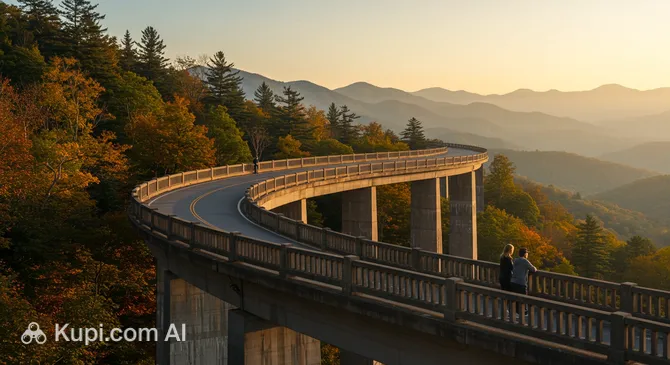
For those who yearn for the open road and sweeping mountain vistas, the Blue Ridge Parkway is an essential stop. Often called "America's Favorite Drive," this scenic highway winds through the Appalachian Highlands, offering breathtaking overlooks, hiking trails, and picnic spots. The section near Asheville provides easy access to some of the parkway's most spectacular scenery, making it perfect for a leisurely drive to witness the rolling peaks or the vibrant fall foliage.
Blue Ridge Parkway. Illustration.
Source: Kupi.com AI
Traveler photos:
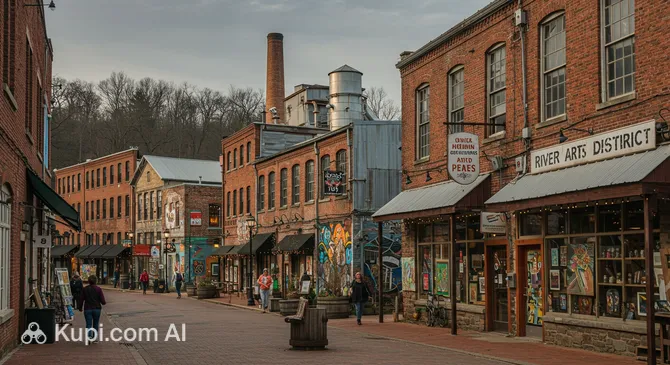
Creativity flows through the streets of the River Arts District (RAD). Located along the French Broad River, this vibrant neighborhood has transformed historic industrial buildings into working studios and galleries for hundreds of artists. Tourists can wander through the colorful streets, watch artists at work in mediums ranging from pottery to glassblowing, and purchase unique handmade souvenirs. The area is also known for its eclectic mix of cafes and breweries, making it a lively cultural hub.
River Arts District. Illustration.
Source: Kupi.com AI
Traveler photos:
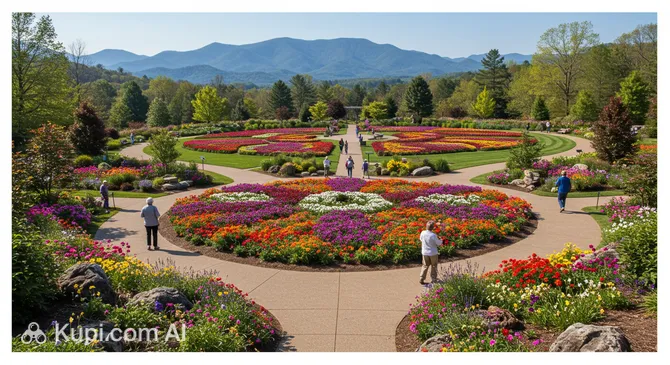
Nature lovers will find tranquility at The North Carolina Arboretum, situated within the Bent Creek Experimental Forest. This 434-acre public garden features miles of hiking and biking trails, cultivating connections between people and plants. Highlights include the intricate Quilt Garden and a world-class Bonsai Exhibition Garden. It serves as a peaceful retreat where visitors can immerse themselves in the botanical diversity of the Southern Appalachians.
The North Carolina Arboretum. Illustration.
Source: Kupi.com AI
Traveler photos:
Local Cuisine
The culinary landscape of Asheville is so vibrant and diverse that locals often refer to it as "Foodtopia." This city has established itself as a premier destination for food lovers, heavily emphasizing a farm-to-table philosophy that utilizes the abundant produce of the surrounding Appalachian valleys. The dining scene is characterized by a strong independent spirit, where creative chefs transform Southern staples into modern gastronomic delights.
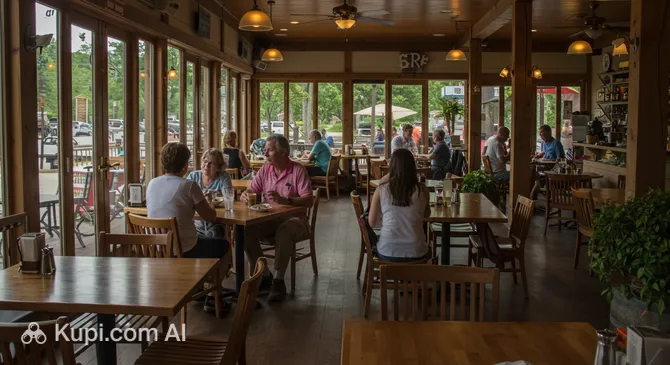
Breakfast and brunch are practically a sport here, and no visit is complete without indulging in Southern comfort food. You should definitely try the biscuits and gravy, which are often served fluffy and smothered in rich, savory sauces. For a quintessential experience, Sunny Point Cafe is a beloved local institution known for its garden-to-plate approach and hearty morning meals. Another regional specialty to look for is mountain trout, often pan-seared or smoked, reflecting the freshwater bounty of Western North Carolina.
Sunny Point Cafe. Illustration.
Source: Kupi.com AI
Traveler photos:
For a more casual dining experience, the city offers an eclectic mix of street food and quick bites. Tacos have taken the city by storm, but often with a unique twist that goes far beyond traditional recipes. White Duck Taco Shop is a perfect example of this creativity, serving inventive fillings like Bangkok shrimp or duck mole in a relaxed, colorful setting. The atmosphere in these eateries is typically laid-back, welcoming tourists to dine in shorts and hiking boots just as readily as evening wear.
When it comes to beverages, Asheville wears its title of "Beer City USA" with pride. The city boasts one of the highest numbers of breweries per capita in the country, ranging from large-scale operations to small, experimental nano-breweries. Visitors can sample a vast array of IPAs, stouts, and sours at places like Hillman Beer, which focuses on classic styles in a pub-style environment. For those interested in the science of brewing, White Labs Asheville Kitchen & Tap offers a unique opportunity to taste how different yeast strains affect the flavor of the same base beer.
Biltmore Estate Winery. Illustration.
Source: Kupi.com AI
Traveler photos:
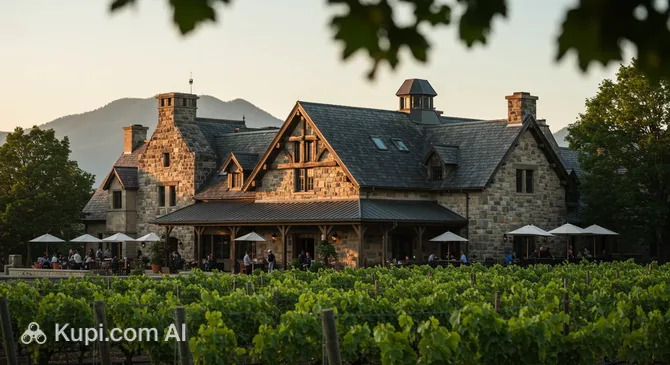
Beyond the hops, the region has a growing wine presence. The historic Biltmore Estate Winery allows guests to taste award-winning vintages while soaking in the grandeur of the estate. Whether you are sipping a craft brew on a patio or enjoying a fine dining experience downtown, the local cuisine offers a delicious journey through the culture and flavors of the Blue Ridge Mountains.
Travel Tips
Preparing for a trip to the scenic Blue Ridge Mountains requires a bit of planning to ensure you can fully enjoy the laid-back atmosphere and outdoor adventures. To help you make the most of your time in Asheville, here are some practical tips covering everything from packing essentials to navigating the local culture.
Clothing and Gear: Because the city is situated in the mountains, the weather can be quite unpredictable and change rapidly throughout the day. It is best to pack layers—bring a light jacket or sweater even in summer for cooler evenings. Comfortable walking shoes are a must, as downtown is best explored on foot and you will likely want to hit the hiking trails nearby. If you plan to visit upscale venues like the Biltmore Estate, "smart casual" attire is appropriate, though the general vibe of the city is very relaxed.
Transportation: While downtown is compact and walkable, renting a car is highly recommended if you plan to explore the Blue Ridge Parkway or the wider mountain region. The city offers a public bus system called ART (Asheville Rides Transit), which covers major routes, but frequencies can be limited. Ride-hailing apps like Uber and Lyft are widely available for getting around the city center and to the airport.
Finances: The local currency is the US Dollar (USD). Credit and debit cards are accepted almost everywhere, from restaurants to small boutiques. However, it is wise to carry some cash for small purchases at local farmers' markets or for street performers. ATMs are plentiful throughout the city. Tipping is a standard part of the service industry in the United States; expect to leave 18-20% at restaurants and bars, and a few dollars for hotel staff or taxi drivers.
Health and Safety: Asheville is generally a safe destination for tourists, but standard precautions should be taken, such as keeping valuables secure in crowded areas. For medical needs, Mission Hospital is the primary healthcare provider in the region. Pharmacies like CVS and Walgreens are easy to find, with some locations open 24 hours for minor ailments or prescriptions.
Communication: English is the primary language spoken. The local dialect can sometimes be distinct, but locals are accustomed to visitors. Free Wi-Fi is available in many coffee shops, hotels, and public spaces downtown. If you are visiting from abroad, major mobile carriers have good coverage in the city, though signals can be spotty deep in the mountains.
Local Etiquette: The city is known for its friendly, "Southern hospitality" combined with a progressive, bohemian spirit. It is polite to greet shopkeepers and service staff with a smile or a simple "hello." The city is incredibly dog-friendly, so do not be surprised to see pets in breweries and outdoor cafes; always ask the owner before petting a stranger's dog.
What to Avoid: Do not underestimate the mountain roads if you are driving; they can be winding and foggy, so drive cautiously. Also, avoid approaching wildlife. Black bears are common in the surrounding areas and even near the city edges; always maintain a safe distance and never feed them.
Parking Tip: Finding street parking downtown can be challenging and is strictly metered. A better option for a stress-free day is to use one of the city's several municipal parking garages, which are generally affordable, clean, and centrally located. The first hour is often free, making it a convenient choice for a quick visit.
By keeping these practical tips in mind, you will be well-equipped to navigate the winding roads and vibrant streets of this mountain town. Whether you are here for the art, the food, or the stunning views, a little preparation ensures your Asheville adventure remains relaxing and memorable.
Entertainment & Nightlife
Entertainment:
The entertainment landscape in Asheville is as eclectic and spirited as the city itself. Beyond the hiking trails and historic estates, visitors will find a thriving scene of museums, performance venues, and recreational spots that cater to a wide range of interests. Whether you are an art aficionado, a music lover, or a family looking for educational fun, the city offers plenty of ways to fill your itinerary.
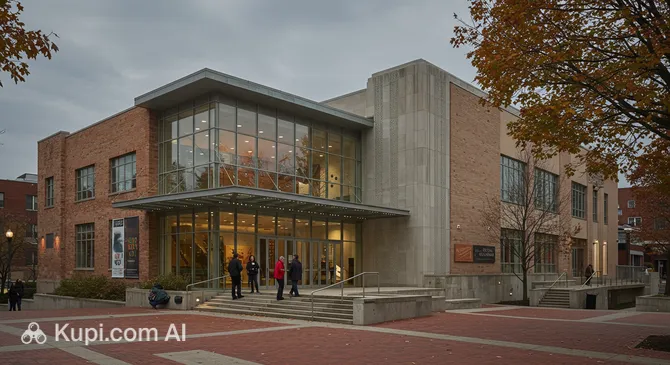
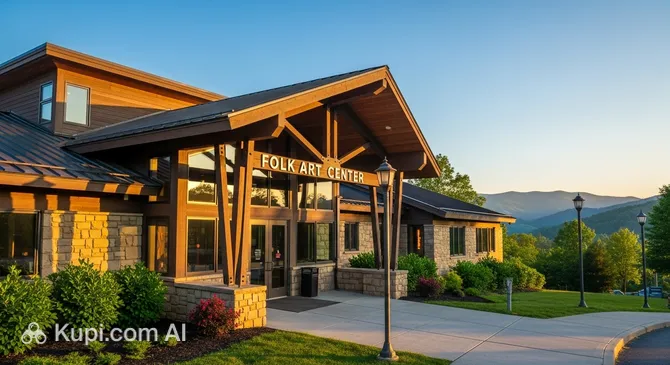
For those who appreciate visual arts, the Asheville Art Museum is a premier destination. Located in the heart of downtown, it showcases American art of the 20th and 21st centuries, with a special focus on the cultural heritage of Western North Carolina. Another significant cultural hub is the Folk Art Center, situated on the Blue Ridge Parkway. It houses the Southern Highland Craft Guild and features traditional and contemporary crafts, offering a deep dive into the artistic traditions of the Appalachians.
Asheville Art Museum. Illustration.
Source: Kupi.com AI
Traveler photos:
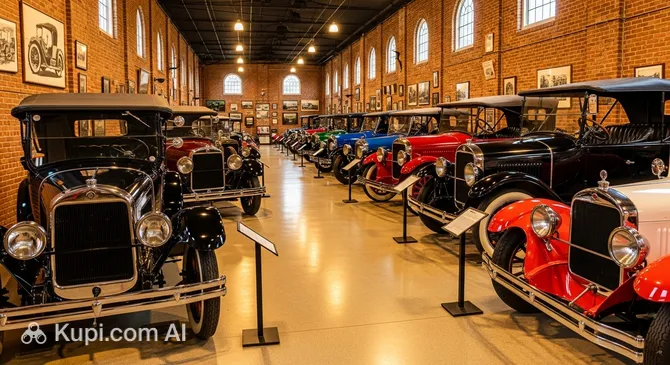
If you have a taste for the unique and unconventional, the city's niche museums are sure to delight. The Estes-Winn Antique Car Museum is a hidden gem for automobile enthusiasts, displaying a pristine collection of vintage vehicles in a historic weaving shed. Alternatively, the Empire Tattoo Museum offers a fascinating look at the history and artistry of tattooing, featuring rare artifacts and flash art that trace the evolution of this body modification culture.
Estes-Winn Antique Car Museum. Illustration.
Source: Kupi.com AI
Traveler photos:
As the sun sets, the city comes alive with music and nightlife. The Cherokee Center - Asheville serves as the region's largest event venue, hosting everything from major concerts and touring shows to sporting events. For a more intimate and gritty rock-and-roll vibe, the 27 Club is a popular spot among locals. Similarly, the Sly Grog Lounge offers a quirky atmosphere with an eclectic mix of live performances, games, and drinks.
Cherokee Center - Asheville. Illustration.
Source: Kupi.com AI
Traveler photos:
Gamers and nostalgia seekers will find their paradise at the Asheville Retrocade. This bar and arcade features thousands of classic video games, pinball machines, and skeeball lanes. With a flat entry fee allowing for unlimited play, it is a fantastic place to unwind, enjoy a craft beverage, and challenge friends to a round of your favorite childhood games without the need for pockets full of quarters.
Asheville Retrocade. Illustration.
Source: Kupi.com AI
Traveler photos:
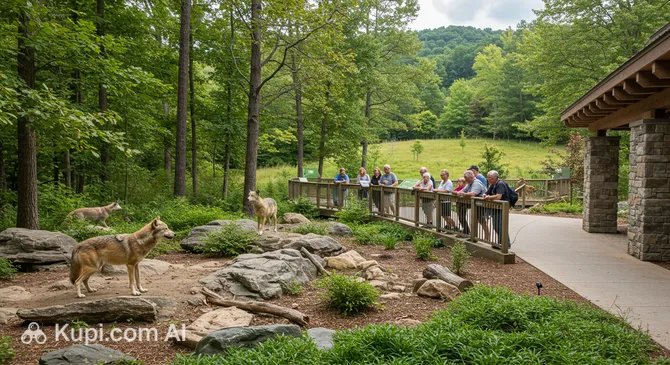
Families and nature enthusiasts can enjoy a more relaxed pace at the Western North Carolina Nature Center. This zoological park focuses on the flora and fauna of the Southern Appalachian region, allowing visitors to see black bears, red wolves, and otters in naturalistic habitats. Nearby, the Asheville Botanical Garden offers a peaceful sanctuary dedicated to native plants, perfect for a leisurely afternoon stroll or a quiet picnic.
Western North Carolina Nature Center. Illustration.
Source: Kupi.com AI
Traveler photos:
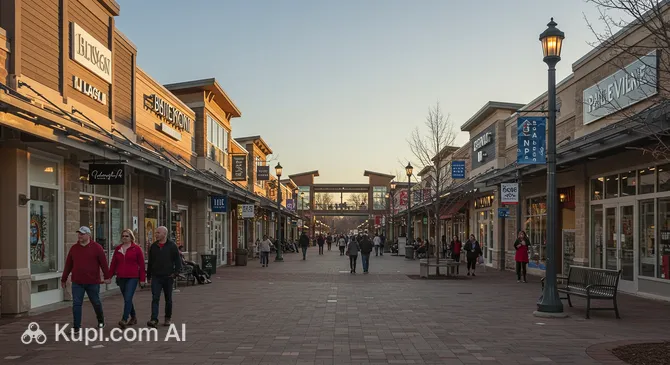
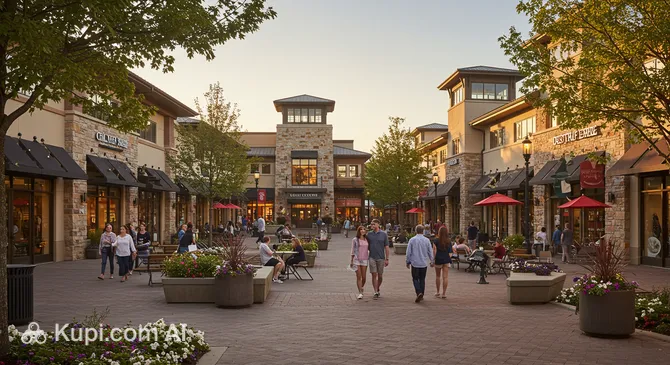
Finally, for those who enjoy retail therapy, the city provides excellent shopping districts. Asheville Outlets is an open-air mall featuring a wide variety of brand-name stores at discounted prices. For a mix of shopping, dining, and entertainment in a modern urban village setting, Biltmore Park Town Square is the place to go, offering a sophisticated atmosphere to end your day of exploration.
Asheville Outlets. Illustration.
Source: Kupi.com AI
Traveler photos:
Parks & Museums
Asheville seamlessly integrates its vibrant cultural heritage with the stunning natural beauty of the Blue Ridge Mountains, offering visitors a wealth of green spaces and historical institutions to explore. Beyond the bustling streets, you will find serene parks that invite relaxation and museums that tell the fascinating stories of the region's architectural and engineering triumphs.
For a perfect blend of urban energy and green tranquility, Pack Square Park is the undisputed heart of the downtown area. This 6.5-acre open space serves as the city's central gathering point, hosting numerous festivals, concerts, and community events throughout the year. Visitors can enjoy the Splashville fountain on warm days or simply relax on the grassy slopes while admiring the surrounding Art Deco architecture. It is an ideal starting point for understanding the city's layout and community spirit.
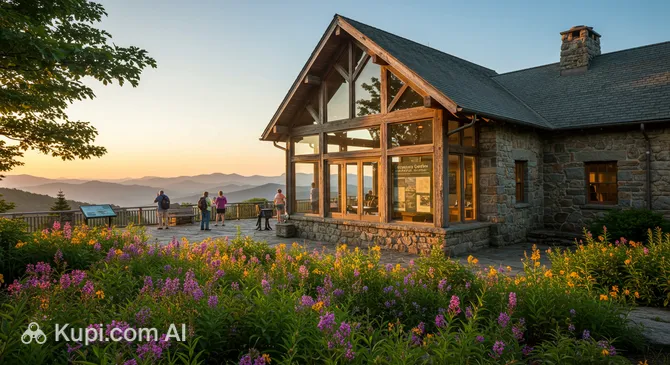
If you are looking to escape into the wilder side of the region without a long drive, the Craggy Gardens Visitor Center offers an unforgettable high-elevation experience. Located just a short trip up the parkway, this area is famous for its twisted, jagged rock formations and spectacular displays of Catawba rhododendrons that bloom in early summer. The cooler temperatures and panoramic views make it a favorite spot for hiking and picnicking among the clouds.
Craggy Gardens Visitor Center. Illustration.
Source: Kupi.com AI
Traveler photos:
Closer to the water, the French Broad River Park provides a scenic riverside retreat perfect for leisurely strolls and cycling. The park features paved trails that wind along the ancient river, offering peaceful views and plenty of spots to watch kayakers paddle by. It is a popular destination for locals and tourists alike who want to enjoy the outdoors while remaining close to the city's amenities.
In terms of cultural heritage, the Basilica of Saint Lawrence stands as a monumental tribute to the city's architectural history. Designed by the renowned Spanish architect Rafael Guastavino, who also worked on the Biltmore Estate, this minor basilica boasts the largest freestanding elliptical dome in North America. Visitors are welcome to step inside to admire the intricate tile work, stained glass, and the peaceful atmosphere of this spiritual and artistic landmark.
Basilica of Saint Lawrence. Illustration.
Source: Kupi.com AI
Traveler photos:
To deepen your understanding of the region's most famous road, a stop at the Blue Ridge Parkway Visitor Center is essential. Through interactive exhibits and a high-definition film, this facility explains the immense engineering feats required to construct the "America's Favorite Drive." It offers a fascinating look at the history, flora, and fauna of the Appalachian Highlands, providing context that enriches every mile of your journey along the parkway.
For a truly authentic local experience, take a walk along the Asheville Urban Trail, a 1.7-mile self-guided tour through downtown. Marked by 30 distinct sculptural stations, it weaves together the stories of the city's past, from its literary giants like Thomas Wolfe to its Gilded Age grandeur, offering an open-air museum experience right on the sidewalks.
Getting Around
Navigating Asheville is relatively straightforward, though the city relies primarily on road-based transportation rather than a complex rail network. The public transport system is anchored by ART (Asheville Rides Transit), a bus service that connects the downtown hub with local neighborhoods, shopping districts, and major attractions. There is no metro, tram, or subway system in the city, so buses and private vehicles are the main ways to get around for distances that are too far to walk.
The ART bus network operates roughly 18 routes, with the central hub located at the ART Transit Center on Coxe Avenue in downtown. Buses are modern, typically equipped with bicycle racks and Wi-Fi. While the service is reliable for getting to key areas within the city limits, frequencies can vary, with most routes running every 30 to 60 minutes. Service hours generally extend from early morning until late evening on weekdays and Saturdays, but travelers should be aware that Sunday service is significantly reduced and ends earlier.
Paying for the bus is affordable and convenient. The standard fare is very budget-friendly, typically costing just $1.00 per ride. You can pay with exact cash upon boarding (drivers cannot make change) or purchase tickets and passes at the Transit Center. For a more seamless experience, visitors are encouraged to use the Token Transit mobile app, which allows you to buy single rides or multi-day passes directly on your smartphone and simply show the screen to the driver.
For a more scenic and tourist-oriented mode of transport, the city is famous for its historic trolley tours. While not part of the municipal transit system, these hop-on, hop-off trolleys function effectively as transportation between major sights, including the Biltmore Village, the Grove Park Inn, and the River Arts District. They offer a charming way to see the city with narrated history, though tickets are significantly more expensive than the public bus.
Beyond public transit, ride-sharing services like Uber and Lyft are widely available and popular, especially for returning to accommodations late at night or reaching destinations not serviced by bus routes. Traditional taxis are also available but usually need to be called in advance rather than hailed on the street. For those planning to explore the Blue Ridge Parkway or hike in the surrounding mountains, renting a car remains the most practical option, as public transport does not extend into the wilderness areas.
Downtown Asheville itself is exceptionally walkable and compact. Many visitors find that once they park their car or arrive by bus, they can easily explore the shops, breweries, and galleries on foot. Cyclists will also find the city increasingly bike-friendly, with designated lanes appearing on some streets, though the hilly terrain can be a challenge for those not using electric bikes.
Accommodation
Finding the perfect place to stay in Asheville is an integral part of the travel experience, as the city offers a diverse array of accommodations that cater to every taste and budget. The options range from historic grand hotels and upscale resorts to charming bed-and-breakfasts, budget-friendly hostels, and rustic mountain cabins. Whether you want to be in the center of the action or tucked away in the quiet woods, you will find a welcoming spot to rest your head.
For visitors who prioritize convenience and walkability, Downtown Asheville is the most popular area to base yourself. Staying here puts you within steps of the city's renowned breweries, art galleries, and top-rated restaurants. Alternatively, Biltmore Village offers a more historic and upscale atmosphere, located right at the entrance to the famous estate and filled with unique shops and cobblestone streets. For those seeking a retreat into nature, the surrounding hills and the area near the Blue Ridge Parkway provide numerous vacation rentals and cabins that offer privacy and stunning views.
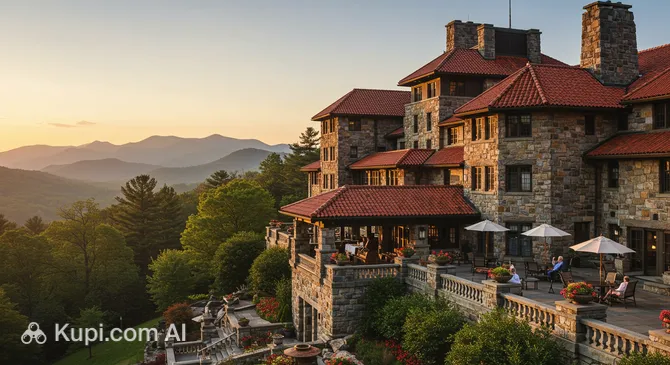
If you are looking for a stay that combines luxury with history, the Grove Park Inn & Spa is a legendary choice. Built from massive granite stones in 1913, this resort offers sweeping views of the Blue Ridge Mountains, a world-class subterranean spa, and a history of hosting presidents and celebrities. It is an attraction in itself, perfect for travelers wanting to indulge in a classic Southern resort experience.
Grove Park Inn & Spa. Illustration.
Source: Kupi.com AI
Traveler photos:
For a more intimate connection with the outdoors without sacrificing comfort, consider Willow Winds Cabins. These luxury cabins are situated within a woodland garden setting, offering amenities like hot tubs and fireplaces while still being just a short drive from the city center. It is an excellent option for families or couples seeking a peaceful mountain getaway.
Booking Tip: Asheville is a year-round destination, but accommodation demand peaks significantly during the autumn leaf season (October) and the summer holidays. If you plan to visit during these times, it is highly recommended to book your room at least three to four months in advance to secure your preferred location and rate.
In terms of pricing, the city generally leans towards the mid-to-high range, especially downtown and near major attractions. Budget travelers can find more affordable chain hotels and motels on the outskirts, particularly along Tunnel Road or near the airport. Booking can be easily done through major online travel platforms, though booking directly with smaller B&Bs or cabin rental agencies can sometimes yield better perks or personalized service.
Nearby Cities
For those looking to explore the surroundings, Asheville serves as an excellent base for day trips to several interesting nearby locations:
City
Population
Distance
Hendersonville
60 628
32 km
Flat Rock
10 439
37 km
Waynesville
10 087
42 km
Greeneville
15 361
68 km
Forest City
14 011
68 km
Just a short drive south, Hendersonville offers a charming small-town atmosphere with a distinct historic flair. Known for its serpentine Main Street designed to encourage leisurely strolling, the town is packed with boutiques, antique shops, and museums. It is also the heart of North Carolina's apple country, making it a particularly popular destination in the autumn for orchard visits and the annual Apple Festival.
Crossing the state line into South Carolina, Greenville has emerged as a premier destination for its award-winning downtown revitalization. The centerpiece of the city is Falls Park on the Reedy, a stunning urban park featuring natural waterfalls and the unique Liberty Bridge, a curved suspension pedestrian bridge. With a thriving culinary scene and tree-lined streets, it offers a sophisticated yet relaxed urban experience.
To the north in Tennessee, Johnson City provides a gateway to the rugged beauty of the Appalachian frontier. It is an excellent spot for history buffs and outdoor enthusiasts, offering access to the fossil-rich Gray Fossil Site and the historic Tipton-Haynes State Historic Site. The city combines a lively college town vibe with deep roots in traditional mountain music and culture.
These nearby destinations offer a glimpse into the diverse culture and landscapes of the region.
Shopping & Souvenirs
Shopping in Asheville is a delightful exploration of local creativity and independent spirit. Unlike many destinations dominated by generic big-box retailers, this mountain city prides itself on a thriving "Buy Local" culture. Visitors will find a vast array of unique boutiques, art galleries, and antique shops that reflect the bohemian and artistic character of the region. Whether you are looking for high-end fashion, vintage finds, or handcrafted goods, the shopping scene here offers a refreshing break from the ordinary.
The heart of the retail experience lies in Downtown Asheville. This walkable area is packed with more than 200 locally-owned stores, ranging from independent bookstores to chic clothing boutiques. Lexington Avenue is particularly famous for its funky, bohemian vibe, featuring vintage clothing stores and quirky gift shops. For a more upscale experience, the historic Grove Arcade is an architectural gem filled with specialty shops and local dining. Another key district is Biltmore Village, located just outside the entrance to the famous estate. Here, tree-lined streets and cobblestone sidewalks host a mix of national luxury brands and unique local galleries housed in historic pebble-dash cottages.
For art enthusiasts, a visit to the River Arts District is essential. This former industrial area has been transformed into a vibrant community of working studios. It is one of the best places in the country to purchase art directly from the creators, with hundreds of artists working in mediums such as pottery, glass, paint, and metal.
Travelers seeking a more traditional shopping experience with recognizable brands will appreciate the Asheville Outlets. This open-air center features a wide variety of factory stores offering discounts on popular clothing, footwear, and home accessories. It is a convenient stop for families and bargain hunters looking to update their wardrobes.
Another modern retail destination is Biltmore Park Town Square. Designed as a mixed-use urban village, it combines shopping, dining, and entertainment in a sophisticated, pedestrian-friendly environment. Here, you can find well-known national retailers alongside local specialty stores, making it a great place to spend an afternoon.
Biltmore Park Town Square. Illustration.
Source: Kupi.com AI
Traveler photos:
Markets are an integral part of the local lifestyle. The Western North Carolina Farmers Market is a regional icon, open daily year-round, offering fresh mountain produce, jams, jellies, and local crafts. For those specifically interested in the rich Appalachian craft tradition, the Folk Art Center on the Blue Ridge Parkway is a must-visit. It houses the Southern Highland Craft Guild and offers an exquisite selection of handmade jewelry, textiles, and wood carvings that are perfect for authentic gifts.
Folk Art Center. Illustration.
Source: Kupi.com AI
Traveler photos:
When it comes to souvenirs, Asheville offers items that truly represent its culture. Handmade pottery is a top choice, as the region is known for its rich clay deposits and talented ceramicists. Local food products, such as sourwood honey, apple butter, and artisanal chocolates, are also popular. Additionally, with the city's reputation as a brewing hub, merchandise from local breweries—like t-shirts, glassware, or growlers—makes for a great memento.
Store opening hours typically run from 10:00 AM to 6:00 PM on Mondays through Saturdays, with many downtown shops staying open later on weekends. Sunday hours are often shorter, usually from 12:00 PM to 5:00 PM. Credit and debit cards are universally accepted, even at most market stalls, though carrying a small amount of cash can be useful for smaller vendors.
Visitors should be aware that sales tax in North Carolina is added at the register and is not included in the price tag displayed on the shelf. The total tax rate is approximately 7%. Unlike in some international destinations, there is generally no sales tax refund program available for international tourists in the state, so the price you pay at the counter is final.