Support

Augusta

About

Augusta, often referred to as the "Garden City," is a captivating destination that perfectly embodies the soulful culture and warm hospitality of the South. Nestled along the banks of the Savannah River, this city in Georgia offers a unique blend of historic architecture, vibrant arts, and outdoor beauty. As one of the oldest cities in the region, it holds a significant place in the broader narrative of the United States.

Augusta. Source: Kupi.Binoculars

With a population of approximately 410,000 residents, Augusta serves as a bustling regional hub while retaining a welcoming, community-focused atmosphere. The city enjoys a humid subtropical climate, making it a pleasant destination for outdoor activities during much of the year. Visitors interested in the past can delve into the fascinating history of Augusta, which traces its roots back to its founding in 1736 and highlights its evolution through the industrial era.

While Augusta is globally renowned as the home of the prestigious Masters Tournament at the Augusta National Golf Club, the city offers much more than just world-class golf. Travelers can enjoy a scenic stroll along the Augusta Riverwalk, explore the Southern art collections at the Morris Museum of Art, or visit the childhood home of President Woodrow Wilson. Whether you are exploring the legacy of the "Godfather of Soul," James Brown, or enjoying the local culinary scene, Augusta invites you to experience its unique Southern charm.

Weather Overview

Planning a trip to this part of Georgia requires knowing what to expect from the skies. For a comprehensive breakdown of seasonal trends and forecasts, be sure to check the detailed weather in Augusta page before you pack.

The city generally experiences hot summers and cool, mild winters. July is typically the warmest month, with average temperatures around 28.1°C and highs reaching up to 32.8°C; it is also the period with the most frequent rainfall, seeing about 18 wet days. In contrast, January is the coolest month, with averages sitting at 9.4°C and lows dipping to 4.6°C. October is often the driest month in terms of rainy days, offering pleasant conditions for outdoor activities.

Interesting Facts

Beyond the manicured greens of the Masters and the scenic riverfront, Augusta holds many fascinating secrets and historical footnotes that often surprise visitors. Digging a little deeper reveals a city rich in quirky heritage and unique claims to fame that go well beyond the guidebooks.

  • Before it became the world-famous home of the Masters Tournament, the grounds of the Augusta National Golf Club were actually a plant nursery known as Fruitland Nurseries. This horticultural heritage is preserved today, as each hole on the course is named after a specific tree or shrub found on the property.

  • Augusta is the only city in the United States to house the remains of two signers of the Declaration of Independence side-by-side. The Signers Monument on Greene Street marks the final resting place of George Walton and Lyman Hall, honoring their pivotal role in American history.

  • The city is the proud hometown of the legendary "Godfather of Soul," James Brown, who spent his formative years here. To honor his legacy, the city erected a life-size bronze statue on Broad Street, which even features a "James Brown Cam" that livestreams the landmark to fans around the world.

  • The Augusta Canal is a marvel of 19th-century engineering and stands as the only industrial power canal in the South that is still in use for its original purpose. Built in 1845, it continues to generate hydroelectric power while serving as a recreational haven for kayakers and history buffs.

How to Get There

Planning a trip to the "Garden City" begins with choosing the best arrival point. Whether you prefer flying directly into the local hub or landing in a nearby city to enjoy a scenic drive through Georgia and South Carolina, there are several convenient options available. For a detailed breakdown of routes and transport tips, you can read more about how to get to Augusta on our dedicated page.

The most convenient entry point is Augusta Regional Airport (AGS), located just 12.5 km from the city center. As the primary local aviation facility, it offers a stress-free arrival experience with fewer crowds than major international hubs. Travelers can reach downtown Augusta in approximately 20 to 30 minutes by taxi or rental car from the terminal.

If you are looking for more flight connections, the Columbia Metropolitan Airport (CAE) is a strong alternative. It is situated in the city of Cayce, about 99 km from Augusta. While it requires a bit of ground travel, the drive via Interstate 20 is straightforward and typically takes around 1 hour and 15 minutes by car. This airport often serves as a practical option for visitors coming from various parts of the country.

Another viable option is the Savannah/Hilton Head Airport (SAV), located in Savannah, approximately 168 km away. This airport handles a larger volume of passengers and may offer different carrier choices. The journey from Savannah to Augusta takes roughly 2.5 hours by road, allowing you to see more of the state's landscape upon arrival.

For clarity, here is a summary of the main airports serving the region:

Airport Name City Passenger Traffic Km from City
Savannah/Hilton Head Airport Savannah High 167.7
Greenville-Spartanburg International Airport Greer Medium 159.3
Columbia Metropolitan Airport Cayce Medium 99.0
Augusta Regional Airport Augusta Small 12.5
Hilton Head Airport Hilton Head Island Small 186.0

Main Attractions

Augusta offers a delightful mix of historical landmarks, natural beauty, and a blossoming culinary scene that draws visitors from all over. Whether you are looking to explore the city's storied past, enjoy outdoor adventures along the water, or indulge in unique local flavors, there is something here to capture every traveler's interest.

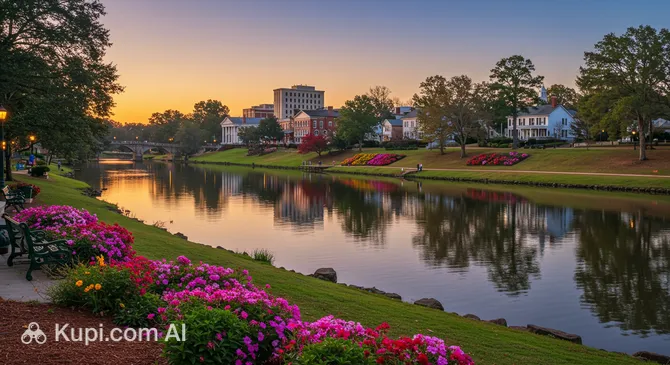
One of the city's most beloved outdoor spaces is the Augusta Riverwalk. Spanning several blocks along the Savannah River, this multi-level brick trail provides spectacular views and a serene environment for walking or jogging. It features beautiful gardens, including a Japanese garden with a waterfall, and serves as a venue for local festivals and the popular Saturday Market. It is the perfect place to watch the sunset or simply enjoy the gentle river breeze.

For those interested in industrial history and recreation, the Augusta Canal National Heritage Area is a must-visit. As the only intact industrial power canal in the nation still in use for its original purpose, it offers a glimpse into the 19th-century engineering that powered the city's growth. Visitors can take guided boat tours to learn about the area's heritage, or explore the miles of towpaths that are ideal for cycling, running, and hiking.

Abel Brown Southern Kitchen & Oyster Bar. Source: Kupi.Binoculars

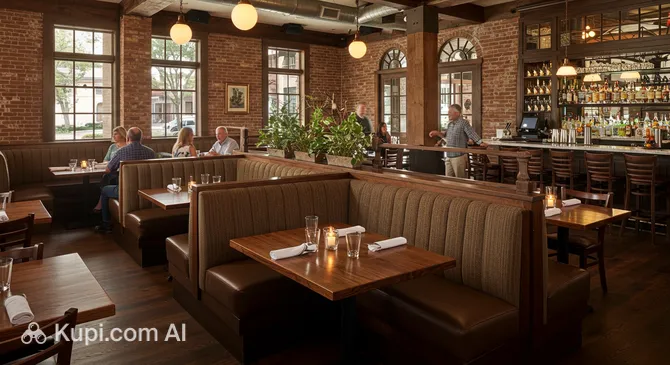
The city's dining landscape has become an attraction in itself, blending traditional Southern roots with modern sophistication. A prime example is Abel Brown Southern Kitchen & Oyster Bar. This establishment is celebrated for its refined approach to Southern cuisine, offering a polished yet comfortable atmosphere. Tourists and locals alike flock here for the fresh raw bar and expertly prepared dishes that highlight regional ingredients.

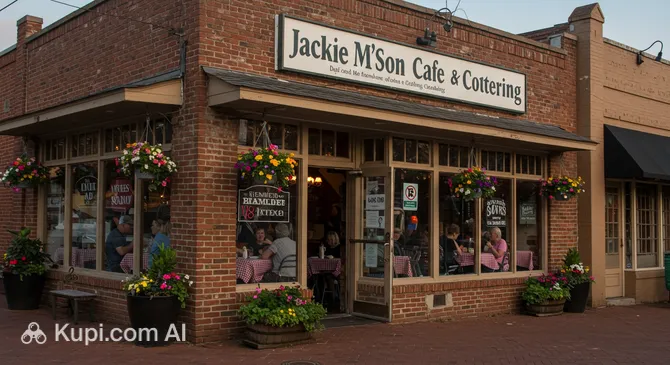
Another culinary gem that has garnered a loyal following is Jackie M's and Son Cafe and Catering. Known for its warm hospitality and hearty portions, this spot is famous for its signature "Philly Soul Rolls," a unique fusion that perfectly represents the creative spirit of Augusta's food scene. It is an excellent stop for travelers looking to experience the authentic, comforting side of local dining.

Jackie M's and Son Cafe and Catering. Source: Kupi.Binoculars

Nature enthusiasts should not miss the Phinizy Swamp Nature Park. Located just a short drive from downtown, this vast nature preserve offers a chance to see the region's diverse wildlife, including blue herons, otters, and alligators, in their natural habitat. With its extensive network of boardwalks and trails through moss-draped wetlands, it provides a peaceful escape and a fantastic opportunity for birdwatching and photography.

Local Cuisine

The culinary landscape of Augusta is a delicious reflection of its deep Southern roots, blended with a modern gastronomic creativity that has been blossoming in recent years. Food here is treated with the same warmth and hospitality as a greeting from an old friend. The city sits in a region known for its rich agriculture, meaning "farm-to-table" is not just a trend but a way of life. Visitors can expect hearty portions, bold flavors, and a heavy emphasis on comfort food that soothes the soul.

One dish you simply cannot leave without trying is Pimento Cheese. While popular throughout the South, it holds a near-sacred status in Augusta, largely due to its association with the famous golf tournament held here every spring. Whether served as a simple sandwich on white bread or elevated as a gourmet burger topping or dip with pita chips, this creamy, tangy blend of cheese, mayonnaise, and pimentos is a local staple.

Another regional specialty that defines the local palate is Barbecue Hash and Rice. Unlike the barbecue traditions of other states that focus solely on ribs or pulled pork, the Central Savannah River Area is famous for this thick, gravy-like stew made from slow-cooked pork, onions, and spices, served generously over a bed of white rice. It is a savory, satisfying dish that can be found at roadside stands and established dining halls alike.

For those seeking a taste of the coast, the city's proximity to the ocean influences its menu. You can enjoy exceptional seafood at places like Abel Brown Southern Kitchen & Oyster Bar, where the raw bar and refined Southern dishes highlight the freshness of regional ingredients. If you are in the mood for something more casual yet inventive, Jackie M's and Son Cafe and Catering is celebrated for its unique fusion of soul food and Philadelphia-style rolls, offering a distinct flavor profile that locals love.

When it comes to beverages, Sweet Tea is the undisputed king of non-alcoholic drinks, served ice-cold and sugary sweet at almost every meal. For an adult beverage with a local twist, look for the Azalea Cocktail. Named after the vibrant flowers that bloom across the city in spring, this refreshing mix typically features vodka, lemonade, and a splash of grenadine, creating a pink hue that captures the spirit of the season. Local craft breweries are also gaining traction, offering refreshing lagers and IPAs perfect for the warm Georgia climate.

The dining culture in Augusta is relaxed and communal. While there are upscale options, the vibe is rarely stuffy. Locals enjoy gathering at the Augusta Market at the River on Saturdays to sample street food and fresh produce, or dining al fresco along the Riverwalk to pair their meals with sunset views over the Savannah River. Whether you are biting into a crispy fried green tomato or savoring a bowl of shrimp and grits, eating in Augusta is an experience centered on connection and tradition.

Travel Tips

Welcome to Augusta, a city where Southern charm meets modern vitality. To help you navigate the "Garden City" with ease and make the most of your visit, we have compiled a list of essential practical tips covering everything from getting around to local customs.

  1. Clothing and Gear: Augusta experiences a humid subtropical climate, so packing depends heavily on the season. For summer visits (June to August), bring lightweight, breathable fabrics like cotton or linen to handle the heat and humidity, along with sunglasses and sunscreen. Winters are generally mild, but a medium-weight jacket and layers are recommended for cooler evenings. Since you will likely be exploring the Augusta Riverwalk or the Canal trails, pack a pair of sturdy, comfortable walking shoes.
  2. Transportation: The most efficient way to explore Augusta and its surrounding areas is by renting a car. While the city has a public bus system known as Augusta Public Transit, routes and frequency can be limited for a tourist's needs. Ride-sharing apps like Uber and Lyft are widely available and reliable for short trips within the downtown area, but having your own vehicle gives you the freedom to visit scattered attractions at your own pace.
  3. Finances: The local currency is the US Dollar ($). Credit and debit cards are accepted almost everywhere, from hotels to small cafes. However, it is wise to carry a small amount of cash for tips or small purchases at local markets. ATMs are plentiful throughout the city. Tipping is a standard practice in the US; expect to leave 18-20% of the bill in restaurants and bars, and a few dollars for hotel staff and valet services.
  4. Health and Safety: Augusta is generally a safe destination for travelers, but standard city precautions apply. Stick to well-lit, populated areas at night, particularly if you are unfamiliar with the neighborhood. For minor health issues, national pharmacy chains like CVS and Walgreens are easy to find, with some locations open 24 hours. In case of a serious emergency, dial 911 for immediate police, fire, or medical assistance.
  5. Communication: English is the primary language spoken. You may encounter a distinct Southern accent and local phrases like "y'all" (you all), which is used affectionately to address a group. Free Wi-Fi is standard in most hotels, coffee shops, and public buildings. If you are visiting from abroad, purchasing a prepaid SIM card from major carriers like AT&T or T-Mobile is easy and can be done at stores across the city.
  6. Local Etiquette: Southern hospitality is a real and cherished part of the culture here. It is polite to greet shopkeepers and strangers with a friendly "hello" or a nod. Using "ma'am" and "sir" when addressing people, especially those older than you, is considered a sign of respect. Patience and politeness go a long way; rushing or being overly demanding is often frowned upon in this relaxed environment.
  7. What to Avoid: Do not underestimate the summer humidity. Dehydration and heat exhaustion can happen quickly if you are not used to the climate, so avoid strenuous outdoor activities during the hottest part of the day (noon to 3 PM) in summer. Also, avoid assuming that pedestrian crossings are strictly obeyed by all drivers outside of the immediate downtown core; always look twice before stepping into the street.
  8. Masters Tournament Insight: If you plan to visit during the first full week of April, be aware that the city transforms for the Masters Golf Tournament. Accommodation prices skyrocket, and traffic increases significantly. Conversely, if you are not attending the tournament, this is the most expensive and crowded time to visit, so plan your trip for a different week to enjoy a calmer, more affordable experience.

By keeping these practical tips in mind, you will be well-prepared to enjoy the rich history, delicious food, and warm community spirit that define Augusta. Have a wonderful and stress-free journey through the heart of Georgia!

Entertainment & Nightlife

When the sun sets over the Savannah River, Augusta transitions from a historic garden city into a lively hub of music, dining, and social gatherings. The nightlife here is less about thumping mega-clubs and more about soulful bars, live music venues, and laid-back lounges that reflect the city's rich musical heritage. The atmosphere is generally welcoming and unpretentious, where locals and visitors mingle easily over craft cocktails or cold beers.

The epicenter of evening entertainment is undoubtedly Broad Street in downtown Augusta. This wide, historic avenue is lined with an eclectic mix of pubs, dive bars, and music halls. It is the perfect place to bar-hop, as many venues are within walking distance of one another. The crowd is diverse, ranging from college students to professionals, and the dress code is typically casual to smart-casual. On weekends, the streets come alive with the sound of local bands performing everything from rock and jazz to the funk and soul that James Brown made famous.

For those seeking a refined start to the evening or a sophisticated spot for late-night conversation, Abel Brown Southern Kitchen & Oyster Bar is an excellent choice. While primarily a dining destination, its bar area offers a polished ambiance perfect for enjoying a glass of wine or a signature cocktail paired with fresh oysters. It stands out as a venue for a more relaxed, upscale night out away from the noisier college bars.

If you are looking to immerse yourself in the local music scene, keep an eye out for The Soul Bar on Broad Street. It is a legendary local institution decorated with James Brown memorabilia, offering a funky vibe and frequent live DJ sets or bands. Another popular stop is Metro Coffeehouse, which, despite its name, is a bustling pub in the evenings known for its friendly staff and relaxed setting. For fans of the performing arts, the historic Imperial Theatre and Miller Theater often host evening concerts, comedy shows, and classic movie nights.

Before the nightlife kicks in, Augusta offers plenty of daytime entertainment to fill your schedule. History buffs can explore the Augusta Museum of History to learn about the region's past, while art lovers should visit the Morris Museum of Art on the Riverwalk. For a more active afternoon, a boat tour along the Augusta Canal provides a unique perspective on the city's industrial roots.

Practical Nightlife Tips:

  • Best Time to Go: Friday and Saturday nights are the busiest and most vibrant. Thursdays can also be lively, particularly during the college semester.
  • Getting Around: Downtown is walkable, but if you are moving between districts or returning to your hotel, it is best to use a ride-sharing service like Uber or Lyft. Taxis are available but hailing one on the street is less common than booking via an app.
  • Safety: The main entertainment districts like Broad Street and the Riverwalk are generally safe and well-patrolled. However, as with any city, it is advisable to stay in well-lit areas and avoid walking alone on deserted side streets late at night.
  • Prices: Augusta is reasonably priced compared to larger US cities. Expect to pay around $5-$8 for a beer and $10-$14 for a cocktail at most bars.

Parks & Museums

Augusta’s cultural landscape is as rich and diverse as its history, offering a variety of museums that delve into everything from Southern art to presidential heritage. For nature lovers, the city provides ample green spaces that serve as peaceful retreats from the urban bustle, complementing the scenic riverfront views.

The Morris Museum of Art, located on the Riverwalk, is a cultural jewel of the city. It holds the distinction of being the first museum dedicated to the art and artists of the American South. Its permanent collection includes more than 5,000 works, ranging from antebellum portraits and 19th-century depictions to contemporary Southern landscapes. Visitors can admire stunning paintings that capture the soul of the region, making it an essential stop for art enthusiasts.

For a deep dive into the region's past, the Augusta Museum of History offers a comprehensive look at the area's development. Highlights include the "Godfather of Soul" exhibit, which features costumes and personal artifacts of James Brown, and a dedicated section on the history of golf, celebrating the city's most famous sporting event. The museum also houses a restored 1917 steam locomotive, providing a tangible link to the golden age of rail travel.

History comes alive at the Woodrow Wilson Boyhood Home, where the 28th U.S. President spent his formative years. As the oldest presidential residence in Georgia, it offers guided tours that explore Wilson's early life and the impact of the era on his future leadership. Nearby, Meadow Garden stands as the historic farm home of George Walton, one of the youngest signers of the Declaration of Independence, preserving the architecture and stories of the 18th century.

Beyond the well-trodden paths of the downtown area, Pendleton King Park offers a lush, 64-acre sanctuary for outdoor recreation. This diverse park features a disc golf course, tennis courts, and a variety of gardens, including a camellia garden and a sunken blue garden. It is also a designated bird sanctuary, making it a quiet spot for wildlife observation and leisurely nature walks within the city limits.

Another significant cultural site is the Lucy Craft Laney Museum of Black History. Located in the home of the prominent African American educator, this small but powerful museum honors her legacy and contributions to education in the South. It serves as an educational hub, showcasing the history and achievements of African Americans in the Augusta River Region through photographs, art, and historical documents.

Getting Around

Public transport in Augusta is primarily facilitated by the Augusta Public Transit (APT) bus network. While the city is spread out and often best navigated by private vehicle, the bus system offers a reliable and economical alternative for reaching key destinations, including the historic downtown, medical districts, and major shopping centers. Most routes radiate from the central transfer facility located on Broad Street, which serves as the main hub for transfers and information.

Fares for the bus service are straightforward but require preparation. Passengers must pay in cash upon boarding and are required to have the exact change, as drivers cannot provide refunds. For those planning to use the system extensively, daily and weekly passes are available and offer greater value than single-ride tickets. These passes can generally be purchased at the transfer center or select municipal locations.

Understanding the operating schedule is vital for visitors relying on public transit. Buses typically run from early morning until early evening, Monday through Saturday. It is important to note that there is no bus service on Sundays and limited service on major holidays. Travelers are advised to consult the latest timetables online or at the transit center to ensure their itinerary aligns with the operating hours.

Given the schedule limitations of the bus network, many tourists find ride-sharing services to be a convenient alternative, especially for evening dining or weekend travel. Apps like Uber and Lyft are widely active throughout the city. Traditional taxis are also available but generally require booking by phone in advance rather than hailing on the street. For maximum flexibility, particularly if you plan to visit attractions on the outskirts, renting a car remains the most popular option.

For a more scenic mode of travel, the Petersburg Boats offer guided tours along the historic Augusta Canal. While these are designed more for recreation and history tours than daily commuting, they provide a relaxing way to navigate between key points along the waterway. Additionally, the downtown area is quite walkable, with the Riverwalk providing a pleasant pedestrian route along the Savannah River.

Accommodation

Finding the perfect place to stay in Augusta is generally a straightforward experience, with options ranging from charming historic inns to reliable modern chains. The city caters to a diverse mix of visitors, including business travelers, history buffs, and golf enthusiasts. Whether you are looking for a budget-friendly motel near the interstate or a more upscale suite with river views, the "Garden City" offers a variety of accommodations to suit different needs and travel styles.

For those who want to be in the heart of the action, Downtown Augusta is the most convenient area. Staying here places you within walking distance of the Riverwalk, the museum district, and the vibrant nightlife along Broad Street. This area is home to several historic boutique hotels and larger full-service properties that offer easy access to the city's cultural landmarks. Alternatively, the area along Washington Road and near Interstate 20 is popular for its high concentration of familiar hotel chains. This district is particularly convenient for visitors arriving by car and those looking to stay closer to the Augusta National Golf Club.

A crucial tip for anyone planning a trip to Augusta involves the calendar. If your visit coincides with the Masters Tournament in early April, you must book your accommodation months—sometimes even a year—in advance. During this week, the city transforms: hotels are fully booked, and prices for rooms and private rentals can increase significantly. For the rest of the year, however, availability is generally good, and spontaneous trips are much easier to manage.

In terms of pricing, Augusta is typically an affordable destination compared to larger metropolitan hubs. Outside of tournament week, travelers can find excellent value, with mid-range hotels offering comfortable amenities at reasonable rates. Budget options are plentiful, particularly near the highway exits. Booking is best done through standard online travel platforms or directly through hotel websites, which often provide the most flexible cancellation policies.

Nearby Cities

For those looking to explore the surroundings, Augusta serves as an excellent base for day trips to several interesting nearby locations:

One of the most charming destinations just a short drive away is Aiken, South Carolina. Known for its rich equestrian heritage and historic "Winter Colony" mansions, Aiken offers a distinctively elegant yet relaxed atmosphere. Visitors can stroll through the vibrant downtown filled with unique shops and cafes, or explore Hitchcock Woods, one of the largest urban forests in the nation. It provides a delightful contrast to the industrial history of Augusta.

For a more bustling city experience, Columbia, the capital of South Carolina, makes for a fantastic excursion. Located about an hour away, it is home to the renowned Riverbanks Zoo and Garden, which is a hit with families. History buffs can spend hours at the South Carolina State Museum, while nature lovers might venture slightly outside the city to Congaree National Park to see the largest intact expanse of old-growth bottomland hardwood forest in the southeastern United States.

Closer to home, North Augusta sits directly across the Savannah River. While practically a neighbor, it offers its own attractions, such as the popular North Augusta Greeneway for cycling and walking, and the SRP Park, a scenic venue for minor league baseball games and events.

City Population Distance (km)
Columbia 640,502 109
Anderson 85,700 128
Statesboro 32,400 115
Aiken 31,516 30
North Augusta 24,013 6

These nearby destinations offer a glimpse into the diverse culture and landscapes of the region.

Shopping & Souvenirs

Shopping in Augusta offers a delightful blend of Southern charm and modern convenience. While it may not be a massive metropolis known for high-end fashion districts, the city provides a curated experience ranging from antique hunting in historic zones to browsing contemporary brands in large centers. Visitors can expect a relaxed pace, friendly service, and a variety of unique local goods that reflect the region's artistic and agricultural heritage.

For those seeking local flavor, Broad Street in downtown Augusta is the place to be. This historic corridor is lined with eclectic art galleries, vintage stores, and independent boutiques. It is particularly known for its "Artists Row," where you can find one-of-a-kind paintings, handmade jewelry, and pottery created by local artisans. Another notable area is Surrey Center, a charming open-air shopping village. With its multi-level layout and fountains, it offers a more upscale atmosphere featuring chic clothing boutiques, shoe stores, and specialty gift shops.

If you prefer a traditional all-in-one shopping experience, the Augusta Mall is the premier destination in the region. Located off the Wrightsboro Road exit, it is a two-level complex housing major department stores alongside popular national retailers and technology brands. It serves as the main retail hub for the Central Savannah River Area, offering everything from apparel and electronics to beauty products in a climate-controlled environment.

For a taste of the local community spirit, the Augusta Market at the River is a must-visit. Held on Saturdays along the Riverwalk, this vibrant market brings together farmers, bakers, and craftsmen. It is an excellent spot to purchase fresh Georgia produce, homemade jams, artisanal soaps, and handcrafted souvenirs while enjoying the riverside breeze. It operates seasonally, so it is worth checking the schedule if you are visiting during the warmer months.

When it comes to souvenirs, Augusta is synonymous with golf. Although official Masters Tournament merchandise is notoriously exclusive to the event itself, many local shops sell golf-themed memorabilia, vintage prints, and accessories that celebrate the city's sporting legacy. Beyond golf, the region is famous for its agriculture, making Georgia pecans and peach-related products—such as preserves or salsa—popular and delicious gifts to take home.

Most shops in Augusta follow standard American business hours. Large malls and chain stores typically open from 10:00 AM to 9:00 PM on weekdays and Saturdays, with shorter hours on Sundays (usually 12:00 PM to 6:00 PM). Independent boutiques downtown may close earlier, often around 5:00 PM or 6:00 PM, and some may be closed on Sundays. Credit and debit cards are universally accepted, though having a little cash is helpful for small vendors at the Saturday market.

Travelers should be aware that the United States does not have a Value Added Tax (VAT) refund system for international tourists like many European countries. The price you see on the tag does not include sales tax, which will be added at the register. Currently, there is no mechanism for visitors to claim this tax back upon leaving the country, so it is best to factor this extra cost into your shopping budget.
Reached the end of the page?

That means the route is fully explored