Support

Savannah

About

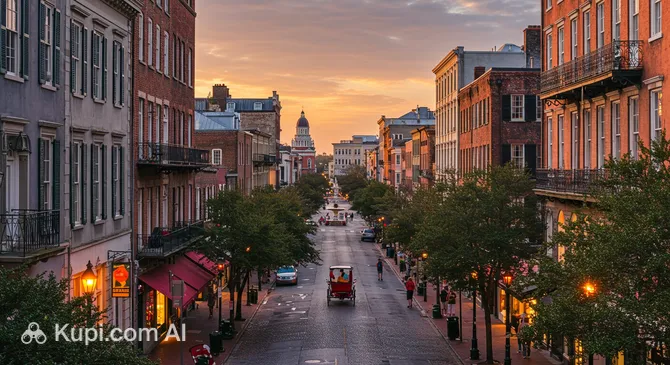
Steeped in Southern charm and draped in Spanish moss, Savannah is a jewel of the Southeast. Located in the coastal region of Georgia, this picturesque city is one of the most romantic and well-preserved destinations in the United States. With a population of approximately 290,000 residents, it balances its role as a bustling Atlantic seaport with a relaxed, welcoming atmosphere that captivates visitors from around the globe.

Savannah. Source: Kupi.Binoculars

As the oldest city in Georgia, established in 1733, the history of Savannah is woven into the very fabric of its streets. The city is famous for its unique urban design featuring 22 lush public squares, which serve as communal parks shaded by massive oak trees. Tourists flock to the Historic District to admire antebellum architecture and visit the iconic Forsyth Park, known for its magnificent fountain and vibrant azaleas.

A visit to Savannah would not be complete without exploring River Street, where century-old cotton warehouses have been transformed into lively boutiques, galleries, and restaurants. Whether you are interested in taking a spooky ghost tour, enjoying diverse culinary delights, or simply strolling along the cobblestone riverfront, Savannah invites you to slow down and savor its timeless beauty.

Weather Overview

Savannah generally experiences a humid subtropical climate, characterized by hot, humid summers and mild, pleasant winters. Because the conditions can vary depending on when you visit, it is helpful to consult the detailed guide on the weather in Savannah to pack accordingly. Overall, you can expect warm summers with frequent rain showers and cool, relatively dry winters.

Winter months, from December to February, are gentle compared to many other parts of the country. Average temperatures range from 11.4°C in January to 14.8°C in February, with daily highs often reaching 16°C to 19°C. Spring sees a steady warming trend; by May, the average temperature climbs to 23.8°C, with maximums reaching 28.5°C, making it a beautiful time to explore the city's blooming squares.

Summer is the hottest and wettest season. July and August are the peak months, with average temperatures around 28°C and highs regularly exceeding 32°C. Visitors should be prepared for frequent precipitation during this time, as August can have up to 23 wet days. The heat begins to subside in autumn, with October offering a comfortable average of 21.5°C and significantly fewer rainy days, creating ideal conditions for walking tours.

Interesting Facts

Beyond its celebrated architecture and scenic riverfront, Savannah holds a treasure trove of fascinating secrets and unique traditions. From cinematic history to botanical misconceptions, here are some intriguing details that make the Hostess City truly one of a kind.

  • General Sherman's Christmas Gift: While many Southern cities were destroyed during the Civil War, Savannah was spared. Union General William Tecumseh Sherman was so captivated by the city's beauty that he refused to burn it. Instead, he sent a telegram to President Abraham Lincoln on December 22, 1864, offering the city and its 25,000 bales of cotton as a "Christmas gift" to the nation.

  • A Botanical Misnomer: The iconic "Spanish moss" that drapes romantically from the city's massive oak trees is neither Spanish nor a moss. It is actually an epiphyte, a plant that absorbs nutrients from the air and rain, and is biologically related to the pineapple family.

  • Forrest Gump's Bench: The famous bench scenes from the movie Forrest Gump were filmed on the north side of Chippewa Square. Although the bench itself was a movie prop and has since been moved to a local history museum, the specific location remains a popular photo spot for film enthusiasts.

  • The "To-Go" Cup Culture: Savannah is one of the few places in the United States with a lenient open container law. Within the boundaries of the Historic District, pedestrians are legally permitted to carry and consume alcoholic beverages on the street, provided they are in a plastic cup of 16 ounces or less.

How to Get There

Reaching this charming Southern destination is quite convenient, with several options available depending on your starting point. Whether you are flying in from afar or driving through the region, you can find more about how to get to Savannah and choose the route that best suits your travel plans. Air travel remains the most popular choice for most visitors due to the proximity of a major regional hub.

The most direct way to arrive is via the Savannah/Hilton Head Airport (IATA: SAV). Conveniently located within the city of Savannah itself, it is situated just 11.7 km from the downtown historic district. Travelers can expect a quick transfer; a taxi or shuttle ride generally takes approximately 20 minutes depending on traffic. This airport handles a significant volume of passengers annually, making it a well-connected medium-sized hub for domestic flights. You can find more details on the Savannah/Hilton Head Airport page.

Alternatively, visitors may fly into Charleston International Airport (IATA: CHS), which offers a wider range of connections. It is important to note that this airport is not in Savannah but in the city of North Charleston, approximately 134 km away. Due to the distance, the ground transfer is longer, taking about 1.5 to 2 hours by taxi or shuttle service. Despite the travel time, its status as a larger international facility makes it a viable option for many. For more information, visit the Charleston International Airport page.

For clarity, here is a summary of the main airports serving the region:

Airport Name City Passenger Traffic Km from City
Charleston International Airport North Charleston Large 134.1
Savannah/Hilton Head Airport Savannah Medium 11.7
Augusta Regional Airport Augusta Small 164.7
Hilton Head Airport Hilton Head Island Small 40.3
Glynco Jetport Brunswick Small 97.8

Beyond air travel, Savannah is well-connected by road and rail. The city is easily accessible via Interstate 95 and Interstate 16, making it a popular stop for road trippers exploring the East Coast. Additionally, the city is served by Amtrak trains, which provide a scenic and relaxing way to arrive at the local station, connecting Savannah to major cities along the Atlantic seaboard.

Main Attractions

Savannah is a city that rewards exploration, offering a mix of historic grandeur, spiritual beauty, and lively social hubs. While wandering the squares is a delight in itself, several specific sites stand out as must-visit destinations for anyone wanting to fully experience the character of this Southern gem.

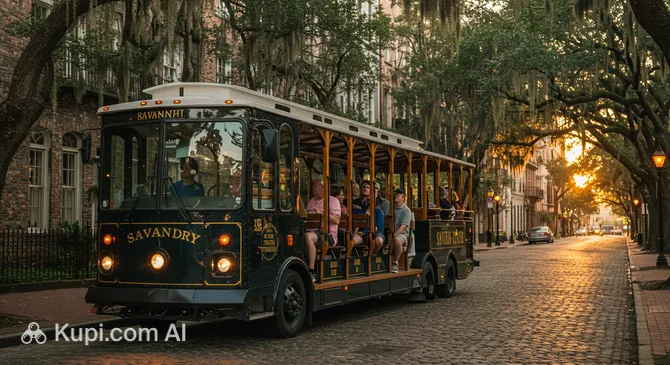
One of the most efficient and enjoyable ways to see the city is by taking the Savannah Trolley Tour. These excursions provide a fantastic overview of the Historic District, transporting guests past moss-draped squares and stately mansions while guides share captivating stories of the city's past. It is an excellent option for getting oriented and learning about local history without the fatigue of walking long distances in the heat.

Savannah Trolley Tour. Source: Kupi.Binoculars

For admirers of architecture, the Cathedral Basilica of St. John the Baptist is an absolute masterpiece. Dominating the skyline with its towering twin spires, this French Gothic structure is renowned for its stunning stained-glass windows and intricate interior murals. It stands as a testament to the city's religious heritage and offers a serene, awe-inspiring environment for visitors of all backgrounds.

A short drive from the city center lies Bonaventure Cemetery, a place of haunting beauty located on a bluff overlooking the Wilmington River. Famous for its elaborate Victorian statuary and avenues lined with massive oaks dripping in Spanish moss, it offers a quintessential Southern Gothic atmosphere. The cemetery gained worldwide fame through the book and movie Midnight in the Garden of Good and Evil, making it a popular spot for history buffs and photographers alike.

Finally, no trip is complete without a visit to City Market, often called the "Art and Soul of Savannah." Spanning four blocks of restored warehouses, this pedestrian-friendly area is buzzing with energy day and night. It features a mix of working art studios, eclectic boutiques, and sidewalk cafes, offering a perfect setting to listen to live music and soak up the local culture.

Local Cuisine

Savannah’s culinary scene is a mouthwatering blend of traditional Southern comfort food and fresh coastal flavors, often referred to as Lowcountry cuisine. Food here is treated with reverence, and the dining landscape ranges from elegant restaurants housed in 18th-century mansions to casual seafood shacks along the water. For many visitors, a trip to this city is as much about the eating as it is about the sightseeing, with aromas of fried chicken and briny seafood continually filling the air.

When it comes to signature dishes, Shrimp and Grits is the undisputed king of the table. While found throughout the South, the Savannah version often features fresh local shrimp served over creamy, stone-ground grits, topped with a rich gravy of bacon, onions, and peppers. Another must-try is Fried Green Tomatoes, a tangy and crispy appetizer that perfectly captures the region's love for frying fresh produce. For those with a sweet tooth, the city is famous for its Pralines—decadent, melt-in-your-mouth candies made from pecans, sugar, cream, and butter, often prepared fresh daily in shops along the riverfront.

Thirsty travelers will find plenty of local refreshments to cool down with. Sweet Tea is practically the official beverage, served ice-cold and heavily sweetened at almost every meal. On the stronger side, the legendary Chatham Artillery Punch is a potent concoction dating back to the colonial era, typically mixing champagne, rum, brandy, and whiskey. Thanks to the city's unique open-container laws within the Historic District, you can even order your cocktail in a "to-go" cup and sip it while strolling through the picturesque squares.

The dining culture in Savannah is deeply social and varied. River Street is the go-to spot for seafood lovers looking to enjoy a meal with a view of passing cargo ships, while the bustling City Market offers a mix of bistros and outdoor cafes perfect for people-watching. For a truly authentic experience, look for the city's famous boarding house-style eateries, where guests sit at communal tables to share heaping platters of fried chicken, collard greens, and cornbread, passing dishes around like a large family Sunday dinner.

Travel Tips

Preparing for a trip to Savannah is straightforward, but having a few local insights can significantly enhance your experience in this charming Southern destination. Here are some practical tips to help you navigate the climate, culture, and historic streets with ease.

  1. Clothing and Gear: Summers in Savannah are hot and humid, so pack lightweight, breathable fabrics like cotton and linen. The most crucial item to bring is a pair of comfortable, flat walking shoes. The Historic District features uneven brick sidewalks and cobblestone streets, especially along the famous River Street, which can be difficult to navigate in high heels or stiff dress shoes.
  2. Transportation: If you are staying downtown, a car is often more of a burden than a help due to parking fees. The city is very walkable, and you can take advantage of the DOT Express Shuttle, a free bus service that loops around the Historic District, connecting major hotels, parking garages, and squares. For trips further afield, ride-sharing apps are widely available.
  3. Finances: The official currency in the United States is the US Dollar (USD). Credit and debit cards are accepted almost everywhere, but carrying some cash is useful for small purchases or tips. Tipping is a standard practice here; expect to leave 18% to 20% of the bill at restaurants and bars as a gratuity for good service.
  4. Health and Safety: Savannah is generally a safe city for tourists, but standard precautions apply—stick to well-lit areas at night and lock your valuables. A specific local concern is the sand gnat (biting midge), which can be active near the river and marshes, especially at dawn and dusk. Packing a good insect repellent is highly recommended to avoid itchy bites.
  5. Communication: English is the primary language, often spoken with a warm Southern accent. Free Wi-Fi is available in many public squares, cafes, and hotels. If you need a SIM card, major carriers have stores in the city, though most travelers rely on international roaming or Wi-Fi for connectivity.
  6. Local Etiquette: Southern hospitality is a real and valued part of the culture. It is polite to smile and greet people with a "hello" or "good morning" when passing on the street. Using "please," "thank you," and addressing people as "ma'am" or "sir" is common and appreciated in interactions with locals and service staff.
  7. What to Avoid: Resist the urge to touch or wear the Spanish moss that hangs beautifully from the oak trees. While it looks romantic, it often harbors small red bugs known as "chiggers" that can cause severe skin irritation. It is best admired from a distance.
  8. Additional Tip: Take advantage of the city's unique "to-go" cup policy. Within the boundaries of the Historic District, you are legally allowed to carry alcoholic beverages on the street, provided they are in a plastic cup of 16 ounces or less. Simply ask your bartender for a "traveler" before you leave the restaurant.

By keeping these simple tips in mind, you will be well-equipped to relax and enjoy the slow, sweet pace of the Hostess City. Whether you are strolling under the moss-draped oaks or enjoying the riverside breeze, a little preparation ensures your Savannah getaway will be as comfortable as it is memorable.

Entertainment & Nightlife

Entertainment and Nightlife:

When the sun sets over the Savannah River, the city transforms into a vibrant hub of activity, offering everything from sophisticated rooftop cocktails to spirited dive bars. One of the defining features of nightlife here is the city's open-container policy within the Historic District. This allows visitors to purchase an alcoholic beverage in a plastic "to-go" cup and enjoy it while walking from one venue to the next, adding a relaxed and social element to the evening atmosphere.

The epicenter of tourist nightlife is undoubtedly River Street. Here, the centuries-old cotton warehouses have been converted into lively pubs and music venues. It is a fantastic place to grab a drink, watch the ships glide by, and listen to live bands playing classic rock or blues. Just a short walk away is City Market, a four-block open-air courtyard that buzzes with energy. At night, the area is filled with the sounds of live music spilling out from the surrounding bistros and bars, making it a popular spot for a mixed crowd of families, couples, and groups of friends.

For a more local and eclectic experience, head to Congress Street. Often considered the heartbeat of the city's late-night scene, this strip features a dense concentration of clubs and lounges. You can dance the night away at lively spots like the Congress Street Social Club, known for its patio and laid-back vibe, or sample one of the hundreds of signature martinis at Jen's & Friends. For those seeking a historic ambiance, the basement tavern at The Olde Pink House offers live piano music and candlelight in an intimate, 18th-century setting.

Savannah is also famously known as one of America's most haunted cities, making ghost tours a staple of evening entertainment. If you prefer a guided experience over bar-hopping, the Savannah Trolley Tour offers evening excursions that explore the city's spooky folklore and haunted sites. These tours provide a chilling yet fun way to see the illuminated squares and historic homes under the cover of darkness.

Practicalities for a night out are straightforward. The dress code in Savannah is generally "smart casual"—comfortable enough for walking but neat enough for a nice dinner. Most bars stay open until 2:00 or 3:00 AM. In terms of safety, the Historic District is well-patrolled and generally safe for pedestrians, but it is always wise to stay in well-lit areas and avoid walking alone late at night on deserted streets. Getting around is easy; pedicabs are a fun and popular way to travel short distances, while ride-sharing apps and taxis are readily available for longer trips.

While the nightlife is captivating, Savannah offers plenty of daytime entertainment as well. Culture enthusiasts should visit the Telfair Museums, the oldest public art museum in the South, or explore the contemporary works at the SCAD Museum of Art. For performing arts, the historic Savannah Theatre on Chippewa Square hosts a variety of musical productions and plays, continuing a tradition of entertainment that dates back to 1818.

Parks & Museums

Savannah is a city where nature and history are inextricably linked, offering visitors a lush landscape of manicured gardens and a rich tapestry of cultural institutions. From the moss-draped oaks of its famous squares to the meticulously curated galleries of its historic homes, the city provides ample opportunity to explore both the great outdoors and the artistic soul of the South.

Forsyth Park is the undisputed green heart of the city and a must-visit for any traveler. Spanning 30 acres in the Victorian District, it is best known for its iconic cast-iron fountain, modeled after the fountains at the Place de la Concorde in Paris. Beyond the photo opportunities, the park features wide walking paths, a Fragrant Garden for the blind, and expansive lawns perfect for picnics. On Saturday mornings, it hosts a popular farmers' market, making it a lively hub for locals and tourists alike.

For those seeking a more rugged natural experience, Skidaway Island State Park offers a stunning escape just a short drive from downtown. Located along the Skidaway Narrows, this park preserves the region's unique maritime forest and salt marshes. Visitors can hike along trails that wind through palmettos and pines, observe local wildlife like fiddler crabs and egrets from the observation towers, and experience the serene beauty of the Georgia coast away from the city bustle.

Savannah’s cultural scene is anchored by the Telfair Museums, the oldest public art museum in the South. The institution comprises three distinct sites, but the Telfair Academy is particularly notable. Housed in a neoclassical Regency-style mansion, it showcases a collection of 19th- and 20th-century American and European art. The building itself is a masterpiece, offering a glimpse into the opulent lifestyle of the city's early elite while providing a quiet, air-conditioned retreat filled with beauty.

A more modern artistic perspective can be found at the SCAD Museum of Art, operated by the Savannah College of Art and Design. Located in a revitalized 1853 railway depot, this premier contemporary art museum features rotating exhibitions from internationally acclaimed artists as well as emerging talent. The architecture blends historic brickwork with sleek modern design, making it a visual treat both inside and out for design enthusiasts.

To truly understand the city's mystique, a visit to the Mercer Williams House Museum is essential. Famous as the setting for the book and movie Midnight in the Garden of Good and Evil, this restored mansion is a marvel of architecture and interior design. Tours here focus on the home’s eclectic collection of furniture and art, as well as the fascinating, and often scandalous, history of the families who lived there.

For a quieter experience off the beaten path, seek out Whitefield Square. Often overlooked by the larger tour groups, this charming square features a Victorian gazebo and is surrounded by lovely historic homes. It is a favorite spot for local weddings and offers a peaceful atmosphere to sit, read, or simply admire the hanging Spanish moss without the crowds found in the more central plazas.

Getting Around

Navigating Savannah is remarkably convenient, especially for visitors focusing on the Historic District. The city operates a fantastic free transportation system known as the DOT (Downtown Transportation). These shuttle buses serve as the primary mode of transit for tourists, connecting major parking garages, hotels, and visitor centers with key attractions. The shuttles typically run in loops, making stops at popular squares and landmarks, and are easily identifiable by their distinctive purple and orange branding.

Another highlight of the local transport network is the Savannah Belles Ferry system. These modern passenger ferries provide free passage across the Savannah River, linking the historic River Street with Hutchinson Island and the convention center. The ride is short but offers beautiful views of the harbor and the city skyline from the water. They operate daily from early morning until late evening, making them both a practical transit option and a scenic experience.

For travel beyond the downtown core, the Chatham Area Transit (CAT) offers a comprehensive public bus service. These buses cover the wider metropolitan area, including trips to shopping districts and the airport. The fare system is affordable, with a single ride costing approximately $1.50. Passengers can pay with exact cash upon boarding or use the "Token Transit" mobile app to purchase digital tickets and passes instantly on their smartphones. Day passes and weekly passes are also available for those planning extensive travel.

Tourists should note that while the DOT shuttles and ferries are free, they have specific operating hours that can vary by day of the week and season. The DOT shuttles generally run until 7:00 PM on weekdays, with extended hours on weekends, while the ferries often operate until midnight. It is advisable to check the latest schedules online or at visitor centers. When using paid CAT buses, always have the exact change ready if paying with cash, as drivers cannot provide change.

Given the city's compact nature, walking remains the most popular way to explore the shaded squares and cobblestone streets. However, for longer distances or late-night travel, ride-sharing services and traditional taxis are widely available and reliable. Additionally, while not strictly public transit, the city is famous for its private hop-on, hop-off trolley tours. These paid services offer narrated sightseeing and are a convenient way to move between attractions if you prefer a guided experience over the public bus system.

Accommodation

Finding the perfect place to stay in Savannah is an integral part of the travel experience, as the accommodation options often reflect the city's historic charm and Southern hospitality. The range of lodging is extensive, catering to all preferences and budgets. Visitors can choose from luxurious full-service hotels along the riverfront, charming bed and breakfasts housed in restored 19th-century mansions, or reliable mid-range chain hotels located just outside the main tourist zones. For those seeking a more home-like feel, vacation rentals in carriage houses and garden apartments are also widely available.

The most popular area for tourists is undoubtedly the Historic District. Staying here places you within walking distance of the famous squares, museums, and dining spots, allowing you to immerse yourself fully in the city's atmosphere without needing a car. Within this district, you can choose between the bustling energy of River Street, where hotels offer sweeping views of the Savannah River and easy access to nightlife, or the quieter, tree-lined streets near the squares, which offer a more romantic and secluded vibe. For travelers who prefer a beach escape combined with city sightseeing, Tybee Island is located just 20 minutes away and offers seaside cottages and resorts.

One of the unique aspects of staying in Savannah is the opportunity to sleep in a piece of history. Many of the city's most celebrated accommodations are "historic inns"—boutique properties located in former private residences that have been meticulously preserved. These inns often feature period furnishings, private courtyards, and evening wine receptions. Some are even rumored to be haunted, adding a thrill for those interested in the city's ghostly folklore. Whether you choose a grand Victorian manor or a converted cotton warehouse, the architecture itself often becomes a highlight of the trip.

When planning your visit, it is important to consider the seasonality of the city. Savannah is a year-round destination, but prices can spike significantly during the peak spring and fall months, as well as during major events like the St. Patrick's Day celebration. To secure the best rates and availability, especially for the smaller bed and breakfasts which fill up quickly, it is highly recommended to book well in advance. Prices in the Historic District typically range from mid-to-high, while more budget-friendly options can be found in the Midtown area or near the airport, accessible via a short drive or ride-share.

Nearby Cities

For those looking to explore the surroundings, Savannah serves as an excellent base for day trips to several interesting nearby locations:

City Population Distance (km)
Hilton Head Island 74248 35
Brunswick 35272 110
Hinesville 34733 57
Statesboro 32400 77
Bluffton 27596 28

One of the most popular escapes is Hilton Head Island, located just across the border in South Carolina. Known worldwide for its pristine Atlantic beaches and championship golf courses, it offers a resort-style atmosphere perfect for relaxation. Visitors can enjoy miles of bike paths, climb the iconic Harbour Town Lighthouse, or explore the coastal discovery museum to learn about the region's ecology.

Closer to the city lies the charming town of Bluffton, situated on the scenic May River. This destination is celebrated for its eccentric "Old Town" district, which is filled with art galleries, antique shops, and local seafood restaurants. It provides a more laid-back, artistic vibe compared to the grand historic tourism of Savannah, making it a delightful spot for an afternoon stroll.

For those willing to venture a bit further south, Brunswick serves as the gateway to the Golden Isles. This historic port city offers access to beautiful barrier islands like St. Simons and Jekyll Island. Brunswick itself features a historic downtown with Victorian-era buildings and the famous "Lover's Oak," a 900-year-old tree that is a testament to the area's natural beauty.

These nearby destinations offer a glimpse into the diverse culture and landscapes of the region.

Shopping & Souvenirs

Shopping in Savannah is a delightful experience that mirrors the eclectic and historic charm of the city itself. Visitors can find a captivating mix of high-end fashion, antique treasures, and quirky local goods without ever leaving the walkable downtown area. The city is particularly renowned for its thriving art scene, influenced heavily by the local art college, as well as its world-famous confectionery shops that fill the air with the scent of sugar and pecans.

The heart of the retail action is undoubtedly Broughton Street. This revitalized thoroughfare serves as the city's "Main Street," lined with a blend of major national retailers and unique local boutiques like the famous Paris Market, which offers a curated selection of vintage and modern gifts. For those seeking something more specialized, the Downtown Design District along Whitaker Street is a must-visit. This area is known for its sophisticated interior design shops, upscale fashion, and incredible antique stores, making it a haven for treasure hunters.

For travelers looking for a traditional indoor shopping experience, the city offers two major centers. Oglethorpe Mall is the primary destination, featuring a wide array of department stores, popular clothing chains, and a food court. Alternatively, the Savannah Mall provides another extensive selection of retailers and is a convenient option for those looking to browse familiar brands in a climate-controlled environment.

Markets in Savannah offer a more atmospheric way to shop. City Market is a historic four-block pedestrian zone that functions as an open-air marketplace. It is home to working art studios, craft boutiques, and candy kitchens, all set against a backdrop of live music and dining. On Saturday mornings, the Forsyth Farmers' Market comes alive at the south end of Forsyth Park, offering fresh local produce, artisanal foods, and a chance to mingle with the local community.

When it comes to souvenirs, edible treats are the most popular choice. You simply cannot leave without buying a box of pralines, the city’s signature candy made from pecans, sugar, cream, and butter. Local honey is another favorite, with specialty shops offering tastings of rare varieties like Tupelo honey. Art lovers should also look for unique pieces created by students and alumni of the Savannah College of Art and Design (SCAD), which can be found in various galleries throughout the city.

Store hours in the downtown area typically run from 10:00 AM to 6:00 PM, though shops on Broughton Street and in the malls often stay open until 9:00 PM. On Sundays, opening times are usually later, around 11:00 AM or 12:00 PM. Credit and debit cards are widely accepted everywhere, from high-end boutiques to market stalls, though carrying a small amount of cash can be useful for small purchases at farmers' markets.

Visitors should be aware that the price displayed on items does not include sales tax, which is added at the register. Unlike in many European countries, the United States does not have a national VAT refund system for international tourists, and Georgia does not offer a specific sales tax refund mechanism for general shopping. Therefore, travelers should expect the final price to be slightly higher than the sticker price due to state and local taxes.
Reached the end of the page?

That means the route is fully explored