Support

St. Augustine

About

Welcome to St. Augustine, a captivating destination that seamlessly blends old-world charm with sunny coastal vibes. Known as the "Ancient City," it holds a distinguished place in the United States as the nation's oldest continuously occupied European settlement. Walking through its streets feels like stepping back in time, where Spanish colonial architecture and centuries-old landmarks create a unique and romantic atmosphere.
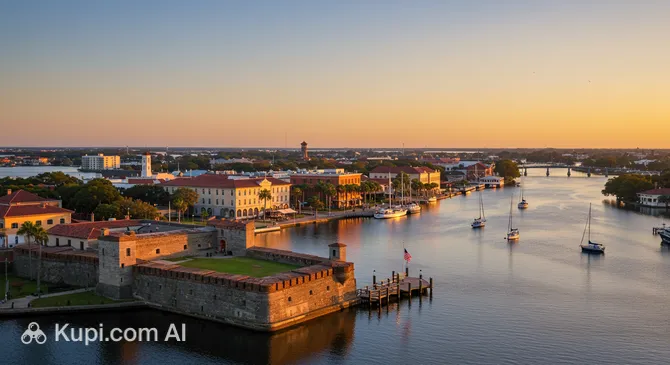
St. Augustine. Source: Kupi.Binoculars

Located on the Atlantic coast of northeastern Florida, St. Augustine enjoys a mild, subtropical climate that makes it a pleasant destination year-round. The city is home to a population of approximately 78,000 people, offering a welcoming community feel despite its popularity with travelers. Its geography is defined by scenic waterways, including the Matanzas Bay, which adds to the scenic beauty of the area.

The city's rich heritage is evident in every corner, from the narrow cobblestone lanes to the historic buildings that line the downtown area. For those eager to learn more about the events and cultures that shaped this region over the last four centuries, exploring the history of St. Augustine is an essential part of the visit.

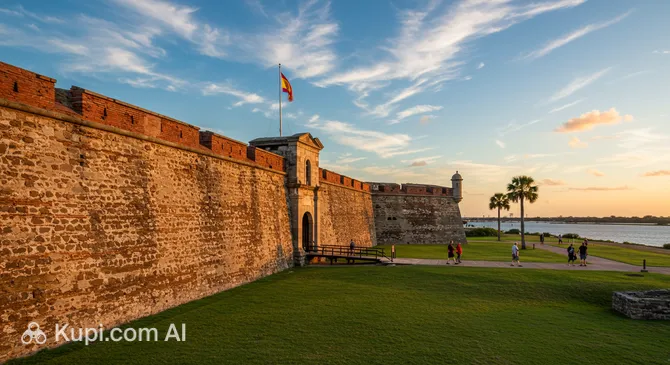
Among the top attractions is the Castillo de San Marcos, a massive 17th-century stone fortress that stands guard over the waterfront and offers stunning views of the inlet. Visitors also love strolling down the pedestrian-friendly St. George Street, which is bustling with shops, restaurants, and living history museums. For a different perspective, the St. Augustine Lighthouse provides a breathtaking panorama of the coast and the city below.

Whether you are a history enthusiast, a lover of architecture, or simply looking for a relaxing seaside getaway, St. Augustine invites you to discover its timeless beauty and vibrant culture.
Weather Overview

St. Augustine typically enjoys a pleasant subtropical climate, characterized by long, warm summers and short, mild winters. During the peak of summer in July and August, average temperatures hover around 28.0°C, with highs frequently reaching nearly 31°C. These months are also the wettest, with July seeing precipitation on approximately 25 days, often in the form of brief but regular showers.

The winter season brings cooler and drier air, creating comfortable conditions for exploring the city's outdoor landmarks. January is generally the coolest month, with an average temperature of 14.8°C and lows dipping to around 11.0°C. To help you pack appropriately for your specific travel dates, you can check the detailed forecast and historical trends for the weather in St. Augustine.

Overall, visitors can expect hot, humid summers with frequent rainfall and mild, relatively dry winters. The transition months of spring and autumn are particularly inviting, with April and October offering moderate average temperatures of 21.5°C and 23.9°C respectively.

Interesting Facts

Beyond the main attractions, St. Augustine holds many fascinating secrets and historical quirks that reveal the depth of its heritage. The city's past is woven with unique architectural feats and little-known cultural milestones that often go unnoticed by the casual observer.

Castillo de San Marcos National Monument. Source: Kupi.Binoculars
  • The walls of the Castillo de San Marcos National Monument are constructed from coquina, a sedimentary rock made of compressed seashells. This unique material saved the fort during battles because, instead of shattering, the soft stone absorbed cannonballs like styrofoam, earning the fortress a reputation for invincibility.

  • Treasury Street, located in the downtown area, is one of the narrowest streets in the country, spanning just seven feet across. Legend has it that the street was deliberately designed with this width so that chests of gold could be transported to the treasury without the risk of being ambushed by horse-drawn carriages or riders.

  • Decades before the American Revolution, the site now known as Fort Mose Historic State Park was established as the first legally sanctioned free African settlement in what is now the United States, serving as a haven for those seeking freedom from British colonies.

  • The St. Augustine Alligator Farm Zoological Park holds a prestigious distinction in the animal world. It is the only zoo on the planet that exhibits every living species of crocodilian, allowing visitors to see everything from native alligators to rare Indian gharials in one location.

How to Get There

Reaching the historic coast of Florida is a straightforward journey, with several convenient entry points available for travelers. Whether you are arriving from within the United States or from abroad, you can easily find a route that suits your itinerary. For a detailed overview of all transportation options, you can read more about how to get to St. Augustine.

The city of St. Augustine does not have its own airport for major commercial flights, but it is well-served by several hubs in the region. The most common choice for many visitors is flying into Jacksonville International Airport (IATA: JAX), located in the city of Yulee. It is approximately 75.5 km from St. Augustine, and the transfer by taxi or rental car typically takes around 1 hour. Another excellent option is Daytona Beach International Airport (IATA: DAB) in Daytona Beach, which is about 82.2 km away; the drive from there usually takes about 1 hour. For additional flight connections, travelers often use Orlando Sanford International Airport (IATA: SFB) in Orlando, situated roughly 123.9 km from the city, with a travel time of approximately 1 hour and 30 minutes.

For clarity, here is a summary of the main airports:

Airport Name City Passenger Traffic Km from City
Jacksonville International Airport Yulee High 75.5
Orlando Sanford International Airport Orlando Medium 123.9
Daytona Beach International Airport Daytona Beach Medium 82.2
Gainesville Regional Airport Gainesville Low 95.3
Glynco Jetport Brunswick Low 152.2

Main Attractions

St. Augustine is a treasure trove of historical landmarks and cultural gems, offering visitors a chance to explore centuries of heritage. While the famous Castillo de San Marcos often steals the spotlight, the city is home to numerous other captivating sites that are well worth a visit.

One of the most legendary spots in the area is the Fountain of Youth Archaeological Park. This 15-acre waterfront park is said to be the location where Ponce de León first landed in 1513. Visitors can drink from the natural spring that has fueled myths for generations, explore a reconstructed Timucuan village, and watch cannon firings. The park’s lush grounds, roaming peacocks, and planetarium make it an engaging experience for all ages.

Fountain of Youth Archaeological Park. Source: Kupi.Binoculars

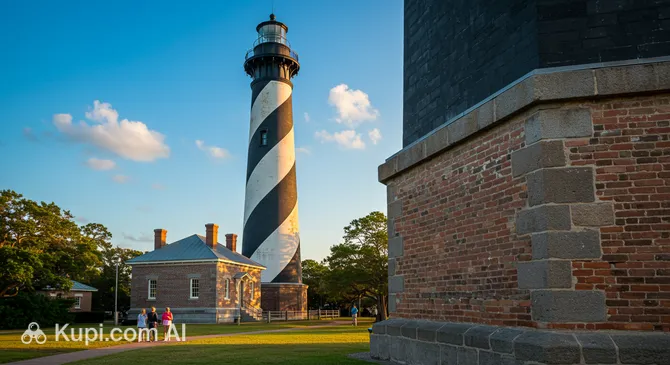
For those who enjoy breathtaking views and maritime history, the St. Augustine Lighthouse & Maritime Museum is a must-see. Rising 165 feet above sea level, this iconic black-and-white striped tower offers a panoramic vista of the Atlantic Ocean and the ancient city for those willing to climb its 219 steps. The museum grounds also feature a shipyard playground, nature trails, and exhibits detailing the stories of the keepers who once watched over the coast.

St. Augustine Lighthouse & Maritime Museum. Source: Kupi.Binoculars

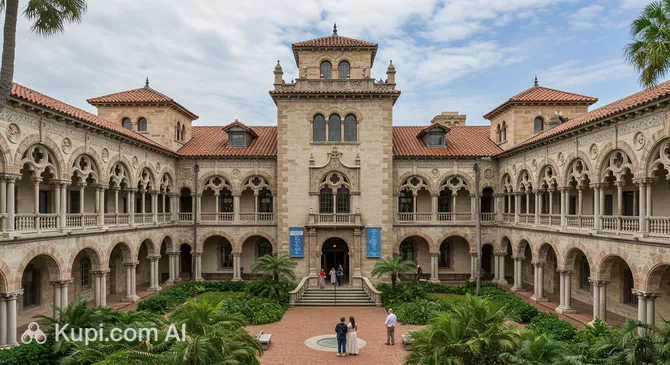
Art and architecture enthusiasts will find the Lightner Museum truly fascinating. Housed in the former Hotel Alcazar, a Gilded Age resort built by Henry Flagler in 1887, the building itself is a masterpiece of Spanish Renaissance Revival style. Inside, the museum displays an eclectic collection of 19th-century decorative art, including Tiffany glass, Victorian mechanical musical instruments, and fine porcelain, all set within the grand historic halls.

Lightner Museum. Source: Kupi.Binoculars

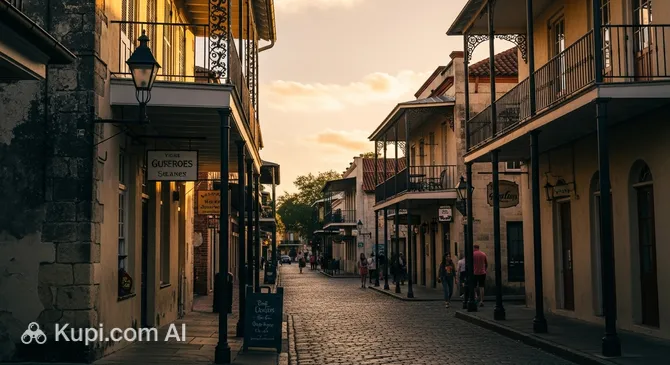
To truly soak in the local atmosphere, a stroll through Historic Downtown St. Augustine is essential. This district is the heartbeat of the city, anchored by the pedestrian-only St. George Street. Here, visitors can wander past colonial-era buildings that have been transformed into unique boutiques, galleries, and bistros. It is the perfect place to admire the old-world architecture, enjoy live music, and find a souvenir to remember your trip.

Historic Downtown St. Augustine. Source: Kupi.Binoculars

Local Cuisine

The culinary scene in St. Augustine is a flavorful reflection of its rich history, blending Spanish heritage, Southern comfort, and fresh coastal bounty. The city is famous for its unique "Floribbean" fusion and the widespread use of the datil pepper, a locally grown hot pepper that adds a distinct, spicy kick to many regional recipes. Dining here often feels like a celebration, whether you are seated in a lush courtyard or enjoying a breeze by the waterfront.

One dish you simply must try is the Minorcan Clam Chowder. Unlike its creamy New England counterpart, this tomato-based soup is vibrant red and packed with flavor, largely thanks to the addition of the fiery datil pepper. It honors the Minorcan settlers who arrived in the 18th century and left a lasting mark on the local food culture. Another staple is locally caught fried shrimp; St. Augustine is often credited as the birthplace of the modern commercial shrimping industry, so the seafood here is as fresh as it gets.

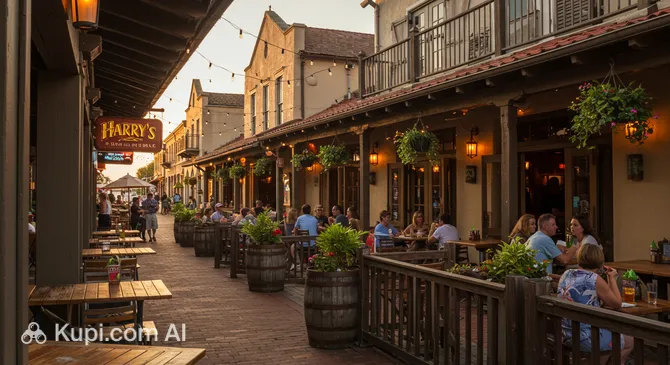
Harry's Seafood, Bar & Grille. Source: Kupi.Binoculars

For a dining experience that captures the city's lively atmosphere, many visitors flock to Harry's Seafood, Bar & Grille. Located in a historic building with a charming outdoor courtyard, it serves New Orleans-inspired dishes that complement the city's old-world vibe perfectly. The restaurant scene in the historic district offers everything from casual seafood shacks to upscale bistros, often accompanied by live music.

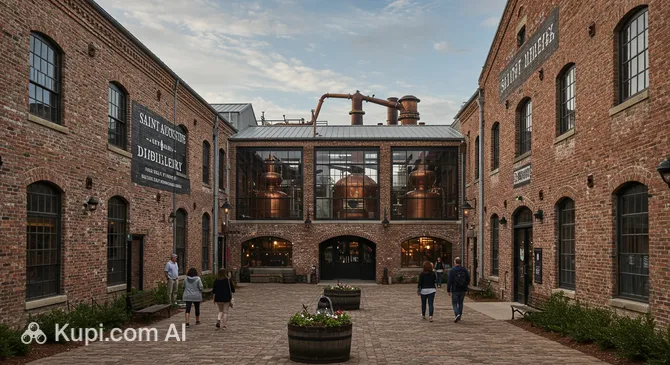
When it comes to local libations, the city takes great pride in its craft beverages. The Saint Augustine Distillery is a premier destination for spirit enthusiasts, located in a beautifully restored historic ice plant. Here, you can sample small-batch bourbon, vodka, and gin made from locally farmed ingredients. In the same iconic building, the Ice Plant Bar serves farm-to-table food and artisanal cocktails, emphasizing the art of ice-cutting in their drink presentation.

Saint Augustine Distillery. Source: Kupi.Binoculars

Wine lovers should not miss a visit to the San Sebastian Winery, which produces wines from native Muscadine grapes. It offers a taste of Florida's viticulture and is a fantastic spot to relax after a day of sightseeing. Whether you are sipping a craft cocktail or enjoying a spicy bowl of chowder, the flavors of St. Augustine are sure to be a highlight of your trip.

Travel Tips

Preparing for a trip to the Ancient City is exciting, and a little planning goes a long way to ensure a hassle-free experience. Here are some practical tips to help you navigate St. Augustine smoothly and enjoy every moment of your coastal getaway.

  1. Clothing and Gear: St. Augustine has a humid subtropical climate, so pack breathable fabrics like cotton or linen for the summer months. Winters can be breezy, so bring layers and a light jacket. Most importantly, wear comfortable walking shoes; the historic district features centuries-old cobblestone streets that can be difficult to navigate in high heels or stiff footwear. Don't forget sunglasses, sunscreen, and a hat, as the Florida sun can be intense year-round.

  2. Transportation: The best way to explore the Historic District is on foot or by using the iconic sightseeing trolleys. These hop-on, hop-off trolleys are not just tours; they are a convenient way to shuttle between major attractions without moving your car. Parking in the city center can be scarce and expensive, so using the municipal parking garage or a park-and-ride service is highly recommended. Ride-hailing apps like Uber and Lyft are also readily available.

  3. Finances: The local currency is the United States Dollar (USD). Credit and debit cards are widely accepted at hotels, restaurants, and attractions. However, it is useful to carry some cash for small purchases at local markets or for tipping. ATMs are easy to find throughout the city. Tipping is customary in the US; expect to leave 18-20% of the bill for waitstaff in restaurants and a few dollars for hotel housekeeping or tour guides.

  4. Health and Safety: St. Augustine is generally a safe destination for tourists, but standard precautions like locking your car and keeping valuables out of sight apply. For medical needs, there are several pharmacies (some with 24-hour drive-thrus) and the Flagler Hospital nearby. If you are visiting in summer, carry insect repellent to protect against mosquitoes and sand gnats, especially near the water or at dusk.

  5. Communication: English is the primary language spoken. While the city has Spanish roots, you will rarely need to speak Spanish, though you might see it on historical plaques. Free Wi-Fi is available in many cafes, hotels, and public areas. If you are an international visitor, purchasing a prepaid SIM card at a major retailer or mobile phone store is easy and affordable.

  6. Local Etiquette: The vibe in St. Augustine is relaxed and friendly, reflecting Southern hospitality. A simple "hello" or polite nod to passersby is common. Dress codes are generally "beach casual" or "resort casual," even for dinner, though shirts and shoes are required in all businesses. When visiting religious sites like the Cathedral Basilica, respectful attire (modest clothing) is appreciated.

  7. What to Avoid: Do not walk on the sand dunes or trample the sea oats at the beach; these are protected by law to preserve the coastline, and fines can be hefty. Also, avoid trying to drive down St. George Street; while some maps might show it as a road, the main historic section is strictly pedestrian-only, and getting stuck near it in a car can be frustrating due to crowds.

  8. Additional Tip: To capture the best photos of the historic Spanish architecture without the crowds, try to hit St. George Street before 9:00 AM. The shops won't be open yet, but the lighting is beautiful, and you will have the picturesque lanes almost entirely to yourself before the day-trippers arrive.

With these tips in mind, you are ready to immerse yourself in the history and beauty of St. Augustine. A bit of preparation will allow you to relax and focus on the stunning views and delicious food that make this city so special.

Entertainment & Nightlife

Entertainment:

St. Augustine offers more than just silent stone walls and historical markers; the city pulses with a vibrant entertainment scene that caters to families, thrill-seekers, and night owls alike. From interactive museums that bring the golden age of piracy to life to festive waterfront celebrations, there is always something exciting to do after the sun goes down or when you need a break from traditional sightseeing.

For a swashbuckling adventure, the St. Augustine Pirate & Treasure Museum is a top choice. Located right across from the Castillo, this attraction transports visitors back to the era of high-seas robbery with one of the world's largest collections of authentic pirate artifacts. It is an interactive experience where you can see real pirate gold and even touch a 400-year-old treasure chest.

St. Augustine Pirate & Treasure Museum. Source: Kupi.Binoculars

If you have a taste for the macabre or the unusual, the city has several unique offerings. The Medieval Torture Museum provides a chilling yet fascinating look into the history of crime and punishment, featuring historically accurate reconstructions of torture devices. For a lighter, more whimsical experience, Ripley's Believe It or Not! showcases a collection of oddities and curiosities that will amaze visitors of all ages, housed in a historic castle-like building.

As evening approaches, the city's nightlife comes alive with a variety of eclectic spots. Sarbez is a local favorite that combines a retro arcade with a gourmet grilled cheese shop and a craft beer bar, often hosting live music performances. It is the perfect place to unwind in a casual, fun atmosphere.

For those who prefer to take the party to the water, the Old Town Party Boat offers a lively way to cruise the local waterways while enjoying music and drinks. If you are looking for a unique place to grab a cocktail, The Tipsy Duck Parlor is known for its quirky, rubber-duck-themed drinks and playful vibe. Alternatively, the Chianti Room offers a more classic setting for enjoying evening beverages.

Shopping enthusiasts can explore Cobblestone Village and Anastasia Plaza, which offer a mix of local shops and convenient services. These centers are great for picking up essentials or browsing for gifts away from the busy downtown crowds.

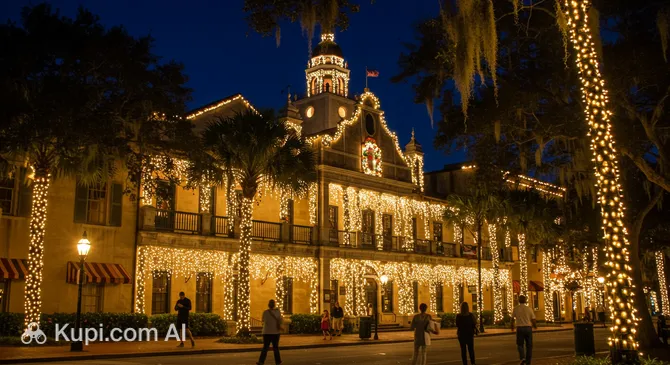
One of the most spectacular times to visit is during the Nights of Lights festival. Running from November through January, this award-winning display illuminates the entire historic district with millions of white lights, turning the city into a magical winter wonderland. It is widely considered one of the best holiday light displays in the world.

Nights of Lights. Source: Kupi.Binoculars

To see it all with ease, the St. Augustine Trolley Tour provides an entertaining and informative way to navigate the city. The conductors often share humorous stories and local lore, making the ride an attraction in itself.

Parks & Museums

St. Augustine offers a remarkable balance between its built heritage and its natural surroundings, providing visitors with ample opportunities to explore lush green spaces alongside world-class cultural institutions. Beyond the bustling historic district, the city preserves pristine coastal environments and curates diverse collections that tell the story of the region's unique past.

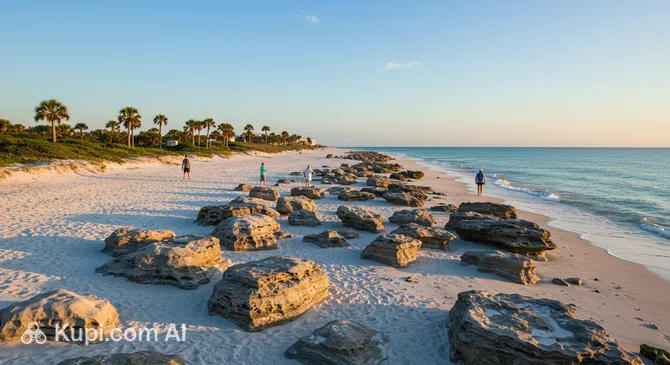
One of the premier natural escapes in the area is Anastasia State Park. Spanning over 1,600 acres, this park features unspoiled beaches, tidal marshes, and ancient sand dunes. It is a haven for outdoor enthusiasts, offering facilities for camping, hiking, and bird-watching. The park's diverse ecosystem makes it an excellent spot to observe local wildlife, from wading birds to marsh hares, all while enjoying the sound of the Atlantic surf.

Anastasia State Park. Source: Kupi.Binoculars

For a mix of history and nature, Fort Mose Historic State Park is a significant destination. While the original fort structure no longer stands, the park grounds are beautiful, featuring boardwalks that wind through the marshes. It serves as a peaceful setting to reflect on the site's importance as the first legally sanctioned free African settlement in what is now the United States. Visitors can enjoy the visitor center museum and the scenic views of the waterways.

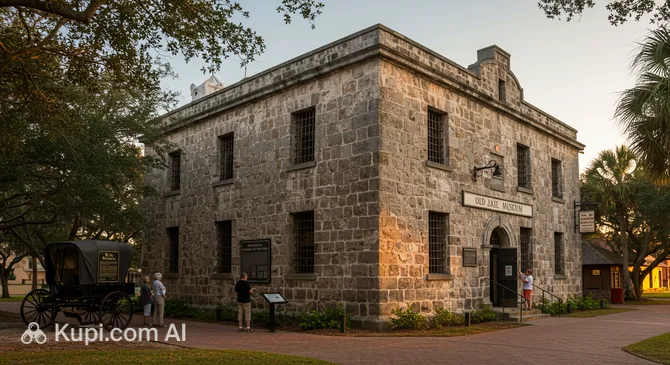
The city's museum offerings extend well beyond the colonial era. The Old Jail Museum is a fascinating architectural landmark that often surprises visitors. Built in 1891 by Henry Flagler, it was designed to look like a hotel to blend in with the city's upscale resorts, despite serving as a correctional facility for over 60 years. Today, costumed deputies lead tours through the cells and living quarters, sharing stories of the sheriffs and inmates who once occupied the building.

Old Jail Museum. Source: Kupi.Binoculars

Automotive enthusiasts will find a hidden gem in the Classic Car Museum of St. Augustine. This facility showcases a rotating collection of vintage vehicles, from early 20th-century models to muscle cars, offering a nostalgic journey through automotive design history. For a broader look at the local heritage, the Historic St. Augustine Museum provides exhibits that cover various epochs of the city's development.

A deeply spiritual and historical site worth visiting is the National Shrine of Our Lady of La Leche at Mission Nombre de Dios. The grounds are serene and park-like, featuring the towering Great Cross which rises 208 feet above the Matanzas River. It marks the site where the first parish mass in the US was celebrated, offering a quiet place for walking and contemplation amidst ancient trees and sacred shrines.

For a relaxing day away from the tourist crowds, consider a trip to Treaty Park. Known locally for its expansive dog park, walking trails, and pickleball courts, it offers a glimpse into the everyday recreational life of the city's residents. It is a perfect spot for a quiet picnic under the shade of massive oak trees.

Getting Around

Navigating St. Augustine is relatively straightforward, as the city is compact and pedestrian-friendly. Unlike larger metropolises, there is no underground metro, tram, or light rail system here. The public transportation network primarily consists of a local bus service and a robust system of sightseeing trolleys that function as the main transit option for the thousands of visitors who flock to the historic district each day.

For standard public transportation, the city is served by the Sunshine Bus Company. This bus system connects the downtown area with outlying neighborhoods, shopping centers, and the beaches on Anastasia Island. While it is a reliable and affordable option for getting from point A to point B, the frequency of service on some lines can be lower than what travelers from big cities might expect. It is an excellent choice for reaching destinations outside the immediate historic core, such as the outlets or supermarkets.

A unique and highly popular feature of St. Augustine's transport landscape is the hop-on, hop-off trolley system. While technically private sightseeing tours, these trolleys—specifically the Old Town Trolley and the Red Train Tours—effectively serve as the primary public transit for tourists. They operate on continuous loops, stopping at virtually every major attraction, museum, and hotel in the historic area. For many visitors, these open-air vehicles are the most convenient way to get around without worrying about navigation or parking.

regarding payment, the Sunshine Bus is very budget-friendly. Fares are typically paid in cash upon boarding, so it is essential to carry small bills and coins as drivers cannot make change. One-way fares are low, generally under $2.00, and daily passes are available for unlimited rides. In contrast, tickets for the sightseeing trolleys are significantly more expensive but offer greater flexibility for tourists. These passes are usually valid for one or multiple days and can be purchased online, at welcome centers, or at designated kiosks throughout the city. The trolley ticket often includes the added benefit of free parking at their main depot, which is a significant perk.

For those who prefer more direct transport, taxis and ride-sharing apps like Uber and Lyft are widely available and offer a quick way to move between the island beaches and the downtown area. Since the terrain is predominantly flat, renting a bicycle is another fantastic alternative. Many local shops offer hourly or daily rentals, allowing you to cruise through the tree-lined streets at your own pace. In the evenings, you will also see pedicabs (bicycle rickshaws) weaving through the streets; these are a fun, albeit slightly more expensive, way to travel short distances within the colonial quarter.

Practical advice for tourists involves timing and footwear. The Sunshine Bus typically operates during standard business hours and early evenings, with limited or no service on Sundays and holidays, so always check the latest schedule online. The trolleys generally run from morning until late afternoon (around 5:00 PM), after which you will need to rely on walking or cabs. Finally, bear in mind that the heart of the city—St. George Street and its surroundings—is best explored on foot. Many streets are pedestrian-only or very narrow, making walking the most efficient "transport" for the city center.

Accommodation

Finding the perfect place to stay in St. Augustine is an integral part of the experience, as the city offers a diverse range of accommodations that cater to every preference and budget. Visitors can choose from charming bed and breakfasts nestled in centuries-old colonial buildings, familiar mid-range chain hotels, family-friendly motels, and luxurious oceanfront resorts. For those who enjoy the outdoors, there are also well-equipped campgrounds near the coast, allowing for a stay surrounded by nature.

When selecting a location, the decision usually comes down to two main areas: the Historic District and the beaches. Staying in the Historic District places you within walking distance of the main pedestrian thoroughfares, museums, and restaurants, making it ideal for those who want to immerse themselves in the city's old-world atmosphere without relying on a car. On the other hand, Anastasia Island and the Vilano Beach area are perfect for travelers seeking a more relaxed, resort-style vacation with direct access to the Atlantic Ocean, yet they remain just a short drive from the downtown sights.

For a truly authentic experience in the heart of the old city, the St Francis Inn Bed and Breakfast is a standout choice. Dating back to 1791, this historic property offers a blend of antique charm and modern comfort, tucked away on a quiet street in the oldest part of town. It is a prime example of the unique lodging available here, where the accommodation itself is a piece of history.

If your priority is sun, sand, and sea, the St. Augustine Beach Resort provides a different kind of getaway. Located closer to the water, properties in this category allow guests to enjoy the coastal breeze and easy access to the shore, making them excellent options for families and beach lovers.

Regarding costs and booking, prices in St. Augustine can vary significantly depending on the season. While budget-friendly motels are available, rates for historic inns and waterfront resorts generally fall into the mid-to-high range. It is highly recommended to book well in advance, especially if you plan to visit during weekends, spring break, or the popular "Nights of Lights" festival in winter, when the city is at its busiest. Most accommodations can be easily booked via major online platforms or directly through their websites.

Nearby Cities

For those looking to explore the surroundings, St. Augustine serves as an excellent base for day trips to several interesting nearby locations:

City Population Distance (km)
Jacksonville 1220191 59
Palm Coast 403834 36
Daytona Beach 71041 81
Ormond Beach 42707 72
Fruit Cove 34469 40

Located less than an hour's drive to the north, Jacksonville offers a dynamic urban experience that contrasts beautifully with the historic charm of St. Augustine. As the largest city by area in the contiguous United States, it boasts an extensive park system, vibrant neighborhoods like Riverside and Avondale, and the scenic St. Johns River. Visitors can explore the Jacksonville Zoo and Gardens, enjoy the arts at the Cummer Museum, or simply relax on its expansive sandy beaches.

Traveling south along the coast brings you to Daytona Beach, a destination synonymous with speed and sunshine. Famous worldwide for the Daytona International Speedway, this city is a haven for motorsports enthusiasts. Beyond the track, the "World's Most Famous Beach" allows cars to drive on the hard-packed sand in designated areas, and the lively boardwalk features amusements, shops, and restaurants that create a classic seaside atmosphere.

For those seeking a more nature-focused retreat, Palm Coast offers a serene environment characterized by lush landscapes and waterways. It is home to beautiful parks such as Washington Oaks Gardens State Park, known for its formal gardens and unique coquina rock formations along the beach. The area is also a favorite for golfers and hikers, providing a peaceful break from the bustle of larger cities.

These nearby destinations offer a glimpse into the diverse culture and landscapes of the region.

Shopping & Souvenirs

Shopping in St. Augustine is a delightful experience that mirrors the city's eclectic character and rich history. Instead of endless rows of generic chain stores, visitors will find a treasure trove of independent boutiques, art galleries, and antique shops tucked away in centuries-old buildings. Whether you are looking for high-end art, handcrafted jewelry, or quirky coastal keepsakes, the city offers a browsing experience that is as much about the atmosphere as it is about the goods.

The heart of the retail action is Historic Downtown St. Augustine, particularly along the pedestrian-friendly St. George Street. This bustling corridor is the main artery for visitors, lined with shops selling everything from colonial-style souvenirs and cigars to modern fashion and home decor. For a more curated and artistic vibe, travelers should wander down Aviles Street. As the oldest street in the nation, it hosts a charming collection of galleries and antique stores, perfect for finding unique pieces in a quieter setting.

For those seeking everyday essentials, national brands, or a more traditional retail environment, the city offers several convenient shopping centers. Cobblestone Village is a popular stop that provides a mix of retail stores, services, and dining options, making it a practical destination for travelers. Similarly, Anastasia Plaza serves the island area with supermarkets and specialty shops, ideal for stocking up on supplies if you are staying near the beach.

Markets are a vibrant part of the local culture and offer a chance to shop like a resident. The St. Augustine Amphitheatre Farmers Market, held on Saturday mornings, is a favorite among locals. Nestled under the shade of oak trees, it features fresh produce, local honey, handmade soaps, and live music. Another excellent option is the Wednesday Pier Farmers Market at St. Augustine Beach, where you can find beach-themed gifts, art, and delicious treats with a view of the ocean.

When it comes to souvenirs, bringing home a taste of the city is highly recommended. The region is famous for the datil pepper, a spicy pepper unique to St. Augustine; hot sauces, jellies, and even chocolates infused with this pepper make fantastic gifts. Locally crafted beverages are also popular; you can pick up small-batch spirits from the Saint Augustine Distillery or a bottle of Muscadine wine from the San Sebastian Winery. Of course, given the city's history, pirate-themed memorabilia found in the historic district is always a fun classic.

Store hours in the historic district generally run from 10:00 AM to 6:00 PM, although many shops stay open later on weekends and during peak tourist seasons. Payment is convenient, with credit and debit cards being universally accepted. However, carrying a small amount of cash is advisable if you plan to visit outdoor markets or purchase small items from street vendors.

Visitors should be aware that the sales tax in this part of Florida is typically around 6.5%. Unlike in many European countries, the United States does not generally offer a VAT refund system for international tourists on standard retail purchases, so the price you pay at the register is final.

Reached the end of the page?

That means the route is fully explored