Support

Atlanta

About

Atlanta, the vibrant capital of Georgia, is a bustling metropolis that perfectly blends Southern charm with modern sophistication. As a major cultural and economic hub in the southeast of the United States, the city is known for its lush canopy of trees, earning it the nickname "City in a Forest." With a metropolitan population exceeding 5 million, it offers a dynamic urban energy while maintaining pockets of serene natural beauty.

The city's geographical location provides a humid subtropical climate, characterized by hot summers and mild winters, making it a year-round destination for travelers. Beyond its modern skyline, the history of Atlanta is deeply significant, ranging from its pivotal role in the Civil War to becoming the cradle of the Civil Rights Movement. This rich heritage is woven into the fabric of the city, visible in its neighborhoods and landmarks.
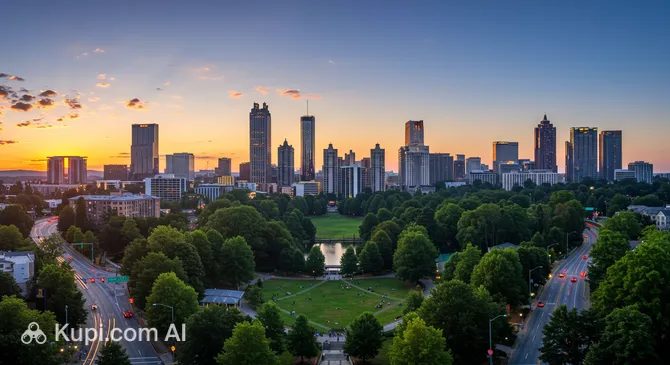
Atlanta. Source: Kupi.Binoculars

Tourists are often drawn to Atlanta's world-class attractions. The Georgia Aquarium, one of the largest in the world, offers an immersive look at marine life, while the World of Coca-Cola provides an entertaining journey through the history of the iconic beverage invented here. For those seeking outdoor leisure, Centennial Olympic Park stands as a lasting legacy of the 1996 Summer Olympics, serving as a central gathering spot for locals and visitors alike.

Whether you are exploring its diverse culinary scene, diving into its storied past, or simply enjoying the warm hospitality, Atlanta promises an unforgettable experience. It is a city that constantly reinvents itself while honoring its roots, inviting everyone to discover its unique rhythm and spirit.


Weather Overview

Understanding the local climate is key to planning your visit, as the weather in Atlanta varies significantly across the seasons. The city generally enjoys a mild climate, though visitors should be prepared for distinct temperature shifts and precipitation patterns throughout the year.

Summers are typically warm and humid. In July, the average temperature sits around 26.4°C, with daily maximums often reaching 30.8°C. This season also brings the highest frequency of rainfall, with July experiencing approximately 18 wet days. Conversely, winters are cool but usually manageable; January sees average temperatures of 7.2°C and lows of 2.6°C, accompanied by about 12 wet days.

The transition seasons of spring and autumn often offer the most comfortable conditions for exploration. May brings pleasant highs of 26.4°C, while October is notably drier, featuring only 7 wet days and a moderate average temperature of 18.2°C. Overall, travelers can expect hot summers with frequent rain and cool, mild winters.

Interesting Facts

Beyond the main attractions, Atlanta holds many fascinating secrets that surprise even frequent visitors. From its unique street naming conventions to its cinematic reputation, here are some intriguing details about the city.
  • The Peachtree Puzzle: Navigating the city can be a humorous challenge because there are over 70 streets with "Peachtree" in their name, including Peachtree Street, Peachtree Lane, and Peachtree Avenue, which often confuses newcomers.

  • Hollywood of the South: The city has evolved into a major production hub for the film industry, often serving as the backdrop for blockbuster movies and popular television series, earning it a reputation that rivals Los Angeles.

  • A Geological Marvel: Located just a short drive from downtown, Stone Mountain Park features the largest piece of exposed granite in the world, providing a unique natural landscape amidst the urban environment.

  • Historic Transformation: The vibrant Ponce City Market occupies a fully renovated, historic building that formerly served as a massive Sears, Roebuck & Co. distribution center, highlighting the city's flair for adaptive reuse.

  • The Phoenix Symbol: Atlanta is the only major North American city to have been destroyed as an act of war, which is why the mythical Phoenix rising from the ashes appears on the city seal to symbolize its resilience and rebirth.

Stone Mountain Park. Source: Kupi.Binoculars

How to Get There

Reaching the bustling capital of Georgia is straightforward, thanks to its status as a major transportation hub. For a comprehensive guide on all travel options, including driving directions and public transport, you can read more about how to get to Atlanta. Most visitors arrive by air, landing at one of the busiest aviation facilities in the world, which is conveniently located just a short drive from the city center.

The primary gateway is Hartsfield-Jackson Atlanta International Airport (IATA: ATL), situated directly in Atlanta. It is an immense international hub handling a vast amount of passenger traffic annually. Located approximately 12.5 km from the downtown area, the journey to the city center is quick and efficient. By taxi or car, the trip typically takes about 40 minutes, depending on traffic conditions.

While the main airport is the most convenient choice, travelers can also consider regional alternatives in neighboring cities. Birmingham-Shuttlesworth International Airport (IATA: BHM) is located in the city of Birmingham, roughly 220 km from Atlanta. Additionally, Chattanooga Airport (IATA: CHA) is situated in Chattanooga, about 161 km away. These airports are significantly further and would require a rental car or intercity bus transfer to reach your final destination.

For clarity, here is a summary of the main airports:

Airport Name City Passenger Traffic Km from City
Hartsfield-Jackson Atlanta International Airport Atlanta Very Large 12.5
Birmingham-Shuttlesworth International Airport Birmingham Medium 220.3
Chattanooga Airport Chattanooga Medium 161.0
Columbus Airport Phenix City Small 146.2
Lawson Army Airfield 166.5

Main Attractions

Atlanta is packed with diverse experiences, ranging from deep historical insights to modern entertainment marvels. One of the absolute must-sees is the Georgia Aquarium. As one of the largest aquariums on the planet, it houses tens of thousands of animals in millions of gallons of water. Visitors are particularly captivated by the Ocean Voyager exhibit, where massive whale sharks and graceful manta rays glide overhead in a giant tunnel, offering a mesmerizing underwater perspective that is perfect for families and marine life enthusiasts.

Georgia Aquarium. Source: Kupi.Binoculars

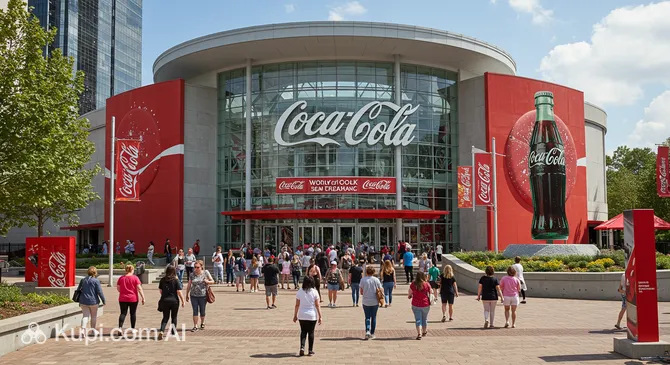
Just a short walk away, you can immerse yourself in the history of the world's most famous soft drink at the World of Coca-Cola. This attraction is more than just a museum; it is an interactive journey featuring a 4D movie, a look at the bottling process, and a vault containing the secret formula. The highlight for many is the "Taste It!" beverage lounge, where you can sample over 100 different beverages from around the globe, making it a fun and flavorful experience.

World of Coca-Cola. Source: Kupi.Binoculars

For a profound look into the city's heritage, the Martin Luther King, Jr. National Historical Park is an essential stop. This site preserves the legacy of the Civil Rights leader, encompassing his birth home, the historic Ebenezer Baptist Church where he preached, and his final resting place. Walking through this area offers a moving and educational experience, allowing visitors to reflect on the pivotal moments of the American Civil Rights Movement in the very streets where Dr. King lived and worked.

Martin Luther King, Jr. National Historical Park. Source: Kupi.Binoculars

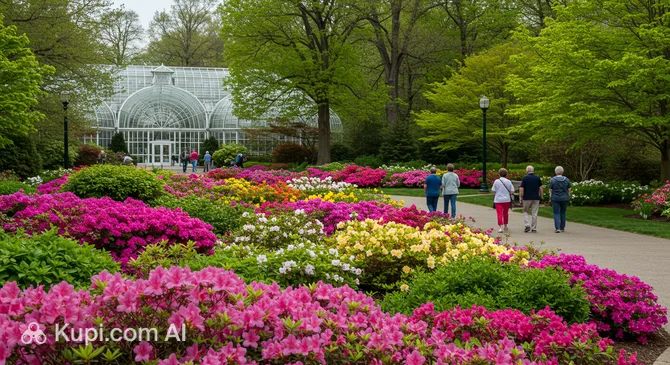
Nature lovers will find a sanctuary in the heart of the city at the Atlanta Botanical Garden. Located adjacent to Piedmont Park, this lush oasis features renowned plant collections, including a spectacular orchid center and a canopy walk that allows you to tour the forest from 40 feet in the air. The garden is famous for its "Imaginary Worlds" living plant sculptures and seasonal exhibitions, providing a peaceful yet visually stunning escape from the urban bustle.

Atlanta Botanical Garden. Source: Kupi.Binoculars

Finally, no trip to Atlanta is complete without admiring the grandeur of the Fox Theatre. Originally designed as a Masonic temple and opened as a movie palace in 1929, its architecture is a breathtaking mix of Islamic and Egyptian styles. Today, it hosts Broadway shows, concerts, and ballets. Even if you don't catch a performance, the opulent interior with its "starry sky" ceiling makes it a fascinating landmark to tour.

Local Cuisine

Atlanta's culinary scene is a vibrant mix of traditional Southern comfort and modern innovation, earning it a reputation as a top foodie destination in the South. The city is famous for its soul food, and no trip is complete without trying crispy fried chicken, often served with fluffy biscuits or savory waffles. Another classic experience is the "meat and three" restaurant, where diners select a main meat dish accompanied by three hearty sides like collard greens, macaroni and cheese, or candied yams. For dessert, be sure to taste a warm peach cobbler, a tribute to Georgia's status as the Peach State.

For a diverse tasting experience, locals and tourists alike flock to Ponce City Market. This transformed historic building features a massive food hall that showcases the best of the city's local vendors, offering everything from artisan pastries to global street food. It is the perfect place to sample a variety of flavors in one lively location.

Ponce City Market. Source: Kupi.Binoculars

If you are looking for a more casual and eclectic atmosphere, The Vortex Bar & Grill is a legendary institution known for its massive burgers and unique attitude. For those seeking a scenic meal, Ray's on the River provides an elegant setting with views of the water, perfect for enjoying fresh seafood and steaks.

Beverages are just as important as the food here. As the birthplace of the world's most famous soft drink, Atlanta is synonymous with Coca-Cola. However, the quintessential local refreshment is sweet tea, a sugary iced tea that accompanies almost every Southern meal. The city also has a burgeoning craft beer culture, with numerous local breweries pouring unique seasonal ales that reflect the region's creativity.

Travel Tips

Welcome to Atlanta! To help you navigate the "Capital of the South" with ease, we have compiled a list of essential travel tips. These practical insights will ensure your visit to this dynamic city in the United States is comfortable, safe, and filled with authentic experiences.

  1. Clothing and Gear: The climate dictates your wardrobe here. In the summer, the heat and humidity can be intense, so pack light, breathable fabrics like cotton or linen. Winters are generally mild, but layers are essential as temperatures can drop, and a light jacket is often necessary. Since you will likely be exploring areas like the BeltLine or Centennial Olympic Park on foot, bring very comfortable walking shoes. Dress codes are generally casual, but smart-casual attire is recommended for upscale dining or theater visits.

  2. Transportation: For visitors staying downtown or in Buckhead, the MARTA (Metropolitan Atlanta Rapid Transit Authority) train system is a convenient and budget-friendly way to travel, especially directly from the airport. However, the city is spread out, so for reaching specific neighborhoods or attractions further afield, ride-hailing apps like Uber and Lyft are highly effective. If you choose to rent a car, be prepared for heavy traffic, particularly during rush hours.

  3. Finances: The local currency is the US Dollar (USD). Credit and debit cards are widely accepted almost everywhere, from museums to food trucks. ATMs are plentiful throughout the city. Tipping is a strong cultural norm; it is standard to leave 18-20% of the bill at restaurants and bars, and a few dollars for hotel staff or valet services.

  4. Health and Safety: Atlanta is generally safe for tourists, especially in popular districts, but it is wise to stay vigilant. Stick to well-lit, populated areas at night and be aware of your surroundings. In case of an emergency, dial 911 for police, fire, or medical assistance. Pharmacies like CVS and Walgreens are common, with many 24-hour locations available for minor health needs.

  5. Communication: English is the primary language. You will frequently hear the phrase "y'all" (you all), a staple of Southern vernacular used to address a group. Free Wi-Fi is available in many public parks, coffee shops, and hotels. For mobile data, major carriers like AT&T and T-Mobile offer prepaid SIM cards at the airport and retail stores.

  6. Local Etiquette: Southern hospitality is real here. It is polite to greet people with a smile or a nod, even strangers on the street. Using "Sir" and "Ma'am" when addressing others is considered a sign of respect, not just for the elderly. When entering a shop or elevator, a friendly "hello" goes a long way.

  7. What to Avoid: Try to avoid driving during peak rush hours (typically 7:00–9:30 AM and 4:00–7:00 PM) if at all possible, as the highways can become gridlocked. Also, do not assume that everything is within walking distance; the city's sprawling layout often makes walking between different neighborhoods impractical.

  8. Additional Tip: Explore the Atlanta BeltLine. It is more than just a trail; it is a cultural experience connecting neighborhoods, filled with street art, restaurants, and breweries. It is one of the best ways to see the city like a local, whether you are walking, biking, or grabbing a scooter.

By keeping these tips in mind, you will be well-prepared to enjoy everything Atlanta has to offer. Embrace the warm Southern atmosphere, navigate the city with confidence, and create wonderful memories in this unique metropolis.

Entertainment & Nightlife

As the sun sets, Atlanta transforms into a vibrant playground catering to every taste, from high-energy dance floors to sophisticated cocktail lounges. The city's nightlife is decentralized, meaning you will find distinct "pockets" of entertainment rather than a single strip. Midtown is often considered the heart of the action, known for its pulsing nightclubs and welcoming LGBTQ+ scene, particularly around the intersection of 10th Street and Piedmont Avenue. For a grittier, hipster-friendly vibe, Edgewood Avenue in the Old Fourth Ward offers a stretch of speakeasies, dive bars, and art-filled hangouts that draw a creative local crowd.

If you are looking for an upscale evening, the district of Buckhead is the place to see and be seen. Here, the atmosphere is chic and polished, with rooftop bars and hotel lounges requiring a dressier attire. Conversely, The Battery Atlanta provides a modern, walkable entertainment complex next to the baseball stadium. It is packed with sports bars, music venues, and social gaming spots, making it perfect for groups who want to hop between venues without needing a taxi.

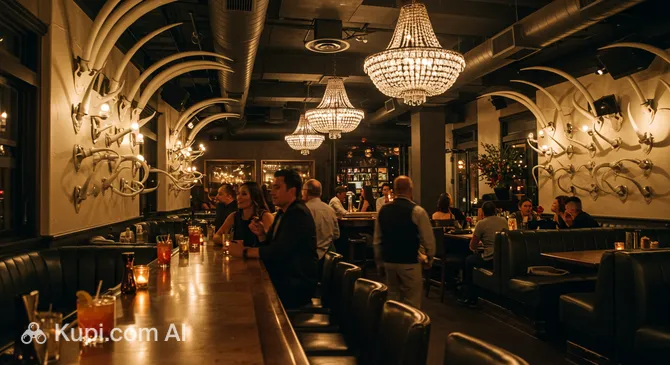
For a unique twist on nightlife that combines activity with leisure, The Painted Duck is a standout destination. Located on the Westside, this "distinguished drinkery" offers duckpin bowling and other classic games in a stylish, dimly lit setting that feels more like a private club than a bowling alley. It is an excellent choice for those who want to interact and play while enjoying craft cocktails.

The Painted Duck. Source: Kupi.Binoculars

Those seeking a lively dining experience that seamlessly transitions into a party should consider STK Steakhouse in Midtown. Known for its "vibe dining" concept, this venue features in-house DJs and a high-energy atmosphere, blurring the lines between a fine restaurant and a chic lounge. It is particularly popular for celebrations and late-night dinners.

STK Steakhouse. Source: Kupi.Binoculars

When planning your night out, keep in mind that most bars in Atlanta stay open until 2:00 AM or 3:00 AM, though Sunday hours may be shorter. The dress code varies significantly by neighborhood: Edgewood is casual and trendy, while Buckhead and upscale Midtown clubs often enforce strict rules regarding footwear and athletic gear. Prices are moderate compared to cities like New York, but cover charges for clubs can range from $10 to $20.

Regarding safety and transport, Atlanta is a sprawling city, and walking between entertainment districts is rarely feasible. It is highly recommended to use rideshare apps like Uber or Lyft to get around at night. While areas like The Battery and Midtown are generally safe for pedestrians, it is wise to stay in groups and avoid walking on poorly lit streets late at night. If you are staying downtown, the SkyView Atlanta Ferris wheel offers a safe and stunning way to see the city lights before heading to dinner.

Before the sun goes down, the city offers plenty of daytime thrills to get your adrenaline pumping. Just outside the city limits, Six Flags Over Georgia features world-class roller coasters and attractions suitable for all ages. Whether you are screaming on a coaster by day or sipping a cocktail on a rooftop by night, Atlanta's entertainment scene ensures there is never a dull moment.

Parks & Museums

Atlanta seamlessly intertwines its urban landscape with expansive green spaces and a rich tapestry of cultural institutions. Whether you are looking to escape into nature without leaving the city limits or wishing to explore art and history, the city offers a diverse array of parks and museums that cater to every interest.

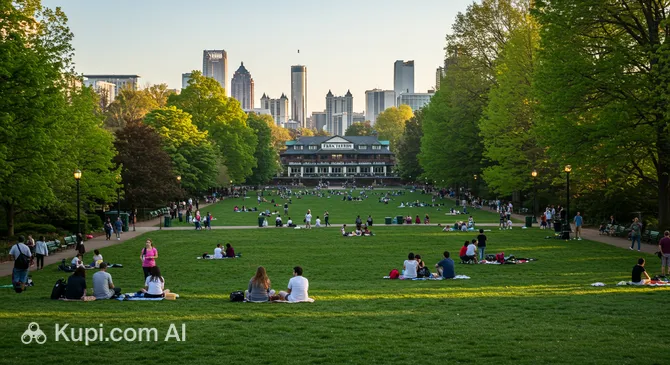
For a quintessential local experience, head to Piedmont Park. Located in the heart of Midtown, this sprawling urban oasis is often compared to New York's Central Park. It serves as the city's backyard, offering stunning views of the skyline, paved paths for jogging, and open meadows perfect for picnics. It is a vibrant community hub that hosts festivals and markets year-round, making it a lively spot to observe local life.

Piedmont Park. Source: Kupi.Binoculars

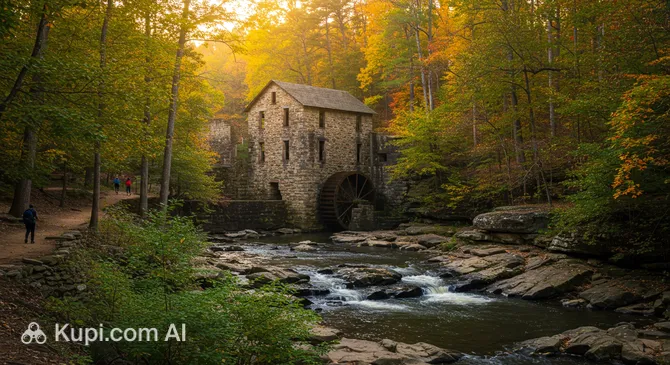
If you prefer a more rugged natural setting, Sweetwater Creek State Park provides a peaceful retreat just a short drive from downtown. This park is defined by its wooded trails and the rushing waters of the creek. A highlight for many visitors is the trail leading to the ruins of the New Manchester Manufacturing Company, a textile mill destroyed during the Civil War. The combination of nature and history makes it a fascinating destination for hikers and photographers.

Sweetwater Creek State Park. Source: Kupi.Binoculars

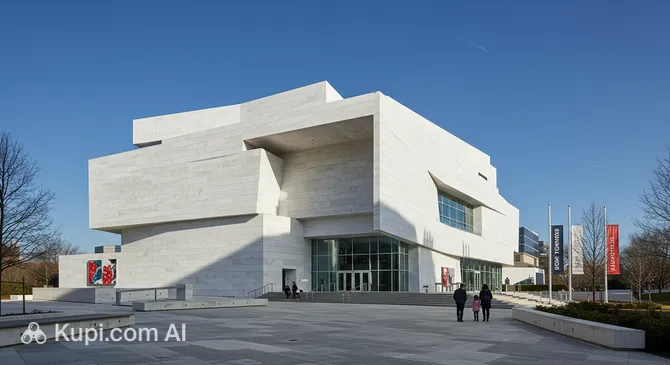
Atlanta's cultural scene is equally impressive, anchored by the High Museum of Art. Renowned not only for its extensive collection of classic and contemporary art but also for its striking architecture, the museum is a masterpiece in itself. Inside, you will find more than 18,000 works of art, including significant collections of 19th- and 20th-century American art, folk art, and photography. It is a premier destination for art lovers in the Southeast.

High Museum of Art. Source: Kupi.Binoculars

To understand the city's pivotal role in social progress, a visit to the National Center for Civil and Human Rights is essential. This museum connects the American Civil Rights Movement to today's global human rights struggles through powerful, interactive exhibits. It offers a deeply moving experience that educates visitors on the legacy of Dr. Martin Luther King, Jr. and the ongoing pursuit of equality worldwide.

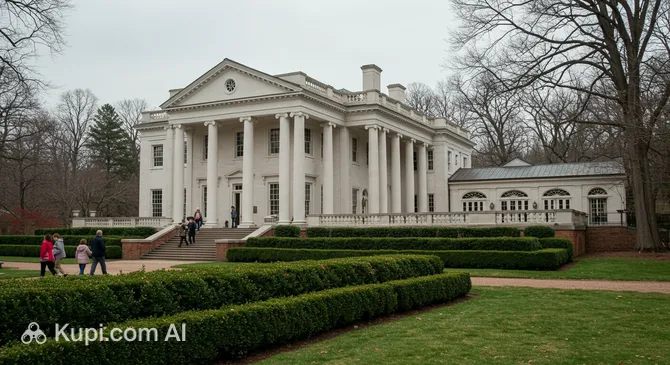
For those interested in regional heritage, the Atlanta History Center in Buckhead offers a comprehensive look at the area's past. The 33-acre campus includes the historic Swan House, a beautiful 1928 mansion that showcases the lifestyle of the era, as well as the Smith Family Farm. It is an immersive way to step back in time and explore the architectural and social history of Georgia.

Atlanta History Center. Source: Kupi.Binoculars

Beyond the major institutions, the city holds smaller gems like the Michael C. Carlos Museum, located on the Emory University campus. It houses one of the most comprehensive collections of ancient art in the region, featuring artifacts from Egypt, Greece, Rome, and the Americas. For a truly authentic experience, take a walk along the path connecting the Kennesaw Mountain National Battlefield Park, where history buffs can explore preserved earthworks and monuments amidst a beautiful natural landscape.

Getting Around

Navigating Atlanta is relatively straightforward, primarily due to the MARTA (Metropolitan Atlanta Rapid Transit Authority) system, which serves as the backbone of the city's public transportation. The network combines a heavy rail metro system with an extensive fleet of buses. For tourists, the rail lines are particularly useful as they connect the airport directly to key districts like Downtown, Midtown, and Buckhead. The trains are clean, efficient, and offer a traffic-free way to move between the city's most popular neighborhoods.

In addition to the main rail lines, the Atlanta Streetcar is a convenient option for visitors exploring the city center. This modern tram creates a loop through Downtown, connecting major tourist attractions such as Centennial Olympic Park and the World of Coca-Cola with the historic Sweet Auburn district and the Martin Luther King Jr. National Historical Park. It is an excellent way to hop between sights without walking long distances in the heat.

To use the public transport system, you will need a Breeze Card or a Breeze Ticket. These reusable plastic cards or disposable paper tickets can be purchased at vending machines located in every rail station. The fare system is simple, with a flat rate for a one-way trip, regardless of the distance traveled. Transfers between buses and trains are free, provided they occur within a specific time window and you use the same Breeze Card. For added convenience, you can also download the Breeze Mobile 2.0 app to purchase fares directly on your smartphone.

Trains typically run from approximately 5:00 AM until 1:00 AM or 2:00 AM, depending on the day of the week, with frequencies ranging from 10 to 20 minutes. Buses operate on similar schedules, though frequencies can vary significantly by route. It is advisable to check the schedule in advance, especially if you are traveling late at night or on weekends. When entering a station, you must tap your card at the fare gates, and for buses, you tap upon boarding.

While public transport is efficient for the central corridors, Atlanta is a sprawling city, and many destinations may be difficult to reach by train or bus alone. Consequently, rideshare services like Uber and Lyft are extremely popular and widely available. They are often the best choice for reaching specific restaurants, nightlife spots, or attractions located outside the main transit hubs. For shorter distances, particularly along the Atlanta BeltLine, electric scooters and bike rentals are a fun and popular alternative, allowing you to enjoy the city's outdoor atmosphere while getting around.

Accommodation

Finding the perfect place to stay in Atlanta is easy, as the city offers a diverse range of accommodation options to suit every preference and budget. Whether you are looking for economical hostels, comfortable mid-range chain hotels, or opulent luxury resorts, the "Capital of the South" has it all. Visitors can also find a growing selection of vacation rentals and boutique apartments, particularly in the city's more residential and trendy neighborhoods.

Choosing the right area is crucial for a convenient trip. Downtown is the most popular choice for first-time visitors, as it places you within walking distance of major attractions like the Georgia Aquarium and World of Coca-Cola. For those seeking a vibrant arts scene and active nightlife, Midtown is an excellent base, offering a more pedestrian-friendly environment with plenty of dining options. Meanwhile, travelers looking for high-end shopping and five-star luxury often prefer the upscale district of Buckhead, located a bit further north of the city center.

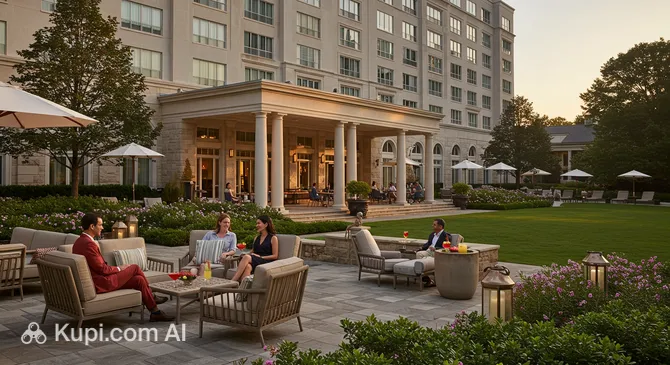
For a truly luxurious experience, you might consider staying at the Four Seasons Hotel Atlanta. Located in Midtown, this property is renowned for its exceptional service and elegant amenities, making it a favorite among travelers seeking comfort and style. Another notable option for those wishing to stay in the city's fashion hub is Atlanta Buckhead, which offers easy access to the area's premier shopping malls and fine dining establishments.

Four Seasons Hotel Atlanta. Source: Kupi.Binoculars

When planning your stay, it is important to remember that Atlanta is a major convention city. Large events can cause hotel availability to drop and prices to spike unexpectedly. Therefore, a key booking tip is to check the local events calendar and reserve your room well in advance, especially if you plan to visit during the spring or autumn months. Booking directly through hotel websites or reputable online platforms is the standard method, and early reservations can often secure better rates.

In terms of pricing, the city is generally more affordable than other major US metropolises like New York or San Francisco, but costs can vary significantly by neighborhood. Budget travelers can find motels and lower-cost hotels on the outskirts or near the airport, while mid-range options in the city center typically offer a good balance of convenience and cost. Luxury stays in Buckhead or Midtown will command premium prices, reflecting the high quality of service and amenities provided.

Nearby Cities

For those looking to explore the surroundings, Atlanta serves as an excellent base for day trips to several interesting nearby locations:

Just a few kilometers east of downtown, Decatur offers a charming small-town atmosphere with a sophisticated twist. It is renowned for its walkable historic square, which is lined with critically acclaimed restaurants, independent bookstores, and vibrant pubs. The city is also a hub for festivals, celebrating everything from books to arts and craft beer, making it a perfect spot for culture lovers and foodies alike.

To the north lies Sandy Springs, a destination that perfectly balances urban amenities with natural beauty. It is a gateway to the Chattahoochee River National Recreation Area, where visitors can enjoy kayaking, fishing, or hiking along scenic trails. The city is also home to the unique Bamboo Forest at East Palisades, offering a serene and photogenic escape into nature just outside the major metropolitan bustle.

City Population Distance (km)
Brookhaven 485,984 14
Sandy Springs 106,605 20
Decatur 88,002 9
Dunwoody 51,103 22
Mableton 41,632 20

These nearby destinations offer a glimpse into the diverse culture and landscapes of the region.

Shopping & Souvenirs

Shopping in Atlanta is a diverse and exciting experience, cementing the city's reputation as the retail hub of the Southeast. From high-end luxury boutiques to eclectic vintage shops, the city offers something for every style and budget. Whether you are looking for the latest fashion trends, unique home goods, or local artisan crafts, you will find an impressive array of options spread across the city's distinct neighborhoods.

For those seeking luxury and upscale brands, the district of Buckhead is the place to be. Often referred to as the "Beverly Hills of the South," this area along Peachtree Road features prestigious department stores and designer labels. In contrast, visitors looking for a more bohemian and alternative vibe should head to Little Five Points. This quirky neighborhood is famous for its vintage clothing stores, independent record shops, and unique gift boutiques, offering a shopping experience that is truly one-of-a-kind.

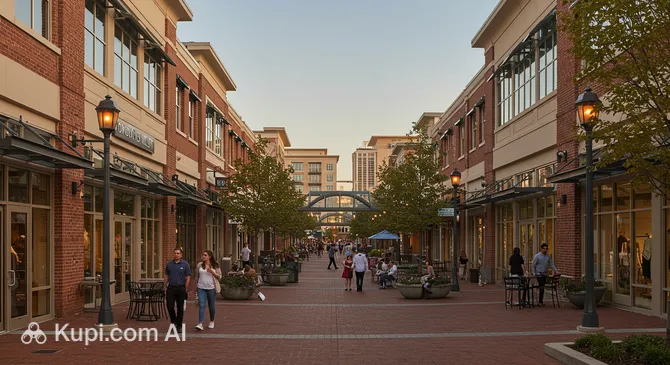
The city is home to several impressive shopping destinations that go beyond the traditional mall experience. The Battery Atlanta is a premier lifestyle complex located next to the professional baseball stadium. It combines shopping, dining, and entertainment in a modern, walkable environment, making it a perfect spot to spend an afternoon browsing stores and soaking up the lively atmosphere.

The Battery Atlanta. Source: Kupi.Binoculars

Another must-visit destination is Ponce City Market. Housed in a massive, renovated historic building, it features a curated mix of national brands and local makers. The industrial-chic setting adds a unique flavor to the retail experience. For a more charming, small-town feel, a trip to Marietta Square offers delightful specialty shops and antique stores surrounding a picturesque park, perfect for finding unique treasures.

When it comes to markets, the Sweet Auburn Curb Market (also known as the Municipal Market) is a local favorite. While primarily a food market offering fresh produce and meats, it is also a great place to discover local culinary treats. On weekends, various neighborhoods host pop-up flea markets and artist markets, where you can buy handmade jewelry, art, and crafts directly from Atlanta's creative community.

If you are looking for the perfect souvenir, Atlanta offers several iconic options. Merchandise from the World of Coca-Cola is a classic choice, ranging from vintage-style signs to apparel. Georgia is known as the "Peach State," so peach-flavored jams, salsas, or candies make excellent gifts. Additionally, pecans are a local specialty, often sold praline-coated or raw. Sports fans might also want to pick up a jersey or cap representing the city's professional baseball or football teams.

Most shops in the city are open from 10:00 AM to 9:00 PM on weekdays and Saturdays, with reduced hours on Sundays, typically opening around noon and closing by 6:00 PM. Credit and debit cards are universally accepted, and contactless payment methods are becoming increasingly standard. It is important to note that the sales tax is not included in the price tag and will be added at the register. There is generally no sales tax refund system for international tourists in Georgia, so visitors should budget accordingly.

Reached the end of the page?

That means the route is fully explored