Support

Montgomery

About

Montgomery, the vibrant capital of Alabama, stands as a testament to the resilience and cultural depth of the South. Located in the southeastern region of the United States, this city offers a unique blend of traditional Southern hospitality and profound historical significance. It is a destination where the past and present converge, creating an atmosphere that is both contemplative and welcoming to visitors from around the globe.
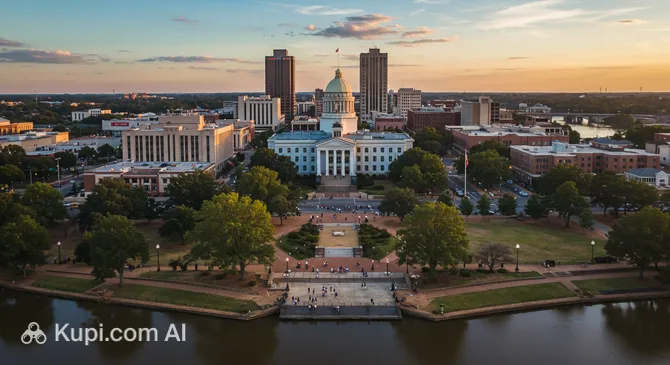
Montgomery. Source: Kupi.Binoculars

Geographically, the city is situated along the rolling banks of the Alabama River, providing a scenic backdrop to its downtown area. With a population of approximately 253,000 residents, Montgomery serves as a bustling regional hub while maintaining a community-focused feel. The climate here is typically warm and humid, characteristic of the region, making it a pleasant destination for exploration during the spring and autumn months.

The history of Montgomery is woven deeply into the fabric of the nation, particularly known for its pivotal role in the Civil Rights Movement. Travelers can immerse themselves in this heritage by visiting landmarks such as the Rosa Parks Museum and the Dexter Avenue King Memorial Baptist Church, where Dr. Martin Luther King Jr. once pastored. These sites offer powerful insights into the events that shaped modern America.

Beyond its historical landmarks, the city boasts a variety of attractions for leisure and recreation. Riverfront Park is a favorite spot for locals and tourists alike, offering riverboat cruises, an amphitheater, and beautiful green spaces for picnics. Culture enthusiasts will appreciate the Montgomery Museum of Fine Arts, which houses an impressive collection of American art and features a delightful sculpture garden.

Whether you are tracing the footsteps of history or simply looking to enjoy the charm of a classic Southern city, Montgomery invites you to discover its many stories. With its engaging museums, revitalized downtown, and friendly atmosphere, it is a city that promises a memorable and enriching travel experience.
Weather Overview

The climate in this Southern city is generally characterized by distinct seasons, offering long, warm summers and short, mild winters. Visitors can generally expect hot summers with frequent rain and mild winters with moderate precipitation. To help plan your activities and packing list, it is helpful to consult the detailed forecast for the weather in Montgomery before your trip.

During the peak summer months of June through August, the city experiences its highest temperatures, with August seeing average highs of around 33.2°C. This season is also the wettest time of the year; July, for instance, typically records about 17 wet days, so carrying an umbrella is advisable for summer visits.

In contrast, the winter season from December to February is much cooler but rarely freezing. January is usually the coldest month, with average temperatures hovering around 9.5°C and lows dipping to approximately 4.7°C. Spring and autumn offer a pleasant middle ground, with October notably having the fewest rainy days, making it an excellent time for outdoor exploration.

Interesting Facts

Beyond the well-known historical landmarks, Montgomery holds a treasure trove of fascinating stories and pioneering achievements. From aviation milestones to musical legends, the city's past is filled with surprising details waiting to be uncovered.
  • First Civilian Flying School: Long before it became a hub for military aviation, Montgomery played a crucial role in the history of flight. In 1910, the Wright Brothers established the world's first civilian flying school on the site that is now Maxwell Air Force Base, where Orville Wright taught some of the earliest pilots how to fly.

  • The Lightning Route: The city was a global innovator in public transportation. In 1886, Montgomery introduced the "Lightning Route," which was the first city-wide system of electric streetcars in the Western Hemisphere. This technological marvel revolutionized urban transit and served as a model for other cities.

  • Literary Legends: The famous Jazz Age couple, F. Scott and Zelda Fitzgerald, lived in the city during the early 1930s. Their home in the Old Cloverdale neighborhood has been preserved and now operates as the only museum in the world dedicated to their shared lives and literary legacy.

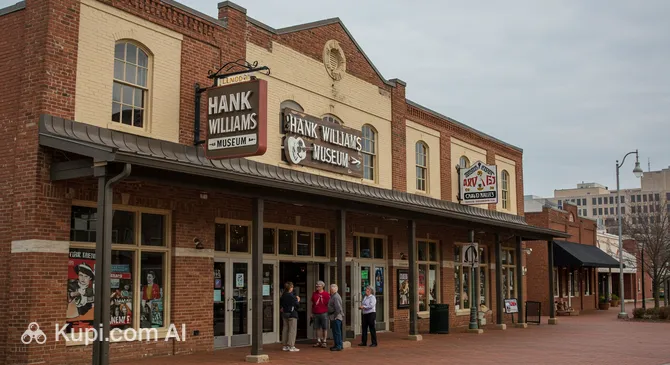
  • Musical Heritage: Montgomery has deep roots in American music history. It is the birthplace of the legendary Nat King Cole and the final resting place of country music icon Hank Williams. Fans can explore memorabilia and artifacts from the singer's life at the Hank Williams Museum downtown.

Hank Williams Museum. Source: Kupi.Binoculars

How to Get There

Reaching Montgomery is relatively straightforward, with options to fly directly into the city or arrive via larger transportation hubs nearby. Whether you prefer the convenience of a local landing or the broader connections of a major regional airport, you can plan your journey easily. For a complete overview of travel options, you can read more about how to get to Montgomery in our detailed guide.

The most convenient entry point is Montgomery Regional Airport (MGM), located just 12 km from the city center. While it is a smaller facility, it offers essential connections to major hubs like Atlanta and Charlotte. A taxi or ride-share from here to downtown typically takes about 30 to 40 minutes, making it a stress-free option for arriving travelers.

Alternatively, many visitors choose to fly into Birmingham-Shuttlesworth International Airport (BHM), situated in the city of Birmingham, approximately 138 km from Montgomery. As the largest airport in the state, it serves significantly more passengers and offers a wider range of flight schedules. The drive from Birmingham to Montgomery along the interstate generally takes about 1 hour and 30 minutes to 2 hours, depending on traffic.

For clarity, here is a summary of the main airports in the region:

Airport Name City Passenger Traffic Km from City
Birmingham-Shuttlesworth International Airport Birmingham Medium 137.6
Montgomery Regional Airport Montgomery Small 11.9
Columbus Airport Phenix City Small 129.6
Dothan Regional Airport Dothan Small 142.4
Lawson Army Airfield 124.0

Main Attractions

Montgomery is a city where history is not just remembered; it is felt. The city's main attractions offer a profound journey through the events that shaped the nation, particularly regarding the Civil Rights Movement. Visitors will find a collection of world-class museums, historic landmarks, and thoughtful memorials that provide both educational value and emotional resonance.

One of the most significant sites in the city is The National Memorial for Peace and Justice. This six-acre memorial is the first of its kind in the nation, dedicated to the legacy of enslaved Black people and victims of racial terror. The site uses striking sculpture and design to create a space for reflection, making it a visually powerful and deeply moving experience for all who visit.

Complementing the memorial is The Legacy Museum, located on a site where enslaved people were once warehoused. This attraction offers an immersive narrative that traces the history from enslavement to mass incarceration. Through interactive media, first-person accounts, and cutting-edge technology, the museum connects historical events to contemporary society, offering a comprehensive look at the region's heritage.

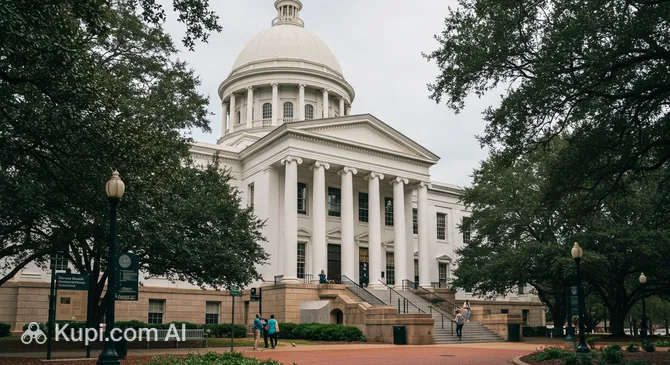
Alabama State Capitol. Source: Kupi.Binoculars

Dominating the downtown skyline, the Alabama State Capitol stands as a magnificent example of Greek Revival architecture. This National Historic Landmark is unique for its dual historical significance: it is where the Confederacy was formed and also where the Selma to Montgomery voting rights march concluded. Visitors can explore the restored interiors and stand on the steps that have witnessed pivotal moments in American history.

A short distance away lies the Dexter Avenue King Memorial Baptist Church, a modest red-brick structure with immense historical weight. It was here that Dr. Martin Luther King Jr. served as pastor and helped organize the Montgomery Bus Boycott. Guided tours allow visitors to see the pulpit where Dr. King preached and the basement mural that depicts the journey of the Civil Rights Movement.

Finally, the Rosa Parks Museum is an essential stop located at the very site of Mrs. Parks' famous 1955 arrest. The museum is dedicated to the "Mother of the Civil Rights Movement" and the success of the bus boycott. It features interactive exhibits and a "time machine" experience that transports guests back to the 1950s, celebrating the courage of ordinary citizens who sparked extraordinary change.

Local Cuisine

Montgomery’s culinary landscape is a delicious reflection of its deep Southern roots, offering visitors a genuine taste of comfort and tradition. The city is famous for its authentic "Soul Food," where recipes have been passed down through generations, emphasizing rich flavors and hearty portions. Dining here is not just about sustenance; it is a social experience centered around hospitality, often enjoyed in historic settings or revitalized downtown spaces.

One cannot visit this region without experiencing the quintessential "meat-and-three" meal. This cafeteria-style dining tradition allows you to choose one main meat dish—such as crispy fried chicken, country-fried steak, or meatloaf—accompanied by three side dishes like collard greens, macaroni and cheese, or black-eyed peas. It is the ultimate comfort food experience that defines the local lunch hour. Additionally, barbecue is a serious affair here, with slow-cooked pulled pork often served with a variety of tangy sauces, sometimes including the unique Alabama white sauce.

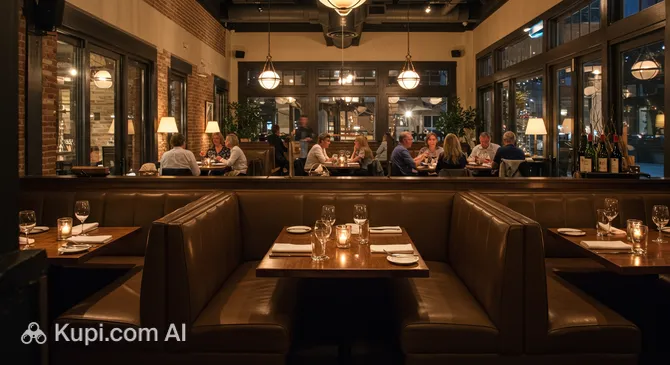
Central Restaurant. Source: Kupi.Binoculars

For those seeking a more refined take on local classics, the city offers upscale dining options that highlight fresh, regional ingredients. A prime example is Central Restaurant, located in the downtown area. This establishment is known for its wood-fired cooking and an inventive menu that elevates traditional Southern ingredients into modern culinary masterpieces, making it a favorite for a special night out.

When it comes to beverages, Sweet Tea is undeniably the staple drink of the South, available almost everywhere and served ice-cold. It pairs perfectly with the savory richness of local dishes. For something stronger, the city has a growing craft beer scene and lively bars where you can unwind. Places like 5 Points Deli & Grill offer a relaxed atmosphere to enjoy a drink and casual bites, reflecting the friendly and laid-back vibe of the community.

Travel Tips

Welcome to Montgomery, a city where deep historical roots meet genuine Southern hospitality. To help you navigate your stay with ease and make the most of your experience, we have put together these essential practical tips for your journey.

  1. Clothing and Gear: Montgomery experiences a humid subtropical climate, so if you are visiting in the summer, pack lightweight, breathable fabrics like cotton or linen to handle the heat. However, indoor venues often blast air conditioning, so carrying a light sweater or jacket is a smart move. Comfortable walking shoes are essential, as many of the historic downtown sites are best explored on foot.
  2. Transportation: While the city does operate a public bus system known as The M, it is generally less frequent and comprehensive than in larger metropolises. For the most flexibility and convenience, renting a car is highly recommended. Alternatively, ride-hailing apps like Uber and Lyft are widely available and reliable, especially for trips within the downtown area and to the airport.
  3. Finances: The local currency is the US Dollar (USD). Credit and debit cards are accepted almost everywhere, from museums to small cafes. However, it is always useful to carry a small amount of cash for tips or small purchases. Tipping is a significant part of the culture here; it is standard practice to leave a tip of 15% to 20% of the bill at restaurants and bars.
  4. Health and Safety: Montgomery is generally safe for tourists, particularly in the revitalized downtown and historic districts. As in any city, it is wise to stay aware of your surroundings and avoid poorly lit areas late at night. Pharmacies like CVS and Walgreens are easy to find for minor health needs, and for emergencies, simply dial 911 for immediate assistance.
  5. Communication: English is the primary language spoken. You may encounter a strong Southern accent and local idioms, but locals are generally very patient and happy to communicate. Free Wi-Fi is standard in most hotels, coffee shops, and public buildings. If you need a SIM card, major carriers have stores throughout the city, often in shopping centers.
  6. Local Etiquette: Southern hospitality is a way of life here. It is common to be greeted with a smile by strangers, and politeness is highly valued. Using "Sir" and "Ma'am" when addressing people is considered a sign of respect. Holding the door for the person behind you is a small gesture that goes a long way in fitting in with the local vibe.
  7. What to Avoid: Do not underestimate the summer sun; dehydration and heat exhaustion can happen quickly, so always carry water. Additionally, avoid assuming that all museums are open every day. Many historical sites in Montgomery have specific hours and may be closed on Sundays or Mondays, so checking schedules in advance is crucial to avoid disappointment.
  8. Additional Tip: Take advantage of the "hop-on, hop-off" trolley service if it is running during your visit. It is a charming and budget-friendly way to get an overview of the downtown attractions without the stress of parking. Also, don't be afraid to strike up a conversation with locals; they often share the best recommendations for hidden food gems that you won't find in guidebooks.

By keeping these practical points in mind, you will be well-prepared to enjoy everything Montgomery has to offer. Relax, embrace the slower pace of the South, and get ready for a memorable exploration of this historic American city.

Entertainment & Nightlife

Entertainment:

For those looking to enjoy the city's outdoor atmosphere, Riverfront Park is a hub of activity and relaxation. Located along the scenic banks of the Alabama River, this area offers a picturesque setting for walking, picnicking, and attending local concerts at the amphitheater. It is also the home of the Harriott II Riverboat, where visitors can embark on a delightful cruise to experience the city from a different perspective.

Travelers interested in a retail experience can visit Midtown Plaza. This shopping destination provides a variety of stores and services, making it a convenient spot to pick up travel essentials or browse for gifts. Whether you are looking for a quick shopping trip or a leisurely afternoon browsing the aisles, it offers a comfortable environment to unwind.

Beyond leisure and shopping, the city continues to offer profound cultural experiences. Visitors can deepen their understanding of local history at the Civil Rights Memorial Center, which features exhibits dedicated to the martyrs of the movement. Additionally, history enthusiasts may find a visit to the First White House of the Confederacy intriguing, as it offers a glimpse into the domestic life of the 19th century through its preserved architecture and period furnishings.

Parks & Museums

Montgomery offers a delightful array of green spaces and cultural institutions that go beyond its well-known historical landmarks. The city’s parks provide serene retreats filled with art and nature, while its diverse museums celebrate everything from fine arts to unique local industries, ensuring there is something to capture every visitor's imagination.

Blount Cultural Park is arguably the crown jewel of the city’s green spaces. Spanning expansive acres, this park is designed to resemble the English countryside, complete with rolling hills, picturesque ponds, and wandering black swans. It is a perfect setting for a leisurely afternoon walk or a picnic. The park is also the home of the renowned Alabama Shakespeare Festival, adding a theatrical flair to the natural beauty. Visitors often find the walking trails here to be some of the most peaceful in the region.

Another significant green space is Oak Park, one of the city's oldest recreational areas. Famous for its towering mature trees that provide ample shade during the warm Southern summers, it is a favorite among families. The park features the W.A. Gayle Planetarium, which offers fascinating multimedia presentations about the night sky, making it an educational stop as well as a recreational one.

For art lovers, the Montgomery Museum of Fine Arts, located within Blount Cultural Park, is a must-visit. The museum holds an impressive collection of American paintings and sculpture, with a special emphasis on Southern regional art. One of its highlights is the ARTWORKS interactive gallery, designed specifically for children to explore their creativity. The accompanying sculpture garden blends art with the landscape, offering a tranquil environment for contemplation.

A truly unique cultural venue is The MOOseum. Located downtown, this facility offers a fun and educational look at Alabama's cattle industry. Through hands-on exhibits and colorful displays, visitors can learn about the history of beef cattle in the state, from "pasture to plate." It is a surprisingly engaging experience that provides insight into a vital part of the local economy and is particularly entertaining for younger travelers.

History enthusiasts looking for an immersive experience should explore Old Alabama Town. This collection of restored 19th and early 20th-century structures creates a living history village in the heart of the city. Spanning several blocks, it features authentic homes, schoolhouses, churches, and cotton gins that have been preserved to showcase how early Alabamians lived and worked. Walking through the dusty streets gives you a tangible sense of the past that textbooks simply cannot match.

For an authentic local experience, take a stroll through the Old Cloverdale neighborhood. This historic district is characterized by its winding streets, lush parks, and stunning architecture ranging from Tudor Revival to Spanish Colonial. It is a wonderful place to admire the residential beauty of the city away from the busier downtown tourist sites.

Getting Around

Public transportation in Montgomery is primarily served by the city's bus network, known locally as The M. While the system is not as extensive as those in larger metropolitan areas, it provides essential connections across key neighborhoods, shopping districts, and major employment centers. For visitors staying within the city limits, the buses offer a budget-friendly way to get around, though routes and frequency can be limited compared to bigger transit hubs.

A highlight for tourists is the Lightning Route Trolley system. These vintage-style vehicles loop through the downtown area, connecting popular attractions like Riverfront Park, the Convention Center, and various historic sites. The trolley is particularly convenient for travelers as it focuses on the areas with the highest concentration of hotels and museums, offering a charming and efficient way to navigate the city center without a car.

Regarding payment, fares on The M are very affordable. A single ride typically costs around $2.00. Passengers paying with cash must have exact change ready, as drivers cannot provide change. For greater convenience, travelers can use the Token Transit mobile app to purchase digital passes on their smartphones. This eliminates the need for physical cash and allows for easy boarding by simply showing the ticket on your screen to the driver.

For practical planning, it is important to note that the bus service does not operate 24 hours a day. Most routes run from early morning until the evening, with reduced schedules on Saturdays and often no service on Sundays. Visitors should check the official route maps and timetables in advance, either online or via transit apps, to avoid long waits. Stops are generally marked with signs, but they can be infrequent in residential areas.

Given the layout of the city, many visitors find that alternatives to public transit offer more flexibility. Ride-sharing services like Uber and Lyft are widely available and are often the most reliable method for reaching destinations outside the immediate downtown core. Traditional taxis are present but usually require booking by phone rather than hailing on the street. For those planning to explore the wider region or visit attractions on the outskirts, renting a car remains the most practical option.

Accommodation

Finding the perfect place to stay in Montgomery is relatively easy, as the city offers a diverse range of accommodation options to suit various tastes and budgets. Visitors can choose from restored historic hotels that capture the charm of the Old South, reliable international hotel chains, and cozy bed-and-breakfasts. Whether you are looking for a luxury suite with river views or a practical stopover near the highway, the city has plenty of inventory to ensure a comfortable visit.

For most tourists, the Downtown district is the most convenient area to base yourself. Staying here places you within walking distance of the city’s major historical attractions, such as the civil rights museums, the State Capitol, and the entertainment district along the riverfront. This area has seen significant revitalization, offering boutique accommodations that blend modern amenities with historical character, making it ideal for those who want to be in the heart of the action without needing a car for every outing.

If you prefer a more modern setting with easy access to shopping and dining, the Eastchase area is another popular choice. Located towards the eastern edge of the city, this district features newer developments and is surrounded by upscale shopping centers and numerous restaurants. It is a great option for families or travelers who prefer the consistency of well-known hotel brands and easy access to Interstate 85.

The cost of accommodation in Montgomery is generally affordable compared to larger American cities. Budget travelers can find economical motels on the outskirts, while mid-range options are plentiful throughout the city. Luxury stays are available primarily in the downtown area, often in historic buildings. It is highly recommended to book your room in advance, especially during the spring and autumn months, or when the state legislature is in session, as hotels can fill up quickly during these peak times. Most reservations can be easily made through major online booking platforms or directly with the properties.

Nearby Cities

For those looking to explore the surroundings, Montgomery serves as an excellent base for day trips to several interesting nearby locations:

City Population Distance (km)
Hoover 91371 123
Auburn 91047 82
Vestavia Hills 38504 127
Phenix City 38216 123
Prattville 37977 17

Prattville is the closest option for a quick getaway, located just a short drive north of the capital. Known as "The Fountain City" due to its numerous artesian wells, it offers a charming historic downtown district perfect for strolling. Visitors can explore the Daniel Pratt Historic District to learn about the area's industrial past or enjoy a peaceful walk through the unique bamboo forest at Wilderness Park.

For a lively collegiate atmosphere, Auburn is a fantastic destination. Home to Auburn University, the town buzzes with energy, especially on game days. Beyond the campus spirit, it features the beautiful Chewacla State Park, which offers a lake, swimming area, and hiking trails that appeal to outdoor enthusiasts. The town also boasts a vibrant culinary scene and the Jule Collins Smith Museum of Fine Art.

Travelers interested in shopping and nature might enjoy a trip to Hoover. As a major suburb of Birmingham, it is home to the Riverchase Galleria, one of the largest shopping centers in the Southeast. Conversely, for those seeking tranquility, the Moss Rock Preserve provides a stunning natural escape with its boulder fields, sandstone glades, and forested hiking paths.

These nearby destinations offer a glimpse into the diverse culture and landscapes of the region.

Shopping & Souvenirs

Shopping in Montgomery offers a delightful mix of traditional Southern charm and modern convenience. The city provides a diverse retail landscape ranging from large, contemporary lifestyle centers to quaint, independent boutiques tucked away in historic neighborhoods. Whether you are looking for the latest fashion trends, unique antiques, or locally crafted goods, the city’s shopping districts cater to a wide variety of tastes and budgets.

For a scenic and upscale shopping experience, the EastChase area is a primary destination. This open-air lifestyle center features a comprehensive collection of national retailers, department stores, and specialty shops, all set within beautifully landscaped surroundings. Alternatively, for those seeking a more intimate atmosphere, the historic Old Cloverdale district offers a selection of charming boutiques and antique stores. Walking through this neighborhood allows visitors to browse for one-of-a-kind items while enjoying the area's distinctive architecture.

Travelers who prefer the convenience of an enclosed shopping environment can visit Midtown Plaza. This shopping center provides a range of stores and services, making it a practical stop for picking up travel essentials or leisurely browsing. Another significant retail hub is the Eastdale Mall, which is not only a place for shopping but also features an indoor ice-skating rink, adding an element of entertainment to the retail experience.

To truly taste the local flavor, a visit to the Montgomery Curb Market is highly recommended. Operating since 1927, this historic farmers market is where local growers and makers gather to sell fresh produce, homemade jams, baked goods, and plants. It is an excellent place to mingle with residents and purchase authentic local treats. While primarily food-focused, you can often find handcrafted items that make for unique gifts.

When searching for the perfect souvenir, consider items that reflect the city's rich heritage. Pecans are a regional specialty, and you can find them candied, roasted, or raw in many local shops. Due to the city's pivotal role in history, books and memorabilia from the various museum gift shops, such as those at the Civil Rights landmarks or the Hank Williams Museum, are meaningful keepsakes. Additionally, local pottery and Southern-themed home decor are popular choices to bring a piece of Alabama back home.

Most major shopping centers and malls are generally open from 10:00 AM to 9:00 PM on weekdays and Saturdays, with reduced hours on Sundays, typically from 12:00 PM to 6:00 PM. Independent boutiques and the Curb Market will have more specific, often shorter, operating hours. Credit and debit cards are widely accepted throughout the city. Visitors should be aware that the United States does not typically have a Value Added Tax (VAT) refund system for international tourists, and sales tax is added to the price of goods at the register.

Reached the end of the page?

That means the route is fully explored