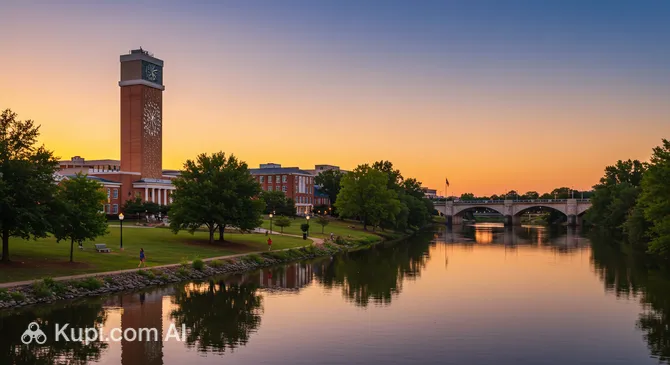
Tuscaloosa is a captivating destination located in the heart of western Alabama, in the United States. Known affectionately as the "Druid City" because of the massive water oaks that once lined its streets, this city offers a perfect blend of Southern charm, academic energy, and scenic beauty along the banks of the Black Warrior River.
Tuscaloosa. Illustration.
Source: Kupi.com AI
With a population of approximately 148,000 residents, it serves as a significant cultural and economic hub for the region. The history of Tuscaloosa is rich and varied, ranging from its origins named after the legendary Chief Tuskaloosa to its status as a former state capital. Today, it stands as a modern city that honors its deep heritage while embracing growth and innovation.
Visitors are often drawn to the city's lively atmosphere, largely fueled by the presence of the University of Alabama. Sports enthusiasts flock to the legendary Bryant-Denny Stadium to experience the electric spirit of college football. For those seeking a more tranquil experience, the Tuscaloosa Riverwalk offers miles of paved trails with stunning river views, perfect for a relaxing stroll or a scenic picnic.
Whether you are exploring the vibrant downtown area filled with unique shops and restaurants, or immersing yourself in the local arts scene, Tuscaloosa promises a memorable visit. It is an inviting destination that welcomes travelers to discover its unique character and warm hospitality.
Weather Overview
Travelers planning a visit should be prepared for a humid subtropical climate with distinct seasonal changes. The weather in Tuscaloosa generally features hot, long summers and mild, short winters. July is typically the warmest month, with average temperatures reaching 28.0°C and highs often climbing to 32.4°C, accompanied by about 18 wet days, making it the rainiest time of the year.
In contrast, the winter months are significantly cooler but rarely severe. January is the coldest month, with an average temperature of 8.6°C and lows dipping to around 4.0°C. Despite the cooler air, precipitation remains consistent, with January and December seeing approximately 11 wet days each. Spring and autumn offer a pleasant transition; October is particularly notable for being drier, with only about 6 wet days and comfortable highs around 25.4°C.
Overall, you can expect hot summers with frequent rainfall and mild winters with occasional precipitation. The transitional months of April and October often provide the most favorable conditions for outdoor activities, balancing moderate temperatures with fewer rainy days.
Average monthly temperature
Average monthly precipitation
Interesting Facts
Beyond the main attractions, Tuscaloosa holds many fascinating secrets and historical footnotes that add depth to its vibrant character.
Paul W. Bryant Museum. Illustration.
Source: Kupi.com AI
Traveler photos:
Although it is widely known that the city once served as the state capital, you can actually visit the physical remnants of that era at Capitol Park. The site features the stone foundation and reconstructed columns of the original capitol building, which burned down in 1923, offering a picturesque yet ghostly glimpse into the 19th century.
The city became an unexpected industrial powerhouse in the 1990s when it was chosen as the site for the first Mercedes-Benz passenger vehicle manufacturing facility in North America. This plant not only produces luxury SUVs for the global market but has also significantly shaped the cultural and economic landscape of the region.
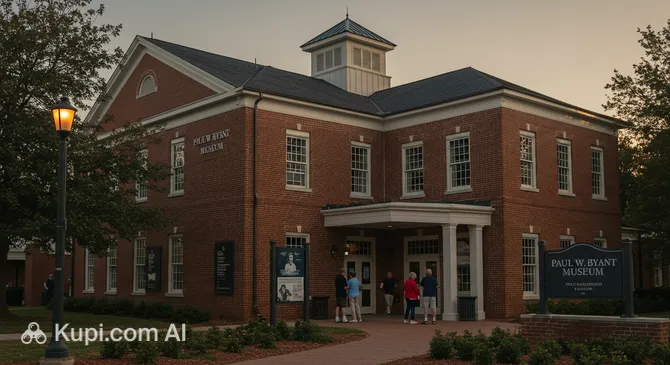
College football is practically a religion here, and the Paul W. Bryant Museum stands as a dedicated shrine to this passion. It houses a unique collection that includes the famous Houndstooth hat worn by the legendary coach "Bear" Bryant, drawing fans from all over the country.
The beautiful Manderson Landing Park along the Black Warrior River holds a special place in history as the former site of the university wharf. Before modern roads connected the campus to the rest of the state, this was the primary entry point where students would arrive by steamboat.
How to Get There
Reaching the "Druid City" is a straightforward process, though it typically involves arriving at a nearby major aviation hub first. To find the best route for your specific itinerary, you can read more about how to get to Tuscaloosa and plan your ground transport ahead of time. The city of Tuscaloosa does not have its own commercial airport for scheduled passenger flights, so most travelers choose to fly into Birmingham-Shuttlesworth International Airport (IATA: BHM). Located in the city of Birmingham, this airport is approximately 85 km from Tuscaloosa. The journey by rental car, taxi, or shuttle generally takes about 60 to 90 minutes via the interstate.
Another viable option for visitors is Huntsville International Airport (IATA: HSV), situated in Huntsville. While it is further away, at a distance of about 175 km from Tuscaloosa, it serves as a significant regional gateway. The drive from Huntsville typically takes around two hours. For those traveling from different directions, regional options like the Montgomery Regional Airport (IATA: MGM) in Montgomery also exist, though Birmingham remains the most popular and convenient choice for direct access to the university and city center.
For clarity, here is a summary of the main airports:
Tuscaloosa is a city that proudly showcases its deep-rooted passion for sports, its connection to the river, and its vibrant community life. Visitors will find a variety of engaging sites ranging from historic athletic shrines to scenic outdoor escapes and modern lifestyle centers.
For anyone interested in the legendary sporting culture of the region, the Paul W. Bryant Museum is an essential stop. Located on the University of Alabama campus, this facility chronicles the history of Crimson Tide football with an impressive collection of artifacts, trophies, and memorabilia. It offers a fascinating look at the players and coaches who have shaped the program's storied legacy over the decades.
Paul W. Bryant Museum. Illustration.
Source: Kupi.com AI
Traveler photos:
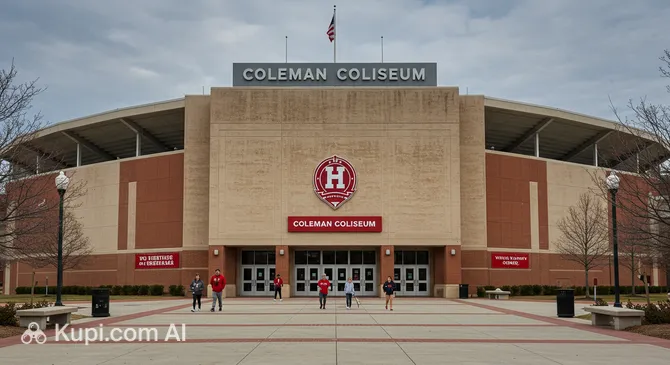
Just a short distance away, the excitement of collegiate sports continues at the Coleman Coliseum. This multipurpose arena is the electric home of the university's basketball and gymnastics teams. Attending an event here allows tourists to experience the intense energy and spirit of the local fan base, making it a memorable outing for sports enthusiasts.
Coleman Coliseum. Illustration.
Source: Kupi.com AI
Traveler photos:
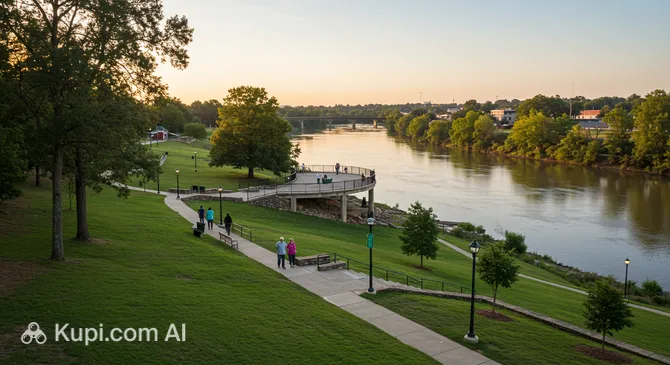
If you prefer a more tranquil experience by the water, Manderson Landing Park provides a beautiful retreat along the Black Warrior River. This well-maintained green space features paved walking trails, open lawns, and resting spots that overlook the river. It is a favorite location for watching sunsets, enjoying a leisurely picnic, or simply watching the rowing teams practice on the water.
Manderson Landing Park. Illustration.
Source: Kupi.com AI
Traveler photos:
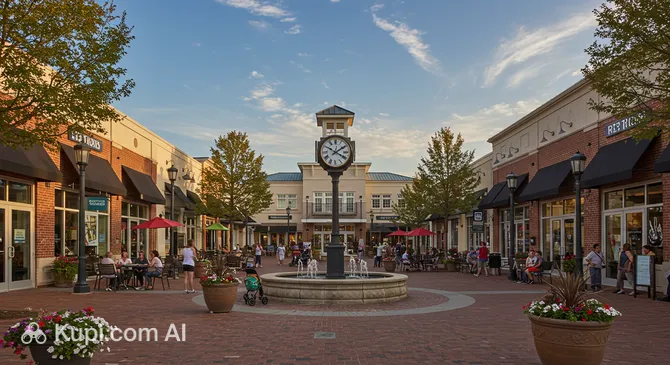
For a relaxing afternoon of shopping and dining, travelers often head to Midtown Village. This open-air lifestyle center features a diverse mix of retail stores, local eateries, and casual cafes. Its pedestrian-friendly layout makes it a pleasant place to stroll, grab a bite to eat, and soak up the modern atmosphere of the city.
Local Cuisine
The culinary scene in Tuscaloosa is a delightful deep dive into classic Southern comfort food, characterized by rich flavors and generous portions. The city is justly famous for its barbecue, particularly dishes served with the tangy, mayonnaise-based Alabama white sauce that is a unique regional specialty. Visitors will also find plenty of traditional "meat and three" establishments, where you can choose a main protein accompanied by three hearty sides like collard greens, mac and cheese, or black-eyed peas.
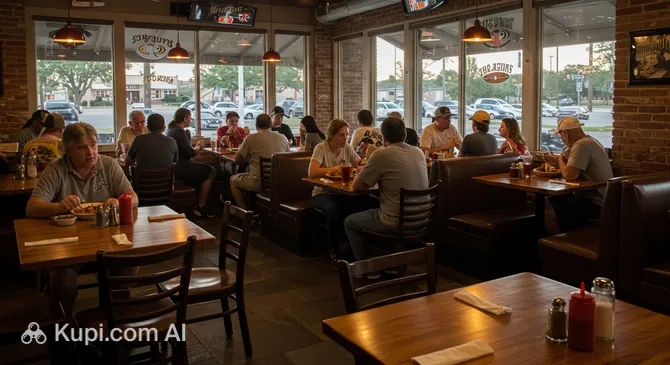
Fried chicken is another local staple that residents take very seriously. Crisp, golden, and juicy, it is a dish found on many menus throughout the city, often accompanied by fluffy biscuits. For a taste of this beloved classic, you might visit the 15th Street Chicken Restaurant, which is known for serving up satisfying portions that truly embody the heart of Southern cooking.
15th Street Chicken Restaurant. Illustration.
Source: Kupi.com AI
Traveler photos:
When it comes to beverages, sweet tea is practically the table wine of the South, served ice-cold with almost every meal. For those looking for something stronger, the "Yellowhammer" is the signature cocktail of Tuscaloosa. Named after the state bird and deeply connected to the university's game-day culture, this fruity, rum-based drink is a rite of passage for visitors. The local craft beer scene is also expanding, with several breweries offering ales inspired by local legends and landmarks.
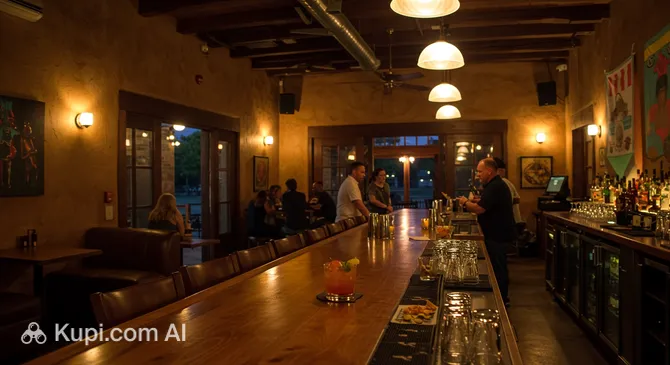
The city also boasts a vibrant selection of gastropubs and craft cocktail bars that cater to a diverse crowd. Places like Central Mesa offer a modern twist on dining and drinking, providing a lively atmosphere where you can enjoy creative beverages and distinctive flavors. Whether you are looking for a casual tailgate bite or a refined evening out, Tuscaloosa’s food culture is defined by warm hospitality and bold, memorable tastes.
Central Mesa. Illustration.
Source: Kupi.com AI
Traveler photos:
Travel Tips
Welcome to Tuscaloosa! To ensure your visit to this spirited Alabama city is as enjoyable and stress-free as possible, we have gathered some essential travel advice. These practical tips will help you navigate local customs and logistics with the ease of a seasoned local.
Clothing and Gear: If you are visiting in the summer, be prepared for high heat and humidity; light, breathable fabrics like cotton or linen are essential. Winters are generally mild, so a light jacket or layers should suffice. Since you will likely be walking around the University campus or the Riverwalk, bring comfortable walking shoes. International travelers should remember to pack a Type A or B power adapter for US outlets.
Transportation: The most convenient way to explore Tuscaloosa and its surrounding areas is by renting a car. While there is a local bus service (Tuscaloosa Transit Authority), routes can be limited for tourists. Ride-hailing apps like Uber and Lyft are widely available and are particularly useful on busy event days when parking can be difficult.
Finances: The official currency is the US Dollar (USD). Credit and debit cards are accepted almost everywhere, from restaurants to small boutiques. ATMs are easy to find throughout the city. Tipping is a significant part of the culture here; it is standard to leave a tip of 15-20% of the bill in restaurants and for taxi services.
Health and Safety: Tuscaloosa is generally a safe destination for travelers. In case of any emergency, dial 911 for police, fire, or medical assistance. The DCH Regional Medical Center provides comprehensive healthcare services. As in any city, use common sense: lock your car doors and avoid walking alone in poorly lit or deserted areas late at night.
Communication: English is the primary language, often spoken with a warm Southern accent. You will frequently hear "Y'all" used to address a group. Free Wi-Fi is standard in most hotels, cafes, and public areas. If you need mobile data, prepaid SIM cards from major carriers like AT&T or T-Mobile can be purchased at local stores.
Local Etiquette: "Southern Hospitality" is a way of life here. It is customary to greet people with a smile, hold doors open for others, and use polite titles like "Sir" and "Ma'am" when addressing strangers or elders. Being friendly and patient is highly appreciated by the locals.
What to Avoid: Do not underestimate the local passion for college football. Speaking negatively about the University of Alabama's team, the Crimson Tide, can be seen as disrespectful, especially on game days. It is best to join in the excitement or simply observe the fan culture respectfully.
Game Day Logistics: If your trip coincides with a home football game, be aware that the city transforms completely. Traffic becomes heavy, and hotels and restaurants are often booked weeks or months in advance. Plan your itinerary carefully around the game schedule if you want to avoid significant crowds and delays.
With these tips in hand, you are fully prepared to experience the best of what the Druid City has to offer. Embrace the local charm, enjoy the vibrant atmosphere, and have a wonderful trip to Tuscaloosa!
Entertainment & Nightlife
As the sun sets over the Black Warrior River, Tuscaloosa transforms into a vibrant hub of activity, driven largely by its youthful energy and Southern sociability. The nightlife scene here is distinct and spirited, offering everything from pulsing college bars to sophisticated lounges. Generally, the action is concentrated in two main districts: "The Strip" along University Boulevard and the historic Downtown area, particularly around Temerson Square.
The Strip is the heartbeat of the city's student life and is legendary for its game-day atmosphere. Here, the crowd is energetic, the music is loud, and the dress code is decidedly casual. It is the perfect place to experience the "Yellowhammer" spirit, with numerous venues located just steps away from the stadium. Downtown offers a slightly more mature vibe, where young professionals and visitors gather for craft cocktails, live bands, and a diverse culinary scene. Temerson Square, in particular, comes alive at night with open containers allowed within the designated entertainment district, letting you stroll between venues with your drink in a specific cup.
For those looking to start their evening with high-quality beverages and a lively atmosphere, Central Mesa is an excellent choice. While known for its cuisine, its bar serves up an impressive array of tequilas and handcrafted margaritas that set the tone for a fun night out. If you are interested in larger-scale entertainment, such as concerts or evening sporting events, the Coleman Coliseum frequently hosts major acts and competitions that draw crowds from across the region.
Practical advice for enjoying Tuscaloosa after dark includes timing your visit right. Thursdays through Saturdays are the peak nights, with bars typically staying open until 2:00 AM or later. Prices are generally reasonable, catering to a student budget, though upscale spots downtown will be pricier. Getting around is easy with ride-sharing services like Uber and Lyft, which are plentiful and the safest way to navigate between districts. While the main nightlife areas are well-lit and populated, it is always wise to stay in groups and avoid walking alone on quiet side streets late at night.
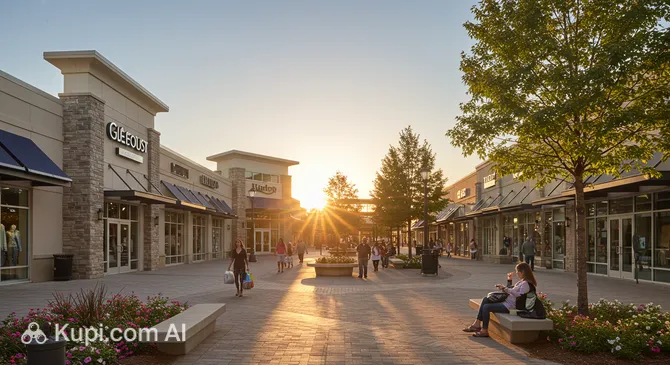
Before the night begins, the city offers plenty of daytime entertainment options to fill your schedule. You can explore local history museums, catch a matinee at a historic theatre, or enjoy some retail therapy. For a relaxed afternoon of browsing and dining, the Shoppes at Legacy Park provide a modern outdoor shopping experience with a variety of popular brands and restaurants.
Shoppes at Legacy Park. Illustration.
Source: Kupi.com AI
Traveler photos:
Parks & Museums
Tuscaloosa offers a delightful mix of scenic green spaces and rich cultural institutions that showcase the city's heritage and natural beauty. From riverside trails to historic collections, there are plenty of opportunities for visitors to explore the outdoors and learn about the local legacy.
For those seeking relaxation by the water, Manderson Landing Park is a premier destination. Located along the banks of the Black Warrior River, this area features well-maintained walking paths and open lawns that are perfect for picnics or watching the sunset. Nature enthusiasts will also appreciate the University of Alabama Arboretum, a 60-acre preserve that highlights the native flora of the region. With its walking trails through wildflower gardens and woodlands, it provides a peaceful escape from the city bustle.
The city's museums offer a deep dive into its storied past, with sports being a central theme. The Paul W. Bryant Museum is a must-visit for football fans, housing an extensive collection of artifacts that chronicle the history of the Crimson Tide. For a broader look at the region's natural history, the Alabama Museum of Natural History, located in the stunning Smith Hall, features impressive exhibits on geology and paleontology, including the famous prehistoric whale fossils found in the state.
History buffs should explore Capitol Park, which preserves the ruins of the Alabama State Capitol building that stood here when Tuscaloosa was the seat of government in the early 19th century. The visible stone foundation and reconstructed columns create a striking and atmospheric landmark. Additionally, the Jemison-Van de Graaff Mansion stands as one of the finest examples of Italianate architecture in the South, offering a glimpse into the opulent lifestyle of the antebellum era.
For a truly unique experience, consider a short drive south to the Moundville Archaeological Park. While technically just outside the city limits, it is one of the most significant Native American heritage sites in the United States and offers a profound connection to the ancient history of the land.
Getting Around
Navigating Tuscaloosa is relatively straightforward, though visitors will quickly notice that the city is designed primarily for automobile travel. While there is no metro, tram, or trolleybus system, the city does operate a public bus network known as the Tuscaloosa Transit Authority (TTA). These buses provide a reliable, albeit limited, way to reach key areas such as the downtown district, major shopping centers, and residential neighborhoods. The distinctive buses are easy to spot and serve as the primary mode of public transportation for locals who do not drive.
For visitors exploring the University of Alabama area, the Crimson Ride shuttle system is a highly useful resource. While primarily designed for students and faculty, these buses cover the sprawling campus and connect to nearby apartment complexes and areas of interest. The fleet often includes modern buses that run frequently during the academic year. If you are visiting the museums or the stadium on campus, these shuttles can save you a significant amount of walking.
The payment system for the public TTA buses is traditional and simple. Fares are typically paid in cash upon boarding, and it is essential to have exact change as drivers cannot provide change. The standard fare is very affordable, generally costing around $1.00 per ride. For those planning to use the bus frequently, multi-ride passes are available for purchase at the central bus terminal located in the downtown area. There are currently no complex smart card systems or tap-to-pay turnstiles, so keeping small bills and coins handy is the best practical advice.
Tourists should be aware of the operating hours, which are more limited than in larger metropolitan areas. The TTA buses typically run from early morning, around 5:00 AM, until approximately 6:00 PM on weekdays. Weekend service is often reduced or unavailable, particularly on Sundays. Therefore, it is crucial to check the latest schedule at the downtown terminal or online before planning a trip that extends into the evening or weekend.
Given the limitations of the bus schedule, alternatives play a major role in local mobility. Ride-sharing apps like Uber and Lyft are extremely popular and provide the most convenient way to move around the city, especially for dining out at night or visiting attractions off the main bus routes. Traditional taxis are also available but are less commonly hailed on the street; it is better to book them by phone in advance. For short distances, particularly around the university and downtown, electric scooters and bike rentals are frequently found on sidewalks and can be rented via smartphone apps.
A special feature of the local transport landscape emerges during college football season. On "Game Days," the city transforms, and a specialized network of Game Day Shuttles operates to transport tens of thousands of fans to and from the stadium. These shuttles run from various parking lots and downtown locations, allowing visitors to avoid the heavy traffic congestion near the university. Utilizing these special services is highly recommended if your visit coincides with a home game.
Accommodation
Accommodation:
Accommodation in Tuscaloosa is designed to cater to a diverse mix of visitors, from prospective students and their families to business travelers and die-hard football fans. The city offers a broad spectrum of lodging options, ranging from economical motels and reliable mid-range chain hotels to stylish boutique properties located in the heart of the city. While you will not find sprawling luxury resorts, the local hospitality industry prides itself on comfort, convenience, and a welcoming Southern atmosphere.
When choosing where to stay, location is a key factor. The Downtown area is increasingly popular for those who want to be within walking distance of the city's best restaurants, bars, and the scenic Black Warrior River. Staying here places you in the center of the action, close to the entertainment districts. Alternatively, the area surrounding the University of Alabama campus is ideal for visitors attending academic events or campus tours, offering easy access to the quad and stadiums. For travelers passing through or looking for budget-friendly options, the corridor along Interstate 20/59 features numerous well-known hotel chains that provide quick highway access and ample parking.
Price ranges in Tuscaloosa are generally moderate compared to larger metropolitan areas, with plenty of affordable choices for budget-conscious travelers. Standard booking methods via major online platforms or direct hotel websites work well for most of the year. However, it is important to note that prices can vary significantly depending on the university's schedule.
Booking Tip: The most critical advice for staying in Tuscaloosa is to plan around the college football schedule. On home game weekends in the fall, the city's population swells, and hotel rooms are often sold out months in advance. During these times, as well as during graduation in May, prices can skyrocket to premium levels. If you plan to visit during football season, it is highly recommended to book your accommodation as early as possible to secure a room.
Nearby Cities
For those looking to explore the surroundings, Tuscaloosa serves as an excellent base for day trips to several interesting nearby locations.
Just a short drive away, Birmingham stands out as the cultural and economic capital of the region. It offers a rich tapestry of history, from the moving exhibits at the Birmingham Civil Rights Institute to the panoramic city views from Vulcan Park and Museum. For those interested in shopping and nature, Hoover provides a perfect mix with the massive Riverchase Galleria and the serene beauty of Aldridge Gardens. Meanwhile, Homewood charms visitors with its quaint, village-style downtown area, featuring unique local boutiques, cozy cafes, and a relaxed atmosphere perfect for a leisurely afternoon.
City
Population
Distance
Brent
21 717
48 km
McCalla
13 221
53 km
Aliceville
2 486
55 km
Hueytown
16 694
59 km
Bessemer
26 171
61 km
These nearby destinations offer a glimpse into the diverse culture and landscapes of the region.
Shopping & Souvenirs
Shopping in Tuscaloosa offers a pleasant mix of Southern charm and collegiate energy, catering to both local residents and the thousands of visitors who flock to the city. While it may not be a massive metropolis for high-end fashion, the city provides a well-rounded retail experience that ranges from charming downtown boutiques to modern open-air lifestyle centers. Visitors can expect to find everything from unique local art and handcrafted gifts to major national brands, all within a short drive of the city center.
For a more traditional and atmospheric shopping experience, the downtown district is the place to start. Walking along University Boulevard and the surrounding streets, you will discover a variety of independent shops that capture the local spirit. This area is particularly known for its upscale clothing boutiques, antique stores, and gift shops offering items you won't find in big-box retailers. It is a perfect area for a leisurely stroll, where you can pop into a store and then grab a coffee at a nearby cafe.
When it comes to larger retail concentrations, the city favors open-air developments that take advantage of the generally mild weather. Midtown Village is one of the premier destinations for this type of experience. This expansive lifestyle center features a wide array of clothing stores, beauty shops, and specialty retailers set along wide, pedestrian-friendly sidewalks. It serves as a community hub where shopping is often combined with dining, making it easy to spend an entire afternoon browsing the latest trends.
Midtown Village. Illustration.
Source: Kupi.com AI
Traveler photos:
Another significant spot for retail therapy is the Shoppes at Legacy Park. Located a bit further south, this modern complex offers a curated selection of popular brand-name stores and large retailers. It is a convenient stop for travelers looking for familiar labels, sporting goods, or home decor. Additionally, the University Mall remains a staple for indoor shopping, providing a climate-controlled environment with department stores and a food court, which is particularly appealing during the hot summer months.
For those interested in local flavor and artisanal goods, the Tuscaloosa River Market is a must-visit. Situated along the banks of the Black Warrior River, this venue hosts a farmers market where local growers and makers sell fresh produce, baked goods, and handmade crafts. It is an excellent place to connect with the community and find authentic products that represent the agricultural richness of Alabama.
Souvenir hunting in Tuscaloosa is almost synonymous with the University of Alabama. The most popular items to bring home are undoubtedly related to the "Crimson Tide." Visitors will find an endless supply of t-shirts, hats, and memorabilia featuring the team's crimson and white colors. Beyond sports gear, look for items featuring the iconic "houndstooth" pattern, a tribute to the legendary coach Bear Bryant. For non-sports souvenirs, bottles of local Alabama white BBQ sauce or pottery from local artists make for unique and tasteful gifts.
Most shops in Tuscaloosa generally open around 10:00 AM and close between 6:00 PM and 9:00 PM, though hours can vary significantly on Sundays and during game days. Major shopping centers tend to stay open later than downtown boutiques. Payment is hassle-free, with credit and debit cards widely accepted everywhere. Travelers should be aware that sales tax is added to the price tag at the register, so the final total will be slightly higher than the marked price.