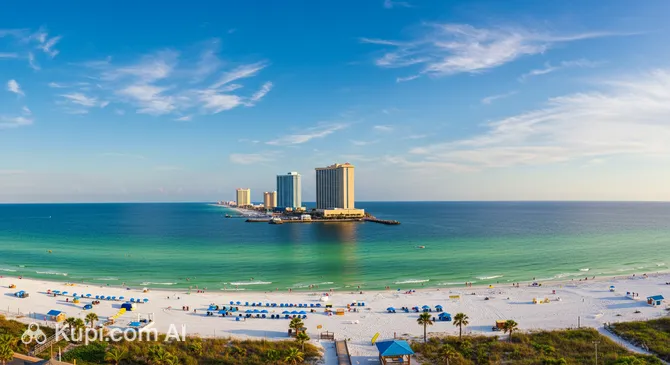
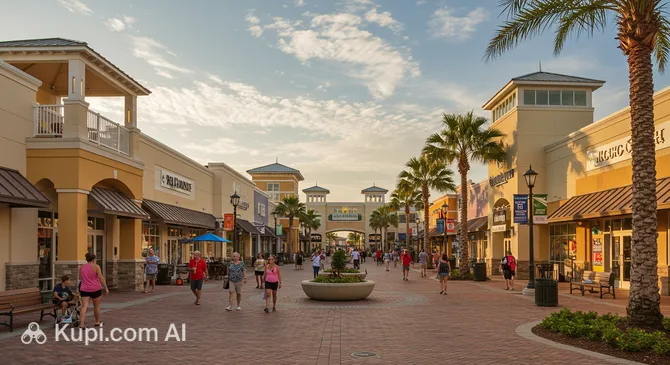
Welcome to Panama City, a vibrant coastal community located in the Florida Panhandle. Often overshadowed by its neighbor with a similar name, this city offers a distinct and authentic charm defined by its deep connection to the water. As a significant hub in the southeastern United States, it serves as a gateway to the shimmering waters of St. Andrews Bay and provides a more relaxed, residential atmosphere compared to the bustling tourist strips nearby.
Panama City. Illustration.
Source: Kupi.com AI
Geographically, the city is perfectly positioned for water lovers, boasting a mild subtropical climate that allows for year-round outdoor activities. With a population of approximately 149,000 residents in the metropolitan area, it balances the amenities of a growing urban center with the friendliness of a small town. The local culture is deeply intertwined with maritime traditions, and diving into the history of Panama City reveals a fascinating past centered around fishing, shipbuilding, and trade that shaped the region's identity.
Travelers are often drawn to the historic St. Andrews district, a walkable area filled with quaint shops, lively marinas, and some of the best seafood restaurants in the state. Nature enthusiasts will appreciate the proximity to pristine natural areas, where kayaking and dolphin watching are popular pastimes. Whether you are looking to explore local art galleries or simply enjoy a sunset over the bay, Panama City invites you to discover its unique heritage and scenic beauty.
Weather Overview
The climate in this region is generally subtropical, offering distinct seasons that appeal to different types of travelers. To help plan your activities, it is helpful to review the current weather in Panama City before your arrival. Generally, you can expect hot, humid summers with frequent showers and mild, comfortable winters.
Summer is the warmest time of year, with average temperatures in July and August hovering around 28°C and daily highs often reaching 30.5°C. This season also brings the most rainfall frequency; for instance, July typically sees about 24 wet days, so packing a raincoat is advisable. Despite the frequency of rain, the showers are often short, allowing plenty of time for outdoor exploration.
Winters are significantly cooler and generally drier regarding the number of rainy days. January is usually the coolest month, with an average temperature of 12.9°C and lows dipping to 9.3°C. With fewer wet days compared to summer—averaging around 9 to 10 days per month—the winter season provides a refreshing atmosphere for those looking to escape extreme heat.
Average monthly temperature
Average monthly precipitation
Interesting Facts
Beyond the main attractions and sun-soaked beaches, Panama City holds many fascinating secrets and historical tidbits that often surprise visitors. From its strategic naming to its pivotal role in legal history, this coastal town offers plenty of unique stories for the curious traveler.
The city's name was chosen with a very specific purpose in mind. During the construction of the Panama Canal, developers named it Panama City because it lies on a direct geographical line between Chicago and the Central American capital, hoping to entice real estate investors and establish the town as a major trade gateway.
History buffs might be interested to know that a landmark U.S. Supreme Court case originated here. The events leading to Gideon v. Wainwright, which established the right to legal counsel for defendants who cannot afford an attorney, began with a minor incident at a local pool hall in Panama City.
The waters surrounding the city are often referred to as the "Wreck Capital of the South." The area is home to a vast collection of historic shipwrecks and artificial reefs, making it a premier destination for divers exploring the biodiversity of the Gulf of Mexico.
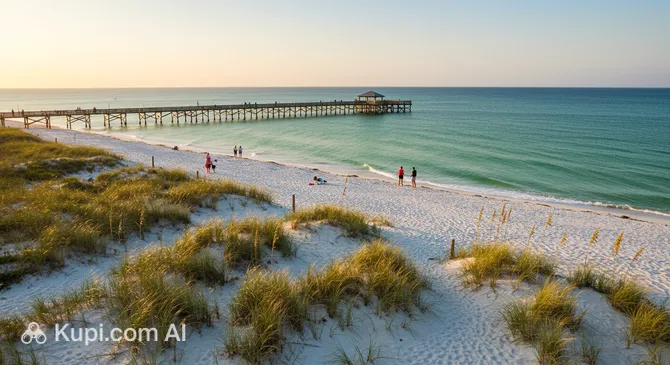
Before it became a beloved recreational area, St. Andrews State Park served a very different function. During World War II, the site was a military reservation used for coastal defense, and visitors can still see remnants of this era, such as the circular cannon platforms near the jetty.
St. Andrews State Park. Illustration.
Source: Kupi.com AI
Traveler photos:
How to Get There
Reaching this coastal destination is relatively straightforward, with air travel being the most popular method for visitors coming from afar. You can find more about how to get to Panama City and plan your route in detail to ensure a smooth arrival. The region is served by several airports, offering flexibility depending on your departure point and itinerary.
The most convenient option is Northwest Florida Beaches International Airport (ECP), which is located directly in Panama City. It is a key regional hub handling a significant volume of passengers. The airport is situated approximately 25.8 km from the city center, making it the closest arrival point for travelers heading to the local beaches and downtown area.
Alternatively, you can fly into Destin–Fort Walton Beach Airport (VPS), located in the city of Fort Walton Beach. This airport is busier but is situated further away, about 93.3 km from Panama City. For even more flight connections, Pensacola International Airport (PNS) in Pensacola is another viable choice, though it involves a longer drive of about 150.9 km to reach your final destination.
For clarity, here is a summary of the main airports:
Currently, there is no direct passenger railway service to Panama City. Visitors preferring ground transportation typically arrive by private car or intercity bus, utilizing the scenic highways that connect the Florida Panhandle to neighboring states.
Main Attractions
Panama City offers a diverse array of attractions that go far beyond its famous coastline. From interactive wildlife encounters to historic waterfronts and family adventures, the city provides memorable experiences for travelers of all ages. Whether you are looking to explore the local maritime culture or seek a thrill, there is plenty to discover.
One of the most popular destinations for families is ZooWorld Zoological Park. Unlike massive zoos where animals are viewed from a distance, this conservation park specializes in up-close encounters. Visitors can enjoy unique opportunities such as petting a sloth, feeding giraffes from a raised platform, or snuggling with lemurs. It is an educational and intimate way to connect with exotic wildlife right in the heart of the city.
ZooWorld Zoological Park. Illustration.
Source: Kupi.com AI
Traveler photos:
For a swashbuckling adventure on the water, the Sea Dragon Pirate Cruise is a favorite among visitors. This two-hour excursion takes passengers aboard a replica pirate ship for a journey filled with music, games, and treasure hunting, making it especially exciting for children. While the little ones are entertained by the lively crew, adults can relax and enjoy the scenic views of St. Andrews Bay, often accompanied by dolphin sightings.
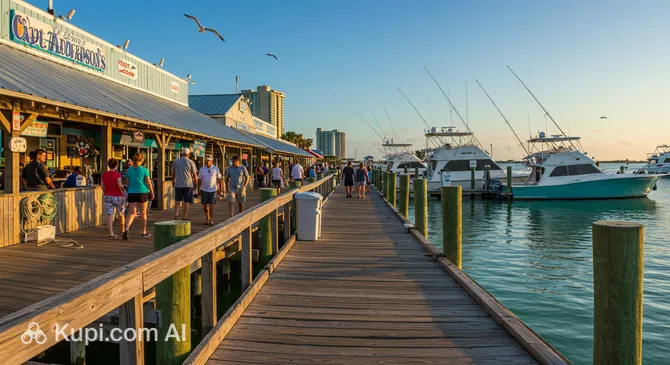
To truly experience the local heritage, a visit to Capt. Anderson's Marina is essential. Known as the "Granddaddy" of local seafood restaurants and waterfront hubs, this bustling marina is famous for its large fishing fleet. In the afternoons, tourists gather here to watch the charter boats return and unload their fresh catch of the day. It serves as a vibrant center for dining, deep-sea fishing trips, and shell island tours.
Capt. Anderson's Marina. Illustration.
Source: Kupi.com AI
Traveler photos:
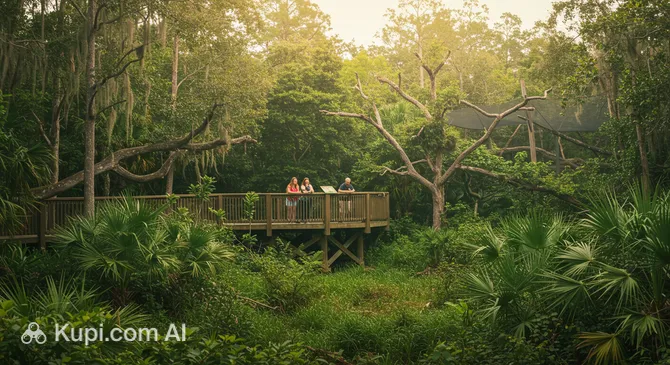
If you are seeking a tranquil escape, Oaks by the Bay Park in the historic St. Andrews district is a hidden gem. This waterfront park is shaded by majestic ancient oak trees and offers a peaceful atmosphere distinct from the busy beaches. With its boardwalks providing sweeping views of the bay, it is the perfect spot for a leisurely stroll, a quiet picnic, or watching the sunset over the water.
Local Cuisine
The culinary scene in Panama City is deeply rooted in its location on the Gulf of Mexico, making it a paradise for seafood lovers. The concept of "Gulf-to-table" is a way of life here, with restaurants serving catches that were often swimming in local waters just hours before hitting the plate. Visitors can expect a dining experience that blends fresh maritime ingredients with hearty Southern comfort food and a touch of Cajun flair.
One of the absolute must-try dishes is the famous Gulf oyster. Whether you prefer them raw on the half-shell, steamed, or baked with garlic butter and parmesan, the oysters here are renowned for their salty, savory flavor. Another staple is the Grouper sandwich, typically served fried, grilled, or blackened. This mild, flaky fish is a local favorite and can be found on almost every menu, often accompanied by hushpuppies—crispy, deep-fried cornmeal balls that are the perfect side dish.
Due to its proximity to Louisiana, the city also boasts excellent Creole and Cajun options. For a taste of this spicy and soulful cuisine, Dat Cajun Place Cafe is a popular spot where you can indulge in rich gumbo, jambalaya, and crawfish étouffée. The influence of these bold flavors adds a vibrant kick to the local food culture, offering a savory alternative to traditional fried seafood platters.
Schooners. Illustration.
Source: Kupi.com AI
Traveler photos:
When it comes to drinks, the "Bushwacker" is the signature cocktail of the coast. This frozen, chocolatey concoction is essentially an adult milkshake made with rum and coffee liqueur, perfect for cooling down on a hot afternoon. For a non-alcoholic option, sweet tea is the beverage of choice, served ice-cold and sugary sweet, accompanying nearly every meal in true Southern fashion.
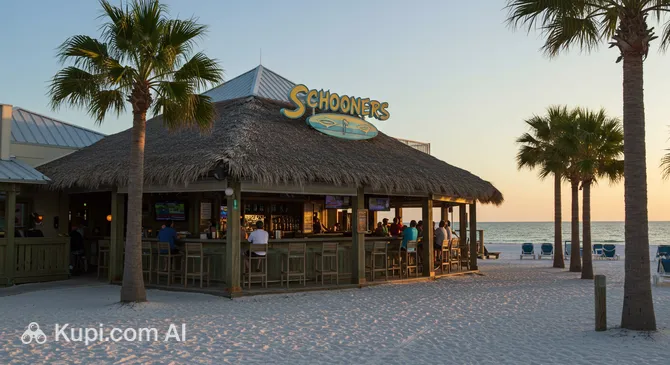
The dining atmosphere in Panama City is predominantly casual and relaxed, with many of the best spots located right on the water. Locals and tourists alike flock to open-air venues to enjoy their meals with a view of the sunset. Schooners, known as the "Last Local Beach Club," offers exactly this kind of laid-back vibe where you can eat with your toes in the sand. For those seeking fresh, healthy flavors, FINNS Island Style Grub provides delicious fish tacos and smoothie bowls in a surf-shack setting that perfectly captures the city's coastal spirit.
Travel Tips
To ensure your visit to Panama City is as relaxing and trouble-free as possible, we have compiled a list of essential advice for your journey. These practical tips will help you navigate the local lifestyle, manage your budget, and enjoy the unique Southern charm of this Florida destination.
Clothing and Gear: Since the climate is subtropical, pack lightweight, breathable fabrics like cotton or linen if you are visiting in the summer to handle the humidity. A hat and high-quality sunglasses are essential for protection against the bright Florida sun. If you are traveling during the winter months, bring layers and a light jacket, as evenings can be surprisingly cool. Comfortable walking shoes are a must for exploring historic districts like St. Andrews.
Transportation: While ride-sharing apps like Uber and Lyft are available, the most convenient way to explore the area is by renting a car. Public transportation, such as the Bay Town Trolley, is available but may not offer the frequency or reach desired by tourists on a tight schedule. Having your own vehicle gives you the freedom to visit scattered attractions and nearby beaches at your own pace.
Finances: The official currency is the US Dollar ($). Credit and debit cards are widely accepted at hotels, restaurants, and shops. However, it is wise to carry some cash for small purchases at local markets or for tipping valets and housekeeping staff. Tipping is a standard practice in the United States; leaving 15-20% of the bill at restaurants is customary for good service.
Health and Safety: Panama City is generally a safe destination, but standard travel precautions apply. Ensure you stay hydrated and apply sunscreen regularly, even on cloudy days, as the UV index can be high. Pharmacies like CVS and Walgreens are plentiful and easy to find for minor medical needs. In case of a serious emergency, dial 911 for immediate assistance.
Communication: English is the primary language spoken. You will likely encounter the local "Southern drawl," which is part of the regional charm. Free Wi-Fi is standard in most hotels, coffee shops, and public spaces. If you are visiting from overseas, purchasing a prepaid SIM card from a major US carrier is the best way to stay connected, as roaming charges can be high.
Local Etiquette: The locals are known for their warm Southern hospitality. It is polite to return greetings and use "please" and "thank you" generously. You may hear terms like "ma'am" or "sir" used frequently; this is a sign of respect, not age. While casual wear is the norm, remember to cover up when leaving the beach or pool areas—wearing swimwear in shops or non-beachside restaurants is generally frowned upon.
What to Avoid: Do not ignore the beach warning flags if you head to the nearby coast. The Gulf of Mexico can have strong rip currents that are dangerous even for strong swimmers; a double red flag means the water is closed to the public. Additionally, avoid leaving trash behind on beaches or in parks, as locals take great pride in preserving their natural environment.
Additional Tip: If you plan to visit popular seafood restaurants, especially during the peak summer season, try to dine slightly earlier than usual (around 5:00 PM or 5:30 PM). This "early bird" strategy can help you avoid long wait times and often lets you enjoy your meal while watching a spectacular sunset over the bay.
By keeping these tips in mind, you will be well-prepared to embrace the laid-back rhythm of Panama City. We hope this advice helps you focus less on logistics and more on creating unforgettable memories along the beautiful Florida coast.
Entertainment & Nightlife
While Panama City is often celebrated for its daytime coastal beauty, the city transforms as the sun sets, offering a nightlife scene that is distinctively relaxed and welcoming. Unlike the high-energy mega-clubs found in larger metropolitan hubs, the evening entertainment here centers around laid-back pubs, waterfront live music venues, and friendly local hangouts. The atmosphere is predominantly casual, reflecting the area's "flip-flop lifestyle," where a good time is defined by cold drinks, great tunes, and the company of friends.
The historic St. Andrews district is the heartbeat of the local nightlife. This walkable neighborhood comes alive after dark, with music spilling out from various bars and restaurants onto the streets. It is the perfect place for a pub crawl, allowing visitors to hop from one venue to another without needing a car. The crowd here is a mix of locals, military personnel from nearby bases, and tourists, creating a diverse and inclusive vibe.
For those seeking a genuine local experience, Patches Pub is a must-visit destination. Known for its eclectic decor and vibrant atmosphere, this spot is a favorite for grabbing a pint and enjoying live performances by local bands. It embodies the friendly spirit of the Panhandle, making it an excellent place to unwind after a day of exploring. The venue often hosts events and offers a patio setting that takes advantage of the warm Florida evenings.
Patches Pub. Illustration.
Source: Kupi.com AI
Traveler photos:
If you are looking for a place to enjoy billiards and a more lounge-like environment, the city offers several spots where you can relax with a drink in hand. Venues like Corner Pocket provide a classic setting for evening recreation, where the focus is on games and socializing away from the loud thumping bass of dance clubs. For a different kind of late-night vibe, Oasis Liquor & Package serves the community as a spot to pick up essentials or enjoy the local nightlife scene, catering to those looking for variety in their evening plans.
For adrenaline junkies who aren't ready to sleep, the excitement doesn't end when the sun goes down. The Slingshot and Vomatron offers a thrilling way to experience the city lights from above—at high speed. These attractions are often open late and provide a heart-pounding break from the bar scene, perfect for groups of friends daring enough to take the ride.
Slingshot and Vomatron. Illustration.
Source: Kupi.com AI
Traveler photos:
Practical Nightlife Tips:
Best Time to Go: The nightlife in St. Andrews and downtown typically picks up around 9:00 PM. Weekends are naturally busier, but many spots feature live music on weeknights as well.
Dress Code: The style is "resort casual." You will fit in perfectly wearing shorts, polo shirts, or sundresses. Very few places enforce a strict dress code, though shirts and shoes are always required.
Getting Around: Ride-sharing services like Uber and Lyft are reliable and recommended, especially if you plan to drink. Taxis are also available but may require a call in advance.
Safety: The main nightlife districts are generally safe for walking, particularly in St. Andrews where there is plenty of foot traffic. However, stick to well-lit main streets and avoid wandering into unlit residential areas late at night.
Before the night fully sets in, you might enjoy some milder evening entertainment. Many visitors start their night with a sunset stroll along the marina or a visit to local amusement centers that remain open into the evening. Whether you are looking for a quiet drink by the water or a thrill ride under the stars, Panama City offers a diverse range of ways to enjoy the dark hours.
Parks & Museums
While the emerald waters and sandy shores are the main draw, Panama City also boasts a rich tapestry of green spaces and cultural institutions. Beyond the beach towel, visitors can discover serene parks that showcase the region's natural biodiversity and museums that celebrate its artistic and historical heritage. Whether you are looking for a quiet nature walk or an afternoon of art appreciation, the city offers plenty of opportunities to explore its scenic and creative side.
For those seeking accessible beachfront beauty without the crowds, Richard Seltzer Park is a standout location. This public beach access point preserves a slice of the natural dune environment, offering boardwalks that protect the fragile ecosystem while leading visitors straight to the water. It is an excellent spot for swimming and sunbathing, equipped with convenient facilities like showers and picnic areas, making it a stress-free destination for families.
Richard Seltzer Park. Illustration.
Source: Kupi.com AI
Traveler photos:
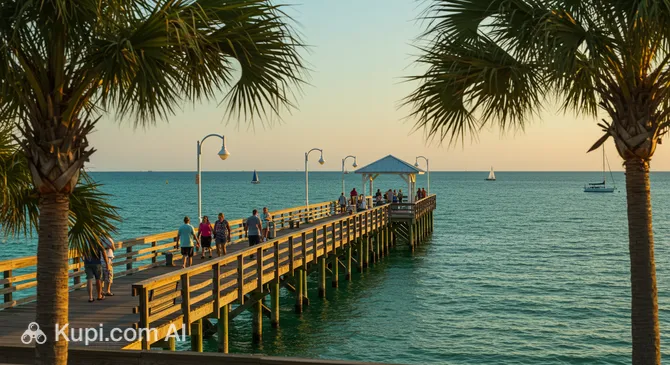
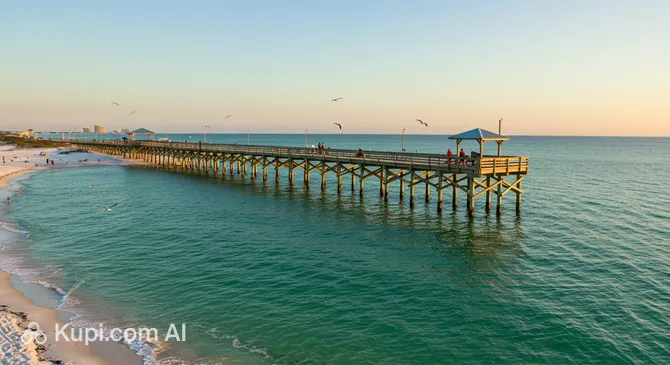
Another iconic outdoor spot is the St. Andrews State Park Pier. Extending far into the Gulf of Mexico, this pier is a favorite among anglers hoping to catch Spanish mackerel, flounder, or redfish. Even if you aren't fishing, a walk to the end of the pier provides panoramic views of the coastline and is one of the best vantage points in the area for spotting dolphins playing in the surf or watching a breathtaking sunset.
St. Andrews State Park Pier. Illustration.
Source: Kupi.com AI
Traveler photos:
If you prefer a shaded retreat away from the sand, Under The Oaks Park offers a lush, green environment perfect for relaxation. Located in the nearby Parker area, this park is known for its majestic tree canopy and tranquil atmosphere. It features a disc golf course and scenic walking paths along the water, providing a peaceful break from the bustling tourist centers.
On the cultural front, the Panama City Center for the Arts serves as the creative hub of the community. Housed in the historic 1925 City Hall building, this venue hosts rotating exhibitions featuring local and regional artists, as well as offering workshops and classes. It is a wonderful place to experience the local artistic talent and admire the beautifully preserved architecture of the downtown area.
For a dive into science and local history, the Science and Discovery Center of Northwest Florida is a fantastic stop, especially for travelers with children. The center features interactive exhibits that explore technology, natural history, and the environment. Additionally, the Bay County Historical Museum offers a glimpse into the region's past, from its early Native American inhabitants to the development of the fishing and shipping industries that shaped the modern city.
For a truly local experience, pack a lunch and head to Leslie Porter Wayside Park. This small, unpretentious park is a favorite among residents for a quick escape by the bay, offering a quiet setting to watch boats pass by without the fanfare of the larger attractions.
Getting Around
Navigating Panama City is best experienced with the freedom of a personal vehicle. As is common in many parts of the United States, the city's layout is somewhat sprawling, with residential areas, commercial hubs, and historic districts often separated by significant distances. Renting a car is highly recommended for visitors who wish to explore the region efficiently, from the downtown marina to the nearby beaches. Major rental agencies are located at the airport and throughout the city, and parking is generally plentiful and affordable in most neighborhoods.
For those preferring public transit, the Bay Town Trolley serves as the primary bus system for Bay County. It offers several routes connecting Panama City with neighboring Panama City Beach and major shopping centers. While it is an economical choice, travelers should be aware that service frequency is typically hourly, and routes may not run late into the evening. It is a viable option for leisurely travel but requires some planning if you are on a tight schedule.
Ride-sharing services like Uber and Lyft are widely available and provide a convenient alternative to driving, especially for evening outings in the St. Andrews district or downtown. Traditional taxi companies also operate in the area, though they generally require booking in advance rather than hailing from the street. These services are particularly useful for moving between the city center and the coastal tourist zones without worrying about navigation.
Walking and cycling are pleasant options within specific districts but are less practical for cross-town travel. The historic areas of St. Andrews and Downtown Panama City are very pedestrian-friendly, featuring sidewalks, scenic boardwalks, and compact layouts perfect for strolling. However, connecting between these distinct neighborhoods on foot is not advisable due to the distance and heavy traffic on main thoroughfares.
Accommodation
Where to Stay:
Finding the perfect place to stay in Panama City depends largely on the type of experience you are seeking. The accommodation landscape here differs slightly from the high-rise dominated skyline of the neighboring beach towns. In the city proper, you will find a mix of reliable chain hotels, charming bed-and-breakfasts in historic districts, and budget-friendly motels. However, for those seeking resort-style amenities and direct beach access, the options often blend seamlessly with the nearby coast, offering spacious condominiums and vacation rentals that are popular with families and groups.
If you prioritize atmosphere and local culture, consider staying near the St. Andrews district or the downtown marina area. These neighborhoods place you within walking distance of excellent dining, nightlife, and scenic parks, offering a more residential and authentic feel. Conversely, if your main goal is to wake up to the sound of waves, you might look towards the properties that line the water, where many visitors opt for condo-style living that provides the comforts of home with the luxury of a hotel.
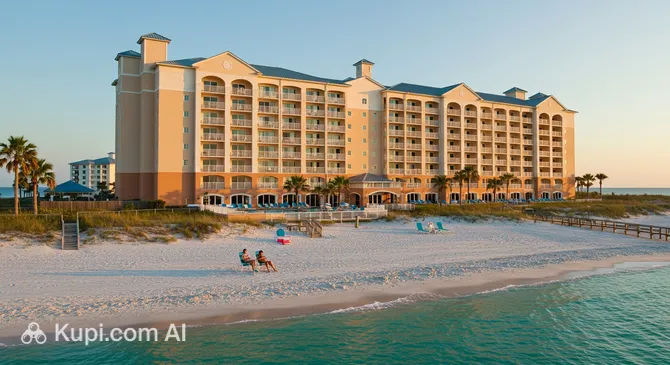
For travelers looking for a comprehensive resort experience, Treasure Island Resort Condominiums is a well-known choice. This property is designed for relaxation, offering guests access to a large swimming pool, fitness center, and stunning views of the Gulf. It represents the upper-mid-range category, ideal for those willing to spend a bit more for premium amenities and location.
Treasure Island Resort Condominiums. Illustration.
Source: Kupi.com AI
Traveler photos:
Another popular option for families is Dunes of Panama Condos. This complex is favored for its extensive beachfront footage and family-friendly atmosphere. Staying in a vacation rental or condo like this allows for more independence, often featuring full kitchens and separate living areas, which can be a great money-saver for longer trips.
Booking Tips and Prices:
Accommodation prices in Panama City can fluctuate significantly based on the season. During the peak summer months (June to August) and Spring Break, rates are at their highest, and properties can sell out weeks in advance. It is highly recommended to book at least two to three months early if you plan to visit during these popular times.
Generally, you can expect the following price ranges:
Budget: Basic motels and economy hotels typically range from $70 to $120 per night.
Mid-Range: Standard hotels and smaller vacation rentals usually cost between $130 and $250 per night.
Luxury/Resort: Premium condos and waterfront resorts can exceed $300+ per night, especially during holidays.
Most accommodations can be easily booked via major online travel platforms, though booking directly through a property's website can sometimes yield special offers or better cancellation policies.
Nearby Cities
For those looking to explore the surroundings, Panama City serves as an excellent base for day trips to several interesting nearby locations. The region offers a mix of historical sites, state capitals, and quieter coastal retreats, all within a manageable driving distance.
To the west lies Pensacola, a city renowned for its deep military roots and historic charm. As the home of the National Naval Aviation Museum and the Blue Angels, it is a must-visit for aviation enthusiasts. The city's downtown area also boasts colonial Spanish architecture and a vibrant cultural scene, offering a glimpse into Florida's rich past.
Heading east, travelers can visit Tallahassee, the state capital of Florida. Unlike the flat coastal areas, this city is defined by its rolling hills and picturesque canopy roads. It offers a variety of museums, including the Museum of Florida History, and the lively energy of a major college town, providing a nice contrast to the beach lifestyle.
For those seeking a more tranquil seaside escape, Navarre is often referred to as "Florida's Best Kept Secret." Located between Pensacola and Fort Walton Beach, it offers pristine, uncrowded white sand beaches and a relaxing atmosphere, perfect for a peaceful day by the emerald waters.
City
Population
Distance
Upper Grand Lagoon
18 140
8 km
Lynn Haven
19 425
10 km
Panama City Beach
17 882
23 km
Miramar Beach
9 059
71 km
Apalachicola
2 300
81 km
These nearby destinations offer a glimpse into the diverse culture and landscapes of the region, making them perfect for extending your travel itinerary.
Shopping & Souvenirs
Shopping:
Shopping in Panama City reflects the destination's coastal, laid-back atmosphere. Instead of high-end luxury fashion houses or overwhelming mega-malls, you are more likely to find charming boutiques, antique stores, and surf shops. The experience here is centered on discovering unique local treasures and enjoying a friendly chat with shop owners rather than rushing through crowded complexes.
The most atmospheric place to browse is undoubtedly the Historic St. Andrews district. This walkable neighborhood is lined with independent retailers offering everything from coastal home decor to handmade jewelry. A stroll down Beck Avenue allows you to pop into quaint gift shops while enjoying the fresh bay breeze. Another key area is the downtown district along Harrison Avenue, where revitalization efforts have introduced a mix of art galleries, clothing boutiques, and specialty stores housed in beautifully preserved historic buildings.
For a more traditional retail experience featuring familiar national brands, visitors often head to the 23rd Street Station Shopping Center. This open-air shopping hub provides a convenient location to pick up clothing, electronics, and household goods. It is a practical stop for travelers who need to replenish supplies or are looking for standard American retail chains. Additionally, the Lynn Haven Plaza offers further shopping options just a short drive from the city center, catering to a variety of needs in a relaxed setting.
23rd Street Station Shopping Center. Illustration.
Source: Kupi.com AI
Traveler photos:
If you are visiting over the weekend, the Market at St. Andrews is a must-visit event. Held every Saturday morning year-round near the marina, this waterfront farmers market is a vibrant gathering spot. Here, you can purchase fresh local produce, artisanal jams, baked goods, and unique crafts made by local artisans. It is not just a place to shop, but a community event where you can mingle with residents and often enjoy live music.
When looking for keepsakes to take home, consider items that reflect the city's maritime heritage. Popular souvenirs include locally crafted seashell art, nautical-themed home decor, and artwork depicting the scenic Gulf Coast landscapes. Specialty food items, such as local hot sauces, tupelo honey, or spice blends used for seafood boils, also make excellent gifts that allow you to bring a taste of Florida back to your own kitchen.
Most shops in Panama City operate from 10:00 AM to 6:00 PM, though larger shopping centers and department stores typically stay open until 9:00 PM. On Sundays, hours are often reduced, and some smaller, family-run businesses in historic districts may be closed. Major credit and debit cards are accepted almost everywhere, but it is helpful to have some cash on hand if you plan to visit the farmers market or smaller vendor stalls.
Travelers should be aware that the United States generally does not have a Value Added Tax (VAT) refund system for international tourists. Sales tax is not included in the price tag and is added at the register, so the final amount you pay will be slightly higher than the listed price. In this region of Florida, the sales tax rate is typically around 7%.